Commercial Product Evaluation Criteria: Comparing Cost, Quality and Fit
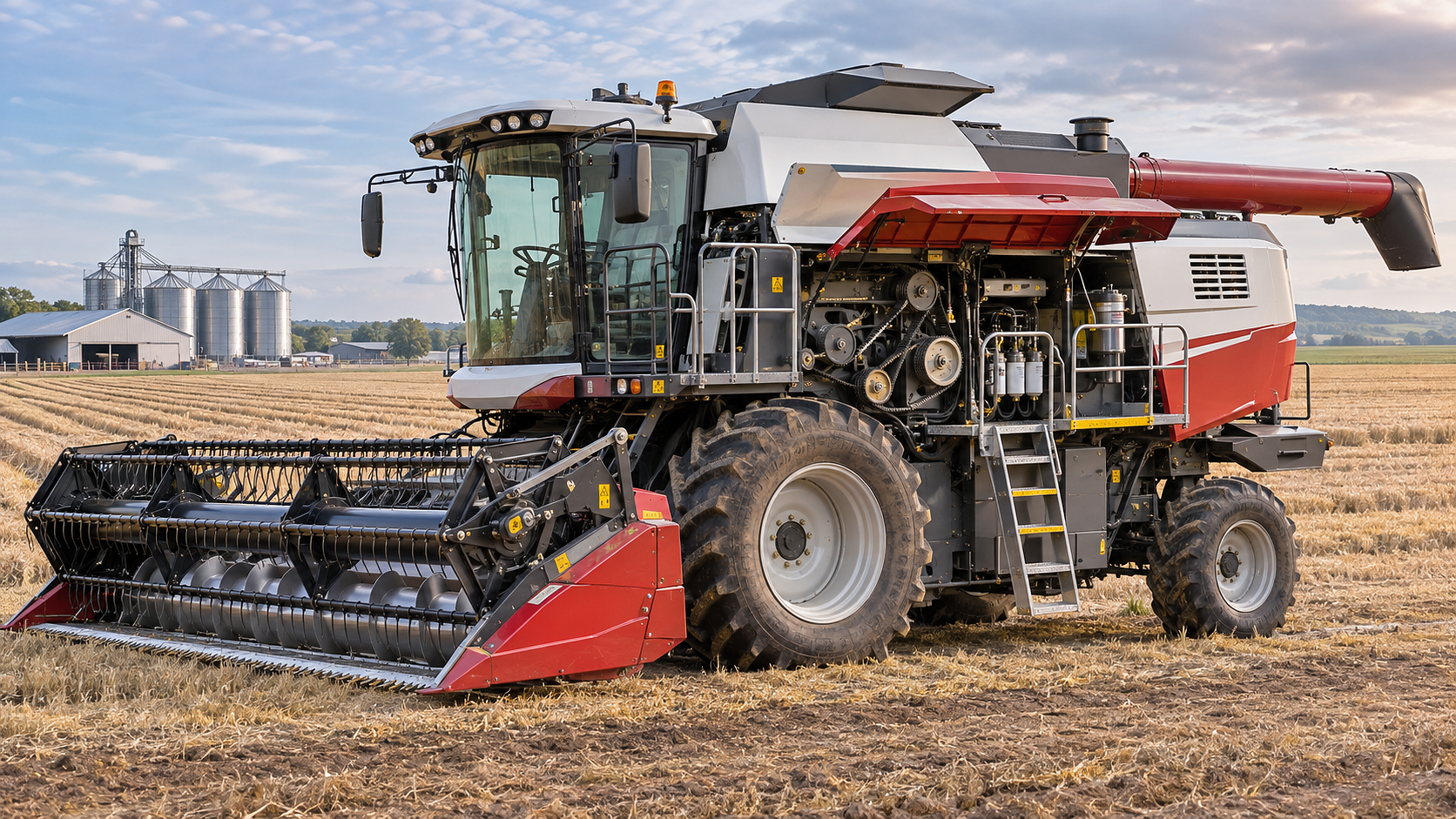




The lowest equipment quotation is not necessarily the least expensive purchase. A combine that misses a narrow harvest window, a tractor chassis that cannot operate an existing implement, or an irrigation system that requires unexpected infrastructure can cost more than its initial price suggests. Use commercial product evaluation criteria to compare total ownership cost, verified quality, and fit with the actual operation—then reject offers that fail essential requirements before scoring the rest.
Start by defining the work the product must perform, the conditions it will face, and the evidence suppliers must provide. Compare quotations on the same scope and time horizon, test important performance claims under representative conditions where practical, and account for parts, service, and downtime exposure. The preferred offer is the one that meets the operating requirement at an acceptable risk-adjusted cost, not simply the one with the most features.
Set the operating requirement before comparing offers
Product specifications become useful only when tied to a job. Estimate the workload, expected operating hours, usable work windows, site conditions, and the equipment or infrastructure that must connect to the purchase. Separate requirements into mandatory conditions and preferences. A mandatory condition should describe a genuine operational constraint, such as fitting through an access point or delivering the hydraulic flow required by an existing implement.
For a combine harvester, the requirement might include the crops to be harvested, typical field conditions, transport limitations, and the acceptable method for measuring grain loss. For a tractor chassis, it could include implement weight, power take-off requirements, hydraulic connections, and maintenance access. For irrigation, define the water source, available pressure, field layout, filtration needs, and the level of control the operation can maintain.
Avoid specifying a particular feature when the real need is an outcome. For example, a remote monitoring function may be useful, but the requirement should state which operating information must be available, how quickly an alert is needed, and what happens when connectivity is lost. This gives suppliers room to propose different approaches without weakening the comparison.
Compare cost over a common ownership period
The purchase price is only one component of total cost of ownership. Establish a consistent evaluation period and expected usage for every offer. Use supplier quotations where available and internal operating assumptions for items that cannot yet be priced. Record those assumptions so reviewers can see which costs are firm and which are estimates.
Normalize each bid before calculating. One supplier may include commissioning and operator training while another lists them separately. An irrigation quotation may cover emitters and controllers but exclude filtration, electrical work, or pipe installation. Ask for exclusions in writing and add comparable allowances rather than assuming an incomplete offer is cheaper.
Do not treat every possible cost as equally certain. A useful calculation separates quoted amounts from estimates for fuel, repairs, or resale. Test the ranking with alternative assumptions: higher annual usage, a longer ownership period, or a major component replacement outside warranty. If a small change reverses the result, the decision depends on uncertain inputs and deserves further verification.
Downtime also requires care. Do not add an arbitrary loss figure simply to complete a spreadsheet. Instead, identify the work at risk, whether a substitute is available, and how long the operation can tolerate an outage. Where the business can support an estimate, use a consistent method across offers and keep it separate from confirmed costs.
Evaluate quality using evidence, not feature counts
Quality is the product’s ability to perform the required work consistently, with acceptable maintenance and service support. A long specification sheet or a heavy-duty label does not demonstrate that ability on its own. Request evidence relevant to the intended duty, and distinguish documented performance from a supplier’s general claim.
For mechanical equipment, review construction details, component access, lubrication points, protection against dust and debris, and the replacement process for wear items. Ask which components are routinely adjusted or replaced and what tools are needed. A machine that is difficult to clean or service may lose useful working time even when its nominal capacity is attractive.
Where a demonstration is practical, agree on the test conditions beforehand. For a combine, record crop condition, operating settings, travel speed, throughput, and the method used to assess losses and grain quality. A demonstration in easy conditions is informative, but it does not prove performance in wet crop or uneven terrain. For an irrigation system, examine the design basis, including inlet water quality, pressure range, filtration, and the method used to check distribution in the field.
Review the documentation as part of quality assessment. Operating instructions, maintenance schedules, parts lists, fault information, and commissioning procedures should be available in a form the operating team can use. Ask suppliers to identify assumptions behind claimed performance and any operating conditions that invalidate those claims. If critical evidence is unavailable, record the gap and decide whether a conditional trial, a contract requirement, or rejection is appropriate.
Check fit at the interfaces
A technically capable product can still be a poor choice when it does not connect reliably to the rest of the operation. Interface checks should cover physical dimensions, power, controls, data, and the people responsible for using and maintaining the equipment.
Mechanical and infrastructure fit
Check transport dimensions, turning space, ground conditions, attachment points, electrical supply, hydraulic pressure and flow, and access for maintenance. For a tractor chassis, confirm that the combined tractor-and-implement configuration stays within the applicable manufacturer limits for loads and operating conditions. Ask for connection details rather than relying on statements such as “compatible with most implements.”
For irrigation, compare the proposed system with the actual water source and network. Available pressure and flow must be assessed at the point of use, not assumed from a pump’s nominal rating. Water quality can affect filtration and emitter maintenance; field slope and elevation can affect pressure across the system. A water-saving claim is meaningful only when the design, scheduling, and maintenance arrangements are suitable for the site.
Software and operational fit
For connected tools, confirm which functions work without a network connection, what data the system records, and whether information can be exported in a usable format. Ask about subscription charges, user access, software updates, and what happens to stored data if the service ends. A feature that depends on connectivity or a paid service should be evaluated with those dependencies included.
Consider the operating team’s capacity as well. A sophisticated controller may offer useful adjustment, but it can also require setup, calibration, and ongoing attention. Request a demonstration of routine tasks: changing a setting, diagnosing an alert, and restoring operation after an interruption. The important question is not whether the interface has advanced functions, but whether staff can use the functions required for the job.
Make supplier support part of the product comparison
Warranty wording and service availability can materially change the value of two otherwise similar offers. Obtain the proposed terms before selecting a supplier, not after the technical evaluation is complete. Identify who will install the product, who handles a failure, and whether service is delivered directly or through a third party.
- Parts: Ask which routine wear and critical repair items are stocked, where they are held, and how availability will be confirmed when an order is placed.
- Service response: Clarify contact hours, response and repair commitments, travel charges, and the distinction between an initial response and a completed repair.
- Warranty: Check the coverage period, exclusions, consumables, labor and travel terms, required maintenance, and the process for authorizing a claim.
- Training: Specify the number and type of sessions, the tasks covered, and whether materials and follow-up support are included.
- Continuity: Confirm access to manuals, diagnostic tools, software support, and replacement parts throughout the intended ownership period.
A local service presence can reduce coordination difficulty, but proximity alone is not a response commitment. Conversely, a remote supplier may be acceptable if the operating window, spare-parts arrangements, and documented support terms match the risk. Request written commitments for the support that matters to the purchase.
Use a scorecard without hiding a failed requirement
Once bids are normalized, screen out products that do not meet mandatory conditions. Score the remaining offers against weighted criteria that reflect the job. Agree on the weights and scoring descriptions before reviewing final bids to reduce the temptation to adjust the model around a preferred product.
An illustrative model might allocate 40% to ownership cost, 30% to operational performance and quality, 20% to fit, and 10% to supplier support. These weights are not universal: an operation with a narrow harvest window may give reliability and repair support more weight, while an irrigation project constrained by infrastructure may emphasize design fit. Explain each score with the underlying evidence, not just a number.
Use the same scoring scale for each offer and distinguish measured results, documented commitments, and unverified claims. A high overall score should not compensate for an unacceptable hydraulic mismatch or an absent safety function. Equally, do not give full marks for a desirable feature unless it is included in the quoted configuration and can be used in the intended conditions.
Before approval, review close scores and unresolved assumptions. If the leading option depends on uncertain energy use, seek a clearer estimate or compare the effect of a range. If service terms are the deciding factor, put the required response arrangements into the contract. Record the selected configuration, exclusions, acceptance checks, and responsibility for commissioning so that the delivered product can be judged against the same criteria used to buy it.
Related News
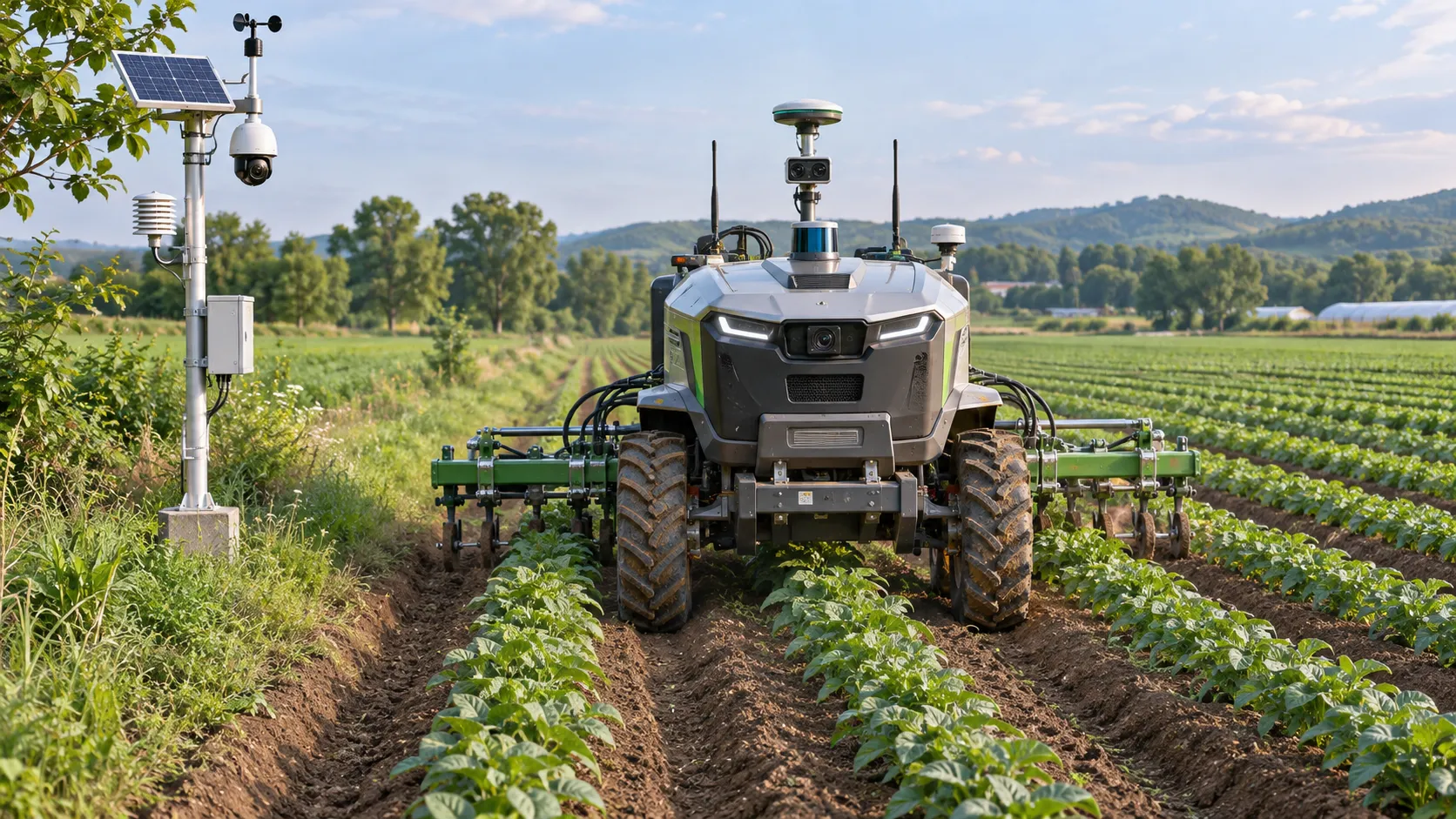
Agricultural Automation Still Needs Human Oversight, Study Finds
Agricultural automation still needs human oversight. Discover how AI and smart equipment are reshaping farm jobs, skills, and decisions.
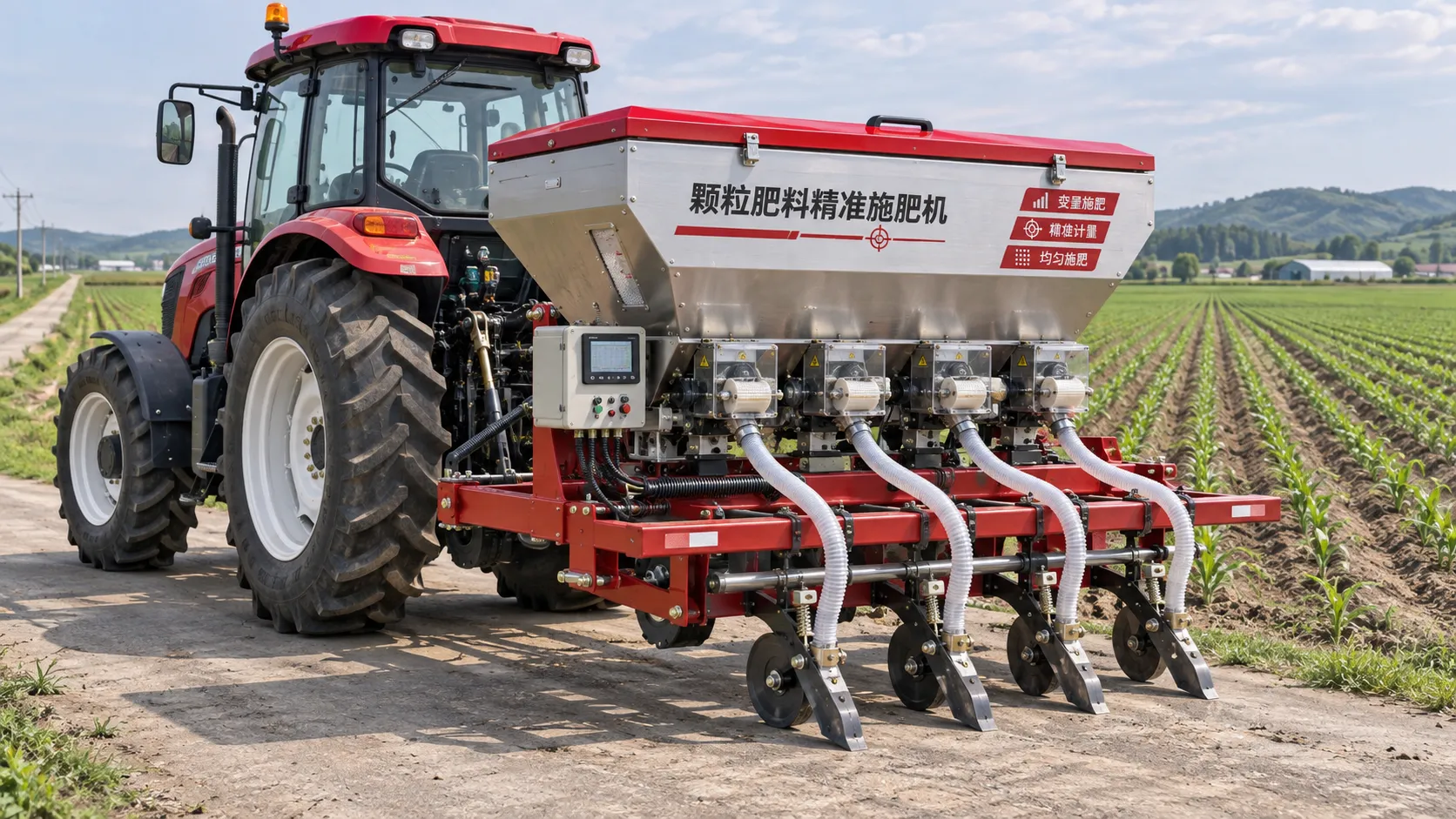
Choosing a Precision Fertilization Equipment Manufacturer: What to Check
Choose a precision fertilization equipment manufacturer with confidence. Compare accuracy, compatibility, service and total ownership costs before you buy.
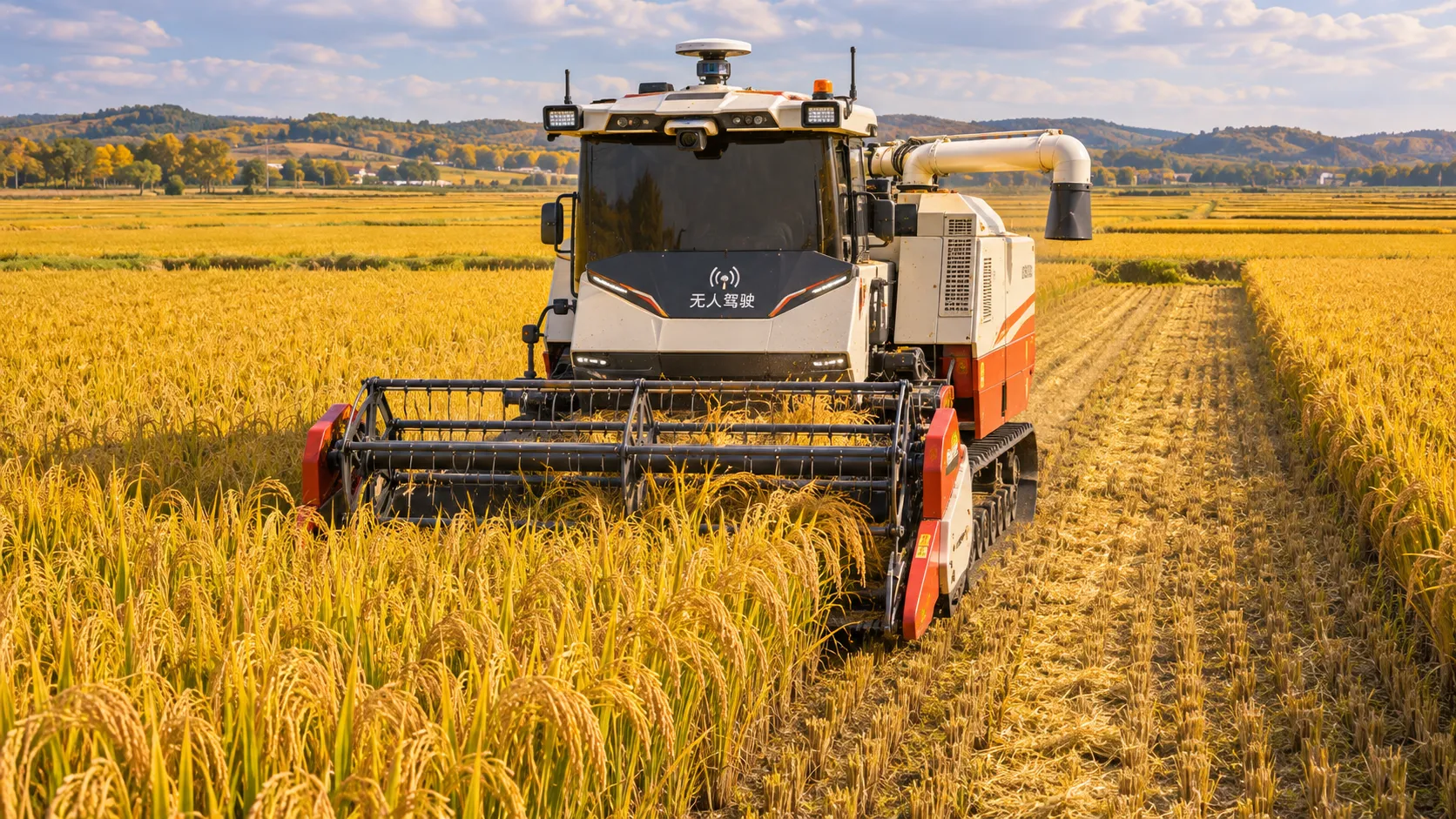
China's Autumn Grain Harvest Highlights Role of Machinery and Precision Farming
China's autumn grain harvest highlights machinery and precision farming. Explore how coordinated practices support harvesting and yield improvement.
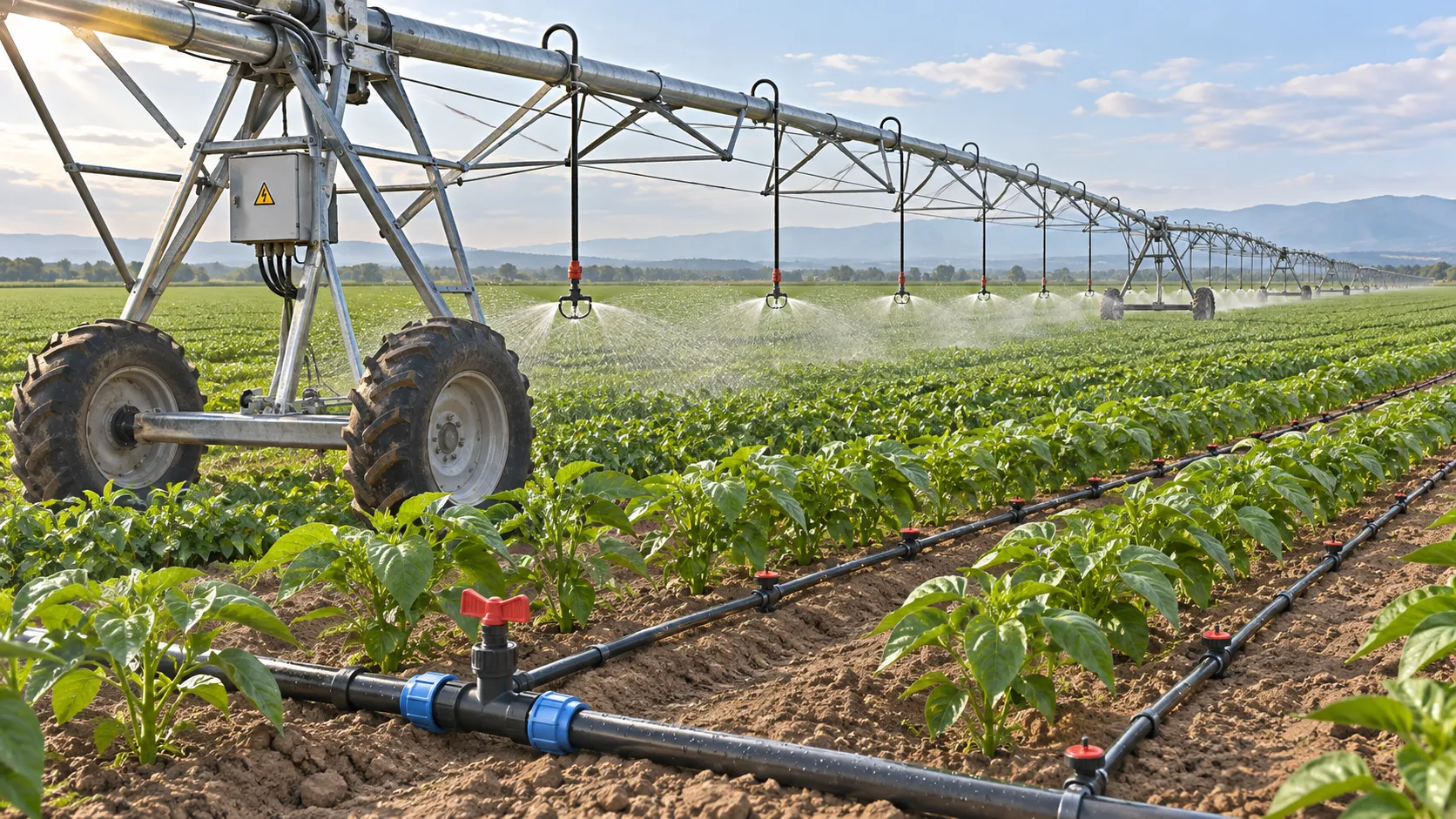
Drip vs. Center Pivot Irrigation: Maintenance Tasks and Costs Compared
Use this irrigation solution comparison by maintenance to weigh drip vs. center pivot tasks, costs and downtime—and choose the best fit for your field.
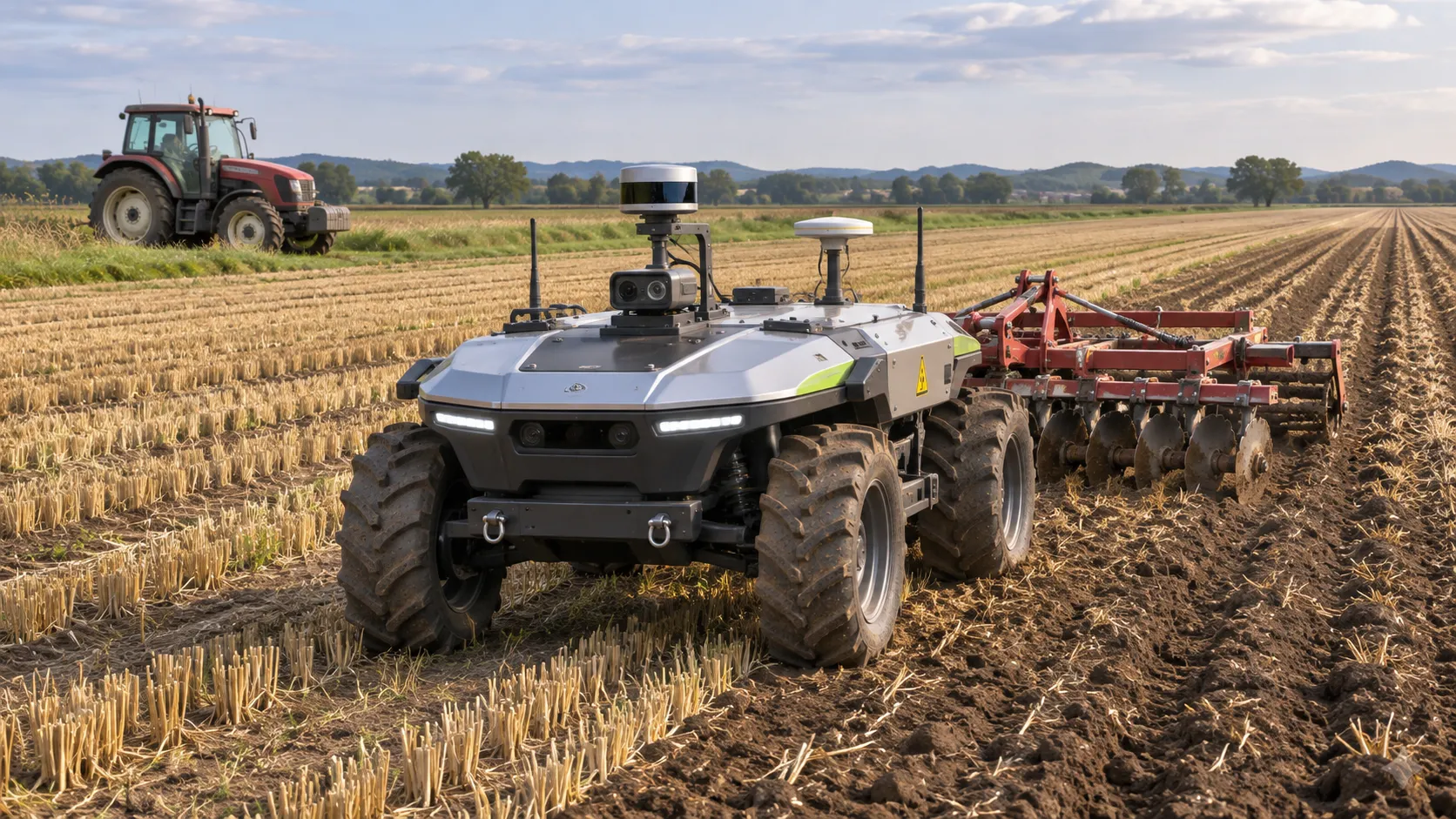
EIMA 2026: Six Tractor of the Year Awards Include Autonomous Robot
Explore the Tractor of the Year awards at EIMA 2026, featuring six winners, including the AgXeed autonomous robot and leading tractor models.
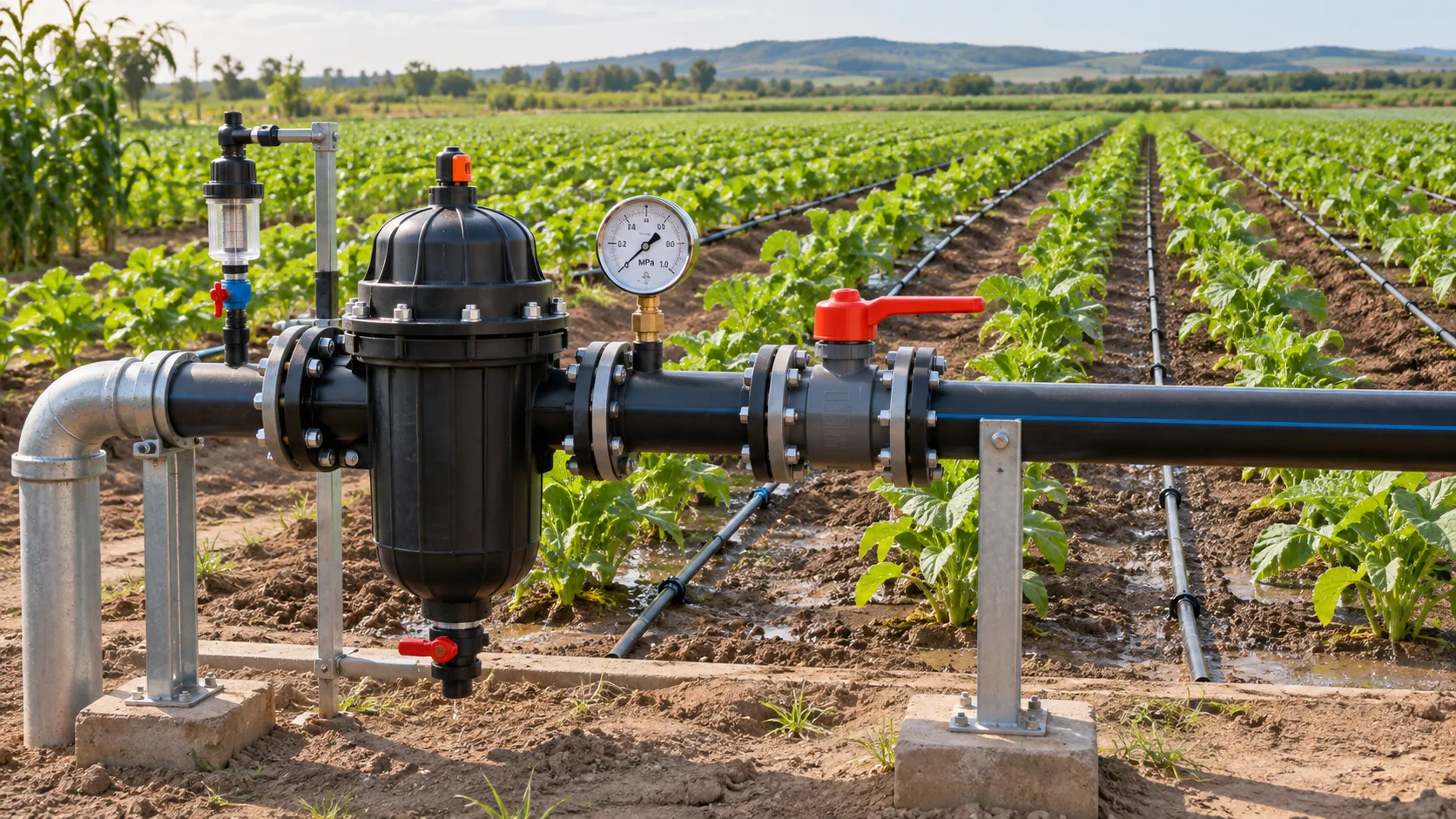
Choosing Irrigation Systems for Government Projects: Water, Cost and Compliance
What factors affect irrigation system selection for government projects? Explore water supply, lifecycle costs and compliance to make a confident, well-informed choice.
Choosing an Agricultural Machinery Platform: Listings, Pricing, and Support
Choosing an agricultural machinery platform? Compare listings, pricing, supplier verification, and support to make a more confident equipment purchase.
Ofwat Launches £8 Million Agri-Water Innovation Challenge
Ofwat’s £8 million Agri-Water Innovation Challenge supports smart irrigation, water reuse and water-saving solutions. Explore the funding and its potential impact.
Choosing a Water-Saving Irrigation Supplier: 5 Key Procurement Criteria
Choose a water-saving irrigation systems supplier with confidence. Explore five procurement criteria to reduce risk and maximize long-term value.
Related News
- 00
0000-00
Choosing Irrigation Systems for Government Projects: Water, Cost and Compliance - 00
0000-00
Choosing an Agricultural Machinery Platform: Listings, Pricing, and Support - 00
0000-00
Choosing a Water-Saving Irrigation Supplier: 5 Key Procurement Criteria - 00
0000-00
304 vs 316 Stainless Steel for Ingredient Processing Equipment - 00
0000-00
Choosing a Large Farm Equipment Exporter: Parts, Shipping and Warranty
0000-00
Popular Tags
Ms. Elena Rodriguez
Weekly Insights
Stay ahead with our curated technology reports delivered every Monday.