Rice Farm Mechanization: Equipment Options from Planting to Harvest
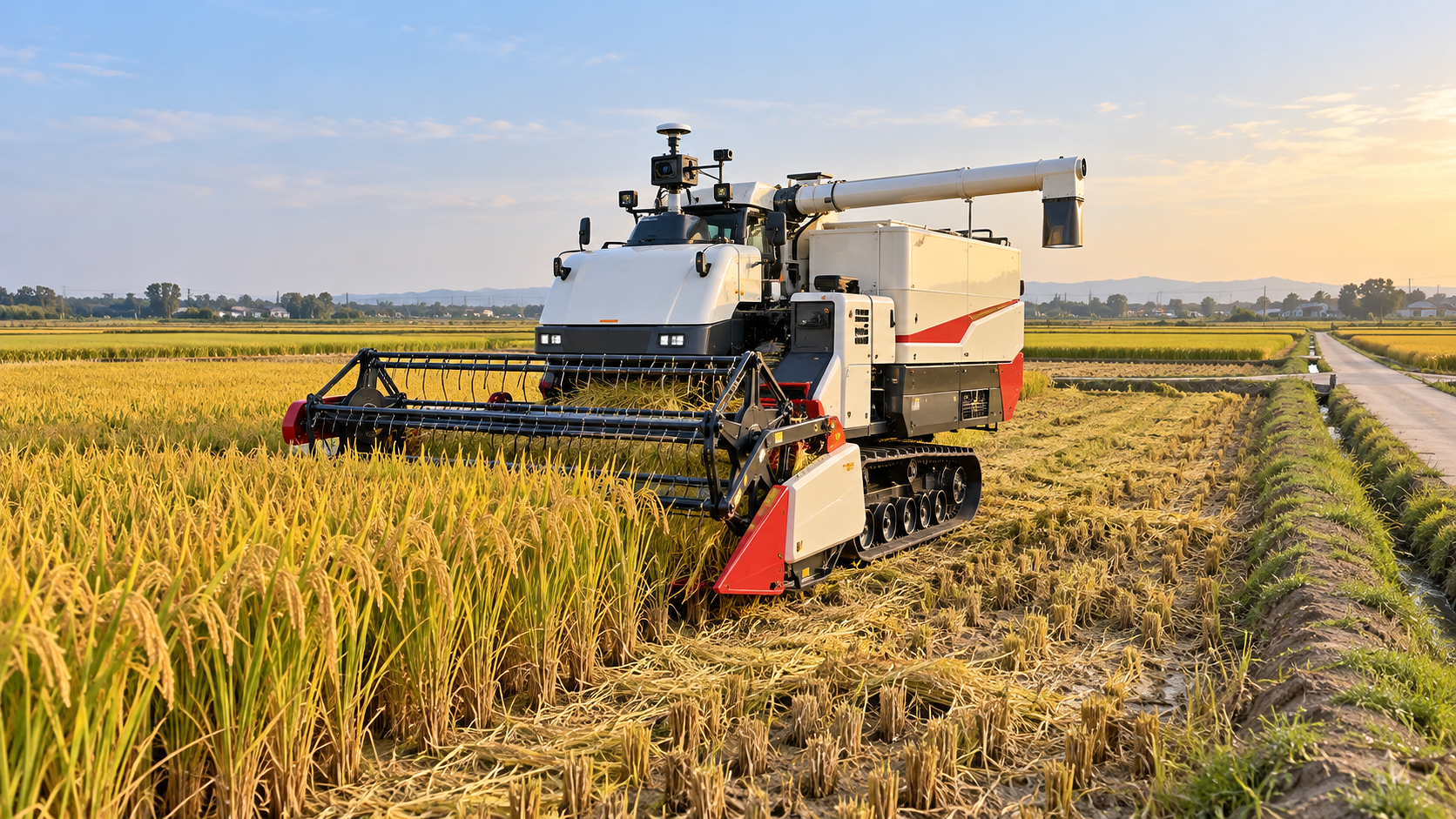




The best equipment package for a rice project depends on how the crop is established, how much time is available for each operation, and whether machines can enter the fields when needed. A high-capacity combine may look attractive on paper, for example, but its value falls quickly if wet access roads, small plots or slow grain transport keep it idle.
For project managers, selecting farm mechanization solutions for rice farming starts with a connected plan: prepare fields that can support the intended machines, choose a planting method suited to labor and water conditions, and size harvesting and post-harvest capacity around the same crop calendar. Full ownership is only one option. Contracted services, shared machinery and phased investment can be more practical where acreage is fragmented or seasonal demand is uncertain.
Start with the field and the operating window
Before comparing machine models, map the conditions that determine where equipment can work. Record field dimensions, bund heights, turning space, gate and bridge limits, soil bearing capacity, water supply and drainage routes. A machine that fits the total acreage may still be poorly matched to the individual plots or unable to travel between them efficiently.
The crop calendar matters just as much. Planting and harvesting capacity should be assessed against the number of workable days, not the length of the season. Rainfall, flooding, soil conditions and competing demand for contractors can narrow the period when an operation can actually proceed. Allow time for transport, refueling, maintenance and breakdowns rather than treating rated field capacity as continuous output.
For a rough capacity check, divide the area to be covered by the expected workable days and hours. Then compare the required hourly coverage with the machine's expected field capacity, allowing for turns, overlaps and interruptions. Use local operating records or a field demonstration to develop the assumptions. Manufacturer specifications can help compare machines, but they do not describe the whole project schedule.
Land preparation: match the system to water and soil
Rice can be grown in flooded or non-flooded systems, so land preparation should follow the production method rather than a standard machinery list. The choice also affects tractor traction, implement wear and subsequent planting quality.
Wet preparation and leveling
In a puddled system, tractors or power tillers may work saturated soil with rotary implements or other suitable tools before transplanting. Puddling can help create conditions for transplanted rice and reduce water movement through some soils, but it requires water, power and careful timing. Excessive passes add cost and can make subsequent machine movement difficult. The effect also depends on soil type and how the field is managed.
Leveling deserves separate attention. Uneven fields make it harder to maintain a consistent water depth, which can complicate transplanting, weed management and drainage. Laser-guided or other precision leveling systems can improve control where field size, layout and investment horizon justify them. In smaller or irregular plots, simpler leveling equipment or a contracted service may be sufficient. Either way, assess the soil movement required and protect drainage outlets and field boundaries during the work.
Dry or reduced-tillage preparation
Where rice is direct-seeded into a dry or less intensively prepared seedbed, tractors can be paired with tillage and seedbed implements suited to local soil conditions. Reduced passes may save time and fuel, but successful establishment depends on residue management, seed placement, moisture and weed control. A drill that works well in a clean, firm field may struggle with heavy residue or uneven moisture.
Do not size the tractor solely for the largest implement in a catalog. Check the power and traction required in the actual soil, implement compatibility, hydraulic connections, tire or track configuration and the ability to turn within the field. For small plots, a compact tractor or two-wheel power tiller may complete more useful work than a larger machine constrained by access.
Planting choices set the rest of the system
The main decision is whether to transplant seedlings or sow seed directly. Each approach shifts work, equipment and risk to different parts of the project.
Mechanical transplanting can reduce the field labor required to place seedlings and can provide regular spacing when the nursery and field are properly prepared. It also creates a dependency on seedling supply. The project needs nursery trays or mats compatible with the transplanter, a protected growing area where appropriate, seedling transport and a schedule that delivers plants at the right stage. Poorly prepared seedlings or an uneven field can lead to missed hills, damaged plants and replanting.
Walk-behind transplanters can suit smaller or more fragmented fields where purchase cost and maneuverability matter. Riding models can cover more ground when plots, access and the planting schedule support their capacity. In both cases, compare the machine's row configuration and seedling requirements with the planned nursery system, not just its quoted speed.
Direct seeding removes the transplanting operation and its nursery requirement. Options include seed drills for prepared or suitable reduced-tillage fields, drum seeders for wet conditions, and broadcasting equipment. The choice depends on whether the field is dry, moist or puddled, as well as the desired control over seed placement and spacing.
Direct seeding can simplify the machinery chain, but it places greater demands on seedbed preparation, water control and weed management. Uneven sowing, poorly controlled water or a delayed weed response can reduce the benefit of faster establishment. Before changing establishment methods, budget for the full agronomic program and confirm that staff or contractors can carry it out on time.
A project with a short planting window should compare the complete daily output of each system. For transplanting, the constraint may be nursery production or seedling delivery rather than the transplanter itself. For direct seeding, seed preparation, refilling and field conditions may determine how much area can be completed.
Water and crop operations must support machinery
Irrigation equipment should be selected alongside the field layout and planting method. Pumps, channels, gates and drainage infrastructure need enough practical capacity to deliver and remove water when the crop and field operations require it. A pump's rated output alone is not enough: lift, pipe losses, power supply, intake conditions and maintenance all affect delivery.
Level sensors, flow meters and automated controls can help operators monitor water movement and manage gates or pumps. Their value depends on reliable power, connectivity where required, calibration and someone being responsible for responding to the information. A basic, well-maintained control arrangement may be more useful than an automated system that the project cannot service.
Plan for drainage as carefully as irrigation. Fields may need to dry sufficiently before machinery enters for harvest, while drainage timing must also suit the crop and local water conditions. Access routes and collection points should remain usable when the paddy itself is wet.
Fertilizer spreaders and crop-protection sprayers also need to fit the field. Options range from manually operated or small mechanized equipment to tractor-mounted units and aerial application services. Selection depends on plot access, crop stage, application timing and the ability to achieve consistent coverage. Operators must follow the applicable product label and local requirements, including those governing aerial application. Precision guidance or variable-rate control is useful only where field data, equipment calibration and a workable application plan support it.
Harvesting capacity includes everything after the cutter
Harvest is often the most visible machinery decision because delays can expose mature rice to weather damage and losses. The choice is not simply between a small and a large combine. It is between harvest systems that can operate within the available field window and move grain onward without a bottleneck.
Compact or tracked rice combines may be suitable for wet ground and smaller plots, provided their weight, ground pressure and dimensions match field conditions. Larger combines can offer more output in accessible fields, but may lose time at boundaries, on narrow roads or when unloading. Track configuration alone does not guarantee access: soil strength, water depth, machine weight and turning conditions still matter.
Compare machines using the crop conditions they are expected to handle. Lodged rice, variable crop height, wet straw and uneven maturity can change cutting, threshing and cleaning performance. During a representative demonstration, observe missed crop, grain left in the field, damaged grain and losses behind the machine. Adjustment of header height, travel speed, threshing and cleaning settings can matter as much as nominal capacity. Measure losses using a consistent field method, and distinguish losses already present before harvest from those caused by the machine.
Grain handling should be planned at the same time. Trailers, field collection points, drying capacity and storage intake must keep pace with the combine. Grain harvested at a moisture level unsuitable for safe storage needs timely drying or another appropriate handling route. A faster combine that waits for transport, or delivers grain faster than it can be dried, may create more risk than useful capacity.
Straw management is another operational choice. Chopping and spreading, windrowing, baling or removing residue each calls for different equipment and affects the next field operation. Agree on the intended residue treatment before specifying the combine and any following implements.
Build the equipment package around constraints
Once the field and crop calendar are understood, compare packages rather than isolated machines. A practical project review can use three questions:
- Where is the narrowest time window? Prioritize reliable capacity for the operation most likely to delay the crop, whether that is field preparation, planting, drainage or harvest.
- Which operations justify ownership? Estimate annual use and total costs, including operators, fuel, maintenance, storage, financing and downtime. Compare these with contracted or shared services, while checking whether those services will be available when needed.
- What can stop the whole chain? Identify dependencies such as nursery output, pump power, road access, spare parts, grain transport and drying. Assign an owner and a contingency for each material constraint.
Ownership gives a project more direct control over scheduling, but it also commits capital and creates a maintenance obligation. Contracting can reduce that commitment, although the lowest service price offers little protection if the contractor arrives after the workable window. A mixed model is often worth evaluating: retain equipment needed for frequent field work and secure seasonal planting or harvest capacity through a service agreement.
For any major machine, include operator training, routine service, wear parts and local repair capability in the procurement decision. Define the field conditions and performance observations for an acceptance demonstration, and agree in advance how deficiencies will be handled. The objective is a system that completes each operation on time and passes the crop cleanly to the next stage, with enough flexibility to cope when field conditions do not follow the plan.
Related News
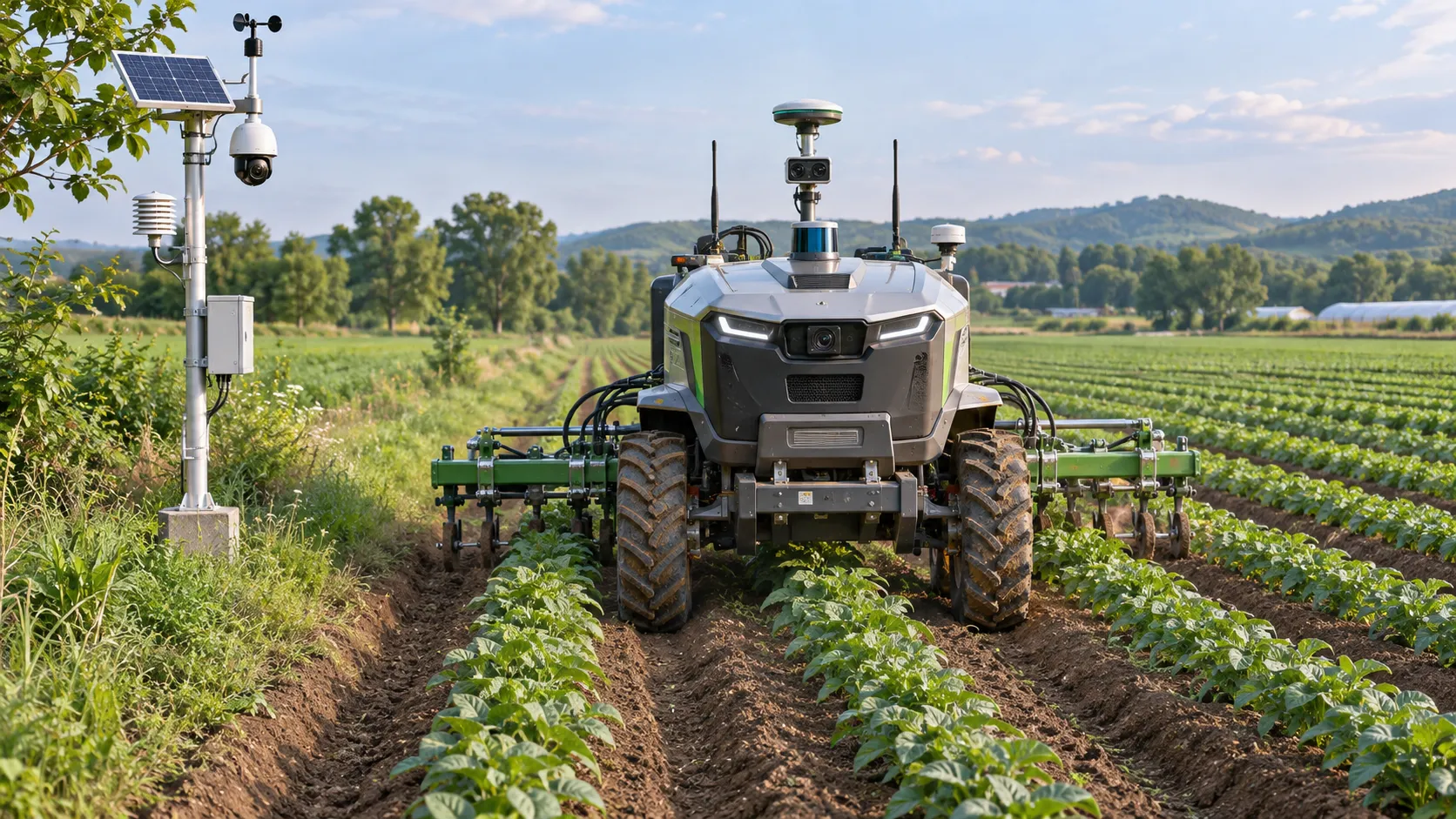
Agricultural Automation Still Needs Human Oversight, Study Finds
Agricultural automation still needs human oversight. Discover how AI and smart equipment are reshaping farm jobs, skills, and decisions.
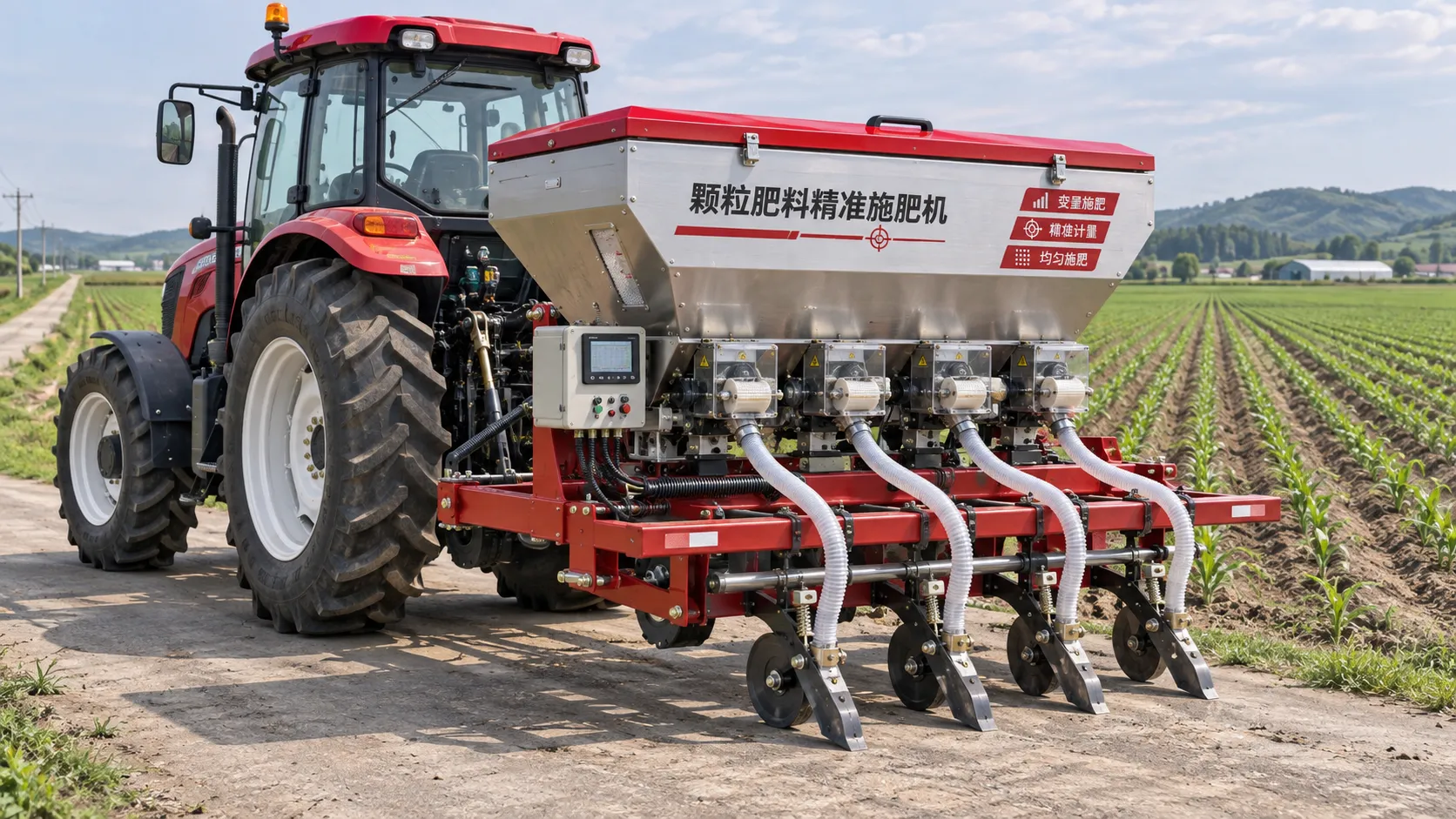
Choosing a Precision Fertilization Equipment Manufacturer: What to Check
Choose a precision fertilization equipment manufacturer with confidence. Compare accuracy, compatibility, service and total ownership costs before you buy.
China's Autumn Grain Harvest Highlights Role of Machinery and Precision Farming
China's autumn grain harvest highlights machinery and precision farming. Explore how coordinated practices support harvesting and yield improvement.
Drip vs. Center Pivot Irrigation: Maintenance Tasks and Costs Compared
Use this irrigation solution comparison by maintenance to weigh drip vs. center pivot tasks, costs and downtime—and choose the best fit for your field.
EIMA 2026: Six Tractor of the Year Awards Include Autonomous Robot
Explore the Tractor of the Year awards at EIMA 2026, featuring six winners, including the AgXeed autonomous robot and leading tractor models.
Choosing Irrigation Systems for Government Projects: Water, Cost and Compliance
What factors affect irrigation system selection for government projects? Explore water supply, lifecycle costs and compliance to make a confident, well-informed choice.
Choosing an Agricultural Machinery Platform: Listings, Pricing, and Support
Choosing an agricultural machinery platform? Compare listings, pricing, supplier verification, and support to make a more confident equipment purchase.
Ofwat Launches £8 Million Agri-Water Innovation Challenge
Ofwat’s £8 million Agri-Water Innovation Challenge supports smart irrigation, water reuse and water-saving solutions. Explore the funding and its potential impact.
Choosing a Water-Saving Irrigation Supplier: 5 Key Procurement Criteria
Choose a water-saving irrigation systems supplier with confidence. Explore five procurement criteria to reduce risk and maximize long-term value.
Related News
- 00
0000-00
Choosing Irrigation Systems for Government Projects: Water, Cost and Compliance - 00
0000-00
Choosing an Agricultural Machinery Platform: Listings, Pricing, and Support - 00
0000-00
Choosing a Water-Saving Irrigation Supplier: 5 Key Procurement Criteria - 00
0000-00
304 vs 316 Stainless Steel for Ingredient Processing Equipment - 00
0000-00
Choosing a Large Farm Equipment Exporter: Parts, Shipping and Warranty
0000-00
Popular Tags
Ms. Elena Rodriguez
Weekly Insights
Stay ahead with our curated technology reports delivered every Monday.