Choosing a Smart Irrigation Network Supplier: Compatibility and Support Checks
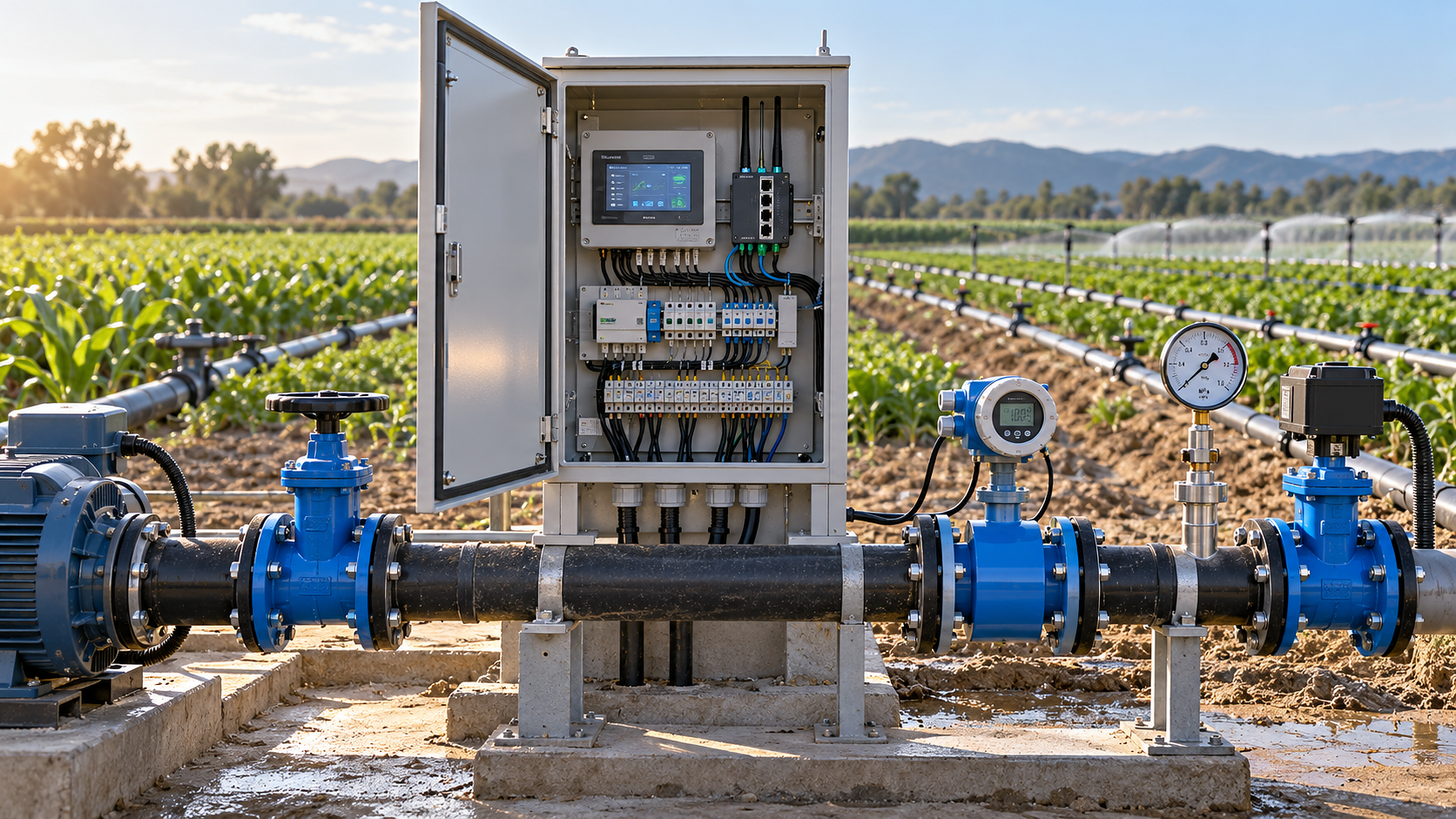




A smart irrigation network can look compatible on a quotation yet fail when connected to an existing pump panel, a legacy valve controller, or a farm management platform. The consequences are practical: missed watering windows, additional interface hardware, repeated site visits, and operators reverting to manual control. Choosing a smart irrigation networks supplier therefore requires more than comparing controller features and installation prices.
Shortlist suppliers that can demonstrate compatibility with your actual equipment, maintain safe local operation when communications fail, and commit to measurable support terms. Before signing, require an equipment-level integration schedule, an agreed field acceptance test, and a whole-life cost breakdown. These documents separate supported functionality from features that depend on unpriced gateways, custom development, or future releases.
Start with the installed system, not the supplier’s catalog
A supplier cannot confirm operational fit from irrigated area and valve count alone. Prepare an asset register covering pump controls, variable-frequency drives, valve actuators, flow meters, pressure instruments, soil sensors, weather stations, and existing software. Record model numbers, firmware versions where available, electrical interfaces, communication methods, power supplies, and installation locations.
Include operating constraints. A remote block powered by a small solar installation presents a different problem from a pump station with reliable mains electricity. A network that reports moisture readings successfully may still be unsuitable for time-sensitive valve commands or coordinated pump sequencing.
Give each shortlisted supplier the same information and request a written response for every integration point:
- Supported as supplied: identify the interface, supported functions, and any configuration required.
- Supported with additional equipment: specify gateways, relays, power supplies, licenses, and installation responsibilities.
- Requires engineering: state the development scope, acceptance criteria, delivery dependency, and maintenance owner.
- Not supported: identify what must be replaced or operated separately.
Keep “planned compatibility” outside the accepted scope unless the contract makes delivery and verification explicit. Otherwise, purchasing decisions can depend on functionality that is not available when installation begins.
Compatibility must cover commands, feedback, and operating limits
Two devices using the same protocol are not necessarily interoperable. A Modbus connection, for example, still requires agreement on the physical connection, register map, scaling, writable values, and error handling. An analog sensor connection needs the correct signal range, power arrangement, and conversion into meaningful engineering units.
Ask the supplier to trace one complete operation: a schedule requests irrigation, the controller checks permissive conditions, the relevant equipment operates, and measured feedback confirms delivery. Then examine what happens when a step fails. This reveals more than a demonstration showing separate devices online.
Changes to pump protection, electrical panels, or hydraulic sequencing need review by appropriately qualified personnel. Remote automation should not bypass existing safety functions merely to simplify integration.
Test communications where irrigation actually happens
Coverage at the farm office says little about reception near a low-mounted valve box, behind terrain, or beneath mature crop cover. Request a site-specific communications design covering gateway positions, antenna arrangements, power budgets, backhaul availability, and the assumptions behind expected coverage.
Different links suit different workloads. Low-power field communications may handle periodic measurements well, while frequent commands or large firmware transfers require separate assessment. Cellular connectivity also depends on local reception and service availability; nominal coverage is not proof of dependable field performance.
Make loss of connectivity an acceptance test
Disconnect the internet backhaul during the pilot and observe actual behavior. Determine whether controllers retain approved schedules, which functions remain available locally, how alarms are stored, and how records synchronize after reconnection. Test field-device communication loss separately: losing the cloud connection is not the same as losing contact with a valve controller.
There is no universal safe fallback state. Closing a valve, completing a scheduled cycle, or stopping a pump may each be appropriate under different hydraulic conditions. Have the supplier document the intended response to each failure mode, including conflicting commands and power restoration.
Also distinguish a command being sent from equipment responding. Where position feedback is unavailable, require the supplier to explain how flow, pressure, or other evidence can detect unsuccessful operation—and which failures remain undetectable.
Protect data access before integration becomes expensive
An export button does not establish practical data portability. Procurement teams need to know whether the system exports timestamped measurements, equipment identifiers, alarms, operator actions, irrigation events, and configuration records in usable formats. Ask whether historical data remain available after a subscription ends and whether retrieving them incurs charges.
For an API, request documentation and a test environment before committing to software integration. Verify read and write capabilities separately. Access to sensor measurements does not imply permission to upload irrigation prescriptions, change schedules, or acknowledge alarms.
- Confirm authentication methods, user roles, and control over supplier remote access.
- Check API limits, data retention, timestamp conventions, and handling of missing or corrected records.
- Assign responsibility for maintaining connectors when either platform changes.
- Document ownership and permitted use of farm data, including access by subcontractors.
- Request the termination process for exporting records, revoking access, and transferring administration.
Security arrangements should match the consequences of remote control. Review account separation, access logging, update delivery, vulnerability reporting, and recovery from compromised credentials. A shared administrator account may appear convenient during commissioning but makes later changes difficult to attribute.
Translate “support included” into operational commitments
A general help desk is not equivalent to assistance during a pump outage. Establish who receives the first call, who can diagnose the installed equipment, and who can attend the site. If the supplier uses distributors or subcontractors, name the responsible parties and clarify who owns unresolved faults spanning hardware, connectivity, and software.
Support terms should distinguish acknowledgment, technical response, workaround, and restoration. A promise to respond does not guarantee a technician, a spare controller, or restored irrigation. Define incident severity around operational consequences, then agree coverage hours, time zones, escalation routes, and any applicable service remedies.
Ask how diagnosis works when the network itself is offline. Useful provisions include locally retrievable logs, documented manual operation, configuration backups, and replacement instructions that trained site staff can follow. Confirm whether remote troubleshooting, travel, labor, freight, and repeat visits are included or chargeable.
Spare-parts planning deserves a separate discussion. Identify critical components, local stock arrangements, replenishment lead times, warranty exclusions, and whether replacement devices need supplier activation. Clarify whether batteries, antennas, surge protection, and water ingress are covered under the offered warranty conditions.
Finally, request the firmware and product lifecycle policy. Updates should have release notes, compatibility guidance, and a recovery process where technically supported. Establish notice arrangements for discontinued hardware, minimum software support commitments, and the cost of keeping older installations operational.
Compare the cost of an operable system
A low equipment quote may exclude the items that make the network usable. Normalize bids against the same operating scope and evaluation period rather than comparing headline totals. Keep confirmed costs separate from allowances and unresolved integration work.
The commercial comparison should cover:
- Deployment: surveys, gateways, interface modules, antennas, electrical work, commissioning, software integration, and training.
- Recurring operation: subscriptions, connectivity, API access, data storage, support plans, and license charges tied to devices or users.
- Maintenance: batteries, calibration, replacement sensors, field labor, spare stock, and equipment transport.
- Change and exit: expansion licenses, additional gateways, connector revisions, data export, and migration assistance.
Use your own staffing costs and operating assumptions to assess manual intervention and downtime exposure. Do not assign a precise savings figure merely because a supplier predicts fewer visits or lower water use. Savings depend on the starting condition, scheduling decisions, hydraulic performance, and how consistently operators use the system.
Ask for a priced expansion scenario using your likely next block or pump station. This can reveal capacity limits, subscription thresholds, and infrastructure upgrades hidden by the initial project size.
Use a field pilot to decide what enters the contract
A useful pilot includes representative difficult conditions, not just the easiest zone near the gateway. Select equipment and locations that expose the main uncertainties: an older pump interface, a remote controller, a weak communications area, or an external software connection.
Agree pass/fail criteria before installation. They should cover command execution, measured feedback, alarm delivery, timestamp consistency, local fallback, power recovery, and data export. Set performance thresholds according to operational needs, and record the test conditions so that a favorable demonstration is not treated as proof for every field condition.
Have intended operators complete routine tasks without the demonstrator directing every step. They should be able to change an approved schedule, recognize a failed irrigation event, switch to authorized manual operation, and retrieve the information needed for support. Training gaps and excessive administrative permissions often become visible here.
Separate mandatory acceptance gates from scored preferences. A supplier should not compensate for an unsafe failure response or an unsupported pump interface by scoring well on dashboard appearance. Once essential requirements pass, compare remaining candidates on documented cost, maintainability, integration effort, and support coverage.
Before issuing the purchase order, attach the final compatibility schedule, pilot acceptance record, responsibility matrix, recurring fee schedule, and support commitments to the agreement. Where a gap remains, assign its owner, price, deadline, and acceptance test. An unresolved integration should appear as a commercial condition—not disappear inside the phrase “compatible with existing equipment.”
Related News
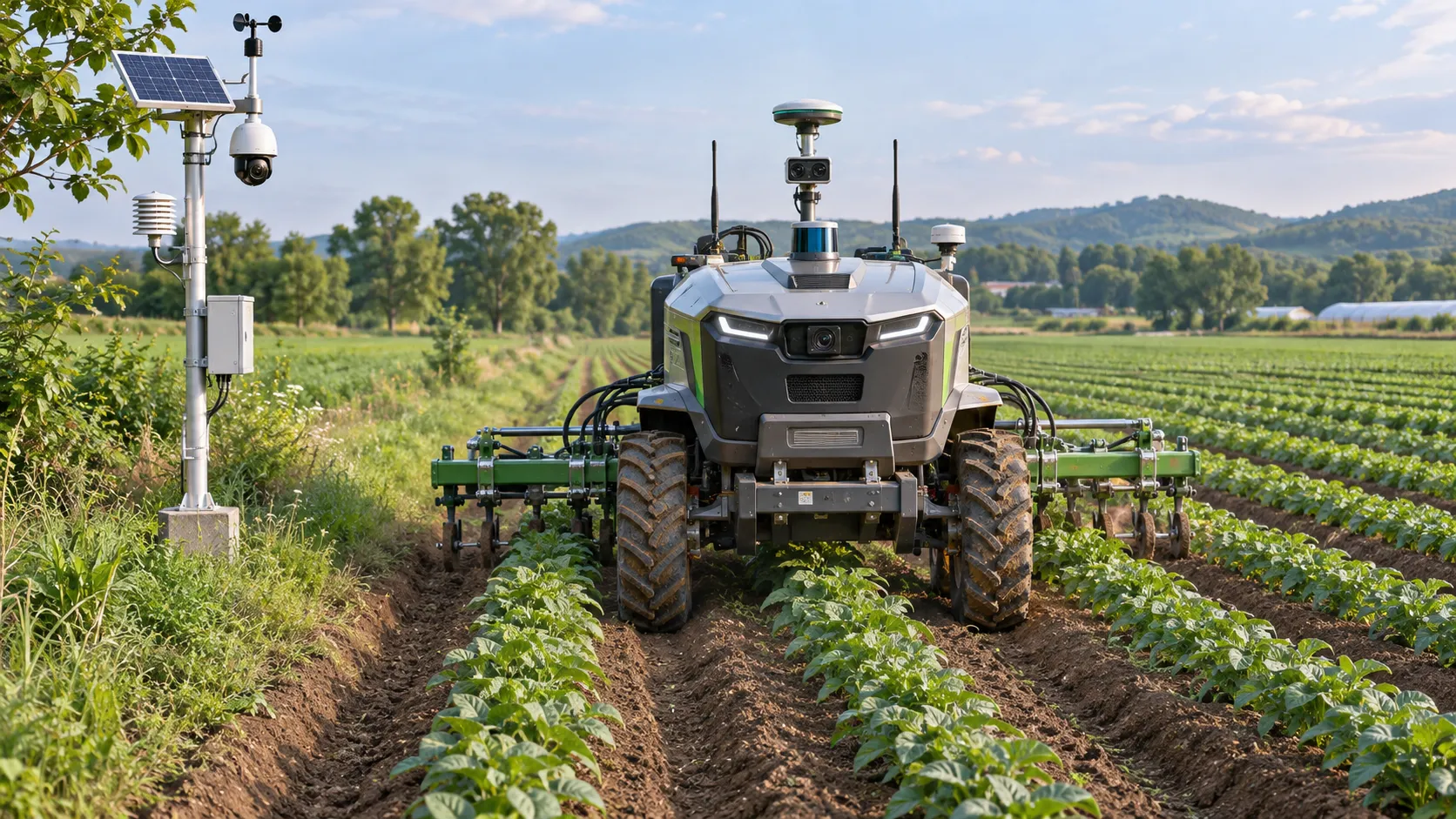
Agricultural Automation Still Needs Human Oversight, Study Finds
Agricultural automation still needs human oversight. Discover how AI and smart equipment are reshaping farm jobs, skills, and decisions.
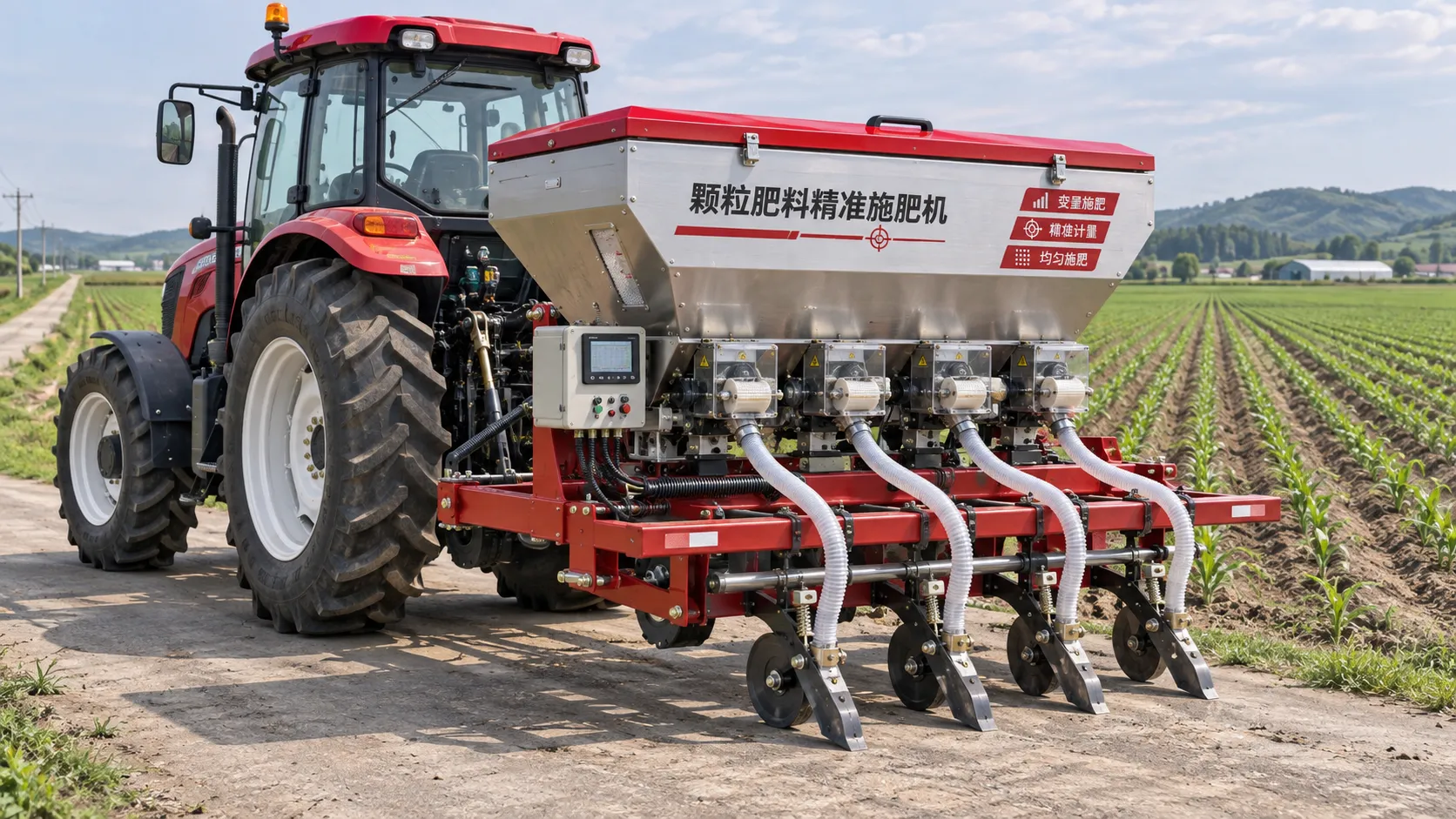
Choosing a Precision Fertilization Equipment Manufacturer: What to Check
Choose a precision fertilization equipment manufacturer with confidence. Compare accuracy, compatibility, service and total ownership costs before you buy.

China's Autumn Grain Harvest Highlights Role of Machinery and Precision Farming
China's autumn grain harvest highlights machinery and precision farming. Explore how coordinated practices support harvesting and yield improvement.
Drip vs. Center Pivot Irrigation: Maintenance Tasks and Costs Compared
Use this irrigation solution comparison by maintenance to weigh drip vs. center pivot tasks, costs and downtime—and choose the best fit for your field.
EIMA 2026: Six Tractor of the Year Awards Include Autonomous Robot
Explore the Tractor of the Year awards at EIMA 2026, featuring six winners, including the AgXeed autonomous robot and leading tractor models.
Choosing Irrigation Systems for Government Projects: Water, Cost and Compliance
What factors affect irrigation system selection for government projects? Explore water supply, lifecycle costs and compliance to make a confident, well-informed choice.
Choosing an Agricultural Machinery Platform: Listings, Pricing, and Support
Choosing an agricultural machinery platform? Compare listings, pricing, supplier verification, and support to make a more confident equipment purchase.
Ofwat Launches £8 Million Agri-Water Innovation Challenge
Ofwat’s £8 million Agri-Water Innovation Challenge supports smart irrigation, water reuse and water-saving solutions. Explore the funding and its potential impact.
Choosing a Water-Saving Irrigation Supplier: 5 Key Procurement Criteria
Choose a water-saving irrigation systems supplier with confidence. Explore five procurement criteria to reduce risk and maximize long-term value.
Related News
- 00
0000-00
Choosing Irrigation Systems for Government Projects: Water, Cost and Compliance - 00
0000-00
Choosing an Agricultural Machinery Platform: Listings, Pricing, and Support - 00
0000-00
Choosing a Water-Saving Irrigation Supplier: 5 Key Procurement Criteria - 00
0000-00
304 vs 316 Stainless Steel for Ingredient Processing Equipment - 00
0000-00
Choosing a Large Farm Equipment Exporter: Parts, Shipping and Warranty
0000-00
Popular Tags
Ms. Elena Rodriguez
Weekly Insights
Stay ahead with our curated technology reports delivered every Monday.