
What to Check Before Working With a Precision Irrigation Systems Factory
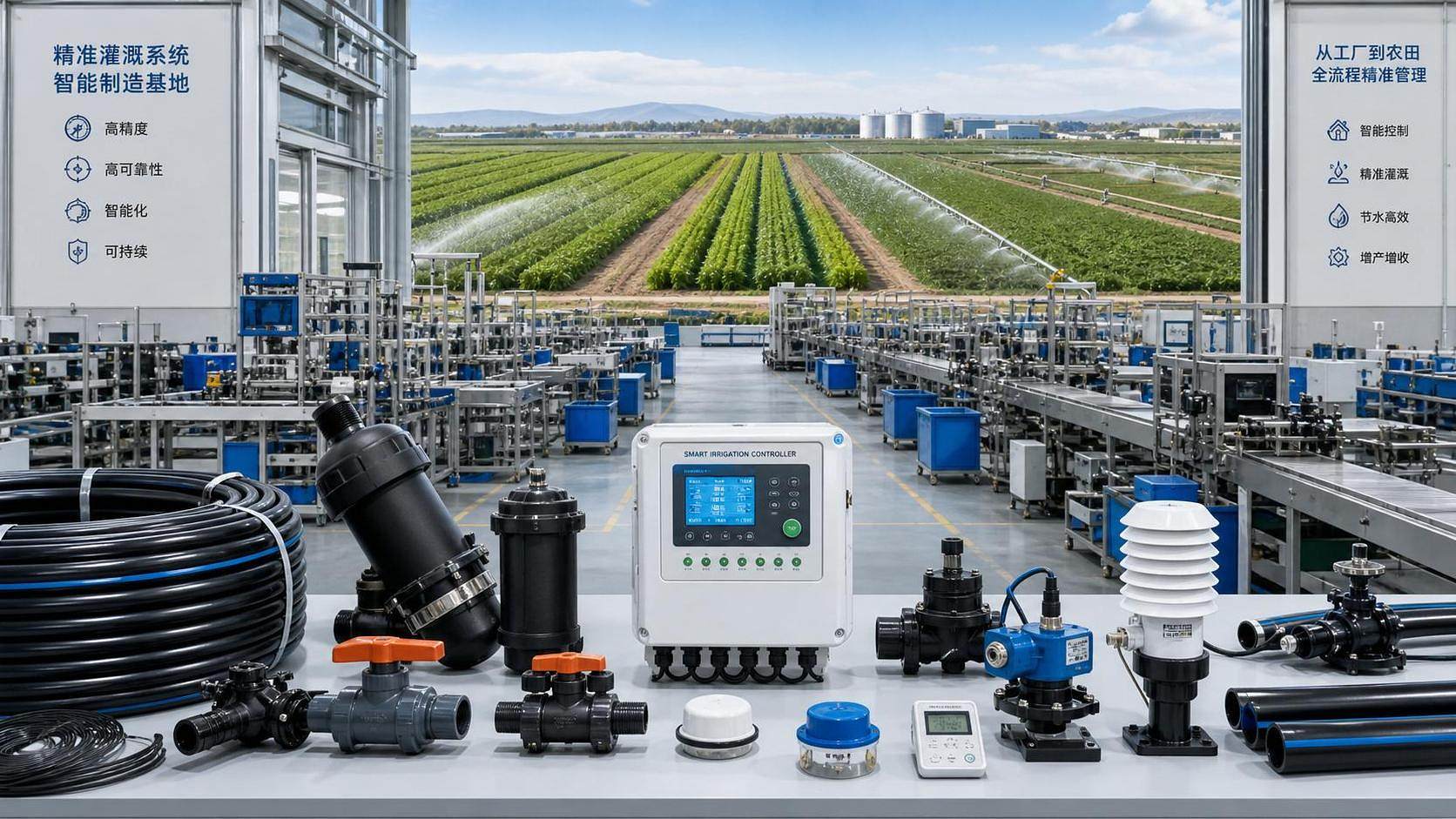




What to Check Before Working With a Precision Irrigation Systems Factory
Before partnering with a precision irrigation systems factory, procurement teams need to look beyond price lists and product catalogs.
Manufacturing consistency, component quality, software compatibility, certification, and service capacity all shape long-term project results.
A lower unit price can quickly lose value if failure rates rise, lead times slip, or control systems do not match field conditions.
This guide explains how to assess a precision irrigation systems factory with a practical sourcing lens, so procurement decisions hold up after installation.
Start With Manufacturing Reality, Not Marketing Claims
The first checkpoint is whether the precision irrigation systems factory actually controls production, quality, and engineering in-house.
Some suppliers present themselves as manufacturers, while key assemblies come from loosely managed subcontractors.
That setup is not always wrong, but it raises traceability risks.
In practice, buyers should verify the factory layout, assembly lines, testing stations, warehouse capacity, and engineering documentation workflow.
Ask for recent production records, standard operating procedures, and batch tracking methods for valves, filters, controllers, pipes, and emitters.
A credible precision irrigation systems factory should explain how it manages incoming inspections and final performance checks.
If answers stay vague, supply stability may be weaker than the catalog suggests.
Questions worth asking early
- Which components are made internally, and which are outsourced?
- How are production lots identified and traced after shipment?
- What is the rejection rate for core irrigation components?
- How often are calibration and pressure tests performed?
- Can the factory support scale-up during seasonal demand spikes?
Check Component Quality at the System Level
A precision irrigation systems factory should never be judged by one flagship controller alone.
Field performance depends on how the full system works together under pressure, dust, heat, water variability, and long operating hours.
This matters even more in large farms where downtime affects wide acreage.
Review the technical grade of drippers, filtration units, pressure regulators, fertigation assemblies, sensors, and remote communication modules.
Pay attention to material durability, anti-clogging design, UV resistance, seal quality, and expected service life.
A strong precision irrigation systems factory should provide test data, not only general promises.
Pressure uniformity curves, filtration performance reports, and emitter flow variation data are especially useful for comparison.
Core quality checkpoints
- Emitter flow consistency across batches
- Filter efficiency under different water conditions
- Valve cycle life and leakage tolerance
- Sensor accuracy in real farm environments
- Controller protection against moisture and electrical instability
Confirm Smart Control and Data Compatibility
Modern irrigation projects increasingly depend on data, not just hardware.
That means a precision irrigation systems factory must be evaluated for software compatibility and control flexibility.
In many projects, the hidden cost comes from integration issues after delivery.
Check whether the factory supports standard communication protocols, cloud monitoring, mobile access, sensor linking, and remote diagnostics.
It is also smart to review whether the system can connect with weather stations, soil moisture devices, and farm management platforms.
A capable precision irrigation systems factory should clearly define what is native, what requires customization, and what depends on third-party gateways.
That distinction prevents budget surprises later.
Compatibility review points
- Ask for protocol details, not broad claims about smart integration.
- Review interface language, reporting functions, and alarm logic.
- Confirm whether firmware updates can be managed remotely.
- Check cybersecurity basics for cloud-connected controllers.
- Verify historical data export options for analysis and compliance use.
Review Certifications, Compliance, and Test Evidence
Documentation is often treated as a purchasing formality, but it directly affects import risk and project approval speed.
A dependable precision irrigation systems factory should provide clear and current compliance records.
Depending on the market, this may include CE-related documentation, ISO systems, material safety records, and electrical conformity reports.
However, certificates alone are not enough.
Buyers should ask whether the exact product model being quoted matches the test file being shown.
This is where many sourcing mistakes happen, especially when brochures cover multiple versions.
A serious precision irrigation systems factory will align model numbers, revision history, and compliance scope without hesitation.
What to verify in documents
- Certificate validity dates and issuing bodies
- Exact model references in test reports
- Material and electrical safety coverage
- Pressure and endurance testing standards used
- Country-specific import and labeling requirements
Measure Supply Risk, Lead Time, and Cost Structure
When comparing a precision irrigation systems factory, the quoted price should never stand alone.
Real procurement cost includes freight, spare parts coverage, packaging strength, warranty exposure, installation support, and replacement speed.
From a cost perspective, inconsistency is often more expensive than a slightly higher purchase price.
Ask the precision irrigation systems factory to break down lead times for standard items, customized assemblies, and replenishment orders.
Also review how it handles raw material swings, electronic part shortages, and peak season congestion.
These factors strongly influence project continuity.
Look Closely at Engineering Support and After-Sales Response
Even a well-built system needs support when conditions change in the field.
This is why the service capability of a precision irrigation systems factory deserves serious weight in procurement scoring.
Useful support is not limited to answering emails after shipment.
The supplier should be able to assist with system sizing, hydraulic logic, controller settings, fault diagnosis, and replacement guidance.
For larger projects, ask whether engineers can support commissioning remotely or on site.
A responsive precision irrigation systems factory usually has defined service workflows, escalation times, and technical training materials.
That structure says a lot about long-term reliability.
Use a Pilot Order to Validate the Factory
Before moving to full-volume purchasing, a pilot order is often the most efficient risk filter.
It allows buyers to test the precision irrigation systems factory under realistic commercial conditions.
The pilot should evaluate product consistency, documentation accuracy, packaging quality, communication speed, and installation feedback.
More importantly, it shows how the factory reacts when small issues appear.
That response is often a better predictor than any presentation deck.
A capable precision irrigation systems factory should welcome technical validation instead of pushing only for faster contract closure.
That usually signals confidence in both manufacturing and support.
Final Sourcing View
Choosing a precision irrigation systems factory is really about balancing cost, technical fit, and execution reliability.
The best supplier is rarely the one with the lowest quoted number.
It is the one that can prove manufacturing discipline, system quality, digital compatibility, compliance readiness, and service strength.
In actual procurement work, these checkpoints help separate dependable long-term partners from short-term offers.
Review the precision irrigation systems factory with evidence, test its response through a pilot, and compare total value instead of headline price.
That approach gives irrigation projects a much stronger base for performance, supply continuity, and cost control.
Related News
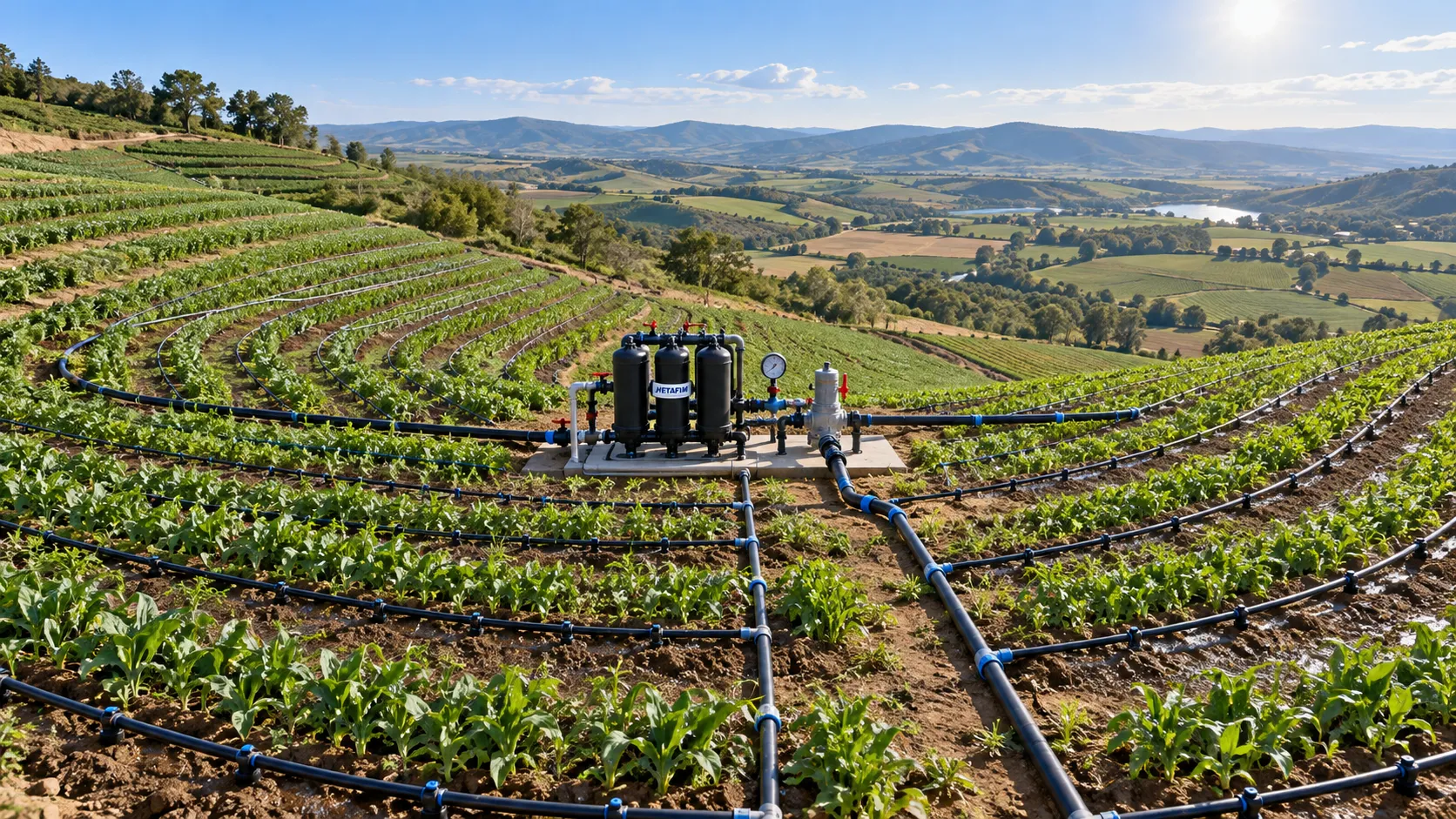
How to Size Low-Pressure Water-Saving Irrigation Systems for Uneven Fields
Low pressure water-saving irrigation systems for uneven fields: learn zoning, pressure mapping, pipe sizing, and pump selection to improve uniformity and reduce water waste.
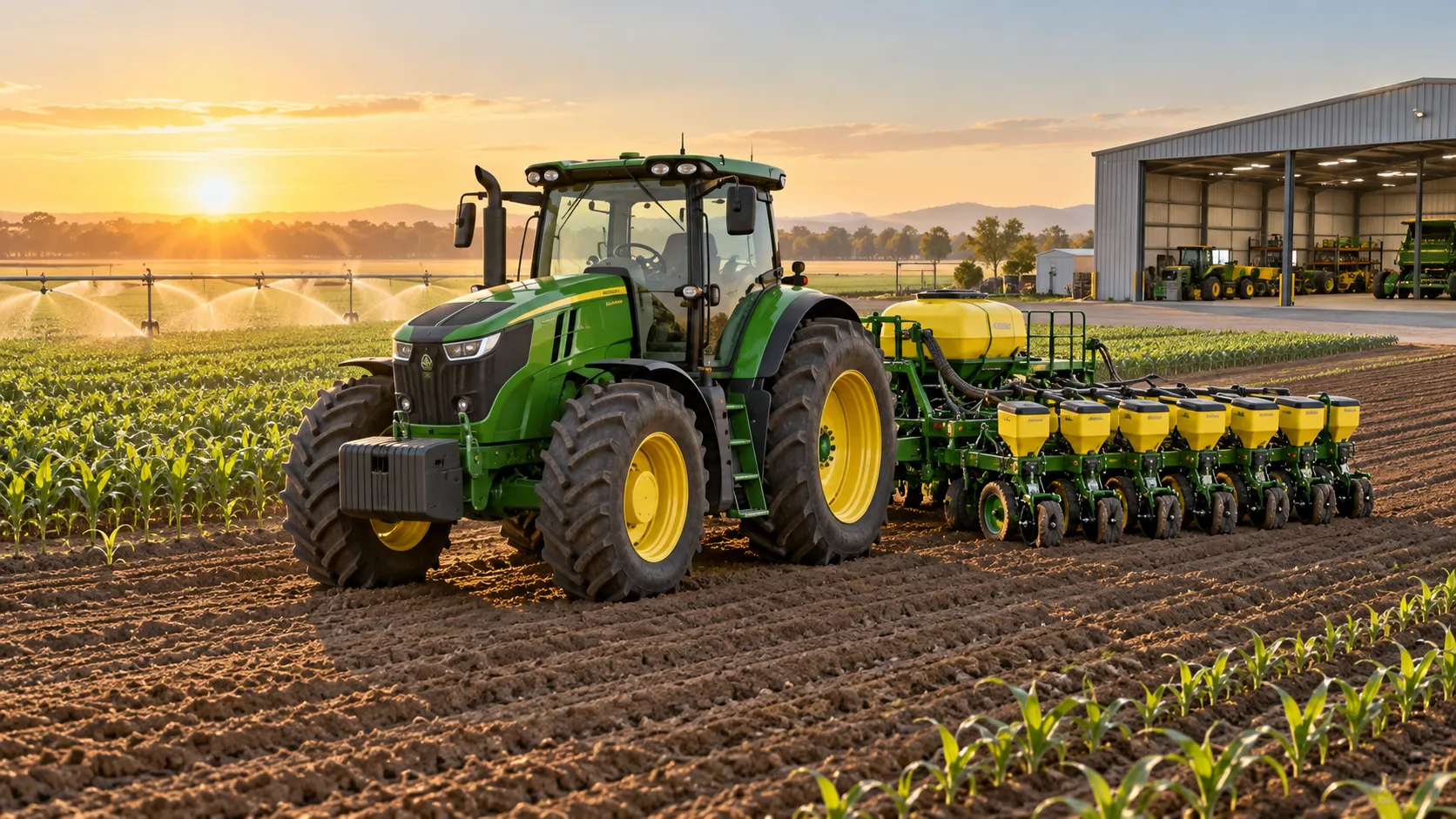
Farm Machinery Sourcing: How to Vet Suppliers, Specs, and Lifecycle Costs
Farm machinery information for sourcing: learn to vet suppliers, compare specifications, control lifecycle costs, and secure reliable uptime for smarter equipment purchases.
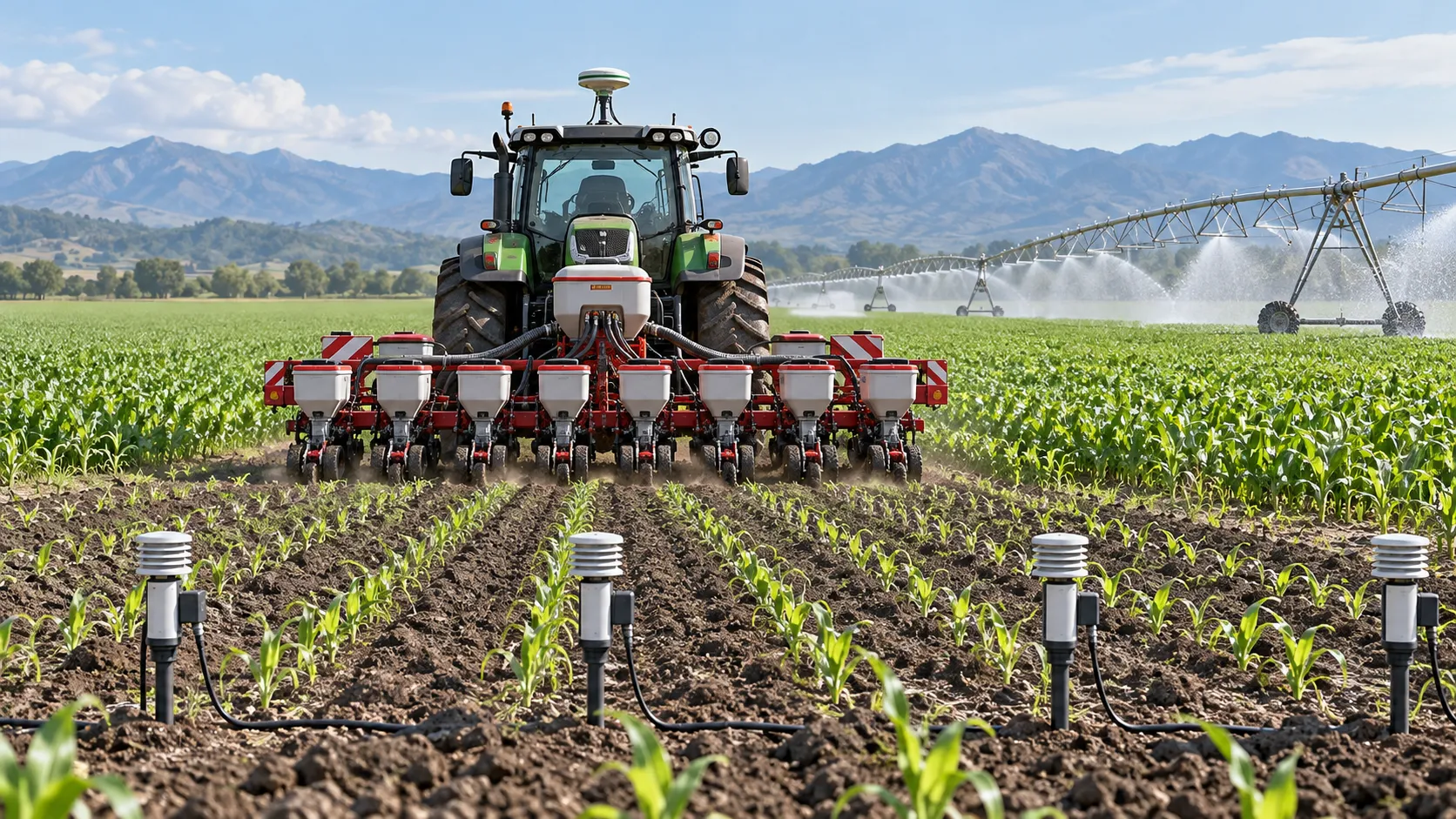
Which costs matter most when calculating precision agriculture ROI?
Calculating ROI on precision agriculture equipment? Discover the costs that shape returns, from installation and subscriptions to downtime, labor, and data integration.
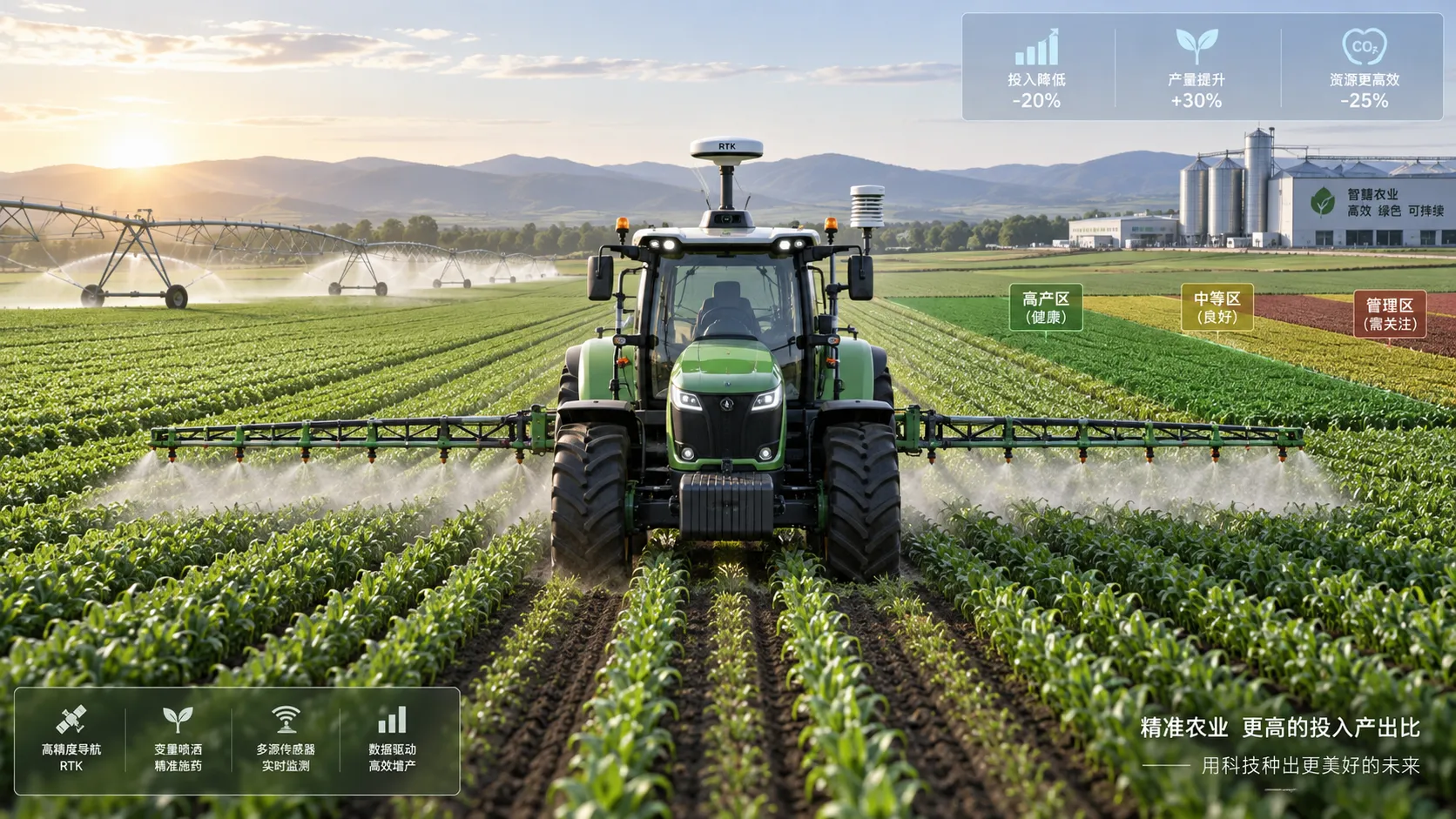
How to calculate ROI on precision agriculture equipment before buying
Calculating ROI on precision agriculture equipment: learn to assess total ownership costs, savings, payback, NPV, risks, and farm-scale value before you buy.
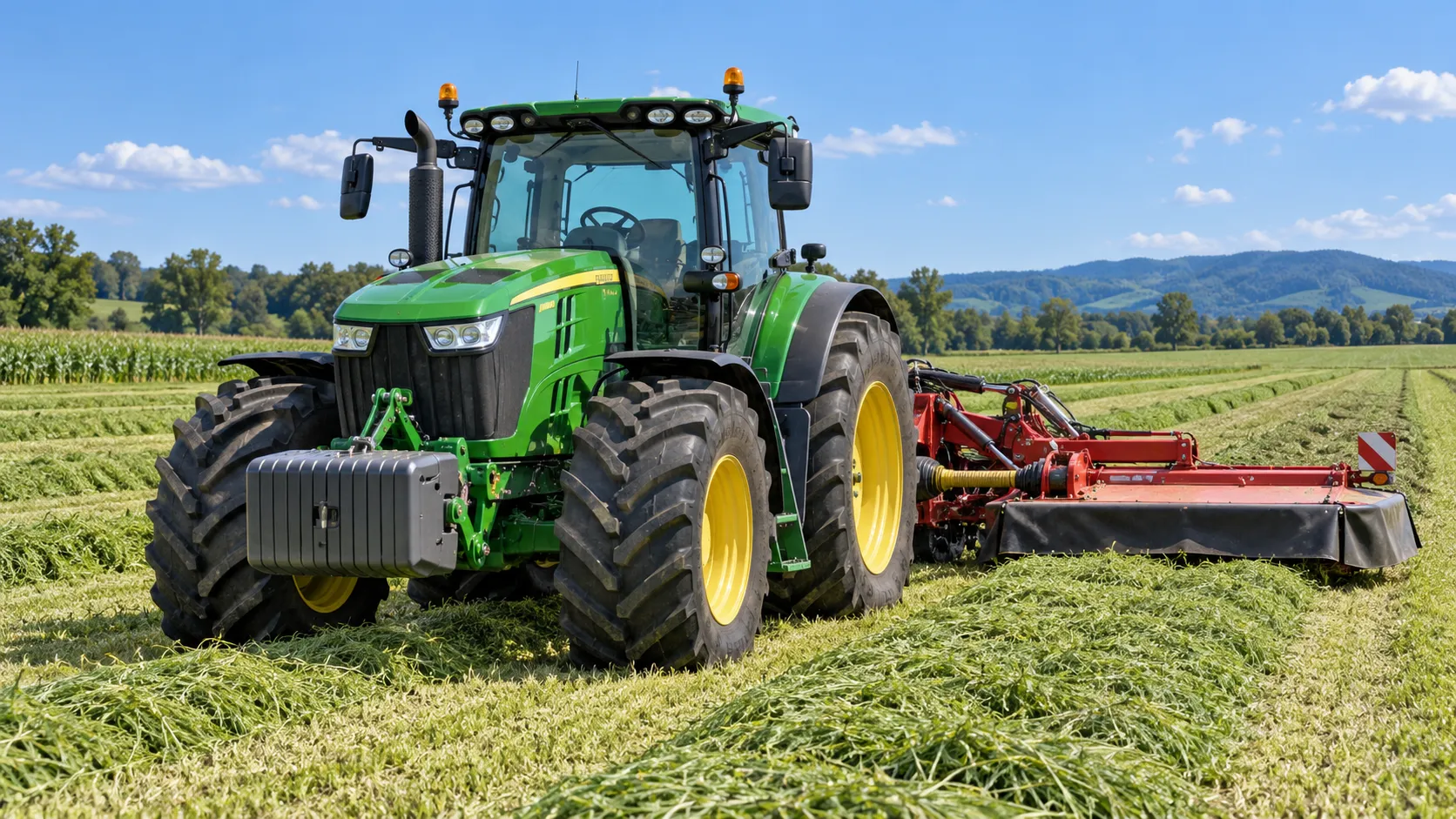
Tractor Specification Sheets: Matching PTO, Hydraulics, and Weight to Farm Tasks
Specification-oriented articles for tractors: match PTO, hydraulics, lift capacity, ballast, and weight to real farm tasks for safer, more efficient equipment choices.
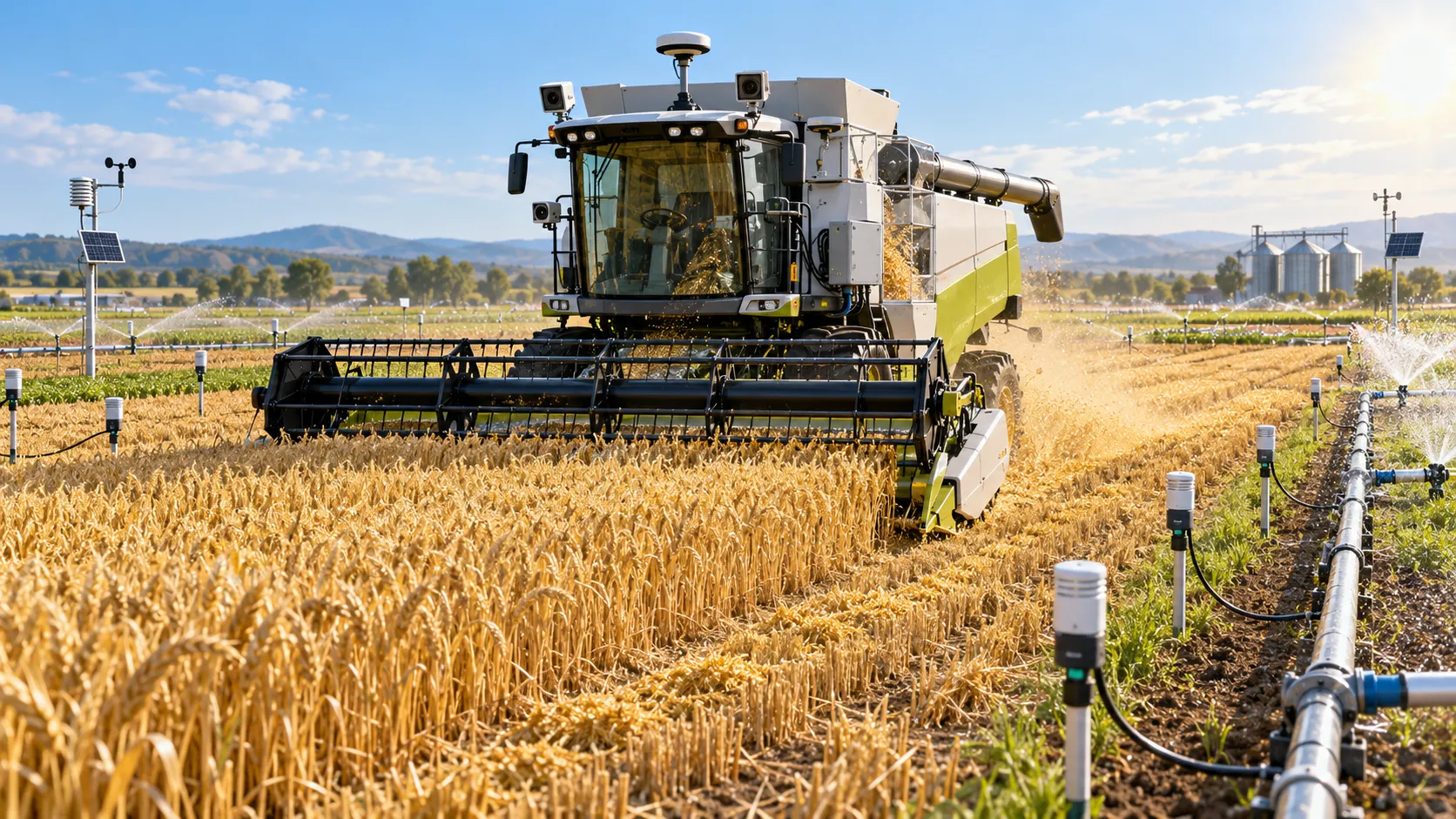
How to Evaluate Dynamic Feedback Algorithm Suppliers for Precision Farming Systems
Dynamic feedback algorithms supplier evaluation guide for precision farming—compare validation, integration, safety, and pilots to choose with confidence.
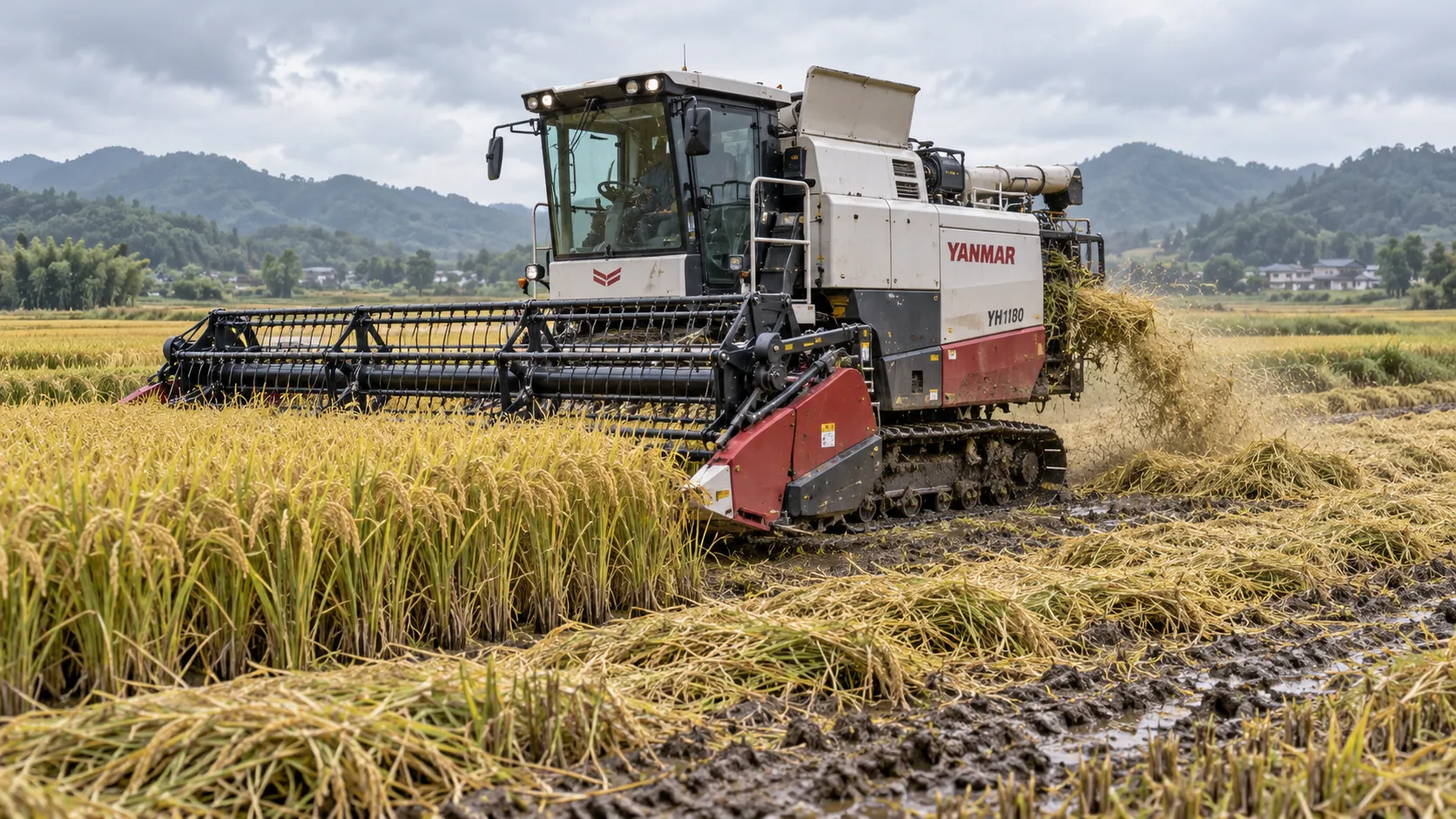
How to Specify Combine Harvester Systems for High-Moisture Grain and Variable Field Conditions
Combine harvester systems for high-moisture grain: learn how to specify threshing, cleaning, headers, traction, and automation for reliable harvests in variable fields.
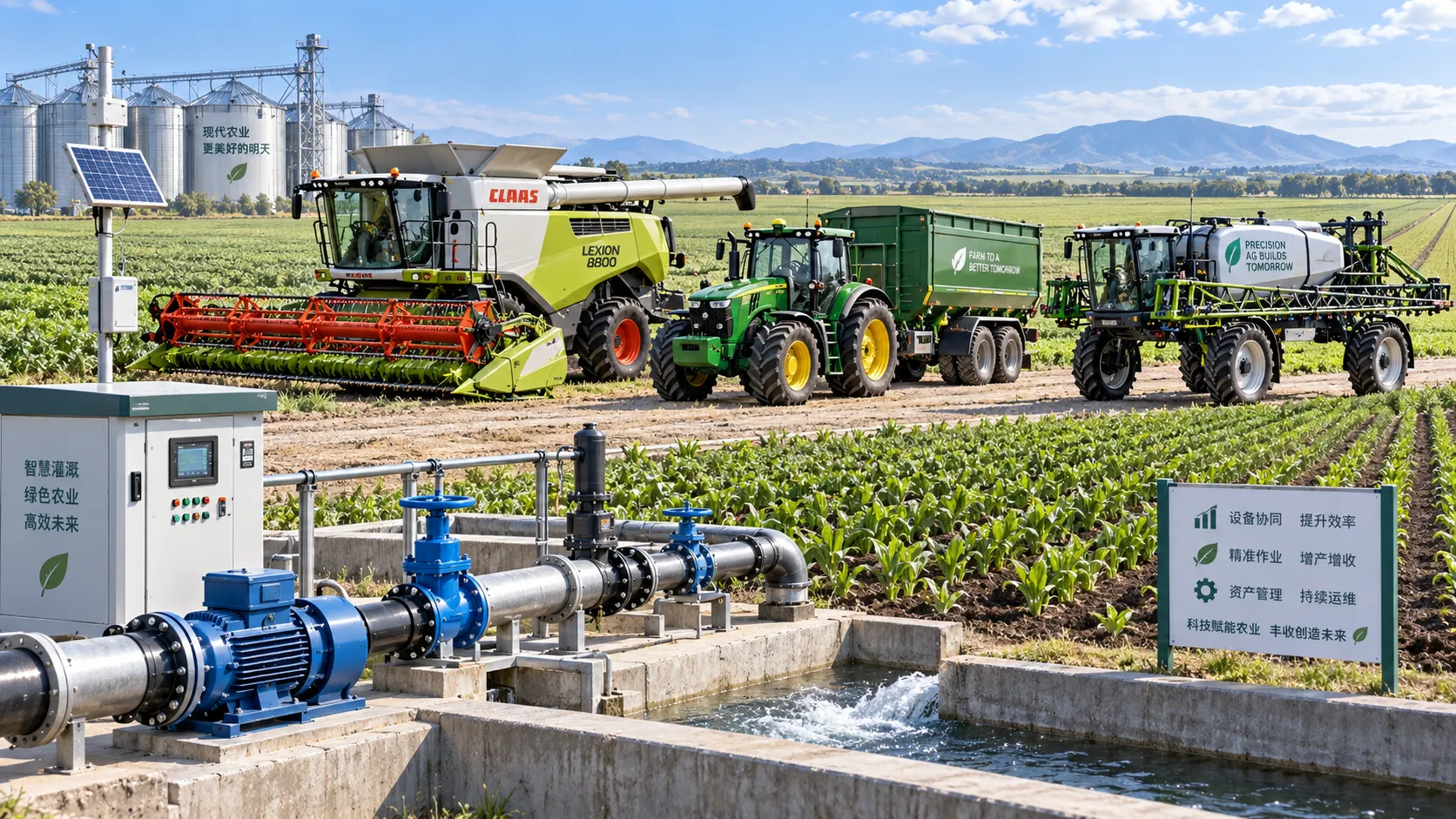
How to Compare Agricultural Equipment Platforms for Fleet Management and ROI
Agricultural equipment platform comparison: evaluate fleet data, maintenance, precision workflows, and ROI to choose a system that delivers measurable results.
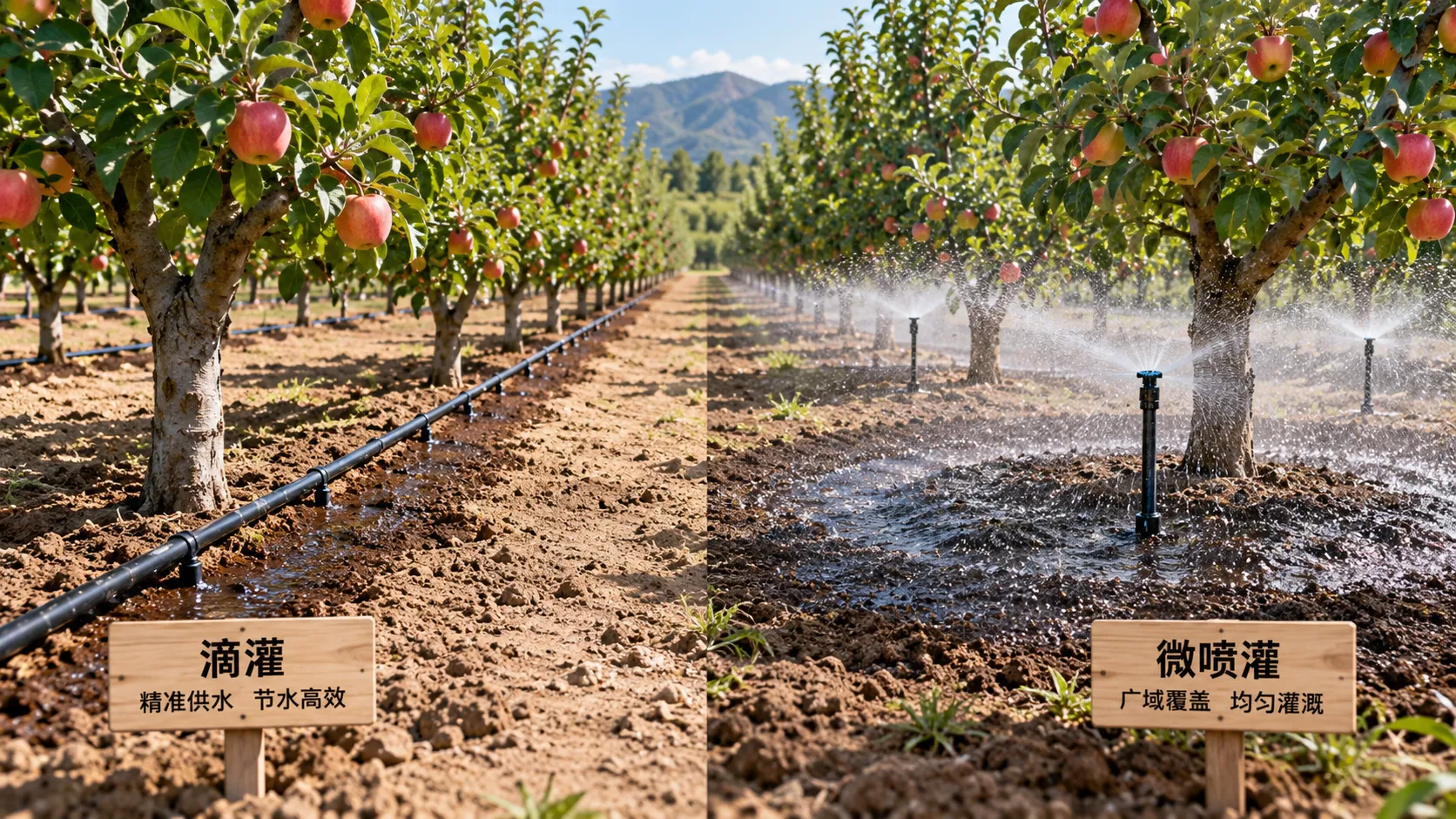
Drip vs. Micro-Sprinkler Irrigation: Which System Fits Your Orchard?
Irrigation solution comparison for orchards: discover whether drip or micro-sprinklers best match your water, soil, roots, fertigation, and frost needs.
Related News
- 00
0000-00
India Opens Duty Relief for Center Pivot Imports - 00
0000-00
What to Check Before Working With a Precision Irrigation Systems Factory - 00
0000-00
Red Sea Shock Tightens CPS Capacity, Rates Jump 37% - 00
0000-00
Red Sea Escalation Tightens Center Pivot Shipping - 00
0000-00
Red Sea Disruption Extends Center Pivot Transit to 42 Days
Popular Tags
Hydrological Resource Strategist
Weekly Insights
Stay ahead with our curated technology reports delivered every Monday.