
How to Choose Water-Saving Irrigation Systems for Different Crop and Soil Conditions




How to Choose Water-Saving Irrigation Systems for Different Crop and Soil Conditions
Choosing the right water-saving irrigation systems starts with matching technology to crop needs, soil structure, and field conditions.
The best option is rarely the most expensive system.
It is the one that keeps moisture stable, limits runoff, and supports yield during pressure periods.
In real field decisions, crop type, rooting depth, soil infiltration, and terrain usually matter more than marketing claims.
That is why selecting water-saving irrigation systems should begin with field reality, not equipment brochures.
Start with Crop Water Demand
Different crops use water in very different ways.
A shallow-rooted vegetable field needs precise, frequent irrigation.
A deep-rooted orchard can often work with slower, deeper wetting cycles.
Row crops like corn, soybean, and cotton sit somewhere in the middle.
When comparing water-saving irrigation systems, first define four crop questions.
- How deep is the active root zone?
- How sensitive is the crop to water stress?
- Does the canopy cover the ground early or late?
- Is fertigation part of the production plan?
These answers narrow the system choice quickly.
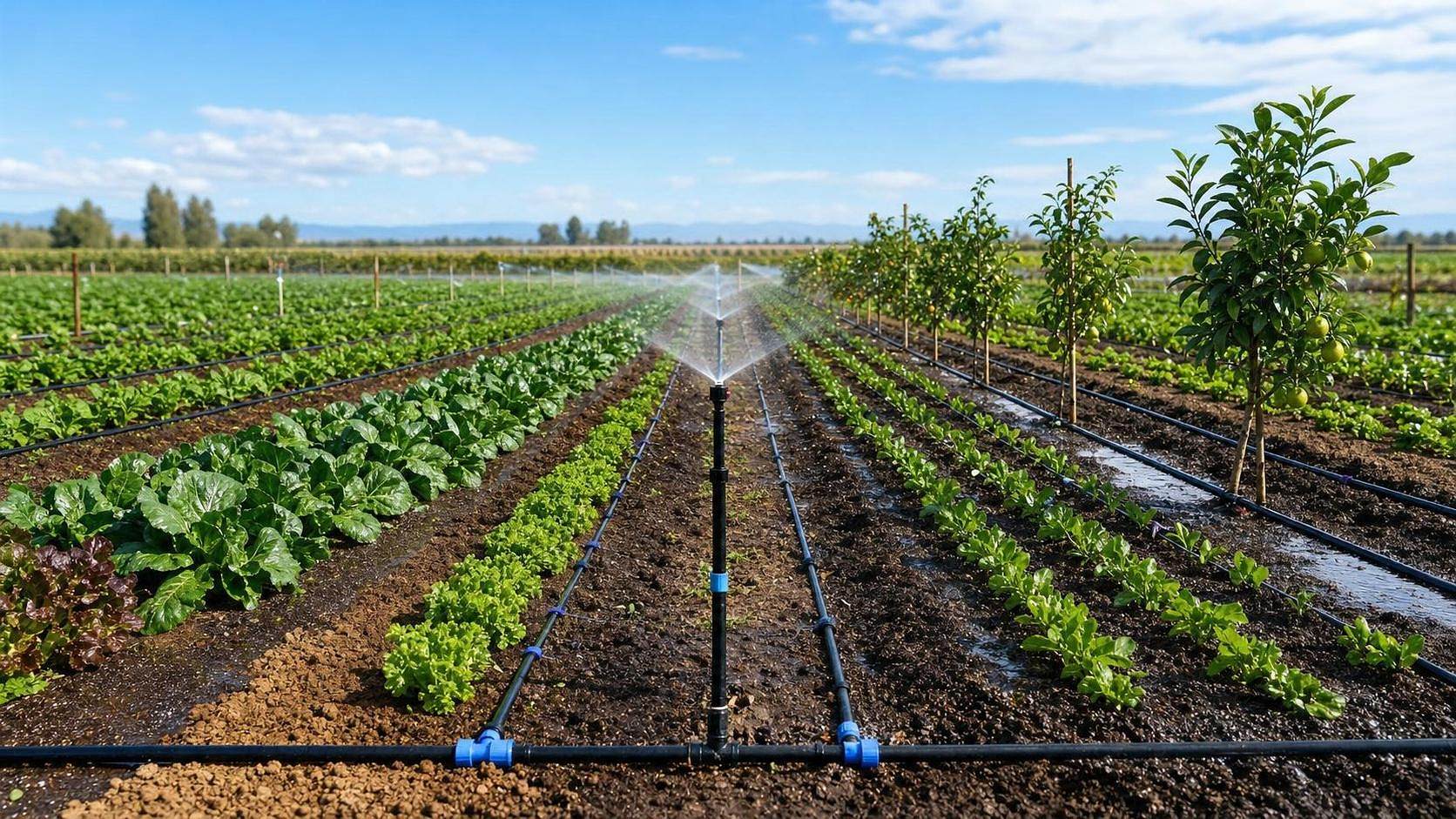
For vegetables, berries, vineyards, and orchards, drip irrigation often leads.
It delivers water close to the root zone and reduces evaporation losses.
For broadacre crops, low-pressure center pivot or linear systems may be more practical.
They cover large fields efficiently and keep labor demand lower.
Match the System to Soil Behavior
Soil condition is often the deciding factor for water-saving irrigation systems.
Two fields growing the same crop may need different irrigation designs.
The reason is simple.
Sandy soils absorb water fast but hold less of it.
Clay soils absorb slowly but store more water once wet.
Loam offers the most flexibility, but even loam varies across a farm.
Sandy Soils
Sandy fields benefit from shorter, more frequent irrigation events.
This keeps moisture available without pushing nutrients below the root zone.
Drip lines and low-flow sprinklers usually perform well here.
High-application systems can increase deep percolation losses.
Clay Soils
Clay soils require slower application rates.
If water arrives faster than infiltration, runoff starts quickly.
That reduces uniformity and wastes both water and energy.
For these soils, water-saving irrigation systems should focus on controlled delivery and longer soak time.
Variable Soils
Many commercial fields are not uniform.
A pivot passing over sandy ridges and heavier low areas faces uneven demand.
In that case, intelligent water-saving irrigation systems with zone control become more valuable.
Variable-rate irrigation can reduce overwatering and improve consistency across the field.
Compare the Main System Types
Most water-saving irrigation systems in modern farming fall into three practical categories.
- Drip irrigation for precise root-zone delivery.
- Micro-sprinkler systems for orchards and specialty crops.
- Low-pressure pivot or linear systems for large field coverage.
Drip Irrigation
Drip systems are strong when precision matters most.
They fit vegetables, orchards, vineyards, greenhouses, and high-value row crops.
They also support accurate fertigation.
The tradeoff is maintenance.
Filtration, flushing, and emitter clogging control are non-negotiable.
Micro-Sprinklers
Micro-sprinklers spread water over a wider pattern than drip emitters.
They are useful where root spread is broad or cooling benefits matter.
They can work well in orchards on light to medium soils.
However, evaporation loss is usually higher than with drip.
Low-Pressure Pivot and Linear Systems
For large-scale grain and forage production, these systems remain highly competitive.
Modern packages with drop nozzles, pressure regulation, and sensor control improve water efficiency significantly.
They are often the right choice when labor, speed, and scale are major factors.
Field Conditions Change the Final Decision
Even the best water-saving irrigation systems can underperform in the wrong field layout.
Slope, wind, water quality, and power access all shape the final choice.
- Steep slopes favor controlled application and stronger pressure management.
- Windy areas reduce sprinkler efficiency and push selection toward drip.
- Poor water quality raises clogging risk and increases filtration needs.
- Remote fields may need simpler systems with lower service demands.
This is where many irrigation purchases go wrong.
A system may look efficient on paper, yet fail because maintenance conditions were ignored.
Reliable operation matters as much as technical efficiency.
Use a Practical Evaluation Framework
A simple decision framework makes water-saving irrigation systems easier to compare.
This approach keeps the decision practical.
It also helps avoid buying more complexity than the farm can use.
Common Selection Mistakes
Several mistakes keep appearing when farms invest in water-saving irrigation systems.
- Choosing by purchase price alone.
- Ignoring filtration and water treatment requirements.
- Using one irrigation schedule for every soil zone.
- Overestimating available labor for inspection and repair.
- Installing advanced controls without using field data properly.
From recent market shifts, a clearer signal is emerging.
Farms now want water-saving irrigation systems that combine efficiency with manageable operation.
That means fewer theoretical gains and more consistent field performance.
Why Smart Control Matters More Now
The next step in water-saving irrigation systems is not only hardware.
It is better timing, better sensing, and better response.
Soil moisture probes, pressure monitoring, weather data, and remote alerts can improve scheduling decisions.
For large operations, this reduces guesswork and supports faster correction.
At AP-Strategy, this shift reflects the wider Agriculture 4.0 direction.
Mechanical performance still matters, but it performs best when linked to field intelligence.
Final Decision Guide
The right water-saving irrigation systems come from matching crop demand, soil behavior, and operational capacity.
If the crop is high value and precision sensitive, drip often makes the strongest case.
If the farm is large and broadacre, low-pressure pivot or linear systems may deliver better overall economics.
If soil variability is high, intelligent control features deserve more weight.
Before committing, review infiltration rate, water quality, field shape, labor support, and maintenance discipline.
That process leads to a system that saves water in practice, not only in theory.
For better irrigation decisions, start with the field, test the constraints, and choose water-saving irrigation systems that fit daily operation as well as long-term yield goals.
Related News
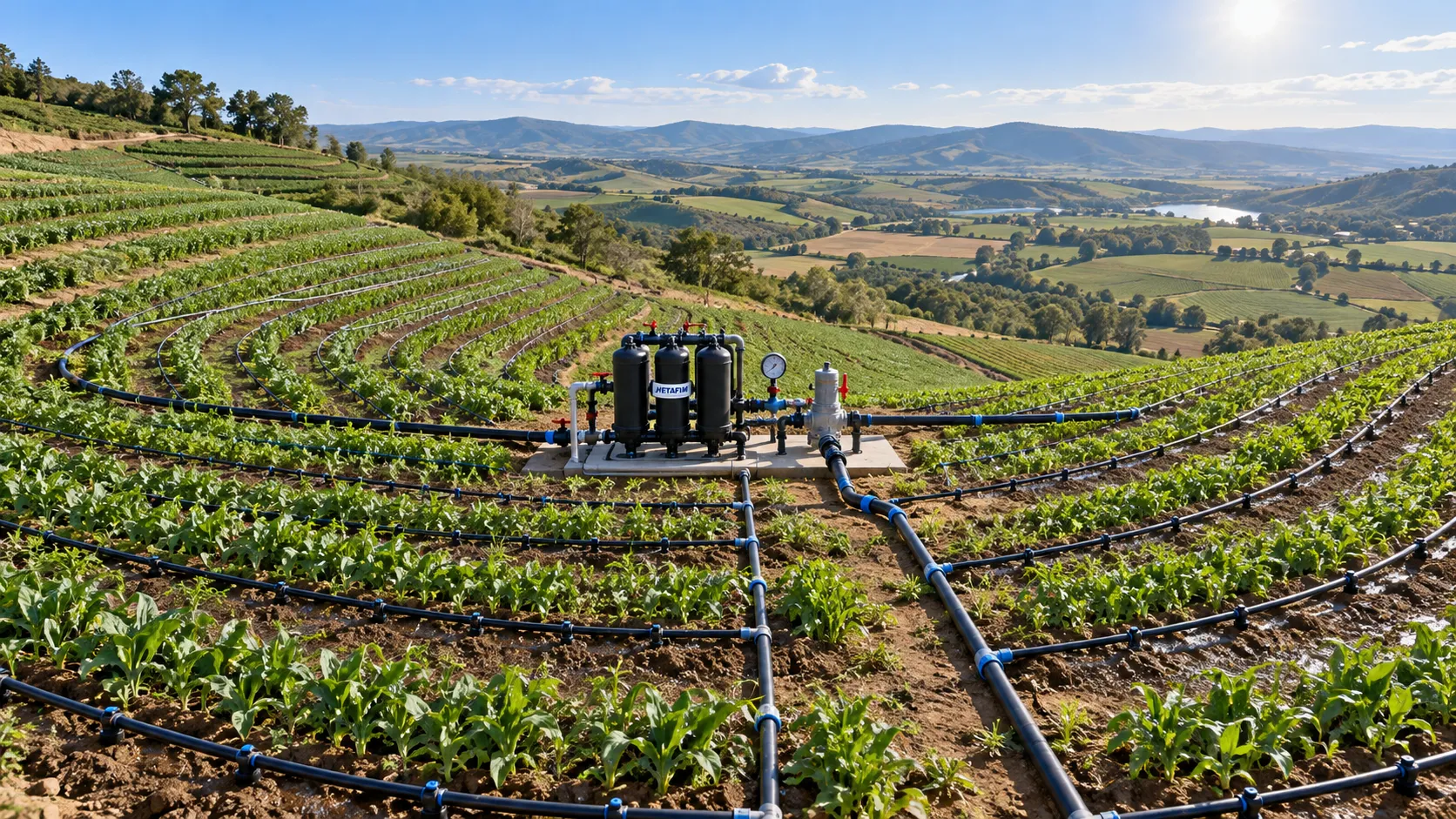
How to Size Low-Pressure Water-Saving Irrigation Systems for Uneven Fields
Low pressure water-saving irrigation systems for uneven fields: learn zoning, pressure mapping, pipe sizing, and pump selection to improve uniformity and reduce water waste.
Farm Machinery Sourcing: How to Vet Suppliers, Specs, and Lifecycle Costs
Farm machinery information for sourcing: learn to vet suppliers, compare specifications, control lifecycle costs, and secure reliable uptime for smarter equipment purchases.
Which costs matter most when calculating precision agriculture ROI?
Calculating ROI on precision agriculture equipment? Discover the costs that shape returns, from installation and subscriptions to downtime, labor, and data integration.
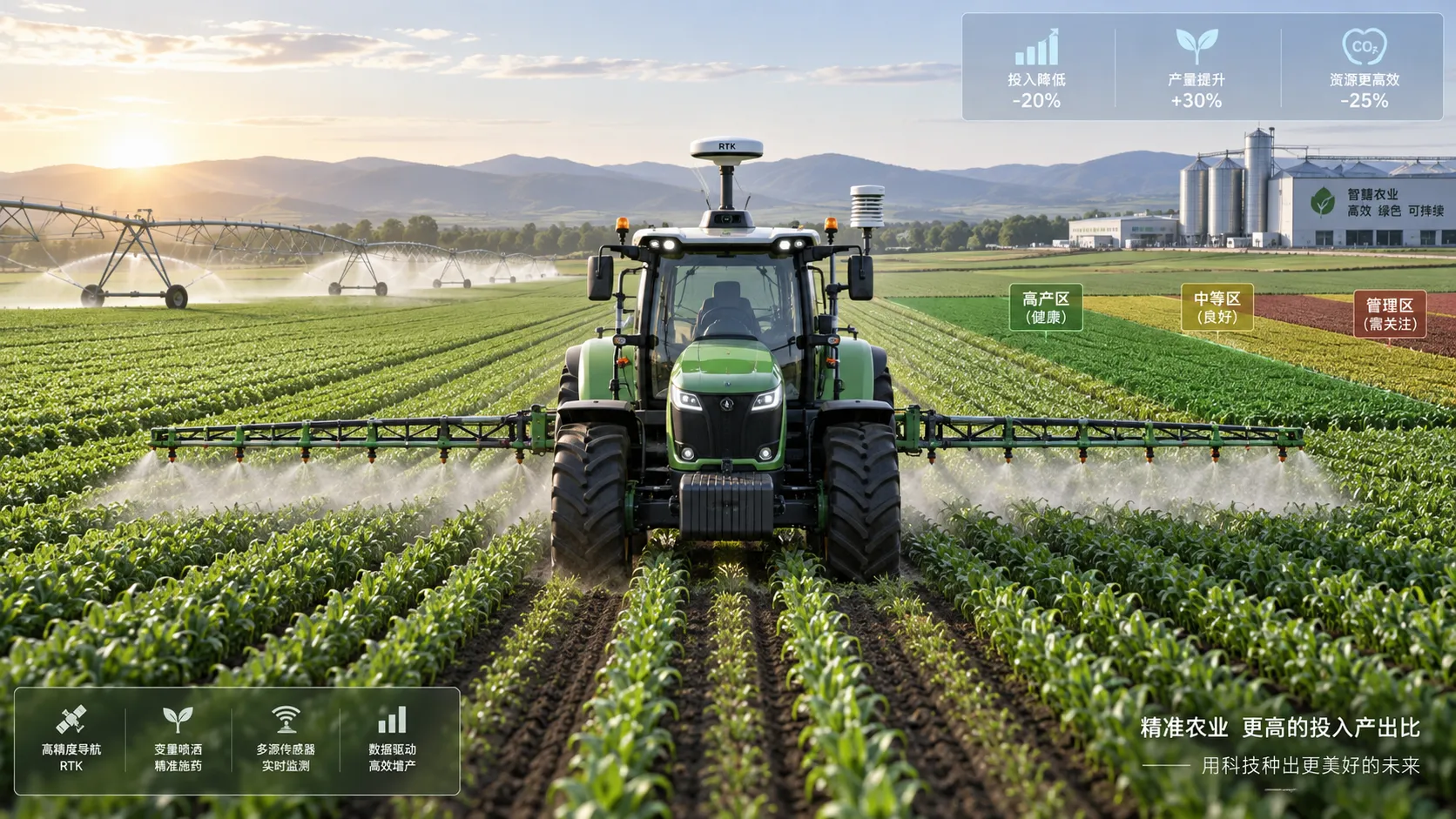
How to calculate ROI on precision agriculture equipment before buying
Calculating ROI on precision agriculture equipment: learn to assess total ownership costs, savings, payback, NPV, risks, and farm-scale value before you buy.
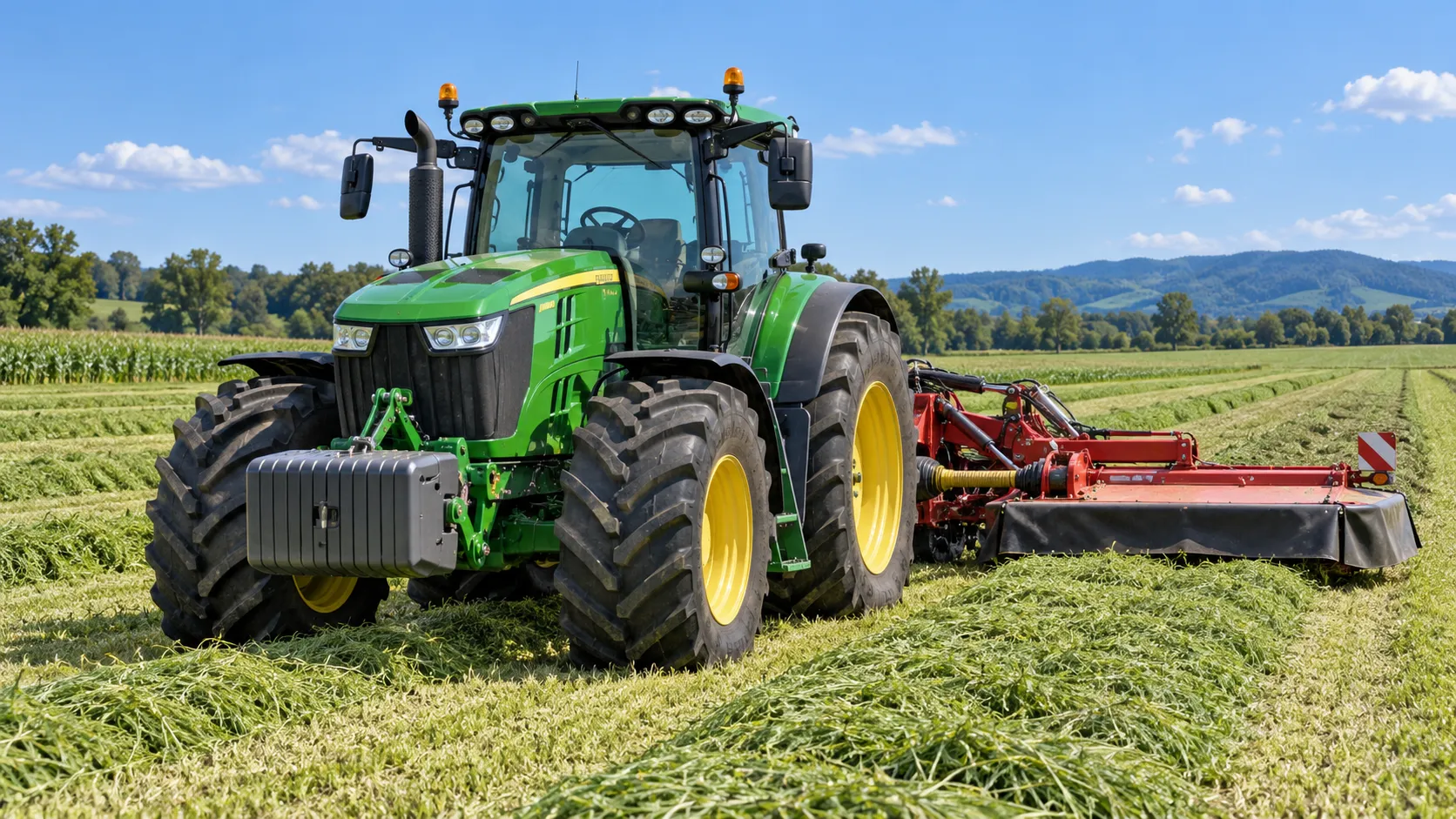
Tractor Specification Sheets: Matching PTO, Hydraulics, and Weight to Farm Tasks
Specification-oriented articles for tractors: match PTO, hydraulics, lift capacity, ballast, and weight to real farm tasks for safer, more efficient equipment choices.
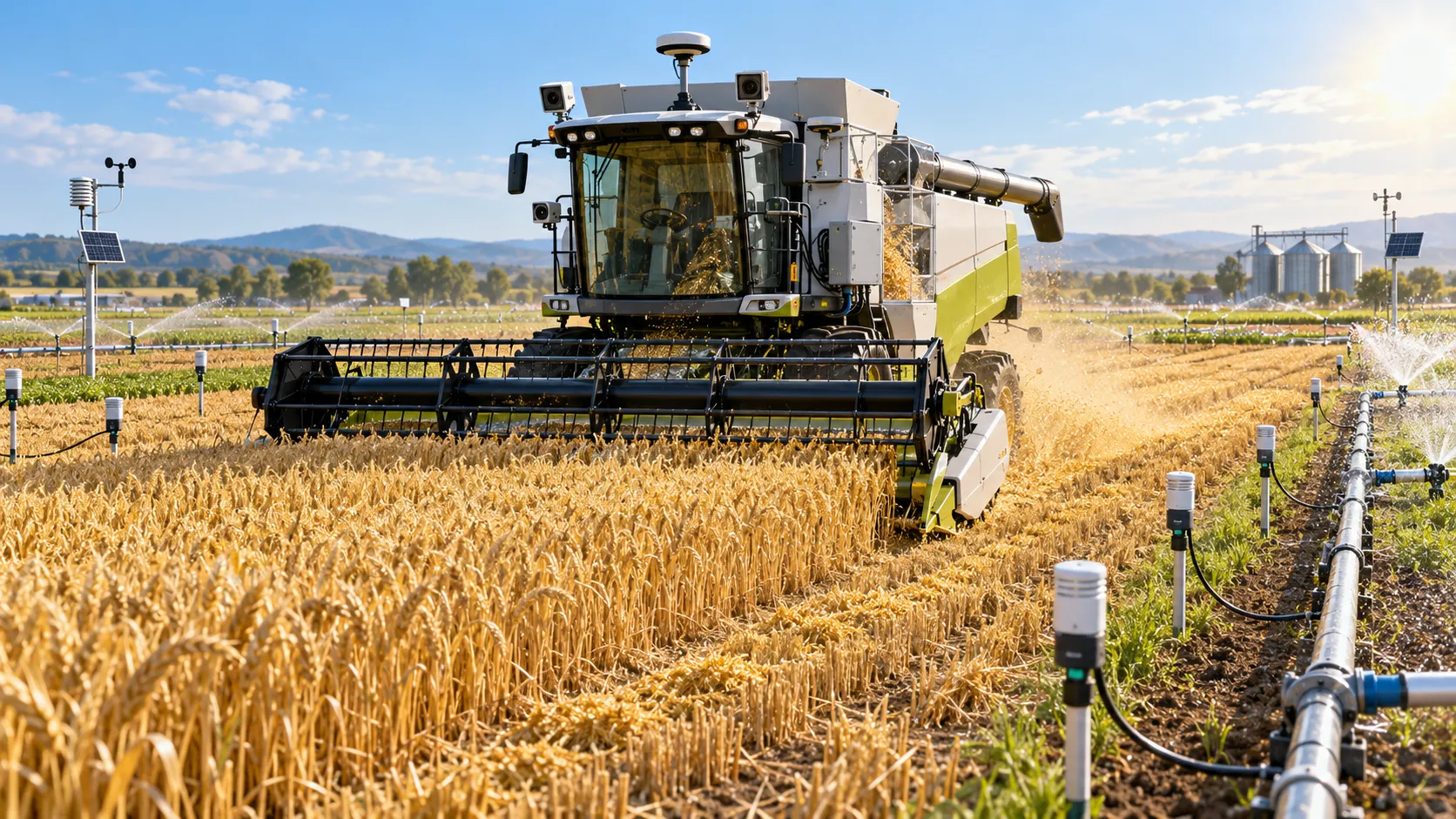
How to Evaluate Dynamic Feedback Algorithm Suppliers for Precision Farming Systems
Dynamic feedback algorithms supplier evaluation guide for precision farming—compare validation, integration, safety, and pilots to choose with confidence.
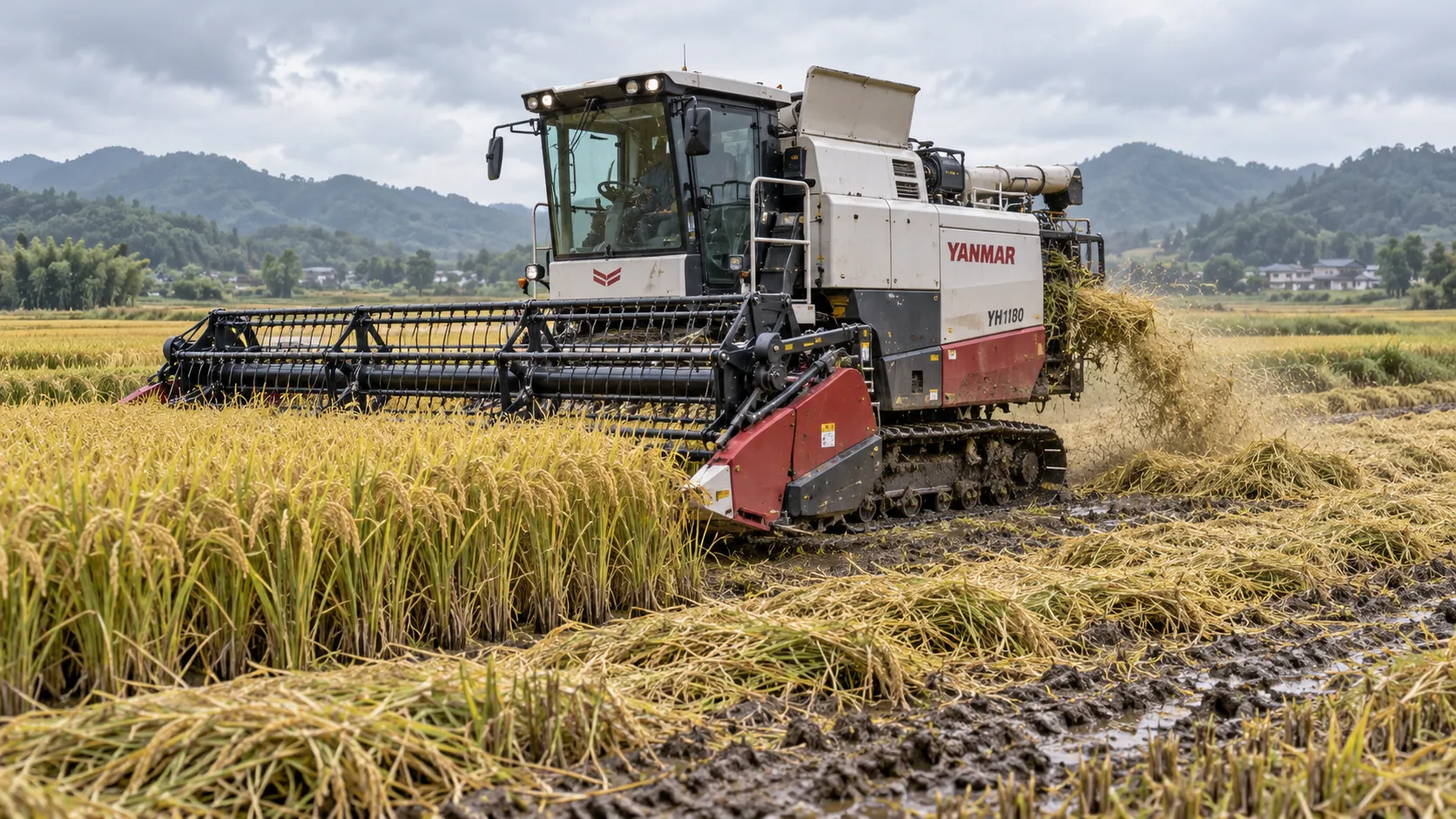
How to Specify Combine Harvester Systems for High-Moisture Grain and Variable Field Conditions
Combine harvester systems for high-moisture grain: learn how to specify threshing, cleaning, headers, traction, and automation for reliable harvests in variable fields.
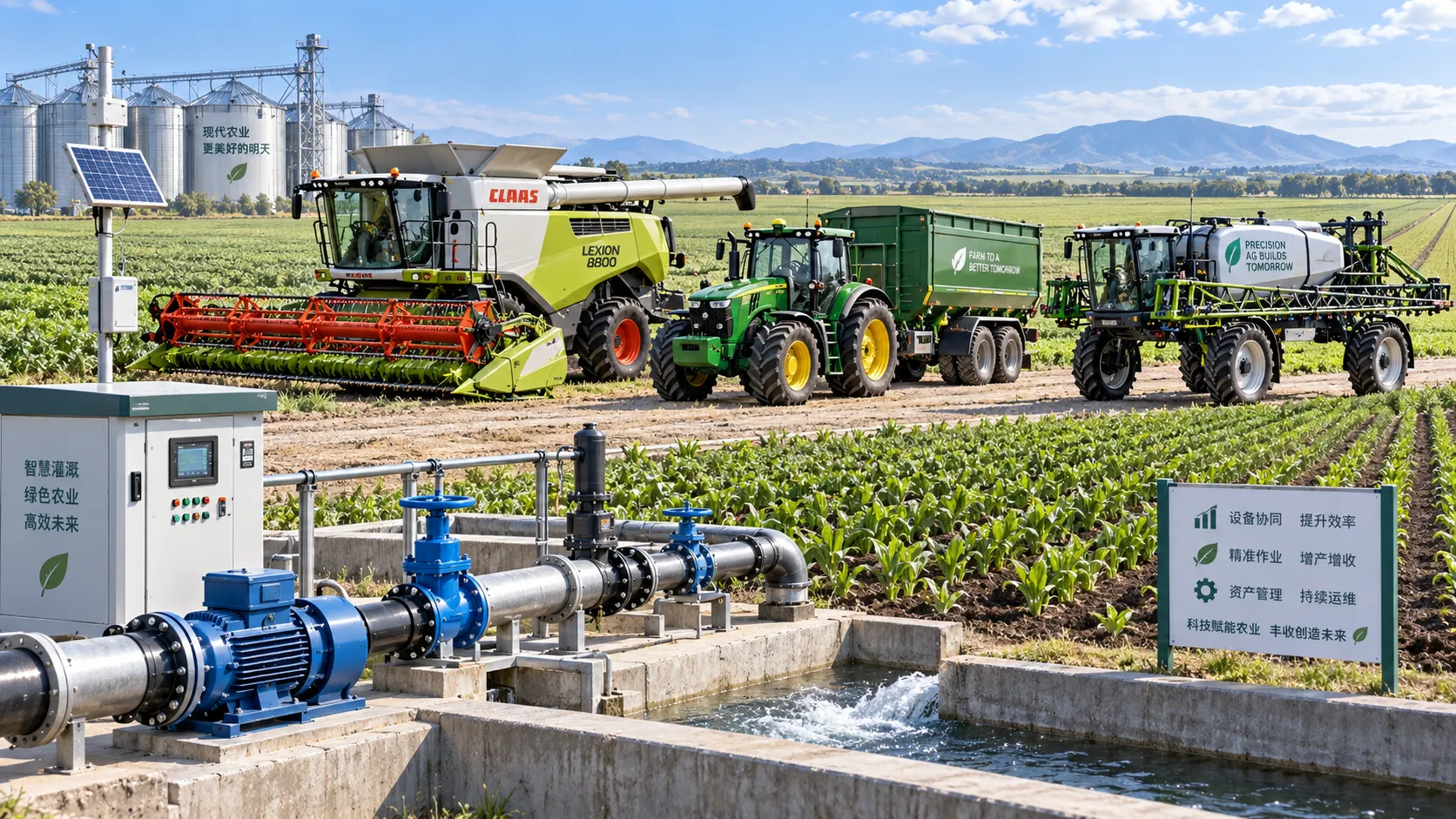
How to Compare Agricultural Equipment Platforms for Fleet Management and ROI
Agricultural equipment platform comparison: evaluate fleet data, maintenance, precision workflows, and ROI to choose a system that delivers measurable results.
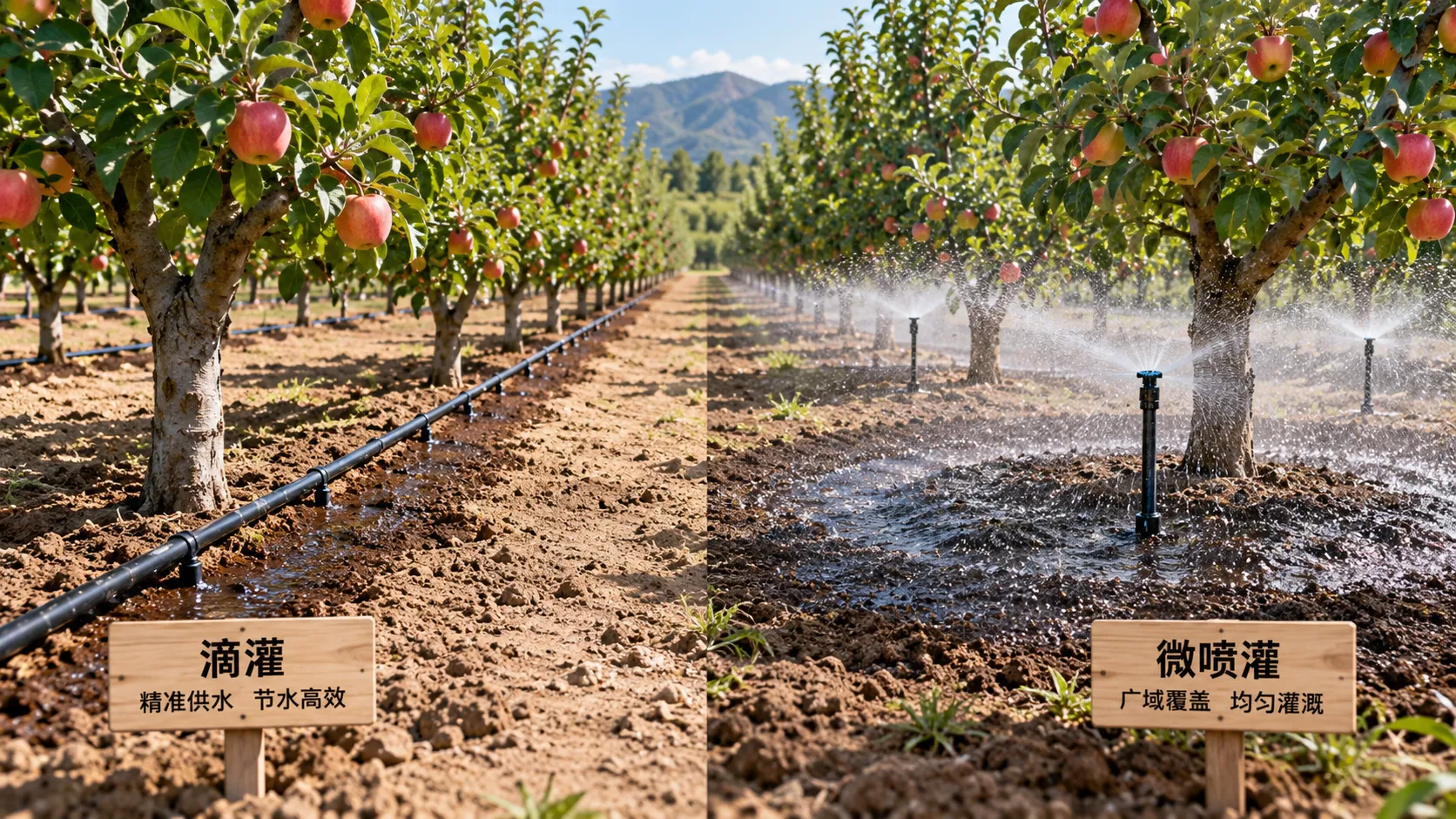
Drip vs. Micro-Sprinkler Irrigation: Which System Fits Your Orchard?
Irrigation solution comparison for orchards: discover whether drip or micro-sprinklers best match your water, soil, roots, fertigation, and frost needs.
Related News
- 00
0000-00
How to Size Low-Pressure Water-Saving Irrigation Systems for Uneven Fields - 00
0000-00
Drip vs. Micro-Sprinkler Irrigation: Which System Fits Your Orchard? - 00
0000-00
How to Select Smart Irrigation Valves for Multi-Zone Water Management? - 00
0000-00
Automated Water-Saving Irrigation: How to Cut Water Use Without Reducing Crop Yields - 00
0000-00
How to Evaluate Drip Irrigation System Manufacturers for Large Farm Projects
Popular Tags
Hydrological Resource Strategist
Weekly Insights
Stay ahead with our curated technology reports delivered every Monday.