
Where Scalable Bio Processing Technology Fits Best in Commercial Production Planning
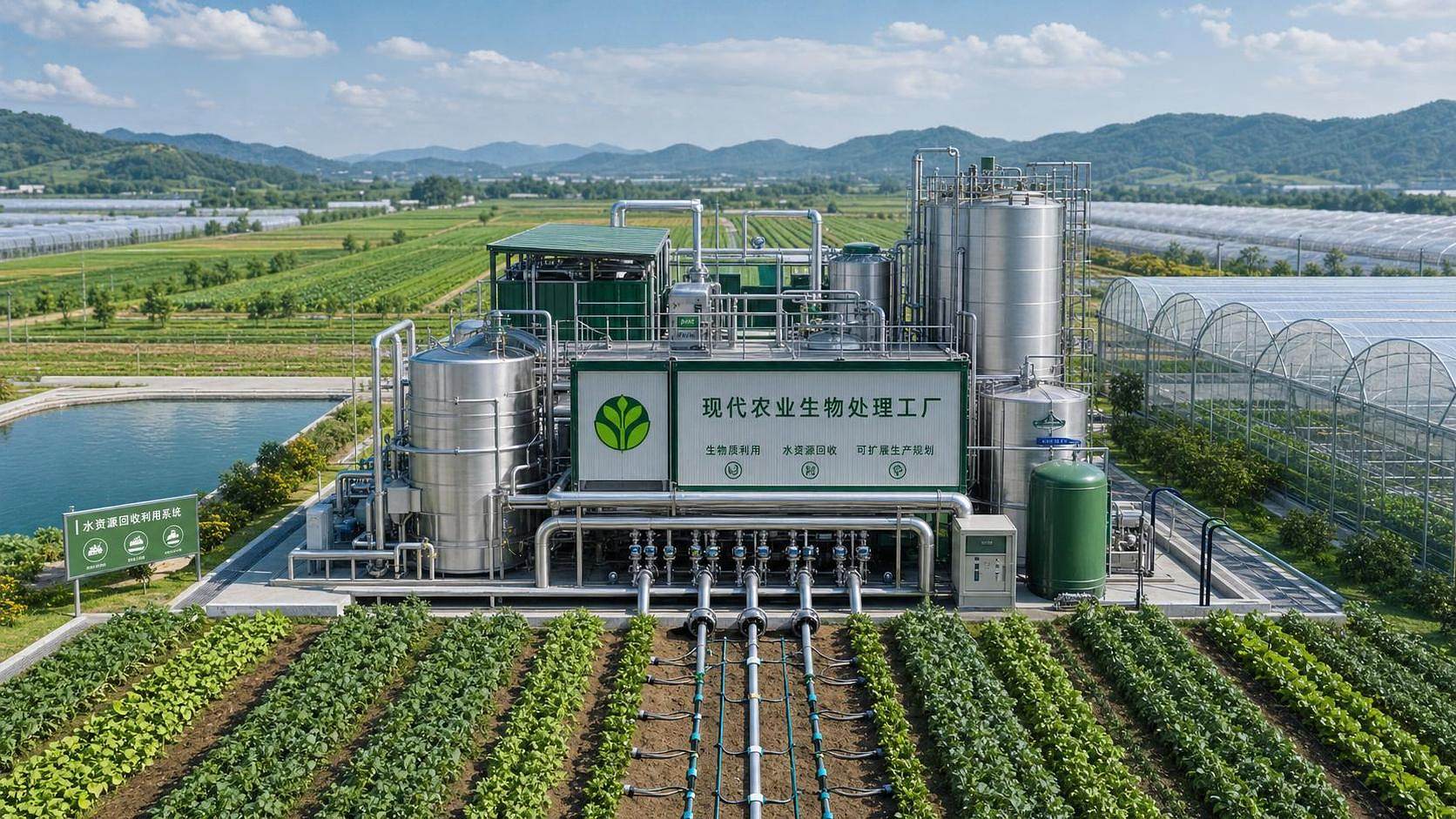




Where Scalable Bio Processing Technology Fits Best in Commercial Production Planning
In commercial production planning, scalable bio processing technology fits best where efficiency, adaptability, and long-term resource optimization must align.
That matters even more in agriculture-linked industries facing cost pressure, climate volatility, and tighter performance expectations.
For AP-Strategy, the question is not whether this technology matters.
The real question is where scalable bio processing technology creates the strongest planning advantage across equipment, irrigation, and field-connected production systems.
In practice, the best fit appears where biological inputs, resource efficiency, and operational scale must work together without adding unnecessary complexity.
Why This Technology Is Rising in Production Planning
Recent market shifts make scalable bio processing technology more relevant than it was even three years ago.
Input costs remain unstable.
Water management is under scrutiny.
Traceability requirements are expanding across global supply chains.
At the same time, production leaders want flexible systems instead of fixed assets that lock them into one operating model.
Scalable bio processing technology supports that shift by helping facilities process biological materials, nutrient streams, residues, or bio-based inputs in a structured way.
More importantly, it can expand step by step.
That staged growth is valuable in commercial production planning because capacity can follow demand, not just forecasts.
This also reduces the common risk of overbuilding a processing line before feedstock quality, offtake demand, or regional logistics are stable.
Best-Fit Scenarios for Scalable Bio Processing Technology
Not every production environment benefits equally.
The strongest cases usually share three conditions: variable biological inputs, pressure on resources, and a need for modular expansion.
1. Crop Residue and Biomass Utilization
Large farming regions generate significant residue after harvesting.
Without a processing plan, that material often becomes waste, a disposal issue, or a low-value byproduct.
Scalable bio processing technology fits well here because feedstock volume changes by season, crop type, and regional weather.
A modular approach allows businesses to start with residue concentration, stabilization, or conversion, then expand once throughput is proven.
2. Bio-Input Production for Precision Agriculture
Precision farming increasingly depends on targeted inputs, not blanket application.
That includes biological nutrients, microbial formulations, and bio-based treatment materials.
Here, scalable bio processing technology supports smaller initial batches, controlled quality, and later capacity growth as field adoption expands.
This is especially useful where intelligent farm tools already enable prescription-based application.
3. Water Recovery and Circular Resource Systems
Water-saving irrigation systems are no longer separate from processing strategy.
They are part of the same efficiency equation.
Scalable bio processing technology fits best where water reuse, nutrient recovery, and treatment performance directly affect operating cost.
In those settings, bio processing capacity becomes a planning lever, not just a utility function.
4. Distributed Regional Production Networks
Many commercial operations now serve fragmented regional markets instead of one centralized demand center.
That makes distributed production more attractive.
Scalable bio processing technology works well in hub-and-spoke models because modules can be replicated across locations with shared operating standards.
This supports faster deployment and better regional responsiveness.
How to Evaluate Commercial Fit Before Investment
The commercial case should be tested with discipline.
A strong concept can still fail if the planning sequence is wrong.
Before choosing scalable bio processing technology, evaluate these five dimensions.
- Feedstock reliability: Is supply seasonal, contract-based, or exposed to field losses?
- Process stability: Can the system handle biological variation without costly interruption?
- Integration value: Does it connect with irrigation, field data, storage, or equipment workflows?
- Expansion logic: Can capacity grow in phases without replacing the base system?
- Commercial output: Is there a clear revenue, savings, or compliance benefit?
In actual business planning, integration value is often underestimated.
That is a mistake.
If scalable bio processing technology cannot connect with existing control systems, equipment schedules, or resource data, its payback slows down.
Where It Aligns With Agriculture 4.0 Systems
The strongest signal is not isolated processing performance.
It is system-level alignment.
AP-Strategy tracks this through the lens of Agriculture 4.0, where mechanical assets, sensor networks, and data models shape operational decisions together.
In that context, scalable bio processing technology fits best in environments with measurable feedback loops.
Examples include moisture-linked biomass intake, nutrient recovery tied to irrigation demand, and variable biological output matched to field prescriptions.
This matters because digital agriculture reduces guesswork.
When processing systems receive better field intelligence, planning becomes more accurate across labor, energy, inventory, and timing.
That is where scalable bio processing technology becomes more than a technical upgrade.
It becomes a decision infrastructure asset.
Common Risks and How to Reduce Them
Adoption does carry risk.
The issue is rarely the concept itself.
The issue is poor fit between the technology and the production model.
The practical lesson is simple.
Scalable bio processing technology performs best when planning starts with operating realities, not just equipment specifications.
A Practical Planning Framework
A workable decision path does not need to be complicated.
- Map biological inputs by volume, quality, season, and transport radius.
- Define the target output and the business value behind it.
- Test where scalable bio processing technology supports current operations first.
- Build a phase-one module with clear expansion triggers.
- Connect process data to wider planning, irrigation, and field management systems.
- Review performance against throughput, cost, quality, and resource recovery metrics.
This framework helps avoid a common planning trap.
Many teams invest in scalable bio processing technology because the concept looks future-ready.
The stronger move is to invest because the site, feedstock, and commercial model already support scale.
Final Takeaway
Scalable bio processing technology fits best in commercial production planning where biological variability, resource constraints, and expansion pressure meet.
It is especially effective in biomass utilization, precision bio-input production, water-linked recovery systems, and distributed regional operations.
For businesses operating in the Agriculture 4.0 environment, the payoff comes from integration, not from processing capacity alone.
The next step is to assess where scalable bio processing technology can solve an immediate operational problem while also supporting long-term system flexibility.
That is usually the point where commercial planning becomes sharper, investment risk becomes clearer, and scale starts to work in your favor.
Related News
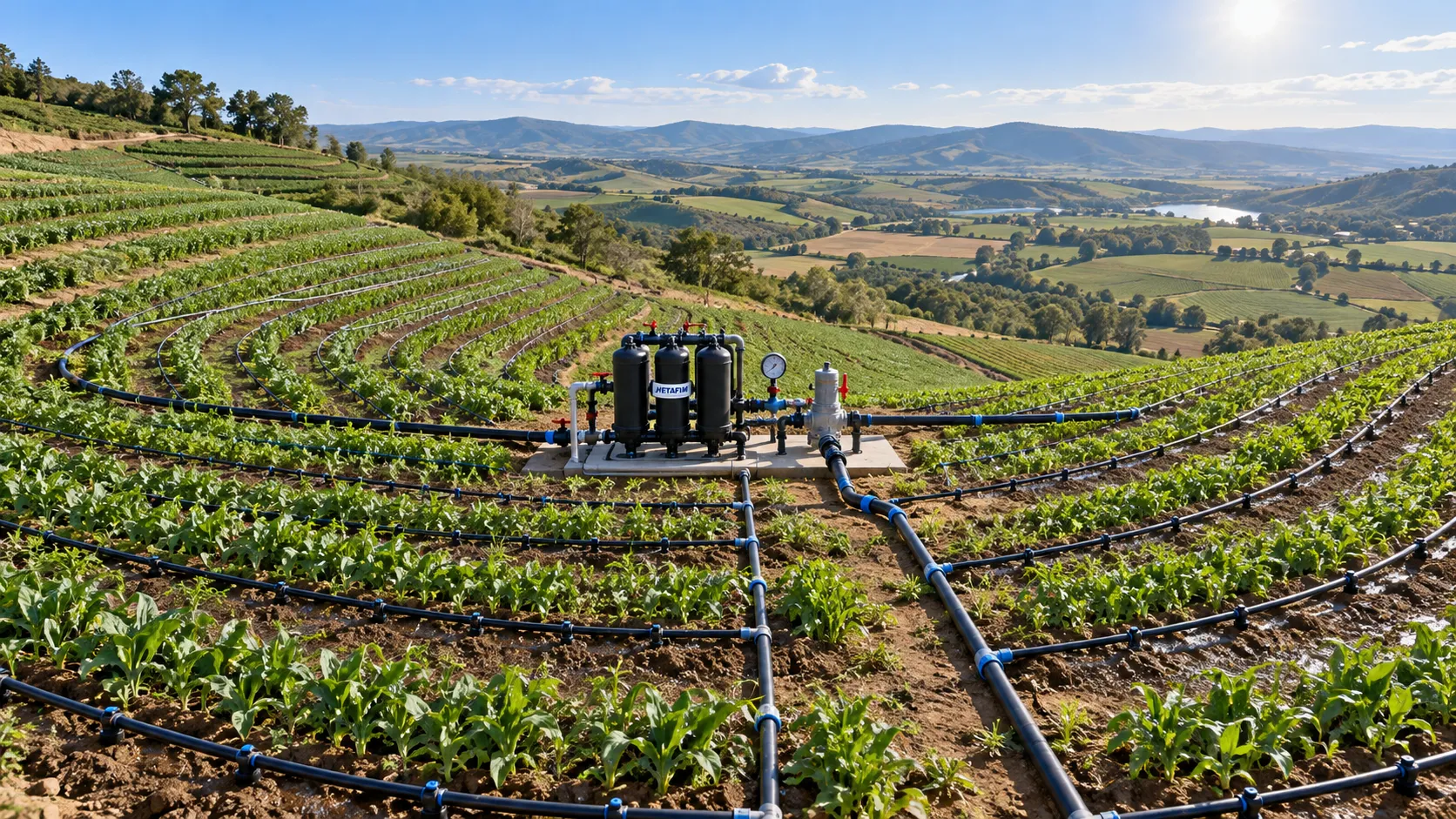
How to Size Low-Pressure Water-Saving Irrigation Systems for Uneven Fields
Low pressure water-saving irrigation systems for uneven fields: learn zoning, pressure mapping, pipe sizing, and pump selection to improve uniformity and reduce water waste.
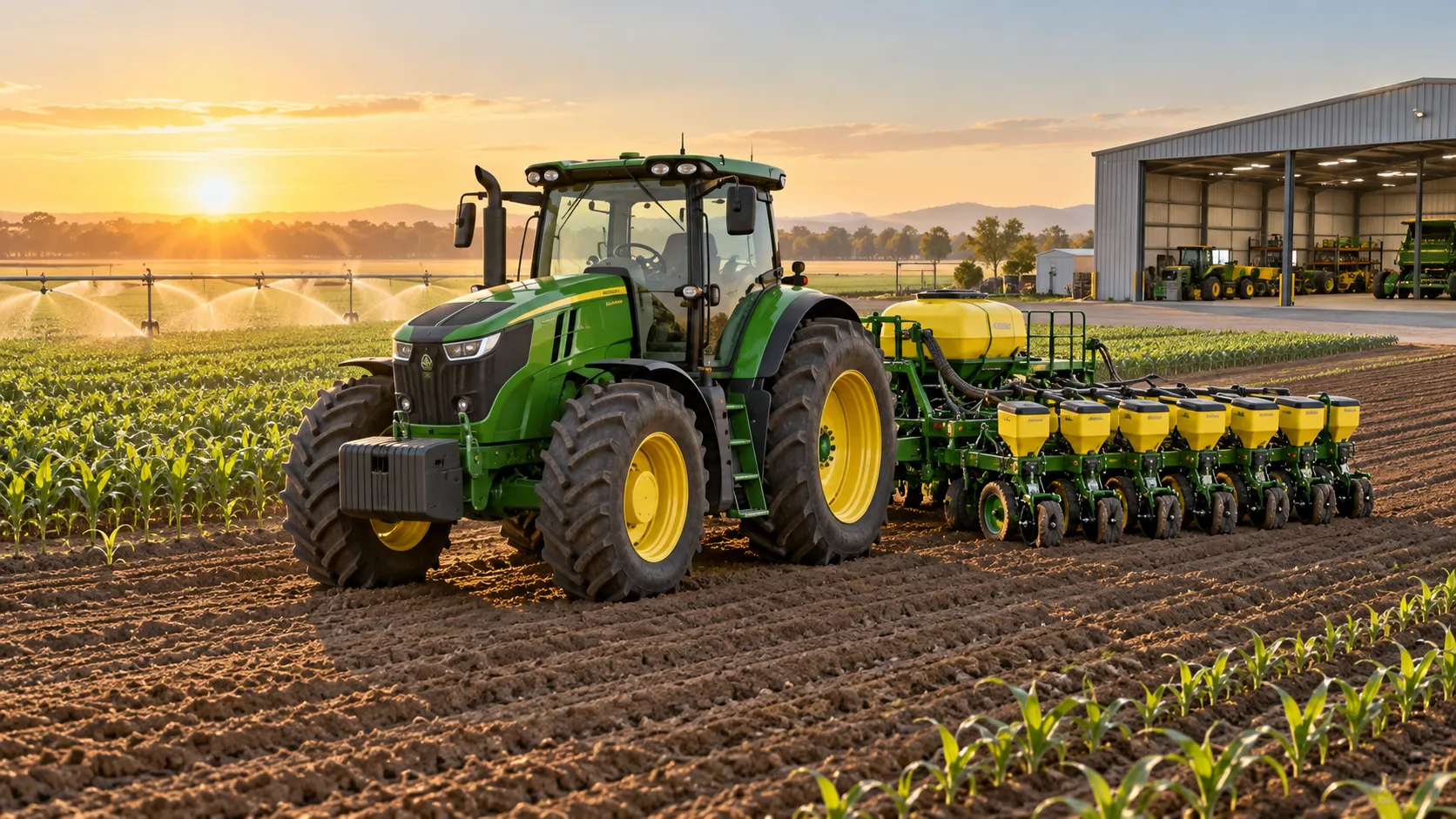
Farm Machinery Sourcing: How to Vet Suppliers, Specs, and Lifecycle Costs
Farm machinery information for sourcing: learn to vet suppliers, compare specifications, control lifecycle costs, and secure reliable uptime for smarter equipment purchases.
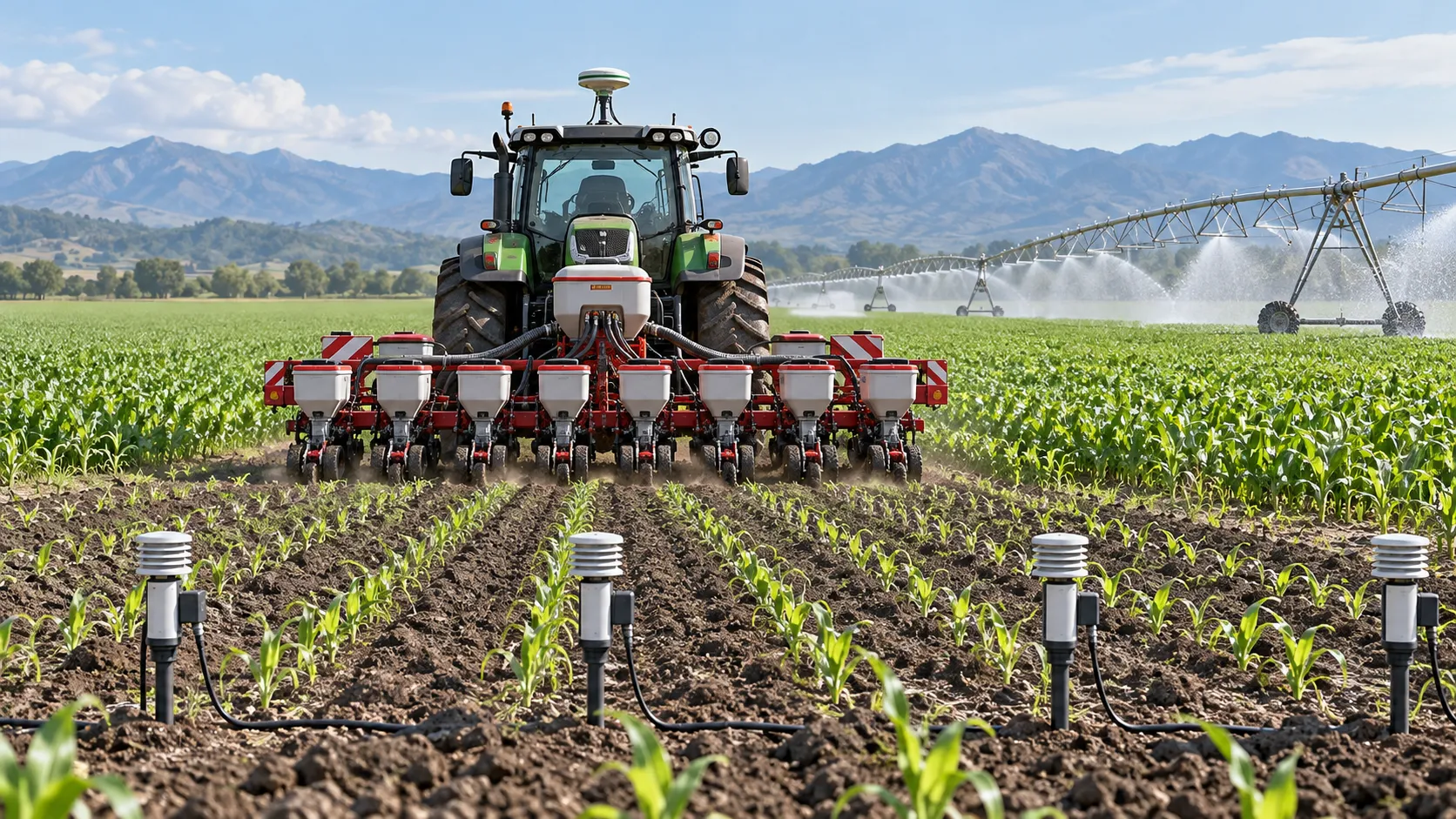
Which costs matter most when calculating precision agriculture ROI?
Calculating ROI on precision agriculture equipment? Discover the costs that shape returns, from installation and subscriptions to downtime, labor, and data integration.
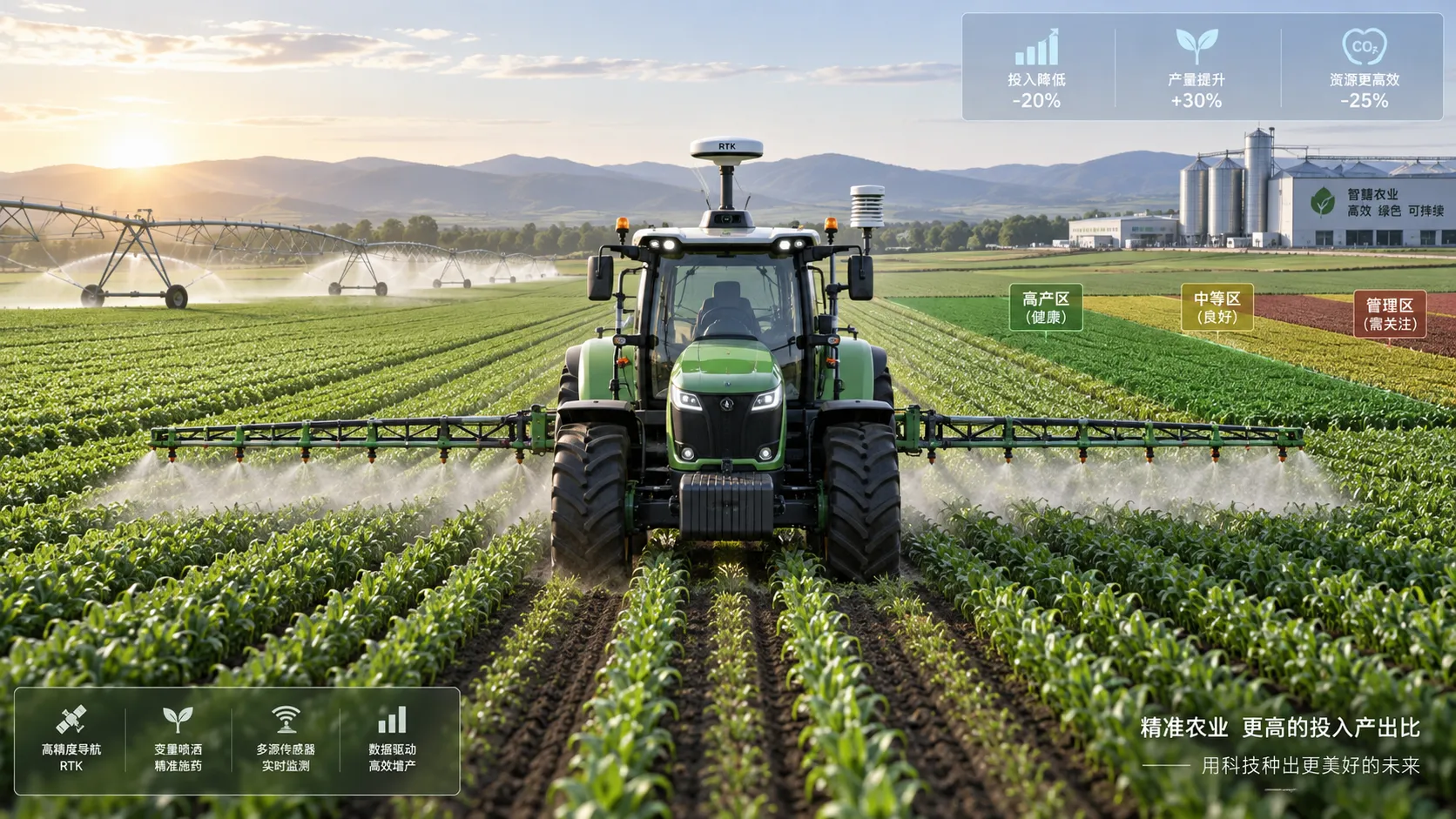
How to calculate ROI on precision agriculture equipment before buying
Calculating ROI on precision agriculture equipment: learn to assess total ownership costs, savings, payback, NPV, risks, and farm-scale value before you buy.
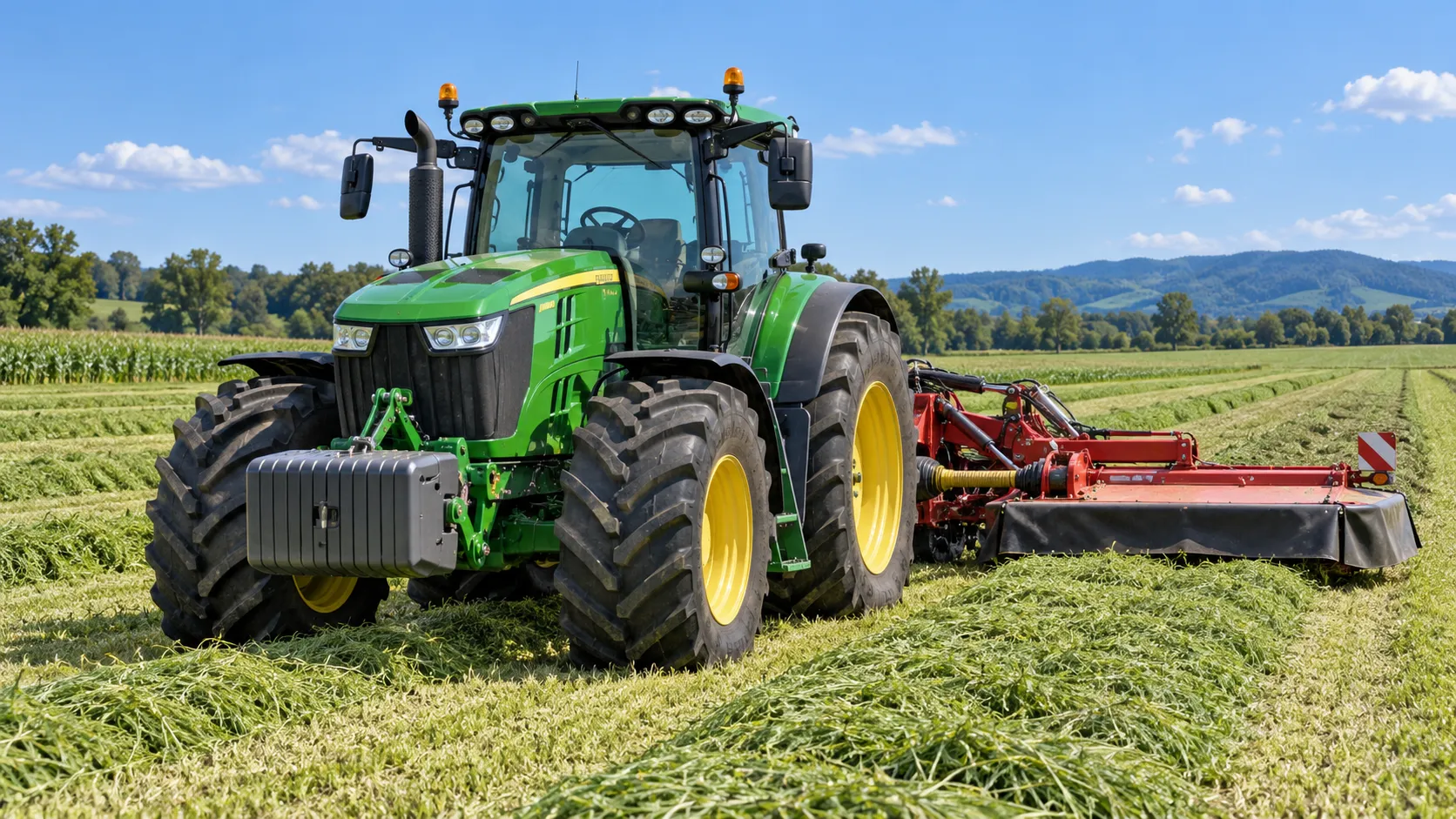
Tractor Specification Sheets: Matching PTO, Hydraulics, and Weight to Farm Tasks
Specification-oriented articles for tractors: match PTO, hydraulics, lift capacity, ballast, and weight to real farm tasks for safer, more efficient equipment choices.
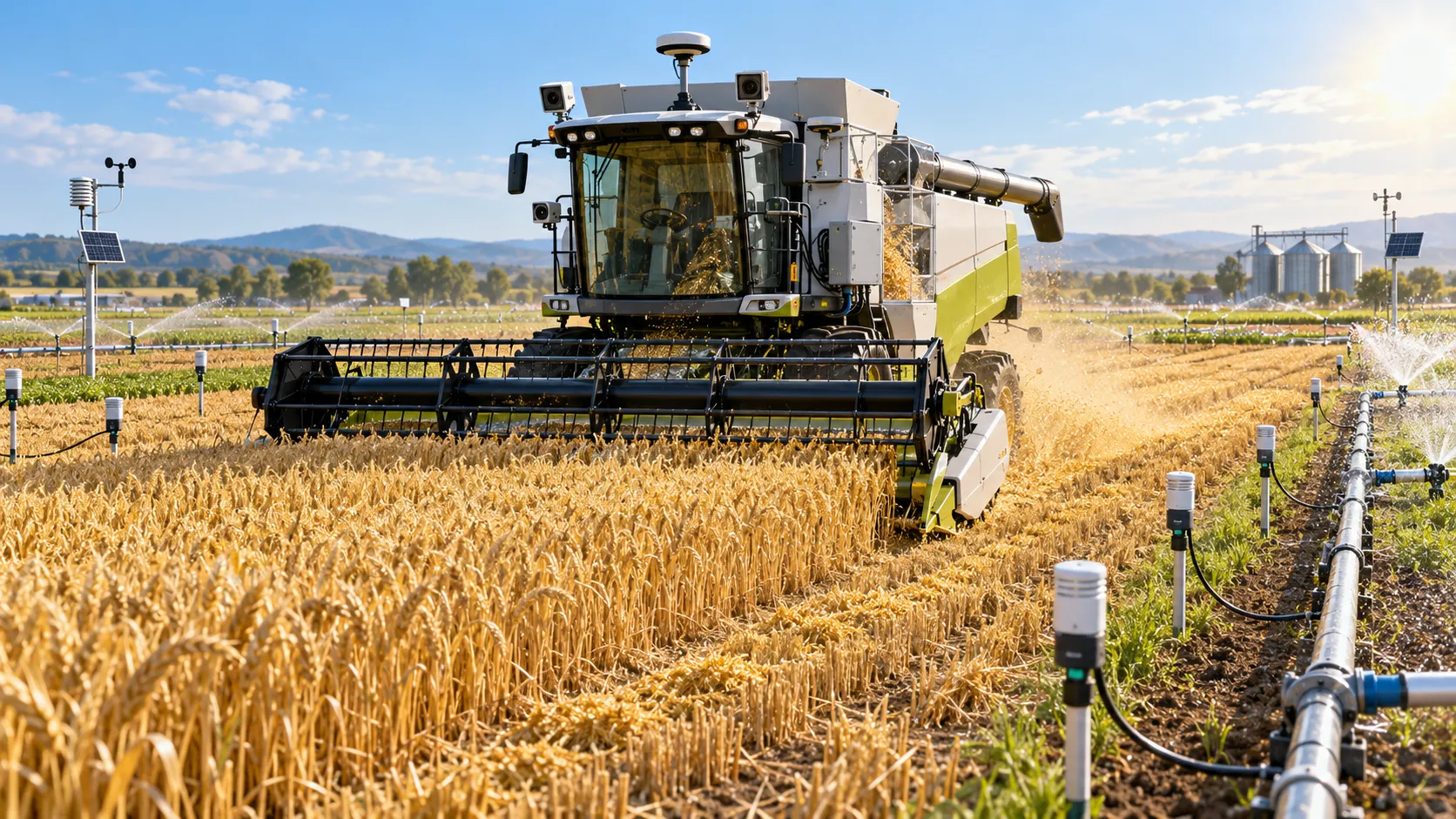
How to Evaluate Dynamic Feedback Algorithm Suppliers for Precision Farming Systems
Dynamic feedback algorithms supplier evaluation guide for precision farming—compare validation, integration, safety, and pilots to choose with confidence.
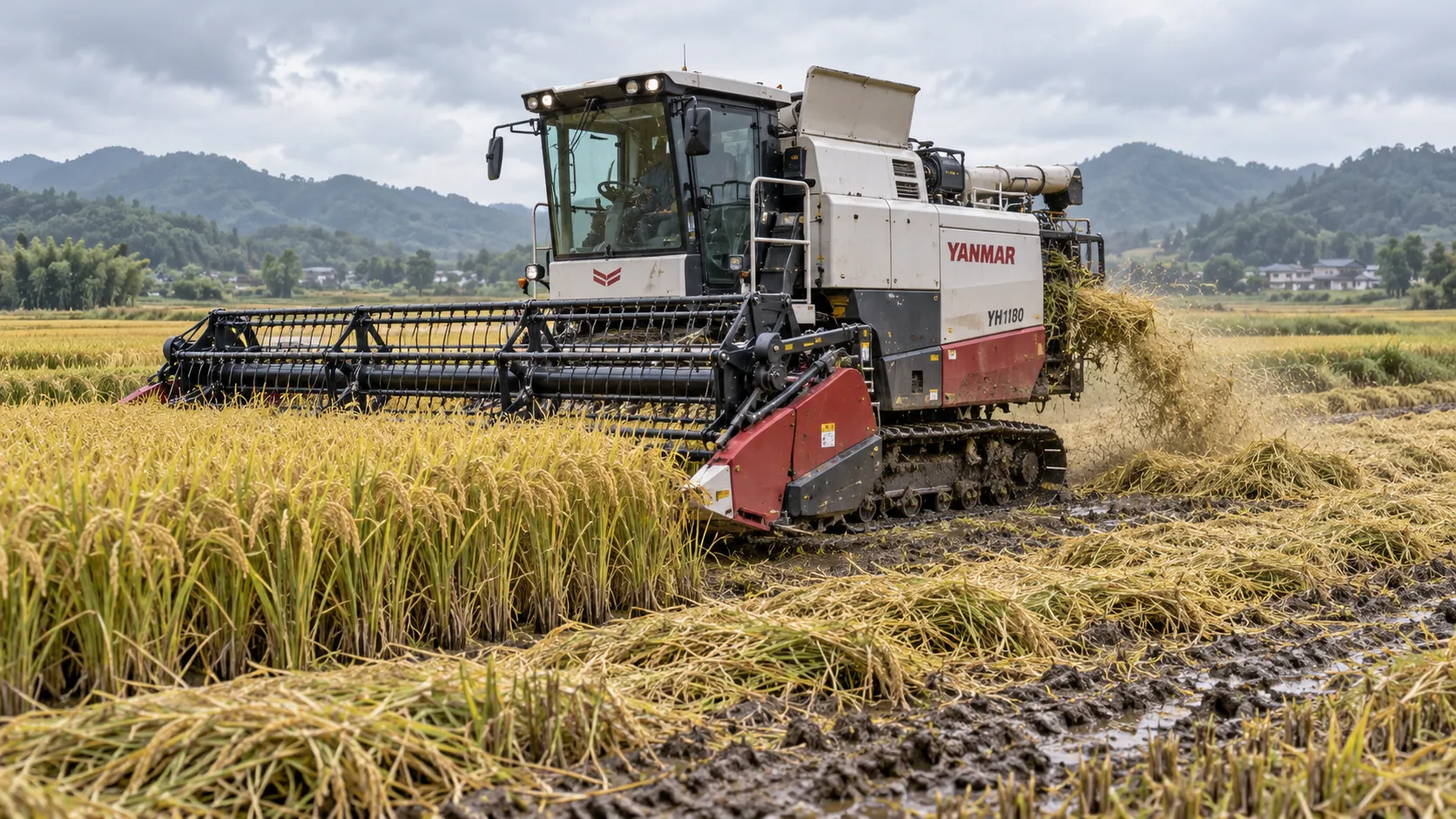
How to Specify Combine Harvester Systems for High-Moisture Grain and Variable Field Conditions
Combine harvester systems for high-moisture grain: learn how to specify threshing, cleaning, headers, traction, and automation for reliable harvests in variable fields.
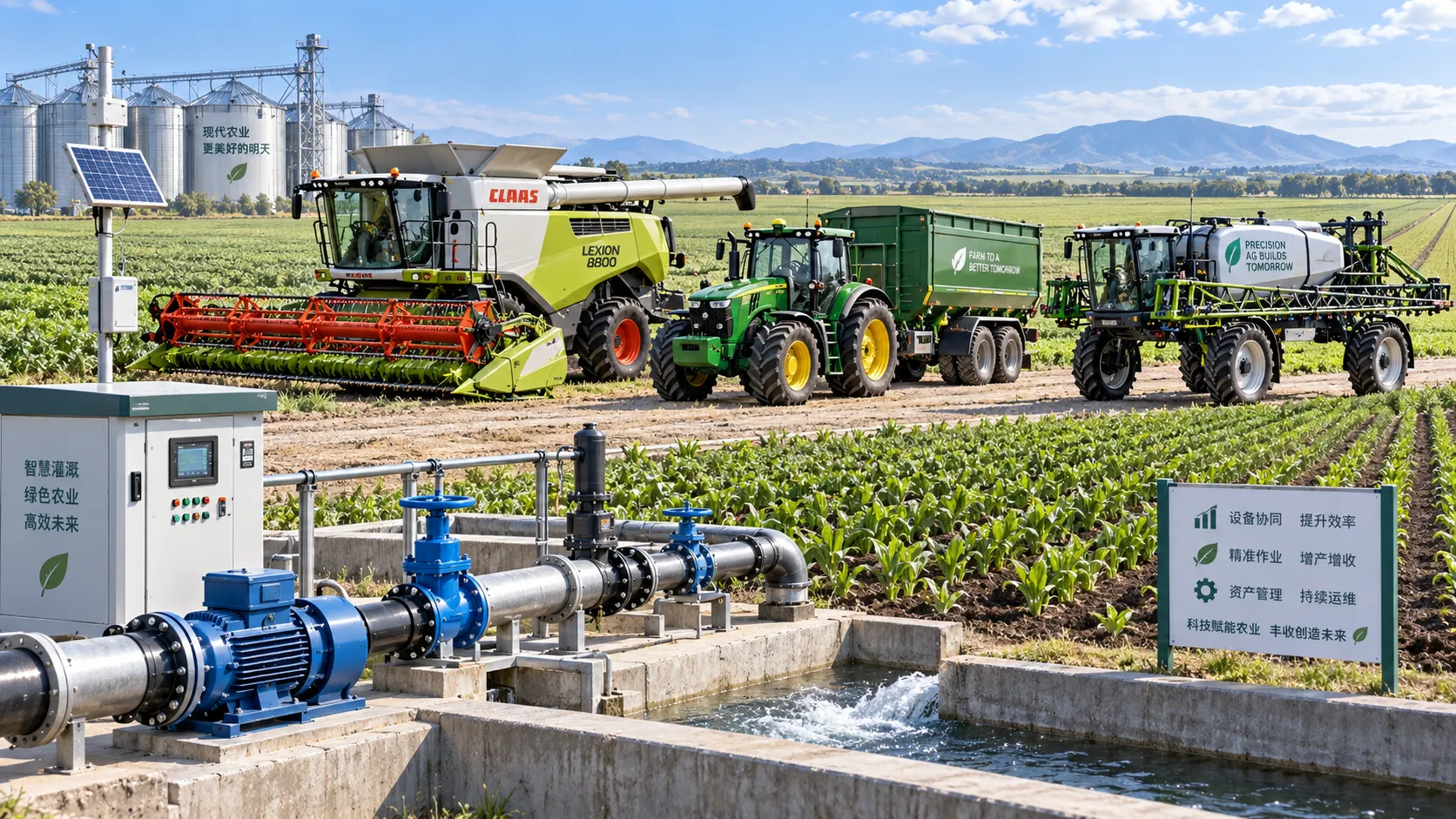
How to Compare Agricultural Equipment Platforms for Fleet Management and ROI
Agricultural equipment platform comparison: evaluate fleet data, maintenance, precision workflows, and ROI to choose a system that delivers measurable results.
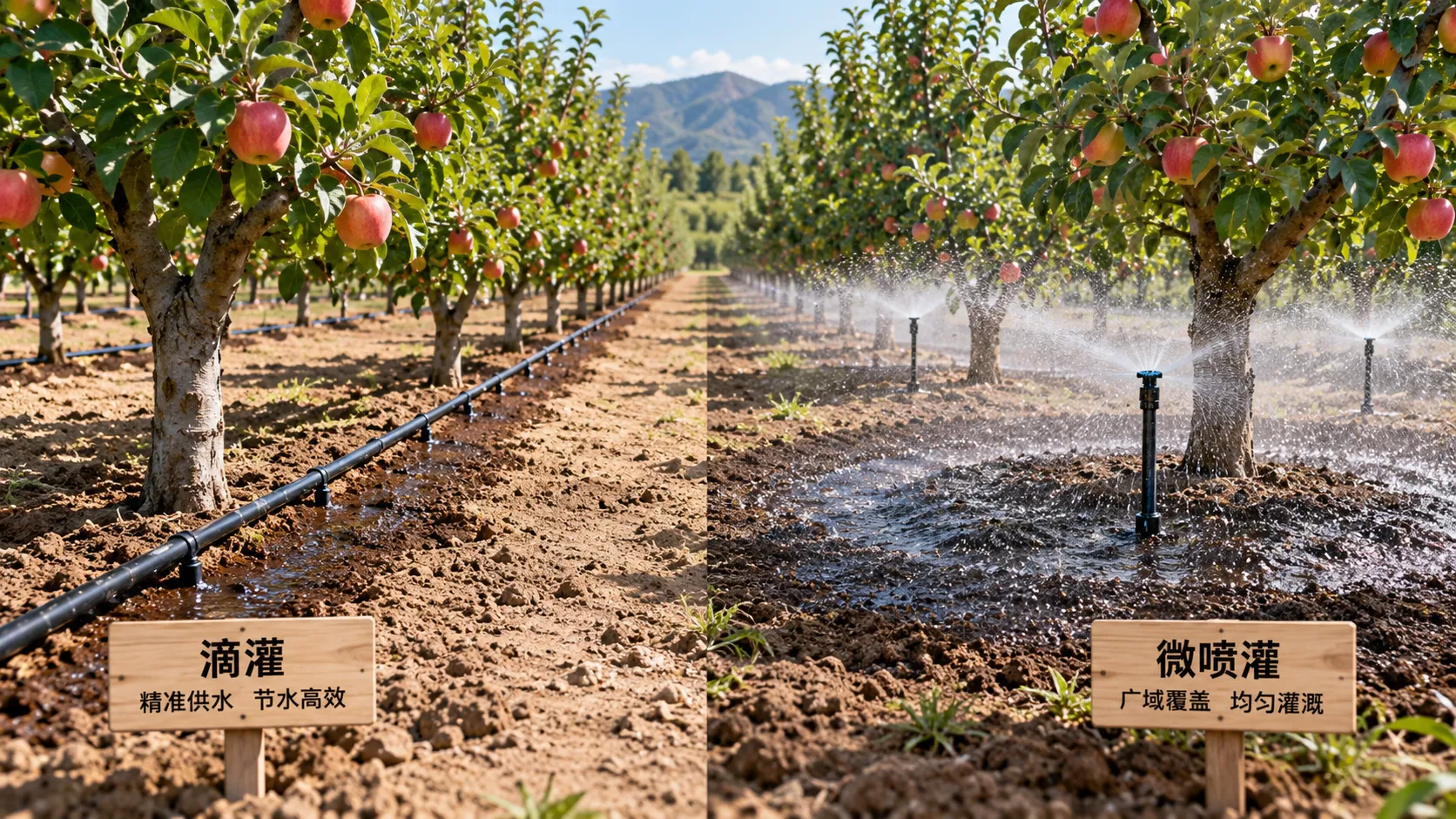
Drip vs. Micro-Sprinkler Irrigation: Which System Fits Your Orchard?
Irrigation solution comparison for orchards: discover whether drip or micro-sprinklers best match your water, soil, roots, fertigation, and frost needs.
Related News
- 00
0000-00
Farm Machinery Sourcing: How to Vet Suppliers, Specs, and Lifecycle Costs - 00
0000-00
Which costs matter most when calculating precision agriculture ROI? - 00
0000-00
How to calculate ROI on precision agriculture equipment before buying - 00
0000-00
Tractor Specification Sheets: Matching PTO, Hydraulics, and Weight to Farm Tasks - 00
0000-00
How to Compare Agricultural Equipment Platforms for Fleet Management and ROI
Popular Tags
Ms. Elena Rodriguez
Weekly Insights
Stay ahead with our curated technology reports delivered every Monday.