
How Precision Farming Equipment With Telemetry Improves Field Monitoring and Input Control
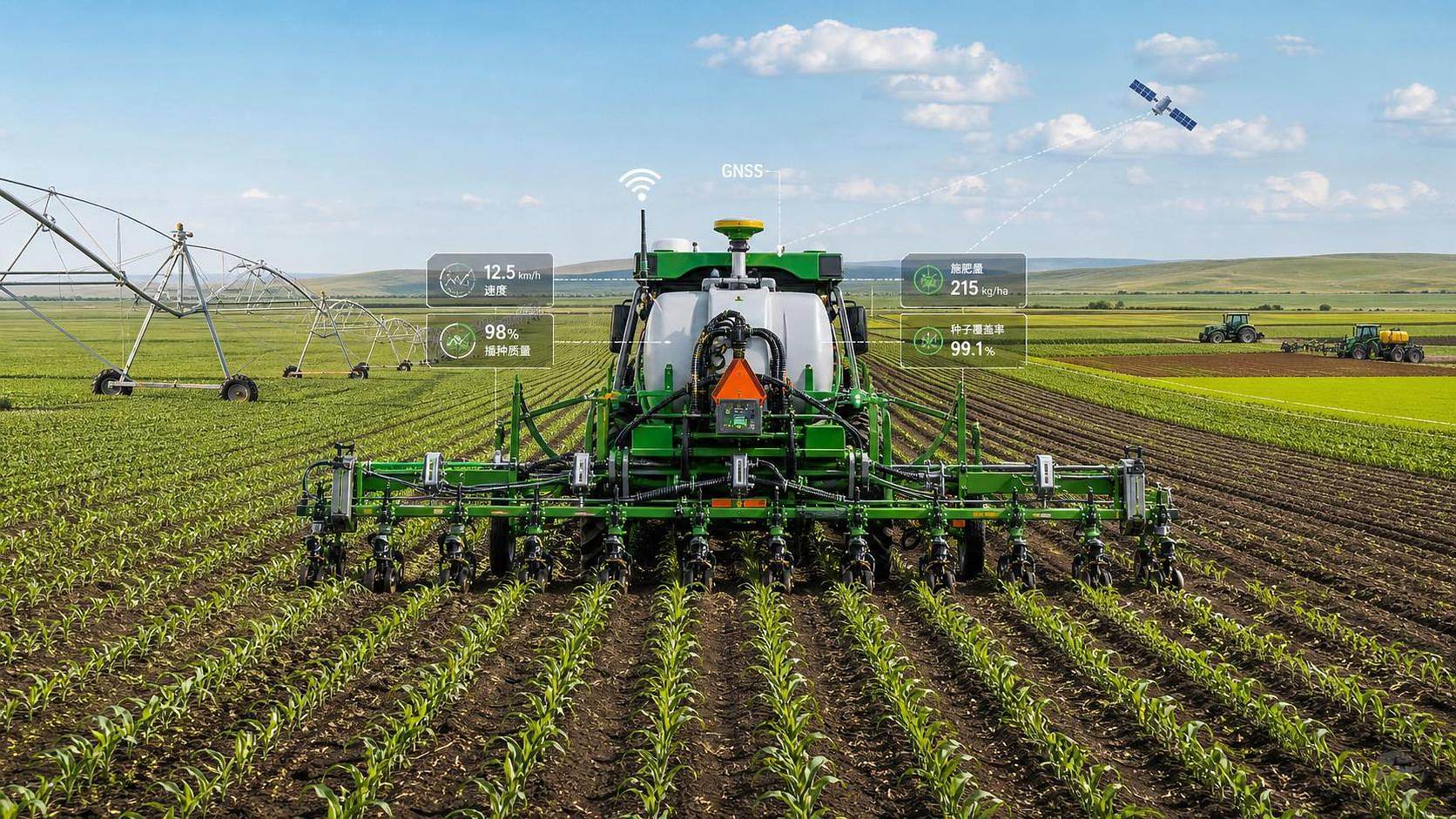




How Precision Farming Equipment With Telemetry Improves Field Monitoring and Input Control
For technical evaluation, field visibility is no longer a soft benefit.
It has become a measurable system requirement across modern farm operations.
That is where precision farming equipment with telemetry changes the baseline.
It links machine behavior, field conditions, and input performance in one data stream.
The result is better monitoring, tighter control, and faster detection of operational drift.
In practical terms, it helps verify whether work was done correctly, consistently, and on time.
It also supports cleaner decisions on seeding, fertilization, spraying, irrigation, and fuel use.
For organizations following Agriculture 4.0, that combination is increasingly hard to ignore.
What telemetry adds to precision farming equipment
Traditional precision tools already improve spatial accuracy.
Telemetry adds continuous reporting, remote diagnostics, and time-linked operational context.
That means precision farming equipment with telemetry does more than execute variable-rate tasks.
It documents how those tasks were performed, where deviations appeared, and how quickly they spread.
A telemetry layer usually combines GNSS position, implement status, engine data, application rate, and sensor feedback.
When integrated well, these signals form an operational record that is both auditable and actionable.
That record matters when evaluating equipment quality, control stability, and field-level decision support.
Core telemetry signals worth tracking
- Machine location, speed, heading, and pass overlap.
- Implement engagement status and section control activity.
- Application rate, flow consistency, and target versus actual output.
- Fuel consumption, engine load, idle time, and hydraulic response.
- Soil moisture, canopy indicators, weather data, and irrigation feedback.
- Fault codes, operator interventions, and time-to-correction events.
Sharper field monitoring through live operational context
Field monitoring often fails when data arrives too late or lacks context.
Precision farming equipment with telemetry addresses both issues at once.
It shows what happened, where it happened, and under which operating conditions.
This is especially important in large fields with changing soil zones and uneven crop response.
A yield dip, skipped strip, or irrigation anomaly becomes easier to trace.
Instead of relying on post-season assumptions, teams can compare real machine activity against agronomic intent.
From a technical review perspective, this improves root-cause analysis.
It also strengthens confidence in equipment benchmarking across operators, fields, and seasons.
Common monitoring gains
- Near real-time visibility into machine progress and work completion.
- Faster detection of missed zones, overlaps, or under-application areas.
- Better correlation between field variability and machine behavior.
- Stronger evidence for service intervention or calibration review.
- Improved traceability for compliance, reporting, and internal audits.
How telemetry improves input control
Input control is where wasted value usually becomes visible fastest.
Seeds, fertilizer, chemicals, water, and fuel all carry rising cost pressure.
Precision farming equipment with telemetry helps manage those inputs with tighter execution control.
The main advantage is not only variable-rate capability.
It is the ability to confirm whether commanded rates were actually delivered.
That distinction matters in real operations.
A prescription map may be correct, yet control valves, nozzles, pumps, or metering systems may drift.
Telemetry exposes that gap between target and execution.
That creates a more honest picture of application quality and resource efficiency.
Input areas where telemetry has the strongest effect
- Seeding: verifies singulation, spacing consistency, and skipped population zones.
- Fertilization: tracks actual rate delivery, section control performance, and overlap reduction.
- Crop protection: highlights nozzle behavior, pressure instability, and off-target application risks.
- Irrigation: aligns water delivery with moisture feedback, weather changes, and zone response.
- Fuel and energy: exposes inefficient routing, idling, and unnecessary passes.
Evaluation criteria for technical selection
Not all telemetry systems deliver the same decision value.
A strong evaluation framework should focus on control quality, data integrity, and integration depth.
Precision farming equipment with telemetry should be assessed as an operating system, not a single feature.
That means reviewing hardware, communication reliability, software logic, and service support together.
In recent deployments, the strongest gains usually come from consistency, not from headline functions alone.
Standards, interoperability, and data discipline
Technical selection also depends on standard alignment.
Without interoperability, telemetry can create more noise than control.
For precision farming equipment with telemetry, ISOBUS compatibility is often the starting point.
But that is not enough on its own.
You also need consistent naming, synchronized timestamps, and clean transfer between machine and farm software.
This becomes even more important when irrigation systems, harvesting equipment, and tractor platforms share data.
At AP-Strategy, this cross-system discipline is one of the clearest signals of long-term platform value.
Practical data governance checks
- Confirm whether raw and processed telemetry records are both accessible.
- Review export formats and integration paths into existing analytics tools.
- Check event logs for latency, missing records, and duplicate entries.
- Validate user permissions for service teams, operators, and agronomy staff.
- Assess cybersecurity controls around remote access and machine commands.
Typical risks and how to reduce them
Telemetry improves visibility, but it does not remove engineering risk.
In field operations, weak implementation can distort the value of good equipment.
One common issue is overconfidence in dashboards without calibration discipline.
Another is poor operator onboarding, which leads to manual overrides and inconsistent data capture.
There is also a business risk when vendors lock key telemetry functions behind separate subscriptions.
These problems are manageable when they are identified early in the evaluation process.
- Require calibration records before benchmarking field performance.
- Test precision farming equipment with telemetry in mixed field conditions.
- Audit target versus actual input delivery across several operating speeds.
- Measure downtime impact from connectivity interruptions and alert handling.
- Review total ownership cost, including data services and software access.
Why this matters for future equipment strategy
The direction of farm equipment is clear.
Autonomy, electrification, water efficiency, and input precision all depend on trustworthy operational data.
That makes precision farming equipment with telemetry a strategic control layer, not just a reporting feature.
For organizations comparing platforms, the stronger question is no longer whether telemetry is useful.
The real question is how well it supports verified field execution at scale.
When evaluated carefully, it improves field monitoring, stabilizes input control, and strengthens asset decisions.
That is why AP-Strategy tracks telemetry performance across machinery, harvesting systems, tractor chassis, smart tools, and irrigation networks.
The most durable gains come from systems that turn raw machine signals into repeatable field intelligence.
Related News
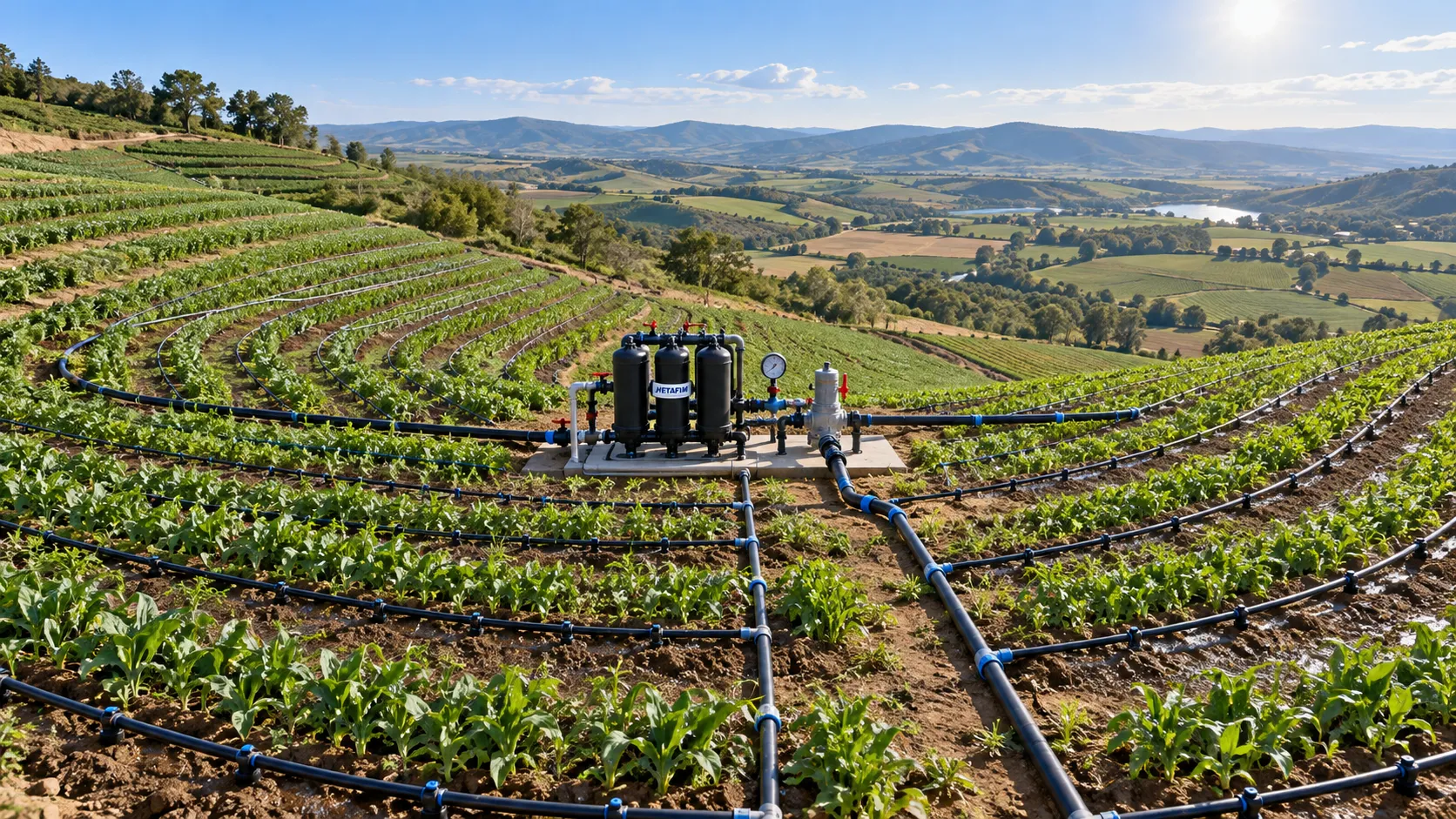
How to Size Low-Pressure Water-Saving Irrigation Systems for Uneven Fields
Low pressure water-saving irrigation systems for uneven fields: learn zoning, pressure mapping, pipe sizing, and pump selection to improve uniformity and reduce water waste.
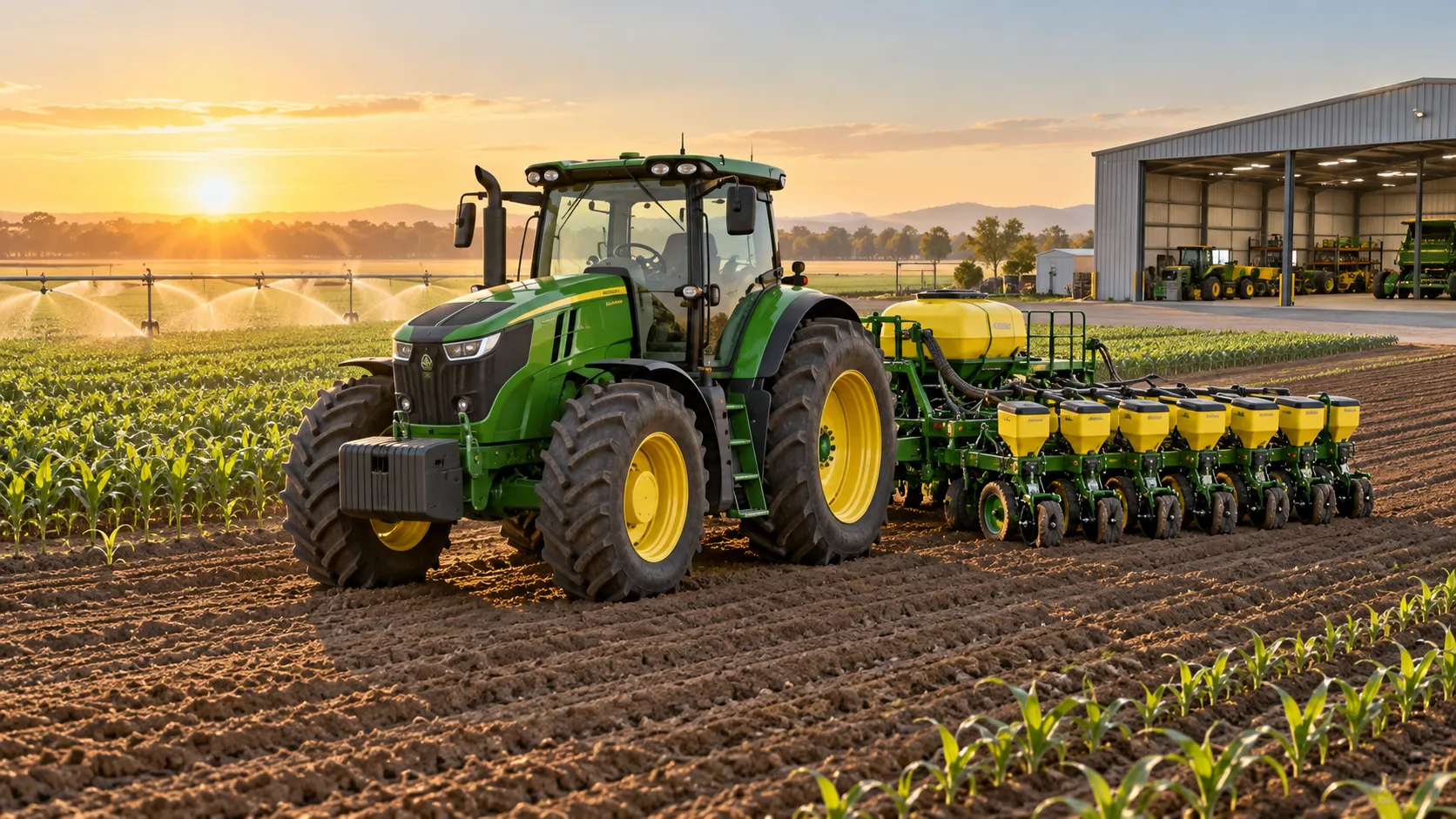
Farm Machinery Sourcing: How to Vet Suppliers, Specs, and Lifecycle Costs
Farm machinery information for sourcing: learn to vet suppliers, compare specifications, control lifecycle costs, and secure reliable uptime for smarter equipment purchases.
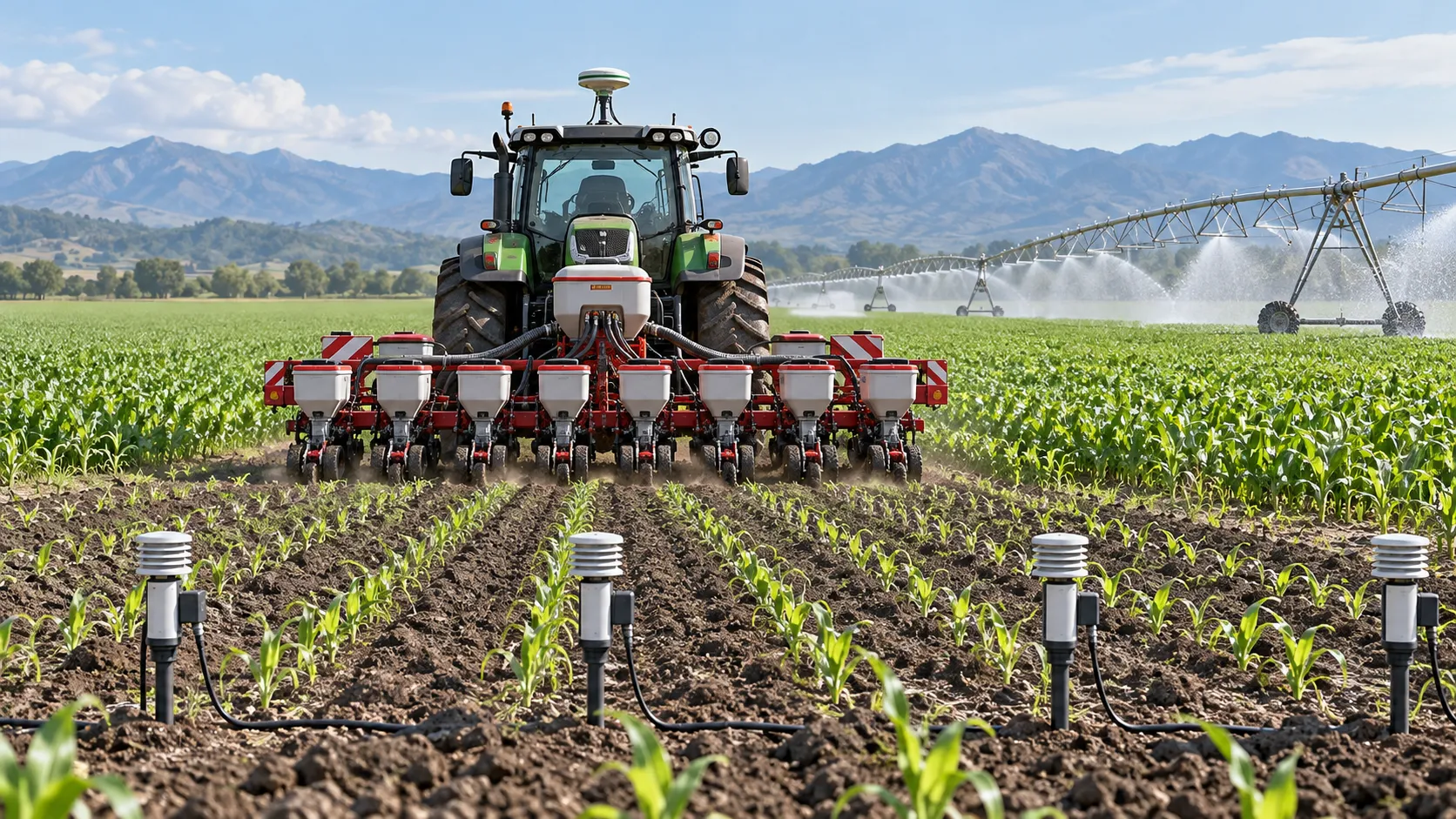
Which costs matter most when calculating precision agriculture ROI?
Calculating ROI on precision agriculture equipment? Discover the costs that shape returns, from installation and subscriptions to downtime, labor, and data integration.
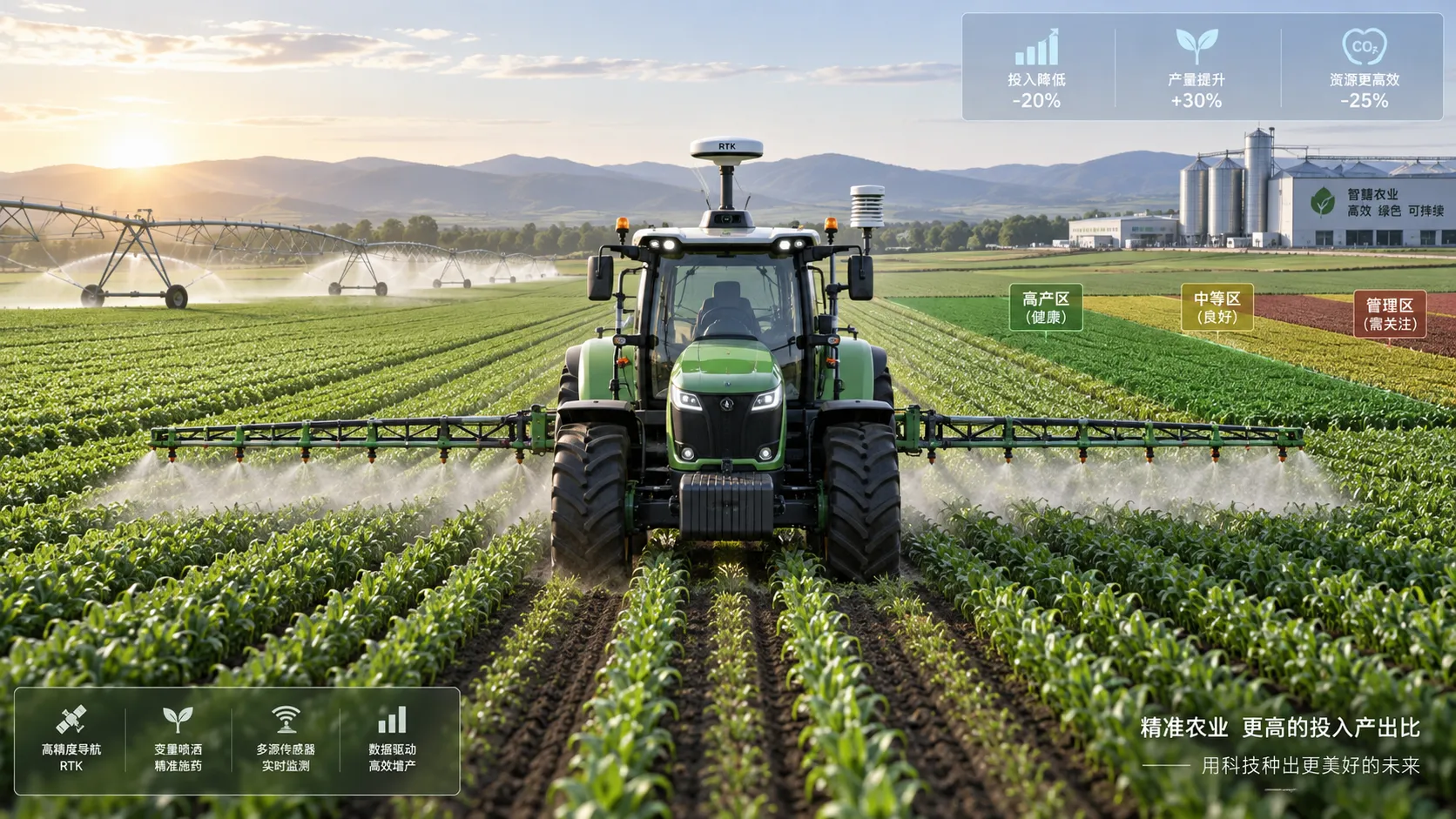
How to calculate ROI on precision agriculture equipment before buying
Calculating ROI on precision agriculture equipment: learn to assess total ownership costs, savings, payback, NPV, risks, and farm-scale value before you buy.
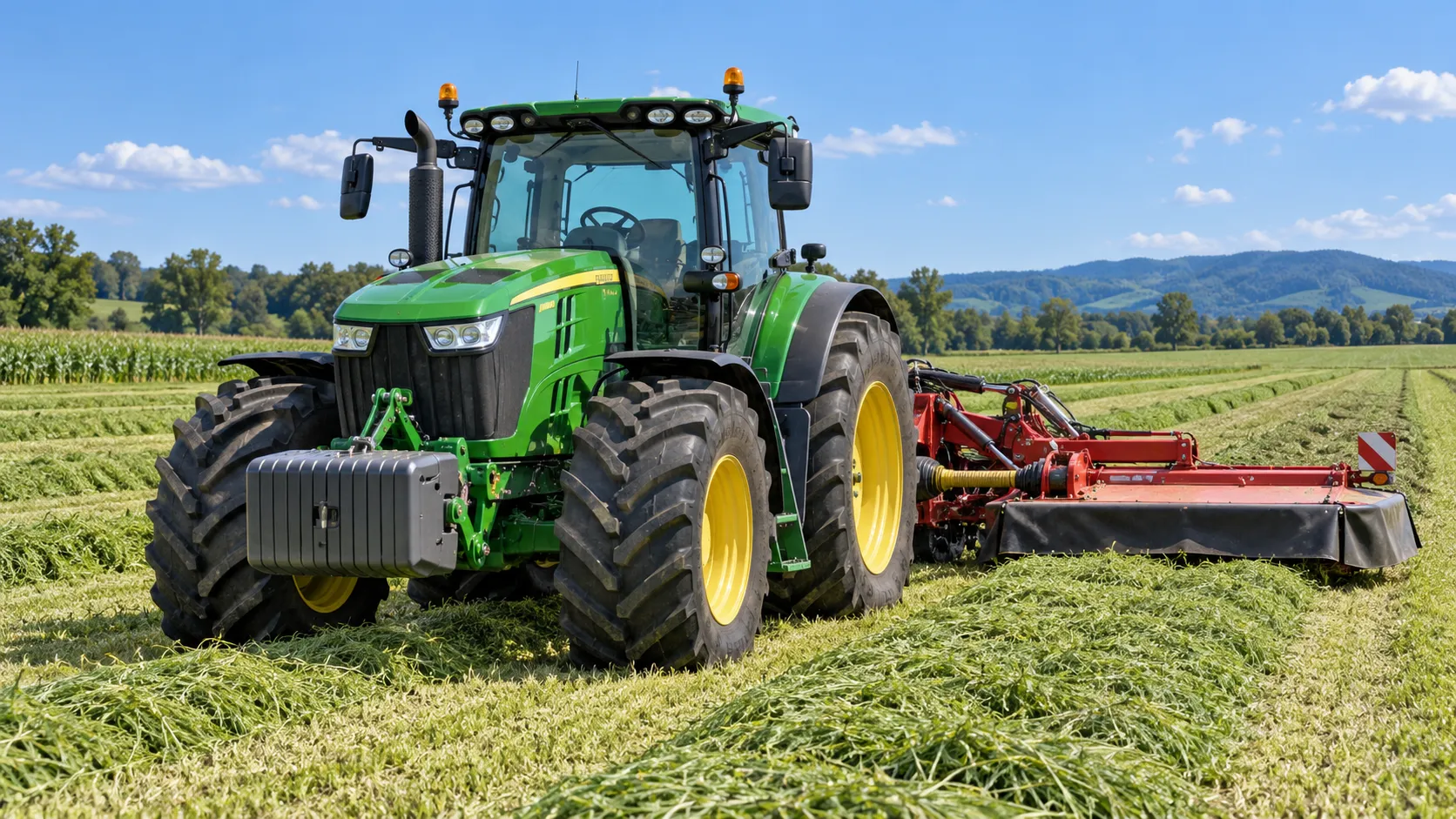
Tractor Specification Sheets: Matching PTO, Hydraulics, and Weight to Farm Tasks
Specification-oriented articles for tractors: match PTO, hydraulics, lift capacity, ballast, and weight to real farm tasks for safer, more efficient equipment choices.
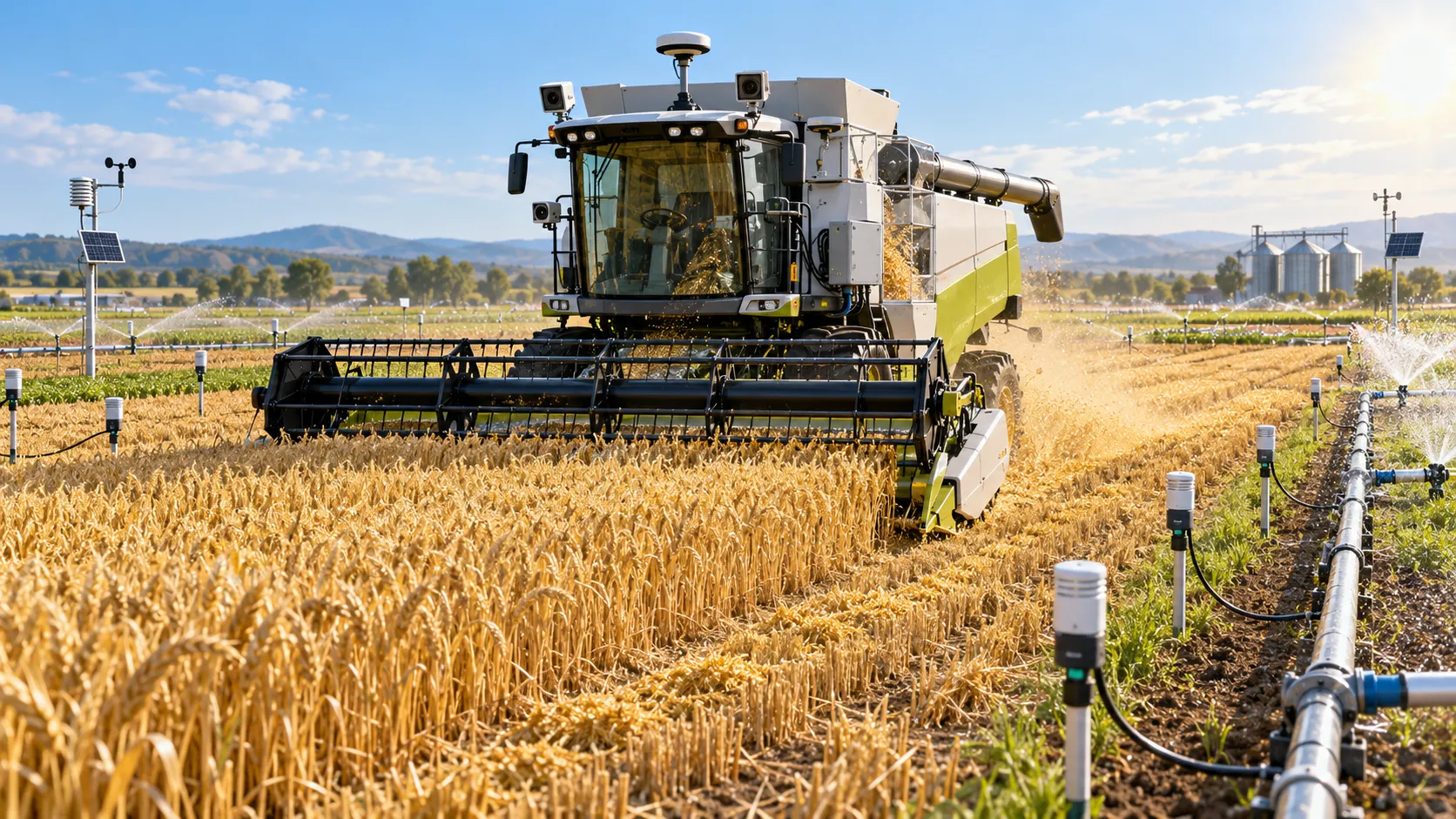
How to Evaluate Dynamic Feedback Algorithm Suppliers for Precision Farming Systems
Dynamic feedback algorithms supplier evaluation guide for precision farming—compare validation, integration, safety, and pilots to choose with confidence.
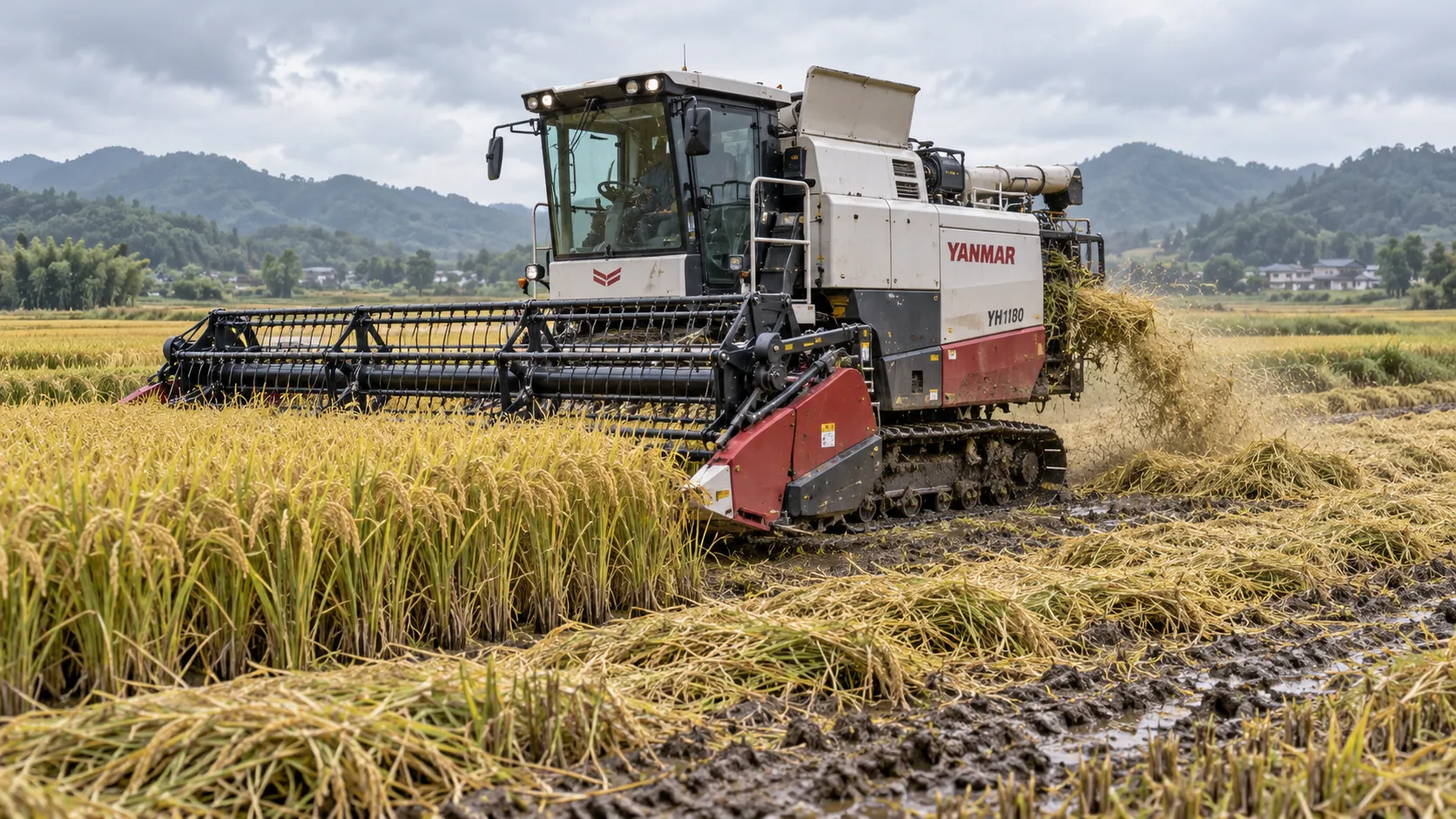
How to Specify Combine Harvester Systems for High-Moisture Grain and Variable Field Conditions
Combine harvester systems for high-moisture grain: learn how to specify threshing, cleaning, headers, traction, and automation for reliable harvests in variable fields.
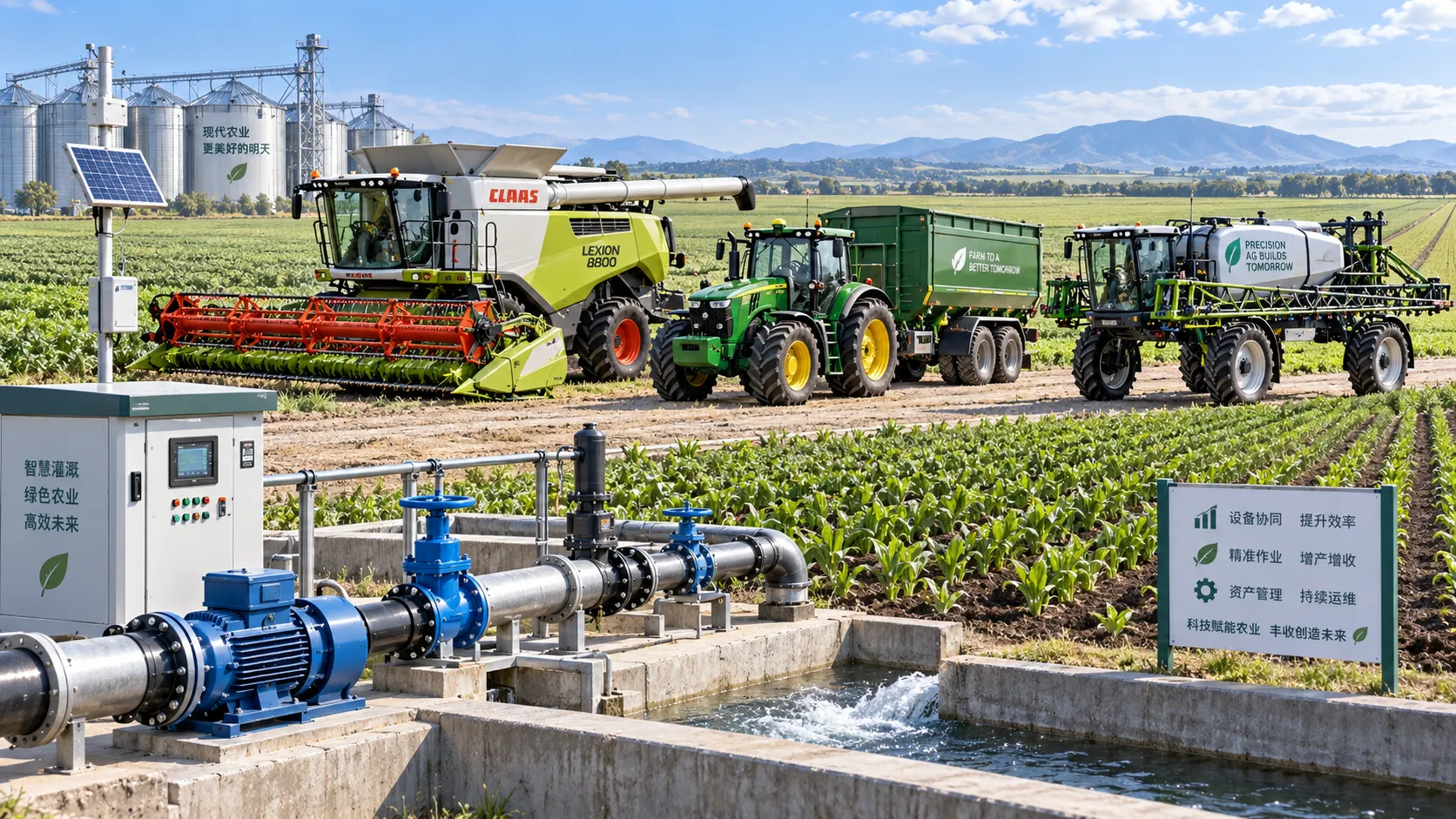
How to Compare Agricultural Equipment Platforms for Fleet Management and ROI
Agricultural equipment platform comparison: evaluate fleet data, maintenance, precision workflows, and ROI to choose a system that delivers measurable results.
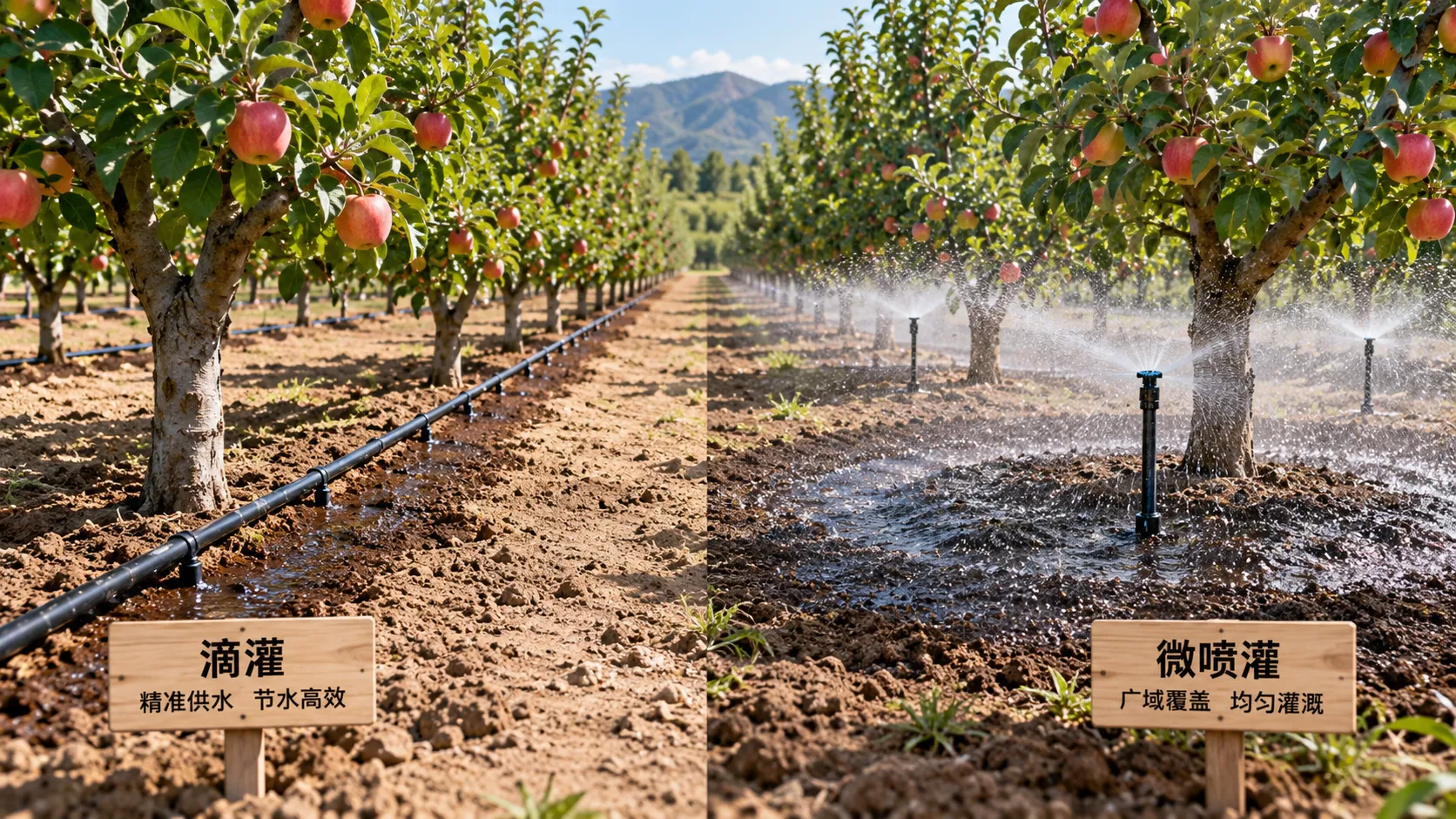
Drip vs. Micro-Sprinkler Irrigation: Which System Fits Your Orchard?
Irrigation solution comparison for orchards: discover whether drip or micro-sprinklers best match your water, soil, roots, fertigation, and frost needs.
Related News
- 00
0000-00
How to Evaluate Dynamic Feedback Algorithm Suppliers for Precision Farming Systems - 00
0000-00
How Sensor Feedback Enables Accurate Variable-Rate Fertilization in Field Conditions - 00
0000-00
How to Select Precision Crop Protection Equipment for Variable Field Conditions - 00
0000-00
How to Evaluate Precision Fertilization System Suppliers for Farm-Scale Deployment - 00
0000-00
How to Select a Precision Fertilization System for Variable Corn Field Conditions
Popular Tags
Tractor Power Architect
Weekly Insights
Stay ahead with our curated technology reports delivered every Monday.