
Precision Fertilization Equipment Price: What Drives Cost and Which Features Matter Most
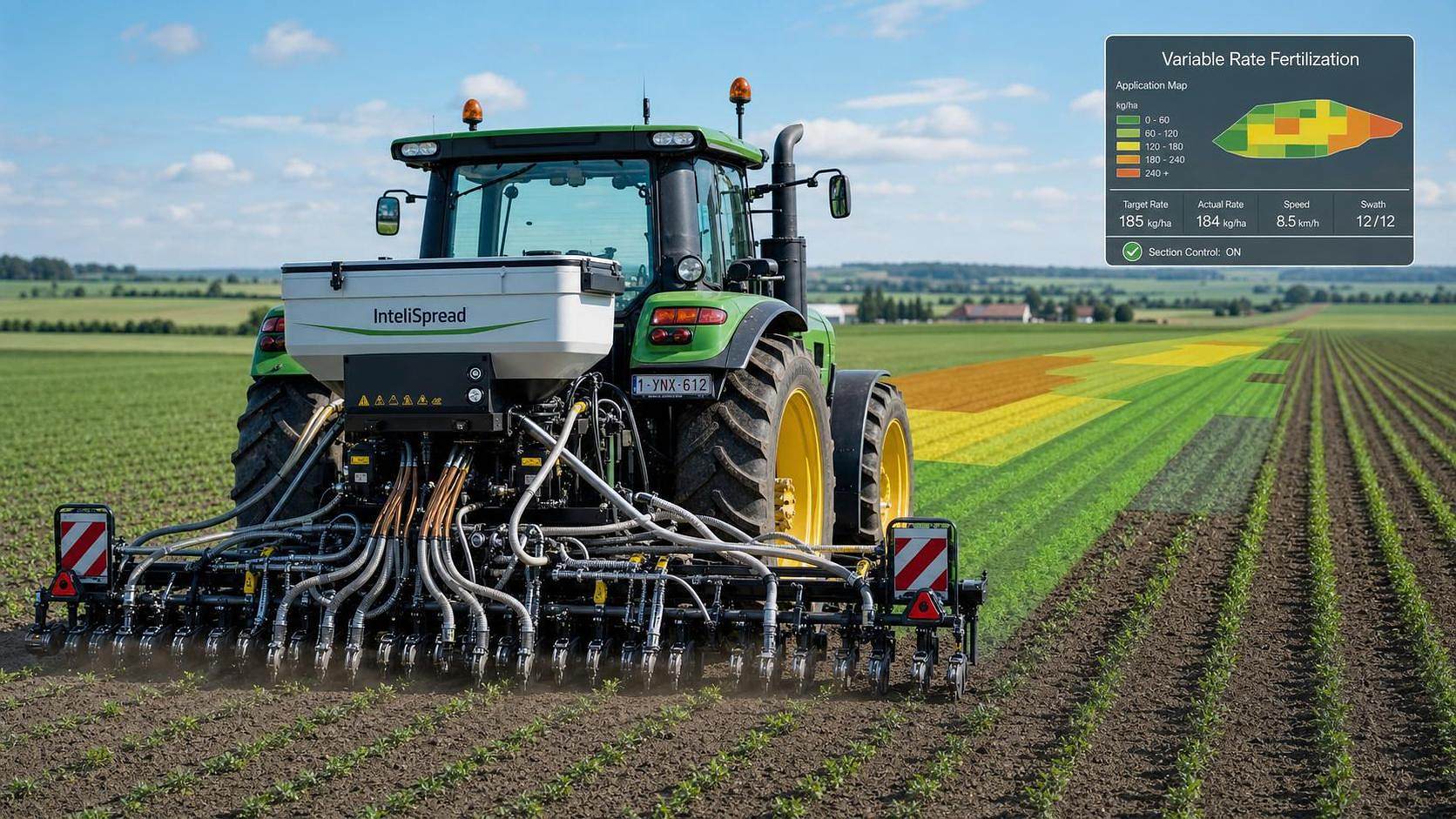




Why does the precision fertilization equipment price vary so much?
The short answer is that precision fertilization equipment price reflects system capability, not just hardware size.
Two machines may look similar in a brochure, yet deliver very different agronomic and financial results in the field.
In practical evaluation, the biggest cost drivers are placement accuracy, control architecture, sensor package, and compatibility with the existing equipment fleet.
A basic unit usually handles variable application with limited automation. A higher-tier system adds prescription mapping, multi-section control, and real-time adjustment.
That difference matters because fertilizer cost is recurring, while the machine is a capital asset. Small accuracy gains can compound across seasons.
This is why the precision fertilization equipment price should be reviewed as part of a wider operating model, not as an isolated line item.
AP-Strategy often frames this issue within Agriculture 4.0: value comes from connecting mechanical reliability, agronomic logic, and data feedback.
What exactly is included in the price beyond the applicator itself?
This is where many comparisons become misleading.
The listed precision fertilization equipment price may cover only the toolbar or spreader body. It may exclude guidance, software licenses, calibration modules, or retrofit kits.
Some suppliers bundle installation, operator training, and first-season support. Others treat those items as separate charges.
A more useful way to compare offers is to break the investment into functional blocks:
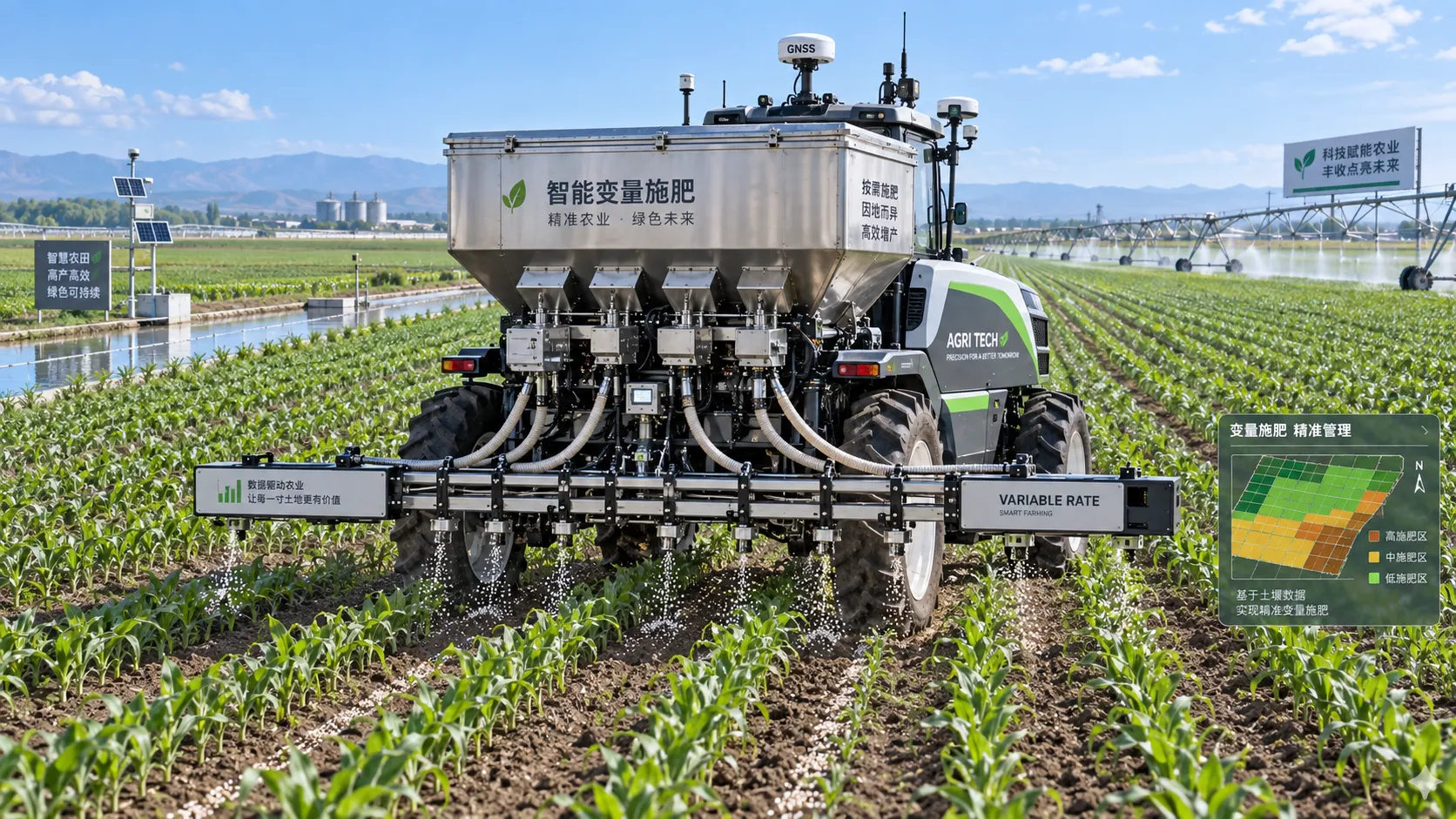
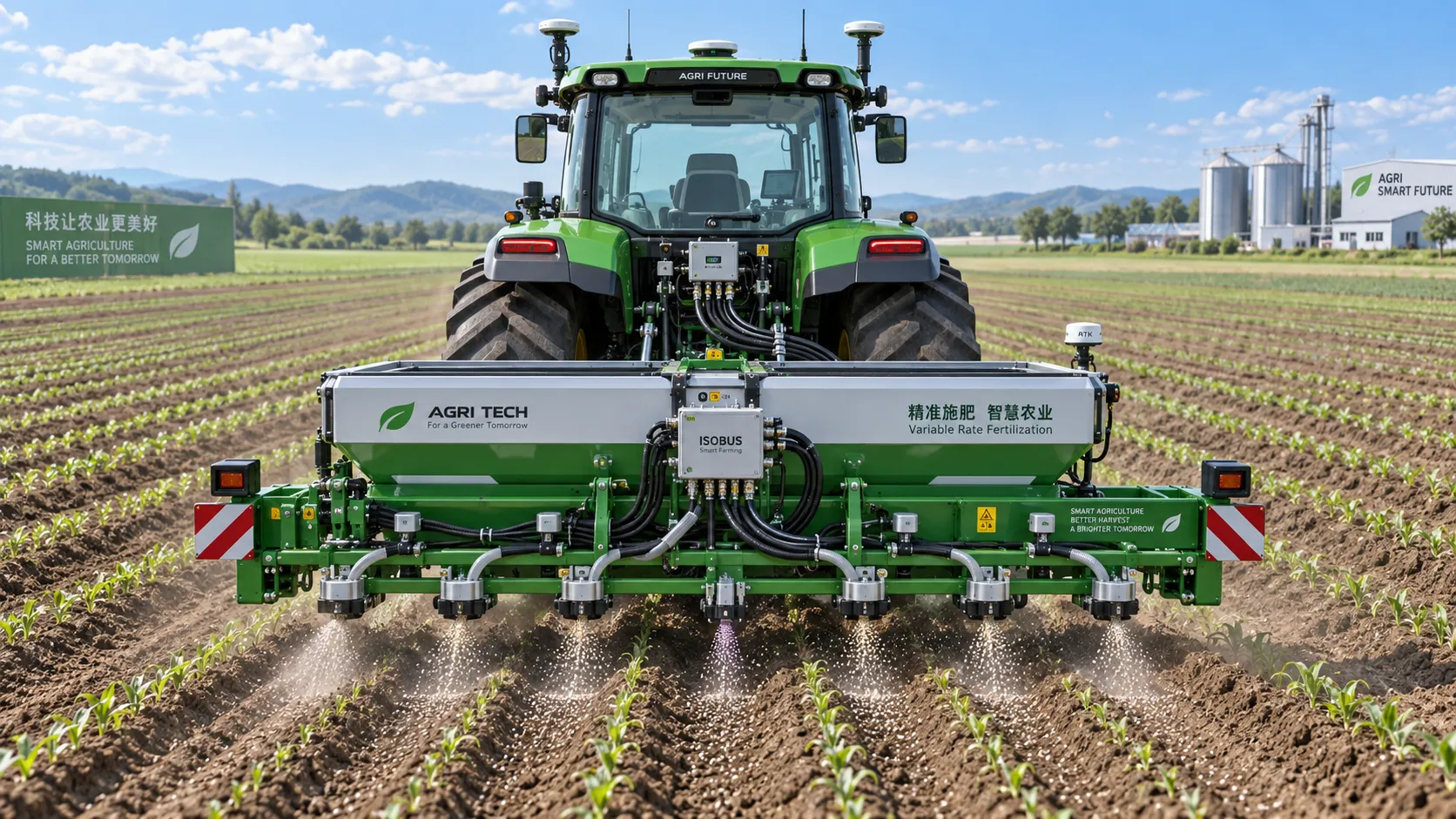
- Base application hardware, including frame, bins, metering units, pumps, or spread mechanisms
- Control system, including terminal, ECU, wiring harnesses, and rate controller
- Positioning and sensing, such as GNSS receivers, flow sensors, and crop or soil feedback tools
- Integration work, including tractor compatibility, ISOBUS setup, and software configuration
- After-sales support, spare parts access, updates, and seasonal recalibration
Without this breakdown, a lower quotation may only mean more hidden costs later.
That is especially relevant for mixed fleets, where older tractor chassis and newer intelligent farm tools do not always connect smoothly.
Which features justify a higher precision fertilization equipment price?
Not every premium feature deserves budget priority. The useful question is whether the feature changes cost per hectare, nutrient efficiency, or operational risk.
The strongest value usually comes from features that improve consistency under real field conditions, not just test conditions.
If budget is constrained, section control and dependable rate accuracy usually outrank more advanced sensing.
In other words, pay first for repeatable execution. Then pay for deeper optimization.
How should cost be compared across basic, mid-range, and advanced systems?
A useful comparison starts with application intensity, field variability, and how often the system will be used during the year.
Basic systems can be enough where field sizes are regular and nutrient programs are simple. Their lower precision fertilization equipment price may be entirely rational.
Mid-range systems often deliver the best balance. They bring stronger rate control, mapping support, and manageable training requirements.
Advanced systems make sense when nutrient strategy is data-driven, application windows are narrow, or fertilizer spend is already large enough to justify tighter control.
The real comparison is not purchase price alone. It is price per year of useful agronomic precision.
More specifically, compare these points before approval:
- Expected hectares covered per season
- Fertilizer savings from reduced overlap and better zoning
- Labor saved through automation and easier calibration
- Downtime risk during peak field windows
- Remaining life and compatibility of tractors, spreaders, and digital tools
This is also where AP-Strategy’s market lens becomes useful. Regional crop economics and fertilizer volatility can change the payback profile substantially.
What hidden costs tend to distort the precision fertilization equipment price?
The most common mistake is focusing on acquisition cost while underestimating implementation friction.
For example, a lower-cost unit may require custom brackets, software bridging, or recurring technician visits. Those costs rarely appear in the first quote.
There is also the human factor. If calibration takes too long or the interface is difficult, operators may revert to fixed-rate use.
At that point, the business pays for precision without consistently using it.
Another hidden cost is data quality. Variable-rate systems depend on reliable maps, field boundaries, and application records.
When data workflows are weak, a sophisticated machine can become an expensive manual applicator.
More cautious evaluations usually ask these questions before final comparison:
- Are software subscriptions annual, transferable, or locked to one terminal?
- How quickly are wear parts and sensors available during season?
- Can the dealer support remote diagnostics and update management?
- How much training is needed before rate control is used correctly?
These items do not sound dramatic, but they often decide whether the precision fertilization equipment price turns into value or frustration.
When does a higher-priced system make financial sense?
A premium system usually earns its place when nutrient decisions are already treated as a controllable investment, not just a seasonal input expense.
That tends to happen in three situations.
1. Input cost exposure is high
If fertilizer costs are volatile or unusually large, even modest efficiency gains can justify a stronger machine specification.
2. Field variability is measurable
If zones differ clearly in yield history, soil condition, or irrigation response, variable-rate application has room to work.
3. The operation already uses connected equipment
When combines, tractors, and irrigation systems already generate usable data, the next precision layer becomes easier to monetize.
This is one reason integrated machinery strategies matter. Precision fertilization gains are stronger when linked with harvest analysis and water management.
That broader systems view is central to AP-Strategy’s intelligence approach across mechanization, harvesting, chassis performance, and smart irrigation.
What is the most practical way to approve the right budget?
Start by defining the performance threshold that actually matters: rate accuracy, coverage speed, data integration, or nutrient traceability.
Then compare each precision fertilization equipment price against that threshold, not against the cheapest competing quote.
A simple approval framework helps keep the decision disciplined:
A strong decision usually comes from narrowing the shortlist to systems that can be implemented cleanly within one season.
In the end, the best precision fertilization equipment price is the one attached to reliable execution, usable data, and measurable nutrient control.
The next step is straightforward: map required features, separate visible and hidden costs, and test each option against real field complexity rather than brochure claims.
Related News
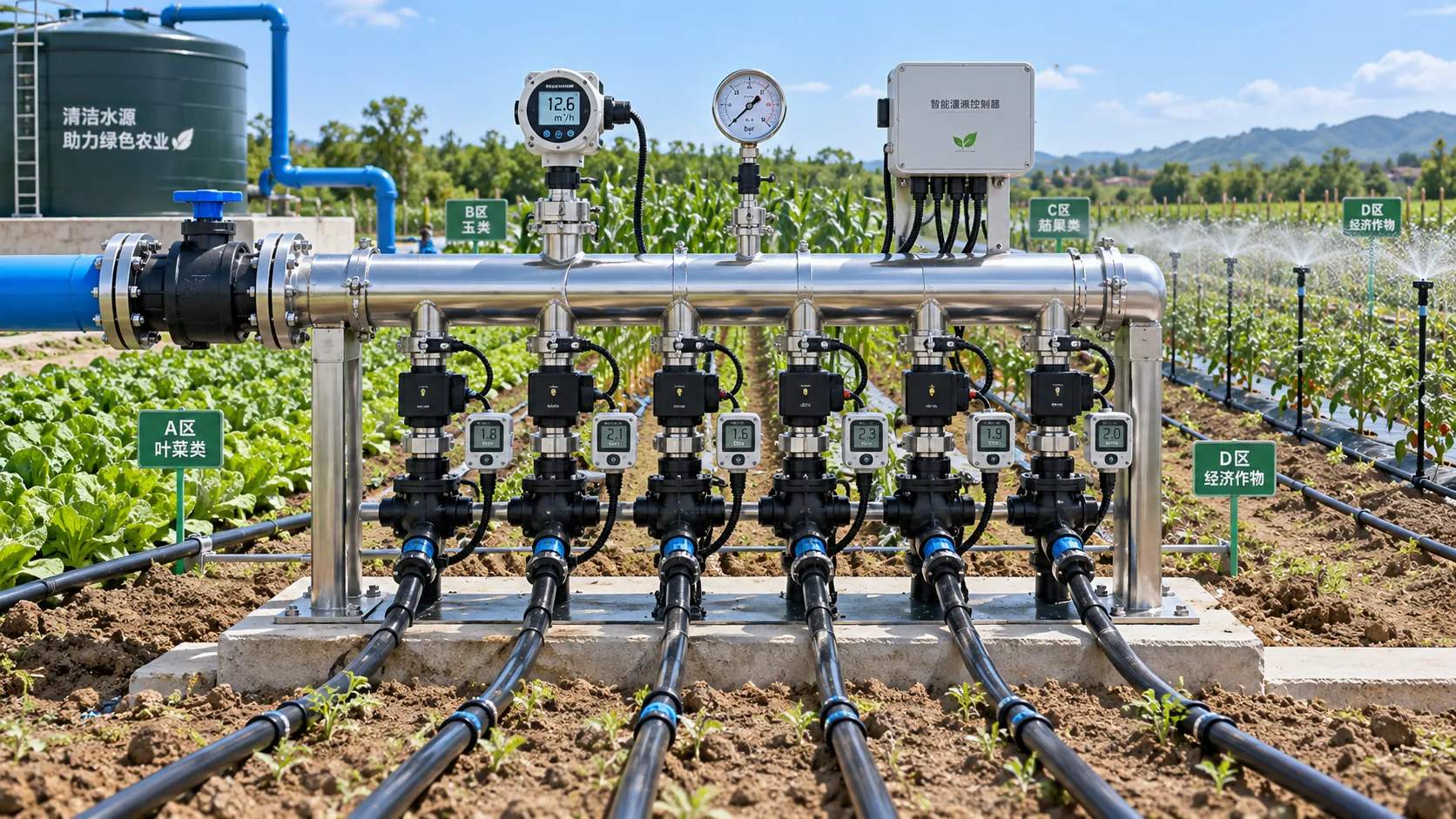
How to Select Smart Irrigation Valves for Multi-Zone Water Management?
Intelligent irrigation systems valves: learn how to match smart valves with multi-zone flow, pressure, control, feedback, and communication needs for reliable water management.
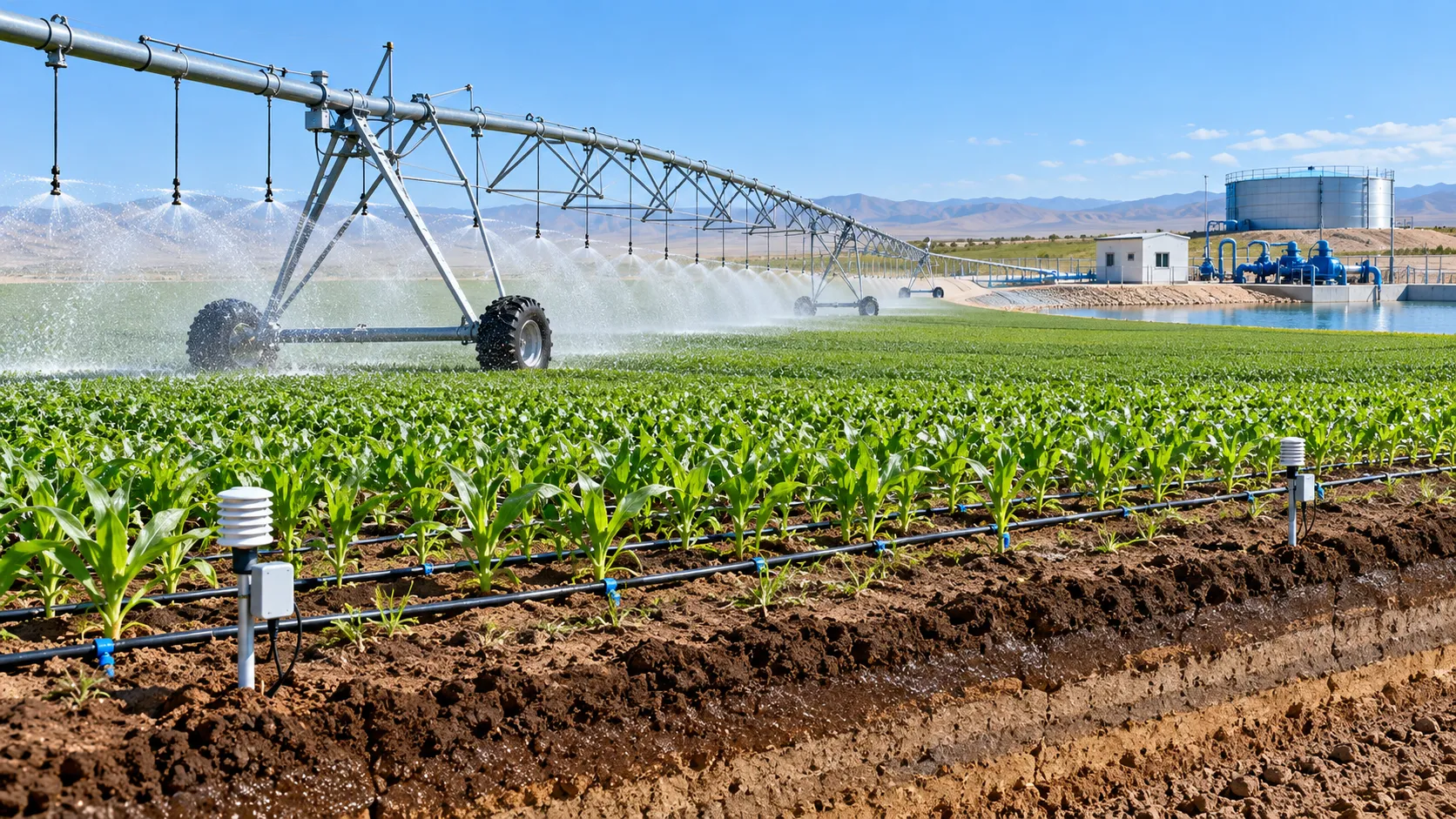
Climate-Smart Farming for Drought: A Practical Plan for Protecting Yields
Climate-smart farming for drought: build smarter water budgets, protect critical crop stages, improve irrigation uniformity, and safeguard yields with practical field-proven strategies.
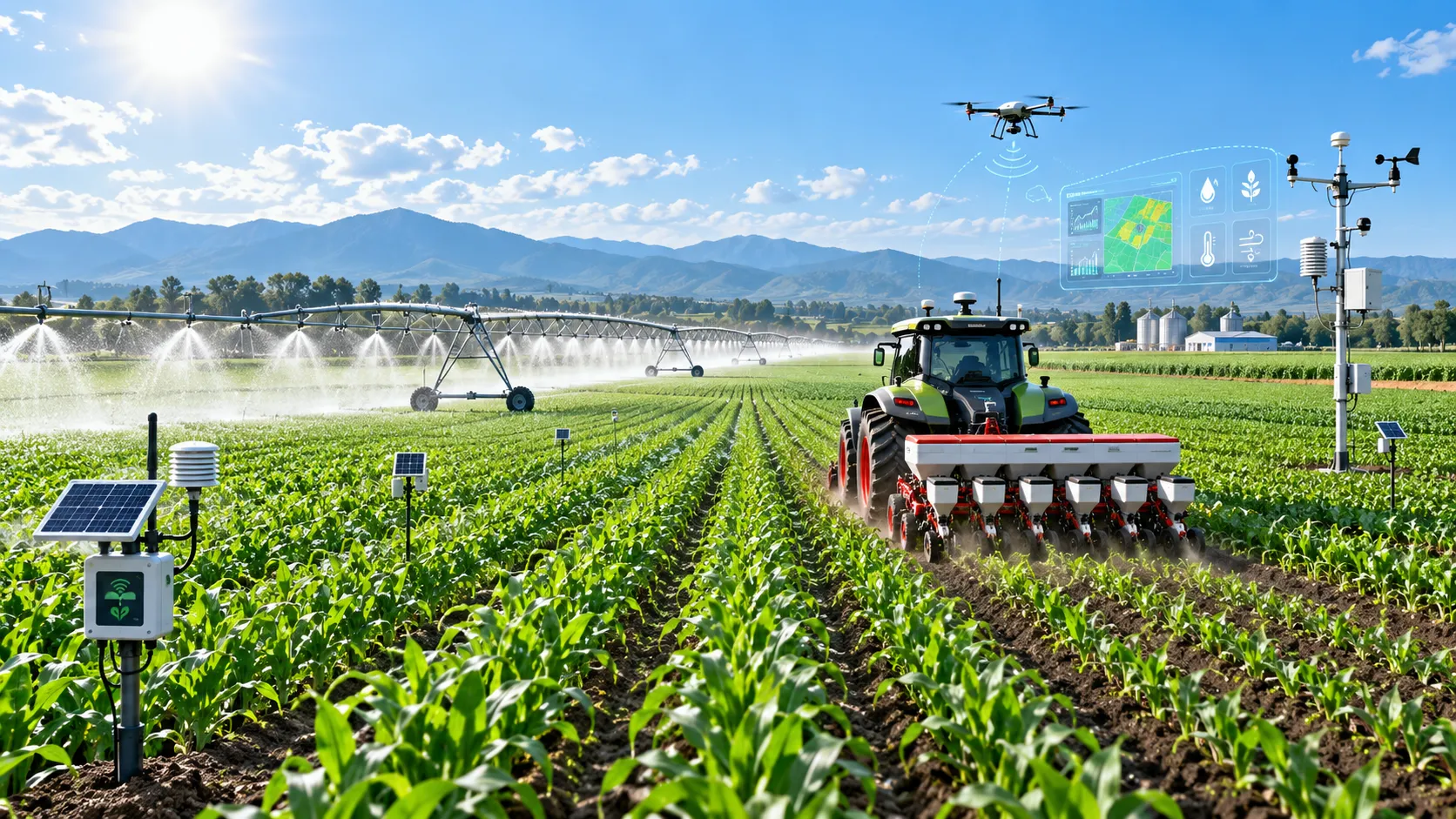
How Digital Agriculture Platforms Turn Field Data Into Better Input Decisions
Digital agriculture platforms turn field data into smarter fertilizer, water, seed, and equipment decisions—helping farms cut risk, improve margins, and scale sustainability.
GPS-Guided Farm Machinery: Where It Delivers Measurable Field Efficiency Gains
Agri-mechanization GPS guided systems deliver measurable field efficiency gains through reduced overlap, precise planting, smarter inputs, and reliable farm data.
How Sensor Feedback Enables Accurate Variable-Rate Fertilization in Field Conditions
Precision fertilization systems with sensor feedback improve variable-rate accuracy by verifying flow, managing latency, and ensuring reliable field application.
How to Select Precision Crop Protection Equipment for Variable Field Conditions
Precision crop protection equipment selection made simple: compare terrain, canopy, weather, control accuracy, and data workflows for reliable applications.
When Does Agricultural Machinery Leasing Cost Less Than Owning Equipment?
Agricultural machinery leasing can lower farm costs when use is seasonal or uncertain. Compare utilization, maintenance, cash flow, and risk to make a smarter equipment decision.
How to Evaluate Precision Fertilization System Suppliers for Farm-Scale Deployment
Precision fertilization systems suppliers: learn how to compare accuracy, integration, uptime, service, and total cost for confident farm-scale deployment.
ISOBUS for Smart Agriculture: How It Connects Tractors, Implements, and Farm Data
ISOBUS for smart agriculture connects tractors, implements, terminals, and farm data—helping growers improve precision, documentation, and smarter field decisions.
Related News
- 00
0000-00
How Sensor Feedback Enables Accurate Variable-Rate Fertilization in Field Conditions - 00
0000-00
How to Select Precision Crop Protection Equipment for Variable Field Conditions - 00
0000-00
How to Evaluate Precision Fertilization System Suppliers for Farm-Scale Deployment - 00
0000-00
How to Select a Precision Fertilization System for Variable Corn Field Conditions - 00
0000-00
When does equipment for sustainable farming justify a higher capital spend?
Popular Tags
Tractor Power Architect
Weekly Insights
Stay ahead with our curated technology reports delivered every Monday.