
Farm Equipment Applications Guide: Matching Machines to Crops, Soil, and Field Size
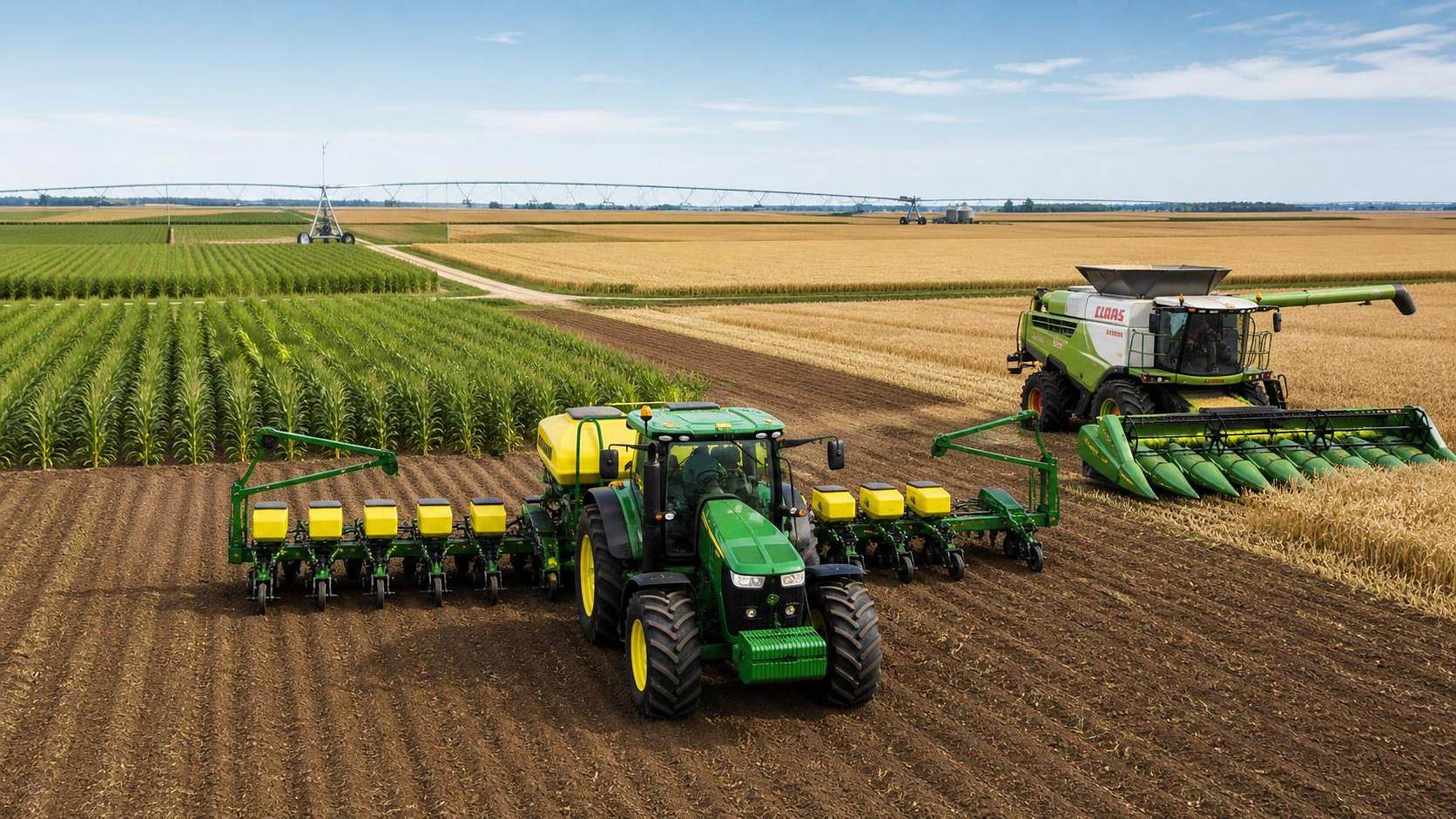




Farm Equipment Applications Guide: Matching Machines to Crops, Soil, and Field Size
A useful farm equipment applications guide does not start with horsepower charts or brand comparisons. It starts with the field. Crop type, soil behavior, operating window, residue volume, turning radius, drainage pattern, and labor availability all shape what machine will actually work once the season gets tight.
That is the point many projects miss. They buy for peak output on paper, then discover that the tractor is too heavy for wet ground, the planter cannot hold depth in residue, the harvester is oversized for fragmented plots, or the irrigation system was designed around water availability that is not stable in practice. For project managers and engineering leads, equipment matching is less about owning the biggest machine and more about building a field system that stays productive under variable conditions.
In large-scale farming, especially where expansion, contractor scheduling, or multi-crop rotations are involved, machinery choices also affect logistics, fuel use, maintenance complexity, and crop loss risk. AP-Strategy has long tracked this shift through its work on large-scale agri-machinery, combine technology, tractor chassis, intelligent tools, and water-saving irrigation. The common thread is simple: machinery should be specified as part of an operating strategy, not treated as a separate procurement line.
Start with the crop, not the catalog
Different crops load machines in very different ways. A row-crop system for maize or soybean puts emphasis on planting accuracy, row spacing consistency, spraying efficiency, and harvest throughput. Small grains tend to place more pressure on combine setup, straw handling, grain cleaning, and timely harvest over broad acreage. Root crops or specialty crops often demand lower ground pressure, careful bed shaping, more precise digging or lifting actions, and less tolerance for mechanical damage.
This sounds obvious, but in project planning it often gets blurred by generic fleet thinking. A tractor that is ideal for heavy tillage on cereal land may not be the most efficient prime mover for vegetable beds or orchards. Likewise, a combine configured for dry, uniform grain can struggle badly in lodged crops, high-moisture conditions, or fields with uneven maturity.
A practical way to frame the decision is to ask three questions early:
- What crop loss or quality penalty is most expensive in this production system?
- Which field operation has the narrowest timing window?
- Where does variability hit hardest: emergence, traction, harvesting, or water delivery?
Those answers usually tell you whether to prioritize traction, implement control, residue management, header selection, cleaning performance, irrigation zoning, or automation support.
Soil conditions change the machine more than many teams expect
Soil is where equipment plans either become realistic or fall apart. Two farms growing the same crop at similar scale may need very different machine setups if one works on heavy clay and the other on lighter loam. Soil texture, compaction history, stone content, drainage, and seasonal moisture profile all influence implement draft, slip rate, rut risk, and achievable field speed.
On heavier soils, project teams often underestimate the importance of chassis configuration and tire or track decisions. More engine power does not solve a traction problem by itself. If the machine cannot transfer power cleanly without excessive slip or compaction, the extra horsepower turns into fuel burn and delayed operations. That is why tractor chassis development, transmission behavior, and hydraulic control matter so much in real field work. AP-Strategy’s coverage of chassis evolution is relevant here because matching power delivery to soil load is often more important than chasing a headline power rating.
On lighter or sandy soils, the concern can shift. Deep tillage may be unnecessary or even harmful, while wind erosion, moisture preservation, and consistent seed placement become bigger issues. In those conditions, lower-disturbance implements and accurate depth control may give better results than heavy ground engagement tools.
There is also a mistake seen in mixed-soil farms: specifying one machine setup for all blocks. If part of the acreage remains wet longer, or some fields carry high residue and others do not, a single “standard” configuration may force compromise throughout the season. Sometimes the right answer is not a bigger fleet, but interchangeable tools, variable ballast strategy, or a narrower machine class that preserves access in marginal conditions.
Field size is not just about width and capacity
Field size is usually discussed as a scale issue, but shape and access matter almost as much as hectares. Large, regular parcels support high-capacity machines because turning losses are limited and transport logistics are efficient. Small or irregular fields do not reward width in the same way. In fact, oversized equipment can sit idle longer, lose efficiency in turns, and create unnecessary transport complexity between blocks.
For engineering leads, the right metric is not only theoretical field capacity. It is effective field capacity after turning, unloading, refilling, cleaning, and road movement are considered. That number is often much lower than the brochure headline, especially where fields are fragmented or labor coordination is weak.
This is where planning teams need some discipline. If support equipment, operators, fuel logistics, and service response cannot keep up, a very large machine may simply move the bottleneck downstream.
Tillage, planting, and crop care should be treated as one chain
Equipment selection often gets split into categories too early: one team looks at tractors, another at tillage, another at seeding, and irrigation enters even later. In the field, those steps are connected. Poor residue sizing affects planter performance. Inconsistent seed depth changes crop uniformity. Uneven establishment creates harvest variability. Water distribution then amplifies or reduces those problems.
For broadacre systems, the strongest machinery plans are usually built backward from the target stand and harvest condition. If the crop requires clean emergence in high residue, then row unit downforce, coulter choice, closing wheel setup, and tractor hydraulic responsiveness may matter more than absolute speed. If the system depends on reduced tillage, residue flow and toolbar stability become central. If disease or nutrient programs require narrow application windows, sprayer clearance, boom stability, and section control accuracy deserve more attention.
This is where intelligent farm tools are becoming less optional. GNSS guidance, section control, variable-rate application, and sensor feedback are not only about technology image. They help reduce overlap, preserve input accuracy, and support repeatable execution across large acreages. Still, they should be specified around actual agronomic use. Buying precision functions that the operation cannot calibrate, maintain, or integrate with farm data workflows is a common and expensive detour.
Combine harvesters need crop-specific thinking
Harvest is where equipment mismatch becomes visible very quickly. A combine that performs well in one crop may need a different header, threshing setup, rotor or drum adjustment, sieve strategy, and residue handling plan in another. Teams sometimes focus on engine power and tank size, but in difficult conditions cleaning performance and loss control can matter more.
High-yield cereals, lodged grain, green material, and variable moisture all challenge the machine in different ways. If the project environment includes these conditions, header feeding consistency, cleaning shoe performance, and dynamic loss feedback should be reviewed carefully. AP-Strategy’s attention to harvester cleaning-loss algorithms reflects a real operational issue: losses are not always caused by lack of power. They often come from unstable material flow, poor settings, or pushing capacity beyond the crop’s tolerance.
Another practical point: harvest support matters. Grain cart availability, unloading coordination, transport routes, and service access all affect whether a combine’s rated capacity can be used. In remote or seasonal projects, it is often smarter to choose a machine with strong serviceability and easier setup consistency than a more complex unit that performs brilliantly only under ideal support conditions.
Irrigation equipment should be matched to field hydraulics and crop rhythm
Irrigation is frequently specified too late, after the machinery plan has already fixed traffic patterns and crop layout. That creates avoidable friction. Water-saving systems work best when they are planned together with crop choice, field zoning, energy availability, and operational labor.
Drip, pivot, linear, and sprinkler systems each fit different constraints. The right choice depends on water source reliability, pressure requirements, field geometry, filtration needs, and the crop’s sensitivity to moisture stress or foliage wetting. In some projects, the key question is efficiency of water placement. In others, it is maintenance burden, clogging risk, or whether the system can support fertigation accurately.
Smart irrigation has moved well beyond timers. Soil moisture sensing, weather-linked scheduling, and transpiration-based models can help manage variable water demand, but only if sensor placement, calibration, and network reliability are handled properly. AP-Strategy’s focus on hydrological strategy and transpiration prediction is useful here because water planning is now tied more closely to agronomic timing, not just infrastructure installation.
A practical selection framework for project teams
When comparing options, it helps to score equipment against operational fit rather than headline specification alone. The questions below are not exhaustive, but they usually expose weak assumptions early:
- Can the machine maintain performance in the wettest or heaviest fields you still need to enter on time?
- Does the implement or harvester setup match the dominant crop residues and harvest condition, not just the ideal one?
- Is the machine right-sized for actual field geometry and road movement between blocks?
- Can the local service team support the electronics, hydraulics, and calibration workload?
- Will operators have enough training time to use guidance, automation, or variable-rate functions correctly?
- Does the irrigation design reflect real water pressure, filtration, and maintenance capacity?
If several answers are uncertain, the project is not ready for a final equipment decision yet. That is not a delay; it is risk control.
Where many equipment plans go wrong
Three patterns show up repeatedly. One is overbuying power and underinvesting in control, setup, and support equipment. Another is assuming that one machine class can cover every crop and field condition with only minor adjustment. The third is treating precision systems as plug-and-play, when in reality they need clean data, operator confidence, and seasonal calibration discipline.
A stronger approach is to think in operating windows. Which job absolutely cannot slip? Which field conditions are most likely to delay work? Which machine creates the largest knock-on effect if it underperforms? Once those priorities are clear, the best-fit fleet becomes easier to see.
That is why a serious farm equipment applications guide should never read like a shopping list. The right machine is the one that fits crop biology, soil behavior, field layout, labor reality, and water constraints at the same time. If one of those variables is ignored, the machine may still run, but the system around it will start paying the price.
Related News
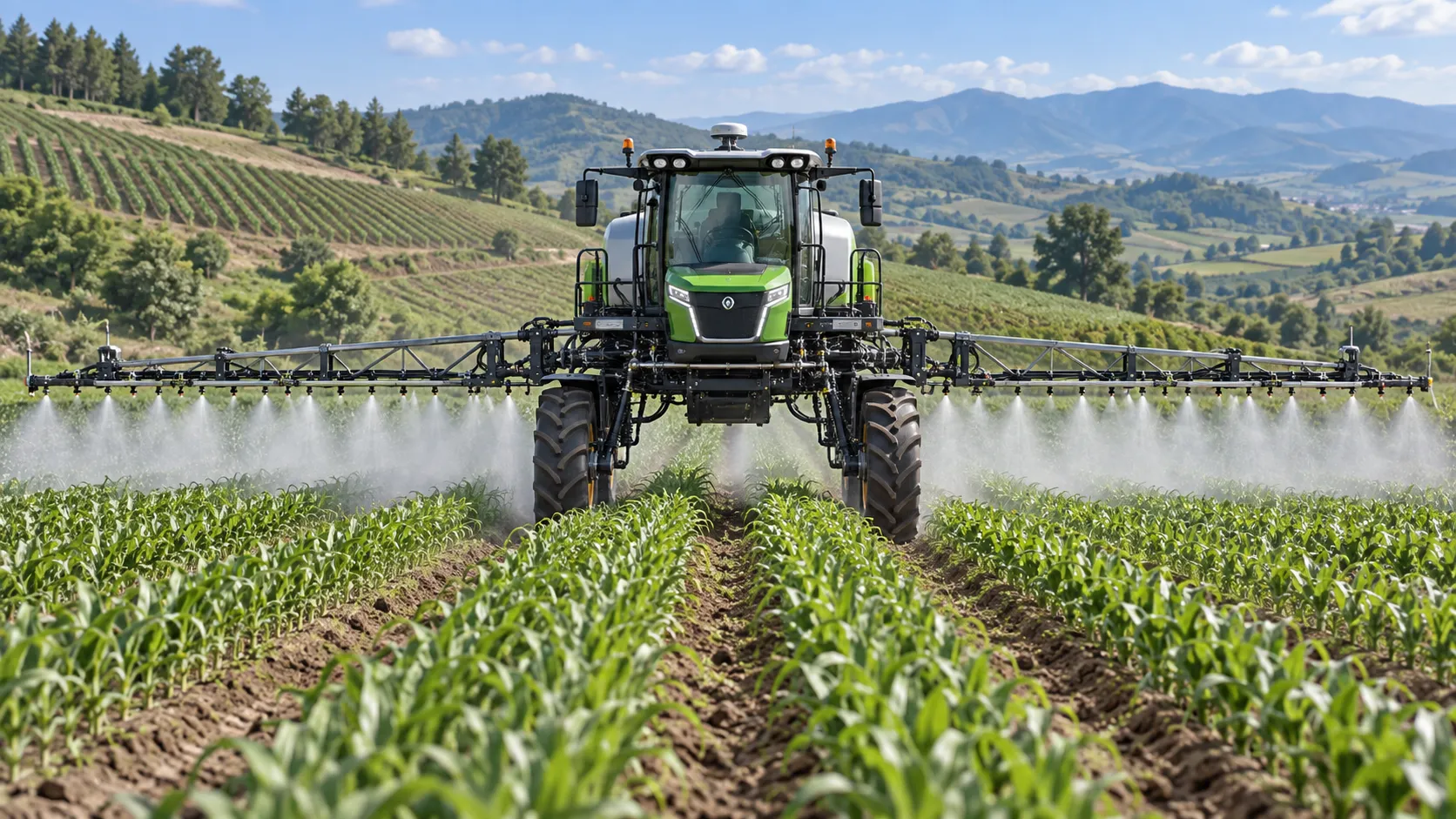
How to Select Precision Crop Protection Equipment for Variable Field Conditions
Precision crop protection equipment selection made simple: compare terrain, canopy, weather, control accuracy, and data workflows for reliable applications.

When Does Agricultural Machinery Leasing Cost Less Than Owning Equipment?
Agricultural machinery leasing can lower farm costs when use is seasonal or uncertain. Compare utilization, maintenance, cash flow, and risk to make a smarter equipment decision.
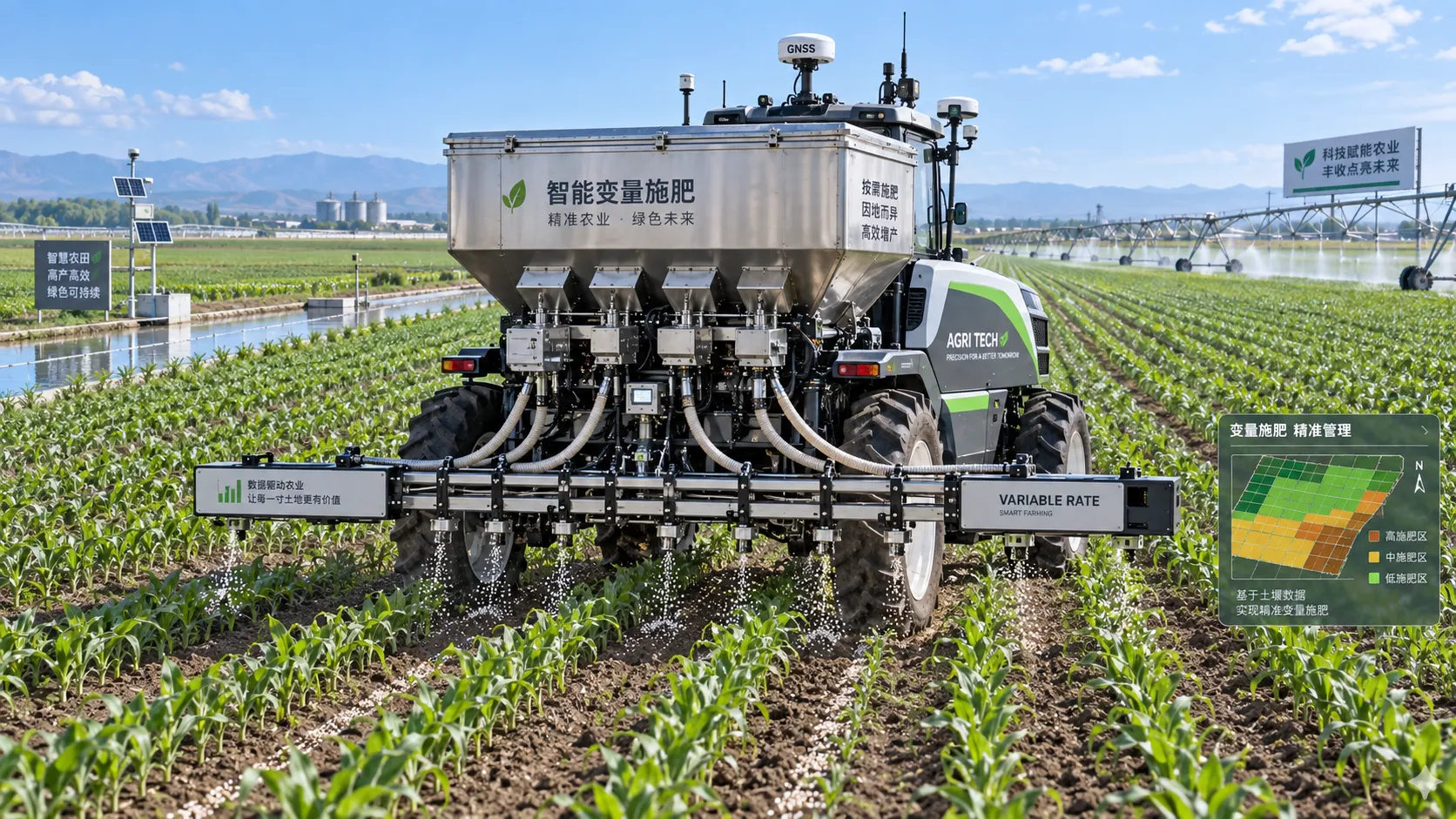
How to Evaluate Precision Fertilization System Suppliers for Farm-Scale Deployment
Precision fertilization systems suppliers: learn how to compare accuracy, integration, uptime, service, and total cost for confident farm-scale deployment.
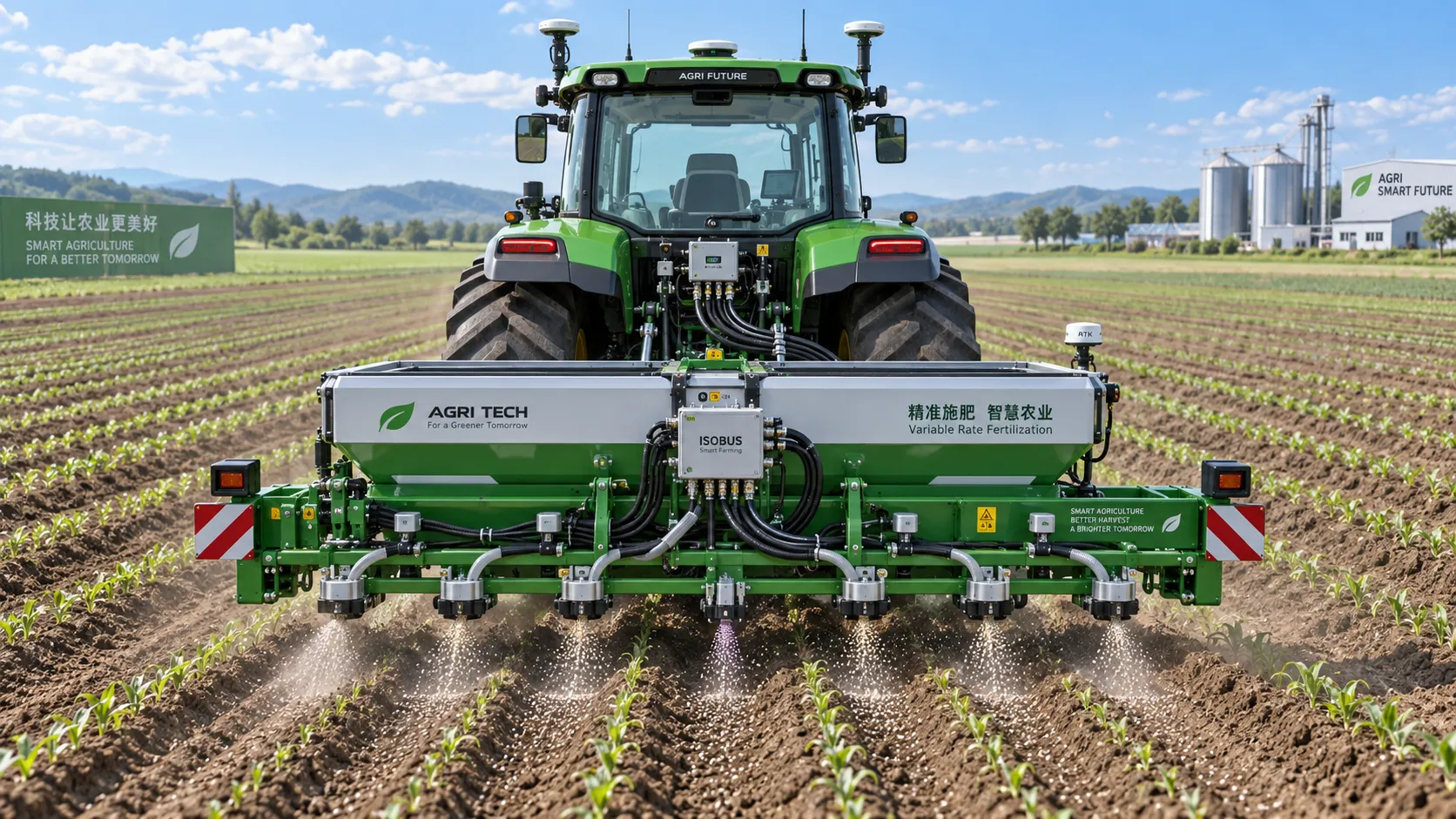
ISOBUS for Smart Agriculture: How It Connects Tractors, Implements, and Farm Data
ISOBUS for smart agriculture connects tractors, implements, terminals, and farm data—helping growers improve precision, documentation, and smarter field decisions.
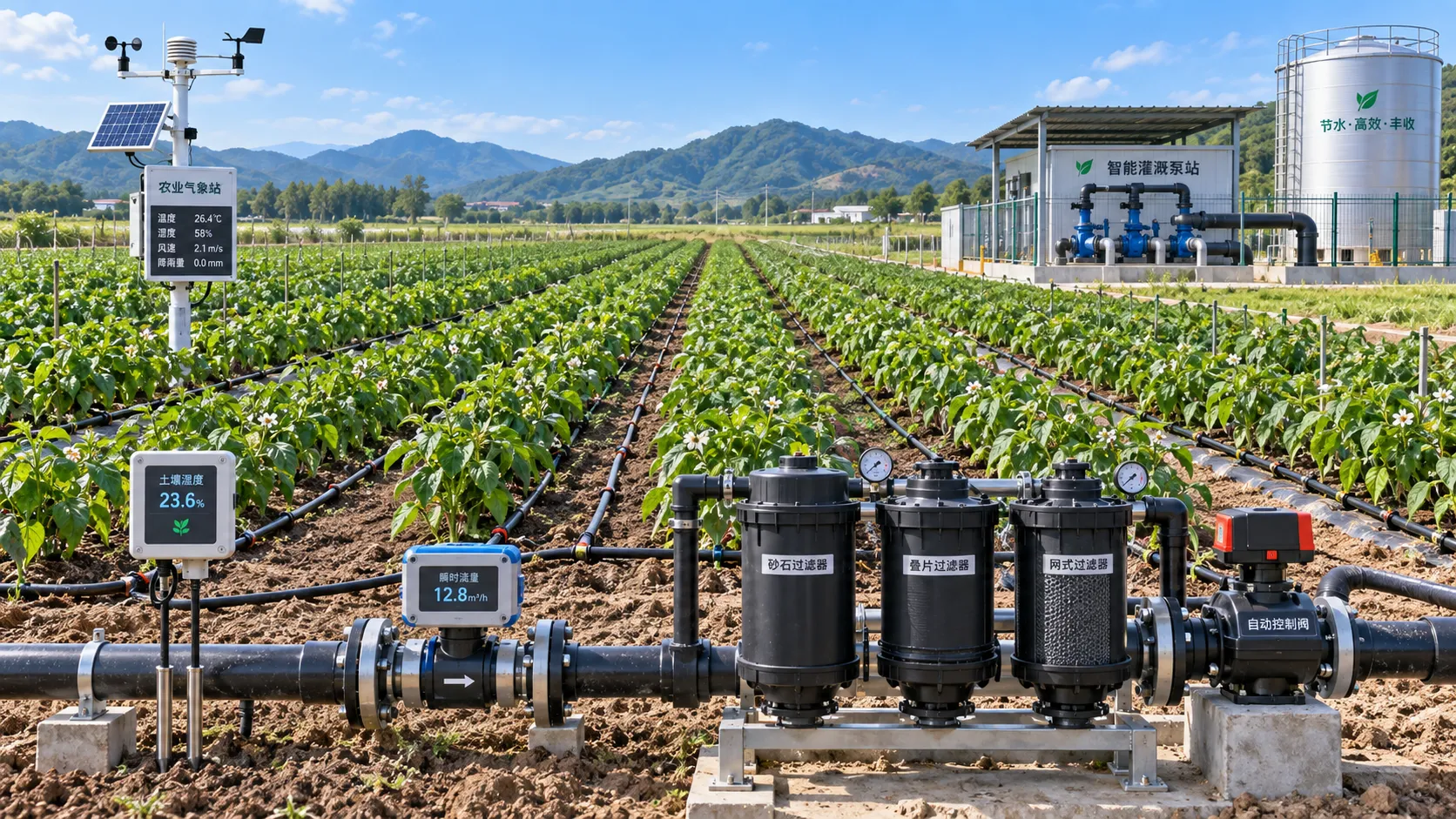
Automated Water-Saving Irrigation: How to Cut Water Use Without Reducing Crop Yields
Automated water-saving irrigation helps farms cut water use, protect crop yields, improve scheduling, and gain reliable control with sensors, flow monitoring, and smart zones.
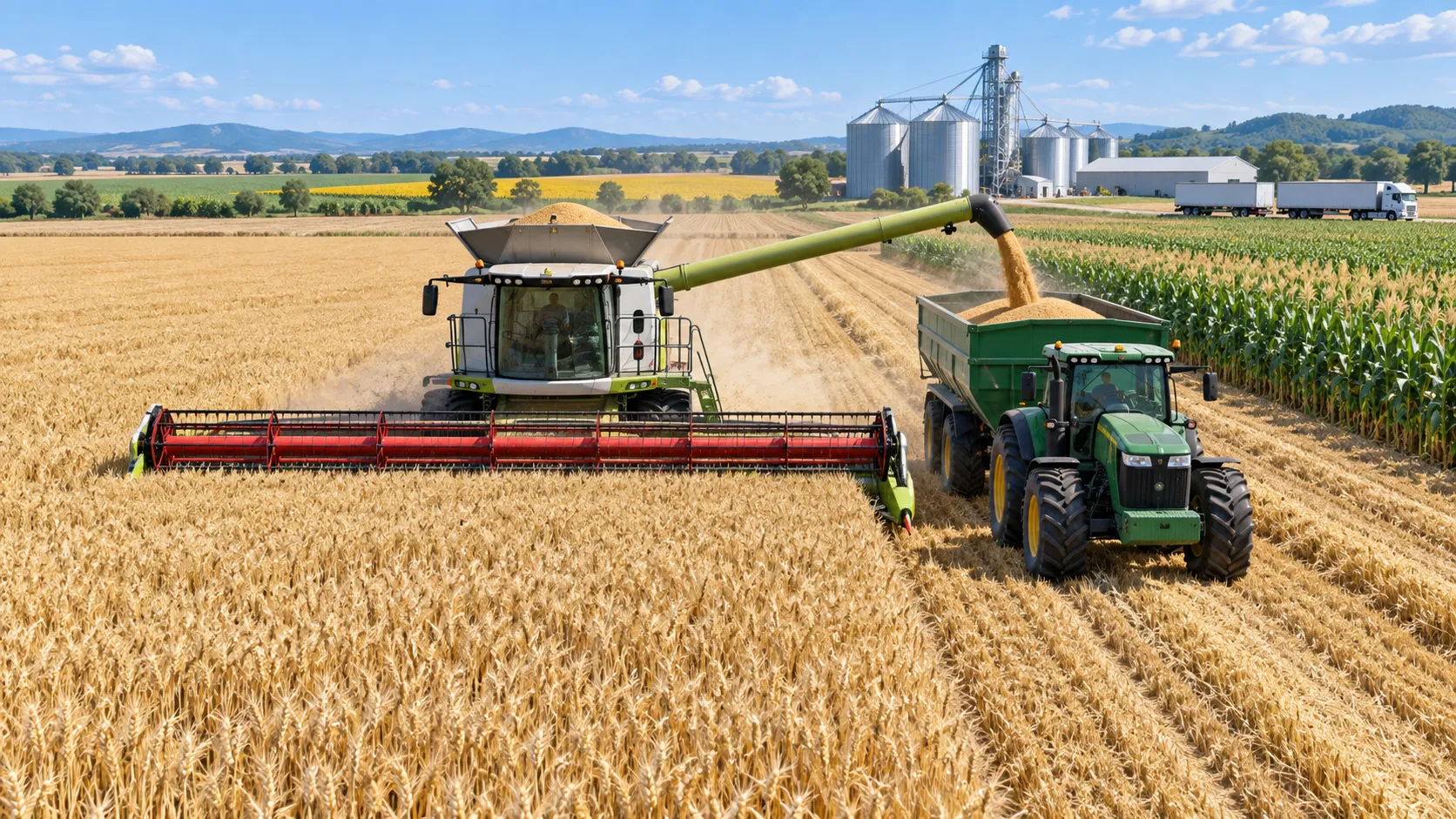
Selecting Grain Farm Equipment by Acreage, Crop Mix, and Harvest Window
Agricultural equipment selection for grain farming: match machinery to acreage, crop mix, and harvest windows to improve uptime, efficiency, and returns.
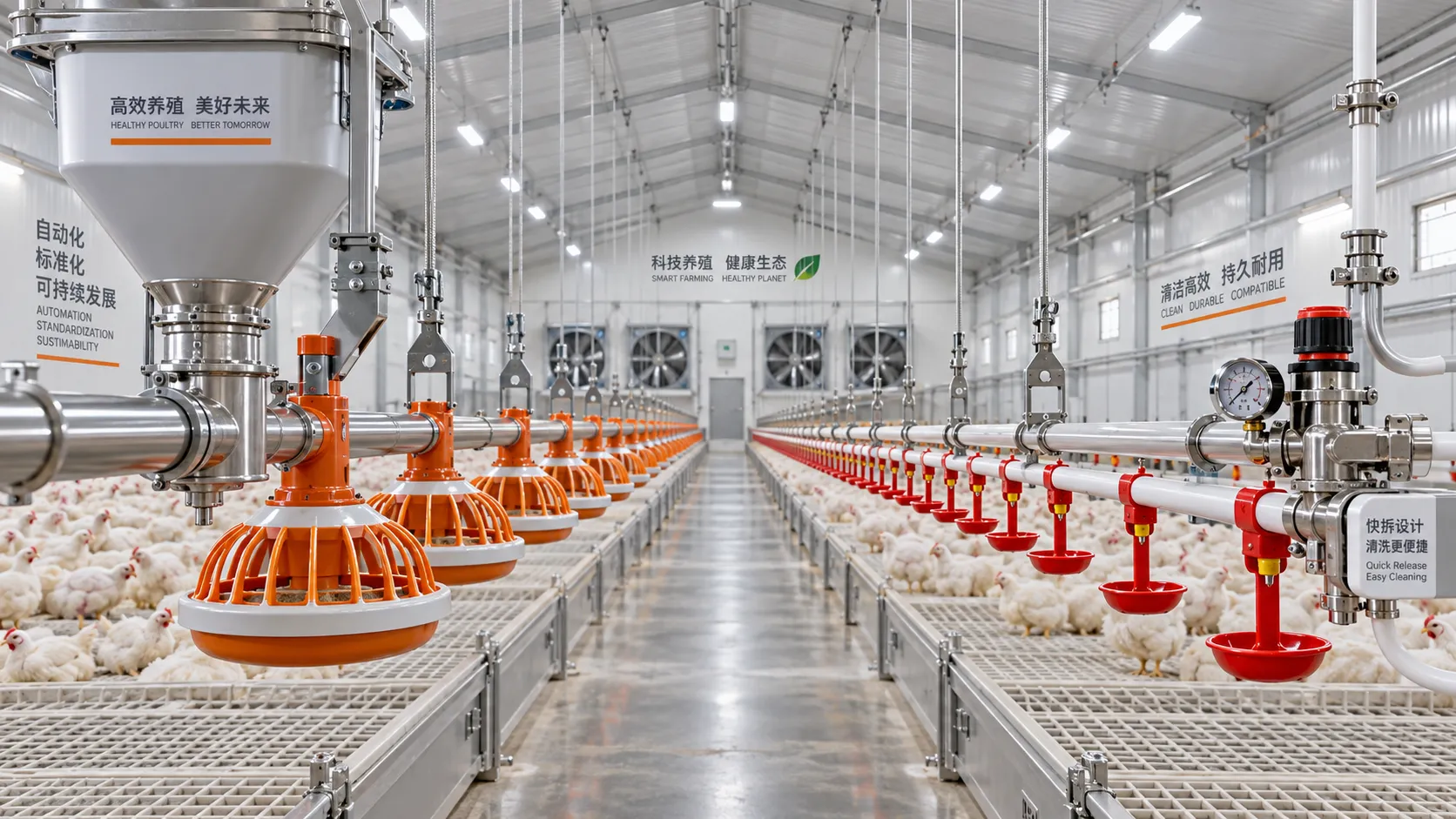
Poultry Equipment Selection: Evaluating Durability, Cleaning, and Compatibility
Poultry equipments selection guide: evaluate durability, cleaning access, and system compatibility to improve hygiene, reduce downtime, and support efficient flock management.
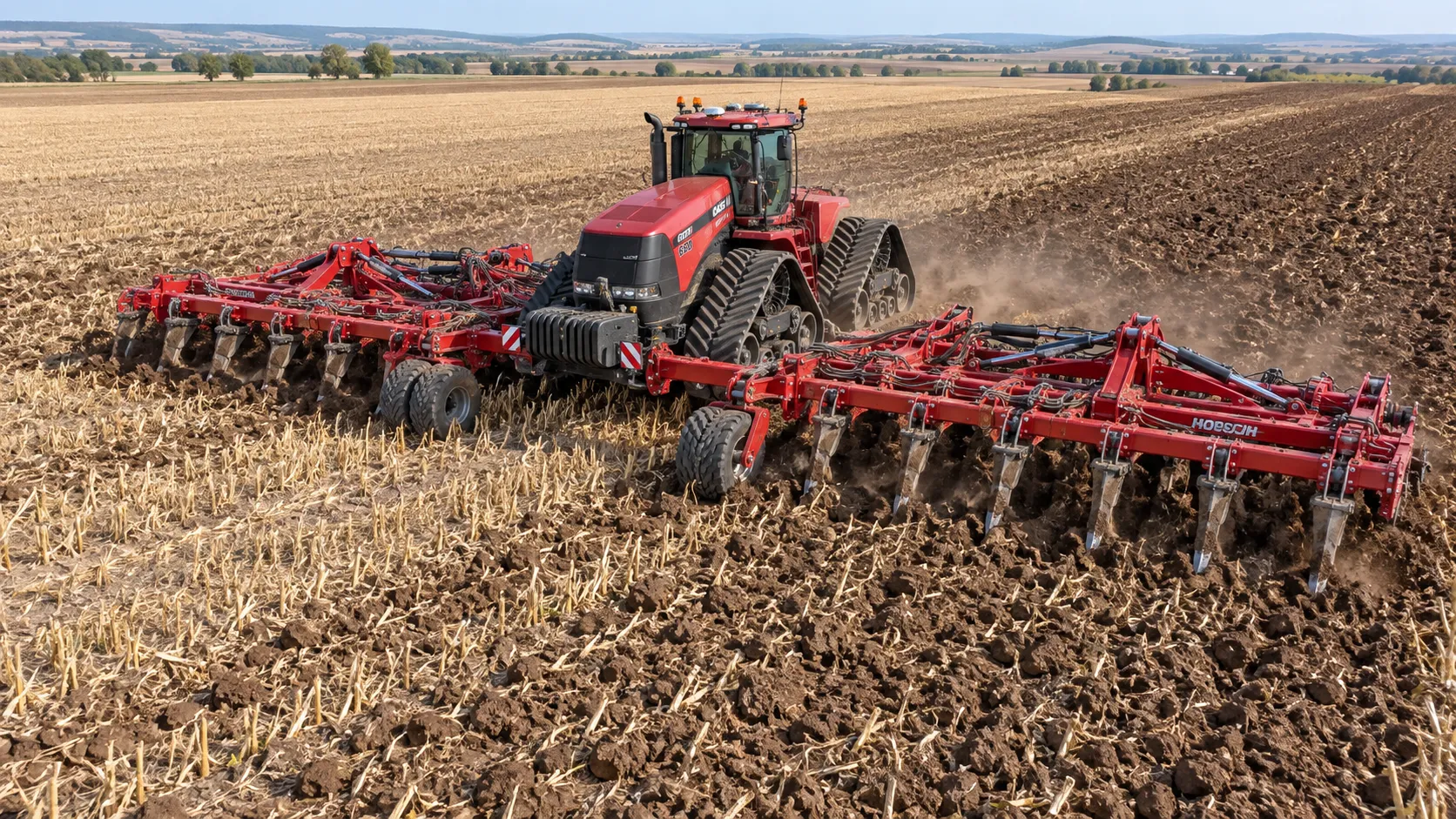
How to Select Heavy-Duty Farm Implements for High-Acreage, High-Horsepower Operations
Heavy duty farm implements: learn how to match draft, hydraulics, hitch capacity, frame strength, and field conditions for reliable high-acreage performance.
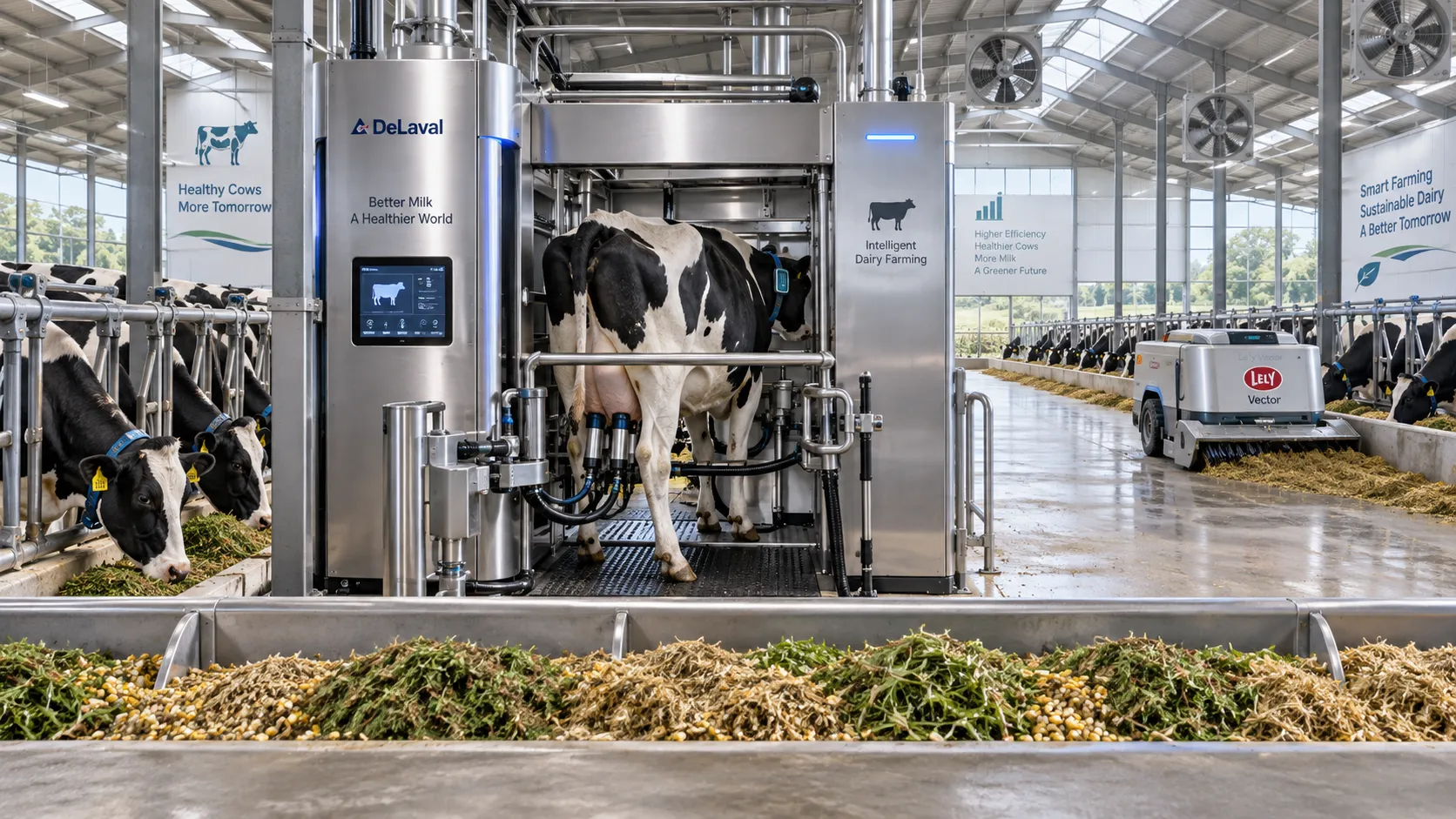
Smart Farming Technology for Dairy Farms: Where Automation Delivers Measurable ROI
Smart farming technology for dairy farms delivers measurable ROI through automation, precision feeding, health monitoring, and data-driven cost control.
Related News
- 00
0000-00
When Does Agricultural Machinery Leasing Cost Less Than Owning Equipment? - 00
0000-00
Selecting Grain Farm Equipment by Acreage, Crop Mix, and Harvest Window - 00
0000-00
Poultry Equipment Selection: Evaluating Durability, Cleaning, and Compatibility - 00
0000-00
How to Select Heavy-Duty Farm Implements for High-Acreage, High-Horsepower Operations - 00
0000-00
Smart Farming Technology for Dairy Farms: Where Automation Delivers Measurable ROI
Popular Tags
Ms. Elena Rodriguez
Weekly Insights
Stay ahead with our curated technology reports delivered every Monday.