
How to Choose Agricultural Automation System Suppliers for Large-Scale Farm Operations
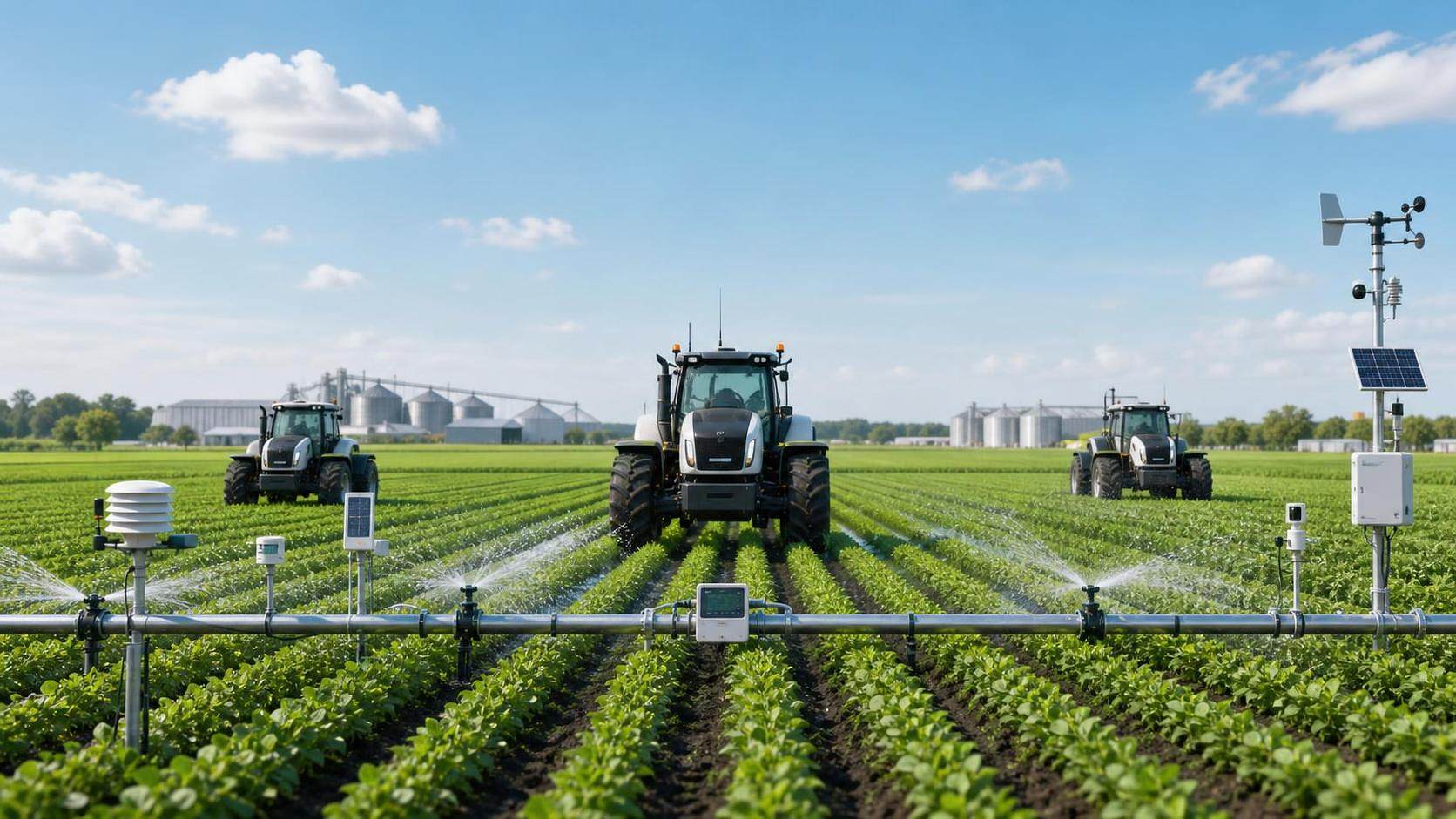




Choosing the right agricultural automation systems suppliers is not mainly about buying the newest machine. It is about avoiding expensive mismatches between equipment, crop cycles, labor, service support, and the actual scale of your farm. For large operations, the wrong supplier can create hidden costs in downtime, spare parts, integration delays, and training. The right one lowers operating friction and makes automation pay back in a way procurement teams can defend.
What procurement teams should really look for
When buyers compare agricultural automation systems suppliers, the first question is not “Who has the most features?” It is “Who can keep the system running in my operating environment?” That means the supplier must be able to support the full chain: machinery integration, control software, sensors, irrigation logic, and after-sales service. A supplier that looks strong on paper but cannot support field reality is usually the more expensive option.
For large-scale farm operations, automation only works when the parts behave like one system. Autonomy in tractors, combine harvesting technology, precision farm tools, and intelligent irrigation are often purchased separately, then expected to work together. In practice, integration is where many projects fail. Procurement should ask whether the supplier has already handled similar farm sizes, similar crops, and similar climate or terrain conditions. If not, the risk moves to your side.
How to compare suppliers without getting lost in sales claims
A practical comparison starts with service depth, not brochure language. Ask how the supplier handles installation, calibration, operator training, spare parts, remote diagnostics, and emergency response. These are not side issues. They determine whether a system improves uptime or creates a new maintenance burden.
Then look at control precision. In agriculture 4.0, “automation” can mean very different things. Some suppliers provide basic mechanization with limited sensing. Others offer prescription-based functions using satellite positioning, field data, and sensor feedback. If your operation needs variable-rate application, irrigation optimization, or harvesting efficiency control, the supplier should explain exactly how those functions work in real field conditions, not just in a demo.
One useful test is to separate what is technically possible from what is economically sensible. A highly advanced system may be impressive, but if it needs specialized technicians every time a sensor fails, it may not fit a cost-sensitive operation. Procurement teams should judge lifecycle cost, not purchase price alone. That includes energy use, repair frequency, software licensing, staff training, and the expected lifespan of core components.
The questions that expose weak suppliers fast
Ask for references from farms of similar scale. Ask what happens if connectivity drops in the field. Ask whether parts are locally stocked or shipped from another region. Ask how software updates affect existing equipment. Ask who owns the data generated by the system and whether the platform can export it in usable formats. These are the kinds of questions that reveal whether the supplier understands real operations or only sells technology.
It also helps to ask for failure scenarios. For example, if a tractor chassis control module goes offline during peak season, what is the recovery path? If irrigation timing data is wrong, how quickly can the system be checked and corrected? Good suppliers answer clearly and without hiding behind vague service promises.
Where AP-Strategy fits into the decision
The Global Agri-Pulse Hub (AP-Strategy) is useful when procurement teams need a broader market view before shortlisting agricultural automation systems suppliers. Its focus on large-scale agri-machinery, combine harvesters, tractor chassis, intelligent farm tools, and water-saving irrigation systems makes it a helpful intelligence layer for buyers who want to compare supplier capability against actual operational needs, not marketing claims.
That matters because large farm purchasing is rarely a single-machine decision. A buying team may need one supplier for harvesting, another for irrigation, and another for precision tools. AP-Strategy’s emphasis on machinery performance, precision farming algorithms, and sustainability trends can help buyers understand which supplier categories are mature, which are still experimental, and where integration risks are likely to appear.
Still, intelligence is not the same as procurement proof. Use market insight to narrow the field, then verify the supplier’s delivery record, service structure, and cost model directly. That is where budget discipline lives.
Common mistakes that raise total cost
The most common mistake is choosing a supplier because the unit price looks lower. A lower sticker price can hide weak service coverage, limited compatibility, or a poor spare-parts pipeline. Another mistake is buying too much automation for current staffing and field readiness. If the team cannot maintain the system, adoption stalls and the payback period stretches.
There is also a tendency to overvalue a single strong feature. A supplier may be excellent at smart irrigation but weak in combine harvesting support. Or strong in autonomous machinery but poor in local maintenance. For large-scale operations, that imbalance matters more than a flashy product demo. Procurement should judge the whole operating picture.
It is also a mistake to ignore crop and geography fit. A supplier with good results in flat, uniform fields may not perform well in fragmented plots, variable soil conditions, or harsh weather. The closer the supplier’s reference cases are to your own environment, the more credible their promise becomes.
A simple buying rule
If you need one rule to keep the process grounded, use this: choose agricultural automation systems suppliers that can prove integration strength, service reliability, and cost transparency in farms like yours. If they cannot show all three, the apparent savings are usually temporary.
For procurement teams, the best supplier is not always the most advanced one. It is the one that helps the farm operate predictably through the season, supports the workforce instead of replacing it with risk, and delivers measurable value across machinery, irrigation, and data-driven decision-making. That is the standard worth holding when evaluating agricultural automation systems suppliers.
- combine harvesting technology
- Agriculture 4.0
- precision farming algorithms
- tractor chassis
- intelligent farm tools
- satellite positioning
- water-saving irrigation
- autonomous machinery
- agricultural automation
- agricultural automation systems
- combine harvesters
- water-saving irrigation systems
- agricultural automation systems suppliers
- large-scale agri-machinery
- irrigation systems
Related News
GPS-Guided Farm Machinery: Where It Delivers Measurable Field Efficiency Gains
Agri-mechanization GPS guided systems deliver measurable field efficiency gains through reduced overlap, precise planting, smarter inputs, and reliable farm data.
How Sensor Feedback Enables Accurate Variable-Rate Fertilization in Field Conditions
Precision fertilization systems with sensor feedback improve variable-rate accuracy by verifying flow, managing latency, and ensuring reliable field application.
How to Select Precision Crop Protection Equipment for Variable Field Conditions
Precision crop protection equipment selection made simple: compare terrain, canopy, weather, control accuracy, and data workflows for reliable applications.

When Does Agricultural Machinery Leasing Cost Less Than Owning Equipment?
Agricultural machinery leasing can lower farm costs when use is seasonal or uncertain. Compare utilization, maintenance, cash flow, and risk to make a smarter equipment decision.

How to Evaluate Precision Fertilization System Suppliers for Farm-Scale Deployment
Precision fertilization systems suppliers: learn how to compare accuracy, integration, uptime, service, and total cost for confident farm-scale deployment.
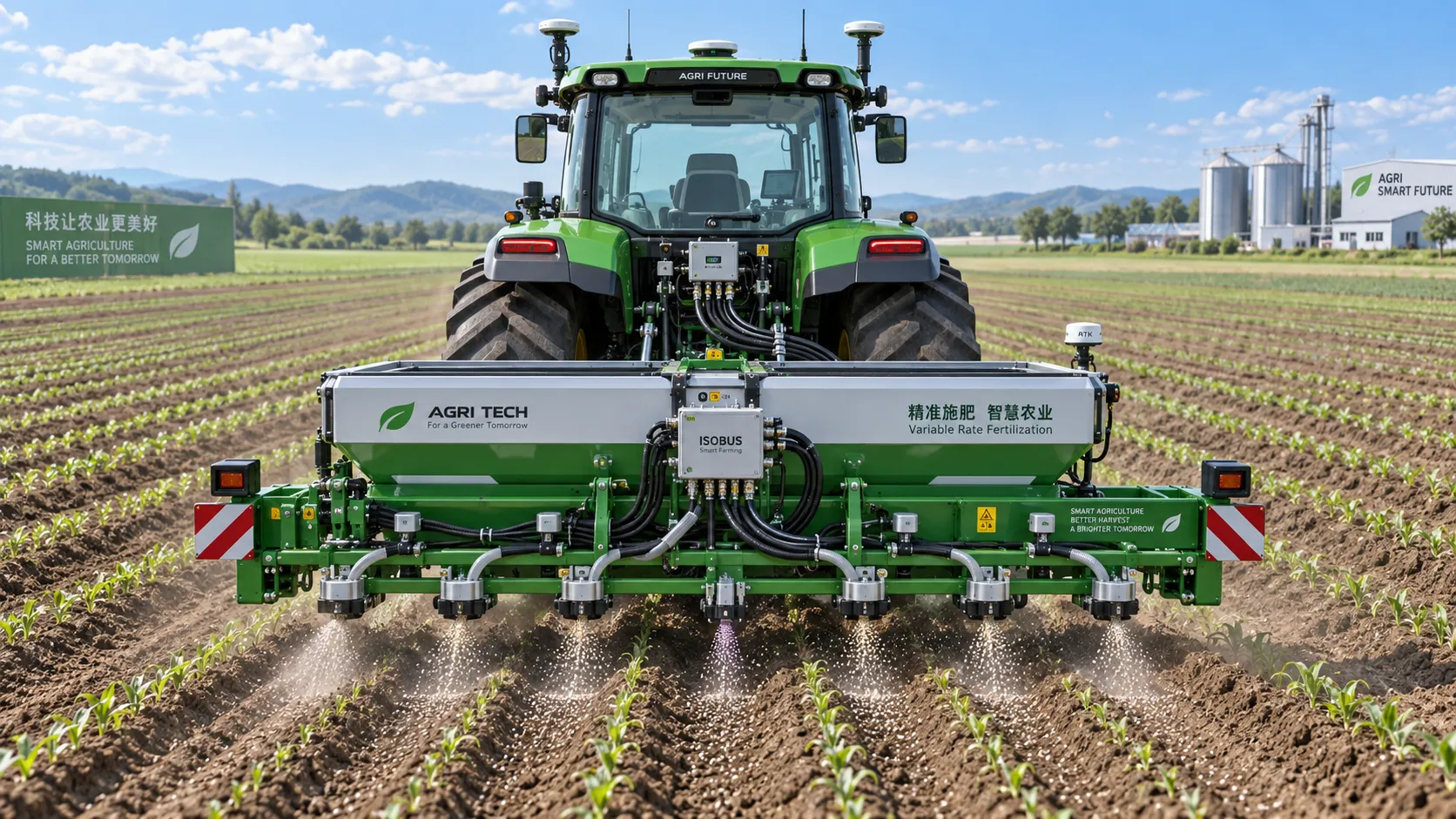
ISOBUS for Smart Agriculture: How It Connects Tractors, Implements, and Farm Data
ISOBUS for smart agriculture connects tractors, implements, terminals, and farm data—helping growers improve precision, documentation, and smarter field decisions.
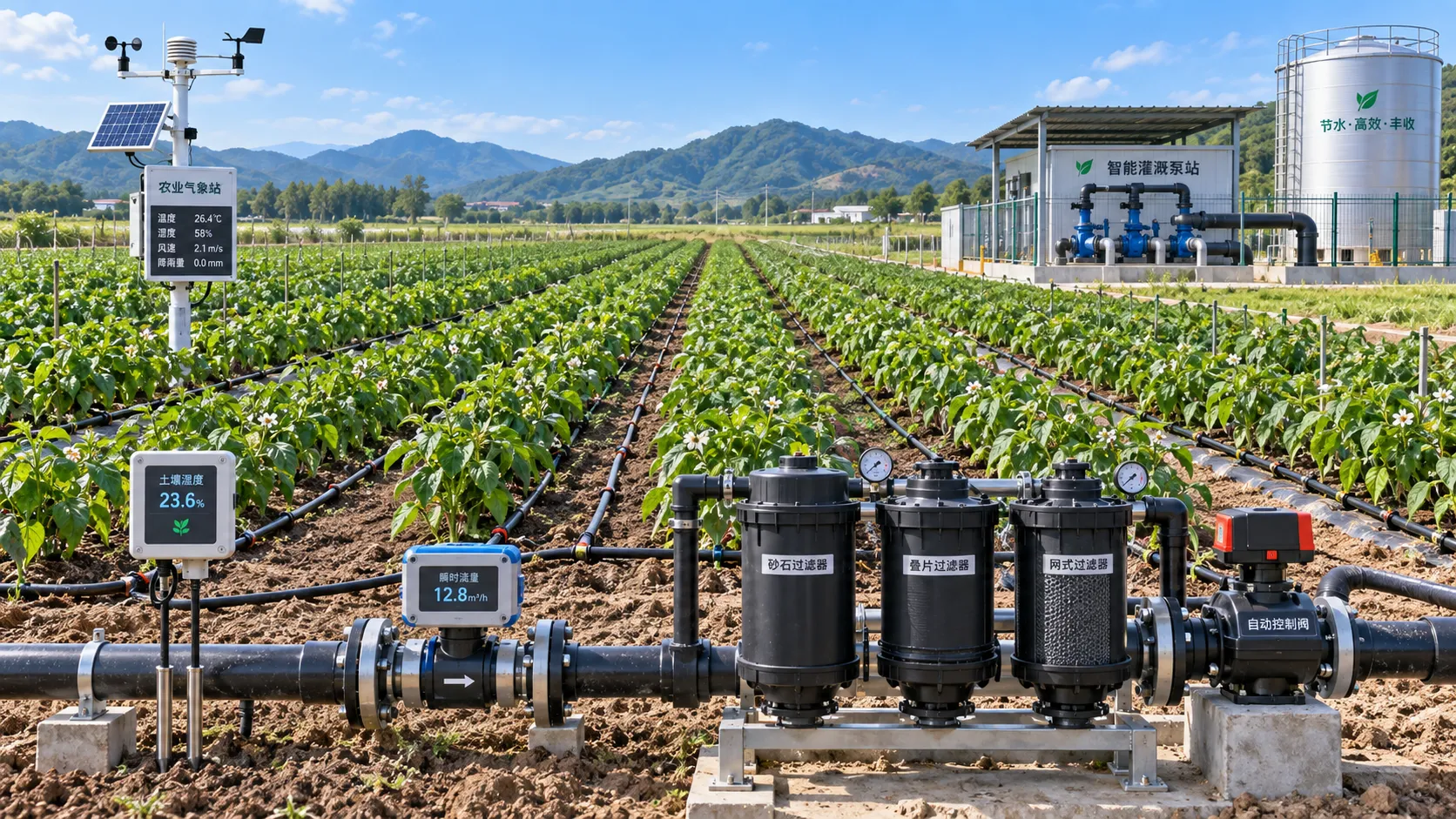
Automated Water-Saving Irrigation: How to Cut Water Use Without Reducing Crop Yields
Automated water-saving irrigation helps farms cut water use, protect crop yields, improve scheduling, and gain reliable control with sensors, flow monitoring, and smart zones.
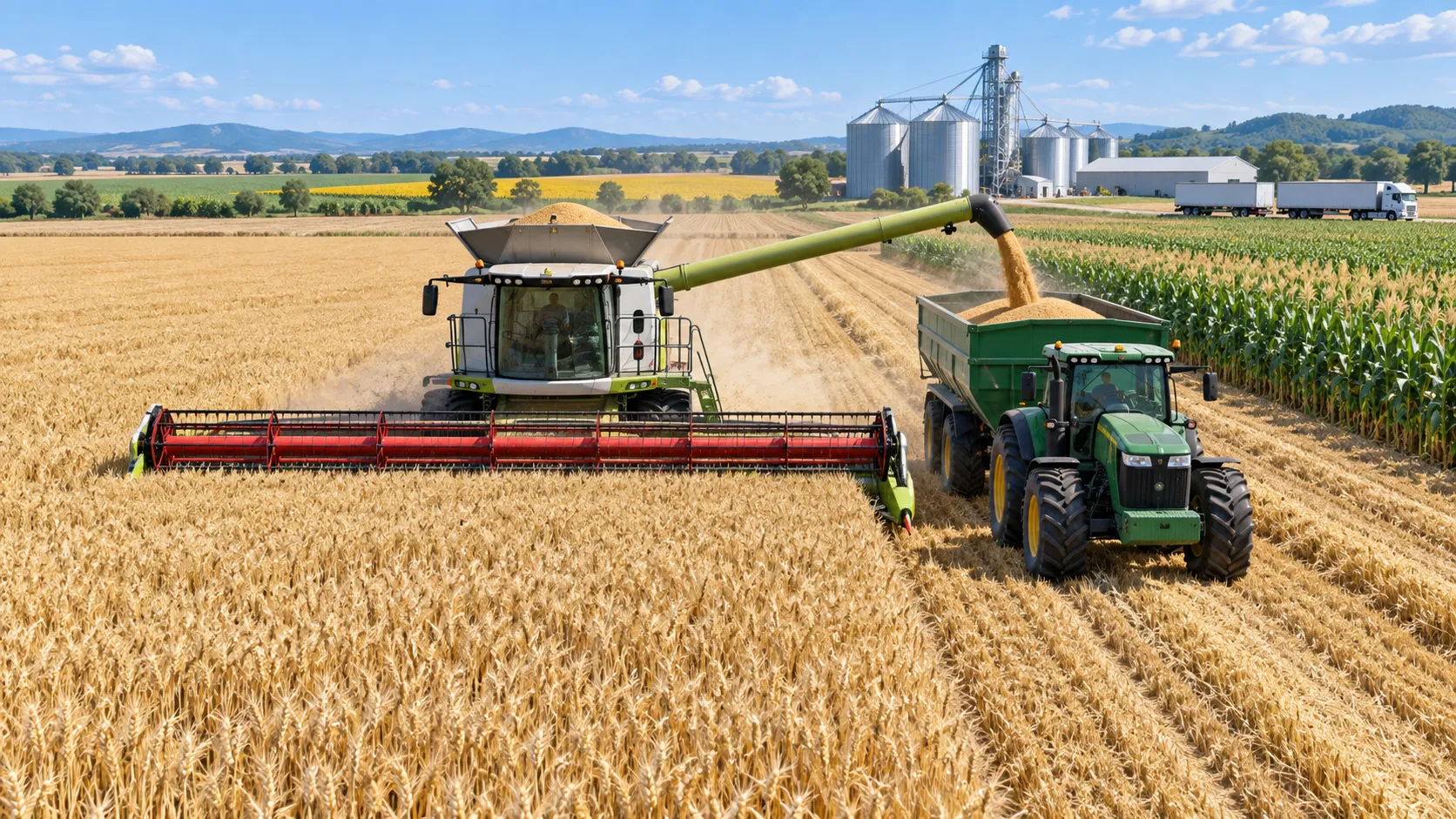
Selecting Grain Farm Equipment by Acreage, Crop Mix, and Harvest Window
Agricultural equipment selection for grain farming: match machinery to acreage, crop mix, and harvest windows to improve uptime, efficiency, and returns.
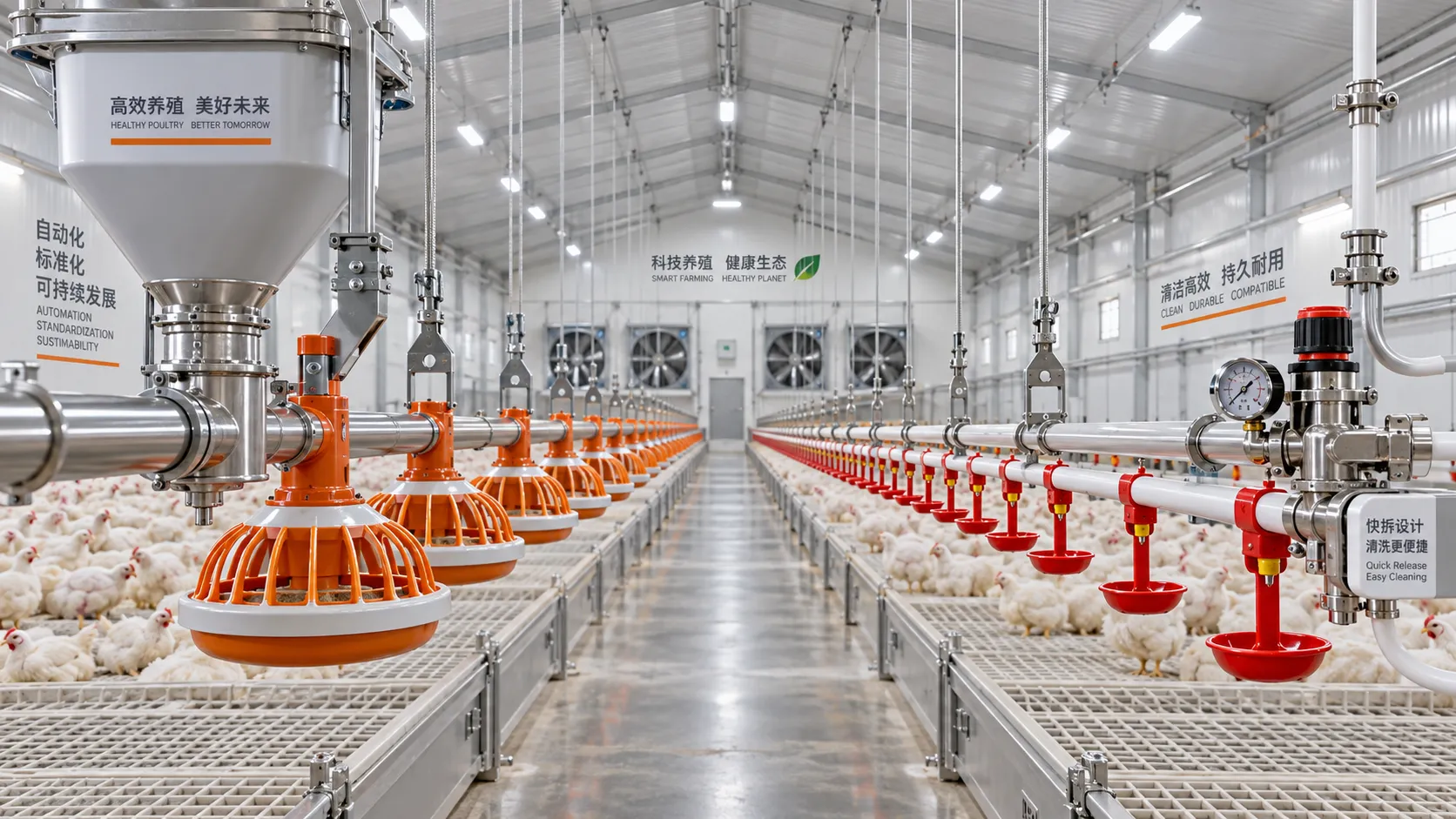
Poultry Equipment Selection: Evaluating Durability, Cleaning, and Compatibility
Poultry equipments selection guide: evaluate durability, cleaning access, and system compatibility to improve hygiene, reduce downtime, and support efficient flock management.
Related News
- 00
0000-00
When Does Agricultural Machinery Leasing Cost Less Than Owning Equipment? - 00
0000-00
Selecting Grain Farm Equipment by Acreage, Crop Mix, and Harvest Window - 00
0000-00
Poultry Equipment Selection: Evaluating Durability, Cleaning, and Compatibility - 00
0000-00
How to Select Heavy-Duty Farm Implements for High-Acreage, High-Horsepower Operations - 00
0000-00
Smart Farming Technology for Dairy Farms: Where Automation Delivers Measurable ROI
Popular Tags
Ms. Elena Rodriguez
Weekly Insights
Stay ahead with our curated technology reports delivered every Monday.