
What Are Digital Farming Solutions? Core Tools, Use Cases, and ROI
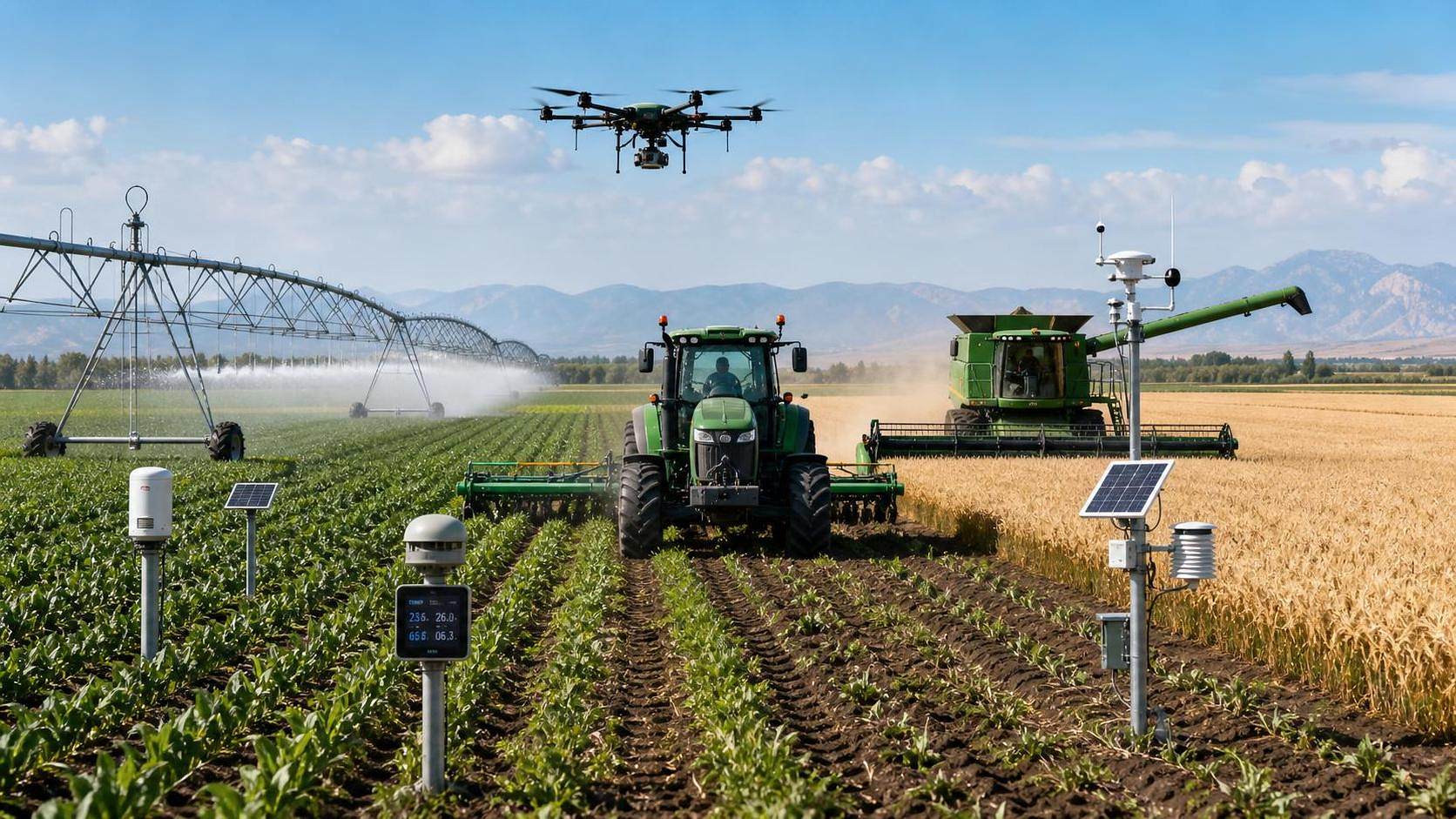




Across global agriculture, the phrase digital farming solutions has moved from conference jargon to everyday planning language. It appears in discussions about tractors, combine harvesters, irrigation systems, crop protection, labor shortages, and even food security. Yet for many researchers, buyers, and industry observers, the term still feels broad. Does it mean farm management software? Autonomous machinery? Satellite maps? Smart irrigation controls? In practice, it means all of these—and more importantly, the way they work together.
Digital farming is not simply about putting screens in the cab or storing records in the cloud. It is about turning field operations into a connected decision system. Machinery performance, agronomic conditions, weather variability, water use, and operator actions all generate signals. Digital tools collect those signals, organize them, and help farms respond with greater precision. In the Agriculture 4.0 era, that shift matters because the pressure on farming is no longer one-dimensional. Growers must increase efficiency while managing tighter margins, unstable climates, input volatility, and rising sustainability expectations.
For a platform like AP-Strategy, which tracks large-scale agri-machinery, combine harvesting technology, tractor chassis evolution, intelligent farm tools, and water-saving irrigation systems, digital farming solutions are best understood as the bridge between mechanical capability and data-guided action. A machine may be powerful, but without accurate positioning, implement control, loss monitoring, or irrigation intelligence, much of that capability remains underused.
What digital farming solutions actually include
The easiest mistake is to treat digital farming as a single product category. It is better understood as a stack of tools and systems that connect field reality with better decisions. Some farms adopt only one or two elements; others build a much broader ecosystem over time.
At the foundation are data capture tools. These include GPS guidance, telematics modules on tractors and harvesters, yield monitors, soil sensors, weather stations, flow meters, drone imagery, and satellite-based field observation. Their role is simple but critical: they make field conditions and machine behavior visible instead of assumed.
Above that sits the software and analytics layer. Farm management platforms, mapping tools, variable-rate application systems, irrigation scheduling software, and machine fleet dashboards transform raw data into something actionable. This is where digital farming solutions begin to show their value. Data alone rarely changes outcomes. Interpretation and timing do.
Then there is the execution layer—the part many people notice first because it touches day-to-day operations directly. This includes auto-steering, section control, rate controllers, machine diagnostics, autonomous or semi-autonomous functions, and smart irrigation actuation. In other words, the system does not only observe; it guides or automates action.
Finally, there is the integration layer. This is often the least visible but most strategic component. Integration links agronomic records, machinery telemetry, harvest data, and water management so one decision supports another. If a field map identifies moisture variability, irrigation timing can be adjusted. If yield data repeatedly shows a weak zone, the farm can reassess seeding density, fertility, drainage, or machinery traffic patterns there. This is where digital farming stops being a collection of gadgets and becomes an operating model.
Core tools shaping modern digital agriculture
Not every technology carries equal weight in every farming system, but several tools consistently appear at the center of practical adoption.
Guidance and positioning systems
GPS and GNSS-based guidance remain among the most widely adopted digital farming solutions because they provide immediate operational value. Straighter passes reduce overlap and skips, which affects seed placement, fertilizer use, spraying accuracy, fuel consumption, and operator fatigue. In large-scale row-crop farming, guidance is no longer a luxury feature. It is a basic precision layer that supports nearly every other digital function.
Telematics and fleet monitoring
When tractors, sprayers, and combines transmit location, engine status, fuel use, idle time, and work progress, farm managers gain a clearer picture of productivity across the fleet. This matters especially in large operations where delays are expensive but often hard to diagnose. Telematics helps answer practical questions: Which machine is underperforming? Where is downtime coming from? Is a harvester waiting too long for grain cart support? Are engines spending excessive time idling during transport or field transitions?
Yield monitoring and harvest analytics
Harvest is where many input decisions reveal their true outcome. Yield monitors, moisture sensors, and cleaning loss feedback systems provide a far more nuanced picture than average field yield alone. For combine harvesting, digital insight is especially valuable because losses can hide in plain sight. A machine may look productive while leaving avoidable grain loss behind. Performance monitoring allows farms to compare settings, crop conditions, and operator adjustments in a more disciplined way.
Variable-rate technology
Variable-rate seeding, fertilization, and crop protection are often seen as the hallmark of precision agriculture. The principle is straightforward: do not treat every square meter of a field as if it behaves the same. Prescription maps, sensor input, and historical field data allow different zones to receive different rates based on need or expected response. The benefit is not simply lower input use. In many cases, it is smarter input placement—reducing waste in weak zones while supporting stronger yield potential elsewhere.
Smart irrigation systems
Water-saving irrigation is one of the clearest examples of digital farming delivering both economic and environmental value. Sensors, weather data, evapotranspiration models, pump controls, and networked irrigation devices help farms irrigate according to crop demand rather than routine habit. In regions facing climate stress, rising energy costs, or tighter water regulation, this can be decisive. Intelligent irrigation also illustrates a larger point: digital farming solutions are not only about crop maps and machinery screens; they are increasingly about resource governance.
Remote sensing and field imaging
Drone surveys and satellite imagery help farms monitor biomass variation, stress signals, drainage issues, stand establishment, and in-season changes that may not be obvious from a road or occasional field walk. Remote sensing does not replace boots-on-the-ground agronomy, but it can direct attention more efficiently. Instead of scouting entire fields evenly, teams can focus on the zones where something is changing.
Where these solutions are used in the real world
Searchers looking up digital farming solutions usually want more than definitions. They want to know what actually changes on the farm.
In planting operations, digital tools improve pass accuracy, seeding consistency, and field documentation. That matters because small inefficiencies early in the season often multiply later. In nutrient management, mapping and variable-rate application help align fertilizer placement with soil variability and expected yield response. In crop protection, section control and guidance reduce overlap, which affects both cost and environmental load.
For harvesting, digital systems can support route planning, machine coordination, grain loss monitoring, and better understanding of how crop conditions influence performance. This is especially relevant in large-scale operations where the combine is not an isolated machine but part of a time-sensitive logistics chain. A delay in one area can ripple into transport, storage, moisture management, and labor scheduling.
In irrigation, digital farming solutions support decisions that used to rely heavily on habit or intuition. Instead of watering by calendar, farms can irrigate according to soil moisture status, weather patterns, crop stage, and system performance. That distinction matters in dry years, but also in normal years when water mismanagement quietly erodes margins.
Livestock and mixed farming systems also use digital tools, though in different combinations. Asset tracking, feed management, forage yield mapping, and water use monitoring can all fit under the same broader digital framework. The exact toolset changes, but the central logic remains: better visibility leads to better control.
How to think about ROI without oversimplifying it
Return on investment is one of the most searched aspects of digital farming solutions, and also one of the most misunderstood. People often expect a clean, immediate calculation. In reality, ROI tends to come from several channels at once.
Some gains are direct and easy to recognize. Reduced overlap saves fuel, seed, fertilizer, and crop protection products. Lower machine downtime protects labor efficiency and short harvest windows. Smarter irrigation can reduce water and energy waste. Better diagnostics may prevent avoidable repairs.
Other gains are indirect but still substantial. Better records improve planning and accountability. Stronger visibility across the fleet helps managers identify bottlenecks rather than relying on guesswork. Data from one season can improve decisions in the next. Over time, this accumulated learning may be more valuable than any single in-season savings event.
There is also a resilience dimension to ROI. A farm that can respond faster to weather shifts, detect stress zones earlier, or coordinate machinery more effectively may avoid losses that do not show up as a simple line-item saving. In agriculture, preventing a bad outcome is often as important as squeezing extra performance out of a good one.
Still, not every digital investment pays back equally fast. ROI depends on field size, crop type, operator skill, equipment compatibility, water constraints, and management discipline. A farm with fragmented fields and poor data habits may not extract the same value from advanced analytics as one with strong operational processes. This is why thoughtful adoption matters more than chasing the newest feature list.
Common misconceptions that deserve a closer look
One common misconception is that digital farming solutions are only for very large enterprises. Scale certainly helps justify some investments, but smaller and mid-sized operations often benefit from targeted adoption—especially with guidance, irrigation control, weather-linked scheduling, or machine diagnostics.
Another is that more data automatically means better decisions. It does not. Farms can become overwhelmed by dashboards, maps, and sensor feeds that no one has time to interpret. The best digital systems are not the ones that collect the most information; they are the ones that turn relevant information into timely action.
A third misconception is that digital farming replaces agronomic judgment or machinery expertise. In reality, it tends to reward them. Data can highlight a pattern, but someone still has to decide whether the issue comes from hybrid selection, compaction, irrigation uniformity, harvester settings, or timing. Digital tools strengthen management when they are paired with real operational understanding.
What to evaluate before choosing a solution
For information researchers comparing platforms or technologies, the most useful starting point is not “Which solution has the most features?” but “Which decision problem is the farm trying to solve?” The answer changes everything.
If the pressure point is harvesting efficiency, then machine telemetry, cleaning loss monitoring, and fleet coordination may matter more than advanced imagery. If the challenge is water scarcity, then soil moisture sensing, irrigation automation, and transpiration-based scheduling deserve priority. If the problem is input variability across large acreages, then mapping quality, prescription workflows, and equipment compatibility should move to the front.
Interoperability also deserves careful attention. Many farms run mixed fleets and layered technologies from different suppliers. If data cannot move cleanly between machinery, agronomic software, and irrigation control systems, the practical value drops. Training requirements matter too. A sophisticated platform that operators avoid using will not deliver meaningful results.
That is one reason strategic intelligence remains important in this market. The real question is rarely whether digital farming solutions matter. It is which tools fit which operational model, under which constraints, and with what management maturity. This broader perspective is central to how AP-Strategy interprets Agriculture 4.0: not as a race toward digitization for its own sake, but as the disciplined connection of mechanical systems, precision algorithms, and resource-aware decisions.
Why digital farming solutions matter now
Agriculture is entering a period where efficiency can no longer be separated from adaptability. Machinery must work harder, water must go further, and field decisions must become more exact. Digital farming solutions answer that challenge by connecting what used to remain separate: equipment performance, crop response, environmental signals, and business decisions.
For those just starting to explore the topic, the most useful takeaway is simple. Digital farming is not one technology and not one promise. It is a practical framework for seeing the farm more clearly and acting with greater precision. The tools may differ from one operation to another, but the direction is unmistakable. Farms that can translate data into action are better positioned to protect yield, reduce waste, and navigate a more demanding agricultural future.
- combine harvesting technology
- Agriculture 4.0
- food security
- tractor chassis
- intelligent farm tools
- water-saving irrigation
- autonomous machinery
- digital farming solutions
- combine harvesters
- smart irrigation systems
- water-saving irrigation systems
- irrigation control systems
- large-scale agri-machinery
- irrigation systems
Related News
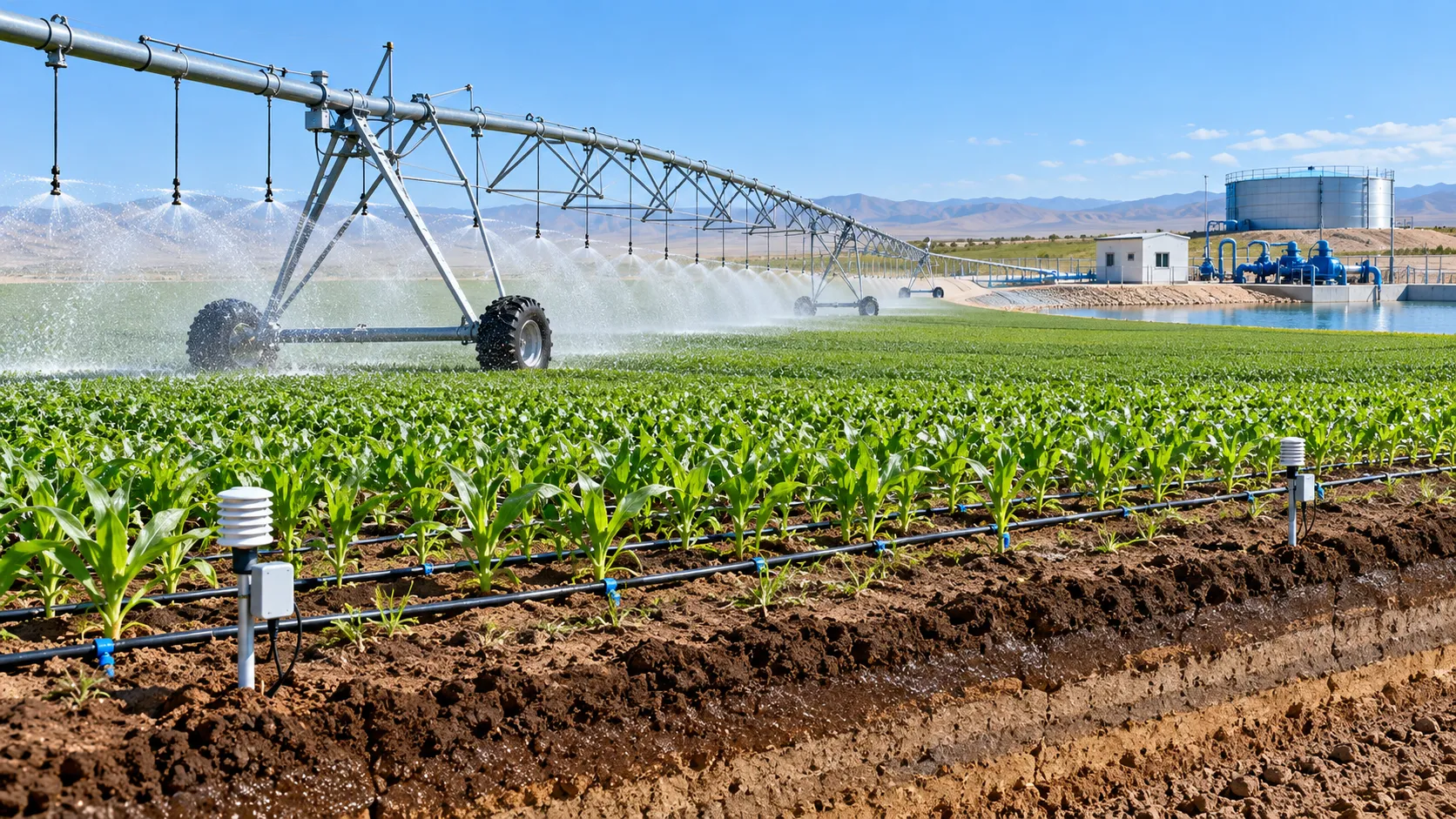
Climate-Smart Farming for Drought: A Practical Plan for Protecting Yields
Climate-smart farming for drought: build smarter water budgets, protect critical crop stages, improve irrigation uniformity, and safeguard yields with practical field-proven strategies.
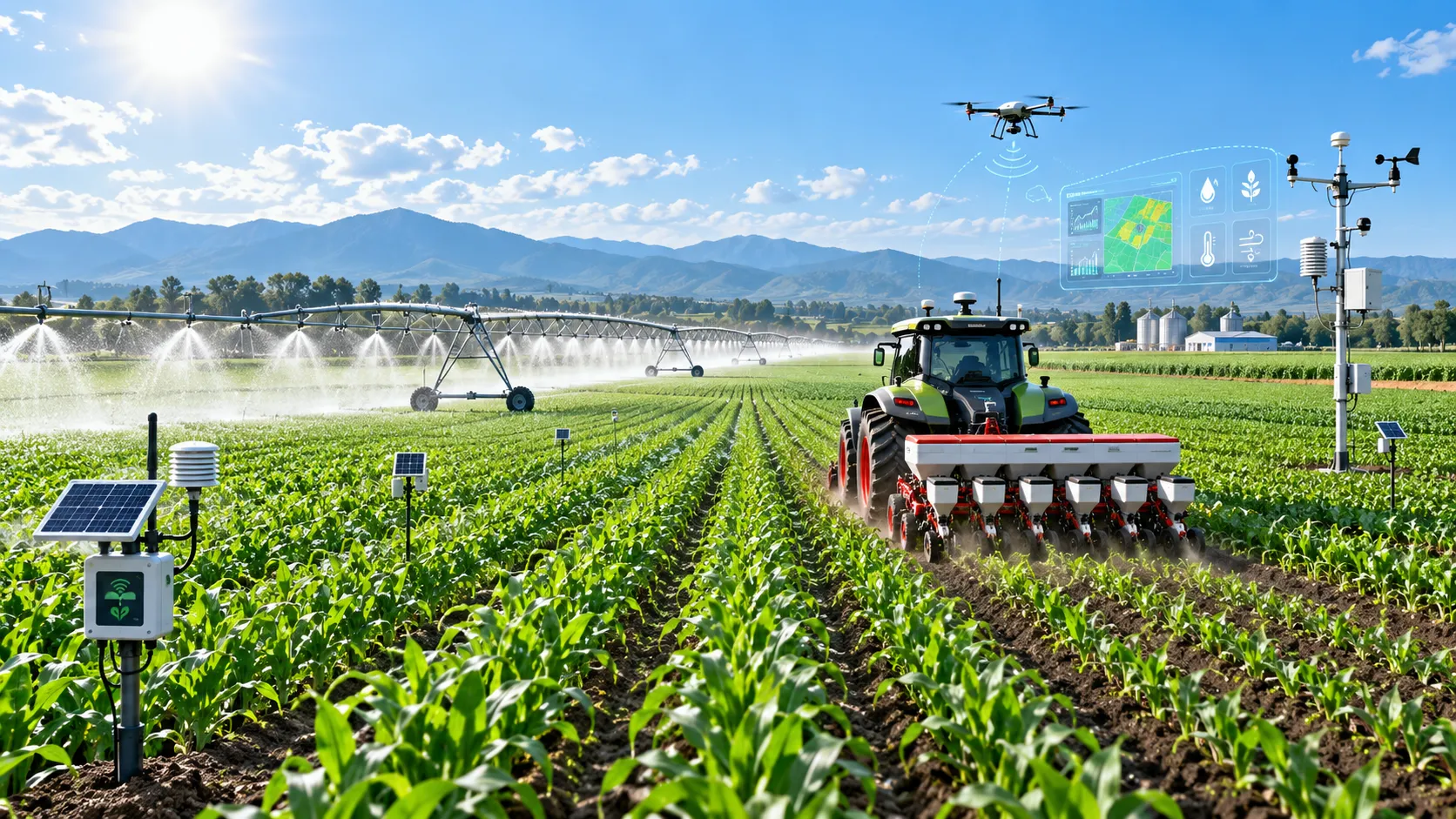
How Digital Agriculture Platforms Turn Field Data Into Better Input Decisions
Digital agriculture platforms turn field data into smarter fertilizer, water, seed, and equipment decisions—helping farms cut risk, improve margins, and scale sustainability.
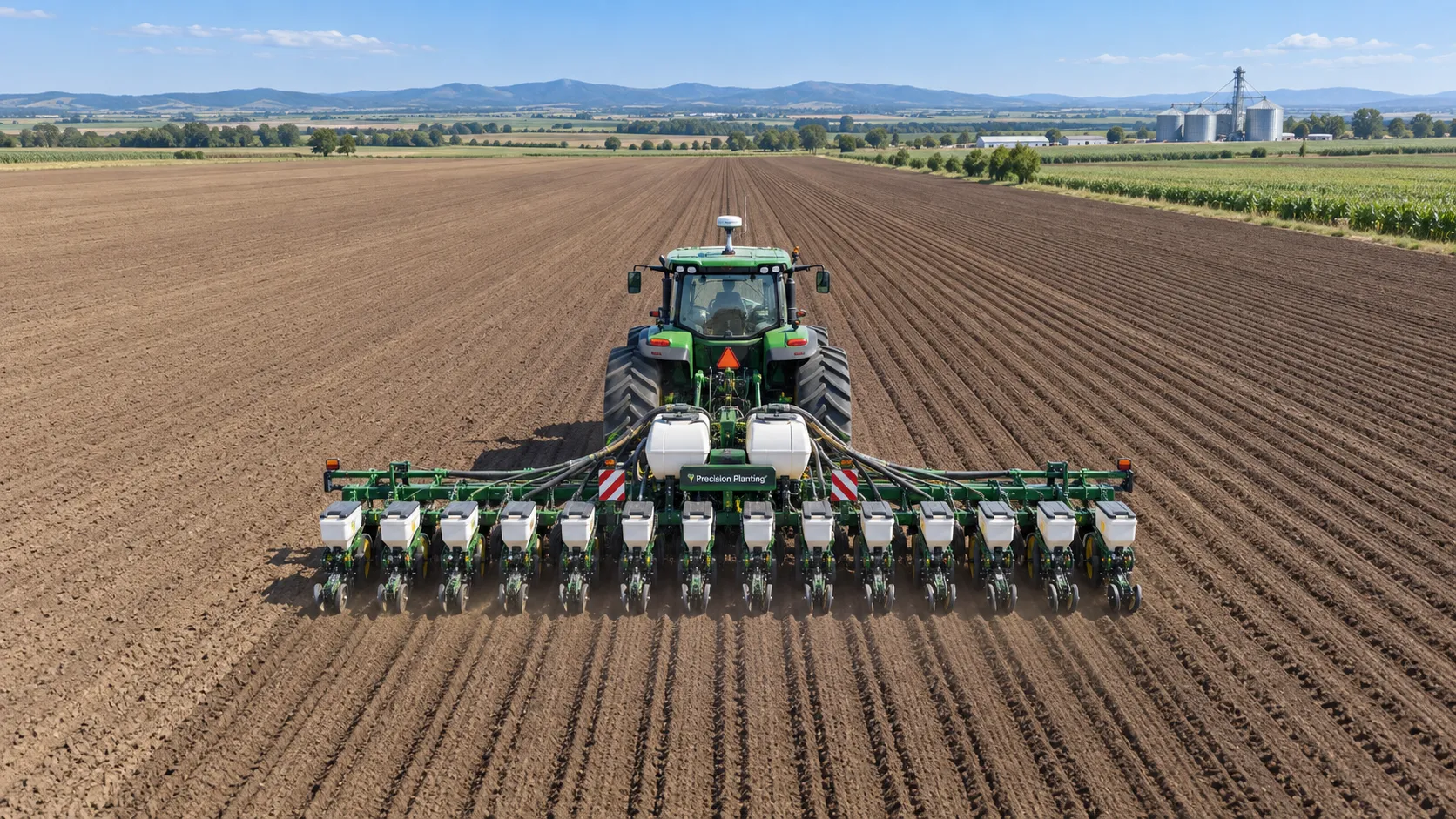
GPS-Guided Farm Machinery: Where It Delivers Measurable Field Efficiency Gains
Agri-mechanization GPS guided systems deliver measurable field efficiency gains through reduced overlap, precise planting, smarter inputs, and reliable farm data.
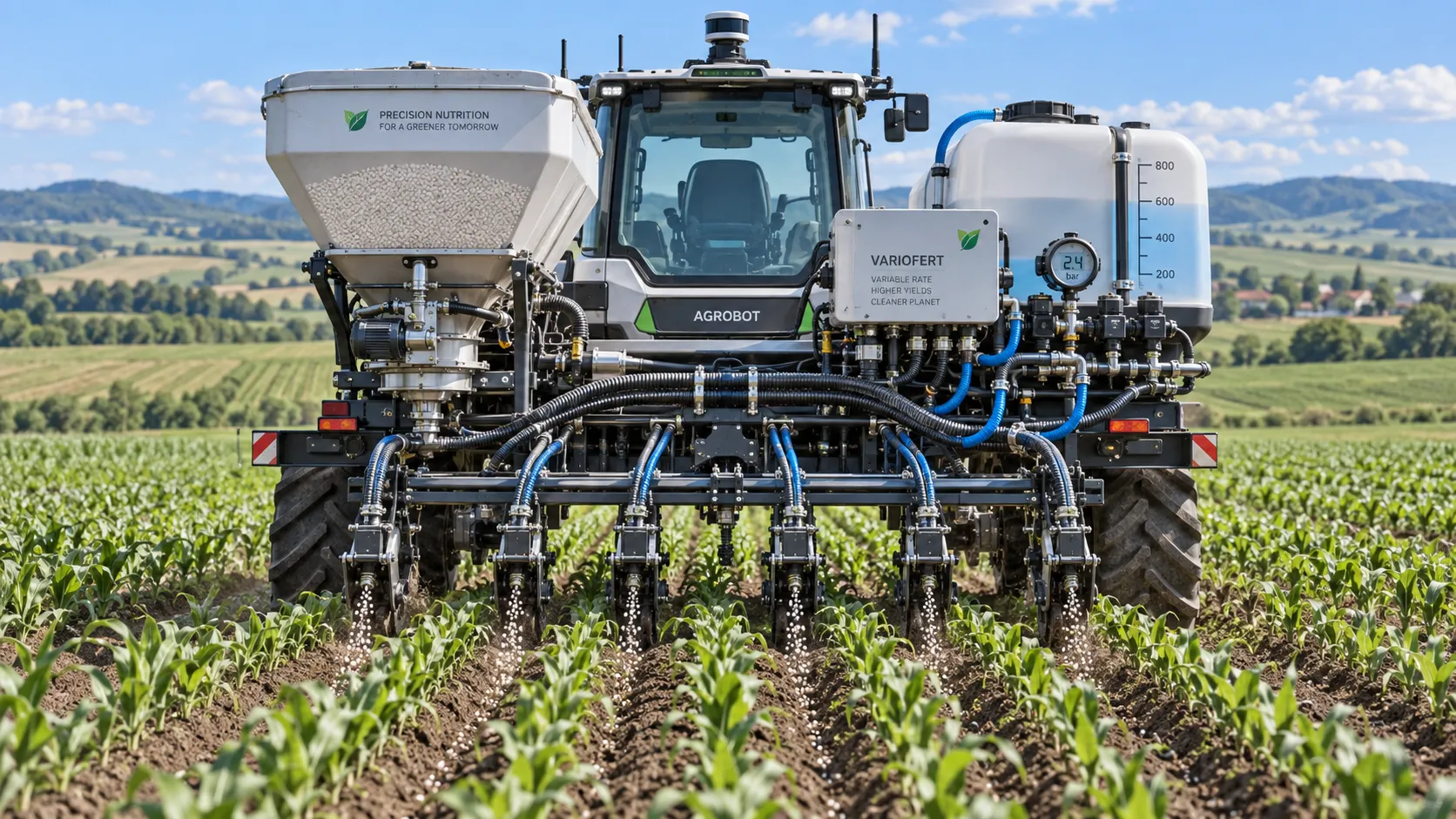
How Sensor Feedback Enables Accurate Variable-Rate Fertilization in Field Conditions
Precision fertilization systems with sensor feedback improve variable-rate accuracy by verifying flow, managing latency, and ensuring reliable field application.
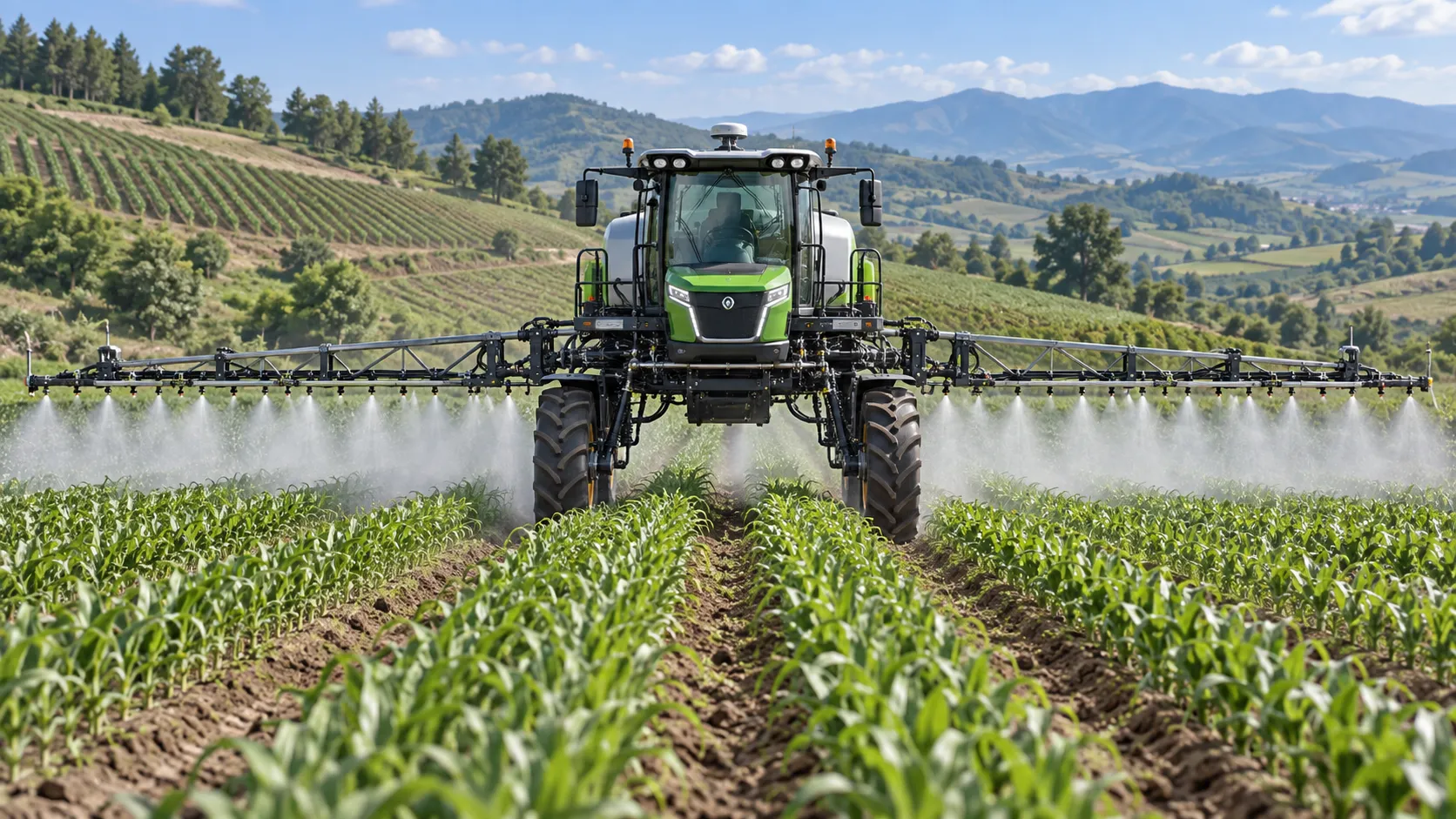
How to Select Precision Crop Protection Equipment for Variable Field Conditions
Precision crop protection equipment selection made simple: compare terrain, canopy, weather, control accuracy, and data workflows for reliable applications.
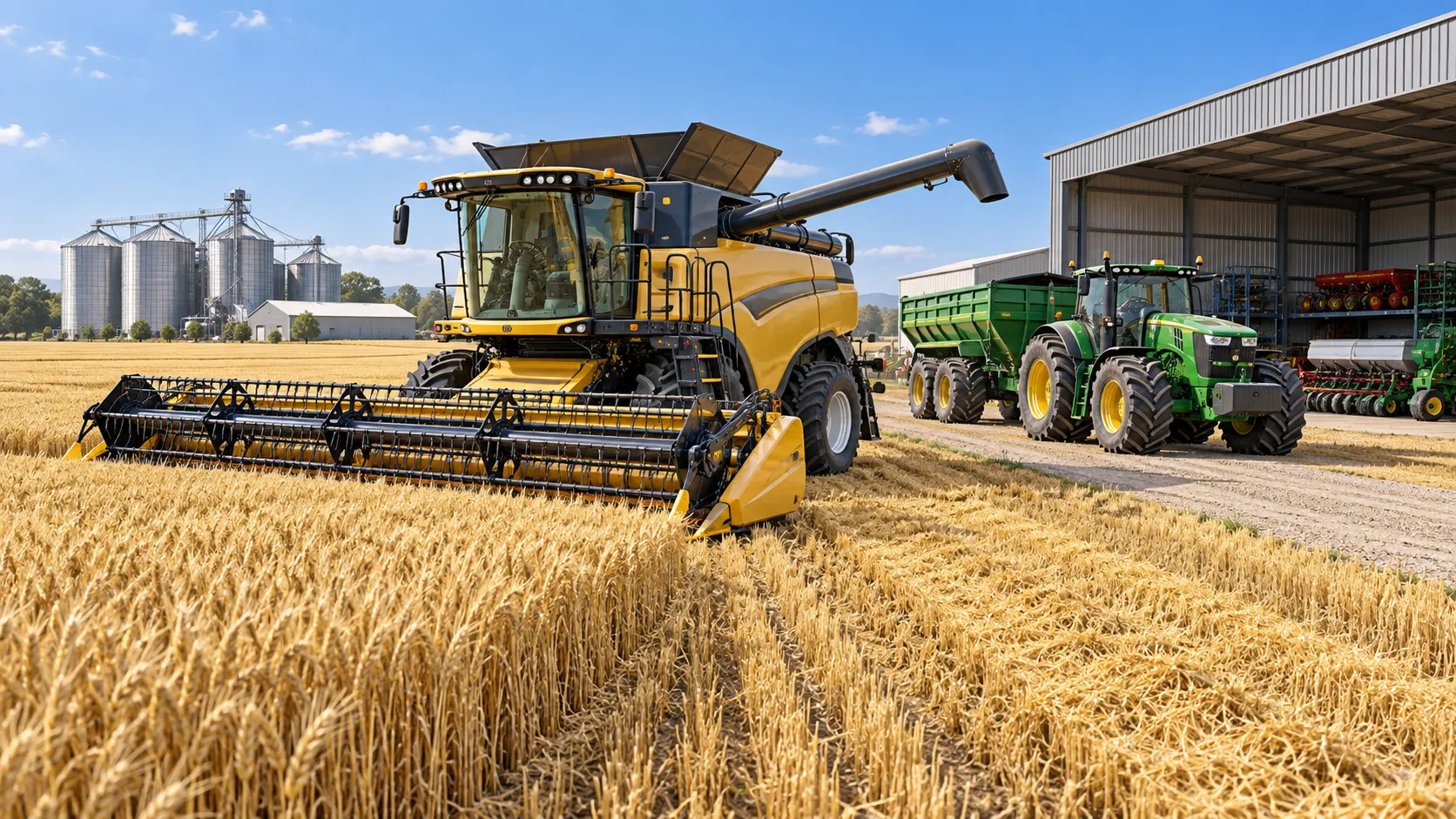
When Does Agricultural Machinery Leasing Cost Less Than Owning Equipment?
Agricultural machinery leasing can lower farm costs when use is seasonal or uncertain. Compare utilization, maintenance, cash flow, and risk to make a smarter equipment decision.
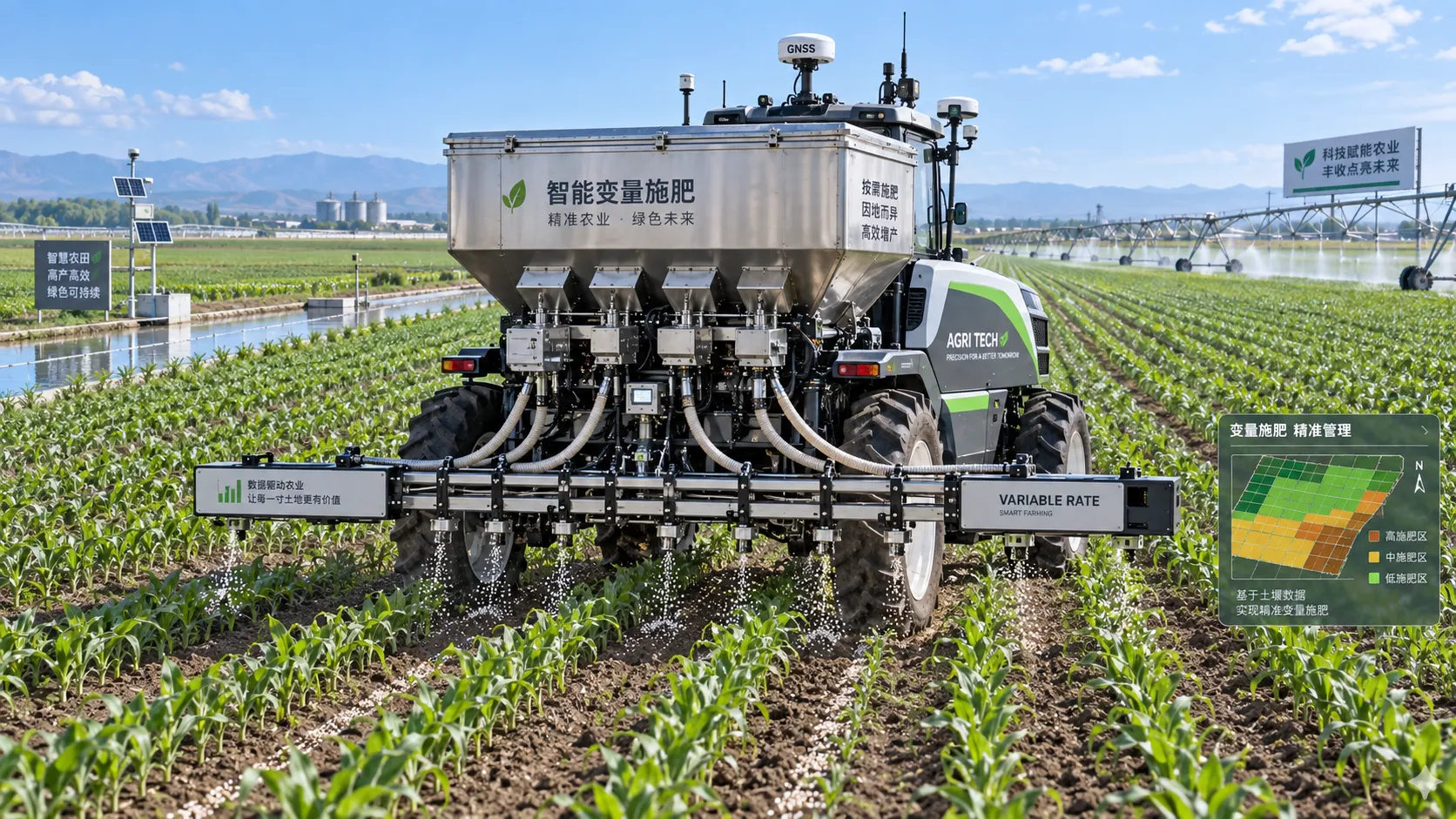
How to Evaluate Precision Fertilization System Suppliers for Farm-Scale Deployment
Precision fertilization systems suppliers: learn how to compare accuracy, integration, uptime, service, and total cost for confident farm-scale deployment.
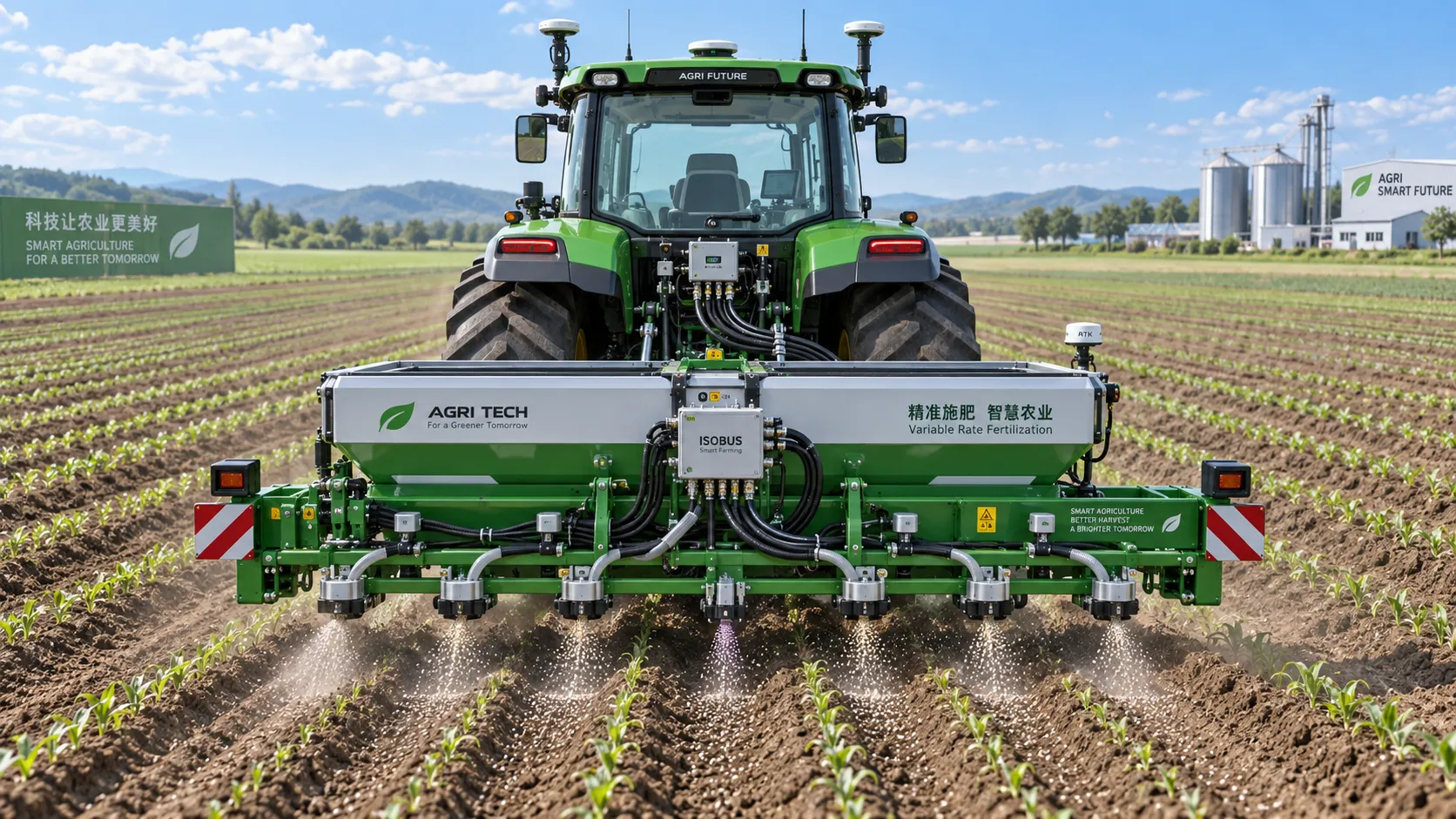
ISOBUS for Smart Agriculture: How It Connects Tractors, Implements, and Farm Data
ISOBUS for smart agriculture connects tractors, implements, terminals, and farm data—helping growers improve precision, documentation, and smarter field decisions.
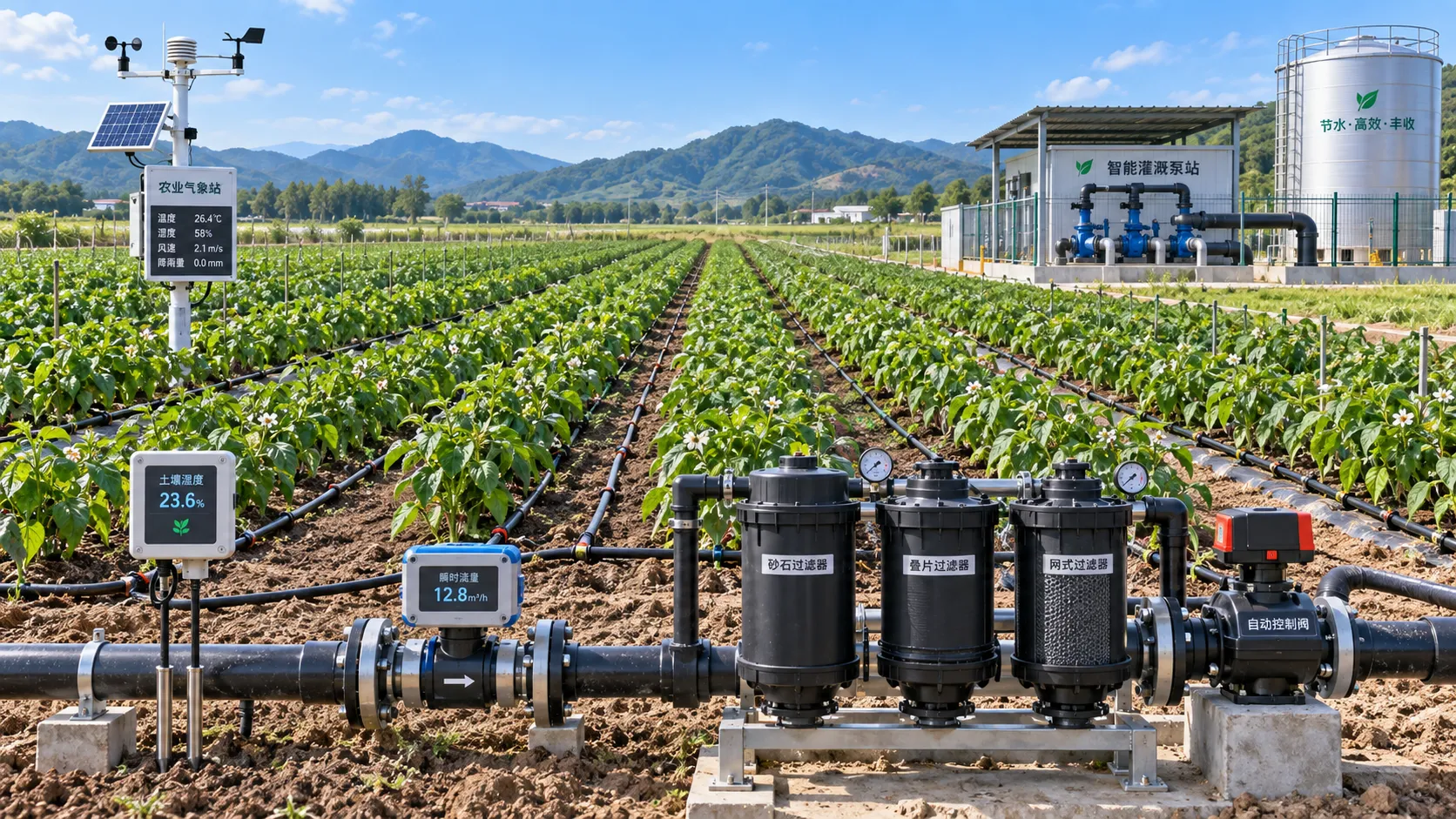
Automated Water-Saving Irrigation: How to Cut Water Use Without Reducing Crop Yields
Automated water-saving irrigation helps farms cut water use, protect crop yields, improve scheduling, and gain reliable control with sensors, flow monitoring, and smart zones.
Related News
- 00
0000-00
How Digital Agriculture Platforms Turn Field Data Into Better Input Decisions - 00
0000-00
When Does Agricultural Machinery Leasing Cost Less Than Owning Equipment? - 00
0000-00
Selecting Grain Farm Equipment by Acreage, Crop Mix, and Harvest Window - 00
0000-00
Poultry Equipment Selection: Evaluating Durability, Cleaning, and Compatibility - 00
0000-00
How to Select Heavy-Duty Farm Implements for High-Acreage, High-Horsepower Operations
Popular Tags
Ms. Elena Rodriguez
Weekly Insights
Stay ahead with our curated technology reports delivered every Monday.