
Poultry Equipment Selection: Evaluating Durability, Cleaning, and Compatibility
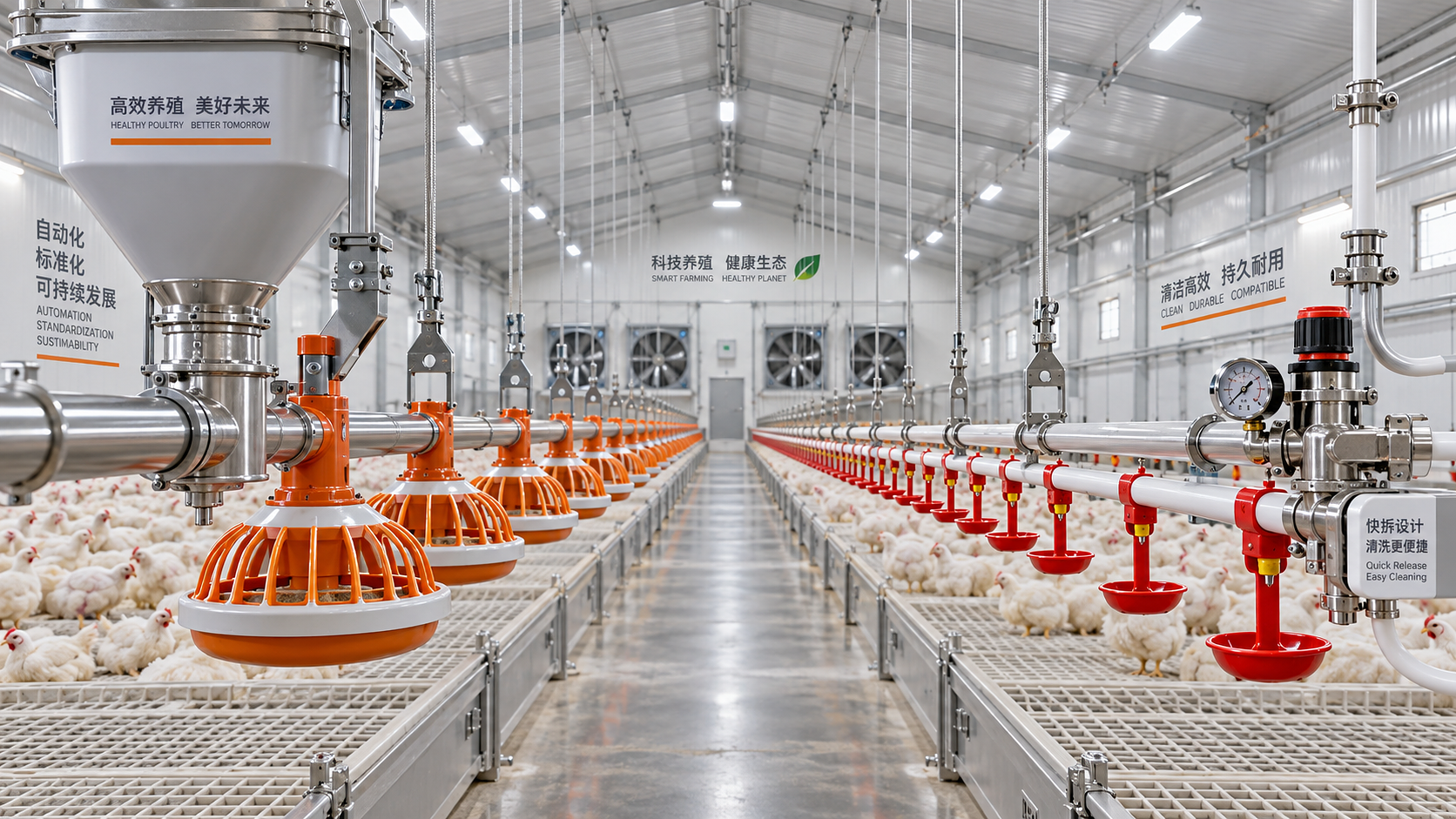




Equipment failures in poultry houses rarely begin with a dramatic breakdown. More often, they start with surfaces that retain moisture after washing, fittings that loosen under repeated vibration, drinker lines that cannot be flushed effectively, or interfaces that make routine maintenance unnecessarily slow. For technical evaluators, the task is not simply to compare catalog specifications. It is to determine whether a system will remain hygienic, functional, and serviceable through repeated production cycles.
Durability, cleanability, and compatibility should be assessed together. A component may be structurally strong but difficult to sanitize. A feeder may be easy to wash but poorly suited to the building layout or feed delivery method. A replacement part may fit physically while creating a pressure, electrical, or control mismatch. These issues can increase labor requirements, disrupt bird access to feed or water, and complicate biosecurity procedures.
Start with the operating conditions, not the product category
A useful evaluation begins with the farm’s actual operating environment. Broiler, layer, breeder, pullet, and hatchery operations may use similar equipment categories, yet their loading patterns, cleaning routines, bird densities, and control requirements differ. A system selected for one type of house may not perform as intended in another.
Technical teams should document the conditions that equipment must withstand before reviewing supplier options. These conditions usually include:
- House length, width, ceiling height, and floor condition;
- Bird type, stocking density, flock age range, and production cycle duration;
- Humidity, dust load, ammonia exposure, and local temperature variation;
- Water quality, including sediment, mineral content, and potential biofilm risk;
- Cleaning methods, such as low-pressure washing, high-pressure washing, foam cleaning, or dry cleaning;
- Available power supply, backup power arrangements, and control architecture;
- Existing feed conveyance, ventilation, heating, and manure-handling systems;
- Maintenance capability, spare-parts storage, and access to trained service personnel.
This site-specific record prevents a common procurement mistake: comparing nominal product quality without considering the environment that will accelerate wear. For example, metal parts installed near wet areas may require greater corrosion resistance than components placed in dry feed storage zones. Equipment exposed to frequent washdowns must be judged differently from equipment that is normally cleaned mechanically or with compressed air.
Durability is more than material thickness
Durability is often reduced to a question of stainless steel versus galvanized steel, or heavy plastic versus light plastic. Material selection matters, but equipment life also depends on geometry, joints, moving parts, load paths, coatings, and the way components are assembled in the house.
Evaluate material according to the exposure zone
Different parts of a poultry system face different risks. Water-contact components are exposed to moisture, mineral deposits, disinfectants, and biological residues. Feed systems face abrasion from feed particles, dust intrusion, motor loading, and impact from birds or service tools. Suspended lines carry static and dynamic loads through hangers, winches, cables, and connection points.
Galvanized steel can be suitable for many structural applications, but cut edges, damaged coatings, poorly protected fasteners, and areas that hold standing water may corrode earlier than the main frame. Stainless steel may offer better corrosion resistance in selected wet or chemically exposed areas, yet grade selection, weld finishing, and crevice design still matter. A stainless component with inaccessible seams can remain difficult to clean, while a poorly designed drain path can trap liquid regardless of material.
Polymer components should be examined for resistance to ultraviolet exposure where daylight enters the building, repeated detergent contact, impact, and temperature cycling. Brittle plastics can crack around clips, threaded connections, and mounting holes. For parts that are frequently removed during cleaning, the quality of latches, hinges, and locking tabs may be more important than the apparent strength of the main body.
Inspect joints, suspension points, and service interfaces
Many field failures occur at interfaces rather than along the main equipment run. Technical reviews should look closely at couplings, threaded fittings, welds, brackets, cable anchors, gearbox mounts, electrical glands, and transition points between different materials. These areas can concentrate load, collect contaminants, or become difficult to inspect after installation.
For suspended feeding and drinking lines, assess the rated arrangement of winches, drop tubes, hangers, and support spacing. The system should maintain its intended level under operating load and during raising or lowering. Uneven suspension can affect feed distribution, nipple drinker height, bird access, and drainage during cleaning. A line that becomes difficult to level may create daily management problems even if individual components remain intact.
Motorized systems require attention to overload protection and practical access for inspection. A drive unit located where it cannot be safely serviced may extend downtime for a relatively minor fault. Check whether chain tension, auger condition, gearbox oil level where applicable, and motor connections can be inspected without dismantling large sections of the installation.
Cleanability should be measured by access, drainage, and reassembly risk
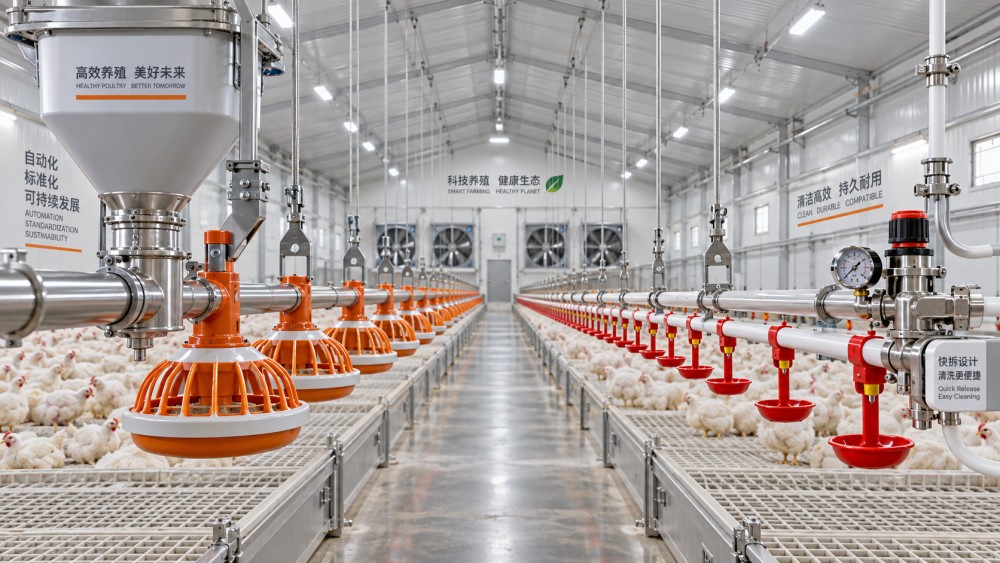
Clean equipment is not necessarily equipment with a smooth visible surface. Effective cleaning depends on whether organic matter, dust, feed residue, scale, and moisture can be removed from the areas where they accumulate. It also depends on whether the equipment can be returned to service without missed seals, incorrect fittings, or damaged components.
A practical review asks three questions: Can personnel reach the area? Can cleaning fluid and debris escape? Can the unit be reassembled correctly under routine farm conditions?
Look for retention points
Feed pans, hoppers, drinker regulators, end caps, troughs, fan guards, and conveyor transitions should be examined for corners, overlaps, deep threads, unsealed joints, and horizontal ledges. These features may retain feed dust or wash water. If water remains in a low point after cleaning, it can contribute to corrosion, microbial growth, or freezing risk in cold conditions.
Water systems deserve particular attention because internal surfaces cannot always be inspected directly. Line flushing capability, end-of-line access, filter placement, pressure regulation, and drain arrangements influence whether the system can be maintained between flocks. The cleaning process should match the line material and the chemicals intended for use. A procedure that relies on harsh chemicals without confirming component compatibility can shorten seal or diaphragm life.
Removable parts are useful only when removal is realistic. If a feeder pan requires special tools, extensive disassembly, or two people to release safely, routine cleaning may be deferred. Conversely, a quick-release mechanism must remain secure during operation and should not create gaps that trap debris. The best design is usually one that reduces inaccessible surfaces without making the equipment fragile or difficult to reinstall.
Assess cleaning as a workflow, not a single task
Technical evaluators should map the cleaning sequence from flock removal to recommissioning. Consider how equipment is raised, isolated, drained, washed, dried, inspected, and tested. The review should include the areas beneath suspended lines, the clearance around wall-mounted controls, and access to the ends of long conveyors or water lines.
Cleaning also creates its own mechanical load. High-pressure water can force moisture into poorly sealed housings or electrical enclosures. Repeated movement of lines can wear cables and pulleys. Chemical residues may remain on seals or metal surfaces if rinsing is incomplete. Equipment that survives normal operation but degrades rapidly during sanitation is not durable in the full production-cycle sense.
Compatibility determines whether components work as a system
Poultry houses are integrated environments. Feeding, watering, ventilation, heating, lighting, alarms, and controls influence one another. Compatibility should therefore include mechanical fit, utility requirements, control communication, sanitation practices, and operating logic.
When comparing poultry equipments, evaluators can use an equipment-planning approach that separates individual component specifications from whole-system requirements. A feed line, for example, should be checked against silo outlet geometry, auger capacity, feed form, sensor arrangement, pan spacing, and available electrical supply. A drinker line should be reviewed with respect to water pressure, filtration, medicator installation, flushing access, line support, and the intended bird height range.
Mechanical compatibility includes dimensions, mounting methods, connection diameters, and allowable loads. It should not be assumed that parts described as standard are interchangeable. Thread types, pipe sizes, cable fittings, controller terminals, and connector protection ratings can vary. Confirm these points through drawings, samples, or documented interface details before installation begins.
Electrical and control compatibility can be less visible but equally consequential. Motors may require different voltage, phase, frequency, starting methods, or overload settings. Sensors can use different signal types, and control panels may not accept every external device without appropriate relays, converters, or programming. Where automated controls are involved, clarify what happens if communication is lost. A safe default state for ventilation, feeding, or alarms should be defined before commissioning.
Use lifecycle cost to compare alternatives fairly
Purchase price is visible, while cleaning time, replacement labor, unplanned stoppages, and spare-part delays are often underestimated. Lifecycle evaluation does not require uncertain financial forecasts; it requires a disciplined comparison of likely service demands.
For each major item, record the expected inspection frequency, routine consumables, parts that are vulnerable to wear, cleaning access requirements, and the tools needed for adjustment or repair. Ask whether common failure items can be replaced individually or only as larger assemblies. A lower-cost component may be reasonable when it is easy to inspect and replace, but less suitable when its failure stops a critical line or requires extensive dismantling.
Spare-parts planning should focus on operational consequence. Keep particular attention on components whose absence can stop feed distribution, water delivery, environmental control, or alarm functions. Part identification is also important. Clear labeling, exploded diagrams, and unambiguous item codes reduce the risk of ordering an incorrect replacement under time pressure.
Build verification into procurement and commissioning
Technical selection should end with verifiable acceptance criteria rather than broad statements about quality. Procurement documents can specify drawings, material declarations where relevant, electrical data, interface dimensions, installation instructions, cleaning limitations, recommended service intervals, and spare-part lists. For complex systems, require a clear division of responsibility for installation, wiring, testing, and initial adjustment.
Before birds enter the house, test each system under realistic operating conditions. Run feed delivery long enough to identify abnormal noise, slipping, poor distribution, or sensor errors. Flush water lines and inspect for pressure loss, leaks, blocked outlets, and incomplete drainage. Raise and lower suspended equipment through its full travel. Check that alarms, backup arrangements, and manual overrides work as intended.
The strongest selection decision is rarely based on a single material or feature. It comes from matching the equipment to the house environment, verifying that sanitation can be performed consistently, and confirming that every interface can be installed and maintained without improvised workarounds. When those conditions are addressed early, durability becomes easier to preserve and compatibility becomes easier to manage over successive flock cycles.
Related News
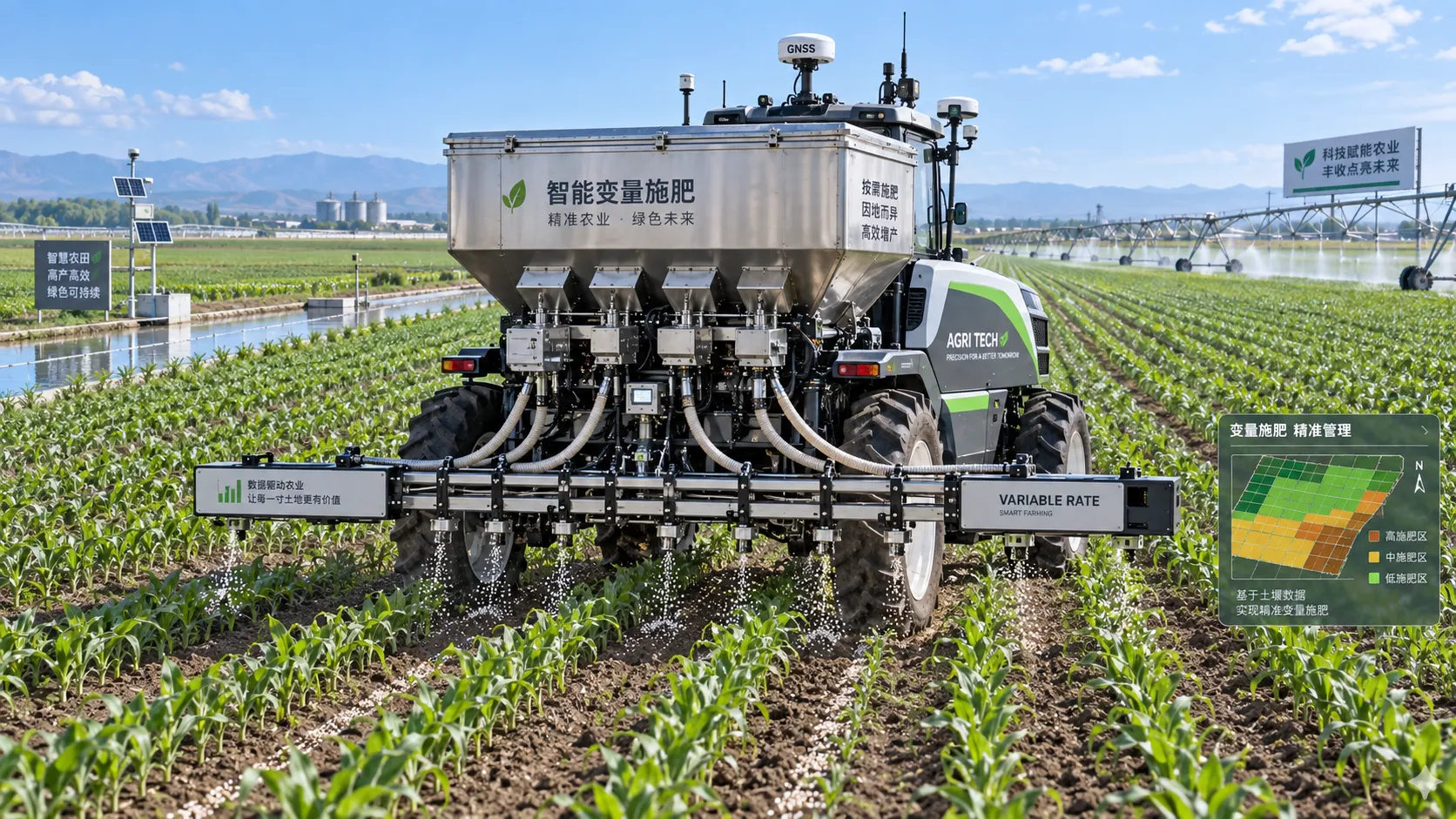
How to Evaluate Precision Fertilization System Suppliers for Farm-Scale Deployment
Precision fertilization systems suppliers: learn how to compare accuracy, integration, uptime, service, and total cost for confident farm-scale deployment.
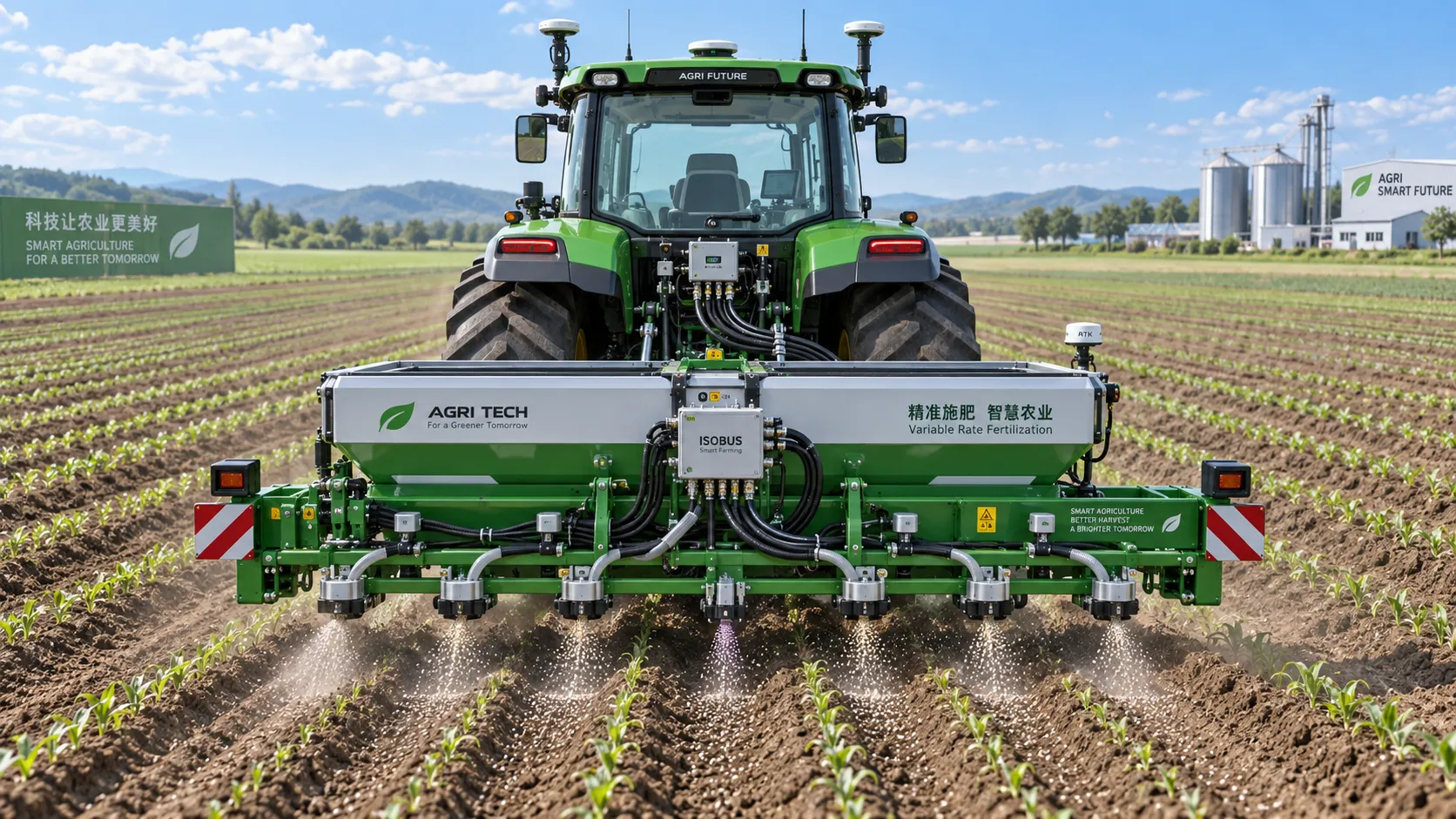
ISOBUS for Smart Agriculture: How It Connects Tractors, Implements, and Farm Data
ISOBUS for smart agriculture connects tractors, implements, terminals, and farm data—helping growers improve precision, documentation, and smarter field decisions.
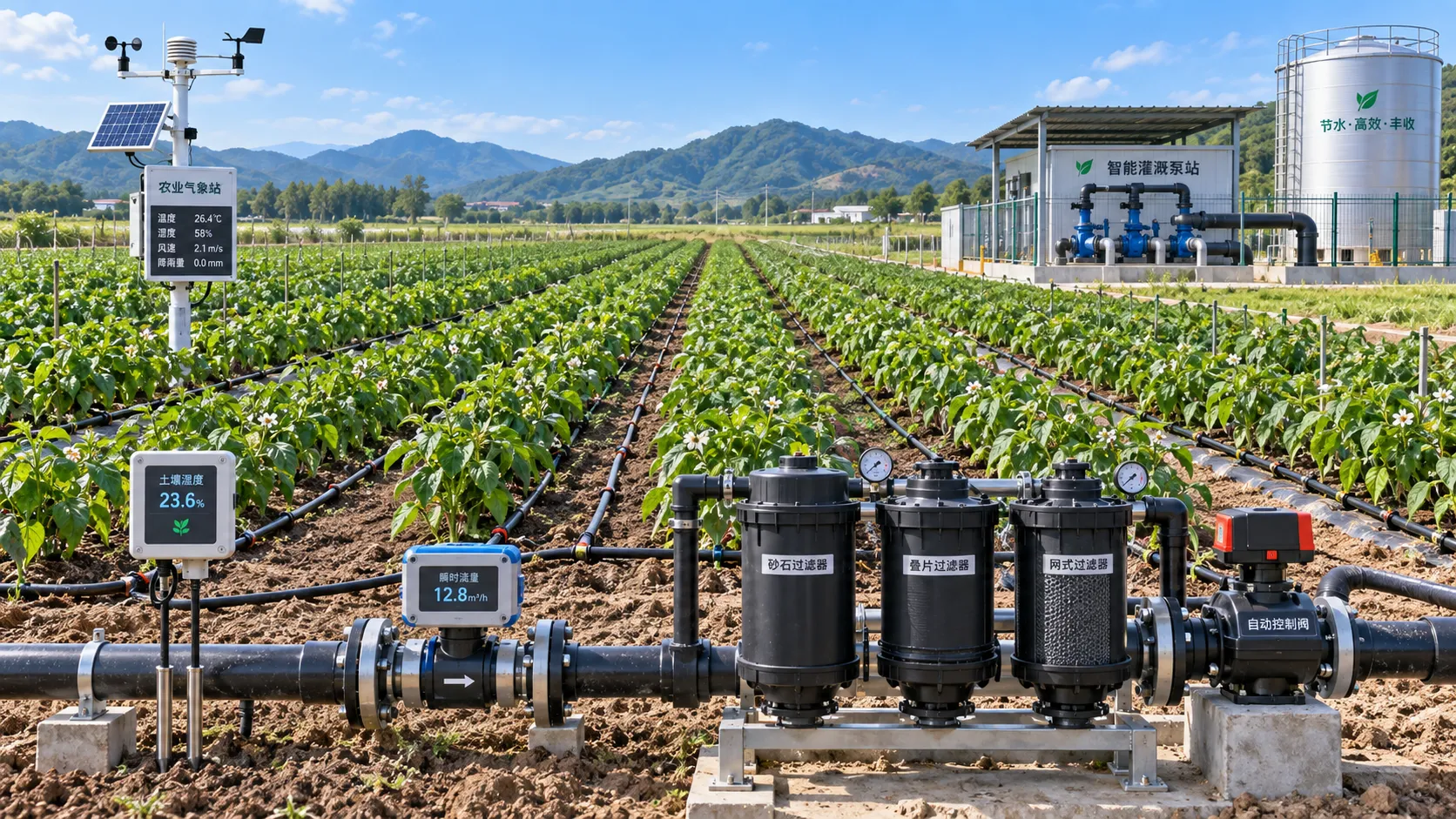
Automated Water-Saving Irrigation: How to Cut Water Use Without Reducing Crop Yields
Automated water-saving irrigation helps farms cut water use, protect crop yields, improve scheduling, and gain reliable control with sensors, flow monitoring, and smart zones.
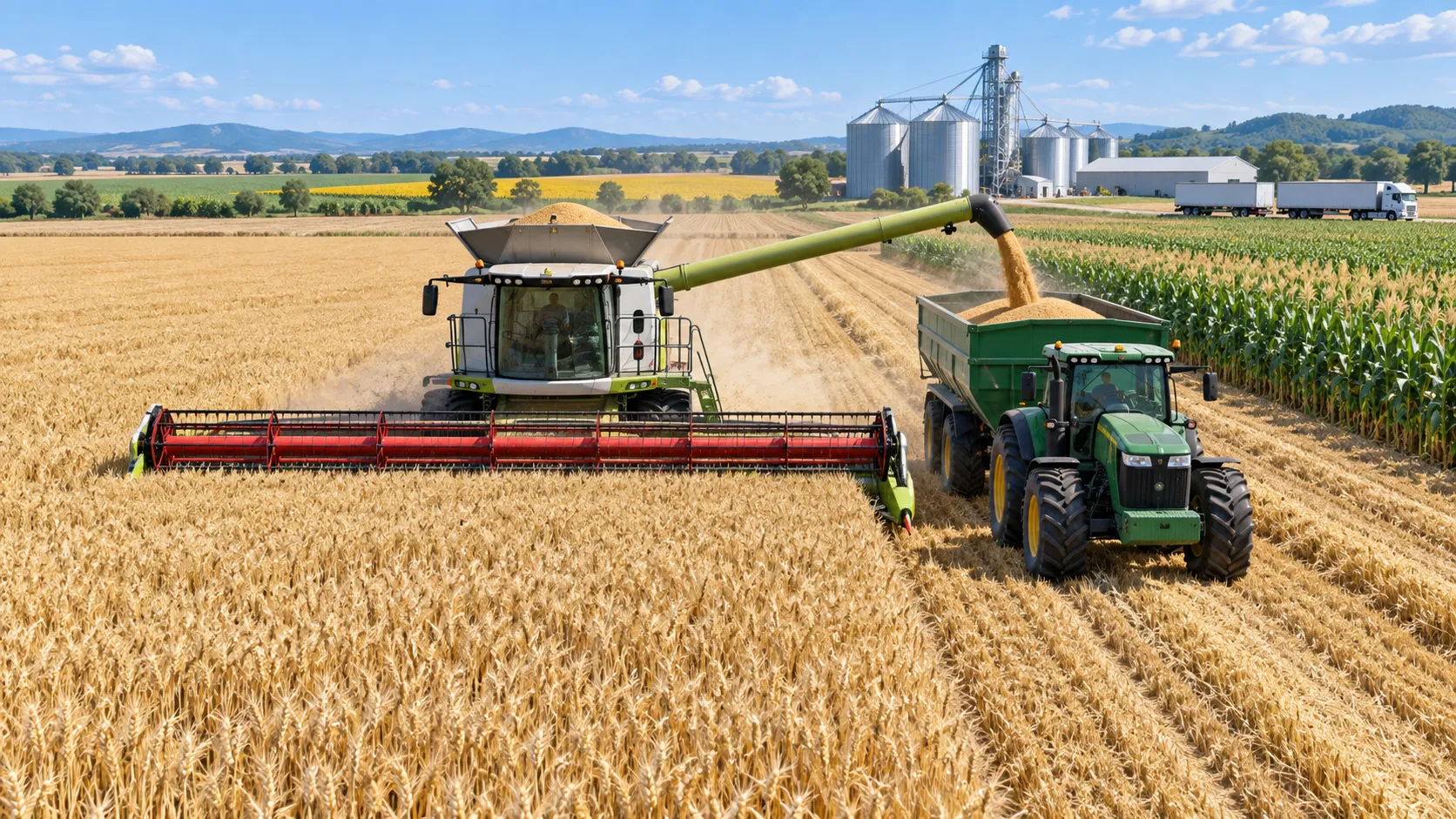
Selecting Grain Farm Equipment by Acreage, Crop Mix, and Harvest Window
Agricultural equipment selection for grain farming: match machinery to acreage, crop mix, and harvest windows to improve uptime, efficiency, and returns.
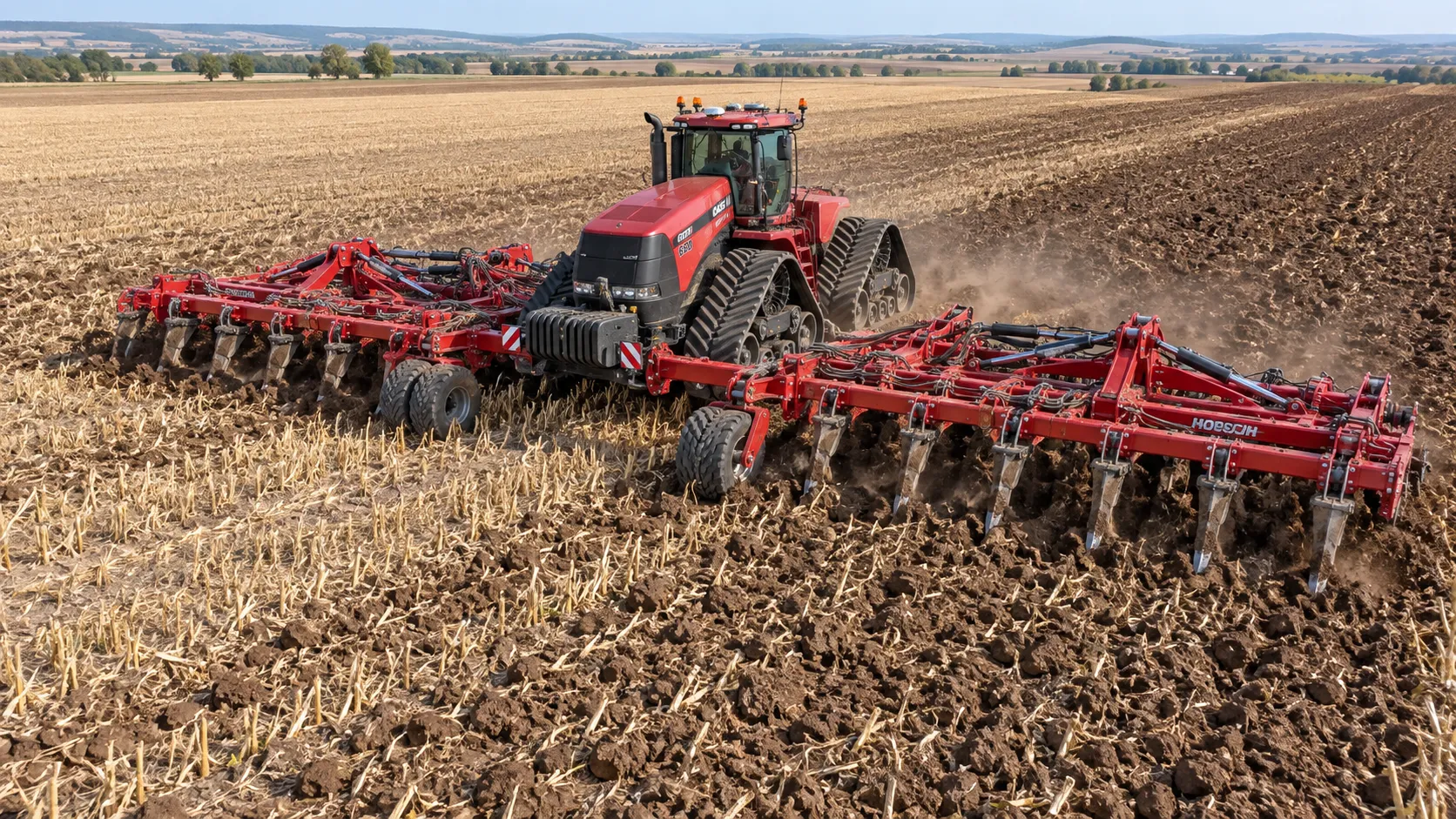
How to Select Heavy-Duty Farm Implements for High-Acreage, High-Horsepower Operations
Heavy duty farm implements: learn how to match draft, hydraulics, hitch capacity, frame strength, and field conditions for reliable high-acreage performance.
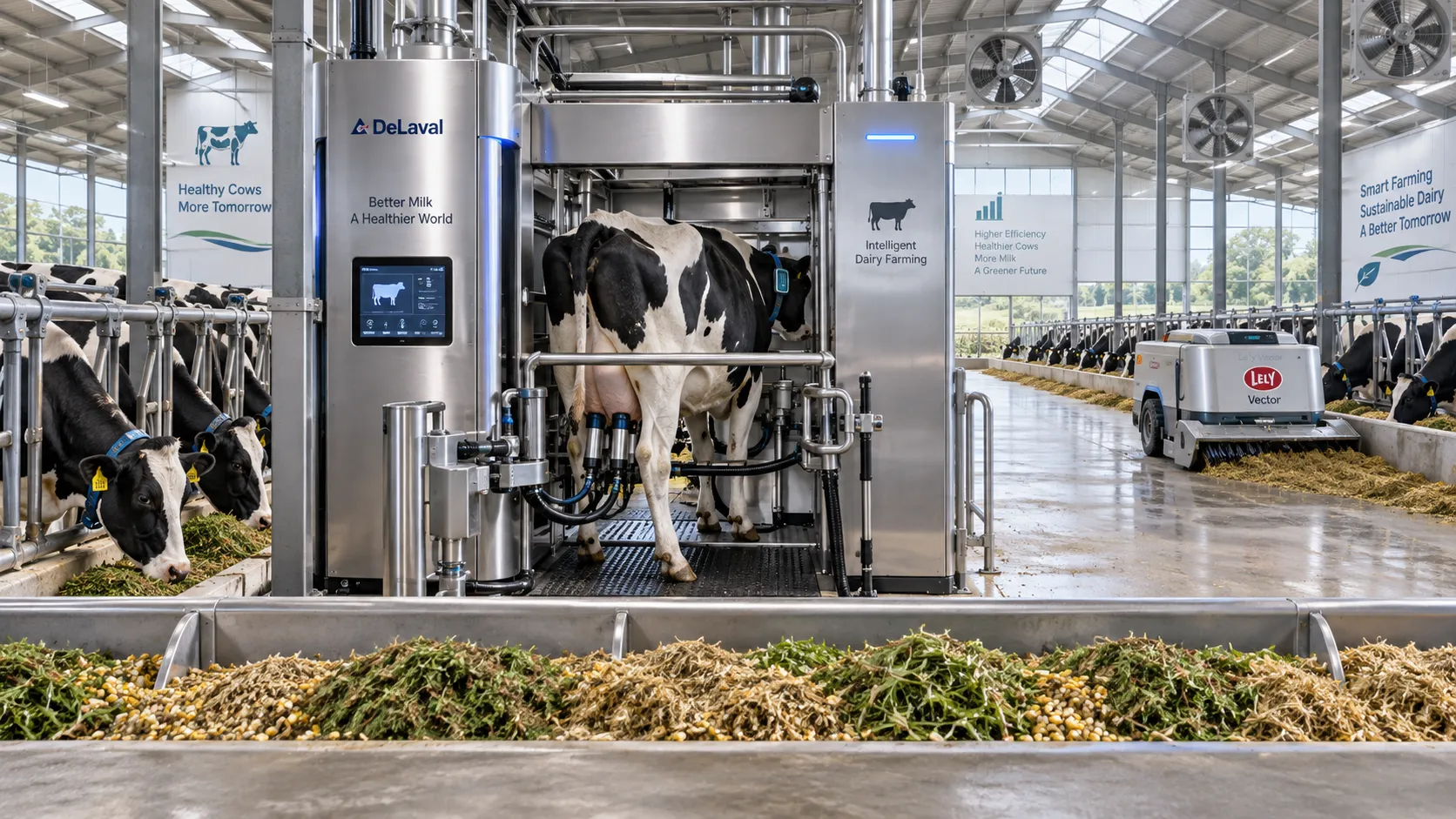
Smart Farming Technology for Dairy Farms: Where Automation Delivers Measurable ROI
Smart farming technology for dairy farms delivers measurable ROI through automation, precision feeding, health monitoring, and data-driven cost control.
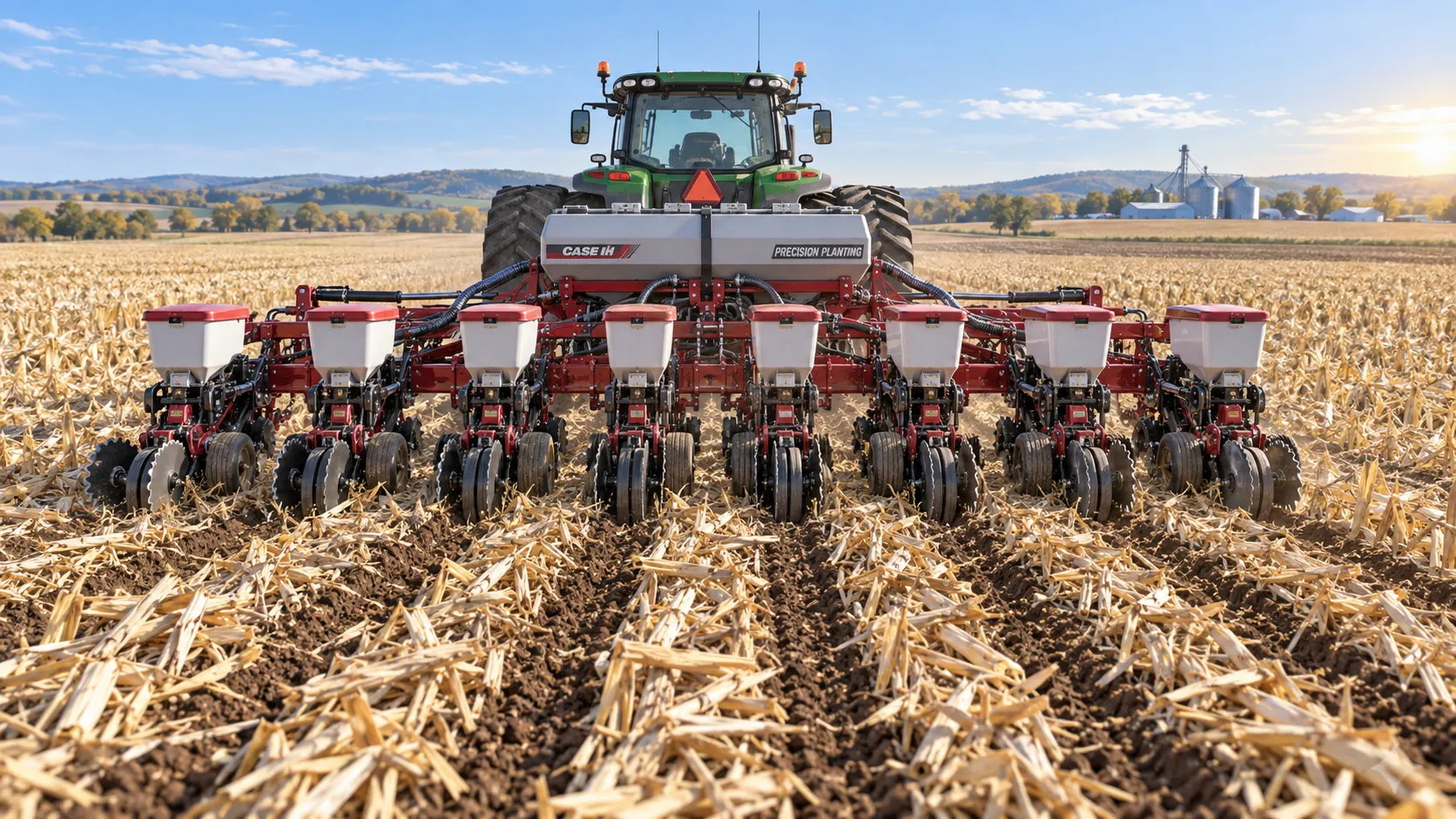
How to Select a Heavy-Duty Seeder for Large Acreage and High-Residue Fields
Heavy duty seeders for large acreage: compare residue handling, depth control, downforce, metering accuracy, and precision features to select the right model.
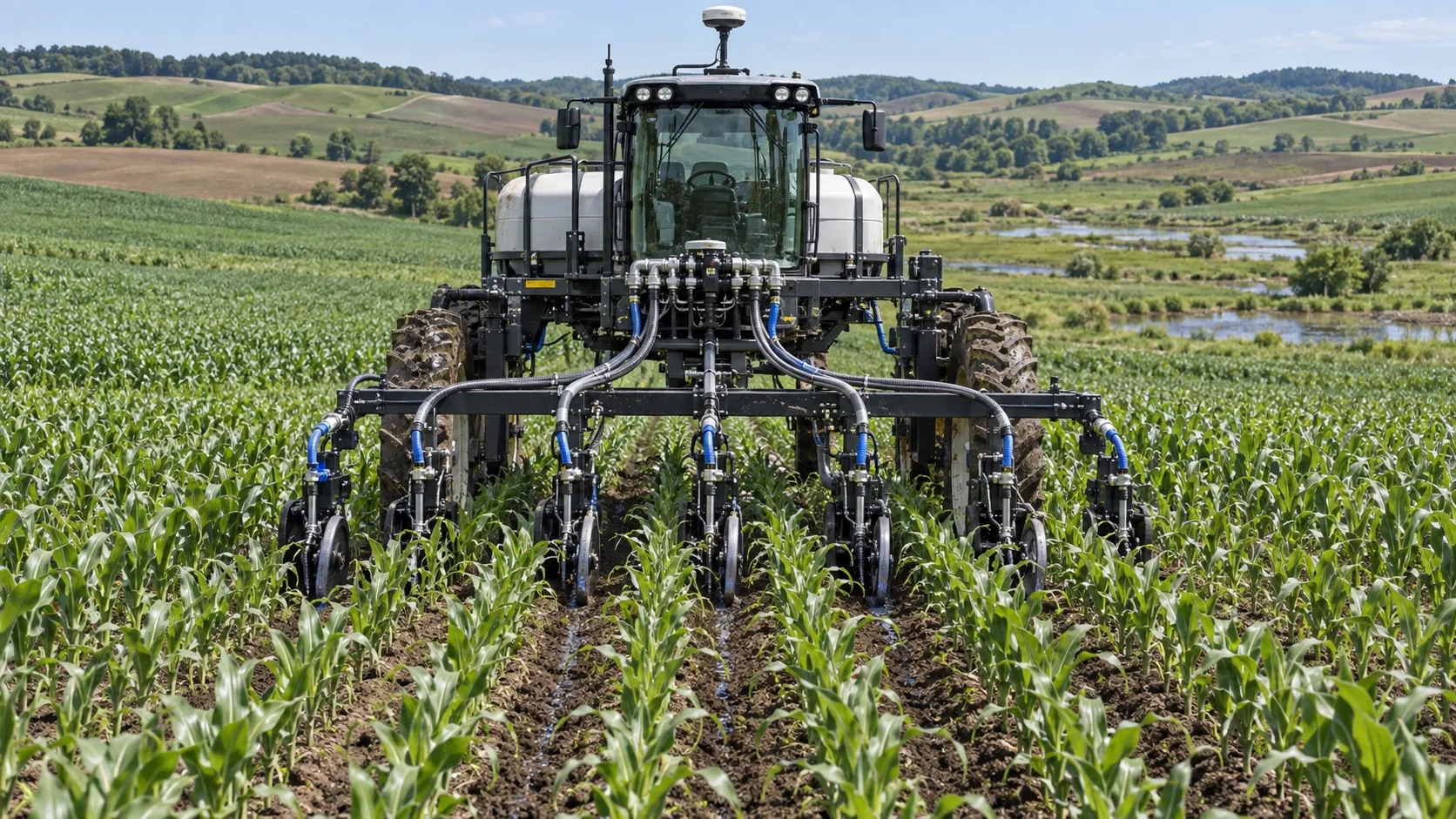
How to Select a Precision Fertilization System for Variable Corn Field Conditions
Precision fertilization systems for corn farming: learn how to match data, placement, control accuracy, and ROI to variable field conditions for better results.
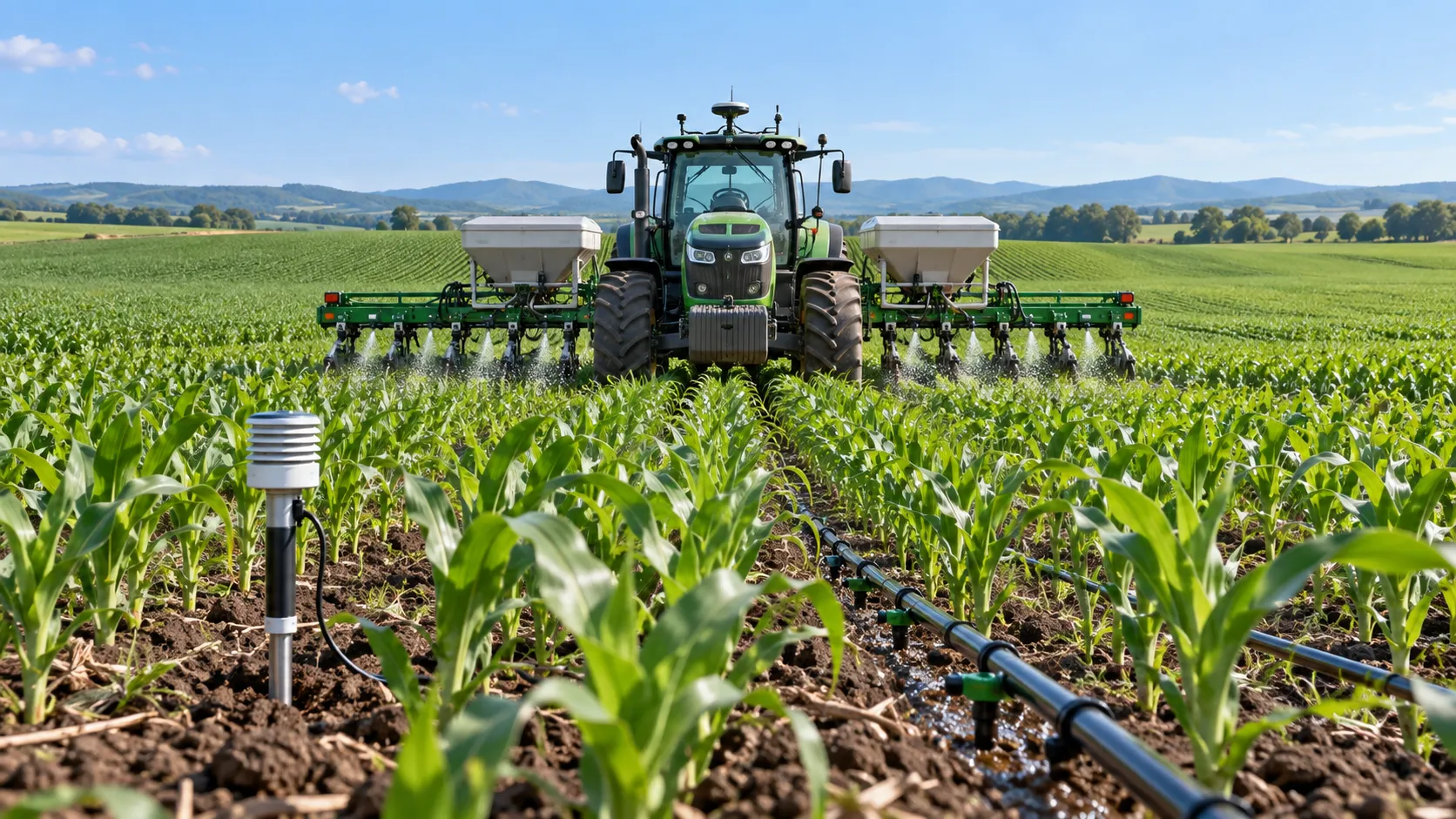
Selecting Precision Farming Products by Application: Field Conditions, Crops, and ROI
Application-based product selection for precision farming: match technology to field conditions, crops, machinery, and ROI for smarter, reliable farm investments.
Related News
- 00
0000-00
Selecting Grain Farm Equipment by Acreage, Crop Mix, and Harvest Window - 00
0000-00
Poultry Equipment Selection: Evaluating Durability, Cleaning, and Compatibility - 00
0000-00
How to Select Heavy-Duty Farm Implements for High-Acreage, High-Horsepower Operations - 00
0000-00
Smart Farming Technology for Dairy Farms: Where Automation Delivers Measurable ROI - 00
0000-00
Selecting Precision Farming Products by Application: Field Conditions, Crops, and ROI
Popular Tags
Ms. Elena Rodriguez
Weekly Insights
Stay ahead with our curated technology reports delivered every Monday.