
How to Select Heavy-Duty Farm Implements for High-Acreage, High-Horsepower Operations
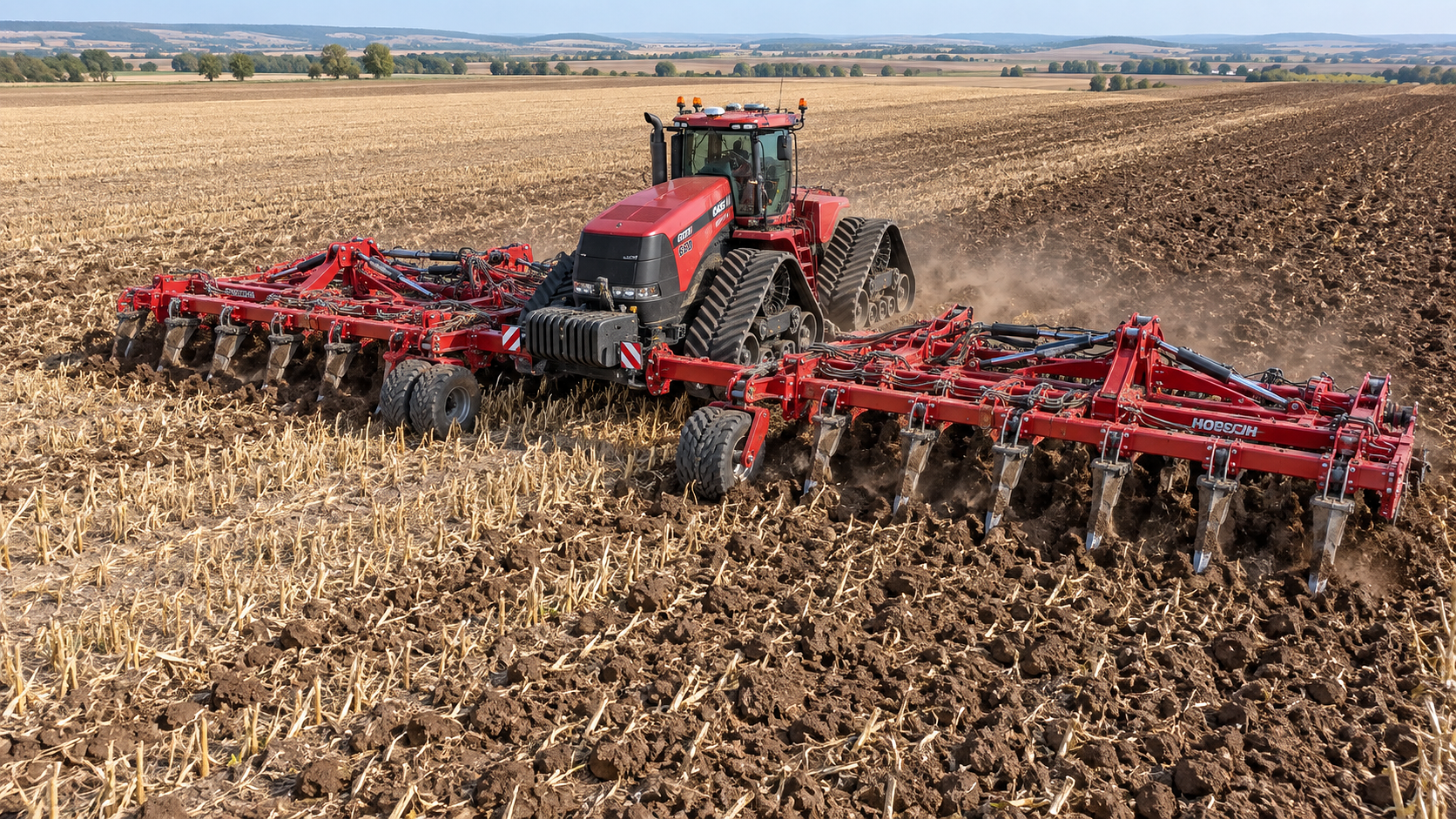




Select heavy-duty farm implements by starting with the work that must be completed during the narrowest field window, then testing whether the implement, tractor, soil, and support system can sustain that workload together. A wide tool behind a high-horsepower tractor can still become a poor fit when draft rises sharply, the hitch carries too much vertical load, hydraulic flow is insufficient, or repeated transport over rough ground damages the frame.
For high-acreage operations, the useful comparison is not simply implement width or rated horsepower. It is the expected field capacity at the required working depth, travel speed, residue condition, and soil moisture. The selected machine must maintain that capacity without forcing the tractor into excessive wheel slip, frequent downshifts, overheating, unstable steering, or damaging axle loads.
Begin with the actual field resistance
Draft demand changes far more than many nominal implement ratings suggest. A chisel plow, deep ripper, disc harrow, field cultivator, strip-till toolbar, or large planter can all be described as heavy-duty, yet each transfers load into the tractor differently. Soil texture, compaction layers, stone content, crop residue, slope, and desired depth determine the drawbar pull required in the field.
A tool that performs acceptably in dry, friable ground may become a limiting load after rainfall or in fields with dense headlands. Deep tillage is particularly sensitive: increasing depth modestly can raise draft substantially because more soil is being fractured and displaced. Wide tillage tools also encounter uneven loading when one wing crosses compacted soil while the other remains in lighter ground. This creates side draft, which can pull the tractor off line and reduce the accuracy of subsequent passes.
Ask for a draft requirement expressed for a defined configuration, including shank count, working depth, point style, disc type, and operating speed. A bare frame rating is not enough. Compare that requirement with the tractor's usable drawbar capacity rather than relying only on engine horsepower. Engine output is reduced by drivetrain losses, ballast choices, tire slip, terrain, and the power absorbed by hydraulic functions.
Separate draft load from hydraulic load
Many large implements impose both a pulling load and a substantial hydraulic demand. A folding cultivator may need hydraulic circuits for wing fold, depth control, rolling baskets, active downforce, or variable-rate systems. A planter or precision toolbar can require continuous oil flow for fans, hydraulic drives, seed delivery, and cooling, while also pulling heavily in soft ground.
Hydraulic capacity should be evaluated in three parts:
- Available flow at working engine speed: Peak pump output is less useful than the flow available while the tractor is operating in its normal power band.
- Remote valve configuration: Count the circuits that need constant flow, timed control, float position, and independent adjustment. A machine may physically connect to the tractor yet lack enough suitable remotes for full functionality.
- Oil cooling and backpressure limits: High-flow motors can generate heat quickly when hoses, couplers, return paths, or valve settings restrict circulation. Verify whether a low-pressure return connection is required.
Hydraulic compatibility errors are often discovered late because folding and lifting functions appear to work during a yard inspection. Continuous fan operation, active downforce, or multiple hydraulic drives reveal the real limitation after several hours in the field.
Match the hitch, drawbar, and tractor structure
High-horsepower tractors can pull large equipment, but the connection point must be rated for the load imposed during transport, turns, and field operation. Mounted and semi-mounted implements transfer vertical forces differently. A fully mounted tool can place a large bending load on the three-point linkage and rear axle when raised, especially if the center of gravity sits far behind the hitch points. A drawbar tool reduces that lift demand but may place more load on the drawbar, tongue, and rear tractor frame.
Examine the implement's loaded tongue weight, hitch category, pin diameter, drawbar height requirement, and allowable articulation. These details affect turning clearance, PTO shaft geometry where applicable, and the ability to keep the implement level. A mismatch in hitch height can change the attack angle of tillage components, causing the front and rear rows to work at different depths.
Transport position deserves separate attention. Folded wings, tanks, toolbars, and rear attachments can shift weight rearward or raise the center of gravity. Confirm axle loads and tire load ratings with the implement in its transport configuration, including seed, fertilizer, water, or other carried materials. Braking performance, steering response, and road width are part of the equipment fit, not administrative details added after selection.
Read the frame as a fatigue component
Heavy-duty construction is not established by steel thickness alone. The frame must survive repeated cycles of draft, lift, torsion, vibration, and shock. A large folding implement experiences different stress paths in the center section, hinge areas, wing frames, wheel arms, and toolbar clamps. Rough terrain and uneven residue create load reversals that are often more damaging over time than steady pulling force.
Inspect how the main frame members are joined and reinforced. Large box sections or structural tubes can provide stiffness, but the critical locations are often the transitions: wing hinges, cylinder mounts, gusset ends, shank brackets, and areas where a heavy component is attached to a thinner member. Smooth load paths and well-supported brackets are preferable to designs that concentrate force at a small welded tab.
Weld appearance alone cannot establish durability, but it can reveal whether fabrication details deserve closer review. Look for consistent weld coverage at highly loaded joints, adequate access for servicing nearby components, and protection for hydraulic lines routed around moving sections. Bolted joints should be accessible for torque inspection. On toolbars, clamp designs should resist movement under repeated side load without making row-unit or shank repositioning impractical.
Wear components should also be evaluated as a system. Reversible points, replaceable shins, bolt-on disc blades, bushing kits, and protected bearings can shorten repair time. However, easy replacement is only valuable when parts are locally available and the replacement process does not require disassembling adjacent structures. A low-cost wear part becomes expensive when a failed bearing or broken shank stops a wide machine during the critical work window.
Choose working width with turns and residue in mind
Maximum width is not always maximum output. Field capacity falls when headlands are short, irregular boundaries require frequent turns, bridges restrict transport width, or residue causes repeated plugging. A slightly narrower implement that holds depth and runs consistently can cover more ground over a season than an oversized tool that must slow down or stop frequently.
Evaluate the entire pass sequence. Does the implement leave enough clearance for residue flow? Are gang angles, shank spacing, and frame height appropriate for the crop rotation? Can wings float independently enough to follow rolling terrain without leaving unworked strips or digging excessively? A wide rigid frame may produce uneven depth on undulating land even when its total width looks efficient on paper.
For residue-intensive systems, vertical clearance and the distance between working elements deserve close scrutiny. Tight spacing can improve soil engagement in some conditions but can trap long stalks, root balls, or damp residue. Disc size and blade spacing influence cutting and mixing, while shank geometry influences residue lift and soil fracture. The required outcome matters: shallow residue sizing, full-width cultivation, deep compaction relief, and seedbed finishing each call for different layouts.
Do not treat tires and ballast as tractor-only decisions
Tractor traction determines whether implement capacity is usable. Insufficient ballast leads to wheel slip and lost field speed; excessive ballast raises compaction and can overload tires or axles. Track systems, duals, and single large tires each change flotation, lateral stability, turning behavior, and transport width. The appropriate setup depends on soil bearing strength, slope, road travel, and whether the implement carries substantial tongue weight.
A machine that pulls evenly in firm conditions may cause pronounced rutting in wetter fields. That is not merely a traction issue. Ruts affect depth control, seed placement in later passes, and the service life of wheel assemblies. Where trafficability varies across the farm, consider whether the equipment needs adjustable working depth, sectional control, or a different timing strategy rather than assuming a heavier tractor will solve every condition.
Ballast calculations should include the raised and lowered positions of mounted equipment, as well as front-end stability during turns. With drawbar implements, assess the rearward weight transfer created by tongue load and draft. The front axle must retain enough load for steering and braking control, particularly on uneven terrain.
Automation should support the implement's mechanics
Guidance, section control, implement steering, variable-rate application, and depth monitoring can improve execution, but their value depends on mechanical repeatability. A toolbar that wanders because of hitch play, worn pivots, or severe side draft will not hold a precise path simply because the tractor has accurate guidance. Similarly, a variable-rate system cannot correct poor meter calibration, inconsistent downforce, or blocked delivery lines.
Review the communication architecture before ordering. Confirm connector types, controller compatibility, display requirements, implement software access, and the availability of diagnostic information. For equipment with multiple electronically controlled functions, determine what happens when a sensor fails: does the machine retain a workable manual mode, stop a single section, or disable the full system?
Depth, pressure, seed, and flow data should be useful for diagnosing field performance, not merely displayed. A practical system identifies the affected row, section, or hydraulic circuit and records enough context to distinguish a mechanical fault from changing soil conditions. Closed-loop automation is most effective where the implement has responsive actuators and stable sensing; it is less convincing where the underlying tool geometry changes slowly or soil resistance varies abruptly over short distances.
Compare lifecycle exposure before comparing purchase quotes
Two similar-looking implements can create very different downtime exposure. The important questions concern parts lead time, service access, common failure points, and whether the machine can be repaired with ordinary shop equipment. Ask for maintenance intervals, lubrication points, bearing replacement procedures, hydraulic hose routing diagrams, torque requirements, and a complete list of consumable wear parts for the intended configuration.
Dealer support is best assessed through specifics: availability of field service during seasonal peaks, parts stocking for the exact model, access to technical documentation, and escalation procedures for electronic or hydraulic faults. A nearby outlet is not automatically sufficient if it does not support large-frame versions or carry the assemblies that fail under high-acreage use.
Transport and assembly should be reviewed before delivery. Very wide implements may arrive partially disassembled, requiring lifting equipment, clear assembly space, and time for setup before field work begins. Verify shipment dimensions, component weights, required hydraulic connections, initial calibration tasks, and whether final inspection includes wing synchronization, depth setting, torque verification, and software commissioning.
Use a field-specific evaluation sequence
Build the comparison around representative fields rather than catalog categories. Define the hardest expected conditions: deepest working depth, heaviest residue, steepest slopes, most compacted zones, and the longest transport route. Then compare candidate implements in the configuration actually intended for use, including finishing attachments, tanks, row units, and control systems.
- Establish the required acres per workable day and convert that target into a realistic operating width and speed, allowing for turns, filling, adjustments, and transport.
- Match tractor drawbar power, hydraulic flow, hitch capacity, axle limits, and traction setup to the loaded implement rather than its base-frame specification.
- Review frame transitions, hinge assemblies, wheel arms, shank mounts, bearings, and hose protection where fatigue and shock loads concentrate.
- Confirm that residue clearance, contour following, and depth control suit the actual rotation and soil profile.
- Obtain the maintenance and support details needed to judge recovery time when a wear component, hydraulic line, sensor, or electronic controller fails.
The strongest selection is usually the implement that maintains a stable working result across difficult fields while staying within the tractor's traction, hydraulic, structural, and transport limits. That margin is what keeps high-acreage equipment productive when field conditions stop resembling the ideal rating sheet.
Related News
Smart Farming Technology for Dairy Farms: Where Automation Delivers Measurable ROI
Smart farming technology for dairy farms delivers measurable ROI through automation, precision feeding, health monitoring, and data-driven cost control.
How to Select a Heavy-Duty Seeder for Large Acreage and High-Residue Fields
Heavy duty seeders for large acreage: compare residue handling, depth control, downforce, metering accuracy, and precision features to select the right model.
How to Select a Precision Fertilization System for Variable Corn Field Conditions
Precision fertilization systems for corn farming: learn how to match data, placement, control accuracy, and ROI to variable field conditions for better results.
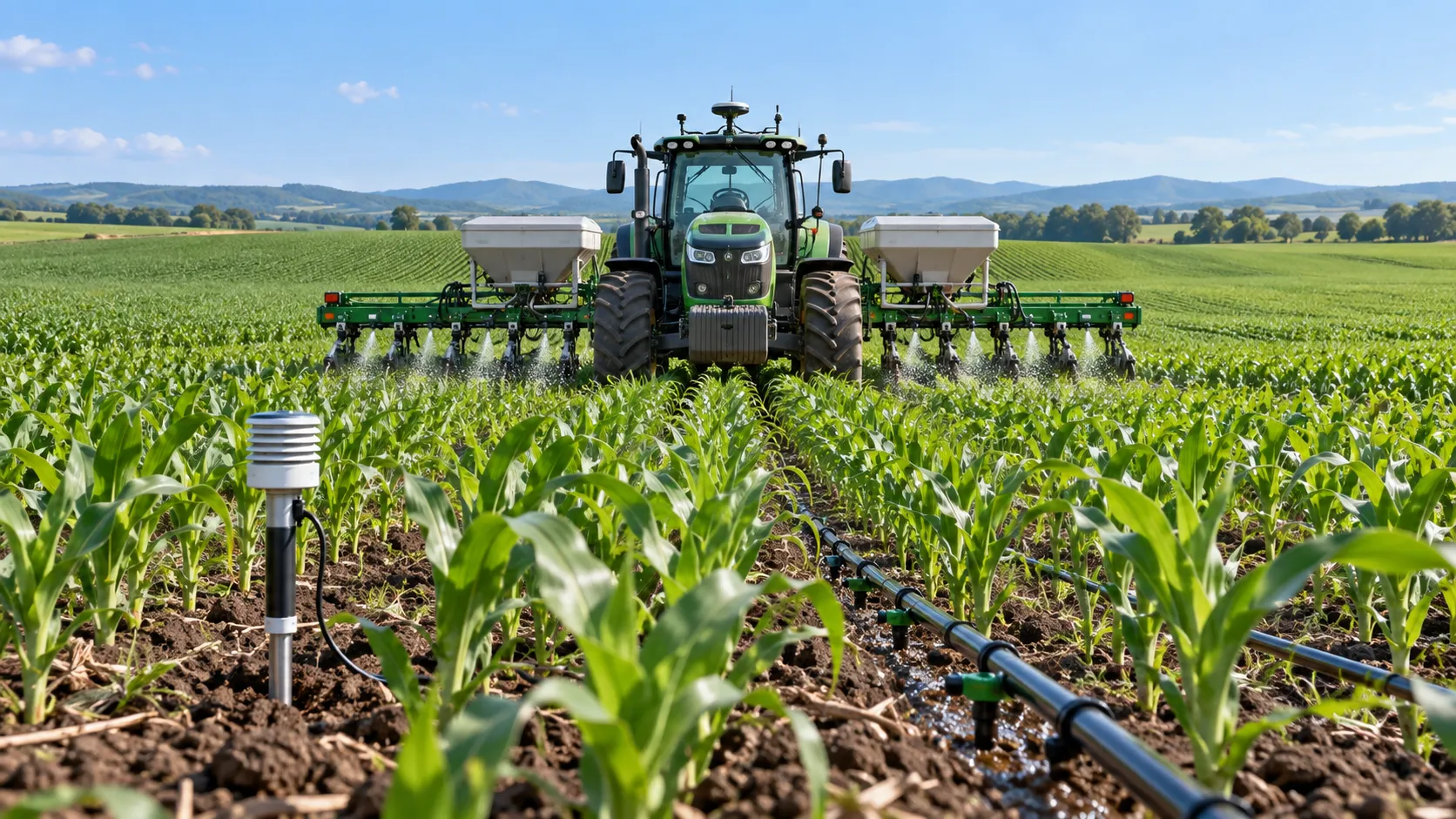
Selecting Precision Farming Products by Application: Field Conditions, Crops, and ROI
Application-based product selection for precision farming: match technology to field conditions, crops, machinery, and ROI for smarter, reliable farm investments.
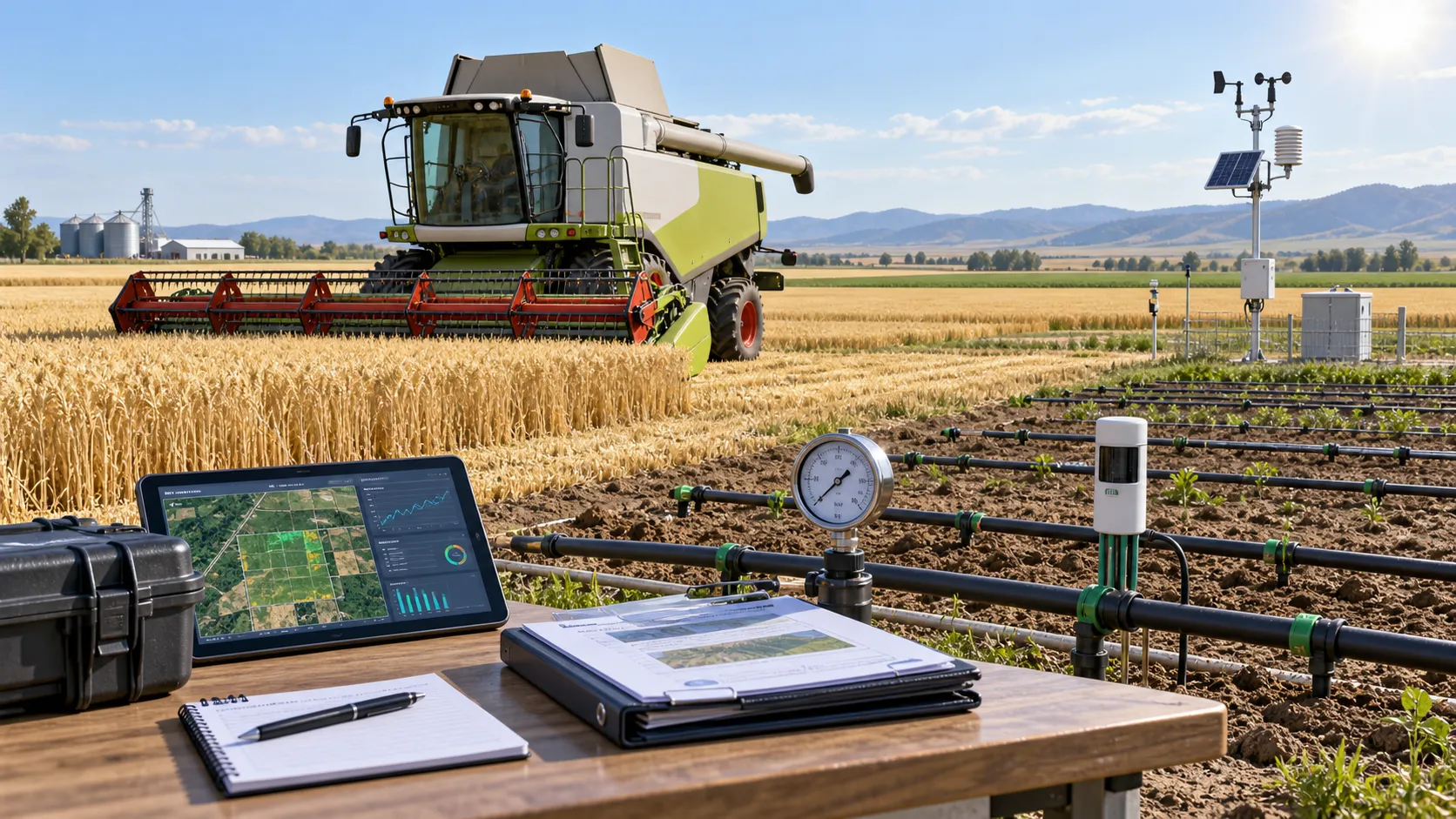
How to Evaluate Agricultural Product Information Sources for Reliable Farm Decisions
Agricultural product information reference guide: evaluate reliable farm data, verify claims, and make smarter machinery, irrigation, and crop decisions.
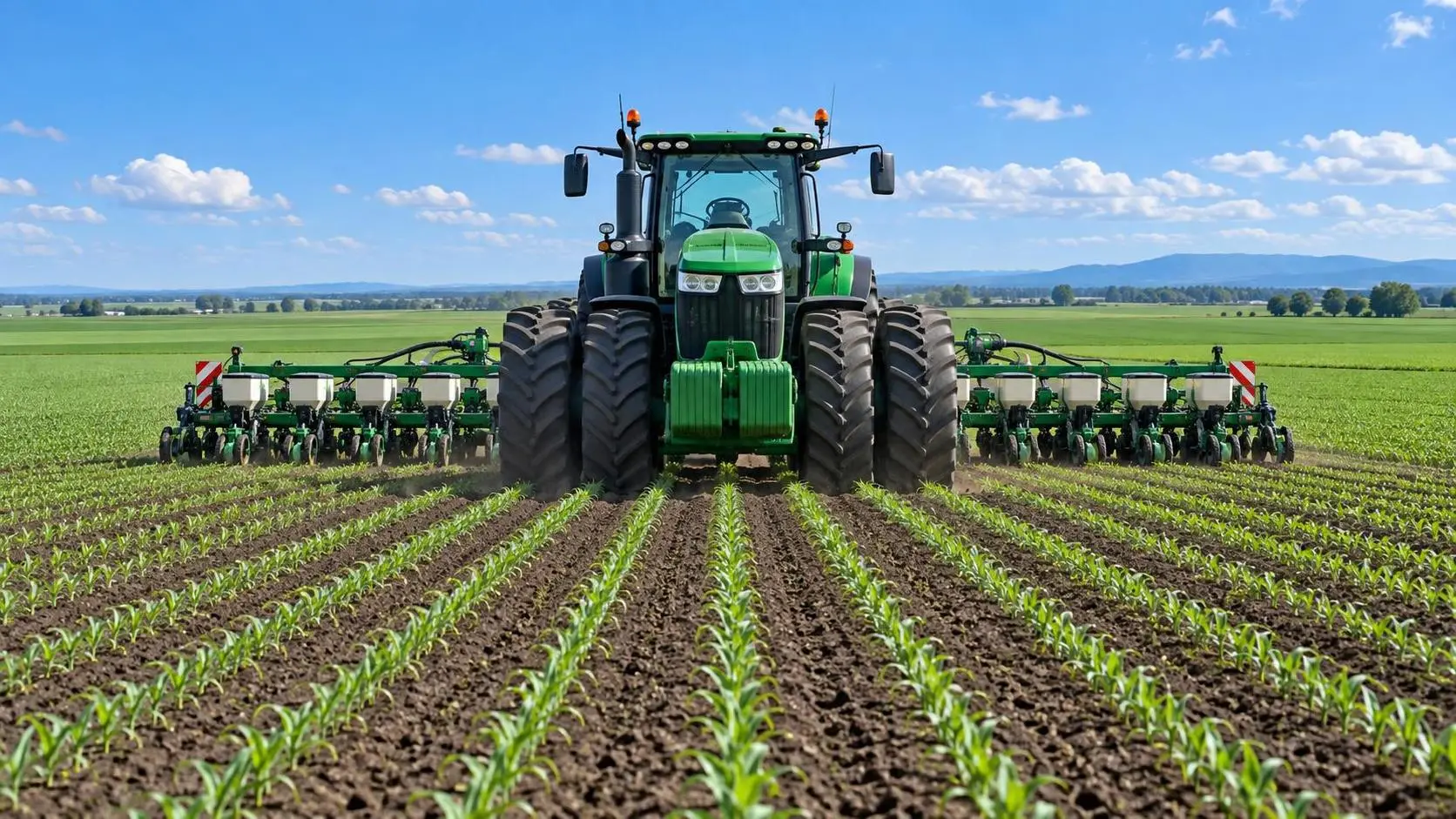
Farm Machinery Guide: Matching Tractor Horsepower and Implements to Farm Size
Farm machinery guide for tractors: match horsepower, implement width, hydraulics, traction, and fleet capacity to farm size for lower costs and reliable field performance.
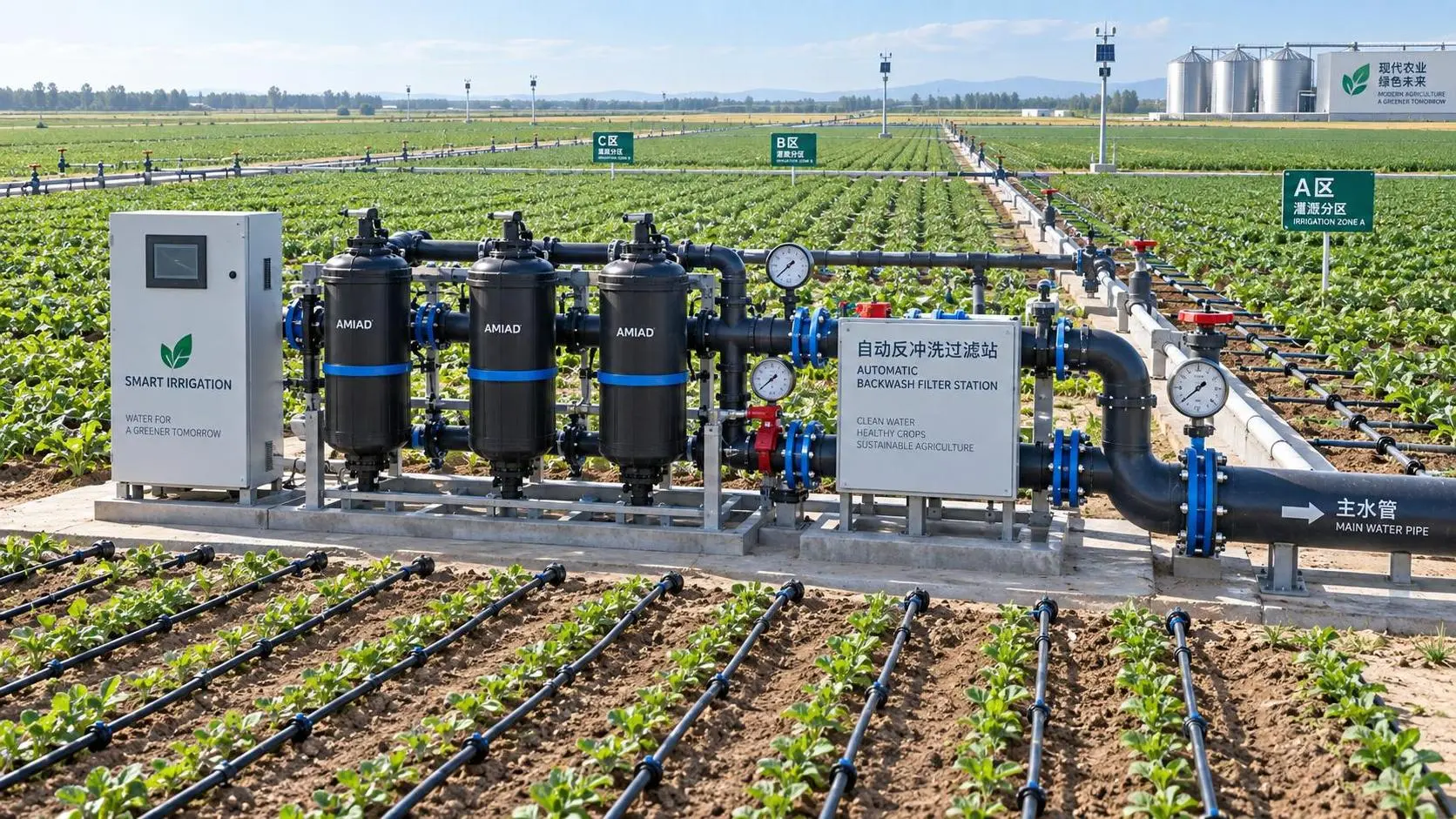
How to Evaluate Drip Irrigation System Manufacturers for Large Farm Projects
Drip irrigation systems manufacturer evaluation guide for large farms: compare hydraulic design, filtration, quality control, scalability, delivery, and support.
Specification Planning: A Practical Framework for Defining Equipment Requirements
Application guidance for specification planning: define measurable equipment requirements, prioritize performance, and avoid costly procurement mistakes.

How North American Farms Can Select Crop Monitoring Systems by Acreage and Connectivity
Crop monitoring systems North America: learn how to match acreage, connectivity, sensors, and data workflows for reliable, actionable farm decisions.
Related News
- 00
0000-00
How to Select Heavy-Duty Farm Implements for High-Acreage, High-Horsepower Operations - 00
0000-00
Smart Farming Technology for Dairy Farms: Where Automation Delivers Measurable ROI - 00
0000-00
Selecting Precision Farming Products by Application: Field Conditions, Crops, and ROI - 00
0000-00
How to Evaluate Agricultural Product Information Sources for Reliable Farm Decisions - 00
0000-00
Farm Machinery Guide: Matching Tractor Horsepower and Implements to Farm Size
Popular Tags
Ms. Elena Rodriguez
Weekly Insights
Stay ahead with our curated technology reports delivered every Monday.