
Smart Farming Technology for Dairy Farms: Where Automation Delivers Measurable ROI
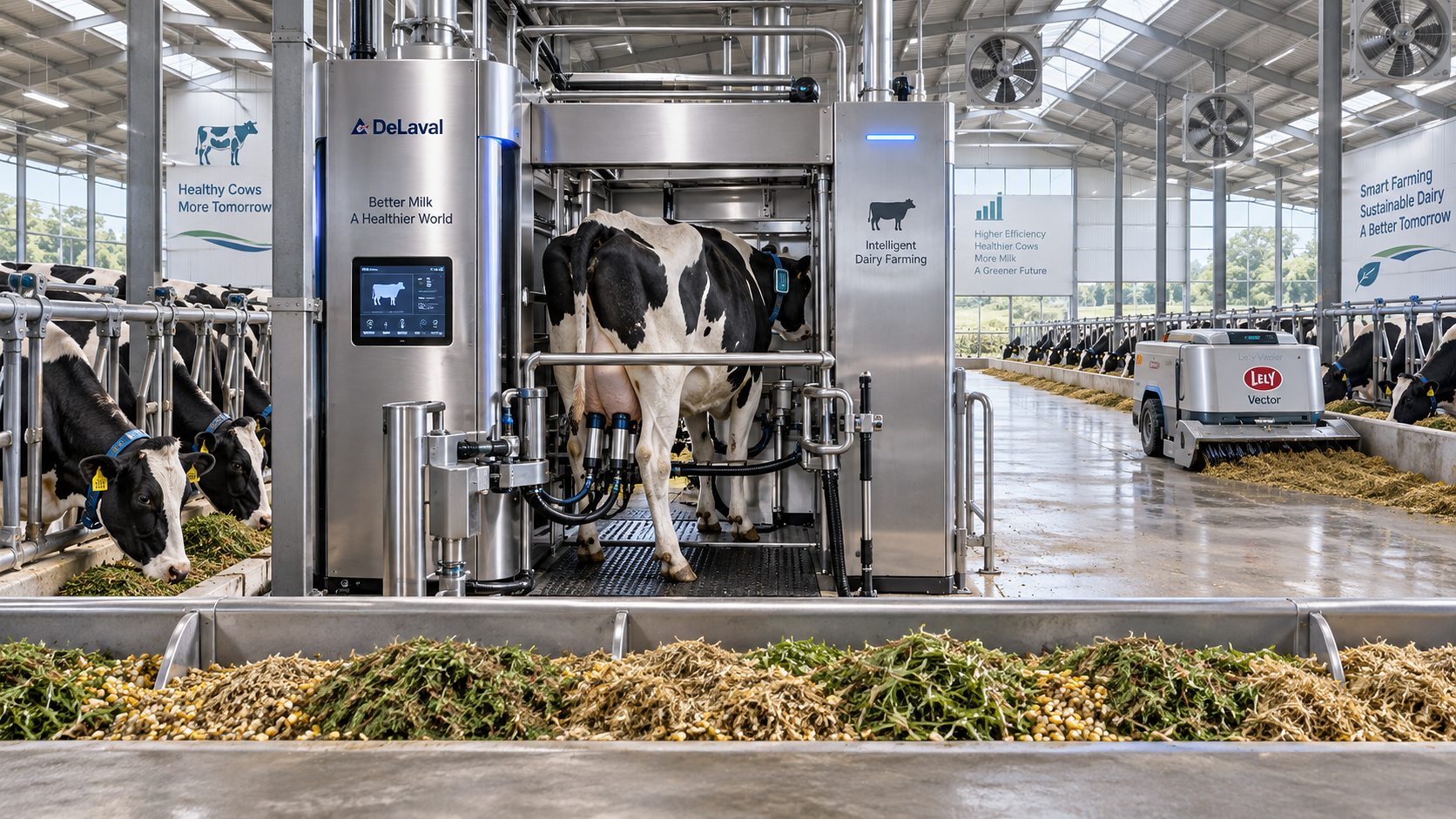




Smart Farming Technology for Dairy Farms: Where Automation Delivers Measurable ROI
Smart farming technology for dairy farms creates value when it reduces controllable costs, protects milk output, and improves management decisions across the entire production system.
For enterprise decision-makers, the central question is not whether automation is innovative. It is whether a specific investment produces reliable financial returns under real herd, labor, and infrastructure conditions.
The strongest business case usually combines several outcomes: lower labor dependency, earlier disease detection, higher milk yield consistency, reduced feed waste, improved reproductive performance, and better regulatory traceability.
Technology should therefore be evaluated as an operating model investment. A useful platform connects animal-level data, employee workflows, equipment performance, and financial reporting instead of creating isolated dashboards.
Start With the Economic Bottleneck, Not the Technology List
Dairy operations rarely achieve meaningful returns by purchasing every available sensor or robotic device. ROI begins with identifying the constraint that is currently limiting profitability or growth.
For some farms, the bottleneck is recurring labor shortages around milking shifts. For others, it is expensive feed conversion, health-related milk losses, inconsistent breeding results, or excessive water use.
A large farm with stable staffing may receive less value from robotic milking than from precision feeding systems. Conversely, a farm facing persistent recruitment pressure may prioritize labor automation.
Management teams should quantify the annual cost of each operational problem before comparing vendors. This creates a baseline against which technology performance can be measured after implementation.
Useful baseline measures include labor hours per hundredweight of milk, milk yield per cow, feed cost per kilogram of milk solids, culling rate, conception rate, and treatment costs.
Other metrics matter when farms operate at scale. These include parlor downtime, water consumed per liter of milk, equipment maintenance costs, inventory shrinkage, and compliance-related administrative hours.
The most valuable smart farming technology for dairy farms targets a variable that management can improve materially. A small efficiency gain is not enough if it cannot influence annual operating profit.
Automated Milking: High Potential, but Only Under the Right Operating Conditions
Automated milking systems are often the most visible dairy technology investment. Their value comes from reducing repetitive labor, increasing milking flexibility, and collecting frequent animal performance data.
Robotic systems can provide individual records for milk volume, milking frequency, conductivity, flow rate, refusals, and cow traffic. These records support earlier intervention when production patterns change.
However, capital expenditure is substantial. The investment must cover not only robots, but also barn layout changes, cow-flow design, electrical upgrades, service agreements, training, and transition-period productivity risks.
Labor savings are commonly the first return category, yet decision-makers should avoid treating all eliminated labor hours as immediate cash savings. Redeployed employees may still be essential elsewhere.
The financial case is stronger when automation replaces difficult-to-fill shifts, reduces overtime, enables herd expansion without proportional labor growth, or improves the consistency of milking routines.
Managers should model several scenarios: current labor availability, expected wage inflation, potential cow throughput, maintenance expenses, financing costs, and realistic production changes during adoption.
Automated milking may also improve employee retention by moving work from repetitive manual tasks toward animal observation, maintenance coordination, exception handling, and data-informed herd management.
That change requires disciplined workforce planning. A farm cannot realize labor benefits if employees lack training, managers ignore alerts, or new technical responsibilities remain unclear across shifts.
Health Monitoring Produces ROI by Reducing Avoidable Losses
Wearable sensors, rumination monitors, activity collars, boluses, thermal sensors, and camera-based systems can identify behavioral changes before visible clinical symptoms appear in the barn.
Early alerts are particularly valuable for mastitis risk, lameness, metabolic disorders, heat stress, calving events, and reproductive status. The financial benefit comes from acting sooner and more consistently.
A health platform should not be judged by alert volume. It should be evaluated by whether its alerts help staff prevent production losses, reduce treatment severity, and prioritize daily work.
False positives create hidden costs because employees lose confidence and spend time checking animals unnecessarily. High-quality systems need configurable thresholds that reflect herd routines and local conditions.
Decision-makers should ask vendors for evidence on sensitivity, specificity, alert workflow, battery life, connectivity reliability, integration capability, and support for historical performance analysis.
The return calculation should include avoided milk loss, reduced veterinary expense, fewer emergency treatments, lower mortality, reduced involuntary culling, and possible improvements in animal welfare outcomes.
Health monitoring is most effective when alerts feed into a formal response process. Someone must own daily review, physical verification, treatment recording, and follow-up measurement after intervention.
Without this process, sensor data becomes a costly notification stream. The technology creates information, but the farm fails to convert that information into operational decisions and measurable value.
Precision Feeding Often Has the Fastest Path to Payback
Feed commonly represents the largest variable cost in dairy production. Even modest improvements in ration accuracy, ingredient control, and feed conversion can create significant annual financial impact.
Precision feeding systems use mixer scales, loader measurement, ration software, bunk sensors, automated feed pushers, and production data to improve consistency between formulated and delivered diets.
The basic business objective is straightforward: deliver the intended ration accurately, reduce refusals, limit shrink, support rumen health, and match nutrient inputs to production requirements.
Many farms formulate high-quality rations but lose value through inconsistent loading, timing variation, inaccurate dry matter assumptions, ingredient substitution, or weak monitoring of feed refusals.
Smart feeding tools help management identify where those losses occur. They can compare planned ingredients with actual loading records and reveal deviations by group, shift, operator, or location.
A practical ROI model should calculate feed savings conservatively. It should use verified local ingredient prices, historical shrink estimates, ration variance, milk solids response, and implementation costs.
Automated feed pushers can also create value when they increase access to feed during critical periods. Their effect depends on stocking density, feeding schedule, grouping strategy, and existing management discipline.
For large operations, feeding technology is especially useful because it standardizes execution across multiple barns, employees, and sites. Standardization improves both performance control and management visibility.
Reproductive Technology Improves Lifetime Herd Economics
Reproduction influences replacement costs, milk days, genetic progress, calf output, and herd capacity. Delays in heat detection or breeding decisions can quietly reduce profitability across thousands of animals.
Activity monitors and integrated herd-management platforms help identify estrus behavior, monitor insemination timing, track pregnancy status, and flag cows requiring reproductive examination or intervention.
The business value is not simply more breeding data. It is a reduction in missed heats, fewer days open, better service consistency, and clearer accountability for reproductive workflows.
Managers should connect reproductive technology to economic indicators such as conception rate, submission rate, pregnancy rate, average days in milk, replacement rate, and cost per confirmed pregnancy.
Technology cannot compensate for weak nutrition, poor transition-cow management, heat stress, inadequate housing, or inconsistent veterinary protocols. It can reveal issues, but operational systems must solve them.
When evaluating returns, farms should separate direct savings from strategic benefits. Direct savings may be lower treatment or replacement costs, while strategic benefits include improved herd growth planning.
Reliable reproductive data also supports better decision-making around sexed semen, beef-on-dairy programs, replacement inventory, culling timing, and long-term genetic selection objectives.
Water, Energy, and Environmental Data Are Becoming Commercial Priorities
Water and energy management traditionally received less attention than milking or feeding. That is changing as electricity prices, water constraints, reporting requirements, and sustainability expectations become more demanding.
Smart meters, pump controls, leak detection, cooling-system monitoring, variable-speed drives, and automated cleaning controls can identify resource waste that normal farm routines overlook.
For dairy farms, water data should be examined across drinking, washdown, cooling, irrigation, manure handling, and processing activities. Aggregate utility bills rarely show where inefficiencies originate.
Energy monitoring can expose high-demand equipment, poor refrigeration performance, unnecessary run times, and avoidable peak-load charges. Savings can be material where utility tariffs fluctuate significantly.
Environmental data can also strengthen customer relationships and financing discussions. Processors, retailers, lenders, and regulators increasingly request credible information on resource use and emissions-related performance.
These systems deliver stronger ROI when collected data informs concrete actions, such as repairing leaks, changing pump schedules, optimizing irrigation, adjusting cooling loads, or verifying maintenance performance.
AP-Strategy’s broader intelligence focus is relevant here: machinery, irrigation, and farm data should be assessed as connected productivity assets rather than as separate sustainability initiatives.
Integration Determines Whether Data Becomes a Management Asset
A dairy farm may operate robots, collars, feeding software, milk analyzers, tractors, irrigation controls, and accounting platforms. The challenge is making their information usable together.
Disconnected systems force managers to reconcile spreadsheets manually. They also create inconsistent identifiers, delayed reporting, duplicated entry, and uncertainty about which dataset should guide important decisions.
Before purchasing new technology, leadership should map existing systems, data ownership, interfaces, export options, cybersecurity controls, and the availability of application programming interfaces.
Open integration does not mean every system must be replaced immediately. It means new investments should avoid locking the farm into data silos that limit future operational choices.
A useful reporting layer connects herd metrics with financial outcomes. Managers should be able to see whether changes in feeding accuracy, health events, or labor routines affect margin performance.
Data governance matters as much as connectivity. Farms need clear rules for access permissions, data backup, vendor responsibilities, retention periods, and ownership when a technology contract ends.
Large operators should also assess cybersecurity risk. Internet-connected equipment, remote service access, and cloud platforms require vendor due diligence, role-based access, and tested recovery procedures.
How to Build a Defensible ROI Case
A defensible business case starts with a defined operating problem, a measurable baseline, and a limited group of performance indicators that the executive team will review regularly.
Estimate annual benefits using conservative assumptions. Include savings from labor, feed, treatments, energy, water, reduced losses, improved production, and avoided capital spending where applicable.
Then calculate full ownership costs. These include purchase price, installation, construction changes, software subscriptions, connectivity, service contracts, consumables, training, internal labor, and financing charges.
Payback period is useful, but it should not be the only decision measure. Net present value, internal rate of return, cash-flow timing, and downside scenarios provide a stronger view.
Scenario analysis is essential because dairy markets fluctuate. Test the investment against lower milk prices, higher feed costs, slower labor savings, reduced production gains, and unexpected maintenance expenses.
Management should define adoption milestones before signing. Examples include employee training completion, data integration validation, alert response compliance, uptime targets, and monthly financial performance reviews.
Phased implementation can reduce risk. A pilot group, one barn, or a single workflow may reveal operational issues before the organization commits capital across the entire enterprise.
Vendor selection should include reference calls with similar herd sizes and production systems. Ask about actual uptime, service response, transition difficulties, staff acceptance, and achieved financial outcomes.
Common Investment Mistakes That Weaken Returns
The most common mistake is buying technology because competitors have adopted it. Competitive pressure matters, but it does not replace a farm-specific operating and financial assessment.
Another mistake is assigning implementation solely to the vendor. Suppliers provide technical expertise, but farm leadership must own workflow design, employee accountability, data use, and benefit realization.
Underestimating change management is particularly costly. Automation alters schedules, job roles, maintenance practices, animal movement, and decision rights, often creating resistance if communication is weak.
Farms also lose value when they measure too many indicators. A concise scorecard tied to profitability is more useful than a dashboard full of data that nobody uses.
Finally, leaders should avoid assuming that automation eliminates management complexity. Smart systems can improve visibility, but they increase the need for disciplined maintenance and responsive operational leadership.
Conclusion: Invest Where Automation Improves Margin and Control
Smart farming technology for dairy farms delivers measurable ROI when it solves a defined economic problem and is embedded in daily management routines, not treated as a standalone purchase.
Automated milking can address labor constraints, precision feeding can protect margins, health monitoring can reduce losses, and resource controls can improve resilience under rising cost pressure.
The strongest dairy technology strategy combines conservative financial modeling, interoperable data systems, capable employees, and clear accountability for converting insights into practical farm-level action.
For enterprise decision-makers, the best investment is rarely the most advanced machine. It is the system that improves performance predictably, scales with the business, and strengthens long-term operating control.
Related News
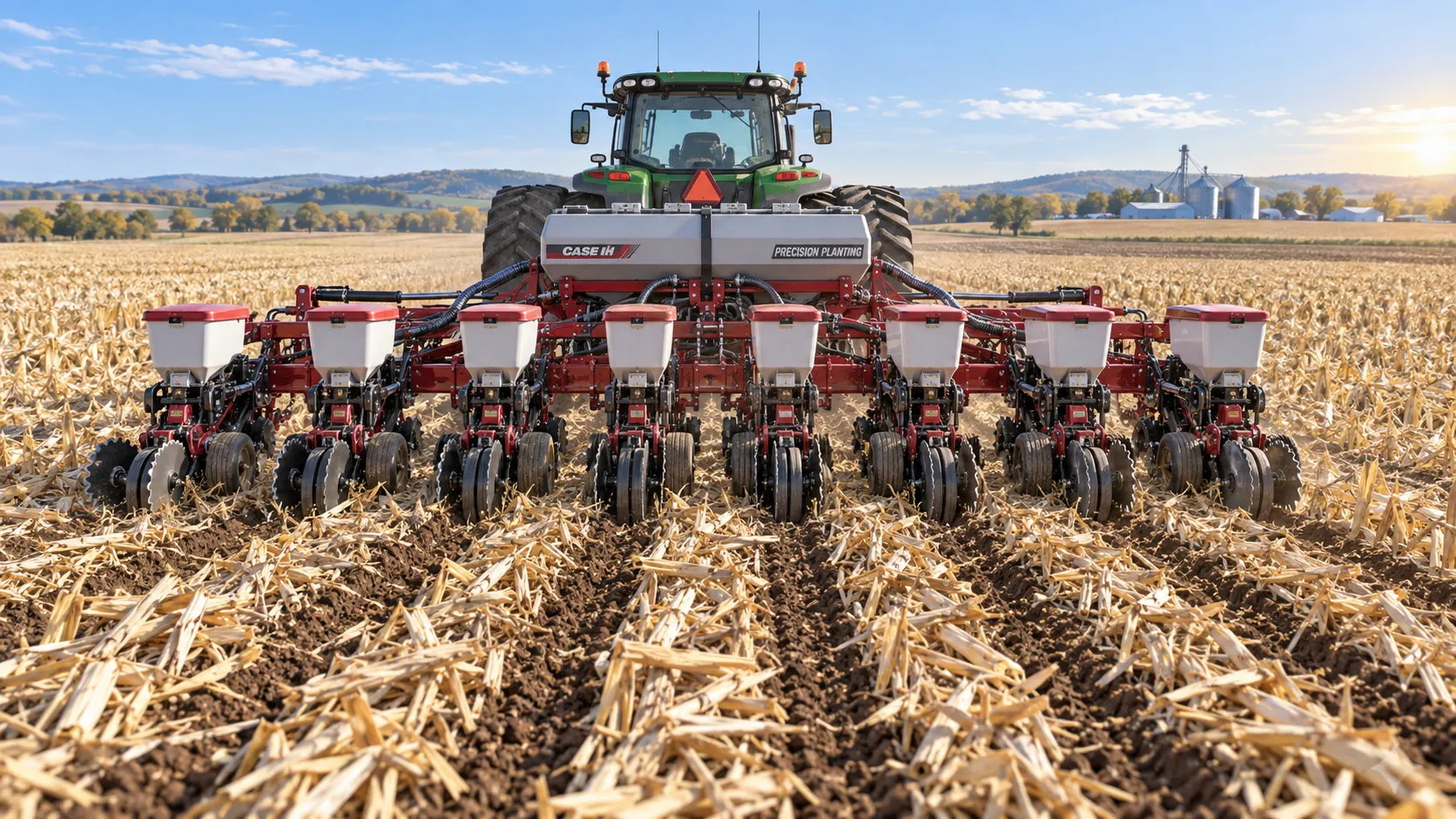
How to Select a Heavy-Duty Seeder for Large Acreage and High-Residue Fields
Heavy duty seeders for large acreage: compare residue handling, depth control, downforce, metering accuracy, and precision features to select the right model.
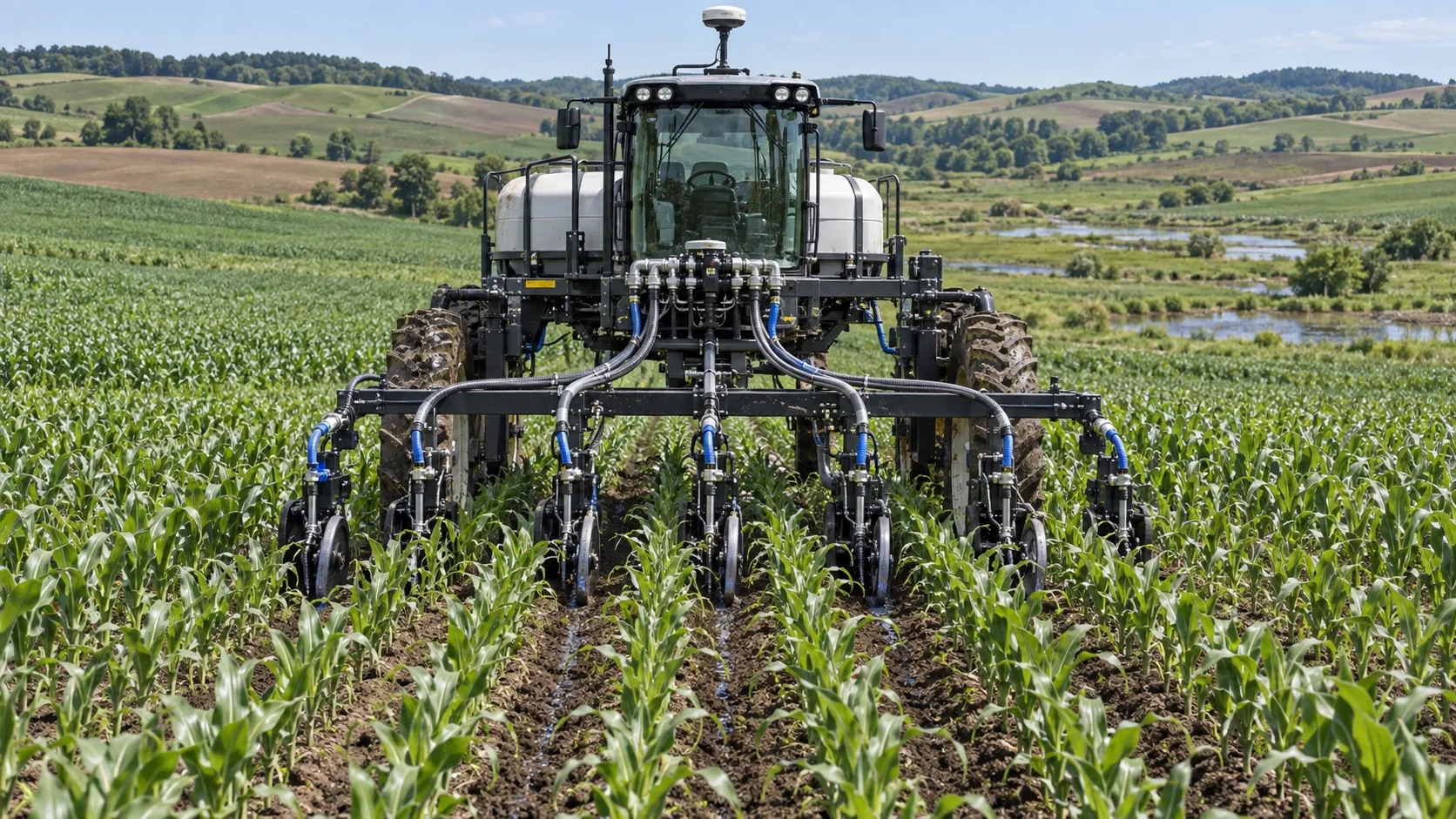
How to Select a Precision Fertilization System for Variable Corn Field Conditions
Precision fertilization systems for corn farming: learn how to match data, placement, control accuracy, and ROI to variable field conditions for better results.
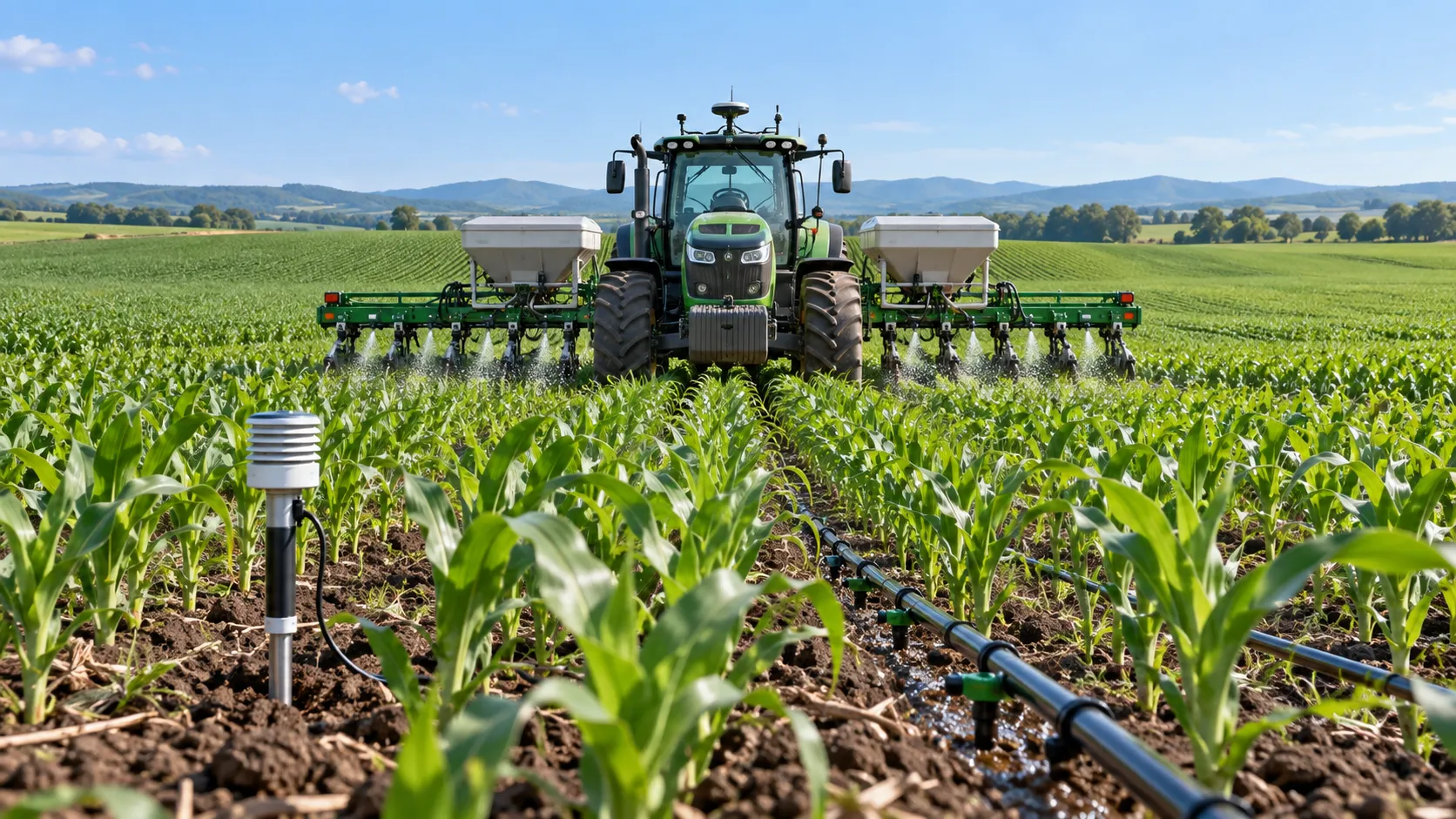
Selecting Precision Farming Products by Application: Field Conditions, Crops, and ROI
Application-based product selection for precision farming: match technology to field conditions, crops, machinery, and ROI for smarter, reliable farm investments.
How to Evaluate Agricultural Product Information Sources for Reliable Farm Decisions
Agricultural product information reference guide: evaluate reliable farm data, verify claims, and make smarter machinery, irrigation, and crop decisions.
Farm Machinery Guide: Matching Tractor Horsepower and Implements to Farm Size
Farm machinery guide for tractors: match horsepower, implement width, hydraulics, traction, and fleet capacity to farm size for lower costs and reliable field performance.
How to Evaluate Drip Irrigation System Manufacturers for Large Farm Projects
Drip irrigation systems manufacturer evaluation guide for large farms: compare hydraulic design, filtration, quality control, scalability, delivery, and support.
Specification Planning: A Practical Framework for Defining Equipment Requirements
Application guidance for specification planning: define measurable equipment requirements, prioritize performance, and avoid costly procurement mistakes.

How North American Farms Can Select Crop Monitoring Systems by Acreage and Connectivity
Crop monitoring systems North America: learn how to match acreage, connectivity, sensors, and data workflows for reliable, actionable farm decisions.

Where to Find Reliable Product Information for Comparing Farm Equipment
Product information resources agriculture buyers can trust: compare farm equipment with technical specs, manuals, field data, dealer support, and lifecycle insights.
Related News
- 00
0000-00
Smart Farming Technology for Dairy Farms: Where Automation Delivers Measurable ROI - 00
0000-00
Selecting Precision Farming Products by Application: Field Conditions, Crops, and ROI - 00
0000-00
How to Evaluate Agricultural Product Information Sources for Reliable Farm Decisions - 00
0000-00
Farm Machinery Guide: Matching Tractor Horsepower and Implements to Farm Size - 00
0000-00
Specification Planning: A Practical Framework for Defining Equipment Requirements
Popular Tags
Ms. Elena Rodriguez
Weekly Insights
Stay ahead with our curated technology reports delivered every Monday.