
Selecting Precision Farming Products by Application: Field Conditions, Crops, and ROI
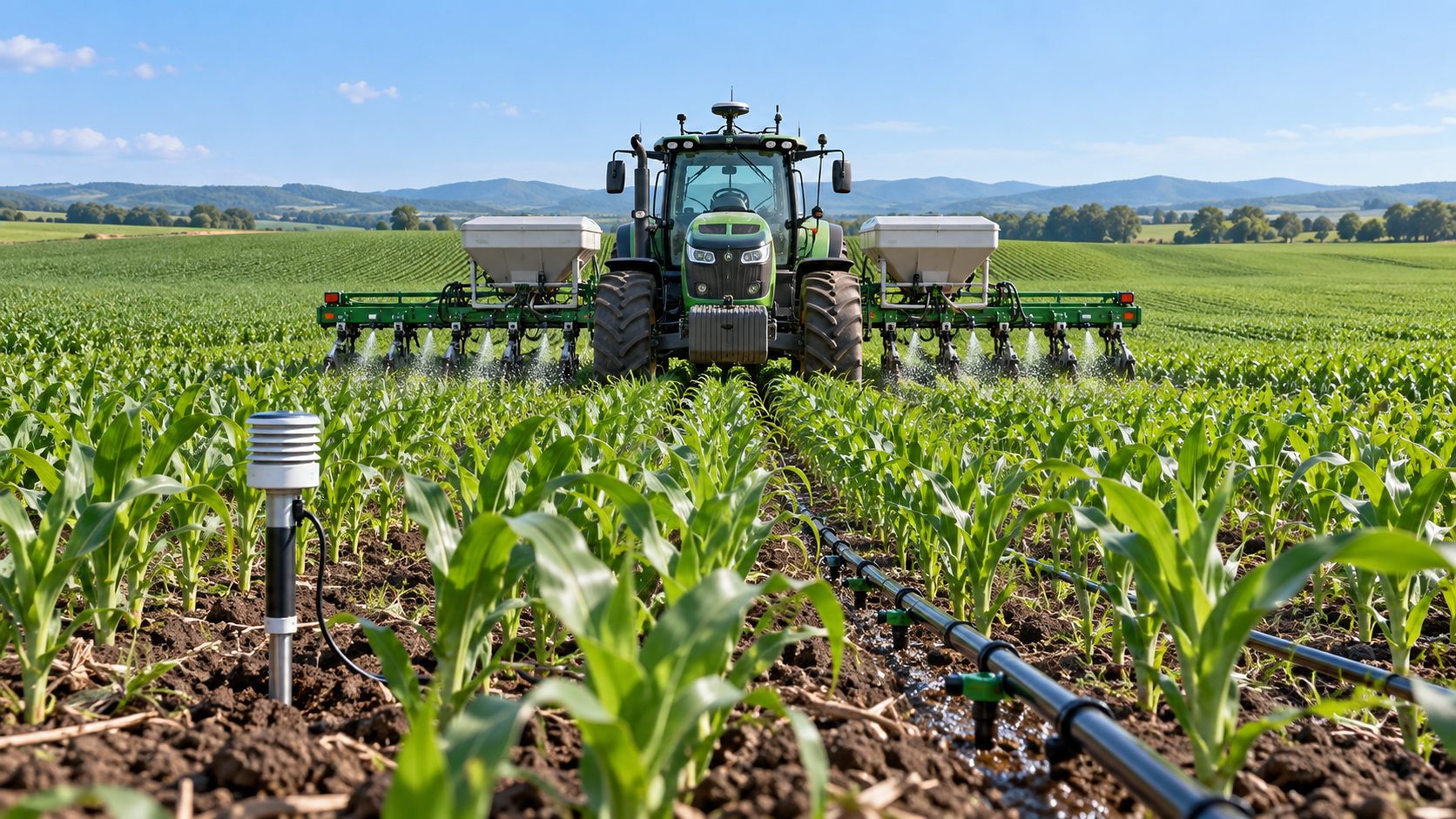




Selecting Precision Farming Products by Application: Field Conditions, Crops, and ROI
Effective application-based product selection for precision farming starts with matching technology to real operating conditions, crop requirements, and measurable return on investment.
For technical evaluators, the strongest option is rarely the most advanced product on paper. It is the system that performs reliably across local soils, machinery fleets, workflows, and seasons.
Precision tools should reduce uncertainty before they add complexity. A sensor, guidance system, irrigation controller, or variable-rate platform must solve a defined operational constraint.
This guide explains how to assess precision farming products by application, helping agricultural decision-makers compare fit, integration risk, operating value, and long-term productivity.
Start With the Application Problem, Not the Product Category
Technical evaluations often begin with a product list: drones, RTK guidance, yield monitors, soil probes, section control, irrigation sensors, or autonomous equipment.
That approach can produce expensive technology stacks with overlapping functions. Application-based product selection for precision farming begins by identifying the field problem that limits performance.
Examples include uneven crop emergence, excessive overlap during spraying, irrigation scheduling errors, harvest losses, fuel waste, variable nutrient response, or delayed equipment decisions.
Each problem should be described in operational terms. Evaluators need to know where it occurs, how often it occurs, which costs it creates, and who acts on the information.
A guidance system may be justified where repeated passes create overlap and compaction. It offers less value where fields are small, irregular, and operated infrequently.
Similarly, variable-rate fertilizer equipment has limited value without dependable soil, yield, or crop-response data. Application quality matters more than prescription-map sophistication.
Before comparing suppliers, define the baseline. Measure current input use, travel time, crop variability, irrigation volume, equipment downtime, labor requirements, and harvest loss levels.
This baseline converts broad technology claims into testable requirements. It also creates the evidence needed to calculate whether a proposed solution can generate a realistic return.
Assess Field Conditions Before Selecting Sensors, Guidance, or Automation
Field conditions determine whether precision equipment will collect usable data, maintain positioning accuracy, survive seasonal exposure, and deliver repeatable operating results.
Soil texture is a primary consideration. Sandy soils can change moisture conditions quickly, while heavier clay soils may retain water longer and complicate field access.
For moisture monitoring, sensor depth, installation method, and measurement frequency should reflect rooting depth, infiltration behavior, and irrigation system design.
One representative sensor may be sufficient in uniform blocks. Highly variable fields usually require management zones, additional probes, or supporting satellite imagery.
Terrain also changes product suitability. Sloped fields may experience runoff, erosion, uneven application, and variable machine speed, increasing the need for terrain-aware controls.
GNSS guidance should be evaluated for signal availability, correction coverage, repeatability needs, and expected obstructions from trees, hills, buildings, or nearby infrastructure.
RTK-level accuracy is valuable for controlled traffic, strip-till, repeatable planting, and drainage work. Sub-meter guidance may be adequate for lower-risk scouting tasks.
Field size affects the economics of connectivity and automation. Larger, contiguous areas generally support faster payback because equipment utilization and input savings scale more easily.
However, fragmented operations can still benefit when fleet coordination, remote monitoring, and reduced travel between sites solve significant labor or timing constraints.
Match Product Capabilities to Crop Biology and Production Practices
Crops differ in planting geometry, canopy structure, rooting depth, water sensitivity, harvest method, and seasonal risk. Product selection must reflect those biological differences.
Row crops such as corn, soybean, cotton, and sugar beet often benefit from accurate guidance, section control, planter monitoring, and variable-rate application systems.
These systems help reduce overlap, improve seed placement consistency, document field operations, and target inputs where yield response is likely to be strongest.
High-value horticultural crops may justify denser sensor networks because quality variation, water stress, disease pressure, and labor costs can be economically significant.
Orchards and vineyards require equipment designed for permanent rows, tree canopies, irregular terrain, and localized irrigation zones. Generic broadacre solutions may underperform.
For cereals, combine harvester data becomes especially important. Yield mapping, grain-loss monitoring, moisture sensing, and machine settings can reveal important harvest performance gaps.
A harvester product should be assessed by crop type, moisture range, throughput, field slope, residue level, and the operator’s ability to use its feedback.
Precision irrigation products must also align with crop water demand. A reliable controller should support different growth stages, deficit-irrigation strategies, and weather-driven scheduling.
Do not assume that crop-specific software alone creates value. The quality of field records, agronomic interpretation, and execution discipline determines whether recommendations improve outcomes.
Evaluate Machinery Compatibility and Data Interoperability Early
Many precision farming projects fail during implementation because the selected product does not integrate cleanly with existing tractors, implements, harvesters, or farm software.
Technical evaluators should inventory current machinery before requesting proposals. Include model year, hydraulic capacity, control interfaces, terminal compatibility, and available automation features.
For tractors, assess whether steering, transmission, hydraulics, and ISOBUS functions can support the intended application without costly aftermarket modifications.
Variable-rate systems require more than a capable controller. Spreaders, sprayers, seeders, pumps, valves, and flow meters must respond accurately to prescription commands.
Compatibility should be verified through documented interfaces, not sales assurances. Ask suppliers for examples of installations using comparable equipment and identical operating requirements.
Data interoperability deserves equal attention. Yield records, soil tests, equipment logs, irrigation data, imagery, and prescriptions should move between systems without manual re-entry.
Open file formats and application programming interfaces reduce lock-in risk. They also make it easier to change software providers without losing historical farm intelligence.
Review data ownership provisions carefully. The farm should retain access to raw operational data, processed datasets, exported files, and historical records after contract termination.
Integration effort has a real cost. Budget for installation, calibration, staff training, subscription management, data cleaning, technical support, and seasonal troubleshooting.
Compare Precision Products Through Measurement Quality and Decision Value
A product should not be selected only because it generates more data. Technical teams must determine whether the data is accurate, timely, interpretable, and actionable.
For every proposed tool, ask what decision it changes. The answer may involve irrigation timing, fertilizer rate, planting depth, spray route, harvest settings, or maintenance planning.
If no decision changes, the system may become a reporting tool rather than an operational asset. Dashboards do not automatically create agronomic or financial value.
Measurement accuracy should be assessed in the context of the application. A soil moisture sensor may be technically accurate yet poorly positioned for the representative root zone.
Likewise, imagery may identify crop variation but cannot always distinguish nutrient deficiency, disease, compaction, pests, or water stress without ground validation.
Demand validation protocols from suppliers. These should explain calibration schedules, error ranges, sensor replacement expectations, connectivity limitations, and recommended quality-control procedures.
For machine-mounted systems, examine performance under dust, vibration, heat, moisture, electrical interference, and long operating hours. Lab specifications rarely capture field stress fully.
Decision latency is another key criterion. Information arriving several days after a narrow irrigation, spraying, or harvest window may have limited operational value.
Products with simpler outputs can outperform complex platforms when operators can understand alerts quickly and act before crop conditions or weather patterns change.
Build an ROI Model That Includes Adoption and Operating Costs
Return on investment should be calculated from expected operational improvement, not from a supplier’s average savings claim. Local conditions determine realized financial outcomes.
Start by separating direct benefits from indirect benefits. Direct benefits include reduced seed, fertilizer, water, fuel, chemical, labor, and repair expenditures.
Indirect benefits may include improved crop quality, better compliance records, lower environmental risk, reduced downtime, stronger contractor control, and more reliable planning.
Estimate benefits conservatively using the baseline data collected earlier. Use low, expected, and high scenarios rather than relying on a single forecast.
The cost side should include purchase price, financing, annual subscriptions, cellular service, correction signals, installation, calibration, upgrades, and replacement components.
Labor cost must include training time and operating effort. A product that requires frequent manual interpretation may impose a hidden burden on agronomy teams.
For capital-intensive equipment, calculate utilization. A sophisticated planter control system used across few hectares may deliver lower returns than a simpler fleet-wide guidance upgrade.
Payback period matters, but it is not the only metric. Technical evaluators should also consider net present value, reliability, residual value, and strategic capability.
Risk-adjusted ROI is particularly important for new technology. Discount projected benefits when product performance depends on unproven connectivity, uncertain data quality, or limited support coverage.
Prioritize Reliability, Service Capacity, and Seasonal Resilience
In agriculture, product performance is judged during narrow operating windows. A system that fails during planting, irrigation peaks, or harvest can erase annual savings.
Supplier evaluation should therefore include service response times, local dealer capability, spare-parts access, remote diagnostics, warranty terms, and escalation procedures.
Ask whether support teams understand both electronics and agricultural operations. A technician who can restore connectivity but cannot diagnose application performance provides incomplete support.
Products used on combines, tractors, and irrigation systems should be tested for seasonal durability. Dust ingress, cable wear, corrosion, vibration, and heat exposure matter.
Connectivity resilience is equally important. Systems should explain how they operate during weak cellular coverage, correction-signal interruptions, power outages, or cloud-service disruptions.
Offline data capture and delayed synchronization can be valuable where remote fields lack dependable networks. Critical machine controls should not depend entirely on cloud availability.
Cybersecurity should also be reviewed, especially for remotely controlled irrigation, autonomous machinery, and shared farm-management platforms connected to operational equipment.
Evaluate access controls, software update practices, account recovery, vendor security commitments, and the ability to revoke access when employees or contractors leave.
Use Pilots to Validate Application Fit Before Full Deployment
A pilot is the most practical way to test application-based product selection for precision farming before committing capital across the entire operation.
Select pilot fields that represent the actual challenge. Avoid unusually easy blocks, ideal operators, or conditions that hide operational weaknesses.
Define measurable success criteria before installation. These may include overlap reduction, application accuracy, water savings, machine utilization, crop uniformity, or harvest-loss reduction.
Assign ownership for each workflow. Someone must install equipment, review data, make recommendations, execute field changes, and document results during the trial.
Compare results against an appropriate control. The control may be a neighboring field, a previous-season baseline, untreated management zones, or conventional operating practice.
Consider weather and market variability when interpreting outcomes. One successful season does not prove long-term value, but it can reveal whether operational adoption is realistic.
After the pilot, assess not only financial performance but also usability. Operators should report whether alerts were understandable, workflows were practical, and maintenance was manageable.
A product that performs well technically but creates resistance among operators may require workflow redesign, additional training, or a different supplier before scaling.
Creating a Defensible Selection Decision
The best precision farming product is not necessarily the product with the most features, sensors, automation levels, or software modules.
It is the solution that addresses a documented field constraint, supports the crop system, integrates with machinery, produces trusted information, and improves decisions consistently.
Technical evaluators should use a weighted scorecard covering application fit, accuracy, interoperability, operating resilience, supplier support, adoption effort, and financial return.
Weight the categories according to the farm’s actual risk profile. Water-limited operations may prioritize irrigation intelligence, while large grain farms may prioritize fleet efficiency and harvest data.
Application-based product selection for precision farming creates discipline in a market crowded with promising technologies. It shifts evaluation from product enthusiasm to operational evidence.
When field conditions, crop requirements, machinery compatibility, and ROI are considered together, farms can invest in precision systems that remain valuable beyond the first season.
For agricultural decision-makers, the final question is simple: will this product enable a better action, at the right time, with enough reliability to justify its total cost?
Related News
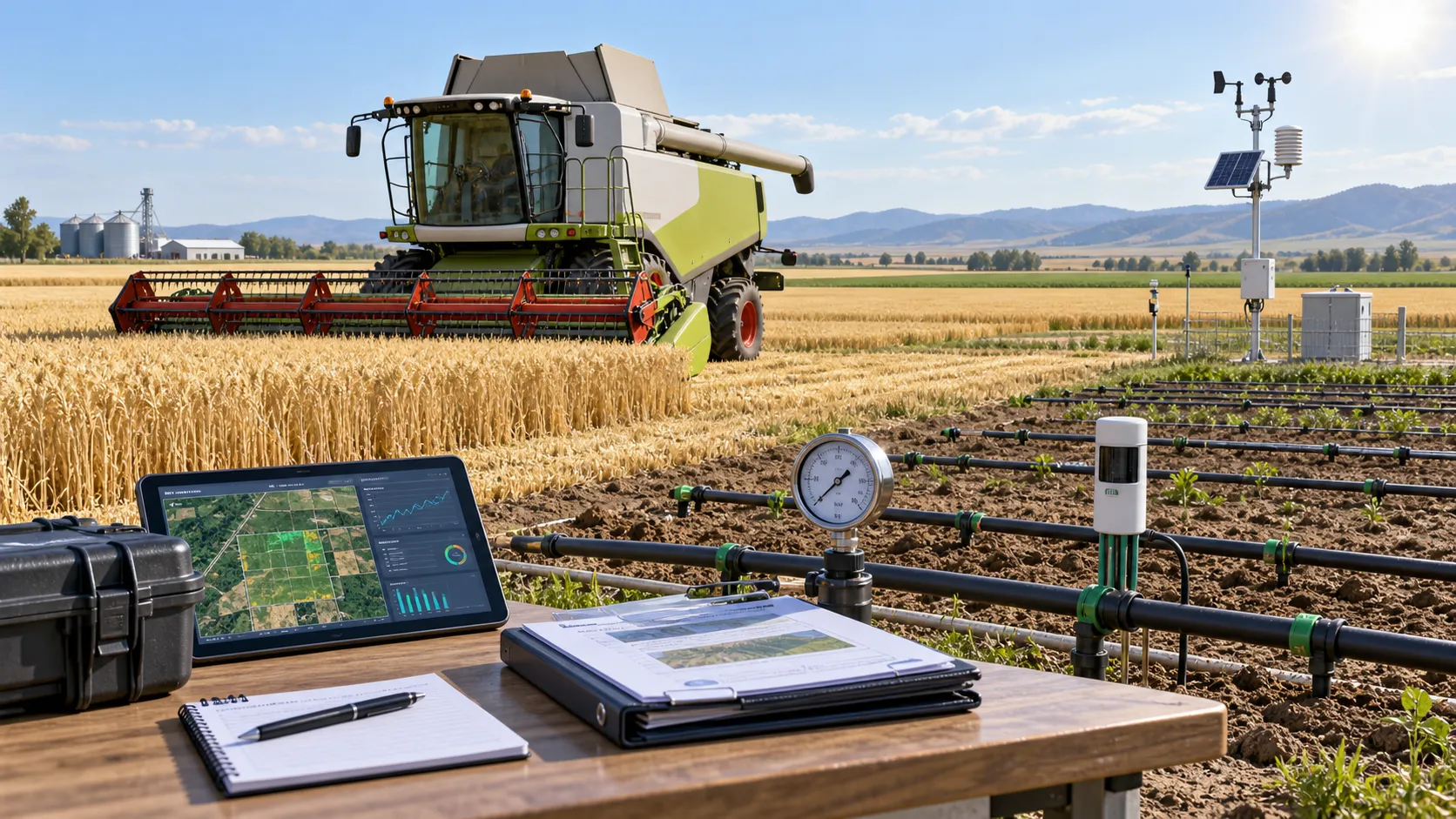
How to Evaluate Agricultural Product Information Sources for Reliable Farm Decisions
Agricultural product information reference guide: evaluate reliable farm data, verify claims, and make smarter machinery, irrigation, and crop decisions.
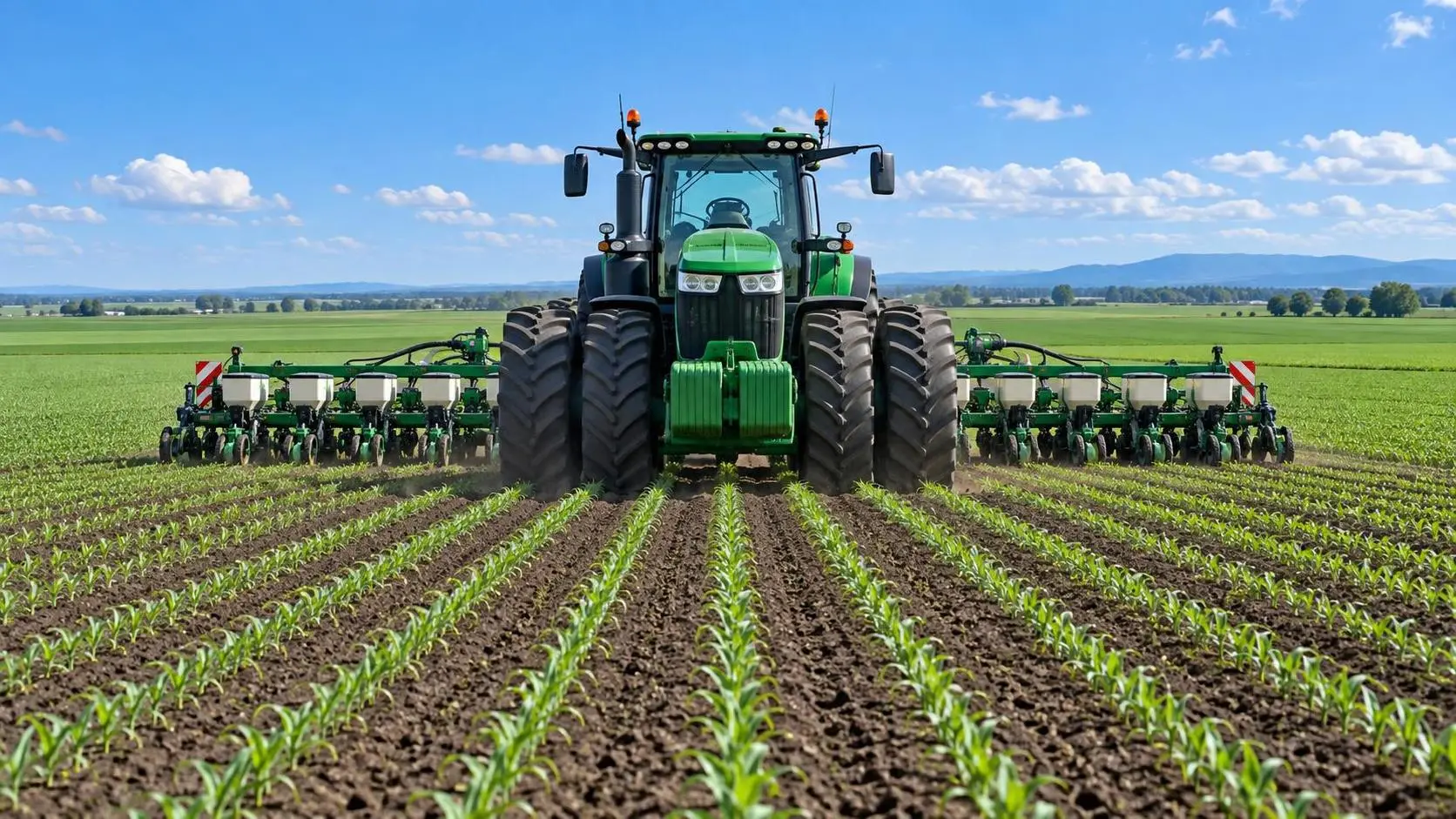
Farm Machinery Guide: Matching Tractor Horsepower and Implements to Farm Size
Farm machinery guide for tractors: match horsepower, implement width, hydraulics, traction, and fleet capacity to farm size for lower costs and reliable field performance.
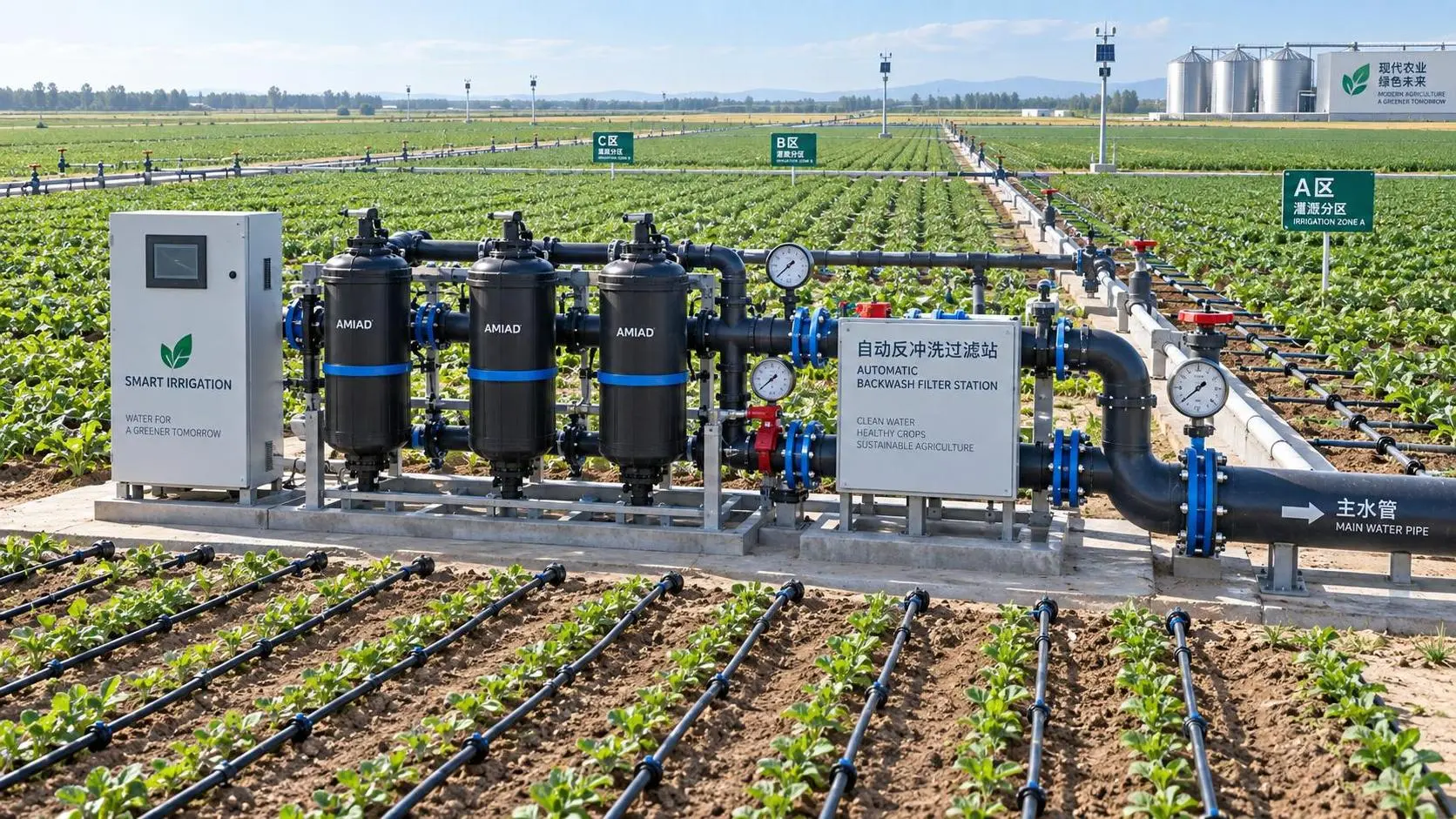
How to Evaluate Drip Irrigation System Manufacturers for Large Farm Projects
Drip irrigation systems manufacturer evaluation guide for large farms: compare hydraulic design, filtration, quality control, scalability, delivery, and support.
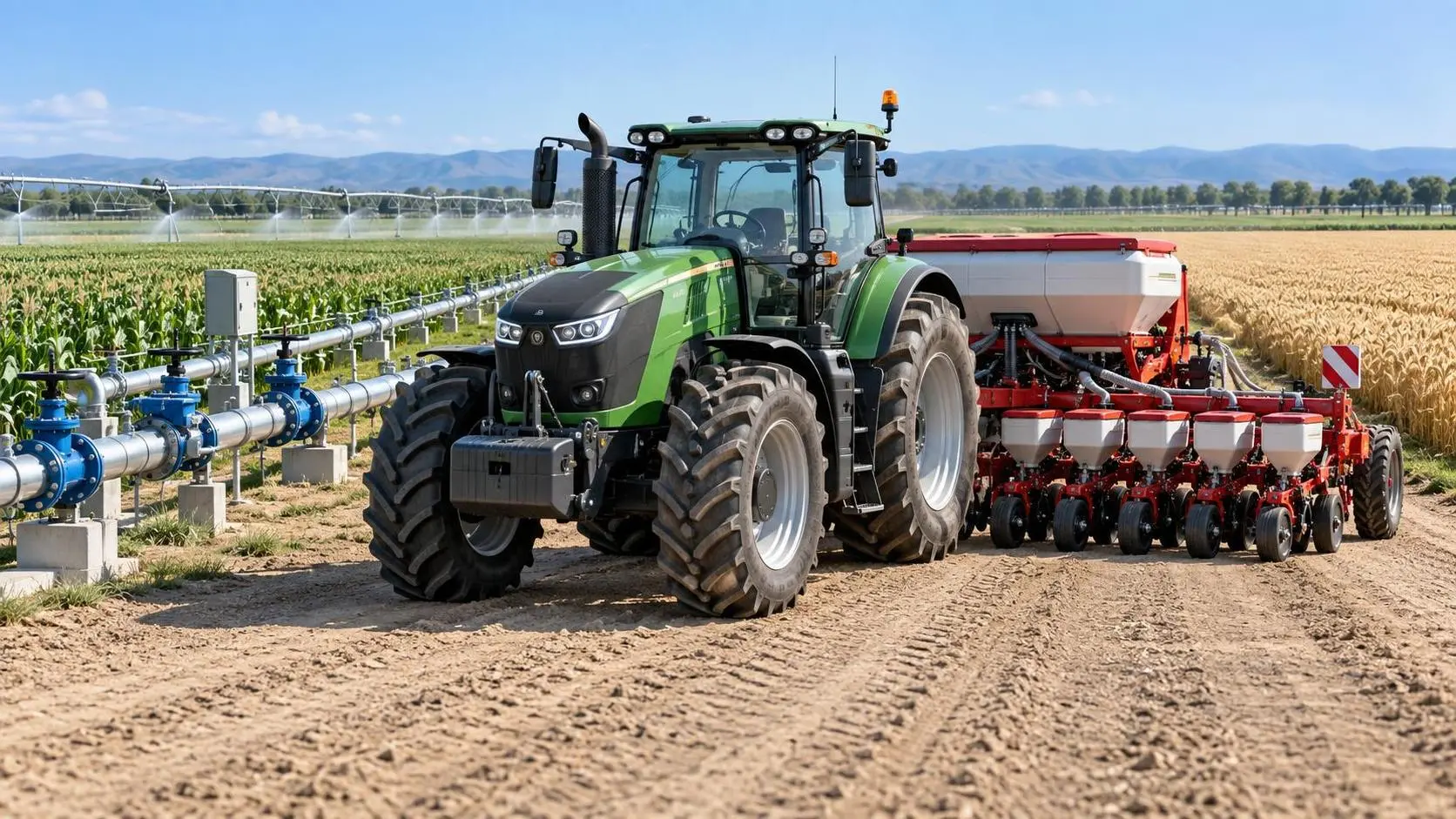
Specification Planning: A Practical Framework for Defining Equipment Requirements
Application guidance for specification planning: define measurable equipment requirements, prioritize performance, and avoid costly procurement mistakes.

How North American Farms Can Select Crop Monitoring Systems by Acreage and Connectivity
Crop monitoring systems North America: learn how to match acreage, connectivity, sensors, and data workflows for reliable, actionable farm decisions.

Where to Find Reliable Product Information for Comparing Farm Equipment
Product information resources agriculture buyers can trust: compare farm equipment with technical specs, manuals, field data, dealer support, and lifecycle insights.
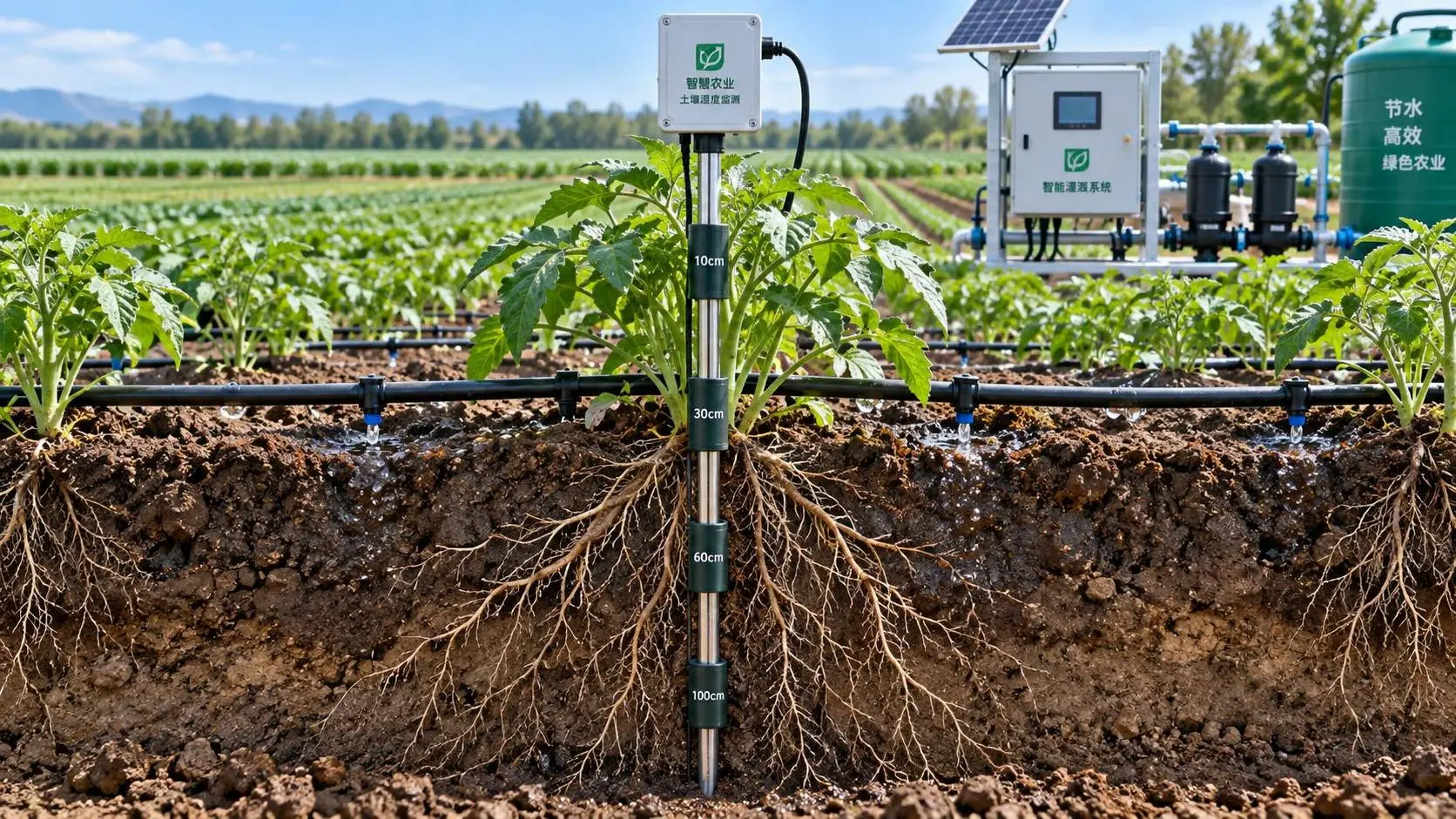
Selecting Real-Time Soil Moisture Sensors for Irrigation Zone Control
Soil moisture sensors real time: learn how to select reliable probes, optimize zone control, improve irrigation decisions, and scale precision water management.
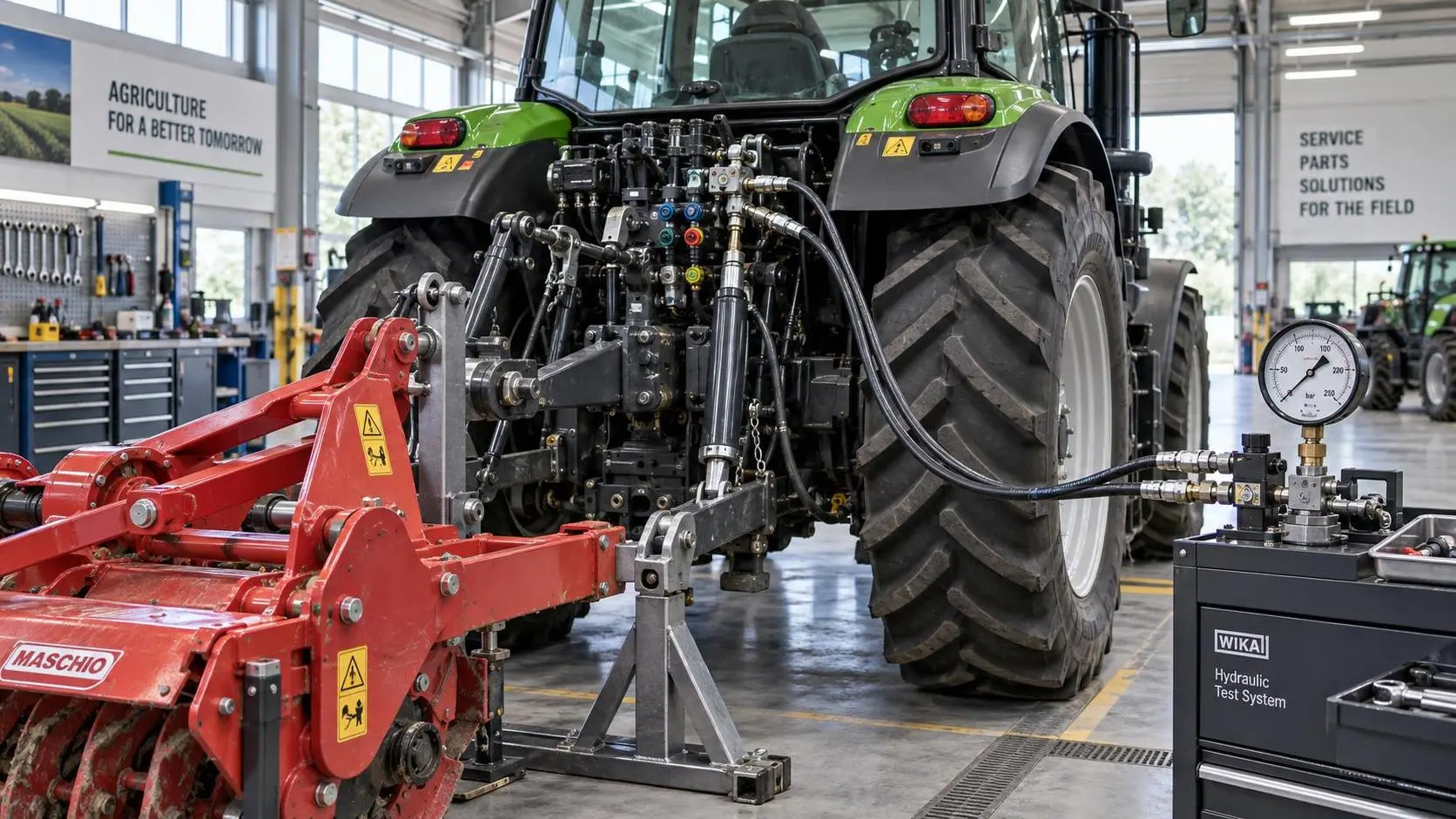
Tractor Hydraulic Systems Troubleshooting: Diagnosing Weak Lift and Slow Implements
Tractor hydraulic systems troubleshooting made practical: diagnose weak lifts and slow implements with proven pressure, flow, valve, and oil-supply checks.
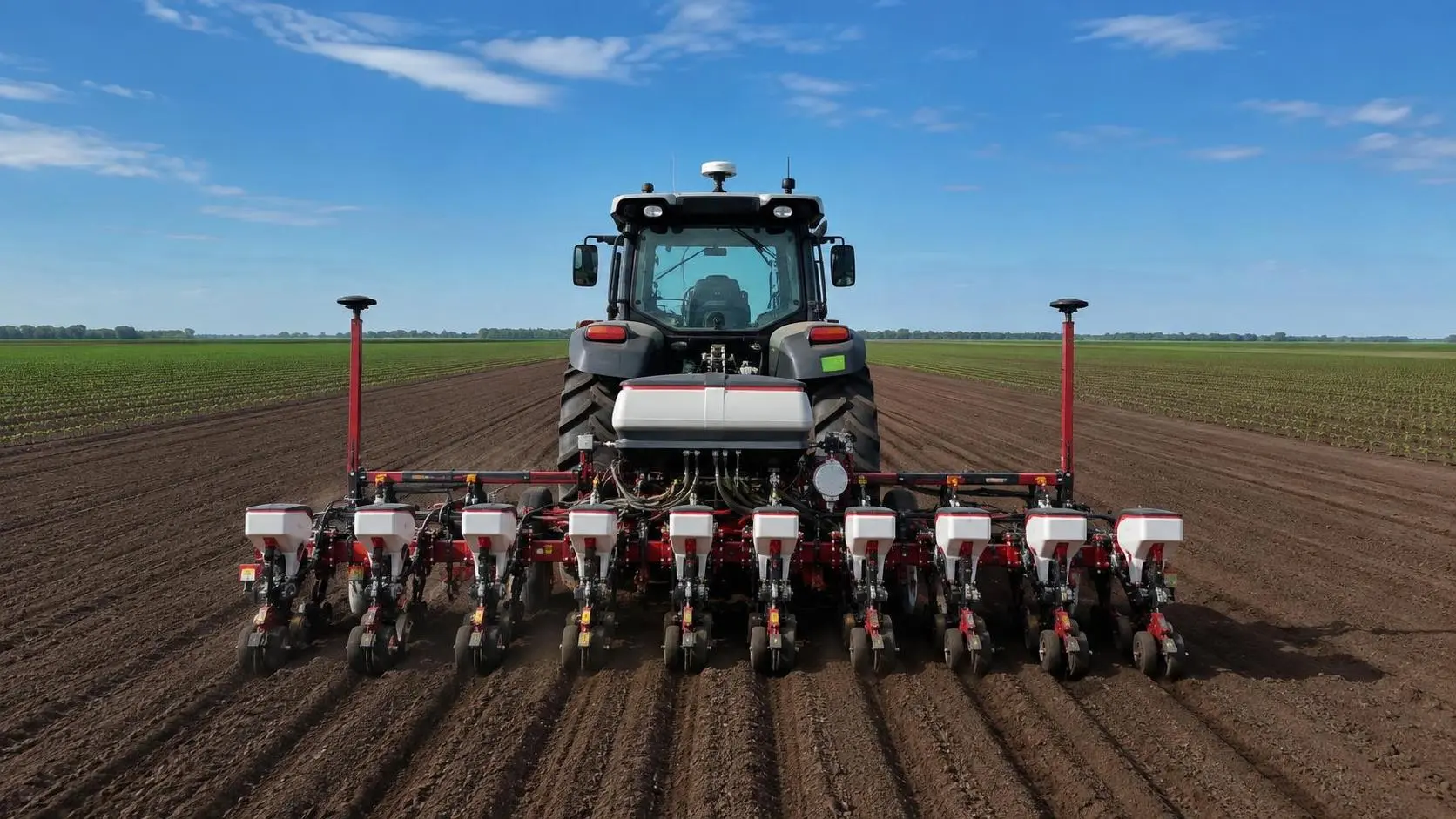
How Tractor Intelligence Systems Improve Field Efficiency and Input Accuracy
Agricultural machinery intelligence for tractors improves field efficiency, input accuracy, data traceability, and implement control. Explore smarter evaluation strategies.
Related News
- 00
0000-00
Selecting Precision Farming Products by Application: Field Conditions, Crops, and ROI - 00
0000-00
How to Evaluate Agricultural Product Information Sources for Reliable Farm Decisions - 00
0000-00
Farm Machinery Guide: Matching Tractor Horsepower and Implements to Farm Size - 00
0000-00
Specification Planning: A Practical Framework for Defining Equipment Requirements - 00
0000-00
Where to Find Reliable Product Information for Comparing Farm Equipment
Popular Tags
Ms. Elena Rodriguez
Weekly Insights
Stay ahead with our curated technology reports delivered every Monday.