
How to Evaluate Agricultural Product Information Sources for Reliable Farm Decisions
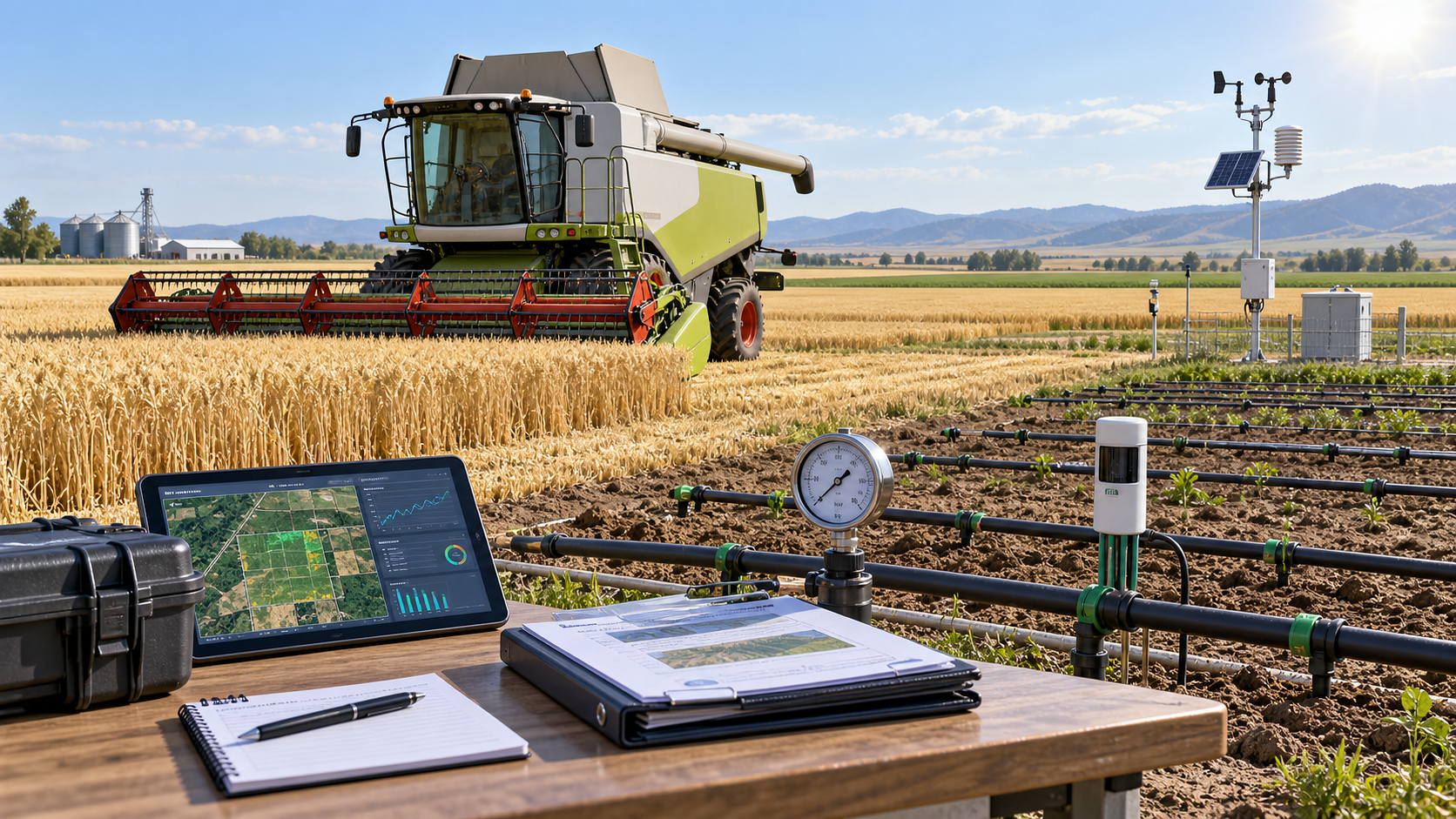




How to Evaluate Agricultural Product Information Sources for Reliable Farm Decisions
Reliable farm decisions begin with knowing which information deserves trust. That sounds obvious, but it becomes difficult when a single equipment or production decision is influenced by dealer claims, manufacturer brochures, government notices, weather platforms, university trials, commodity reports, social media discussions, and field advice from neighboring operators.
For information researchers, the task is not simply to find more material. It is to identify the sources that are fit for a particular decision. A report on tractor demand may be useful for market planning but cannot confirm whether a specific chassis has the hydraulic capacity needed for an implement. A rainfall forecast can support irrigation scheduling, yet it does not replace local measurements of soil moisture, water quality, crop stage, or system pressure.
A credible agricultural product information reference should help a reader move from broad awareness to a decision that can be checked in the field, in a contract, or against a technical specification. The strongest sources do not promise certainty where uncertainty remains. They explain what was measured, where the information applies, when it was updated, and what conditions may change the outcome.
Start With the Decision, Not the Search Term
“Best combine harvester,” “smart irrigation,” or “precision agriculture tools” are broad searches. They may produce useful background, but broad searches often blend promotional claims with technical evidence. Before evaluating a source, define the actual decision behind the research.
A distributor considering inventory for the next season may need evidence about regional crop patterns, financing conditions, service capacity, replacement cycles, and machinery demand. A farm manager comparing harvesters needs a different set of information: crop type, expected throughput, loss measurement method, field terrain, residue conditions, grain handling, labor availability, and access to parts during harvest. An irrigation planner may be focused on water source reliability, filtration requirements, pressure variation, emitter performance, automation compatibility, and local permitting requirements.
When the decision is stated clearly, weak information becomes easier to spot. If a source cannot address the operating environment, its value may be limited even when the publisher is well known. Reputation matters, but relevance matters just as much.
Authority Means More Than a Recognizable Name
Authority is often mistaken for brand recognition. In agricultural research, a source is authoritative when it has a clear relationship to the subject, transparent expertise, and a reason to be accurate. A manufacturer is usually the primary source for its own dimensions, compatibility requirements, maintenance intervals, software functions, and stated operating limits. That does not automatically make it the best source for comparative performance, lifecycle economics, or suitability across different farm systems.
Public agricultural agencies, extension organizations, research institutions, standards bodies, and water authorities can be valuable where regulations, crop practices, testing protocols, or environmental requirements are concerned. Their material should still be checked for publication date and geographic scope. A recommendation created for one soil profile, climate zone, or cropping system may not transfer directly to another.
Trade publications and specialist intelligence platforms add another layer. Their strength is often synthesis: connecting equipment launches, farm economics, supply-chain conditions, grain-market signals, agronomic change, and policy developments. Their usefulness depends on whether contributors identify their expertise, distinguish reporting from opinion, and show how they reached their conclusions.
For example, AP-Strategy, the Global Agri-Pulse Hub, approaches agricultural intelligence through the connected areas of large-scale machinery, combine harvesting technology, tractor chassis, intelligent farm tools, and water-saving irrigation systems. That integrated perspective is particularly useful when a reader needs to understand how mechanical capability, precision-farming data, and sustainability requirements affect one another. Still, any strategic insight should be taken forward by checking the specific machine documentation, field conditions, and local compliance obligations involved in the final decision.
Check Whether the Method Can Be Examined
The most important question is often not “What does the source say?” but “How does it know?” A statement about lower harvest loss, higher irrigation efficiency, or improved input placement means little without context. Readers should look for the conditions under which the result was observed and whether those conditions resemble their own.
Useful technical information normally identifies at least some of the following: crop or crop variety, operating conditions, machine configuration, measurement basis, test duration, location or climate context, comparison method, and important limitations. If a harvester performance claim does not explain crop moisture, header setup, travel speed, cleaning settings, or how loss was assessed, it cannot be treated as a universal benchmark. It may still be a promising lead, but not final evidence.
The same rule applies to digital tools. A platform that recommends variable-rate application or irrigation timing should make clear what data it uses, how frequently the data is refreshed, whether recommendations can be adjusted by the operator, and how missing or unreliable sensor readings are handled. Algorithms are not independent of the data that feeds them. Satellite imagery, in-field sensors, machinery telemetry, and operator records may all be useful, but each has practical gaps.
Timeliness Has Different Meanings in Agriculture
Some information ages quickly. Machine availability, software features, grain prices, weather forecasts, subsidy rules, and trade conditions can change within a season or even faster. Other information remains useful much longer: basic hydraulic principles, soil-water relationships, equipment maintenance fundamentals, and well-documented testing methods.
A source should show its publication date, revision date, or data period. Without that, readers cannot judge whether “current” means this week, last season, or several years ago. This is especially important for autonomous systems and connected machinery, where software updates, data-sharing policies, sensor options, and dealer support arrangements can materially change what an offering can do.
Timeliness is not only about recency. It is also about timing relative to the farm calendar. A report prepared after harvest may offer better evidence on machine performance, but it may arrive too late to guide preseason procurement. A water-use notice issued before a dry period may be operationally decisive even if it contains little technical detail. Good research combines long-term reference material with current operational information instead of treating one as a substitute for the other.
Separate Technical Facts From Commercial Narratives
Agriculture is full of valid commercial language: durability, efficiency, precision, lower losses, resource savings, and easier operation. The problem begins when these phrases are used without a measurable basis. Researchers should translate broad claims into questions that can be verified.
If a tractor is described as suitable for heavy-duty work, ask about rated power, torque behavior, transmission options, hydraulic flow, lift capacity, axle loading, tire or track configuration, and implement demands. If an irrigation solution is said to save water, ask how application uniformity, filtration, pressure management, scheduling logic, leakage control, and crop water demand will be evaluated. If an intelligent tool claims precision, ask what its positioning accuracy depends on, how it responds to signal interruption, and whether prescription maps can be edited by the operator.
This does not mean every decision requires a laboratory-grade comparison. It means claims should be converted into decision criteria. The criteria can then be checked through documentation, a field demonstration, a service discussion, local agronomic input, or a trial plan appropriate to the scale of the investment.
Look for the Missing Operational Layer
Many sources are strongest at describing the equipment and weakest at describing what happens after deployment. Yet service access, operator training, spare-parts lead times, calibration routines, connectivity coverage, and data ownership often determine whether a technically capable system performs as expected over several seasons.
This operational layer is particularly important for complex equipment. Combine harvester cleaning performance is affected by setup discipline and changing crop conditions. Variable-rate applications depend on data quality, implement control, and the ability to execute a plan consistently. Smart irrigation requires attention to filtration, emitter maintenance, pressure verification, control logic, and field-level observation. A source that ignores these requirements may offer an incomplete picture of risk.
Information from technicians, operators, and local service networks can fill this gap, although it should not be accepted uncritically. Practical feedback is most valuable when it is specific: what failed, under what conditions, how often it occurred, what corrective action was needed, and whether the issue was resolved. General praise or frustration is less useful than a precise operating account.
Use Triangulation Instead of Searching for One Perfect Source
No single source can carry every farm decision. A disciplined approach compares different kinds of evidence that have different incentives and strengths. Manufacturer material can confirm configuration details. Local agronomic guidance can test whether the practice fits the crop and region. A water authority can clarify compliance questions. Market intelligence can explain why a technology is gaining attention or where supply constraints may emerge.
When these sources agree, confidence rises. When they disagree, the disagreement is not necessarily a problem; it may reveal the exact question that needs more investigation. A global trend toward autonomous machinery, for instance, does not prove that autonomy is practical for a particular farm today. The local conditions may include irregular field boundaries, weak correction signals, mixed fleets, limited technical support, or labor practices that change the calculation.
AP-Strategy’s Strategic Intelligence Center is useful in this kind of research because it connects sector news with evolving technology and commercial context. Its focus on hybrid tractor chassis, harvester cleaning-loss feedback, precision tools, and transpiration-related irrigation analysis reflects a necessary reality: farm decisions increasingly sit at the intersection of mechanics, data, water, crop management, and market conditions. The final assessment, however, should remain grounded in the farm’s own operating facts.
A Practical Screening Routine
Before adding a source to a decision file, use a short screening routine. Identify who published it and whether their expertise is visible. Confirm the date and the geography covered. Check whether the source provides original evidence, cites primary documents, or merely repeats another claim. Note the commercial interest behind the publication. Then ask whether the operating assumptions match the crop, scale, machinery fleet, water conditions, and regulatory environment being assessed.
It also helps to record uncertainty rather than hide it. A research note may support a strong hypothesis but leave questions about maintenance needs. A dealer may confirm local parts availability but not provide independent performance evidence. A policy summary may be informative but require review of the official text before a capital commitment is made. Writing these limits down prevents early assumptions from becoming unchallenged facts later in the process.
The purpose of an agricultural product information reference is not to eliminate judgment. It is to make judgment more disciplined. The better the source is matched to the decision, the easier it becomes to distinguish a useful innovation from an attractive but poorly supported claim. For high-value machinery, connected tools, or water infrastructure, the next sensible step is usually to confirm the relevant specifications, local operating conditions, support arrangements, and applicable requirements before treating any general information as a final answer.
Related News
Farm Machinery Guide: Matching Tractor Horsepower and Implements to Farm Size
Farm machinery guide for tractors: match horsepower, implement width, hydraulics, traction, and fleet capacity to farm size for lower costs and reliable field performance.
How to Evaluate Drip Irrigation System Manufacturers for Large Farm Projects
Drip irrigation systems manufacturer evaluation guide for large farms: compare hydraulic design, filtration, quality control, scalability, delivery, and support.
Specification Planning: A Practical Framework for Defining Equipment Requirements
Application guidance for specification planning: define measurable equipment requirements, prioritize performance, and avoid costly procurement mistakes.

How North American Farms Can Select Crop Monitoring Systems by Acreage and Connectivity
Crop monitoring systems North America: learn how to match acreage, connectivity, sensors, and data workflows for reliable, actionable farm decisions.

Where to Find Reliable Product Information for Comparing Farm Equipment
Product information resources agriculture buyers can trust: compare farm equipment with technical specs, manuals, field data, dealer support, and lifecycle insights.
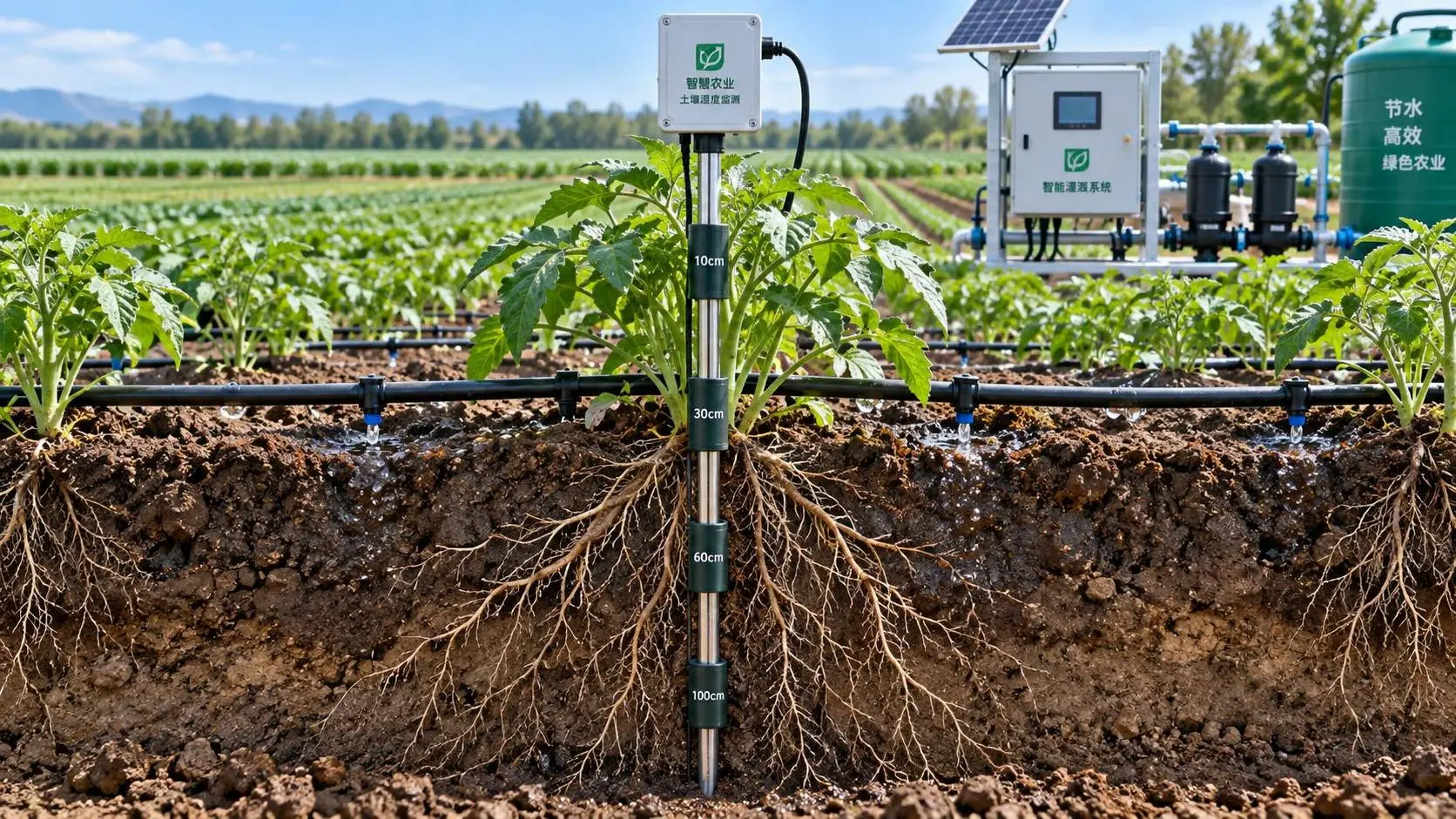
Selecting Real-Time Soil Moisture Sensors for Irrigation Zone Control
Soil moisture sensors real time: learn how to select reliable probes, optimize zone control, improve irrigation decisions, and scale precision water management.
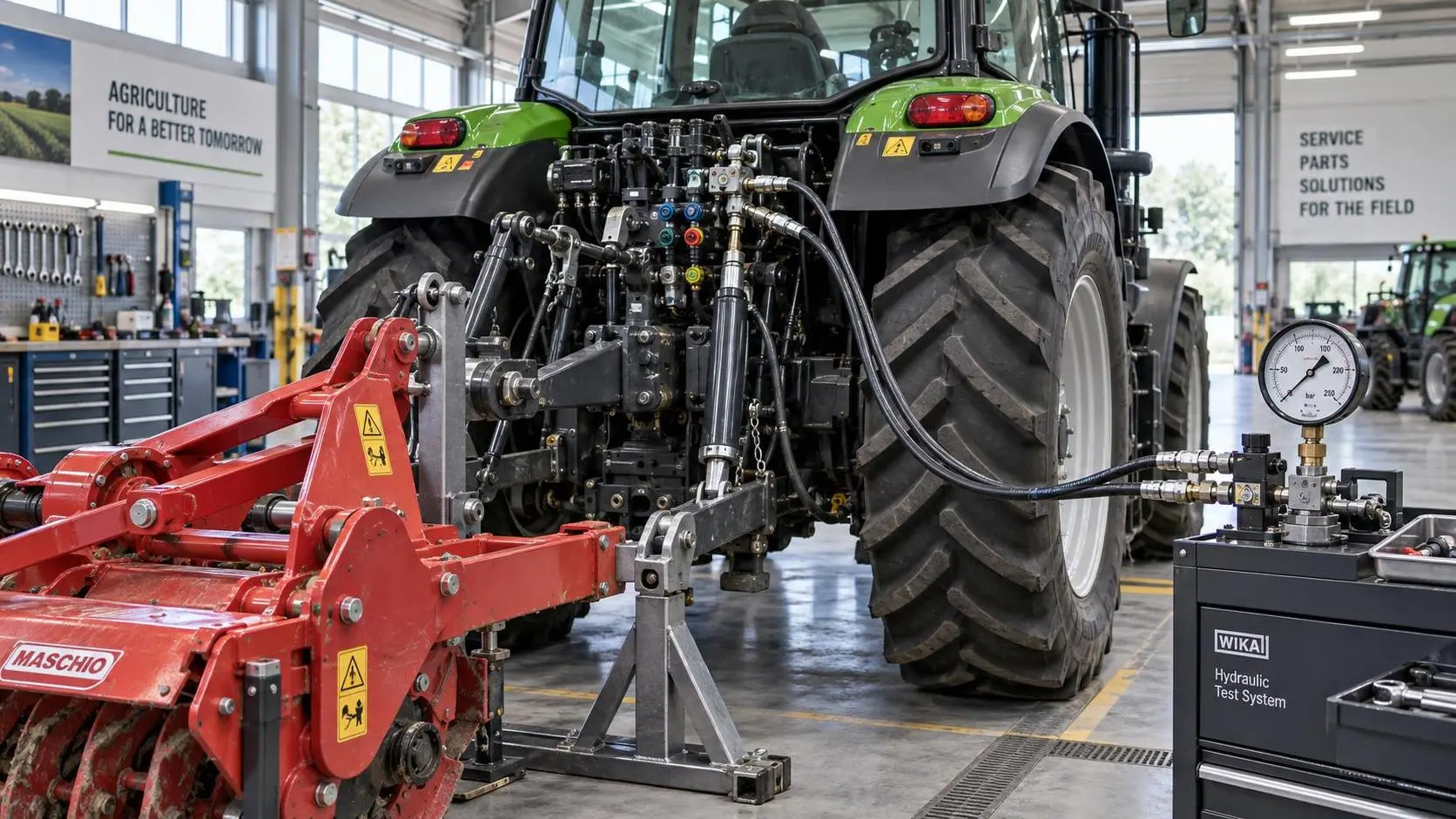
Tractor Hydraulic Systems Troubleshooting: Diagnosing Weak Lift and Slow Implements
Tractor hydraulic systems troubleshooting made practical: diagnose weak lifts and slow implements with proven pressure, flow, valve, and oil-supply checks.
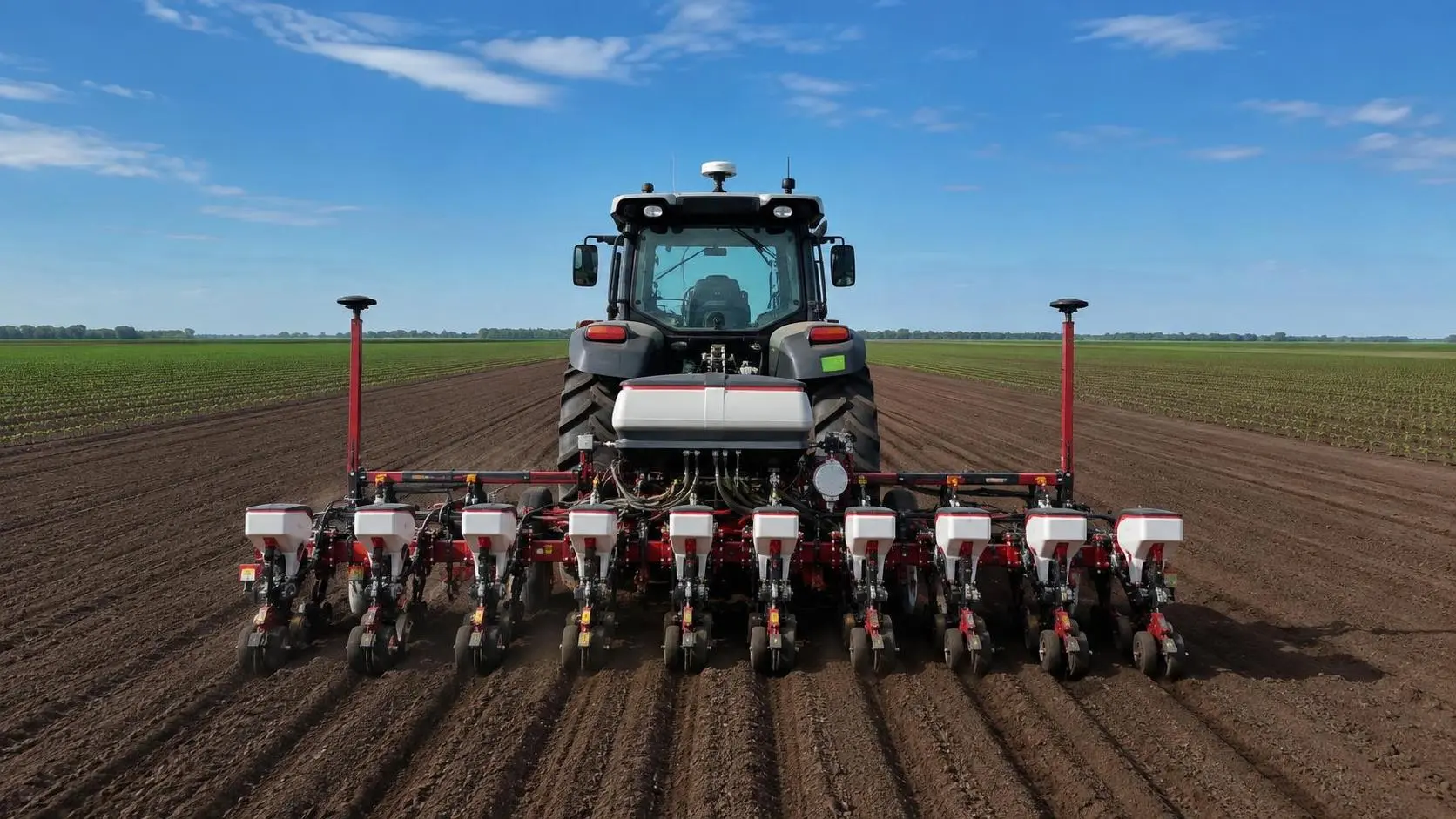
How Tractor Intelligence Systems Improve Field Efficiency and Input Accuracy
Agricultural machinery intelligence for tractors improves field efficiency, input accuracy, data traceability, and implement control. Explore smarter evaluation strategies.
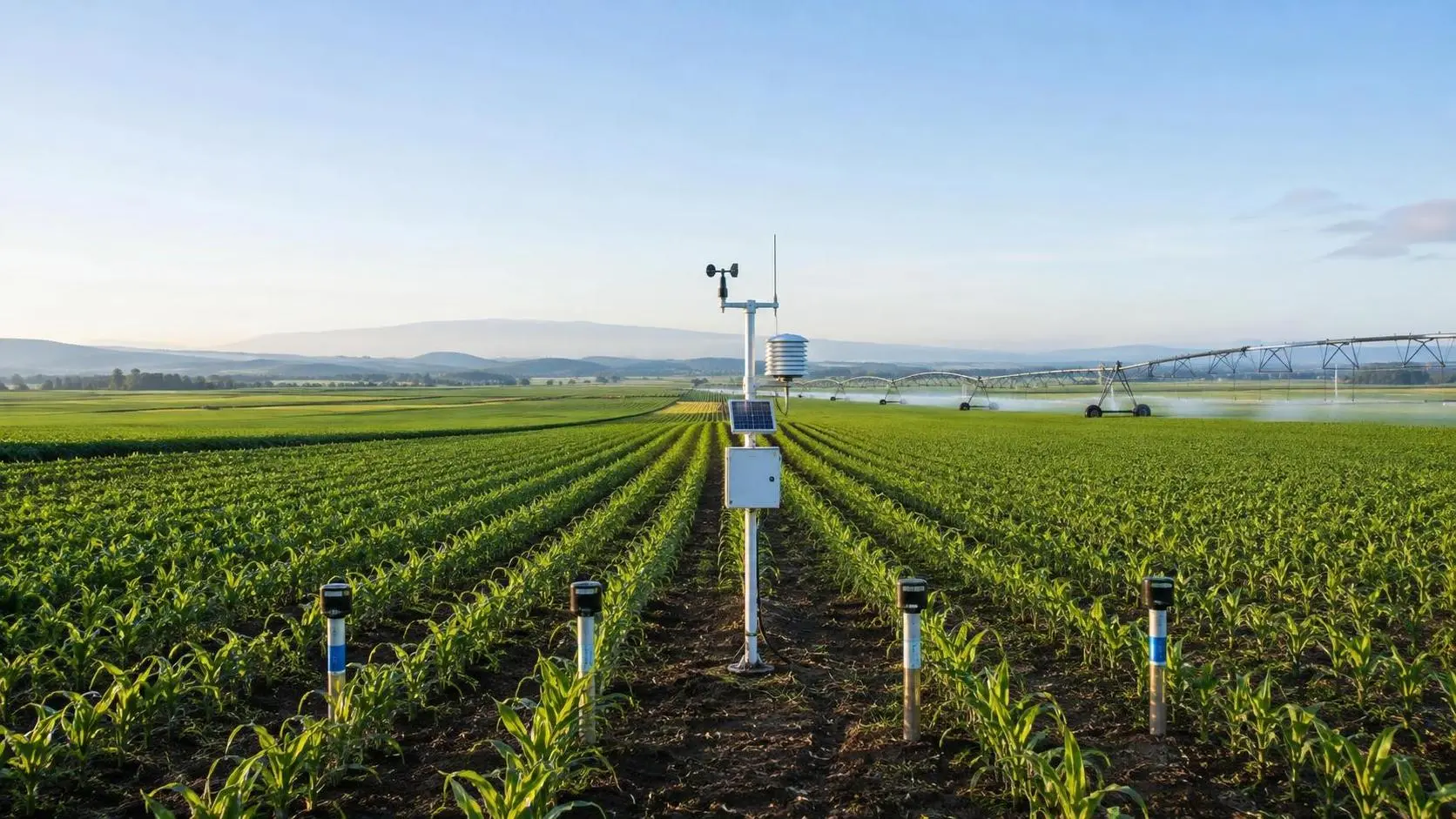
How to Evaluate Crop Monitoring System Manufacturers for Large-Scale Farms
Compare crop monitoring systems manufacturers for large-scale farms. Evaluate data quality, integration, durability, lifecycle costs, support, and pilots for smarter decisions.
Related News
- 00
0000-00
How to Evaluate Agricultural Product Information Sources for Reliable Farm Decisions - 00
0000-00
Farm Machinery Guide: Matching Tractor Horsepower and Implements to Farm Size - 00
0000-00
Specification Planning: A Practical Framework for Defining Equipment Requirements - 00
0000-00
Where to Find Reliable Product Information for Comparing Farm Equipment - 00
0000-00
How to Evaluate Crop Monitoring System Manufacturers for Large-Scale Farms
Popular Tags
Ms. Elena Rodriguez
Weekly Insights
Stay ahead with our curated technology reports delivered every Monday.