
Farm Machinery Guide: Matching Tractor Horsepower and Implements to Farm Size
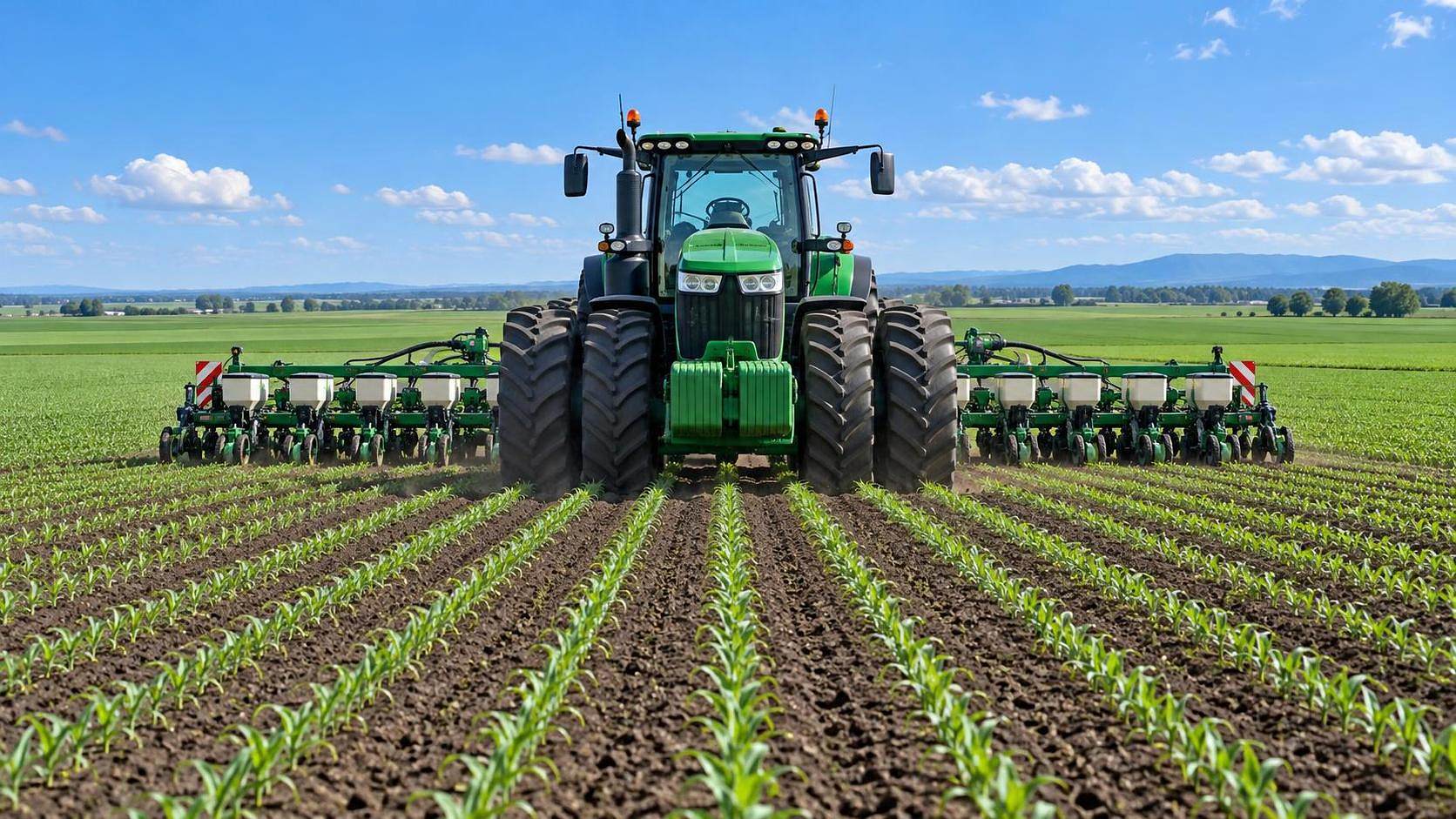




A tractor that looks economical on the purchase order can become expensive in the field if it is underpowered, poorly ballasted, or unable to supply the hydraulic flow required by its implements. The opposite problem is equally real: buying more tractor than the operation can keep productive ties up capital, increases fuel use, and may leave valuable capacity sitting in the shed during narrow seasonal windows.
This farm machinery guide for tractors is designed for procurement teams that need to connect farm size with practical workload, not simply compare engine horsepower on a brochure. Acreage matters, but so do soil type, crop rotation, terrain, implement width, transport distances, operator availability, and the number of days in which work can realistically be completed. A well-matched tractor-and-implement package should move through the season with enough reserve capacity to handle difficult conditions without carrying unnecessary cost through the rest of the year.
Start With the Work Calendar, Not the Horsepower Number
Farm size is a useful first filter, but it should not be the first purchasing decision. Two farms with the same planted area may require very different machinery. One may operate on level, well-drained land with long rectangular fields and a narrow crop mix. The other may have heavy clay soils, rolling ground, fragmented parcels, irrigation equipment to manage, and several crops demanding attention at the same time.
Before comparing tractor models, map the annual workload by operation:
- Primary tillage, deep ripping, subsoiling, or residue incorporation
- Seedbed preparation, drilling, planting, and precision seeding
- Fertilizer spreading, slurry handling, spraying, and inter-row cultivation
- Hay, forage, loader work, bale handling, and livestock support
- Grain cart, trailer, irrigation pump, and road transport duties
- Seasonal peaks when multiple implements need to operate at once
Then identify the deadline for each task. A cultivator can be run over a wider time window than a crop protection pass ahead of rain. A planter delayed by wet ground may need to cover a large area in only a few workable days. Procurement decisions should therefore be built around the most time-sensitive field operations, not average annual use.
A useful planning question is: What must this tractor complete during the hardest week of the season? The answer often reveals whether the business needs more horsepower, a wider implement, a second tractor, or better fleet coordination.
Horsepower Is a System Specification
Engine horsepower is easy to compare, but it is only one part of usable field performance. Buyers should distinguish between rated engine power, PTO horsepower, drawbar power, and hydraulic capability. Power is lost through driveline components, wheel slip, auxiliary loads, and operating conditions. A tractor with an attractive engine rating may still struggle with a high-draft implement if its weight, tires, transmission, or ballast are not suited to the job.
For field procurement, the more relevant question is whether the tractor can deliver enough power at the point where the implement demands it. PTO-driven equipment such as mowers, balers, forage harvest support equipment, pumps, and certain spreaders requires dependable PTO output. Tillage, especially in heavy or dry soils, depends heavily on drawbar performance, traction, and correct ballast. Precision planters and seed drills may place greater emphasis on hydraulic flow, electrical capacity, guidance integration, and stable low-speed control.
This is why a farm machinery guide for tractors should never treat horsepower as an isolated figure. A 150 hp tractor configured for transport and light PTO work is not automatically equivalent to a 150 hp tractor intended for sustained draft work with a heavy cultivator. Transmission choice, axle capacity, tire configuration, front linkage, rear lift capacity, and hydraulic pump design all influence the equipment package that can be used effectively.
Acreage Bands: A Practical Starting Point for Procurement
The following ranges are not universal prescriptions. They offer a starting point for screening equipment options before field conditions and work rates are calculated in more detail.
These bands should be adjusted upward where soils are heavy, slopes are significant, tillage is intensive, or working windows are short. They may be adjusted downward in reduced-tillage or no-till systems, where draft demand is lower but hydraulic and precision-control requirements may rise. A large farm that outsources primary tillage or harvesting may also need a different tractor profile than a smaller farm performing every operation in-house.
Match Implement Width to Field Capacity
The central calculation is not “How wide an implement can the tractor pull?” It is “How much area can the tractor-implement combination complete in the available time at an acceptable cost and quality level?”
Effective field capacity is influenced by working width, travel speed, turning time, refill time, field shape, overlap, operator breaks, and weather interruptions. A wide implement can look productive on paper but lose its advantage in small, irregular fields or where roads, gates, and bridges restrict transport width. Conversely, choosing a narrow implement because it is easier to finance can create a planting or cultivation bottleneck that costs far more than the initial saving.
For example, a seed drill should be sized against the acreage that must be planted within the local optimum planting window. A cultivator should be assessed against soil conditions and expected working depth, not only its nominal width. A sprayer must be evaluated for tank refill logistics, boom width, field access, nozzle control, and the narrow weather periods available for application.
When reviewing implement specifications, procurement teams should request real operating assumptions from suppliers: expected speed range, power requirement at the intended depth, hydraulic oil demand, machine weight, transport dimensions, and recommended ballast. The phrase “requires 180 hp” can mean very different things depending on soil, depth, and speed.
Hydraulics, Hitch Capacity, and PTO: The Details That Delay Work
Many mismatches are discovered after delivery, when an implement is technically attachable but cannot be used at full capacity. Modern drills, planters, precision applicators, and folding implements can demand substantial hydraulic flow and multiple remote valves. If hydraulic flow is insufficient, functions may become slow or inconsistent. If the rear linkage cannot safely lift a folded implement with adequate margin, road transport becomes a risk rather than a routine task.
Check the full compatibility envelope, including:
- Hydraulic pump flow and whether it is available at working engine speed
- Number and type of rear and front remote valves
- Rear lift capacity at the actual lift-point distance, not only the headline figure
- PTO speed options and the horsepower available at the PTO
- Electrical connectors, ISOBUS compatibility, and implement control terminals
- Front axle load, rear axle load, tire load rating, and permissible gross vehicle weight
- Transport height, folded width, braking requirements, and road regulations
These checks matter particularly when buying equipment from different manufacturers. An ISOBUS-ready tractor may simplify control integration, but buyers should still confirm software licenses, terminal compatibility, section control capability, and data ownership arrangements. Precision farming value is reduced if task data cannot move smoothly between the tractor, implement, farm management platform, and agronomy team.
Traction Is Often More Valuable Than Extra Engine Power
In high-draft work, poor traction turns fuel into heat and wheel slip. Adding horsepower without resolving the traction package may not improve field output. The choice between single tires, duals, wider low-pressure tires, or tracks should reflect soil-bearing capacity, crop damage risk, road travel, controlled-traffic plans, and seasonal moisture conditions.
Ballast deserves the same attention. Too little weight can cause slip and instability; too much can increase compaction and fuel consumption. The objective is balanced axle loading and enough traction for the intended operation, not maximum weight. Procurement specifications should state which operations require removable ballast, front weights, wheel weights, or a front-mounted implement. This makes the tractor more adaptable across tillage, planting, transport, and loader tasks.
Where soil health is a strategic priority, the tractor selection process should include compaction risk. High-capacity machinery can reduce passes, yet its benefits may be undermined if axle loads and tire pressures are unmanaged. Farms investing in controlled traffic, variable-rate systems, or water-saving irrigation should view the tractor as part of a larger precision-production system rather than a standalone power unit.
Do Not Size the Fleet Around One “Average” Tractor
Many operations benefit more from a balanced fleet than from one large, highly specified machine. A reliable mid-power tractor can keep spraying, feeding, transport, or irrigation-related tasks moving while the primary high-horsepower unit handles seasonal draft work. This separation reduces scheduling conflicts and protects expensive power from being used for low-load duties.
For larger enterprises, fleet standardization can simplify training, maintenance parts, diagnostic tools, and operator handovers. However, standardization should not erase role differences. A planting tractor may need superior hydraulic capacity and guidance accuracy; a haulage tractor may require suspension, braking capability, and road-speed efficiency; a heavy tillage tractor needs traction, cooling capacity, and durable drivetrain performance.
Ownership Cost Should Be Measured Per Productive Hectare
Purchase price is visible. Downtime, missed weather windows, excess fuel, underused capacity, and repair exposure are less visible, but they shape the true cost of ownership. A procurement review should estimate annual operating hours, expected utilization by season, fuel consumption under likely loads, maintenance intervals, tire replacement exposure, financing costs, and expected residual value.
It is also sensible to compare ownership with alternatives: custom hiring for peak operations, seasonal leasing, shared machinery arrangements, or retaining an older tractor for secondary work. The right decision may be a smaller owned tractor paired with contracted deep tillage, or a high-output tractor justified by a tight planting schedule and limited labor availability.
Ask the dealer or supplier about local parts stocking, field-service coverage, diagnostic support, and turnaround expectations during planting and harvest. For procurement teams, uptime is not an abstract service metric. It is the difference between using a dry field day and watching a seasonal opportunity disappear.
A Final Pre-Purchase Review
Before approving a tractor and implement package, test the proposal against the farm’s actual operating plan. Can the combination complete each critical task within the available window? Does it have power reserve for difficult soil or wet residue? Are hydraulics, lift capacity, tires, ballast, and electronic controls sufficient for the implements being purchased now and likely to be added later? Will it fit roads, sheds, irrigation lanes, and field entrances? Can local service support it when demand is highest?
The best machinery choice is rarely the biggest tractor or the cheapest package. It is the one that turns available labor, fuel, soil conditions, and weather opportunities into dependable field capacity. For buyers navigating changing crop economics, labor constraints, and precision agriculture requirements, that disciplined match between tractor horsepower, implement demand, and farm scale is where long-term machinery value begins.
Related News
How to Evaluate Agricultural Product Information Sources for Reliable Farm Decisions
Agricultural product information reference guide: evaluate reliable farm data, verify claims, and make smarter machinery, irrigation, and crop decisions.
How to Evaluate Drip Irrigation System Manufacturers for Large Farm Projects
Drip irrigation systems manufacturer evaluation guide for large farms: compare hydraulic design, filtration, quality control, scalability, delivery, and support.
Specification Planning: A Practical Framework for Defining Equipment Requirements
Application guidance for specification planning: define measurable equipment requirements, prioritize performance, and avoid costly procurement mistakes.

How North American Farms Can Select Crop Monitoring Systems by Acreage and Connectivity
Crop monitoring systems North America: learn how to match acreage, connectivity, sensors, and data workflows for reliable, actionable farm decisions.

Where to Find Reliable Product Information for Comparing Farm Equipment
Product information resources agriculture buyers can trust: compare farm equipment with technical specs, manuals, field data, dealer support, and lifecycle insights.
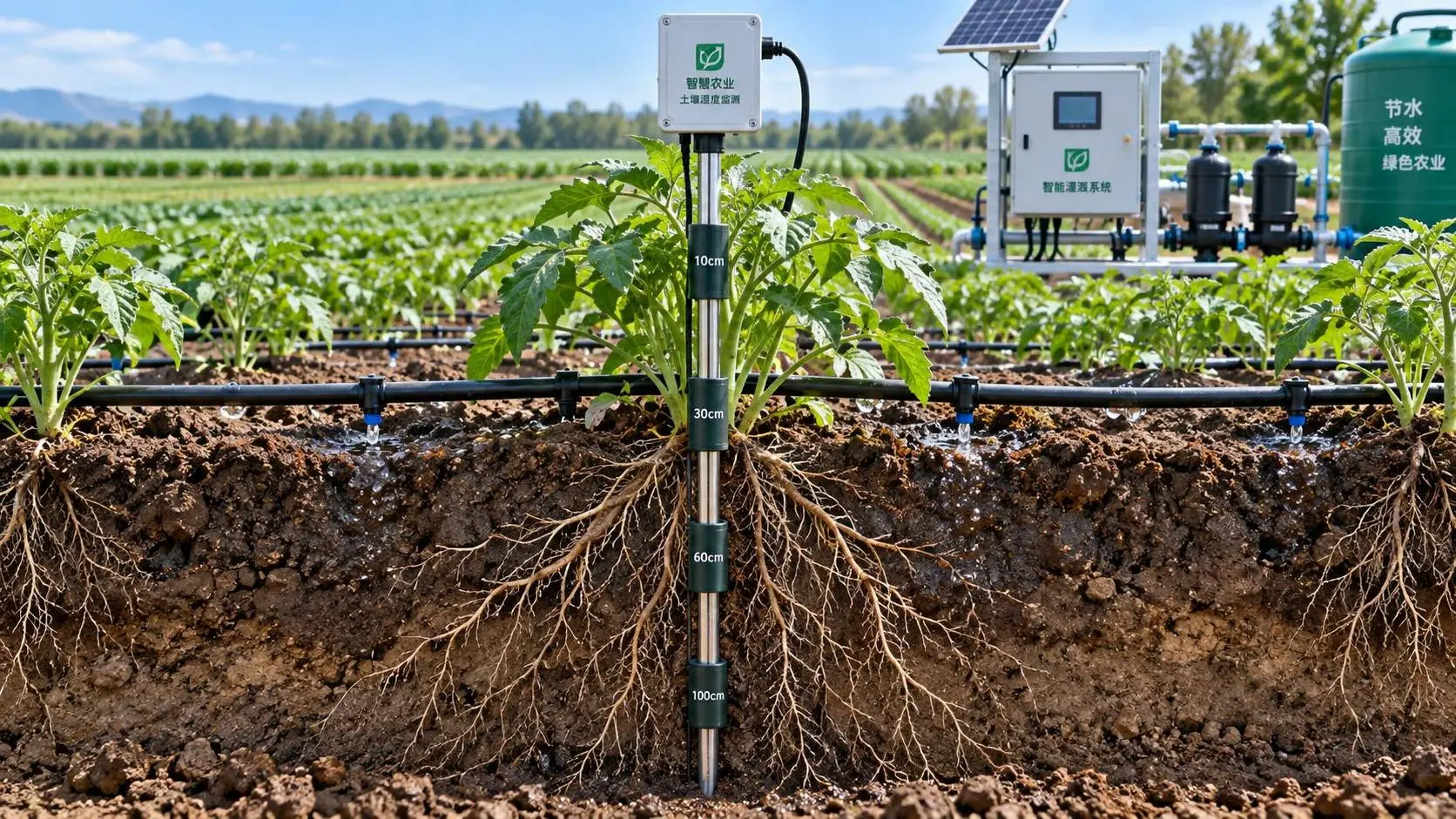
Selecting Real-Time Soil Moisture Sensors for Irrigation Zone Control
Soil moisture sensors real time: learn how to select reliable probes, optimize zone control, improve irrigation decisions, and scale precision water management.
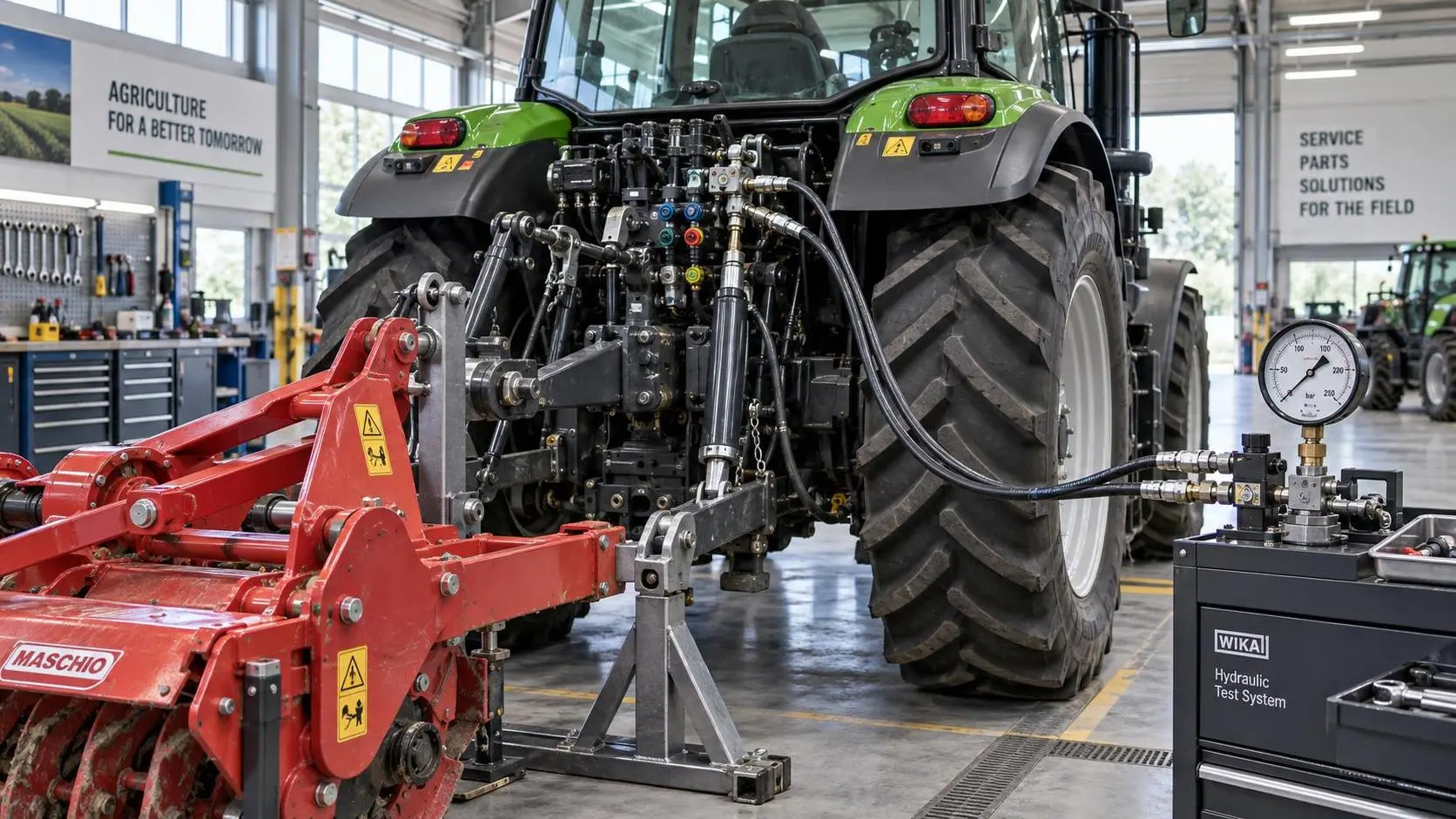
Tractor Hydraulic Systems Troubleshooting: Diagnosing Weak Lift and Slow Implements
Tractor hydraulic systems troubleshooting made practical: diagnose weak lifts and slow implements with proven pressure, flow, valve, and oil-supply checks.
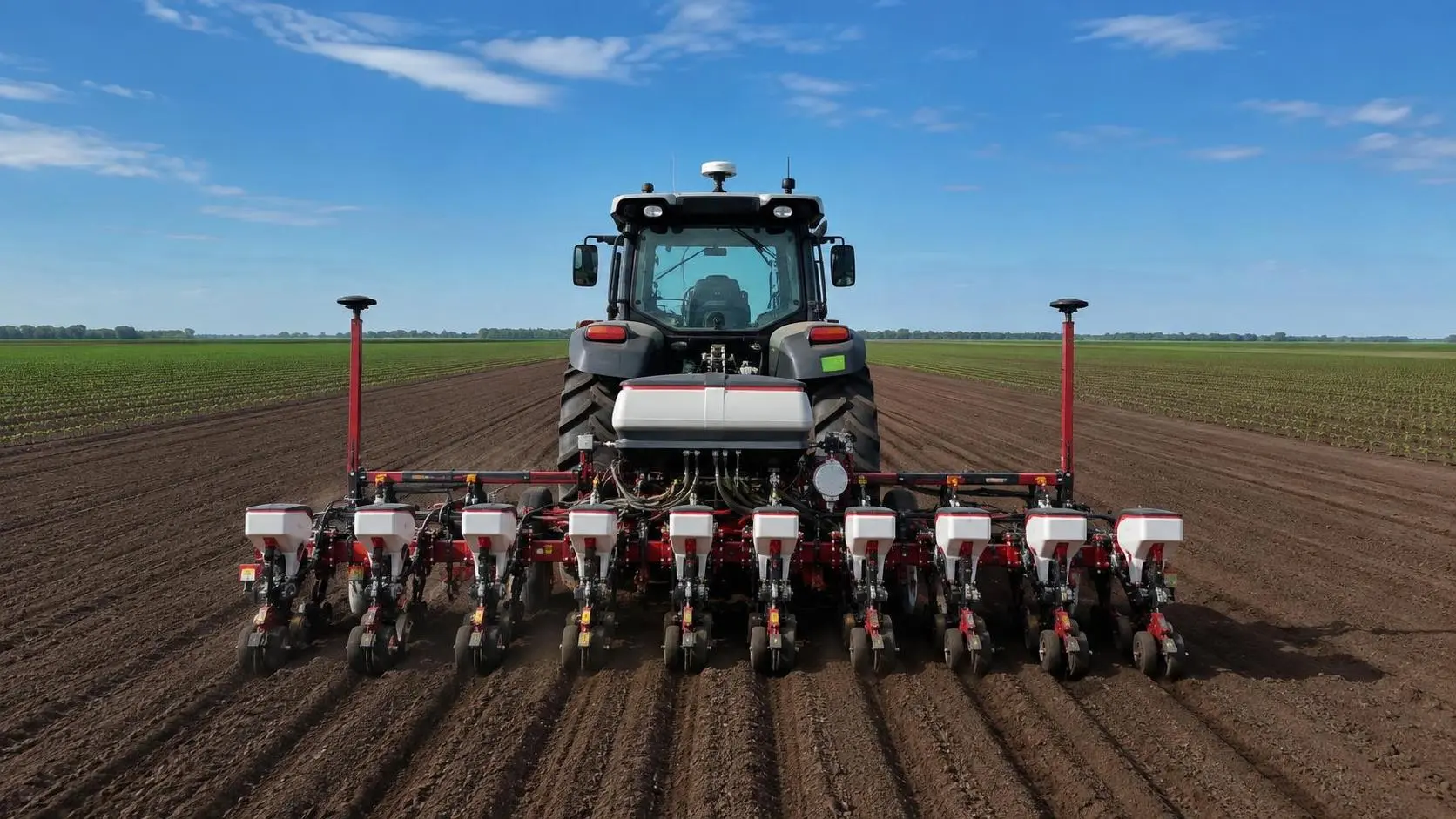
How Tractor Intelligence Systems Improve Field Efficiency and Input Accuracy
Agricultural machinery intelligence for tractors improves field efficiency, input accuracy, data traceability, and implement control. Explore smarter evaluation strategies.
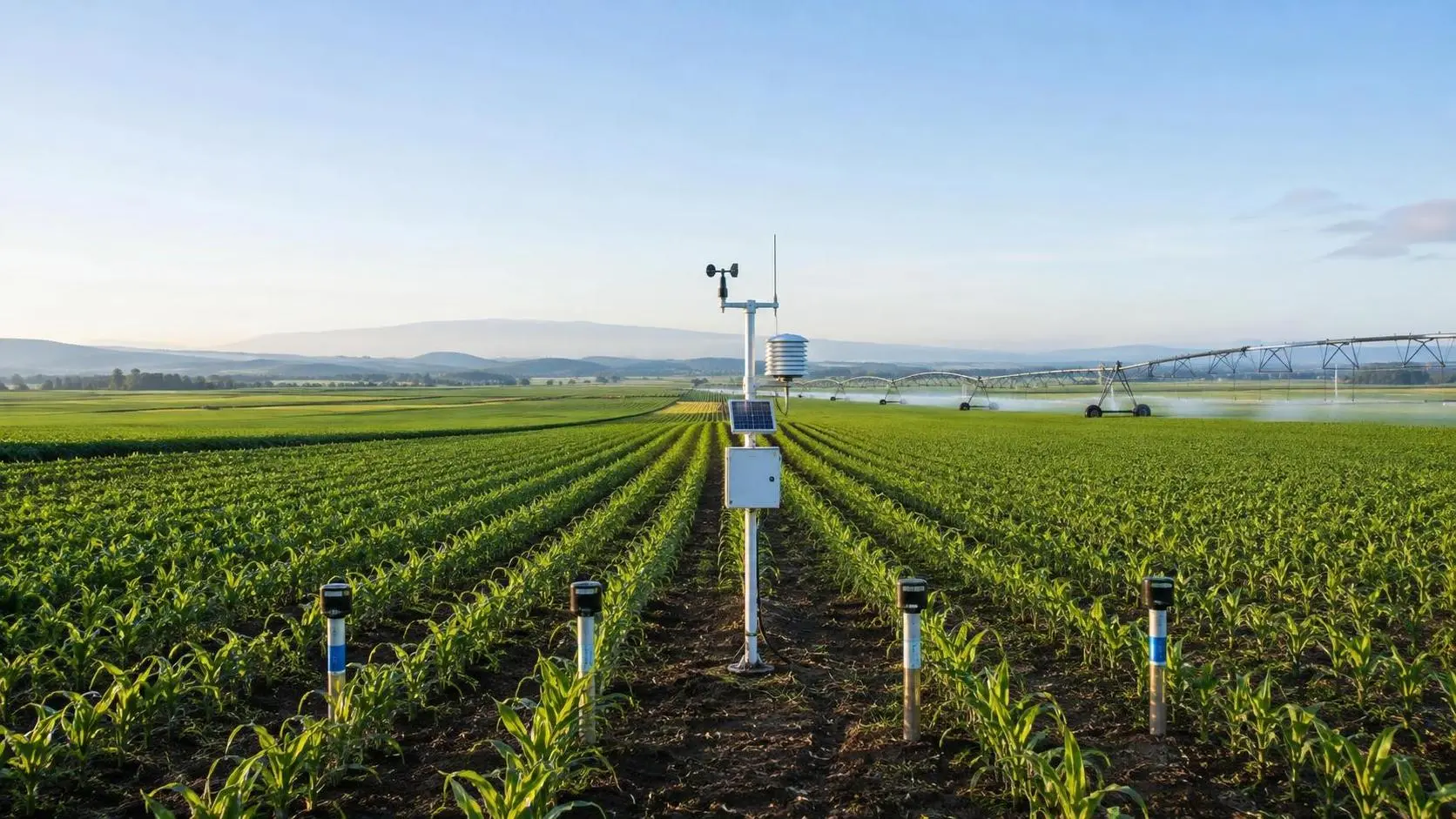
How to Evaluate Crop Monitoring System Manufacturers for Large-Scale Farms
Compare crop monitoring systems manufacturers for large-scale farms. Evaluate data quality, integration, durability, lifecycle costs, support, and pilots for smarter decisions.
Related News
- 00
0000-00
How to Evaluate Agricultural Product Information Sources for Reliable Farm Decisions - 00
0000-00
Farm Machinery Guide: Matching Tractor Horsepower and Implements to Farm Size - 00
0000-00
Specification Planning: A Practical Framework for Defining Equipment Requirements - 00
0000-00
Where to Find Reliable Product Information for Comparing Farm Equipment - 00
0000-00
How to Evaluate Crop Monitoring System Manufacturers for Large-Scale Farms
Popular Tags
Ms. Elena Rodriguez
Weekly Insights
Stay ahead with our curated technology reports delivered every Monday.