
Specification Planning: A Practical Framework for Defining Equipment Requirements
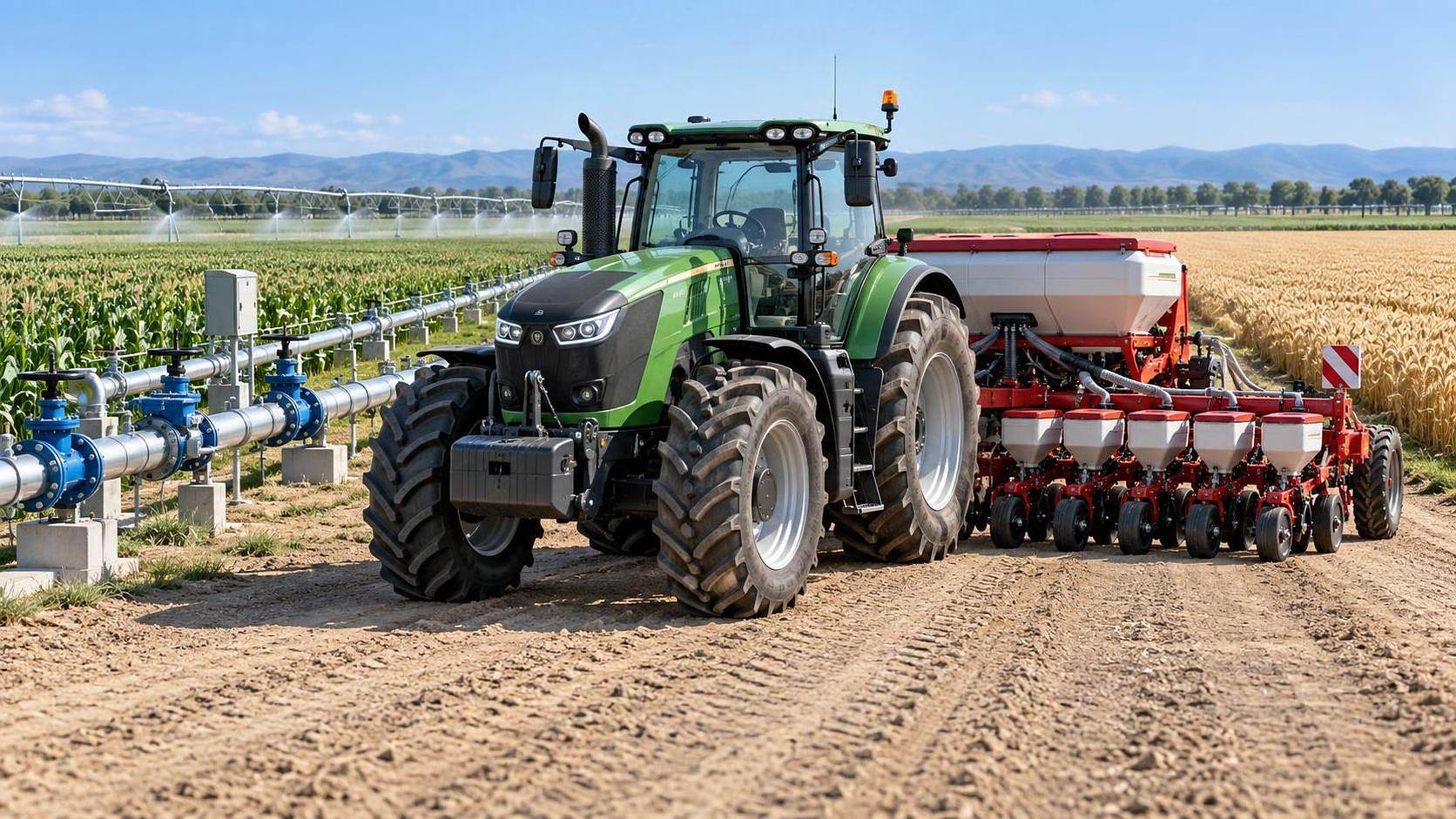




Start With the Operating Decision, Not the Equipment List
A specification is useful only when it helps a project team make a defensible equipment decision. A list of preferred features, copied from an earlier tender or supplier brochure, may look complete while leaving the central questions unanswered: What work must the asset complete? Under which field conditions? At what acceptable level of loss, downtime, water use, fuel use, or labor demand?
For agricultural equipment projects, this distinction is material. A combine harvester sized for average crop conditions can become the limiting factor during a short harvest window. A tractor with adequate engine power may still fail the application if its hydraulic capacity, ballast range, transmission control, or implement compatibility is wrong. An irrigation system can meet a nominal flow requirement while delivering uneven application because elevation changes, water quality, zoning logic, or pressure management were treated as secondary details.
Good specification planning therefore begins with a performance decision. Project managers should define the operational outcome first, then identify the machine, system, controls, and service conditions needed to achieve it. That approach gives engineering teams a basis for comparing alternatives and gives procurement teams a way to reject offers that are technically compliant on paper but unsuitable in use.
Application guidance for specification planning should focus on this translation process: moving from a business need to measurable, testable requirements without locking the project into one supplier's design too early.
Define the Job in Conditions That Can Be Measured
The first draft of a specification should describe the work, not the proposed product. “Need a high-capacity combine” or “require a smart irrigation solution” is an internal starting point, not a procurement requirement. Those statements leave too much room for different interpretations of capacity, intelligence, and suitability.
A stronger requirement identifies the operating envelope. For a harvesting project, that may include crop types, expected yield range, moisture conditions, field size and shape, slopes, residue level, transport distance, and the number of workable harvest days. For a tractor and implement program, it may include draft load, soil condition, operating speed, PTO demand, hydraulic flow, headland frequency, and axle-load constraints. For irrigation, the operating envelope should include water source characteristics, available pressure and flow, water quality, field topography, crop cycle, zone size, electricity availability, and the degree of automation the operator can realistically support.
The point is not to create a long questionnaire. It is to identify the conditions that materially change equipment performance. Teams often specify rated capacity while omitting the factors that cause real capacity to fall: wet ground, irregular plots, crop variability, cleaning losses, frequent turning, constrained water pressure, or limited operator availability.
It helps to separate three kinds of requirements:
- Outcome requirements: the work result the project must achieve, such as completing harvest within an available window, applying irrigation uniformly across defined zones, or maintaining a target fieldwork rate.
- Operating-condition requirements: the conditions under which that result must be achieved, including terrain, soil, weather exposure, crop characteristics, water conditions, and operator constraints.
- Interface requirements: the systems the equipment must connect with, such as implements, trailers, farm management platforms, correction signals, pumps, power supplies, drainage layouts, workshops, and spare-parts processes.
This structure prevents a common mistake: treating the equipment as an isolated purchase. Most failures occur at the interfaces. A precision implement may collect useful data but fail to exchange it with the farm's existing software. A high-output harvester may create a grain logistics bottleneck. A pump station may be correctly sized while the distribution network cannot maintain pressure at the farthest emitters.
Turn Ambitions Into Acceptance Criteria
Once the operating job is clear, project teams need to decide how success will be assessed. Requirements without acceptance criteria are difficult to enforce and easy to reinterpret during bidding, commissioning, or handover.
Terms such as “low loss,” “fuel efficient,” “easy to operate,” “high precision,” and “durable” may be directionally correct, but they do not establish a shared standard. Each should be converted into a measurable criterion, a verification method, and a boundary condition.
Verification matters as much as the number itself. A supplier's catalogue rating may be established under conditions unlike the intended application. The specification should state whether compliance is demonstrated through documented technical evidence, factory acceptance checks, field commissioning, interoperability testing, operator demonstrations, or a combination of these methods.
For example, a harvester requirement tied to grain loss should define how loss is measured, under which crop conditions, and whether settings are to be optimized before the assessment. An irrigation requirement should distinguish between a pump's design capacity and the delivered performance at remote zones. A guidance-system requirement should identify the correction method, repeatability needed for the operation, coverage limitations, and the process for working when connectivity is degraded.
Not every requirement needs a field trial. But any requirement with a large economic consequence should have a credible way to be checked before final acceptance.
Use Priorities to Avoid an Unpurchasable Specification
Specifications become ineffective when every request is labelled mandatory. The result is often one of two outcomes: suppliers price in excessive contingency, or bidders submit compliance statements that obscure where compromises will occur.
A practical framework uses a small set of priority classes. The labels can vary, but the logic should remain clear:
- Mandatory: a failure to meet this requirement makes the offer unsuitable, unsafe, incompatible, or incapable of delivering the project outcome.
- Preferred: the requirement improves performance or reduces operating burden, but alternatives can still be assessed through a stated trade-off.
- Optional or future-ready: capability that may be valuable later but should not dictate the initial purchase unless there is a funded implementation path.
This distinction is especially useful for connected and autonomous functions. It is reasonable to ask whether a tractor, sprayer, irrigation controller, or combine can support future data workflows. It is less useful to require every available digital function when the farm lacks the communications coverage, data governance, trained operators, or service support needed to use it.
Future readiness should be specified as an upgrade path, interface standard, available controller capacity, or contractual option where relevant. It should not become a vague demand for “the latest technology.” Technology that cannot be calibrated, maintained, interpreted, or integrated into daily operations can add complexity without improving the field result.
Account for Whole-System Constraints Before Selecting a Size
Capacity is often specified as a machine attribute, when it is actually a system outcome. A project manager may calculate the required hectares per day and select equipment that appears adequate. Yet daily output depends on refuelling, unloading, transport, field access, turning time, setup, cleaning, weather interruptions, staffing, and maintenance response. The rated figure alone does not answer whether the system can complete the work during its critical window.
The same applies to irrigation. A design based only on nominal hectares or emitter count may overlook available water volume, pump duty cycle, filtration needs, pressure variation, energy limits, drainage, and the sequence in which zones must run. The constraint that governs performance may be water availability or maintenance capability rather than the controller or pipe network.
Teams should identify the likely bottleneck before setting the final requirement. A short capacity model is often enough. It should test the desired operating plan against realistic allowances for non-productive time and difficult conditions. The purpose is not to create a false prediction of annual output. It is to expose where a component that looks sufficient in isolation will restrict the wider operation.
This step also helps distinguish capacity from resilience. If the operation has no practical recovery window after a breakdown or rain event, a specification should include maintainability, service access, critical spares, backup arrangements, or modularity as performance requirements. Reliability is not merely a warranty discussion when lost time can affect harvest quality or crop water stress.
Specify Compatibility and Support as Operating Requirements
Technical specifications frequently give detailed attention to engines, pumps, sensors, and dimensions while treating service and compatibility as commercial afterthoughts. For project execution, they belong in the core requirement set.
Compatibility should cover physical, hydraulic, electrical, digital, and operational connections. A tractor must work safely and effectively with the implements that will be used, including couplings, hydraulic demand, control logic, weight transfer, transport width, and braking requirements. An intelligent tool should state how data is created, owned, exported, retained, and used across equipment brands. An irrigation system should define how filters, valves, sensors, pumps, and controllers are accessed for inspection and repair.
Support requirements should be equally concrete. Rather than asking for “strong after-sales service,” define the information and capabilities needed to keep the system working: commissioning support, operator training, maintenance documentation, diagnostic access, spare-parts availability expectations, escalation procedures, and responsibilities for software updates or remote monitoring. The appropriate level will depend on asset criticality and local technical capacity, but silence in the specification usually transfers uncertainty to the operating team.
There is also a governance issue with digital equipment. A project should establish who can access operational data, whether exports are available in usable formats, what happens if a subscription ends, and how the equipment behaves when remote services are unavailable. These questions are easier to resolve before contract award than after field workflows depend on a proprietary platform.
Keep the Specification Open Enough for Better Solutions
An overly prescriptive document can block useful alternatives. Requiring a particular brand, proprietary feature name, or exact internal design may be justified where existing fleet standardization, safety, interoperability, or validated operating practice makes it necessary. In many cases, however, the project need is better expressed as required performance and interfaces.
For instance, specifying a particular control architecture may exclude an alternative that delivers the same response, diagnostic visibility, and integration capability. Naming a machine configuration without describing expected crop conditions can conceal the reason it was chosen. Procurement then receives offers that mirror old choices rather than solve the present application.
That does not mean every technical detail should be left open. Safety protections, regulatory obligations, dimensions, transport limits, material compatibility, pressure ratings, connection standards, and critical interface details often require explicit definition. The discipline is to prescribe the feature when the feature itself matters, and prescribe the result when multiple designs can credibly deliver it.
Run a Short Challenge Review Before Release
Before a specification enters procurement, a cross-functional review can uncover assumptions that the original author cannot see. Operations should challenge whether the requirement reflects the field workflow. Maintenance should identify access, consumables, diagnostic, and repair constraints. Finance should test whether expected utilization justifies the required capability. Digital or agronomy teams should review data and control requirements where precision functions are involved.
The review need not become a lengthy approval exercise. It should answer a few hard questions: Could a supplier comply while failing the intended use? Have peak conditions been confused with average conditions? Are mandatory requirements genuinely mandatory? Does the proposed system depend on another asset, service, or skill that has not been funded? Can acceptance be verified?
A specification that survives those questions gives project managers more than a tender document. It becomes a working decision record: a clear statement of what the equipment must accomplish, the conditions it must tolerate, the interfaces it must respect, and the evidence required before the project accepts the result.
That is the practical value of specification planning. It reduces the chance of buying impressive capability that does not fit the operation, while leaving enough room for suppliers to demonstrate how their solution can meet the field requirement.
Related News

How North American Farms Can Select Crop Monitoring Systems by Acreage and Connectivity
Crop monitoring systems North America: learn how to match acreage, connectivity, sensors, and data workflows for reliable, actionable farm decisions.

Where to Find Reliable Product Information for Comparing Farm Equipment
Product information resources agriculture buyers can trust: compare farm equipment with technical specs, manuals, field data, dealer support, and lifecycle insights.
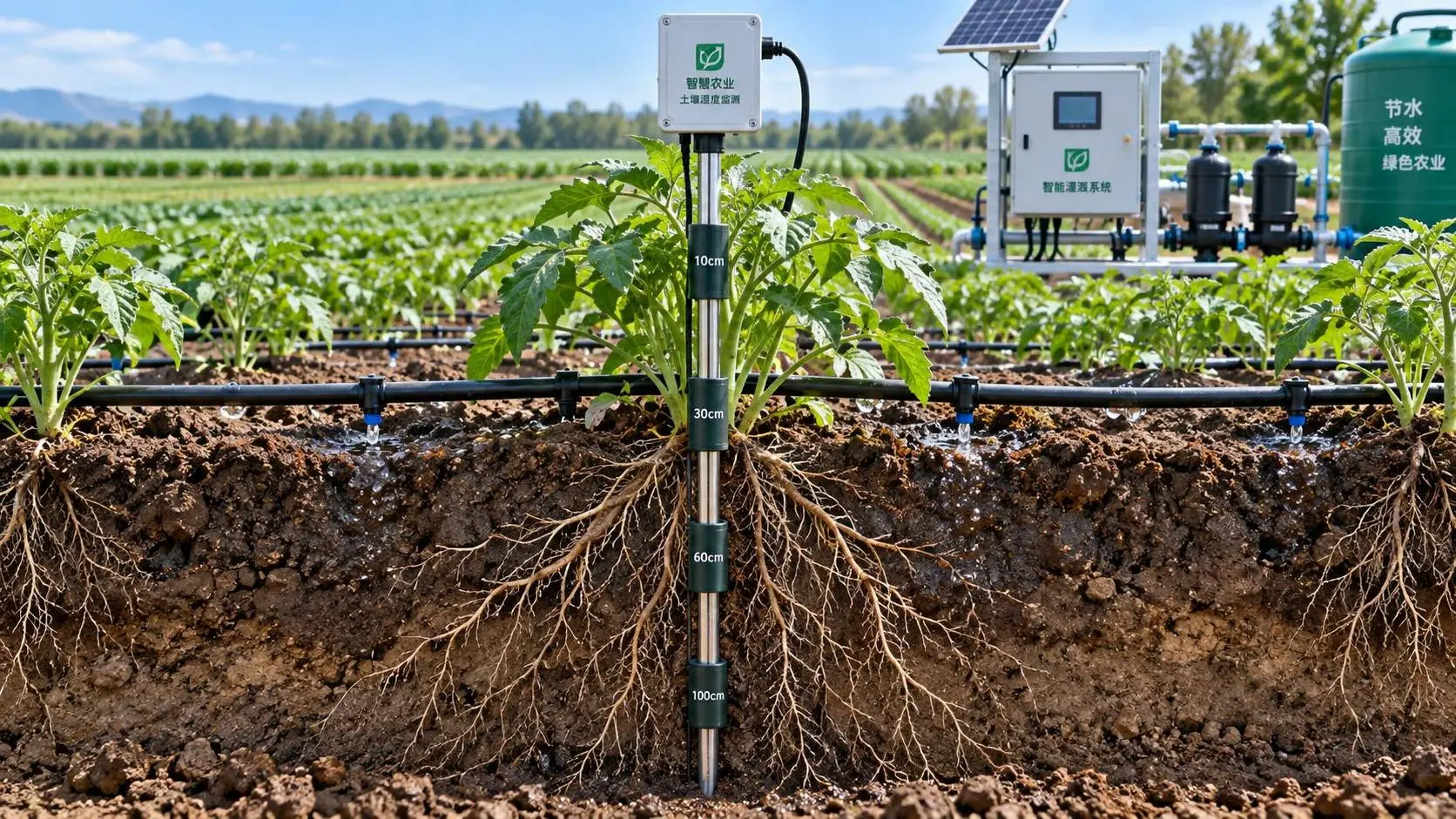
Selecting Real-Time Soil Moisture Sensors for Irrigation Zone Control
Soil moisture sensors real time: learn how to select reliable probes, optimize zone control, improve irrigation decisions, and scale precision water management.
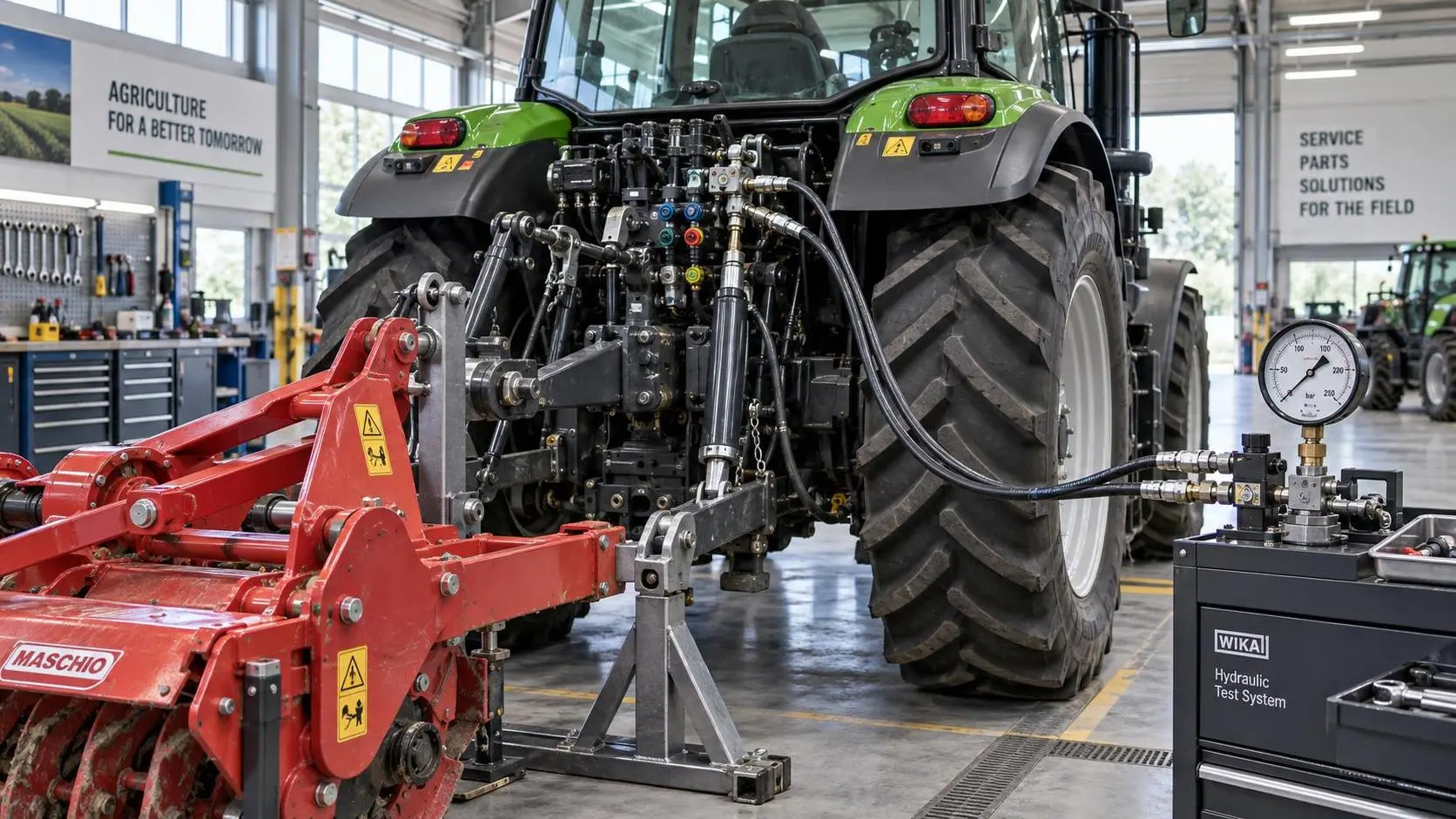
Tractor Hydraulic Systems Troubleshooting: Diagnosing Weak Lift and Slow Implements
Tractor hydraulic systems troubleshooting made practical: diagnose weak lifts and slow implements with proven pressure, flow, valve, and oil-supply checks.
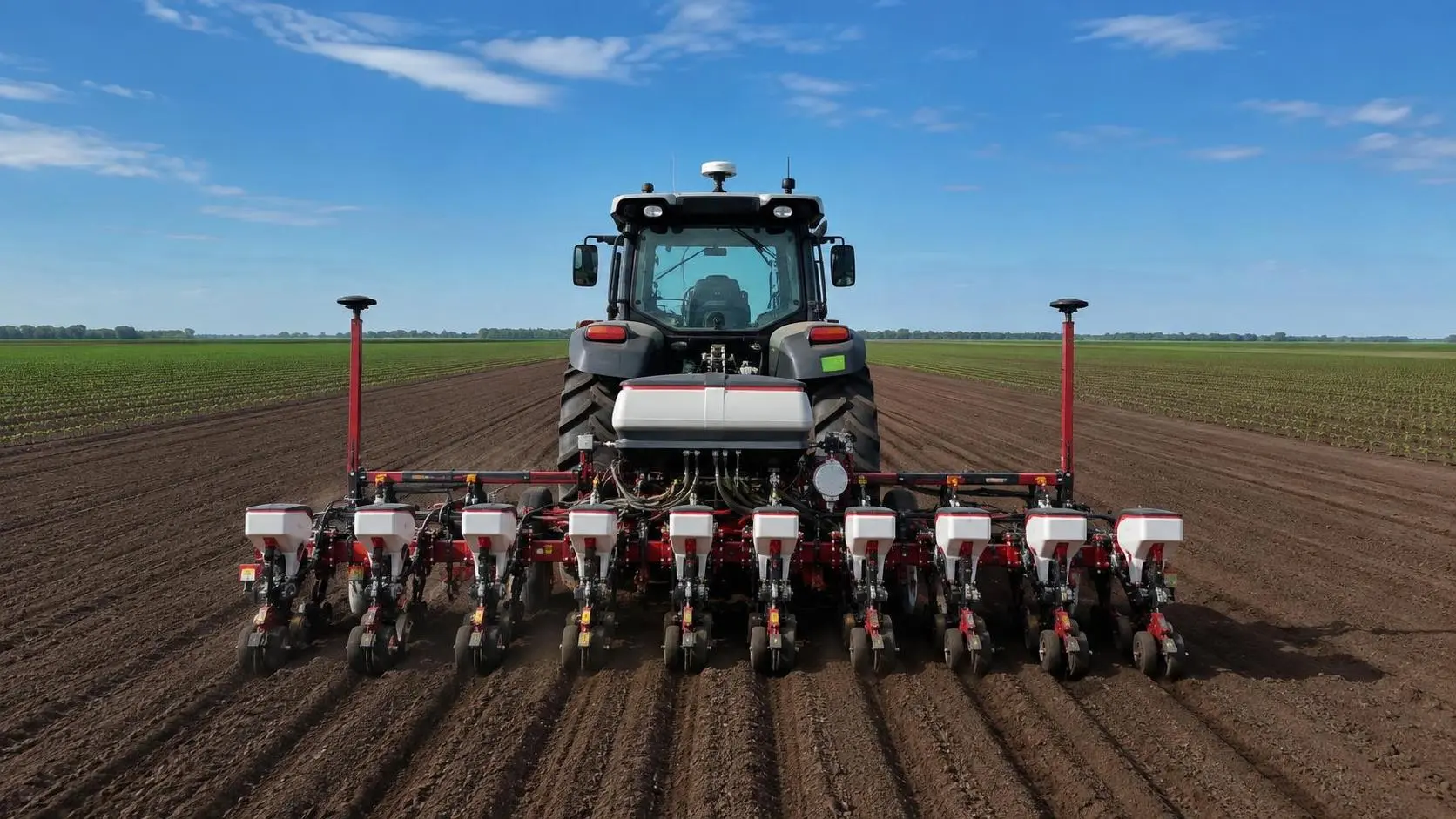
How Tractor Intelligence Systems Improve Field Efficiency and Input Accuracy
Agricultural machinery intelligence for tractors improves field efficiency, input accuracy, data traceability, and implement control. Explore smarter evaluation strategies.
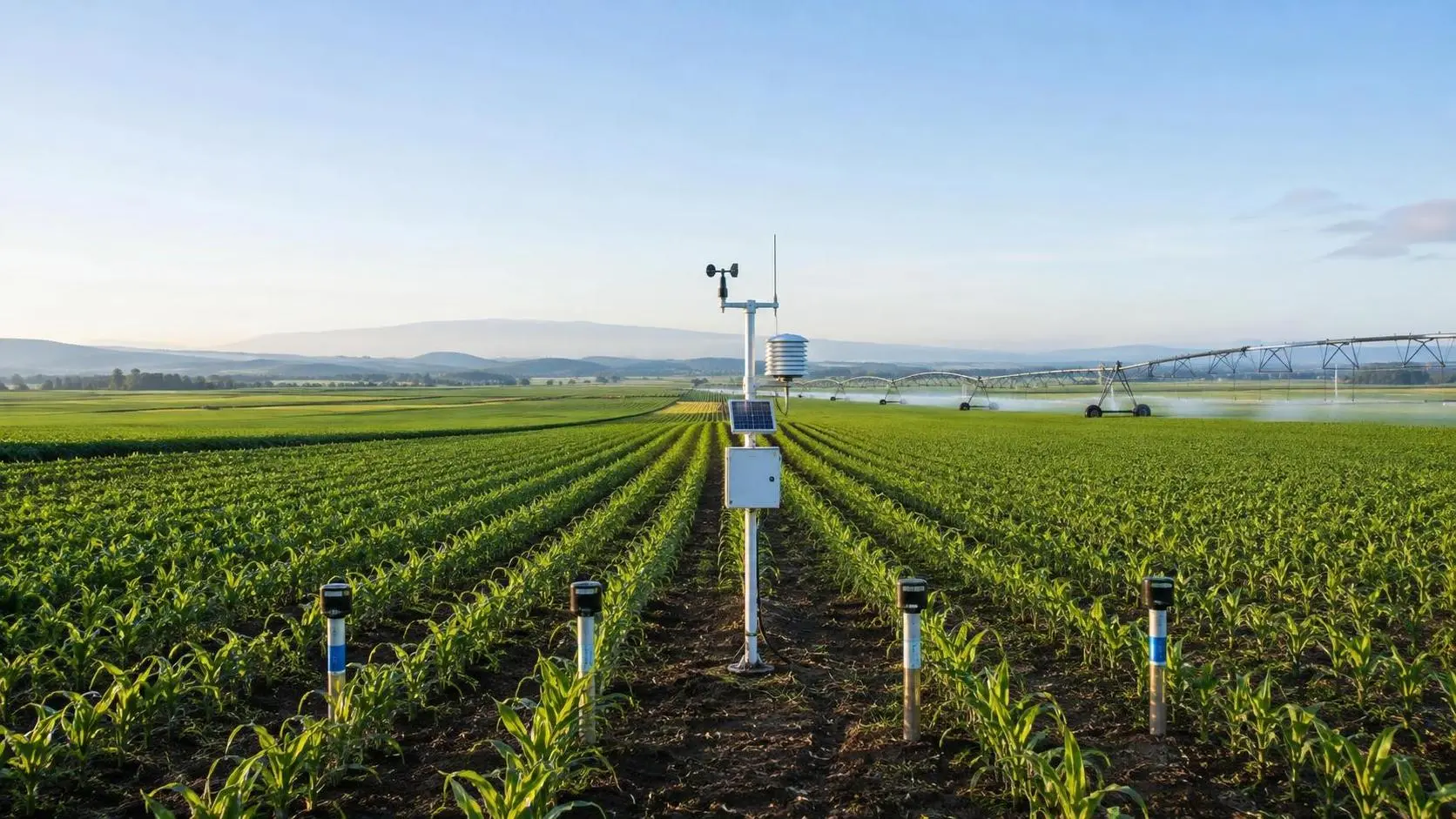
How to Evaluate Crop Monitoring System Manufacturers for Large-Scale Farms
Compare crop monitoring systems manufacturers for large-scale farms. Evaluate data quality, integration, durability, lifecycle costs, support, and pilots for smarter decisions.
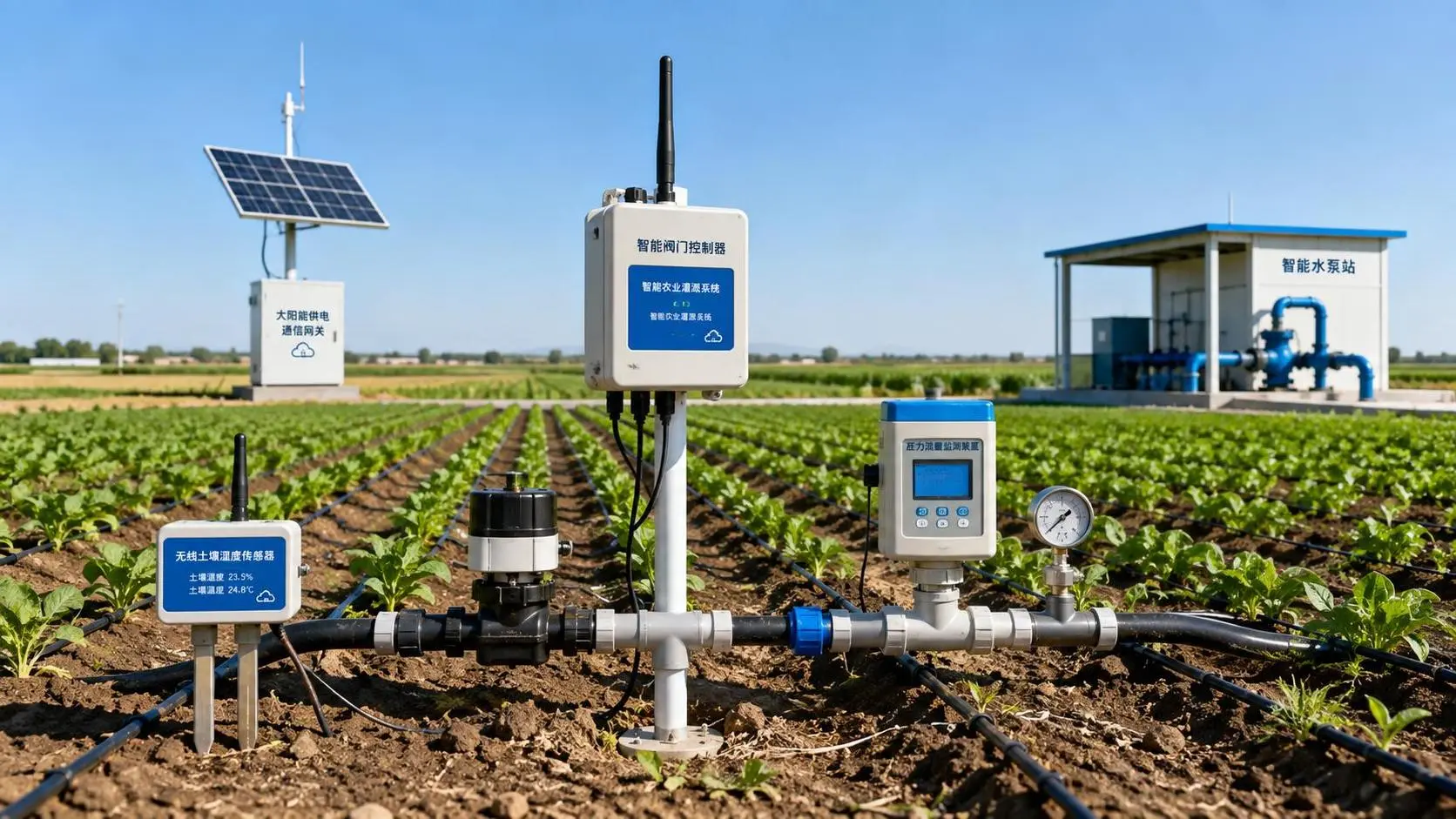
Wireless Agricultural Automation for Remote Irrigation and Field Monitoring
Agricultural automation wireless solutions improve remote irrigation with reliable field data, local control, flow verification, and smarter monitoring. Explore resilient deployment strategies.
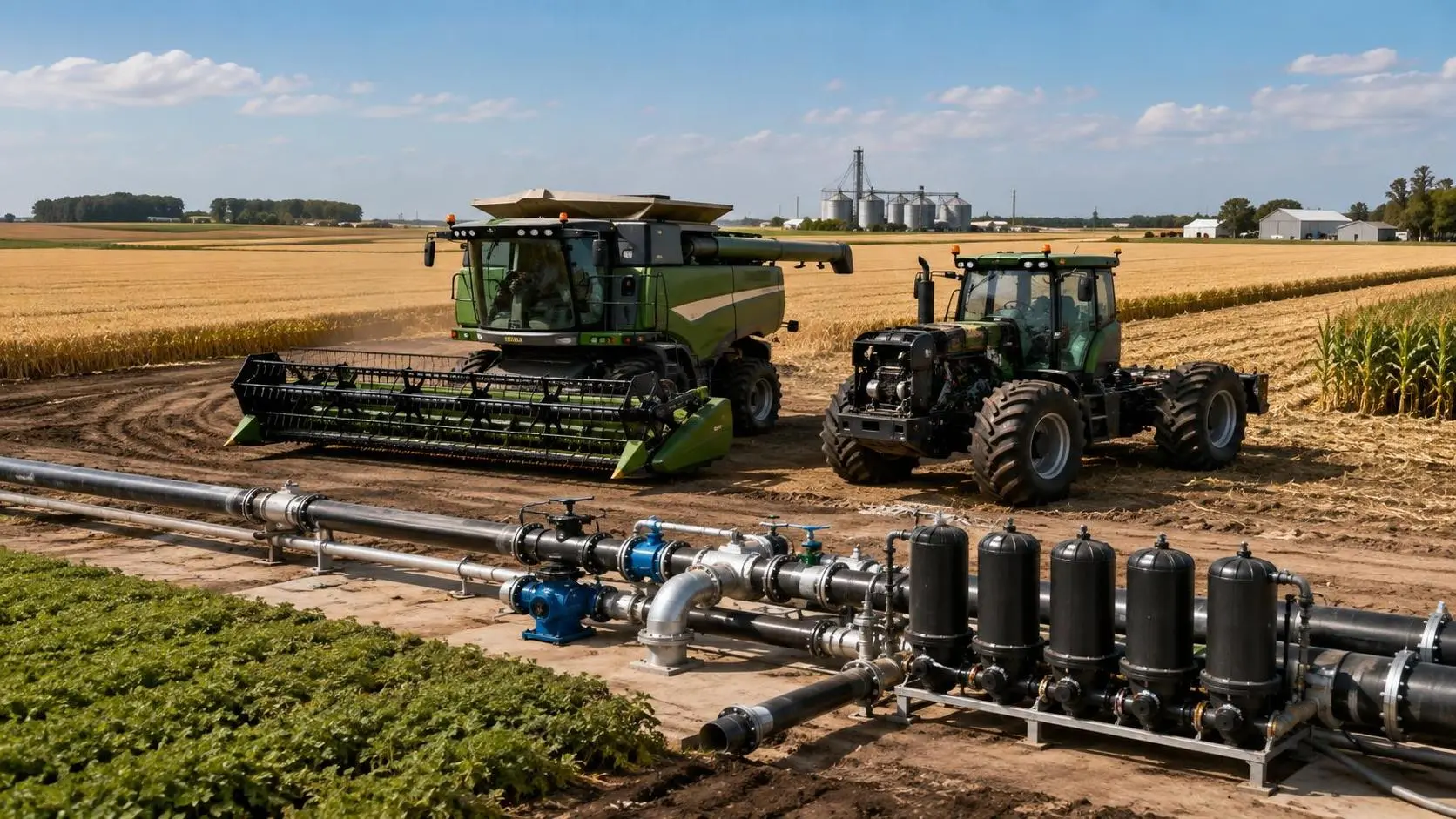
Agricultural Product Information Market Guide: Key Data for Sourcing Decisions
Agricultural product information market guide for smarter sourcing—compare machinery, irrigation, precision tools, lifecycle costs, and supplier risk.
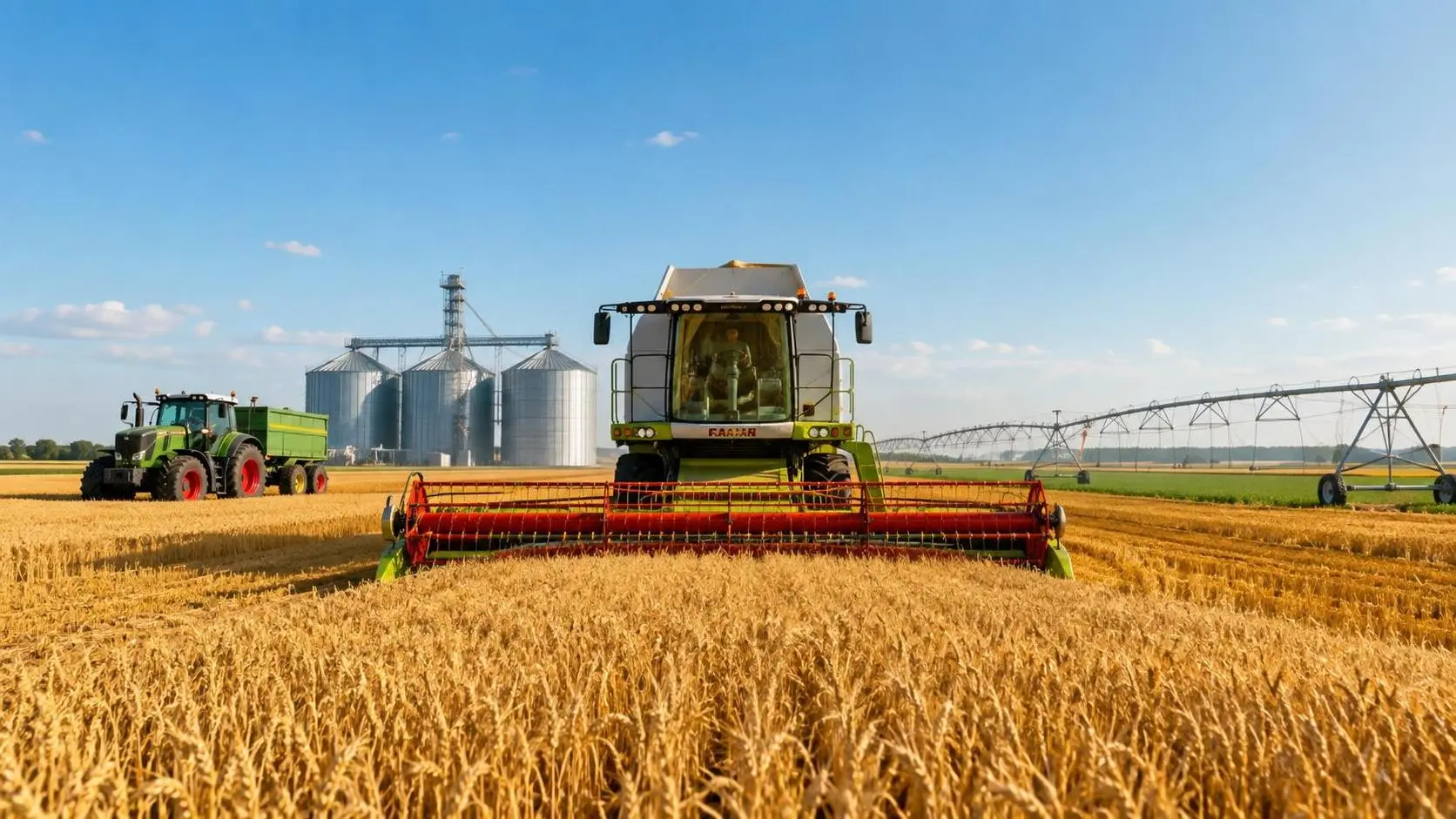
Large-Scale Farm Equipment Cost Comparison: Price, Fuel, and Lifecycle Value
Large-scale farm equipment cost comparison: evaluate price, fuel, maintenance, downtime, and lifecycle value to choose tractors, combines, irrigation, and smart tools with confidence.
Related News
- 00
0000-00
Specification Planning: A Practical Framework for Defining Equipment Requirements - 00
0000-00
Where to Find Reliable Product Information for Comparing Farm Equipment - 00
0000-00
How to Evaluate Crop Monitoring System Manufacturers for Large-Scale Farms - 00
0000-00
Agricultural Product Information Market Guide: Key Data for Sourcing Decisions - 00
0000-00
Large-Scale Farm Equipment Cost Comparison: Price, Fuel, and Lifecycle Value
Popular Tags
Ms. Elena Rodriguez
Weekly Insights
Stay ahead with our curated technology reports delivered every Monday.