
How to Evaluate Bioprocessing Purification Systems for Yield, Scalability, and GMP Risk
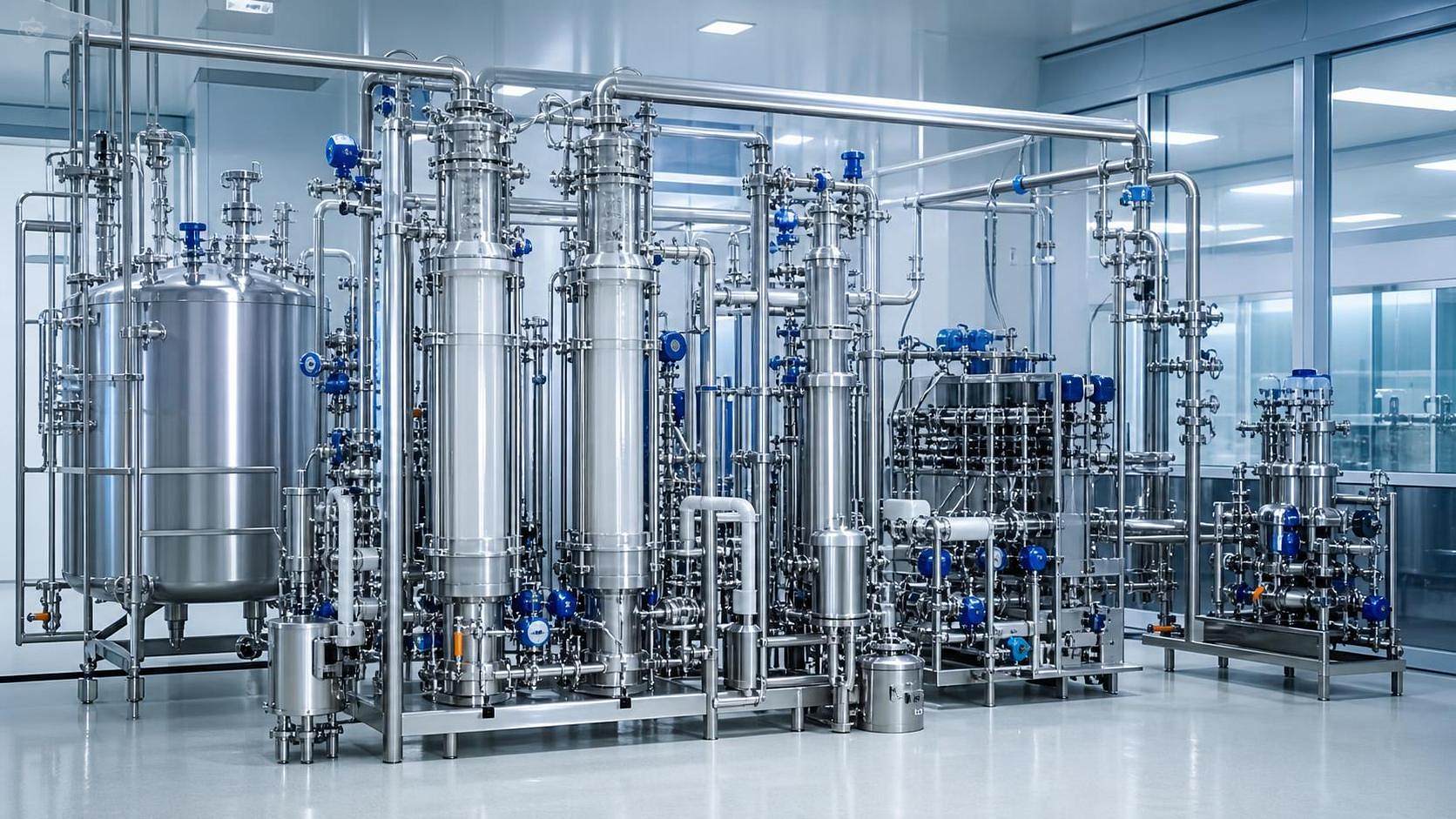




Evaluating Purification Systems Means Looking Past the Brochure
Selecting the right bio-processing technology purification systems requires more than comparing flow rates, resin names, or automation claims. In real projects, the wrong choice usually does not fail on day one. It fails later—when recovery drops after feed variability, when cleaning takes longer than planned, when scale-up changes residence time, or when GMP documentation turns out thinner than expected.
That is why technical evaluation should be built around three linked questions: how much product the system actually helps recover, whether that performance holds when volumes increase, and how much compliance risk the platform introduces into validation and routine manufacturing. These questions apply whether the target is a biologic, enzyme, fermentation-derived ingredient, or another sensitive product stream.
There is also a useful cross-industry lesson here. Platforms such as AP-Strategy, though rooted in Agriculture 4.0 and large-scale equipment intelligence, highlight a familiar engineering truth: machinery decisions are rarely about peak specification alone. In agriculture, a combine harvester is judged by field loss, uptime, and behavior under variable crop conditions—not just catalog throughput. Purification systems should be assessed with the same discipline.
Start with the Real Process, Not the Vendor’s Best-Case Window
The first practical mistake in purification system evaluation is assuming the upstream feed will behave as neatly as the demo sample. It often will not. Cell density changes, impurity profiles shift, viscosity moves around, and hold times affect stability. A system that looks efficient under a polished development sample may become much less attractive with real manufacturing material.
So the evaluation should begin with the process envelope:
- Expected feed composition and variability
- Product sensitivity to shear, pH, temperature, and residence time
- Critical impurities that actually drive downstream burden
- Batch versus continuous operating logic
- Target scale and future scale horizon
Without that baseline, “high recovery” is too vague to guide a purchase. For one process, the limiting factor may be binding capacity. For another, it may be fouling, carryover, or slow buffer changeover. The system needs to be judged in the context of the bottleneck you really have.
Yield Is More Than a Single Recovery Number
Teams often ask for step recovery, and that is necessary, but it is not enough. A purification train can show acceptable yield on paper while quietly damaging economics through dilution, long equilibration, repeat cycles, or inconsistent fraction pooling. Better evaluation looks at yield as a chain of consequences.
At minimum, examine:
- Mass recovery across the intended operating range, not just one setpoint
- Product quality attributes after purification, not recovery in isolation
- Buffer consumption and pool volume expansion
- Cycle time and number of cycles required per batch
- Losses during changeover, priming, cleaning, and hold steps
This matters because a system with slightly lower apparent step recovery may still be the better choice if it shortens batch duration, reduces rework, and gives tighter pool consistency. In GMP settings, consistency often has more value than an isolated peak result from a development run.
If chromatography is involved, dynamic binding behavior under realistic conductivity and impurity conditions needs close attention. If membrane systems are involved, flux decline and fouling reversibility matter more than clean-water performance. If precipitation or filtration steps are included, solids handling and cake variability can quickly dominate the downstream outcome.
Scalability: The Hidden Gap Between Pilot Success and Manufacturing Reality
Many purification systems look scalable because the vendor offers multiple skid sizes or larger column diameters. That is only part of the story. True scale-up means the process remains controllable when hydraulic loads, mixing behavior, pressure drop, cleaning times, and operator interactions all change.
A few questions usually reveal whether scalability is robust or mostly theoretical:
- Can critical process parameters be held within the same control logic at larger scale?
- Does linear scale-up preserve residence time, mass transfer, and distribution quality?
- Will utilities support larger buffer prep, WFI demand, compressed air quality, and HVAC interactions?
- Does larger scale increase hold times beyond product stability limits?
- Are sampling, in-process controls, and deviation investigations still manageable at commercial throughput?
This is where experienced evaluators tend to be cautious. A skid may scale mechanically, while the process around it does not. Buffer logistics, floor space, drain capacity, material flow, and cleaning turnaround can become the real constraint. In practice, large-scale purification is often limited by facility integration rather than by the separator, membrane, or column itself.
The agricultural equipment world offers a useful analogy again. A tractor chassis with impressive power figures still needs to match soil conditions, hydraulic loads, and maintenance realities in the field. Purification platforms behave similarly: a technically capable unit can still be a poor fit if the surrounding manufacturing ecosystem cannot support it.
GMP Risk Usually Sits in the Details No One Wants to Review Late
By the time a project reaches validation planning, procurement teams often discover that two systems with similar process performance carry very different GMP burdens. One may have cleaner documentation, better traceability of product-contact materials, stronger software lifecycle support, and more mature change-control practices. The other may be cheaper upfront but expensive in qualification effort.
For GMP risk, the practical review areas include:
One common mistake is treating GMP review as a final-stage compliance exercise. It should be part of early technical screening. A system that fits the process but creates a heavy validation burden may not be the best manufacturing decision.
Questions That Separate a Usable System from an Attractive Demo
When reviewing supplier proposals, some questions sound basic but reveal a lot:
- What process data were generated with feed material comparable to ours?
- What happens to performance near the upper and lower ends of the expected load range?
- Which maintenance tasks require vendor intervention, and which can site staff handle?
- How are deviations like pressure excursions, sensor drift, or incomplete cleaning detected and recorded?
- What documentation is available before purchase versus only after order placement?
The strongest vendors are usually comfortable discussing limits, not just strengths. If every answer sounds frictionless, that is often a warning sign. Real systems have constraints. Good evaluation work is about finding out whether those constraints are acceptable for your process, staffing model, and regulatory pathway.
Do Not Ignore Operational Fit
A purification platform may be technically elegant and still become difficult in routine use. Operator interface quality, ease of assembly, sensor calibration burden, spare parts lead time, and cleaning verification access all shape actual plant performance. These are not secondary concerns. They often decide whether the line runs smoothly six months after handover.
This is where intelligence-led evaluation has an advantage. AP-Strategy’s broader approach in heavy equipment and smart systems—looking at lifecycle behavior, not just initial capability—is relevant here too. Whether the asset is a harvester or a purification skid, decision quality improves when you assess operating reality, serviceability, and system integration together.
A Practical Evaluation Sequence
If the team needs a disciplined selection path, a simple sequence works well:
Define the process envelope and non-negotiable quality attributes. Screen candidate systems for compatibility with the feed and target impurity challenges. Review scalability using actual facility and utility constraints, not just vendor scale tables. Then assess GMP readiness in parallel with technical testing, especially around documentation, software, and cleaning design. Only after that does commercial comparison become meaningful.
That order matters. Too many projects compare quotations before establishing whether the systems are equivalent in process risk.
What a Sound Decision Usually Looks Like
The best choice is rarely the one with the boldest headline specification. It is usually the system that gives predictable recovery across realistic feed variation, scales without introducing awkward facility workarounds, and arrives with a documentation package that does not turn qualification into a separate project.
For technical evaluators, that means resisting the urge to score purification systems only on nominal performance. Look for controllability, repeatability, maintainability, and documentation maturity. If one option appears slightly less exciting on paper but creates fewer unknowns in commercial operation, that is often the smarter decision.
In bio-processing technology purification systems, yield, scalability, and GMP risk are not three boxes to tick. They are one connected decision. Evaluate them that way, and the shortlist usually becomes much clearer.
Related News
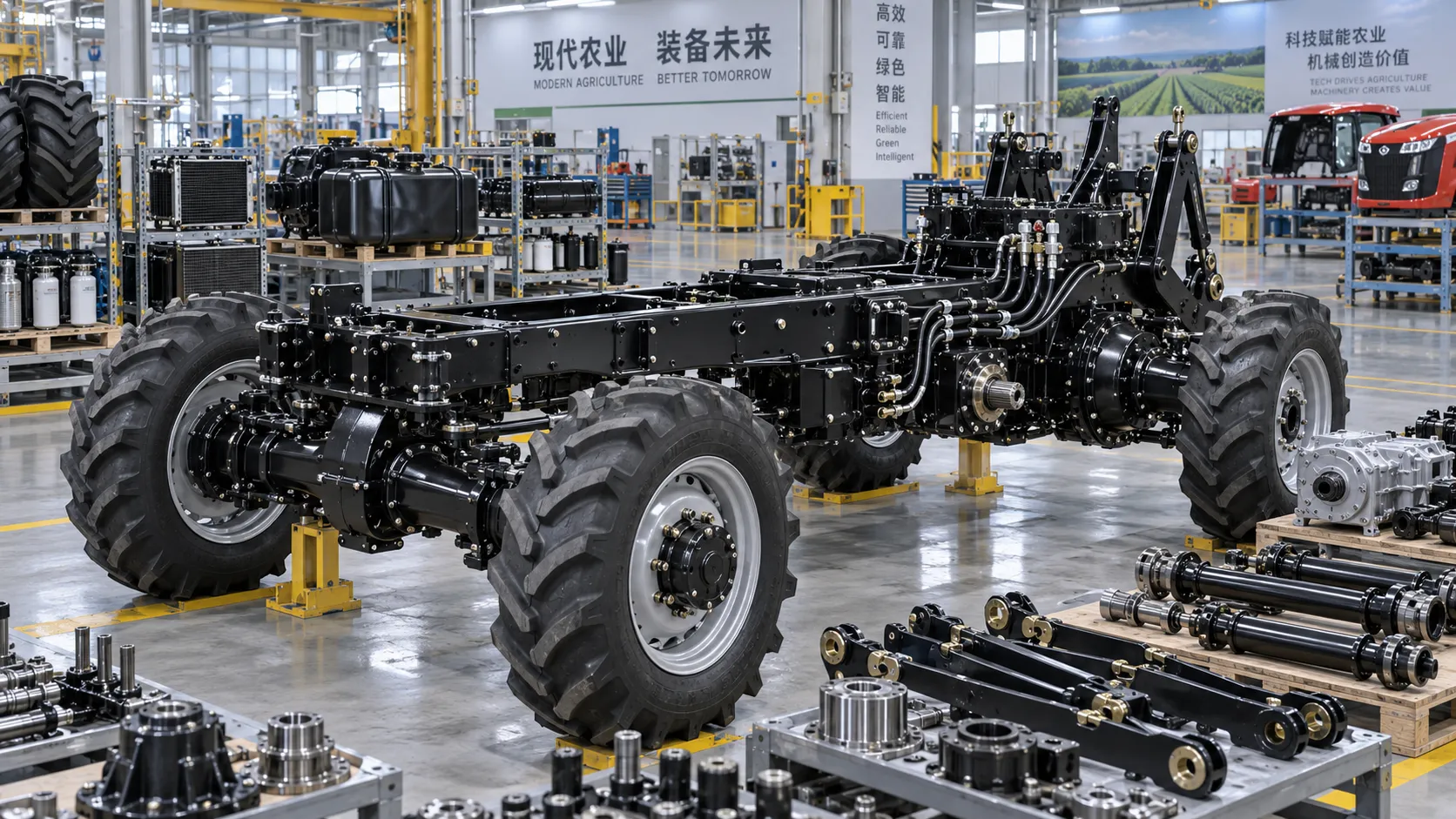
Tractor Chassis Price: What Buyers Should Compare Beyond the Initial Quote
Tractor chassis price is only the start. Compare load capacity, compatibility, durability, and lifecycle costs to choose a reliable, high-value chassis.
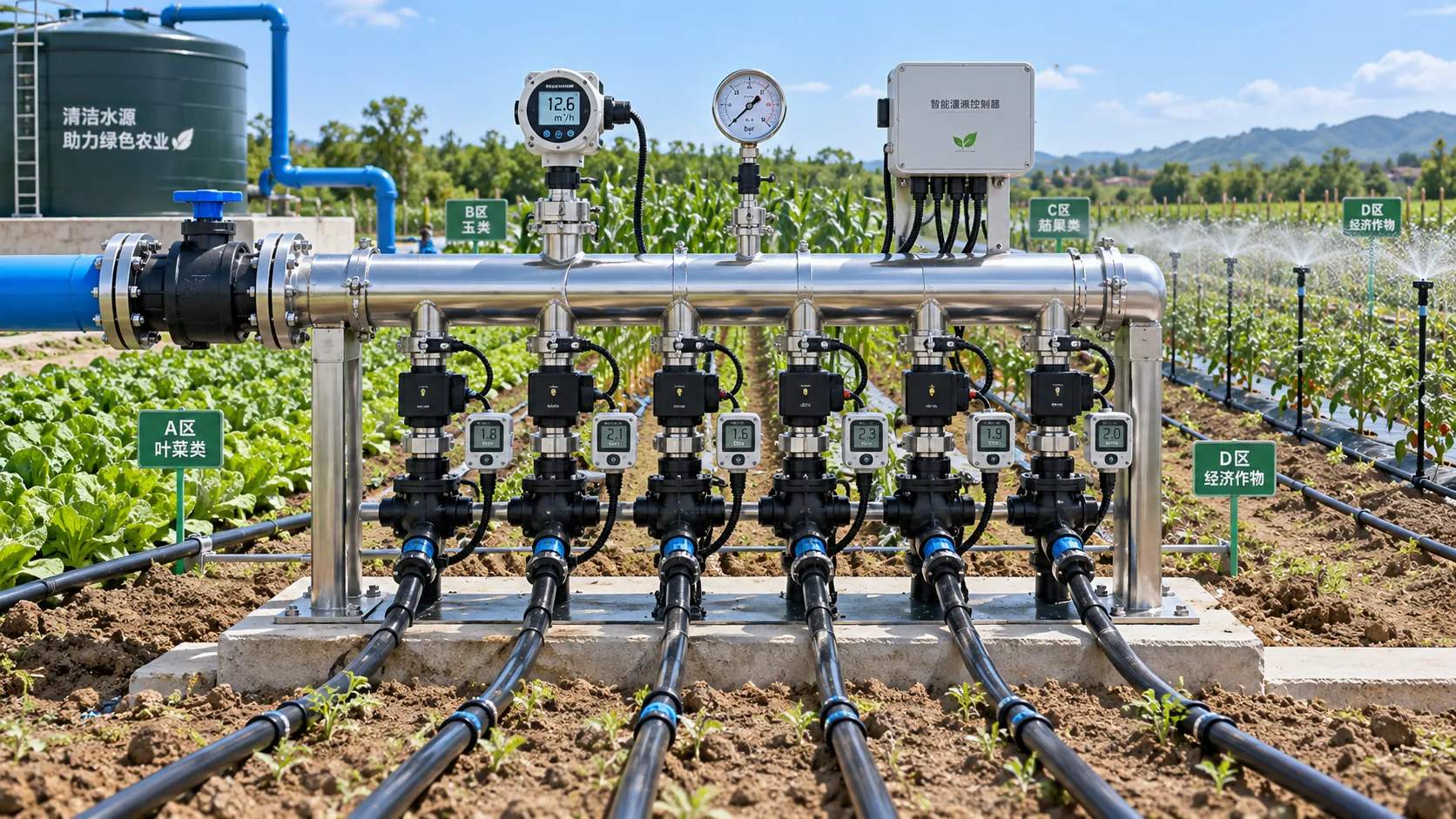
How to Select Smart Irrigation Valves for Multi-Zone Water Management?
Intelligent irrigation systems valves: learn how to match smart valves with multi-zone flow, pressure, control, feedback, and communication needs for reliable water management.
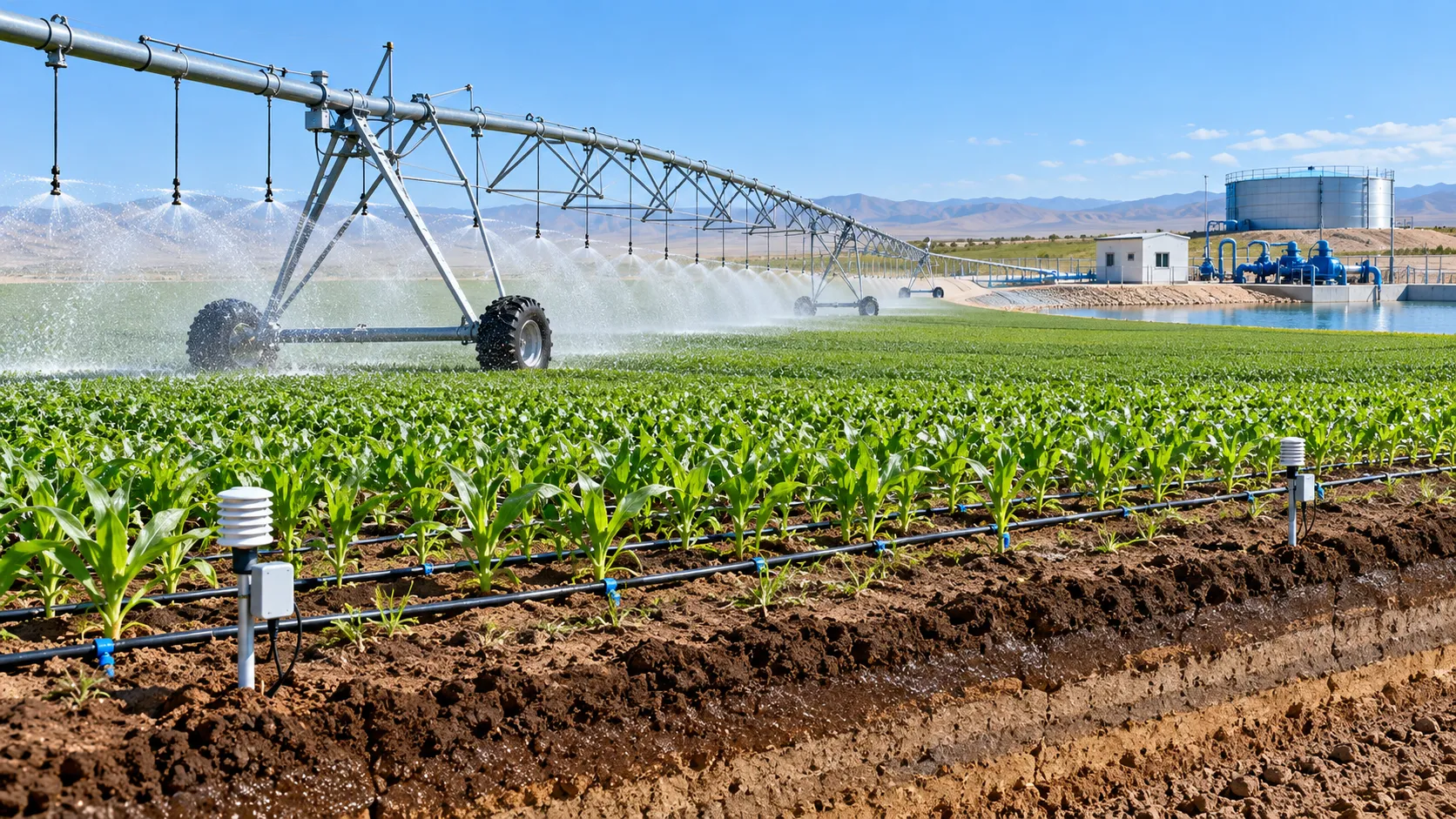
Climate-Smart Farming for Drought: A Practical Plan for Protecting Yields
Climate-smart farming for drought: build smarter water budgets, protect critical crop stages, improve irrigation uniformity, and safeguard yields with practical field-proven strategies.
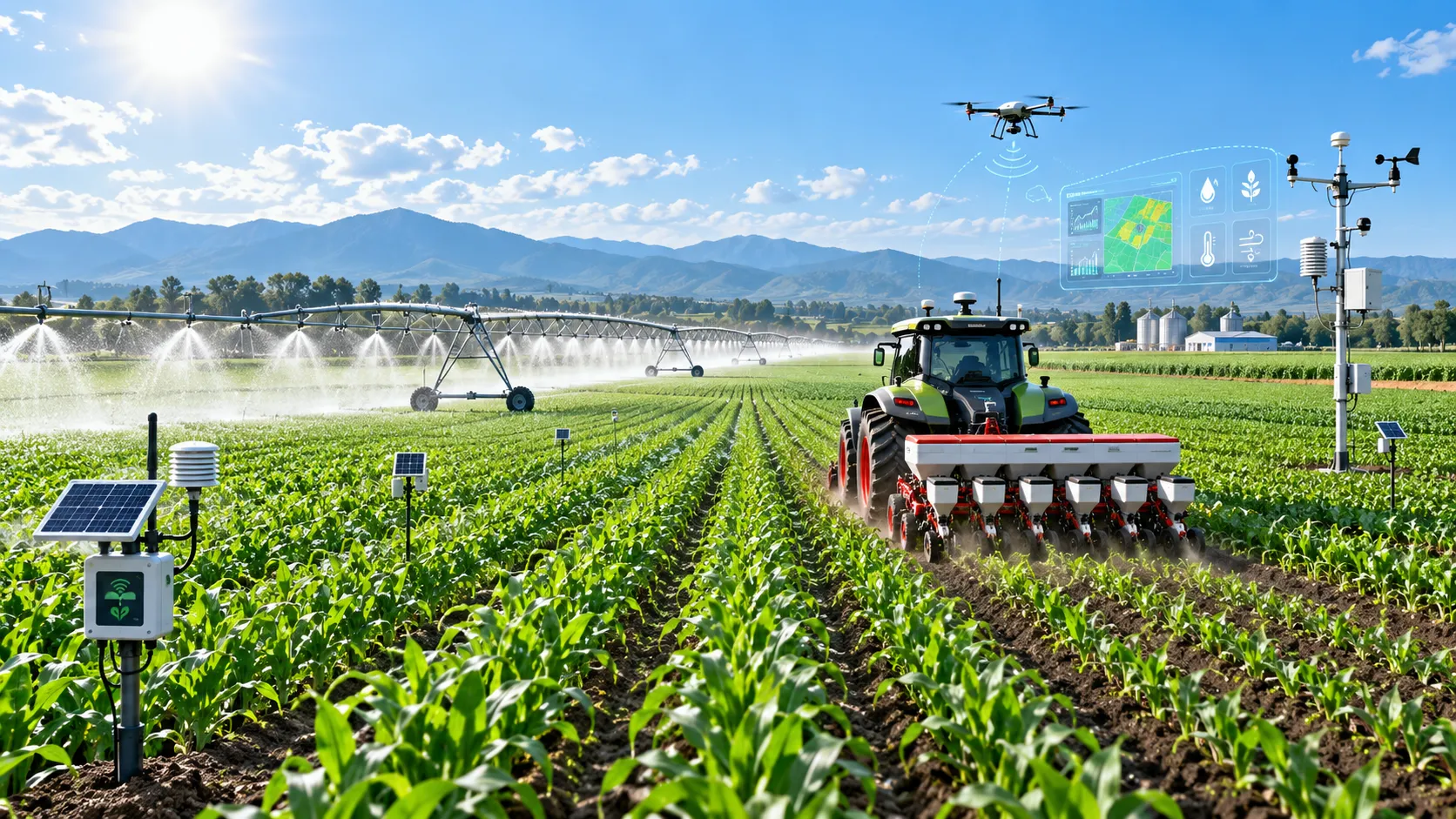
How Digital Agriculture Platforms Turn Field Data Into Better Input Decisions
Digital agriculture platforms turn field data into smarter fertilizer, water, seed, and equipment decisions—helping farms cut risk, improve margins, and scale sustainability.
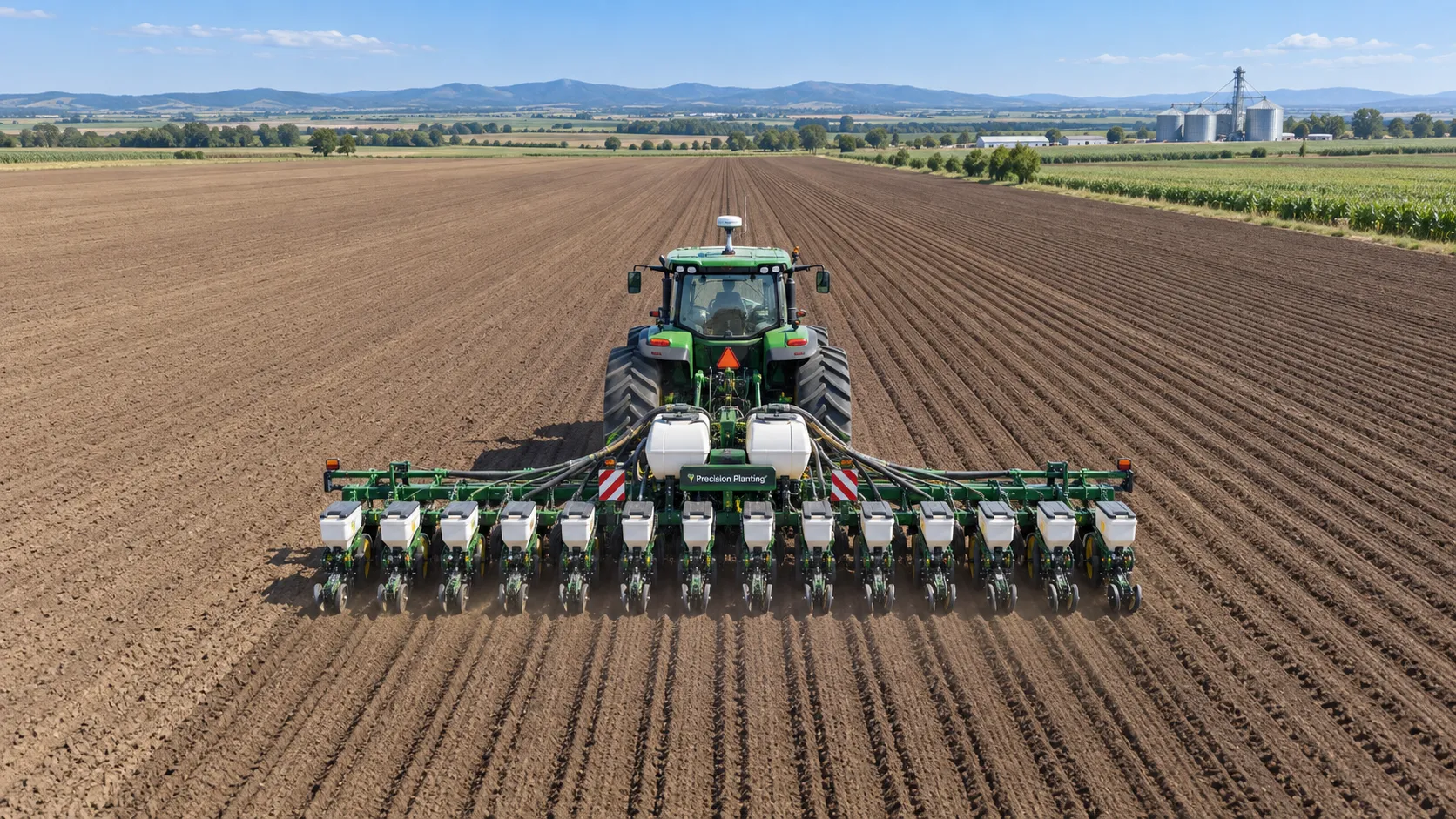
GPS-Guided Farm Machinery: Where It Delivers Measurable Field Efficiency Gains
Agri-mechanization GPS guided systems deliver measurable field efficiency gains through reduced overlap, precise planting, smarter inputs, and reliable farm data.
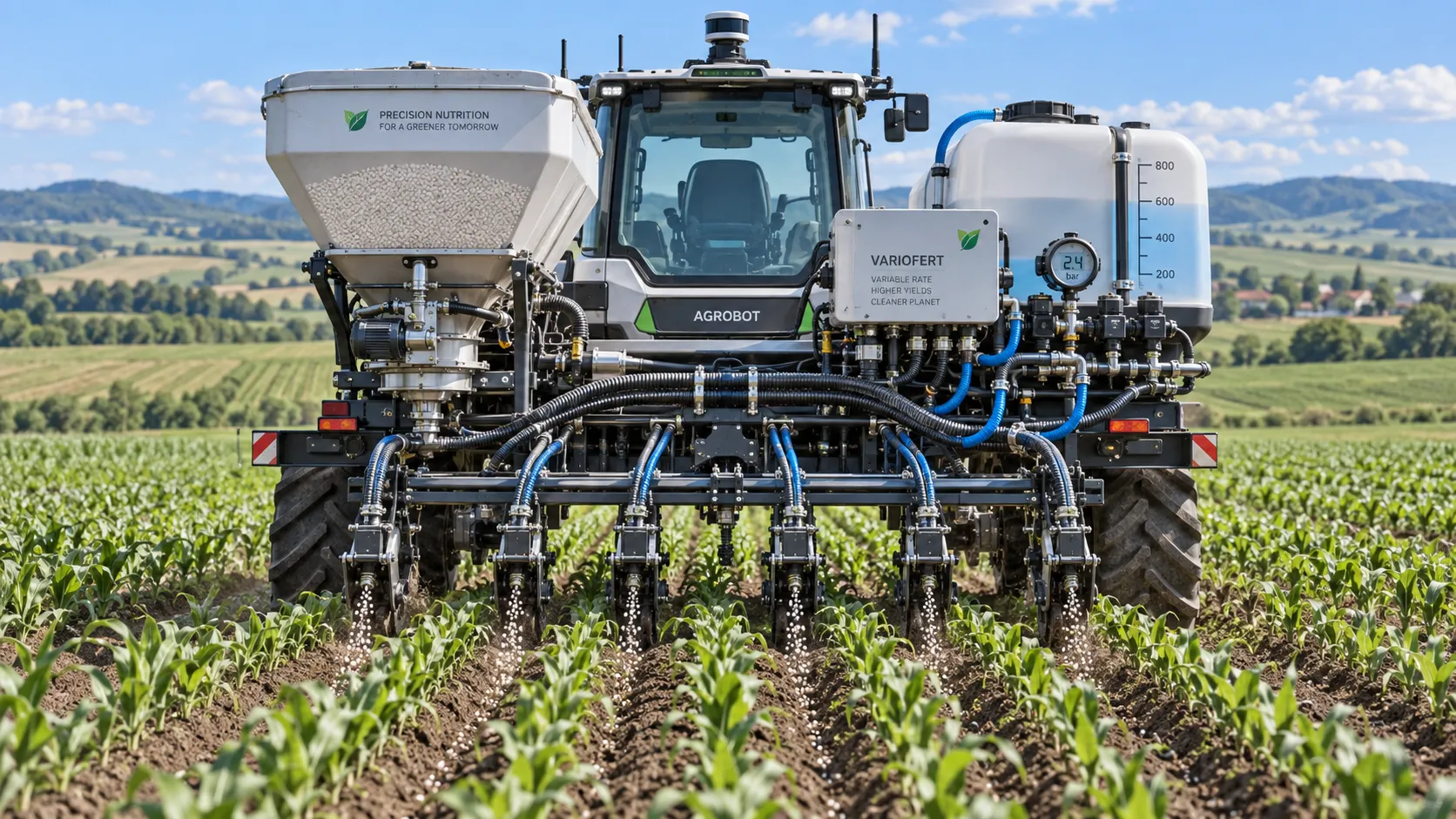
How Sensor Feedback Enables Accurate Variable-Rate Fertilization in Field Conditions
Precision fertilization systems with sensor feedback improve variable-rate accuracy by verifying flow, managing latency, and ensuring reliable field application.
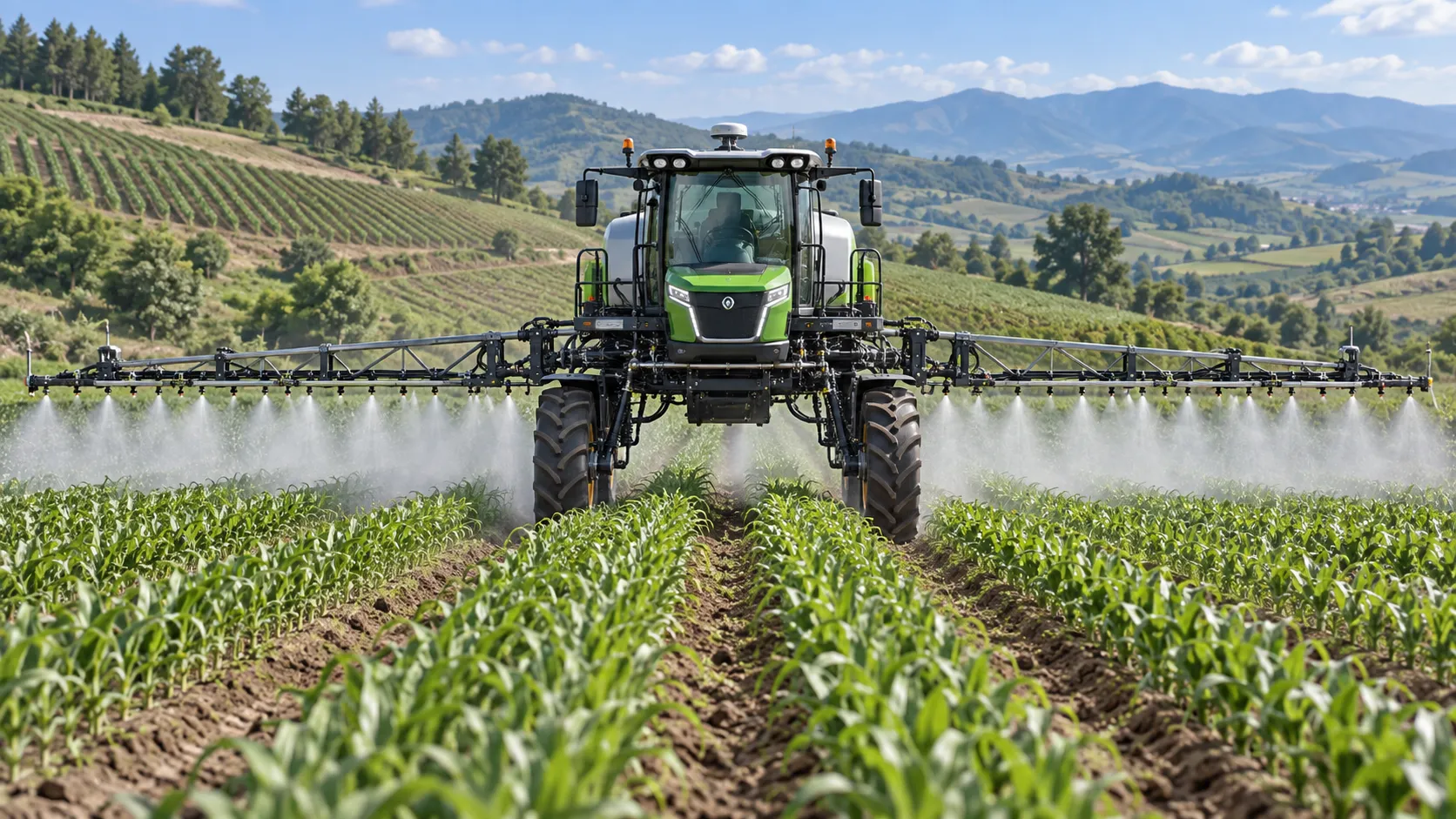
How to Select Precision Crop Protection Equipment for Variable Field Conditions
Precision crop protection equipment selection made simple: compare terrain, canopy, weather, control accuracy, and data workflows for reliable applications.
When Does Agricultural Machinery Leasing Cost Less Than Owning Equipment?
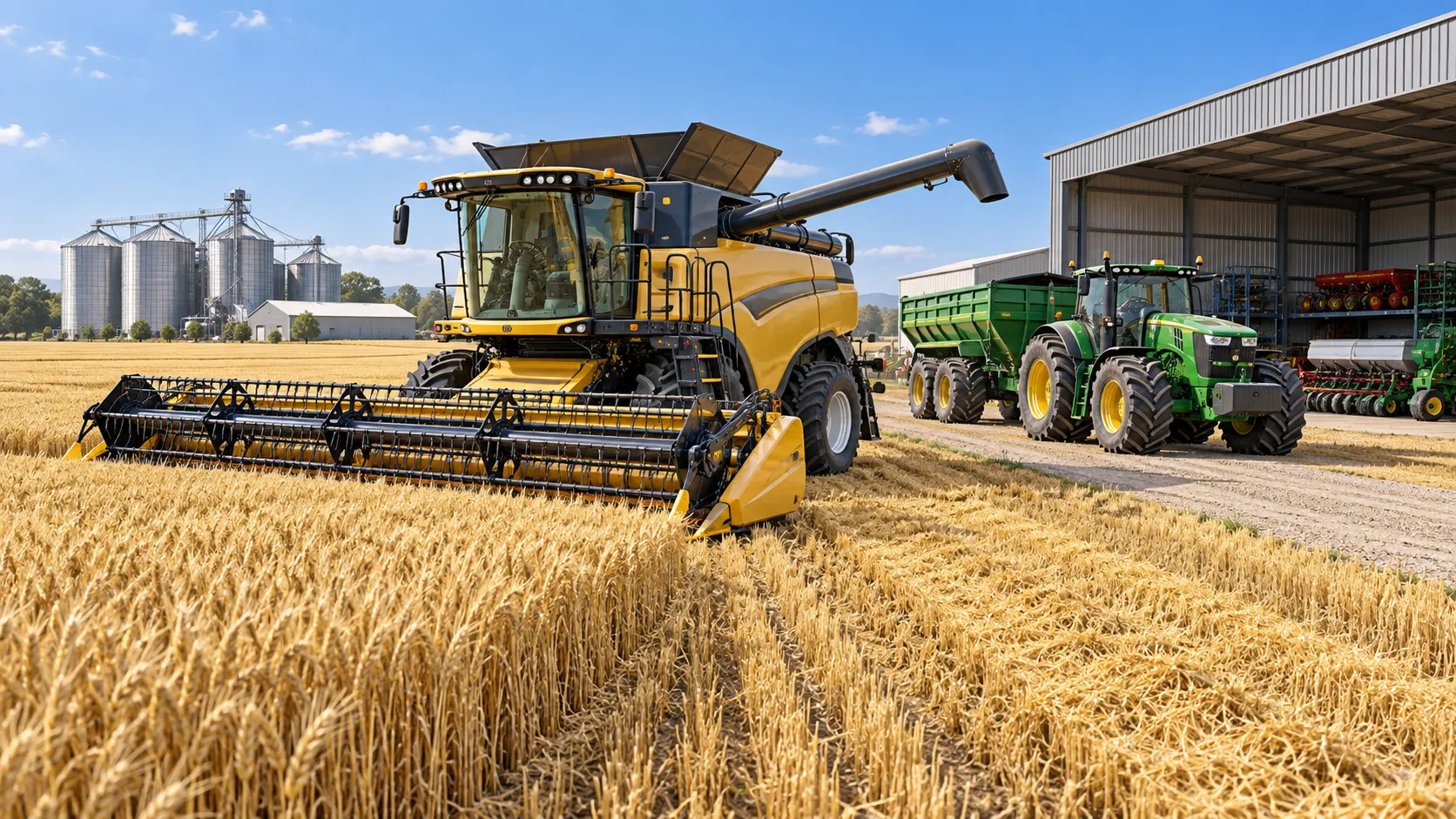
Agricultural machinery leasing can lower farm costs when use is seasonal or uncertain. Compare utilization, maintenance, cash flow, and risk to make a smarter equipment decision.
How to Evaluate Precision Fertilization System Suppliers for Farm-Scale Deployment
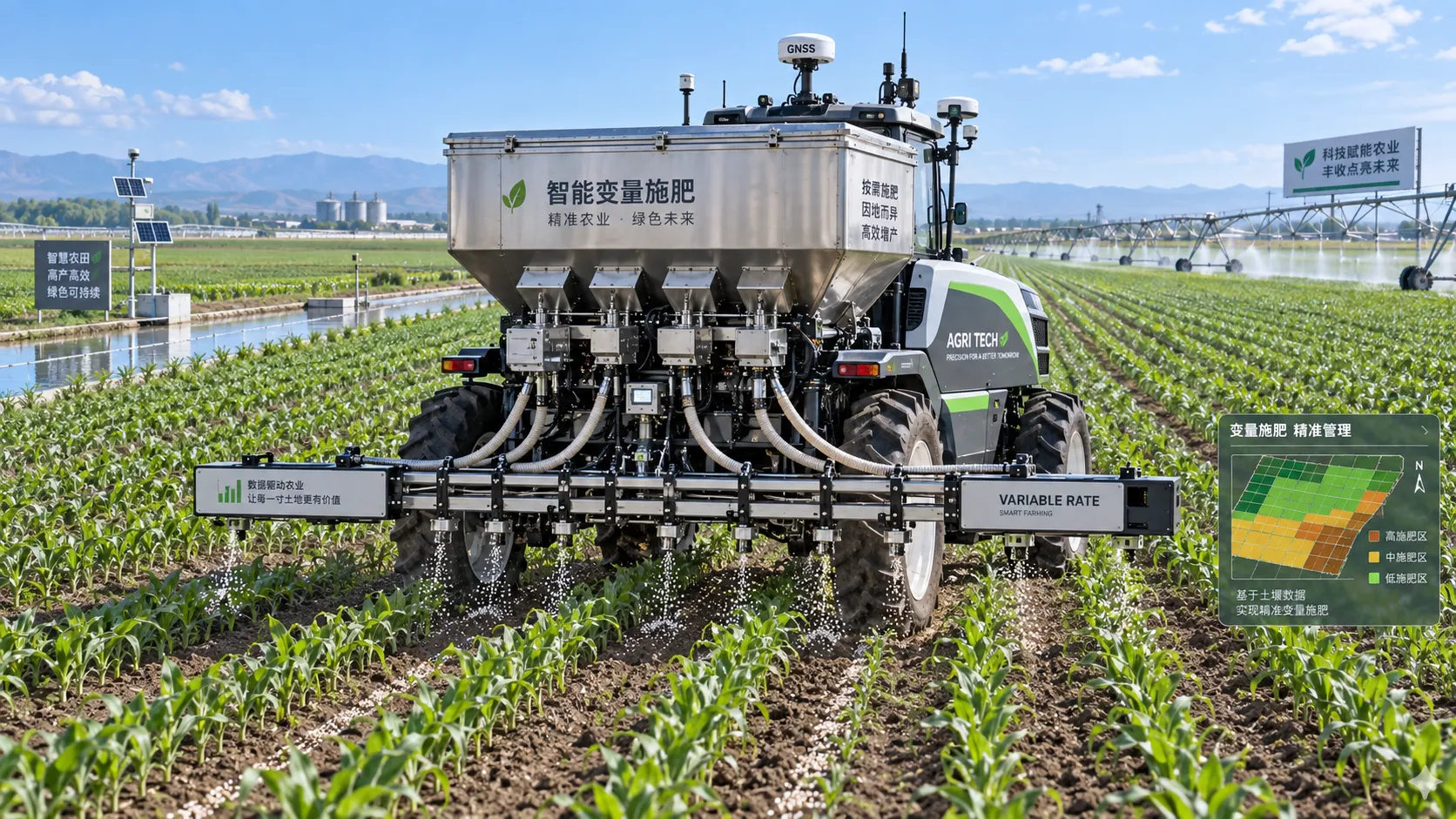
Precision fertilization systems suppliers: learn how to compare accuracy, integration, uptime, service, and total cost for confident farm-scale deployment.
Related News
- 00
0000-00
Tractor Chassis Price: What Buyers Should Compare Beyond the Initial Quote - 00
0000-00
How Digital Agriculture Platforms Turn Field Data Into Better Input Decisions - 00
0000-00
When Does Agricultural Machinery Leasing Cost Less Than Owning Equipment? - 00
0000-00
Selecting Grain Farm Equipment by Acreage, Crop Mix, and Harvest Window - 00
0000-00
Poultry Equipment Selection: Evaluating Durability, Cleaning, and Compatibility
Popular Tags
Ms. Elena Rodriguez
Weekly Insights
Stay ahead with our curated technology reports delivered every Monday.