
Climate-Smart Farming for Drought: A Practical Plan for Protecting Yields
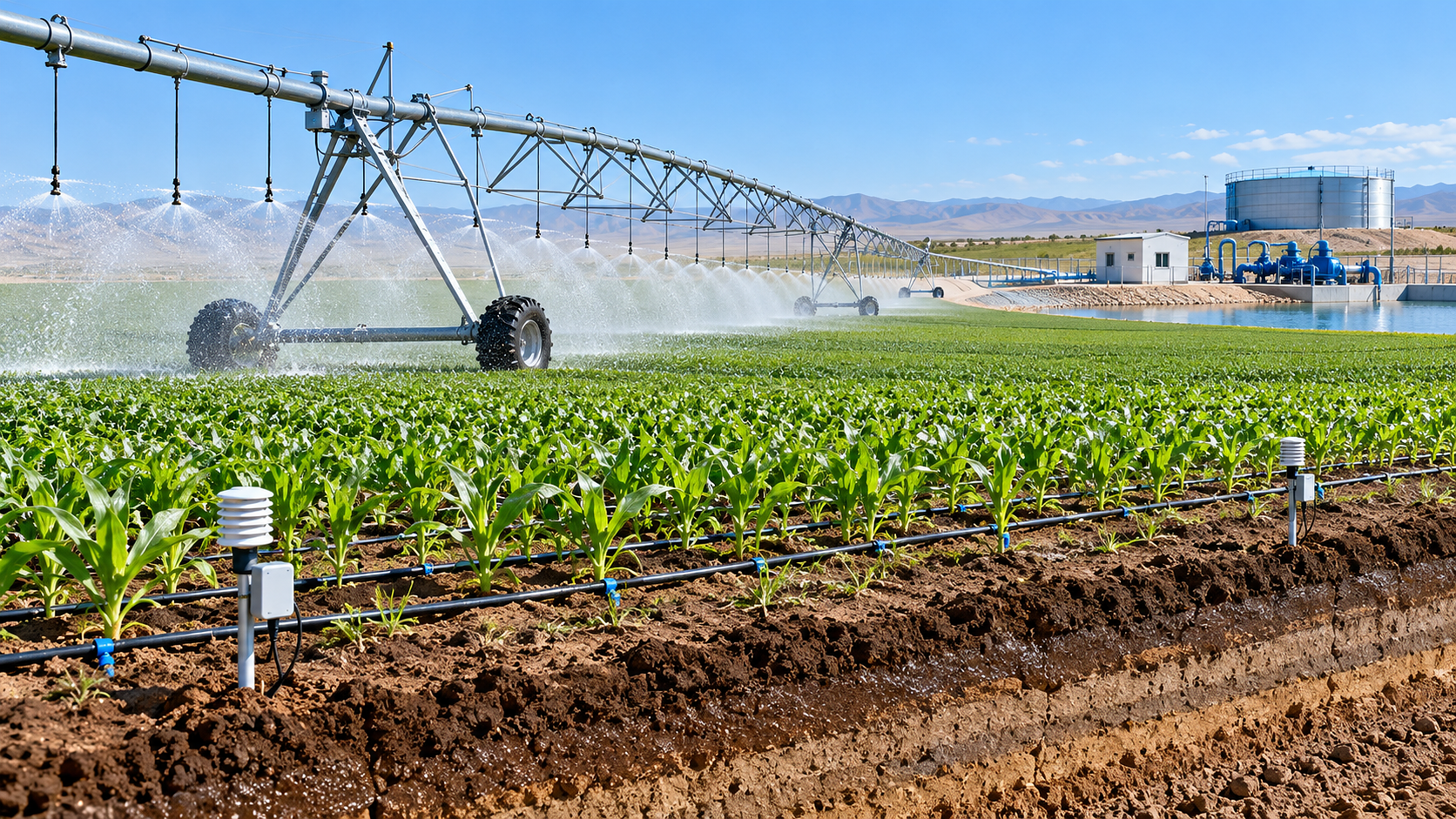




Drought protection begins with a field-by-field water plan tied to crop stage, soil behavior, pumping capacity, and equipment timing. Applying less water everywhere is rarely a reliable strategy. A field with shallow rooting, compacted headlands, or uneven emitter flow can lose yield even when seasonal water use appears acceptable. Climate-smart farming for drought works when water, machinery, crop monitoring, and operating decisions follow the same production priorities.
Start by defining the yield that must be protected and the periods when water stress causes the greatest irreversible loss. Those periods differ among crops and varieties, but the planning principle is stable: reserve available water for establishment, reproductive development, and grain or fruit filling before allocating it to lower-value field areas or noncritical growth periods. This turns drought response from a sequence of emergency irrigation decisions into a controlled allocation program.
Build the water budget before changing equipment
A drought plan needs a usable water budget, not merely a record of water rights, reservoir volume, or pump nameplate capacity. The usable amount is constrained by source reliability, lift, filtration losses, pipe pressure, irrigation hours, labor availability, and the rate at which each irrigation block can receive water. A well with adequate seasonal volume may still be unable to supply enough water during a short crop-critical window if the pump, mainline, or field layout limits daily delivery.
Separate the budget into source supply, conveyance capacity, and field application capacity. Source supply answers how much water is available. Conveyance capacity shows how much reaches a block after leakage, pressure loss, and system restrictions. Field application capacity determines whether the crop root zone receives the intended amount with acceptable uniformity. Confusing these values causes frequent design errors. Increasing pump output does not correct clogged drip lines, poorly matched pressure regulators, or a pivot package that applies unevenly in wind.
Field zoning should follow differences that materially affect irrigation decisions. Soil texture, effective rooting depth, slope, salinity risk, crop vigor, and irrigation hardware condition are more useful than arbitrary map grids. A light-textured zone often requires smaller, more frequent applications because water moves beyond the active root zone quickly. A deeper loam may hold a larger reserve, but compaction or a dense subsoil layer can restrict roots and reduce that apparent advantage. Treating both zones as one management unit obscures the actual drought risk.
Measure the root zone, not the surface signal
Surface moisture is visually persuasive and often misleading. Residue-covered soil may look dry while the root zone retains enough water for several days. Conversely, a wet surface after a short irrigation can hide a dry layer below the main roots. Probe measurements, capacitance sensors, tensiometers, or carefully repeated auger checks are useful only when their depth and placement match the crop’s effective rooting pattern.
Install or inspect monitoring points in representative production zones, away from wheel tracks, field edges, leaks, and isolated low spots. A sensor placed in unusually vigorous ground creates false confidence; one placed in a compacted traffic lane can trigger unnecessary irrigation. Where soil layering changes within a field, a single depth may be inadequate. The goal is to observe depletion through the portion of the profile roots can actually exploit, then verify that irrigation refills that portion without pushing water and nutrients below it.
Weather-based estimates complement soil measurements. They provide an early indication of rising crop demand and help forecast when a block will need attention. They should not automatically replace field observations. A crop with restricted roots, uneven emergence, disease damage, or a poor stand will not behave like the reference crop assumed by a weather model. Compare predicted demand against moisture trends and plant condition; disagreement is information worth investigating rather than averaging away.
Match irrigation method to the failure mode
Intelligent irrigation is valuable when it improves a specific operating decision: when to start, how long to run, which zone to prioritize, or when a fault requires intervention. Automation without verified flow, pressure, and field response can speed up poor scheduling. Before adding control layers, establish a baseline for each irrigation block: design flow, normal operating pressure, runtime, expected application depth, and the condition of filters, valves, regulators, and emitters or nozzles.
Drip and subsurface drip systems support frequent, targeted applications, but their performance depends heavily on filtration, flushing, pressure regulation, and seasonal inspection. A partial blockage can appear as crop variability rather than an irrigation fault. Pressure changes along long laterals, root intrusion in buried lines, and sediment accumulation at line ends deserve attention before drought begins. Fertigation must also be synchronized with water availability. Concentrated nutrient placement in a dry or poorly wetted root zone can increase salt stress instead of supporting crop recovery.
Center pivots and linear systems cover large areas efficiently, yet their irrigation pattern is exposed to wind, nozzle wear, pressure variation, and travel interruptions. High wind can shift fine droplets and reduce effective application in exposed zones. Low pressure may alter nozzle performance; excessive pressure can create misting and drift. A system that continues to move after a pressure alarm may produce a field pattern that is difficult to correct during a water shortage. Flow meters, end-gun controls, pressure sensing at meaningful points, and alert thresholds should be tested under normal operating conditions rather than trusted from installation settings.
Where water is severely constrained, deficit irrigation requires a deliberate crop response model. Reducing applications during a tolerant vegetative phase is different from allowing severe stress to persist into flowering or filling. The intended deficit must be distinguished from accidental under-application caused by a blocked filter, a failed valve, or insufficient pumping. Record the chosen target, the crop stage, and the actual delivered water so that later yield variation can be interpreted correctly.
Protect moisture with field operations
Irrigation efficiency cannot compensate for avoidable soil water losses. Residue cover reduces direct evaporation and limits the impact of raindrops that seal bare soil. Reduced passes can preserve surface structure and avoid creating fresh compaction when the ground is dry and vulnerable. These practices need adjustment to the crop system. Heavy residue can interfere with uniform planting if openers, closing wheels, and residue managers are not set for the field condition. Poor seed-to-soil contact may create uneven emergence that later resembles drought damage.
Traffic management matters because compacted zones change both infiltration and root access. Repeated wheel traffic near irrigation equipment, loading points, and headlands can leave narrow areas that pond after an application yet dry rapidly once surface water disappears. Deep tillage is not an automatic remedy. It is justified only when compaction is confirmed at a relevant depth and soil conditions allow fracture rather than smearing. Otherwise, controlled traffic, axle-load discipline, and better timing of field passes may protect soil structure with less disruption.
Plan machinery operations around the irrigation schedule. Spraying, cultivation, and harvesting can be delayed by wet access lanes, while an urgent pass through a recently irrigated field can compact the soil and damage distribution hardware. Fixed travel corridors, clear shutdown procedures, and block maps showing buried lines, valves, hydrants, and sensor locations reduce preventable repairs. The same map should identify areas where wheel slip, rutting, or yield loss has repeatedly occurred, because these locations often reveal a water-management issue as well as a machinery issue.
Use crop maps as diagnostic evidence
Satellite imagery, drone surveys, yield maps, and machine data are most useful when they answer a question already grounded in field conditions. A low-vigor strip near the end of a pivot may indicate pressure loss, but it may also reflect shallow soil, nutrient imbalance, compaction, pest injury, or a planting problem. The image identifies where to inspect; it does not establish the cause by itself.
Compare patterns across time. A stable low-performing zone that appears in wet and dry seasons often points to soil depth, drainage, or compaction. A pattern that expands during hot, windy periods may indicate inadequate delivery or a weak zone in the irrigation network. Sudden boundaries aligned with management blocks, pipe routes, or nozzle sectors deserve immediate mechanical checks. Yield maps should be cleaned for header delays, turning areas, grain-flow lag, and abnormal moisture readings before they are used to judge drought performance.
Variable-rate tools deserve the same discipline. Variable-rate seeding can lower plant density in zones with limited water-holding capacity, reducing competition during dry periods. It can also leave yield potential unused if the zone was misclassified from a single dry-season map. Prescription files should be based on recurring soil and yield behavior, then validated against actual emergence and stand counts. Equipment calibration, seed meter condition, GPS correction quality, and implement lag all influence whether the intended prescription reaches the ground.
Sequence investment by operational constraint
The first investment is not always the most advanced technology. Repairing leaks, restoring filtration, correcting pressure, and measuring flow often produces more dependable control than adding sensors to an unstable hydraulic system. After the physical system is verified, monitoring and automation can reduce response time and improve scheduling consistency. Field data becomes more valuable once irrigation blocks, equipment identifiers, and crop records use the same map references.
- Establish the current condition of each water source, pump, filter station, mainline, valve, and application block. Record observed delivery rather than relying solely on design drawings.
- Classify fields by yield importance, root-zone storage, irrigation uniformity, and access constraints during critical crop stages.
- Correct the faults that create uncontrolled water loss or uneven application before expanding remote controls, variable-rate functions, or sensor networks.
- Set a shared weekly operating rhythm for moisture review, weather demand, pump runtime, maintenance work, and field operations. A schedule that ignores maintenance windows will fail when a filter or valve needs attention.
- After harvest, compare delivered water, stress observations, equipment alarms, and cleaned yield data. Retain the observations that explain recurring patterns and discard assumptions that were not supported in the field.
Keep drought plans scalable and repairable
A drought system needs to function during power interruptions, communication failures, and peak labor periods. Remote control should have manual override. Sensor data should be checked against a physical observation routine. Spare filters, repair couplings, pressure gauges, seals, and critical electrical components need known storage locations and compatibility records. A sophisticated control system loses practical value when a simple fitting failure leaves a block offline for days.
Expansion should preserve hydraulic and data consistency. Adding new irrigation zones without reassessing pump curves, mainline diameter, pressure requirements, and simultaneous operation can reduce performance across the original system. Adding sensors with different calibration methods or unlinked field names creates records that cannot be compared. Use stable block IDs, document changes in equipment configuration, and keep seasonal notes on repairs, nozzle packages, emitter flushing, and crop rotations.
The durable result is a production system that recognizes water stress early, directs limited water to the places and crop stages where it protects yield, and exposes mechanical faults before they become field-wide losses. Climate-smart farming for drought becomes credible when the water budget, soil profile, irrigation hardware, and field operations agree with one another.
Related News
How Digital Agriculture Platforms Turn Field Data Into Better Input Decisions
Digital agriculture platforms turn field data into smarter fertilizer, water, seed, and equipment decisions—helping farms cut risk, improve margins, and scale sustainability.
GPS-Guided Farm Machinery: Where It Delivers Measurable Field Efficiency Gains
Agri-mechanization GPS guided systems deliver measurable field efficiency gains through reduced overlap, precise planting, smarter inputs, and reliable farm data.
How Sensor Feedback Enables Accurate Variable-Rate Fertilization in Field Conditions
Precision fertilization systems with sensor feedback improve variable-rate accuracy by verifying flow, managing latency, and ensuring reliable field application.
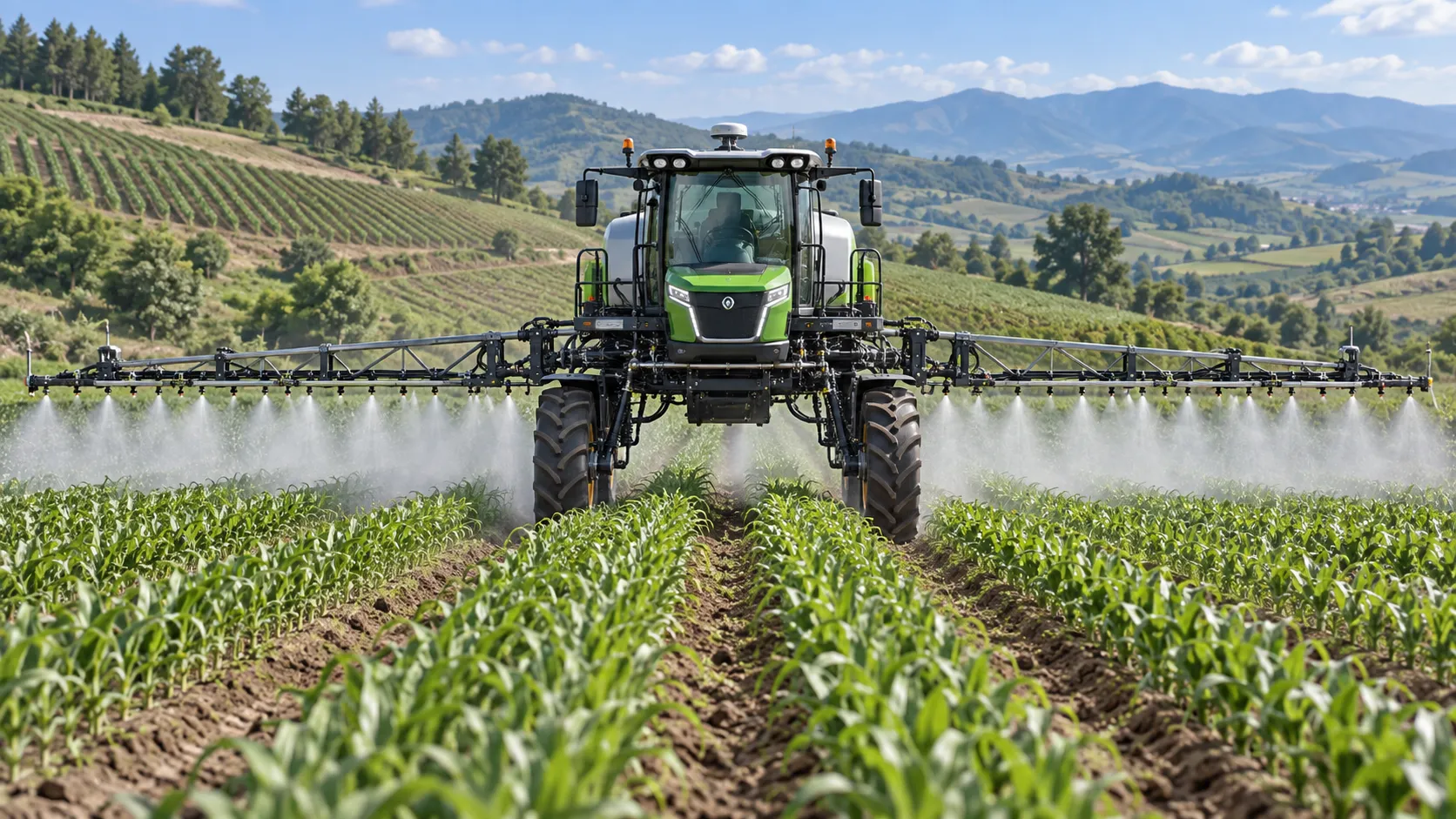
How to Select Precision Crop Protection Equipment for Variable Field Conditions
Precision crop protection equipment selection made simple: compare terrain, canopy, weather, control accuracy, and data workflows for reliable applications.
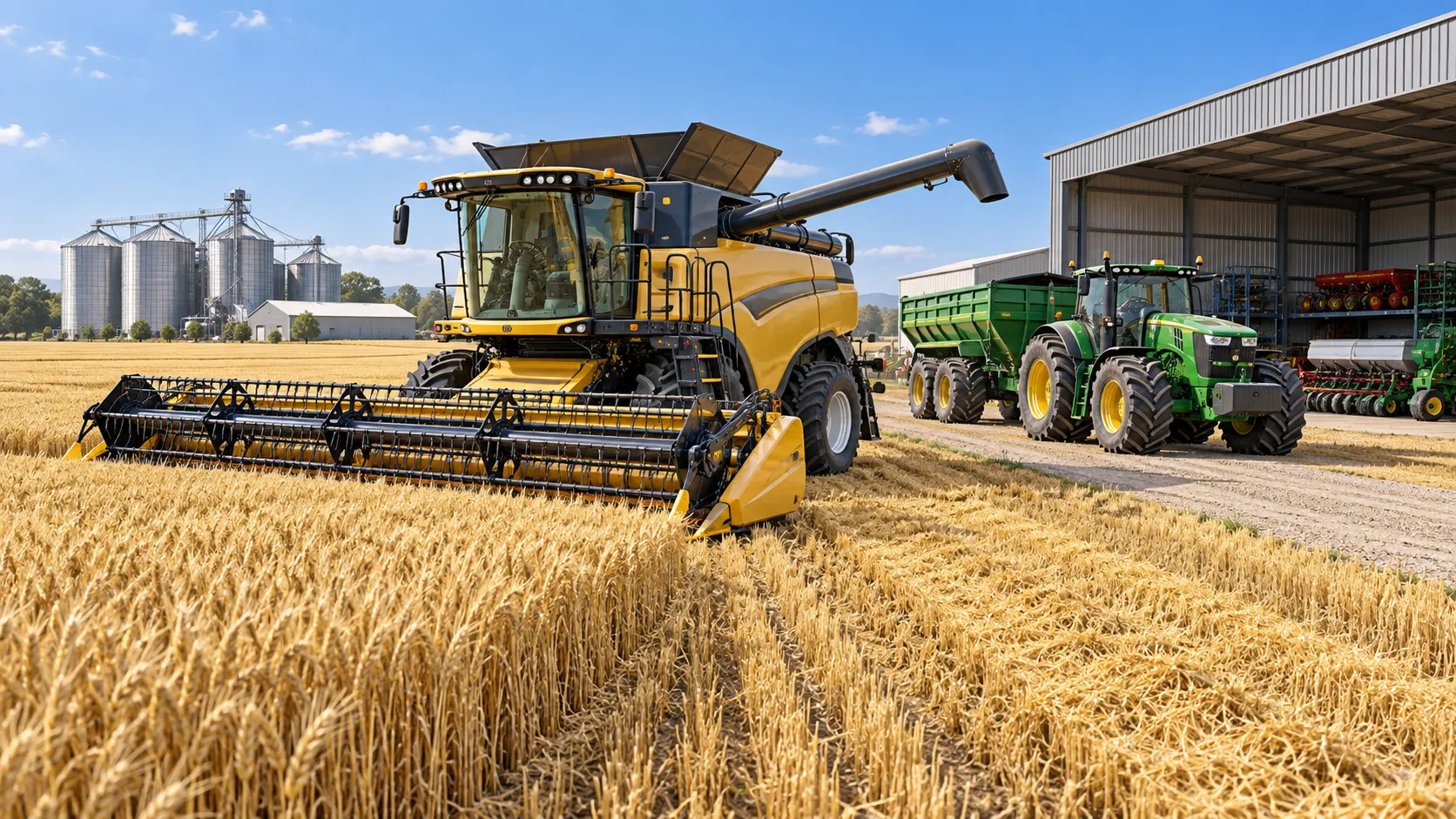
When Does Agricultural Machinery Leasing Cost Less Than Owning Equipment?
Agricultural machinery leasing can lower farm costs when use is seasonal or uncertain. Compare utilization, maintenance, cash flow, and risk to make a smarter equipment decision.
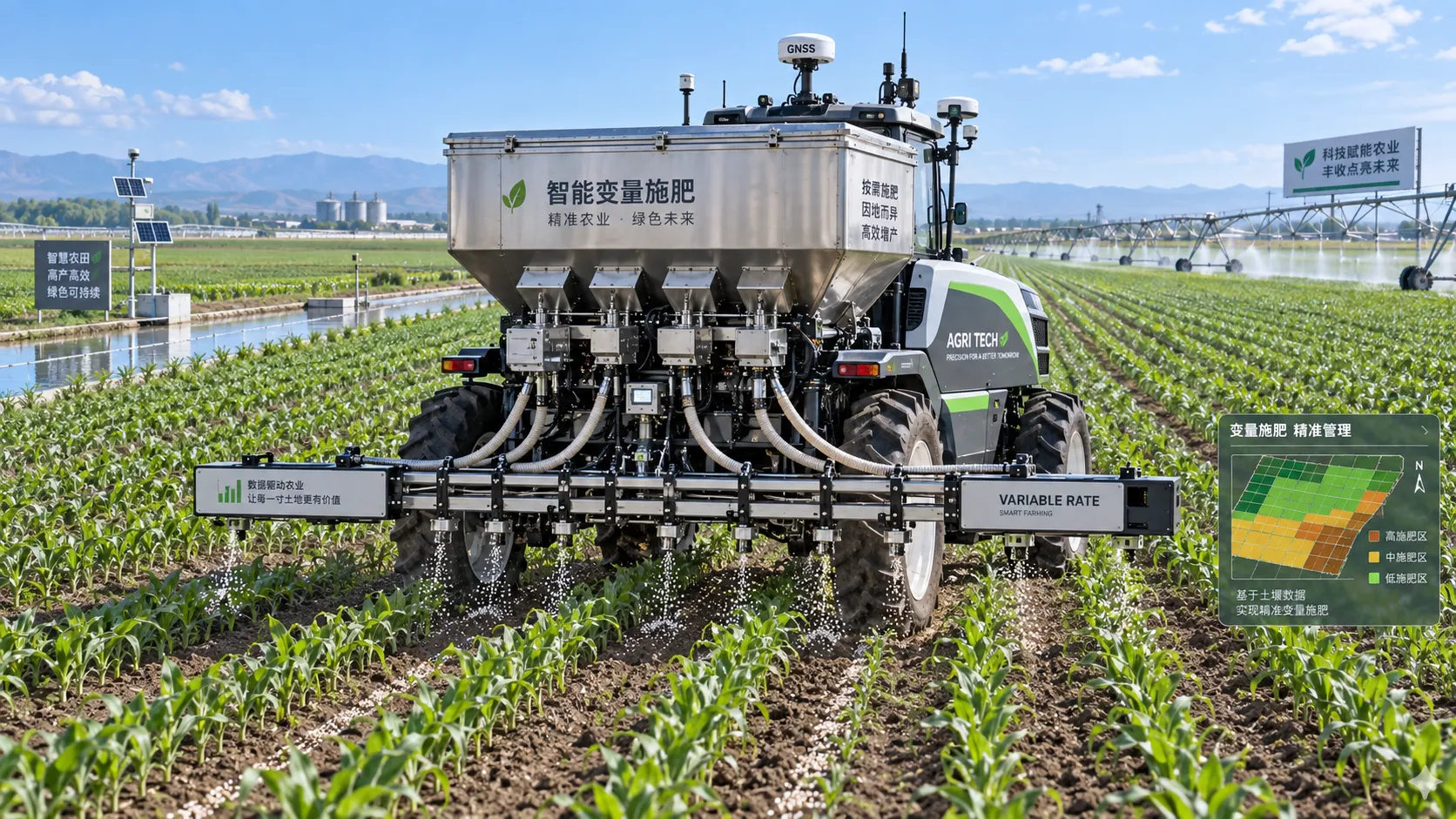
How to Evaluate Precision Fertilization System Suppliers for Farm-Scale Deployment
Precision fertilization systems suppliers: learn how to compare accuracy, integration, uptime, service, and total cost for confident farm-scale deployment.
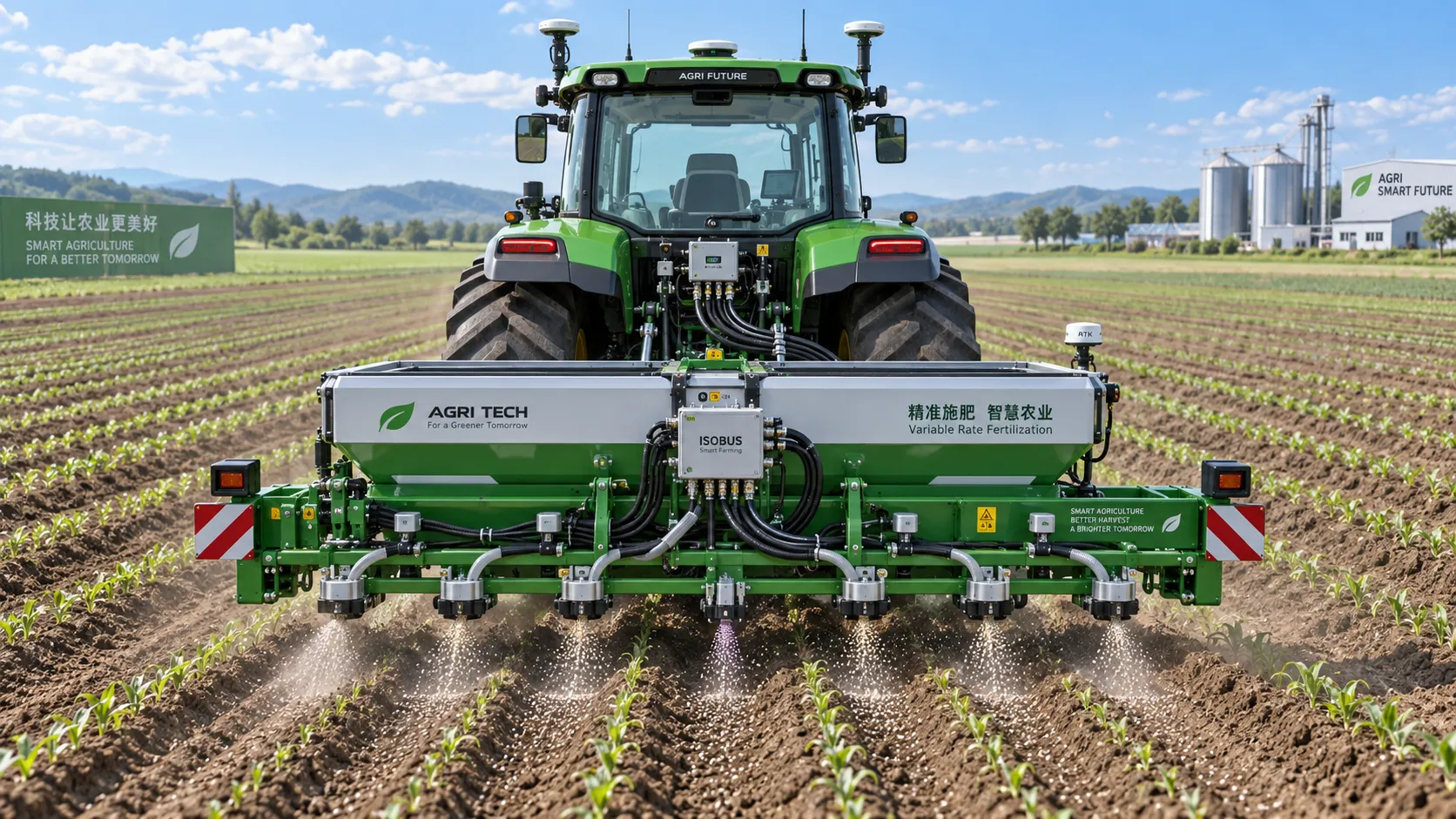
ISOBUS for Smart Agriculture: How It Connects Tractors, Implements, and Farm Data
ISOBUS for smart agriculture connects tractors, implements, terminals, and farm data—helping growers improve precision, documentation, and smarter field decisions.
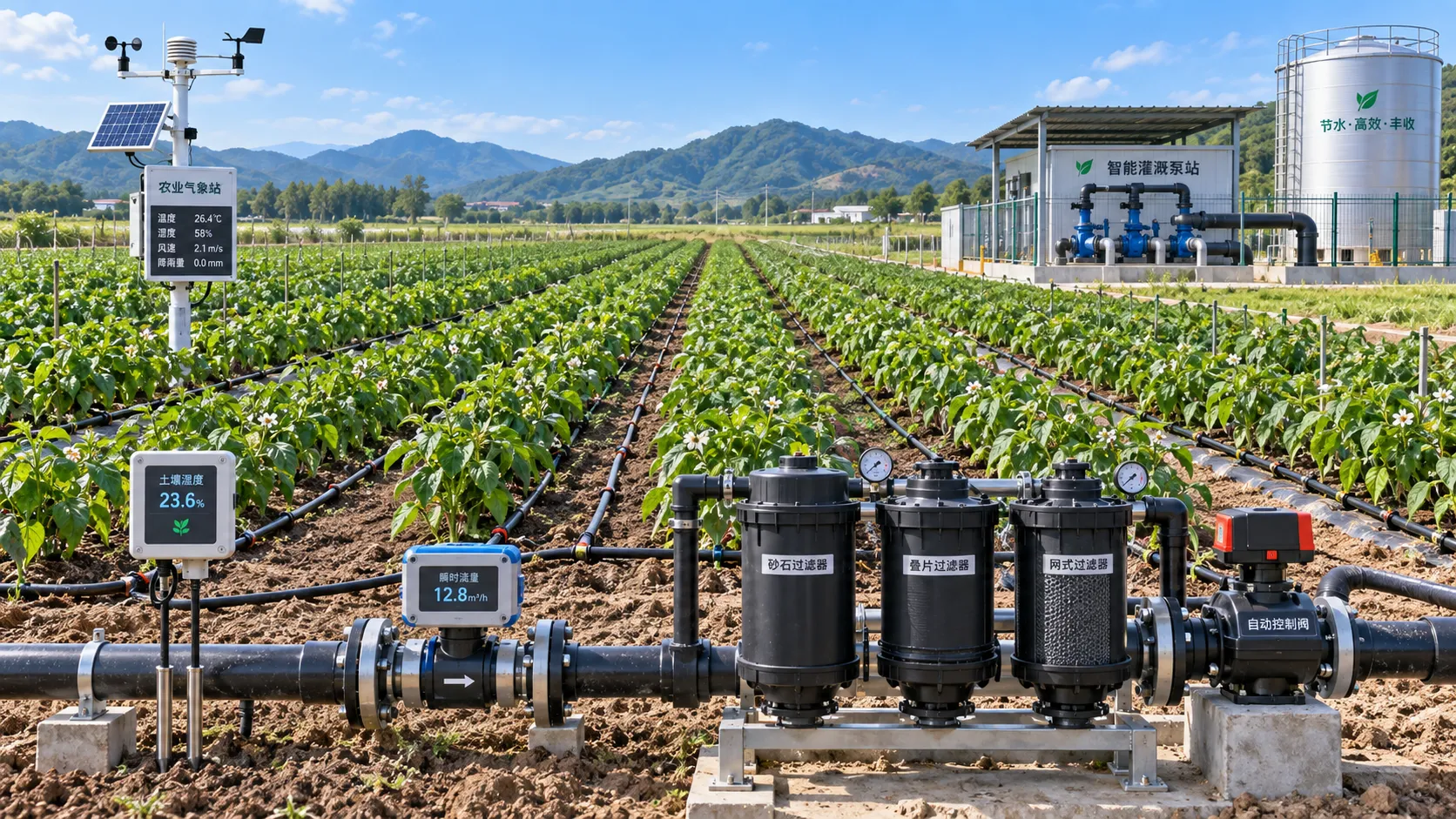
Automated Water-Saving Irrigation: How to Cut Water Use Without Reducing Crop Yields
Automated water-saving irrigation helps farms cut water use, protect crop yields, improve scheduling, and gain reliable control with sensors, flow monitoring, and smart zones.
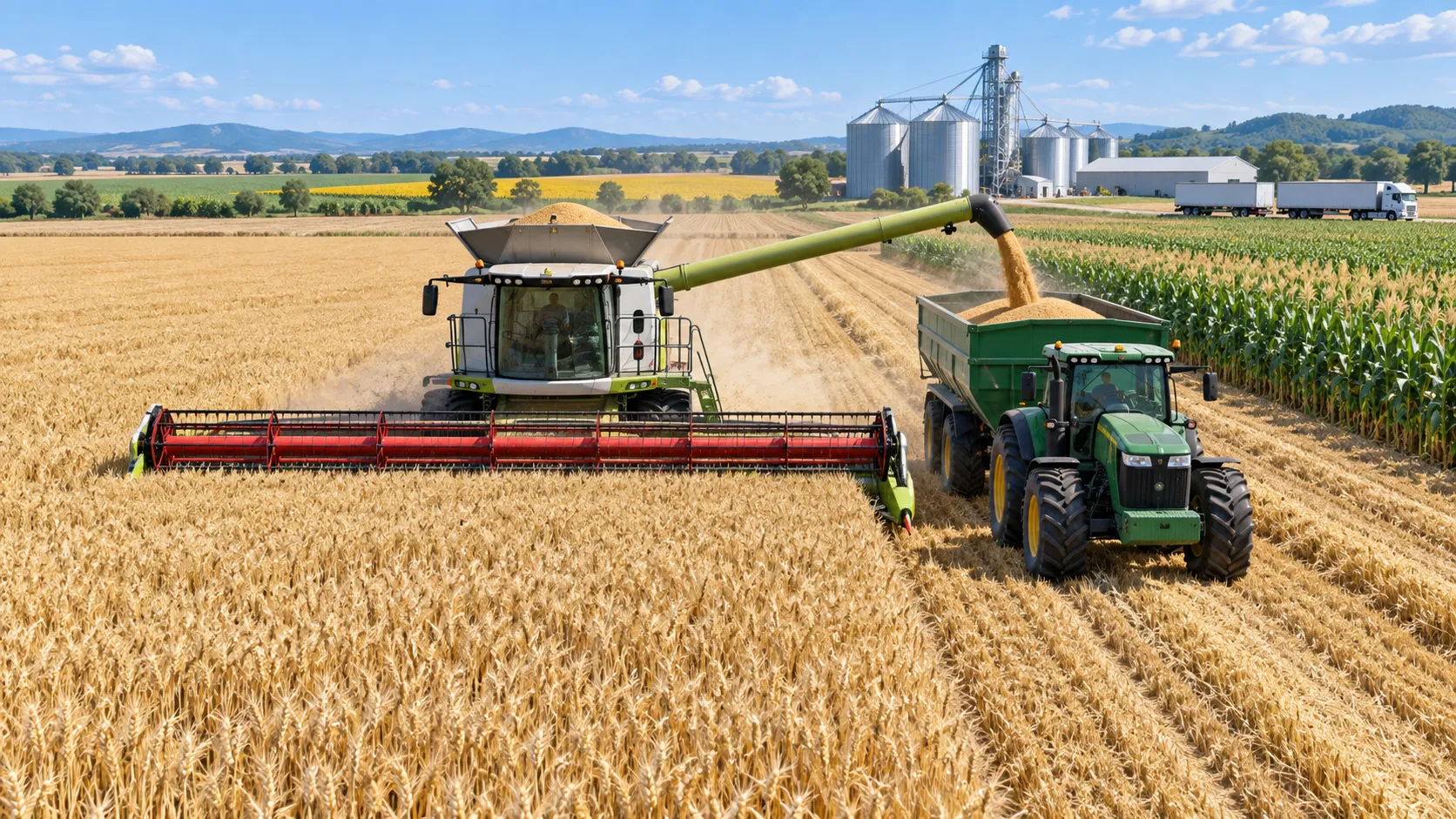
Selecting Grain Farm Equipment by Acreage, Crop Mix, and Harvest Window
Agricultural equipment selection for grain farming: match machinery to acreage, crop mix, and harvest windows to improve uptime, efficiency, and returns.
Related News
- 00
0000-00
Climate-Smart Farming for Drought: A Practical Plan for Protecting Yields - 00
0000-00
Selecting Real-Time Soil Moisture Sensors for Irrigation Zone Control - 00
0000-00
How Does Climate-Smart Farming Reduce Water Use in Semi-Arid Areas? - 00
0000-00
USDA Rule Takes Effect: Dual FCC and NRCS Approval for Soil Moisture Sensors - 00
0000-00
EU Rule Takes Effect: Soil Moisture Sensors Need Revised CE-EMC Certification
Popular Tags
Hydrological Resource Strategist
Weekly Insights
Stay ahead with our curated technology reports delivered every Monday.