
How Does Climate-Smart Farming Reduce Water Use in Semi-Arid Areas?
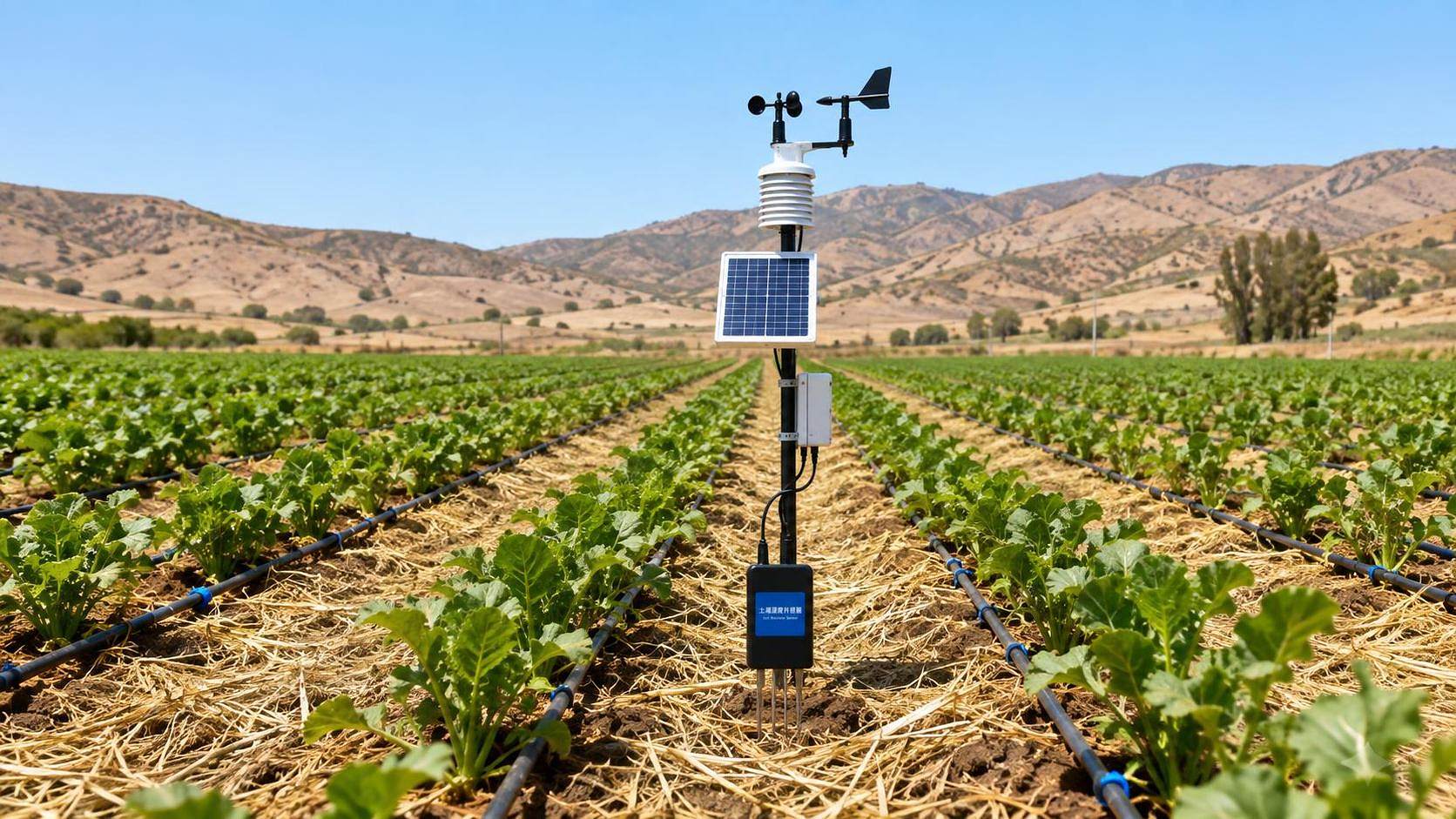




Climate-smart farming reduces water use in semi-arid areas by replacing fixed, calendar-based irrigation with decisions based on crop demand, soil water availability, weather conditions, and field variability. The practical objective is not simply to apply less water. It is to reduce non-productive water losses—evaporation from exposed soil, deep percolation below the root zone, runoff, leaks, and irrigation applied when plants cannot use it efficiently—while protecting yield and crop quality.
That distinction matters in semi-arid zones. Rainfall is often limited, unevenly distributed, and difficult to rely on at critical crop stages. Heat, wind, and low humidity can rapidly increase evapotranspiration. A farm that cuts water without improving timing, distribution uniformity, rooting conditions, and crop planning may save water at the pump but lose value through reduced output. Climate-smart practice treats water as part of a connected production system rather than an isolated input.
What does “climate-smart” mean in water management?
In this context, climate-smart farming combines practices that improve productivity, build resilience to variable weather, and use natural resources more efficiently. Water management is central because semi-arid farms face both chronic scarcity and short-term uncertainty: a delayed rainy season, an unusually hot flowering period, a restriction on groundwater abstraction, or an interruption in energy supply for pumping can alter the farm’s entire production plan.
The most effective approach is usually a combination of physical infrastructure, field measurement, and operational discipline. Drip irrigation alone does not make a farm climate-smart if emitters are clogged, pressure is uneven, or irrigations are still scheduled without regard to root-zone moisture. Likewise, a soil-moisture sensor provides little value if irrigation blocks cannot be controlled separately or if readings are taken from an unrepresentative location.
The key question is therefore: where does each unit of water go, and does it produce a measurable crop response?
How does precision irrigation reduce avoidable losses?
Precision irrigation delivers water in smaller, better-timed applications and, where possible, differentiates between zones with different soil, crop, slope, or hydraulic conditions. This is particularly valuable where a field contains both shallow, fast-draining areas and deeper soils that retain moisture longer. Applying one uniform irrigation volume across such a field commonly leads to under-irrigation in one area and drainage losses in another.
Drip and micro-irrigation systems can place water near the active root zone, reducing the wetted soil surface compared with broad surface irrigation. A smaller exposed wet area can lower direct evaporation, especially when temperatures and wind are high. However, the water-saving outcome depends on design and maintenance. Emitter spacing, lateral length, pressure regulation, filtration, flushing, and the suitability of the system for local water quality all affect whether application is genuinely uniform.
Sprinkler systems can also be managed efficiently, but their losses are more sensitive to wind drift and evaporation. In semi-arid settings, irrigation during hot, windy periods may deposit less water in the intended location and create uneven wetting. Scheduling can be as important as the hardware: applying water during lower-evaporation periods may improve delivery efficiency, provided it does not create operational or plant-health problems.
Variable-rate irrigation adds another layer where equipment and field data support it. Instead of treating a pivot or irrigation block as one uniform area, controllers can adjust application according to management zones. This is not automatically justified on every farm. It is most useful where variability is stable enough to map and where the farm can act on the resulting prescription without making the system difficult to operate or maintain.
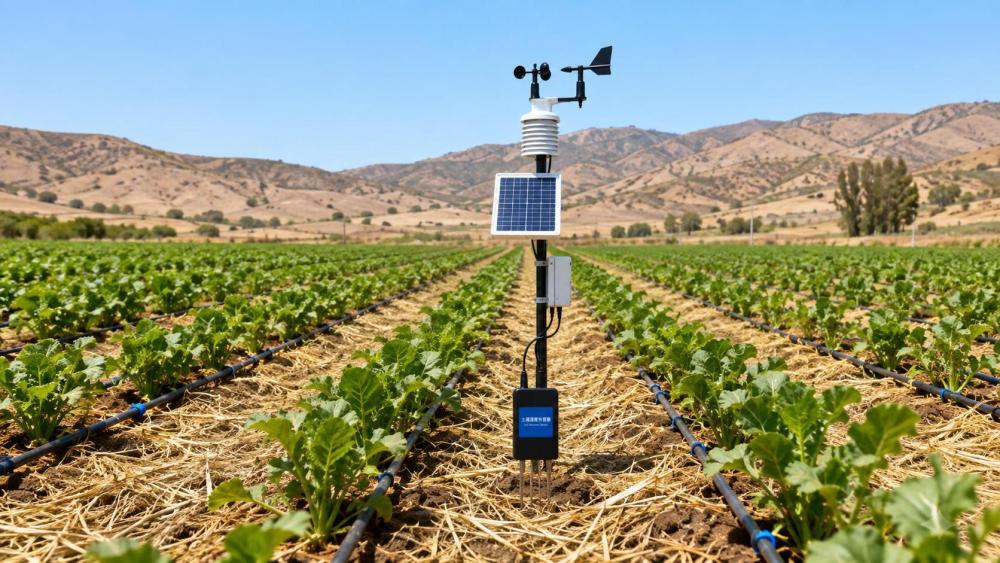
Why is soil-moisture monitoring more useful than relying on irrigation calendars?
A calendar tells an operator when irrigation was planned. It does not show whether the crop has access to sufficient water. Soil-moisture monitoring addresses that gap by indicating conditions in and around the root zone. Depending on the farm’s needs, this may involve tensiometers, capacitance probes, neutron-based measurement under appropriate regulatory controls, manual soil assessment, or a combination of methods.
The value lies in interpreting the readings against crop growth stage, soil texture, rooting depth, and recent weather. A single measurement near the soil surface can be misleading. After a light irrigation or rainfall event, the top layer may appear wet while the deeper rooting zone remains dry. Conversely, a deep profile may still hold usable water even when the surface has dried.
Good monitoring supports several practical decisions:
- Whether an irrigation event is needed now or can be delayed.
- How long the irrigation should run to refill the active root zone without pushing water below it.
- Whether a system is wetting the intended depth and area.
- Whether rainfall has reduced the next irrigation requirement.
- Whether a crop is experiencing stress in a specific block rather than across the entire farm.
Sensor data should not be treated as an automatic instruction. Installation depth, sensor calibration, soil contact, and placement determine data quality. A probe beside a dripper may show a different moisture pattern from the average condition between laterals. In orchards and vineyards, sensor placement must reflect the root distribution of the crop and the wetting pattern of the irrigation system. Periodic field checks remain necessary to confirm that digital readings match actual soil conditions.
How do weather data and crop water demand improve irrigation timing?
Crop water use is driven by evapotranspiration: water evaporating from soil and transpired through plants. Reference evapotranspiration estimates, combined with crop coefficients and field observations, can help estimate how quickly a crop is using water. This makes irrigation scheduling more responsive to heat, radiation, wind, humidity, and crop development than a fixed weekly routine.
Weather-based scheduling is especially relevant during rapid canopy development, flowering, fruit set, grain filling, and other stages in which water stress can have disproportionate effects. The aim is not necessarily to maintain the soil at its wettest condition throughout the season. It is to avoid harmful stress when the crop is most sensitive while accepting carefully managed depletion where the crop and production objective permit it.
This approach is often described as deficit irrigation, but the term is sometimes misunderstood. Deficit irrigation is not accidental under-watering. It is a deliberate strategy that applies less than full crop water demand at selected times, based on knowledge of crop response and available water. It can be appropriate for certain crops and production systems, but it carries risk when the crop is highly sensitive, salinity is present, soils have limited water storage, or seasonal weather becomes more extreme than expected.
Weather forecasts are useful for short-term adjustment, not certainty. A forecasted rainfall event may fail to deliver meaningful infiltration, particularly if rain is brief, localized, or falls on compacted soil. Decisions should combine forecasts with observed rainfall, soil moisture, and the irrigation system’s actual application capacity.
Can soil management save as much water as irrigation technology?
Often, yes. Irrigation efficiency is constrained by what happens after water reaches the field. Poor soil structure, crusting, compaction, low organic matter, and bare ground can limit infiltration or accelerate evaporation. In those conditions, upgrading emitters or controllers may improve distribution but cannot fully solve the underlying water-storage problem.
Practices such as residue retention, mulching, cover crops where water availability allows, reduced soil disturbance, and controlled traffic can help protect soil structure and reduce the energy of raindrops or irrigation water striking the surface. Their effect varies by crop, climate, soil type, pest pressure, and residue-management capacity. A cover crop, for example, can improve soil cover and infiltration but also consumes water while growing; it must be terminated or managed in line with the water balance rather than adopted as a universal conservation measure.
Mulch can reduce soil-surface evaporation and moderate temperature, particularly in high-value row crops and horticulture. Its performance depends on coverage, durability, local wind conditions, and practical issues such as residue handling or disposal. Organic amendments can improve water-holding characteristics in some soils, but they are not an immediate substitute for irrigation planning. Their quality, nutrient content, salinity, and application rate require careful management.
Compaction deserves particular attention. A compacted layer can restrict root exploration, meaning the crop accesses a smaller volume of soil water. It can also slow infiltration and increase runoff during intense rainfall or irrigation. Correcting compaction requires diagnosis: deep tillage may be appropriate only where a real restrictive layer exists and where follow-up management prevents rapid re-compaction.
What role do crop choice and planting decisions play?
Water efficiency begins before the irrigation season. Crop selection, cultivar choice, planting date, plant population, row spacing, and expected market specification all influence seasonal water demand and the economic return generated per unit of water.
Drought-tolerant or earlier-maturing varieties can reduce exposure to late-season heat or water shortages, but “drought tolerant” does not mean no water is needed. A variety may survive stress while still experiencing quality or yield penalties that matter commercially. Crop planning should therefore consider the local water allocation, likely pumping capacity, soil depth, climate pattern, and the consequences of quality variation in the intended market.
Plant density is another trade-off. Higher density can increase ground cover and suppress weeds, yet it may also increase total transpiration demand and intensify competition for limited soil water. Lower density may reduce demand but leave more soil exposed to evaporation and may reduce yield potential. The appropriate decision depends on crop architecture, rainfall pattern, irrigation capacity, and the production target.
Rotations can also influence water management. Deep-rooted crops may alter soil structure and use water from deeper layers; legumes, cereals, and cash crops leave different residue levels and affect subsequent soil cover differently. There is no universal “water-saving rotation.” The relevant issue is whether the sequence matches the site’s water balance and allows the following crop to establish with adequate stored moisture.
How does climate-smart farming deal with runoff, drainage, and salinity?
Water that runs off a field or drains below the active root zone is not always entirely wasted—some may recharge local systems—but it is no longer available to the intended crop at the intended time. Runoff can also carry sediment, nutrients, and crop-protection products. Field leveling, appropriate irrigation flow rates, shorter set times, contour-aligned practices where suitable, and maintenance of conveyance systems can reduce these losses.
Deep percolation requires more nuanced management. In saline environments, some leaching may be necessary to move salts below the root zone. A water-saving program that eliminates all drainage without accounting for salt accumulation can damage crop performance over time. Irrigation water quality, soil salinity, drainage capacity, and groundwater depth must be assessed together.
This is one reason that application efficiency should not be treated as the only performance measure. The right amount of drainage for salinity control is different from uncontrolled over-irrigation. Climate-smart management seeks to distinguish between necessary water applications and losses caused by poor control.
What are the most common implementation mistakes?
The first is investing in equipment without building a management process around it. Sensors, remote valves, satellite imagery, and automated controllers generate value only when someone reviews exceptions, verifies field conditions, and changes irrigation plans accordingly. A system that is technically sophisticated but operationally ignored can be less useful than a well-maintained basic system with disciplined scheduling.
The second is assuming that high-efficiency irrigation removes the need for hydraulic checks. Pressure variation, clogged filters, damaged laterals, worn nozzles, and unnoticed leaks can create large differences in application across a field. Uniformity testing, filtration maintenance, flow monitoring, and periodic inspections are core water-management activities, not minor maintenance tasks.
The third is measuring water use only at the source. Pumped volume matters, but so do delivery losses, field-level distribution, and the crop’s productive response. Metering at relevant points—such as the source, major blocks, and where feasible individual irrigation zones—helps identify whether a discrepancy comes from leakage, scheduling, system performance, or a change in crop demand.
The fourth is overlooking energy and reliability constraints. Pressurized irrigation may reduce field water losses while increasing dependence on electricity or fuel, filtration, spare parts, and operator capability. System selection should account for water quality, power availability, repair access, seasonal labor, and the ability to keep the equipment functioning during critical irrigation windows.
How should water-saving performance be evaluated?
A credible assessment compares water use with output and field condition, not just with a previous irrigation duration. Useful indicators include seasonal water applied per field or block, distribution uniformity, soil-moisture trends at multiple depths, yield and quality by management zone, and evidence of runoff, waterlogging, or salinity. Where records are available, comparing these indicators across seasons also helps separate management effects from unusual weather.
Water productivity—the crop output or economic value generated per unit of water—can be informative, but it should be interpreted carefully. A higher value does not automatically mean that a system is sustainable if it depends on excessive groundwater depletion, deteriorating soil conditions, or unmanageable maintenance requirements. Equally, a lower-yielding crop may be the better choice where it protects limited water resources and fits the farm’s allocation or risk profile.
Climate-smart farming in semi-arid areas is therefore less about a single irrigation product or a one-time reduction target. It is a repeatable decision process: measure the water available, understand the soil and crop response, apply water precisely, maintain the delivery system, and adjust plans as weather and field conditions change. When those elements work together, farms can reduce avoidable water use without treating yield stability as an afterthought.
Related News
Agricultural Product Information Market Guide: Key Data for Sourcing Decisions
Agricultural product information market guide for smarter sourcing—compare machinery, irrigation, precision tools, lifecycle costs, and supplier risk.
Large-Scale Farm Equipment Cost Comparison: Price, Fuel, and Lifecycle Value
Large-scale farm equipment cost comparison: evaluate price, fuel, maintenance, downtime, and lifecycle value to choose tractors, combines, irrigation, and smart tools with confidence.
A Procurement Specification Preparation Example for Buying Farm Equipment
Procurement specification preparation example for farm equipment: learn to define requirements, compare suppliers, control lifecycle costs, and buy with confidence.
Can Sustainable Farming Be Profitable Without Reducing Yields?
Are sustainable farming practices profitable without yield loss? Discover precision strategies that cut waste, protect yields, and improve farm margins.
What Are the Risks of Switching to Climate-Smart Farming Mid-Season?
What are the main risks of switching to climate-smart agriculture mid-season? Explore yield, irrigation, equipment, cost, and labor risks with practical steps for safer adoption.
How to Choose Plant Protection Equipment for Vineyard Pests
How to choose the right plant protection equipment for vineyard pests: compare sprayers, nozzles, precision tools, drift control, and canopy coverage for smarter vineyard protection.
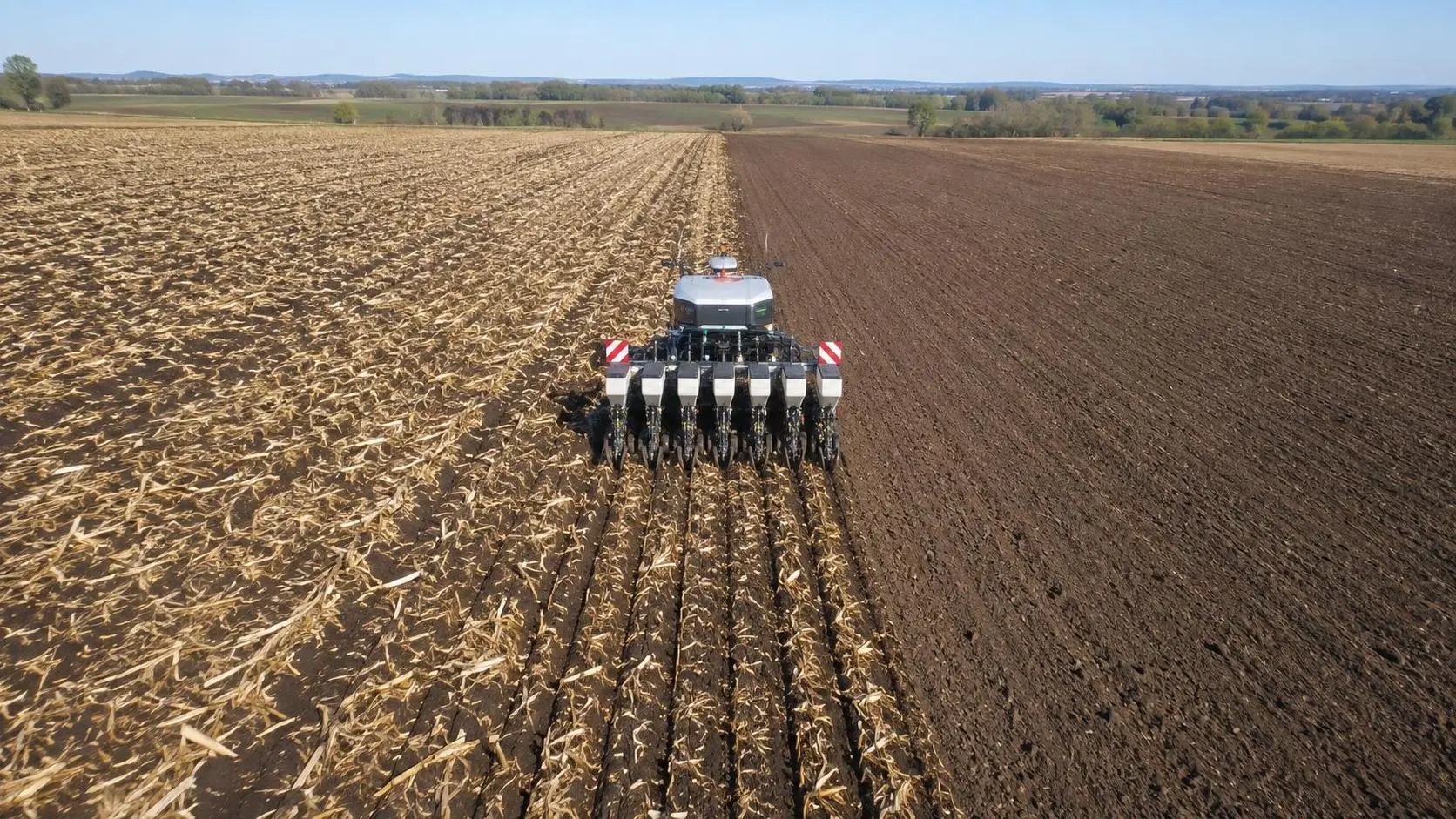
What Is the Difference Between No-Till and Conventional Tillage?
What is the difference between no-till and conventional soil preparation? Compare residue management, costs, erosion control, equipment, and planting performance.
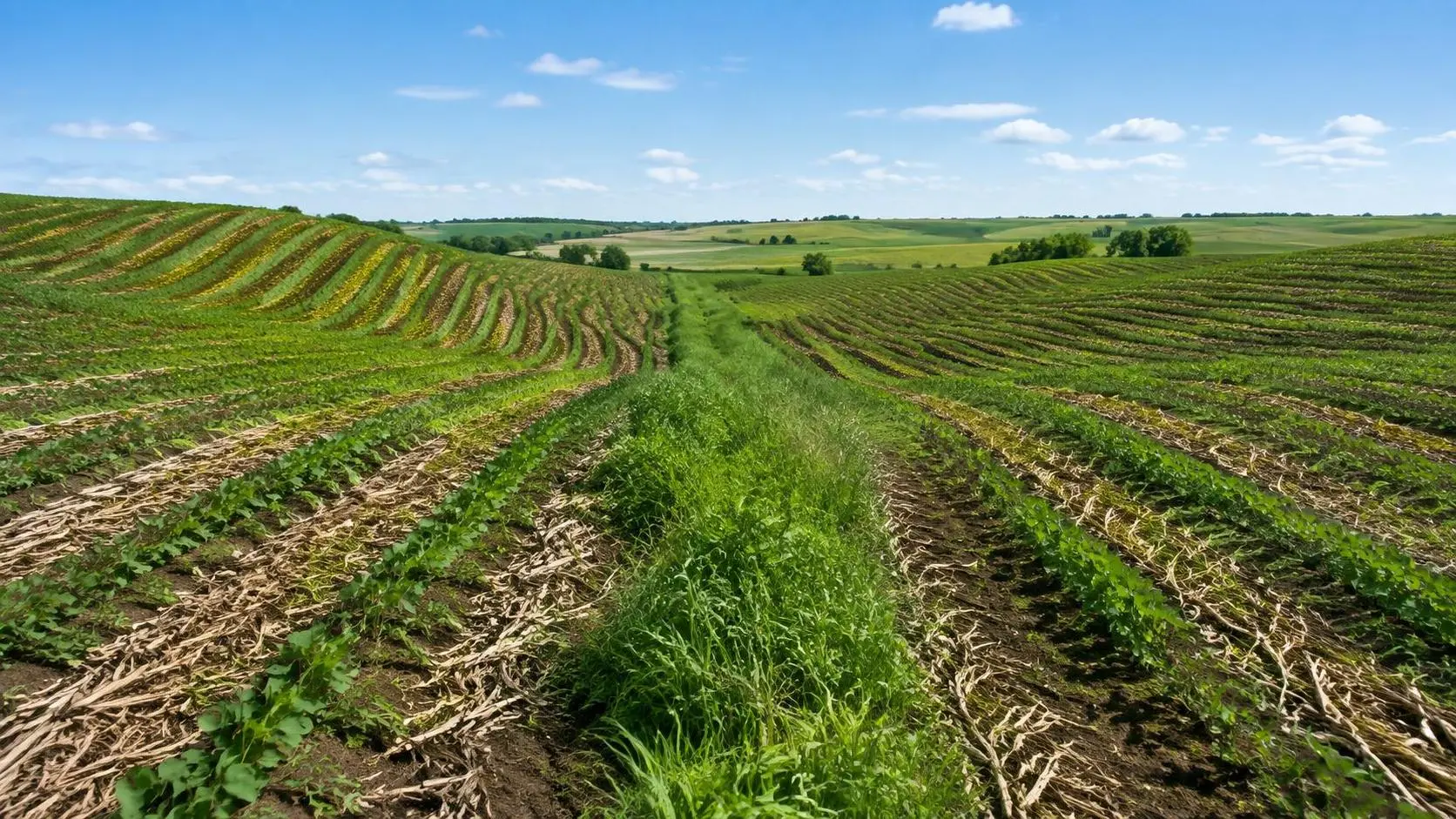
Does No-Till Farming Reduce Erosion on Hilly Farmland?
Does no-till soil preparation reduce erosion on hilly farmland? Discover how residue cover, soil structure, cover crops, and runoff management protect slopes.
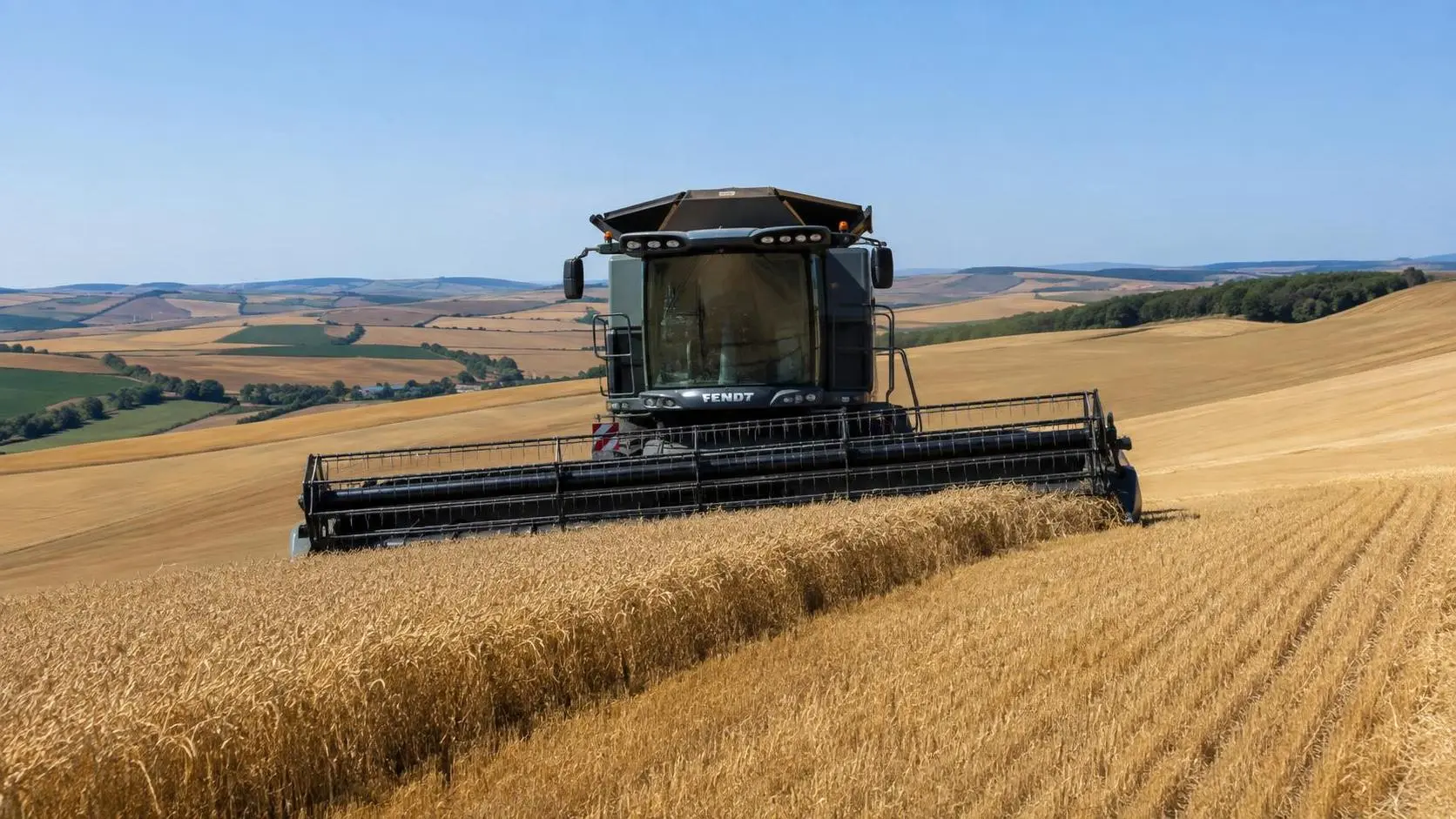
What Harvesting Machinery Works Best for Small Grains on Hills?
What harvesting machinery works best for small grain on hilly terrain? Compare hillside combines, compact models, headers, and traction options for safer, cleaner harvests.
Related News
- 00
0000-00
How Does Climate-Smart Farming Reduce Water Use in Semi-Arid Areas? - 00
0000-00
USDA Rule Takes Effect: Dual FCC and NRCS Approval for Soil Moisture Sensors - 00
0000-00
EU Rule Takes Effect: Soil Moisture Sensors Need Revised CE-EMC Certification - 00
0000-00
How to Choose Wireless Smart Irrigation Systems for Better Water Control - 00
0000-00
How to Choose Wireless Soil Moisture Sensors for Irrigation and Field Monitoring
Popular Tags
Hydrological Resource Strategist
Weekly Insights
Stay ahead with our curated technology reports delivered every Monday.