Choosing Tracked Harvesting Equipment for Wet Field Conditions
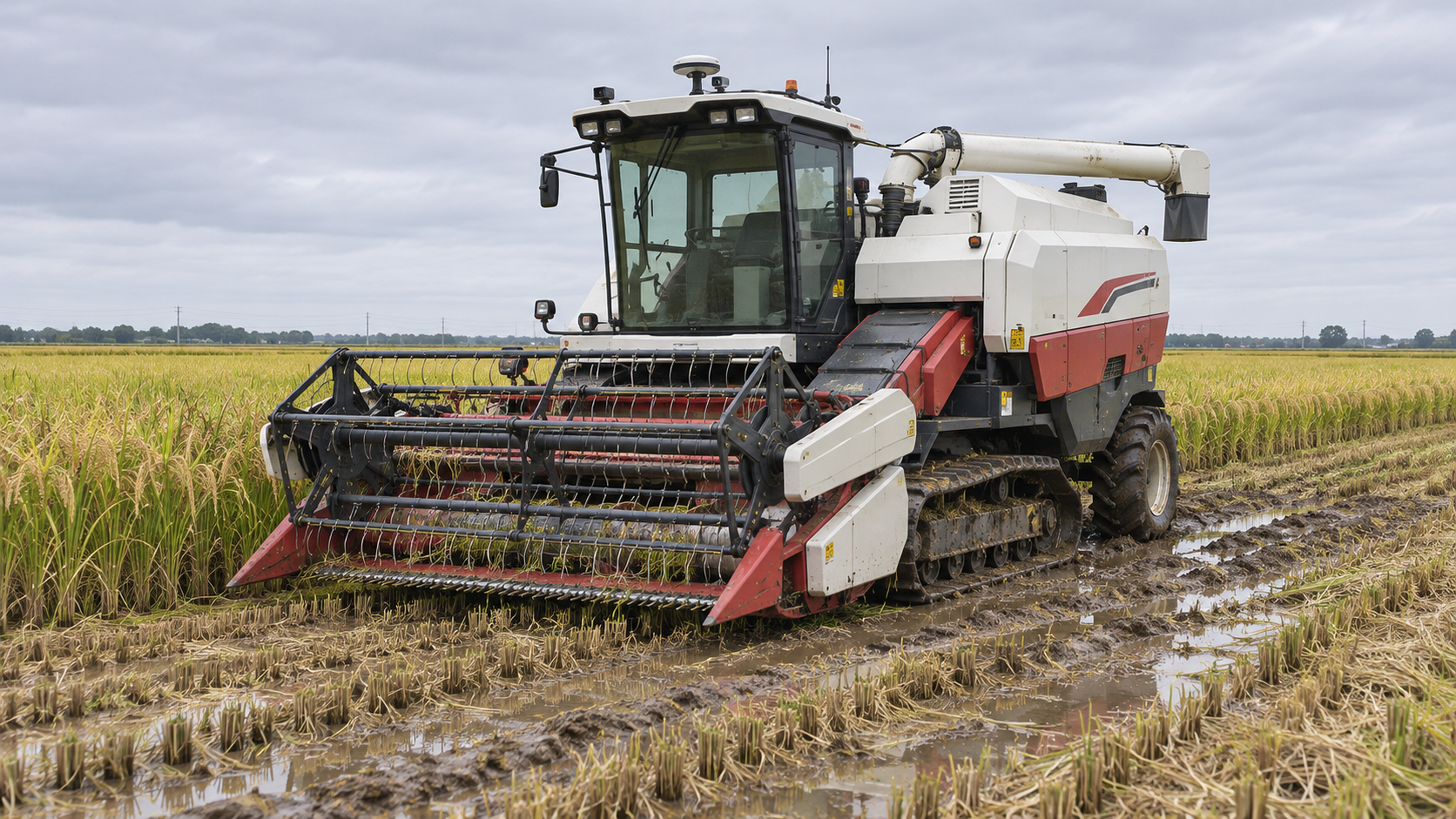




Tracked harvesting equipment is worth considering when wet soil regularly threatens field access, delays harvest, or leaves damaging ruts under a wheeled machine. The strongest candidate is the machine that can carry its working load across the weakest parts of the field while maintaining acceptable crop recovery and leaving the soil in a condition that can be managed afterward.
Tracks alone do not guarantee that outcome. A heavy combine with a full grain tank, a wide header, and an unsuitable rear axle arrangement may still rut deeply or become immobilized. For technical evaluators, the choice starts with the expected soil and crop conditions, then moves to loaded weight, undercarriage behavior, harvesting capacity, and the logistics needed to keep grain moving without sending additional heavy vehicles onto vulnerable ground.
Start with the field’s limiting condition
“Wet” describes a wide range of operating conditions. A field with a firm layer beneath a soft surface presents a different challenge from deep, saturated soil with little load-bearing capacity. Soil texture, drainage, rut history, slope, and the depth of the soft layer all influence whether a machine can travel consistently and turn without excessive disturbance.
Map the areas that determine access, not just the average condition across the field. Headlands, gateways, drainage crossings, and low spots can stop a harvest even when most of the area is passable. If the combine must cross the same weak ground repeatedly to unload, that route may determine the practical limit of the operation.
Crop condition matters just as much. Lodged grain, a low cutting height, wet straw, or uneven maturity can reduce forward speed and increase the load on feeding and threshing systems. A machine that travels easily through mud may still be unable to process the crop at a useful rate. Conversely, high theoretical capacity has limited value if field conditions allow the machine to operate only intermittently.
Before comparing specifications, define the operating envelope: the crops and headers involved, likely field and road travel, the weakest areas that must be crossed, and whether grain will be unloaded on the move or at a field edge. Distinguish the conditions under which the machine must work from exceptional conditions in which waiting, using a different route, or leaving an area unharvested may be the better decision.
Compare machines at working weight
Track width is an incomplete indicator of flotation. Ground loading depends on the weight carried by each undercarriage and the area through which that weight is transferred to the soil. A wider belt can help, but a heavier machine, uneven weight distribution, or a shorter effective contact length can offset part of that benefit.
Ask for axle or undercarriage loads in a representative harvest configuration. Include the header and its attachment, fuel, operator, accessories, and grain tank load. If the machine unloads with the auger extended, consider how that configuration affects balance on slopes and during turns. Compare machines with equivalent headers and similar usable grain loads; an empty-machine comparison can conceal a substantial difference in field conditions.
Manufacturers may quote an average ground pressure based on machine weight and a calculated contact area. That figure is useful for screening, provided the assumptions are consistent. It does not describe the full pressure pattern beneath the track. Rollers, drive components, belt tension, soil deformation, and weight transfer can concentrate loads locally. On soft ground, the contact area itself changes as the machine sinks.
Use the stated figure as a starting point for questions:
- What machine configuration and grain load were used in the calculation?
- Does the contact area reflect the portion of the track expected to support weight in the field?
- How is weight distributed between the front and rear undercarriages at different tank levels?
- Are the figures for competing machines calculated on a comparable basis?
Low average ground pressure can reduce the tendency to sink, but it does not eliminate compaction. A heavy load can affect soil below the visible rut, and repeated passes can worsen the damage. Evaluate surface rutting and longer-term soil condition separately where possible.
Check the rear axle as well as the front tracks
Some harvesters combine front tracks with rear steering tires; others use a different tracked arrangement. The front tracks may carry much of the machine’s weight, but narrow or heavily loaded rear tires can still create deep ruts, limit steering, or sink when the machine slows. Rear-wheel drive, where available, may help mobility, although it cannot compensate indefinitely for insufficient soil support.
Compare the complete running gear, including rear tire size, permissible inflation pressures, load ratings, and the clearance available around the wheels. A configuration should be judged in its intended operating state: changing tire pressure for a soft field must remain within the tire and machine manufacturer’s limits for the load and speed.
Flotation is only one part of mobility
A machine may stay near the surface yet struggle for traction. Wet residues, soft clay, standing water, or a slope can reduce the grip available to propel the combine and operate the header. Track tread design, belt condition, drive system, machine balance, and soil behavior all contribute. More aggressive traction can also disturb the surface if the tracks slip or the operator turns sharply.
Turning deserves particular attention. A tracked undercarriage can shear soil during a turn, especially on headlands where passes overlap. Steering behavior depends on the machine layout and how the track and wheels respond. Wide, gradual turns may protect the field, but they require space and can add travel time. On narrow fields or irregular boundaries, that extra maneuvering can affect daily output.
Ground clearance is another practical limit. Tracks may reduce sinkage, but mud and crop residue can accumulate under the chassis or around moving components. Deep ruts made by earlier traffic can leave the machine riding on its underside even when the tracks themselves retain grip. Check clearance around the undercarriage, crop elevator, header, and any vulnerable hoses or guards.
On sloping ground, assess stability and traction together. A machine that moves straight uphill may behave differently when traversing a slope, turning, or carrying a partially filled tank. Use the manufacturer’s operating limits and evaluate the actual route, including approaches to ditches and field exits. A mobility demonstration on level ground does not establish suitability for a sloping field.
Match harvesting capacity to the conditions
The preferred machine must do more than reach the crop. In wet harvests, crop material may be difficult to feed, thresh, separate, and clean. Wet straw and soil contamination can increase power demand and contribute to plugging; lodged crop can force a lower header position and slower travel. These constraints can make advertised peak capacity a poor guide to output.
Compare machines at a realistic operating speed and crop flow. Consider header width and feeding behavior, available power under sustained load, adjustment range for threshing and cleaning, and the operator’s ability to monitor grain loss and grain quality. A wider header increases potential intake, but it also adds weight and may make it harder to follow uneven ground without collecting soil.
Grain tank capacity creates a similar trade-off. A larger tank can reduce unloading interruptions, but the added grain increases field load and may change the load carried by each axle. If the softest areas are close to the limit of machine mobility, an operational cap on tank fill can be more valuable than maximum tank capacity. That choice must be reflected in the expected number of unloading trips and the support equipment required.
Evaluate field productivity as a system: time spent harvesting, turning, unloading, clearing blockages, traveling to a firm unloading point, and recovering from loss of traction. A machine with lower nominal throughput may complete more crop in a limited weather window if it can keep moving and unloading reliably.
Plan the grain route before selecting the combine
A tracked combine can reduce the load from the harvesting machine while the grain cart or truck creates deeper ruts. The selection therefore depends partly on where grain goes after it leaves the tank.
If carts enter the field, assess their loaded weight, tires or tracks, travel pattern, and ability to keep pace without repeatedly crossing the weakest ground. Controlled routes can confine some traffic, although repeated loading on those routes can make them progressively less passable. If trucks remain on firm ground, allow for travel to the field edge and check whether the combine can reach the unloading point without crossing vulnerable areas with a full tank.
Where unloading on the move is planned, consider the space needed for the cart, the risk of one machine becoming stuck beside the other, and how both vehicles will turn at the headland. Where unloading at the edge is planned, assess the lost harvesting time against the soil and recovery risks avoided. Neither arrangement is automatically better; the answer depends on field shape, access, support equipment, and the condition of the ground throughout the harvest window.
Recovery access also belongs in the plan. Identify suitable approaches and manufacturer-approved recovery points before the machine enters a questionable area. A stranded combine can block the only usable route, and an improvised recovery can damage equipment or expose people to danger. The safest operational limit is usually reached before the tracks are buried and the machine can no longer maneuver.
Examine the undercarriage as a service system
Tracks add components that must survive abrasive soil, residue, stones, and repeated load cycles. When comparing machines, inspect how easily mud can be removed and how accessible the rollers, idlers, drive components, and belt tension system are for routine checks. Ask what inspection and maintenance are required during a wet harvest, when cleaning time may compete directly with harvesting time.
Review belt and roller wear limits, common replacement procedures, and the tools or lifting equipment needed for repairs. Check whether the dealer or service organization can support the chosen configuration during the intended season, including access to critical parts. A track system that performs well in the field can still be a poor fit if a damaged belt or failed component would leave the machine idle beyond the available harvest window.
Road movement also affects the choice. Confirm transport width, permitted travel speed, turning clearance, and any local road requirements for the complete machine and header arrangement. A wide track may improve field support while complicating movement between farms or requiring a different transport plan. Compare the full operating route, from storage and road travel through harvesting and unloading.
Make the final comparison in representative conditions
Specification sheets are most useful when they narrow the field to configurations that can be tested against the same work. If a demonstration is possible, agree on the conditions and measurements in advance: crop and header, approximate tank fill, tire settings where applicable, travel route, and the ground conditions being assessed. Record limitations as well as favorable results; conditions can change quickly across a field and over the course of a day.
Observe whether the machine maintains forward movement without sustained slip, how it turns, where mud accumulates, and how deeply the complete running gear marks the soil. Check grain loss and grain quality at the achieved operating rate, not only travel speed. Examine unloading access and the effect of the support vehicle’s passes. A short demonstration can reveal operational issues, but it cannot establish long-term soil impact or reliability across every weather and crop condition.
If a field trial is unavailable, use comparable loaded configurations, manufacturer load and operating information, and a documented traffic plan to identify the main uncertainties. Then set operating limits for the selected machine: where it can enter, how full the tank can be in weak areas, which unloading route to use, and when conditions require work to stop. Those decisions are part of the equipment choice because they determine whether its available capacity can be used without sacrificing the field that must produce the next crop.
Related News
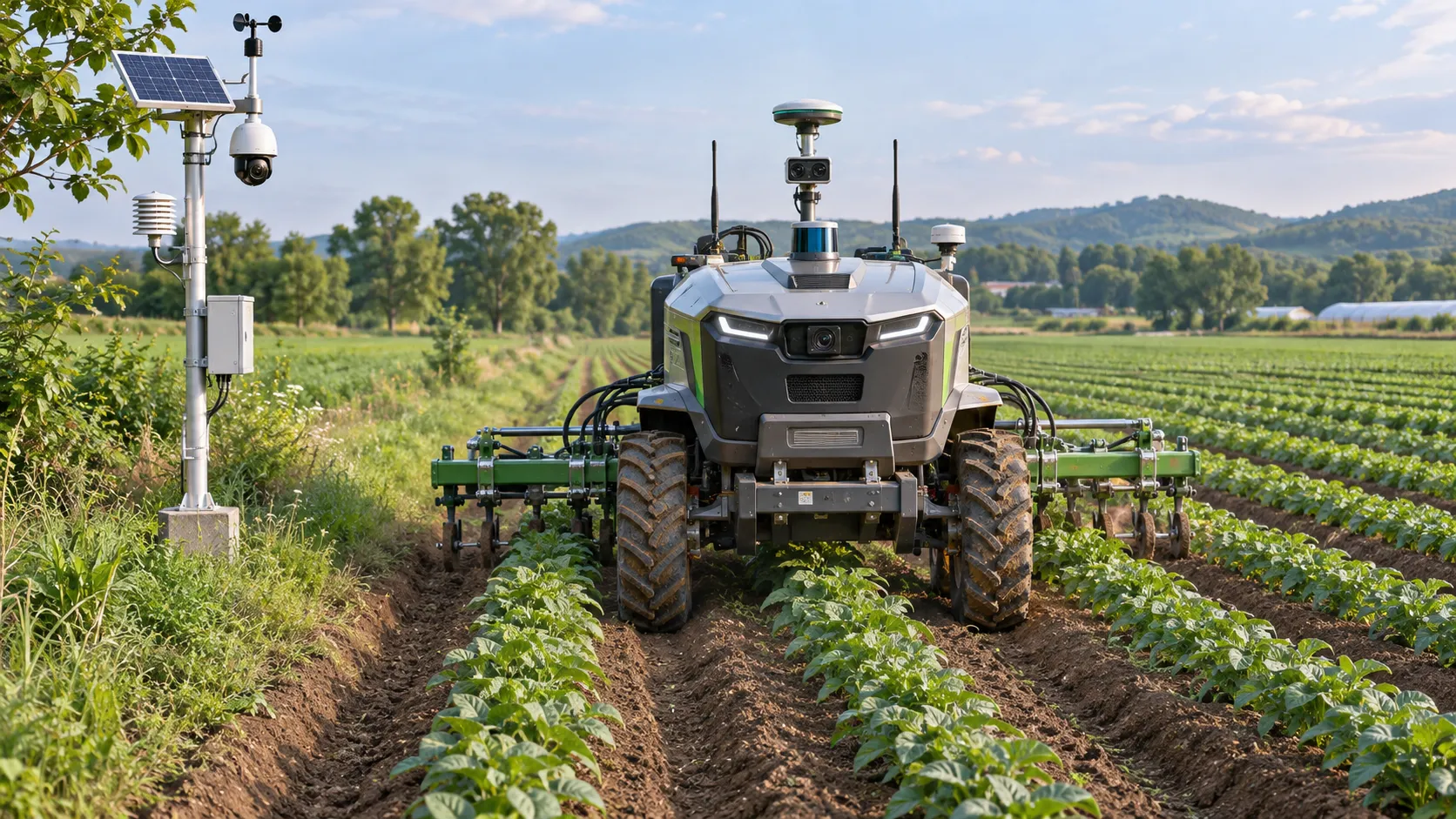
Agricultural Automation Still Needs Human Oversight, Study Finds
Agricultural automation still needs human oversight. Discover how AI and smart equipment are reshaping farm jobs, skills, and decisions.
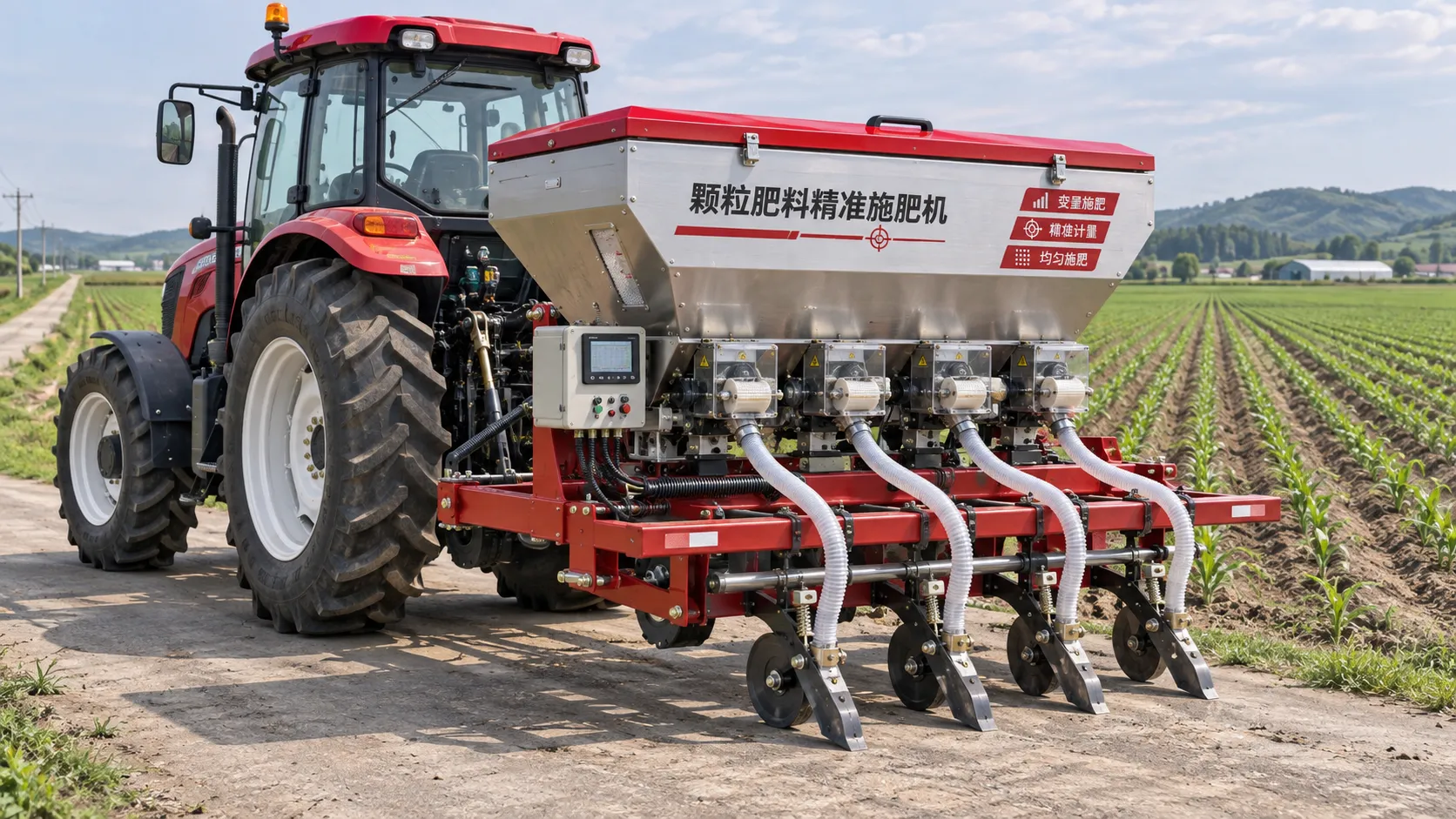
Choosing a Precision Fertilization Equipment Manufacturer: What to Check
Choose a precision fertilization equipment manufacturer with confidence. Compare accuracy, compatibility, service and total ownership costs before you buy.
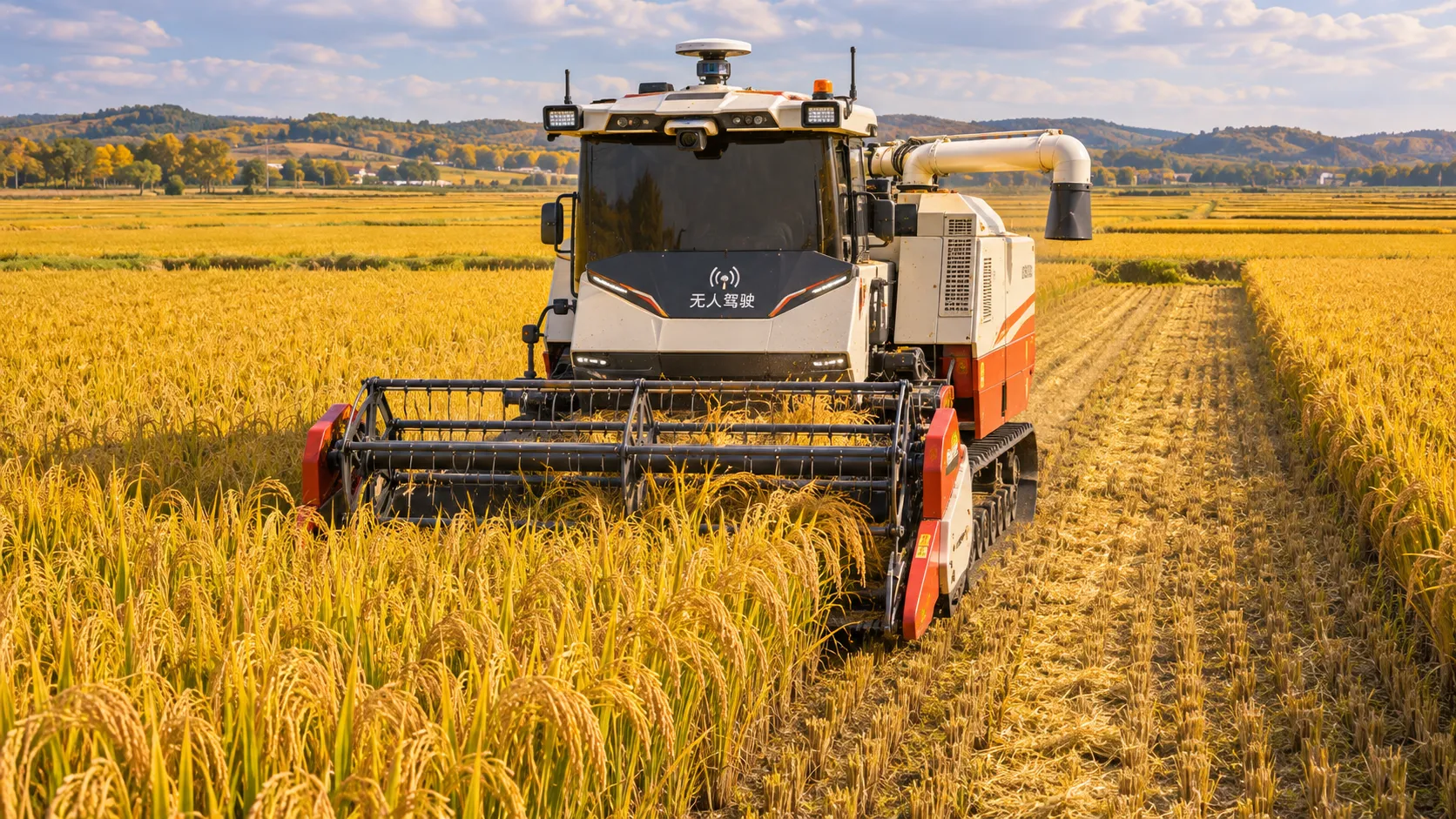
China's Autumn Grain Harvest Highlights Role of Machinery and Precision Farming
China's autumn grain harvest highlights machinery and precision farming. Explore how coordinated practices support harvesting and yield improvement.
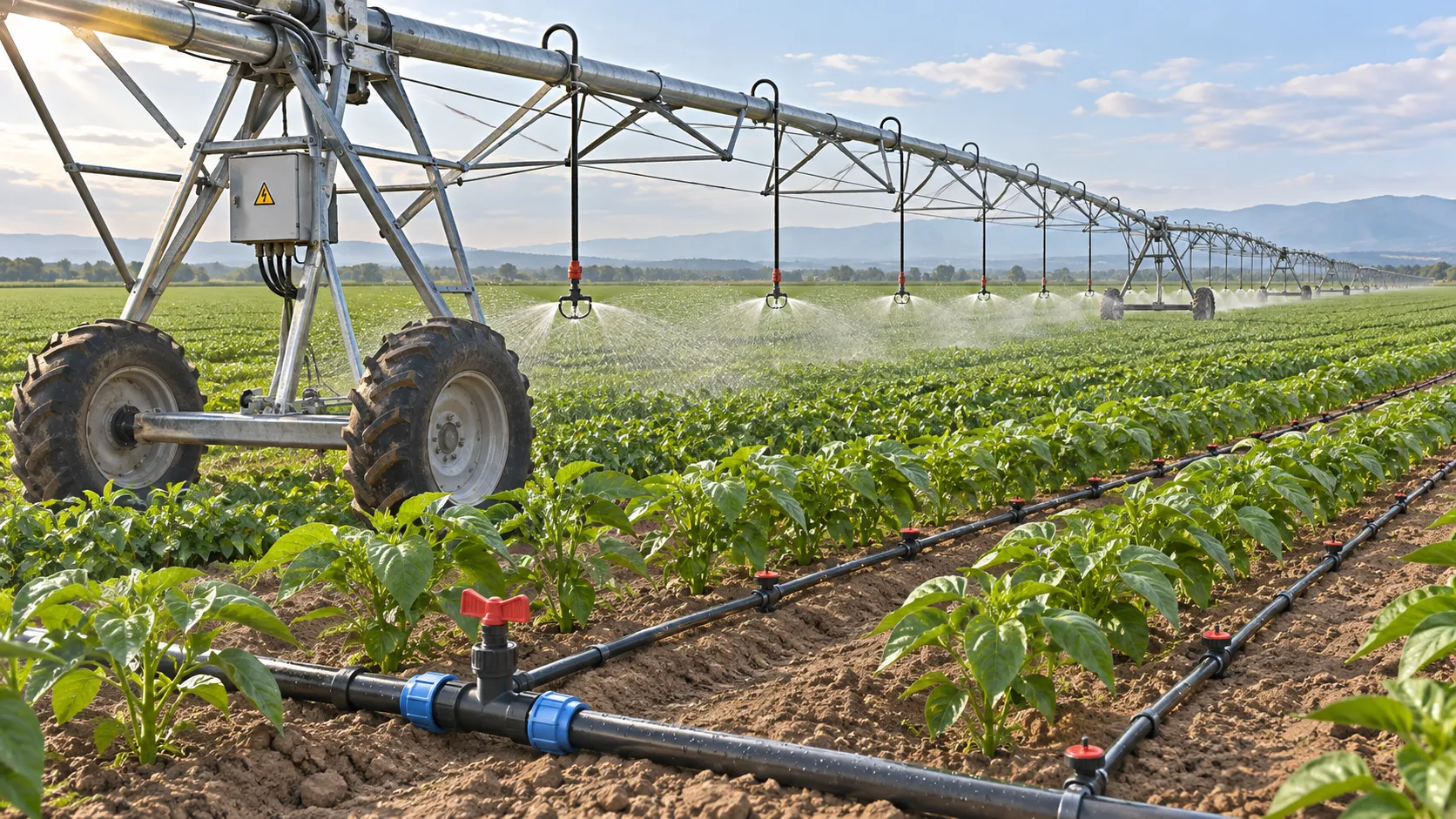
Drip vs. Center Pivot Irrigation: Maintenance Tasks and Costs Compared
Use this irrigation solution comparison by maintenance to weigh drip vs. center pivot tasks, costs and downtime—and choose the best fit for your field.
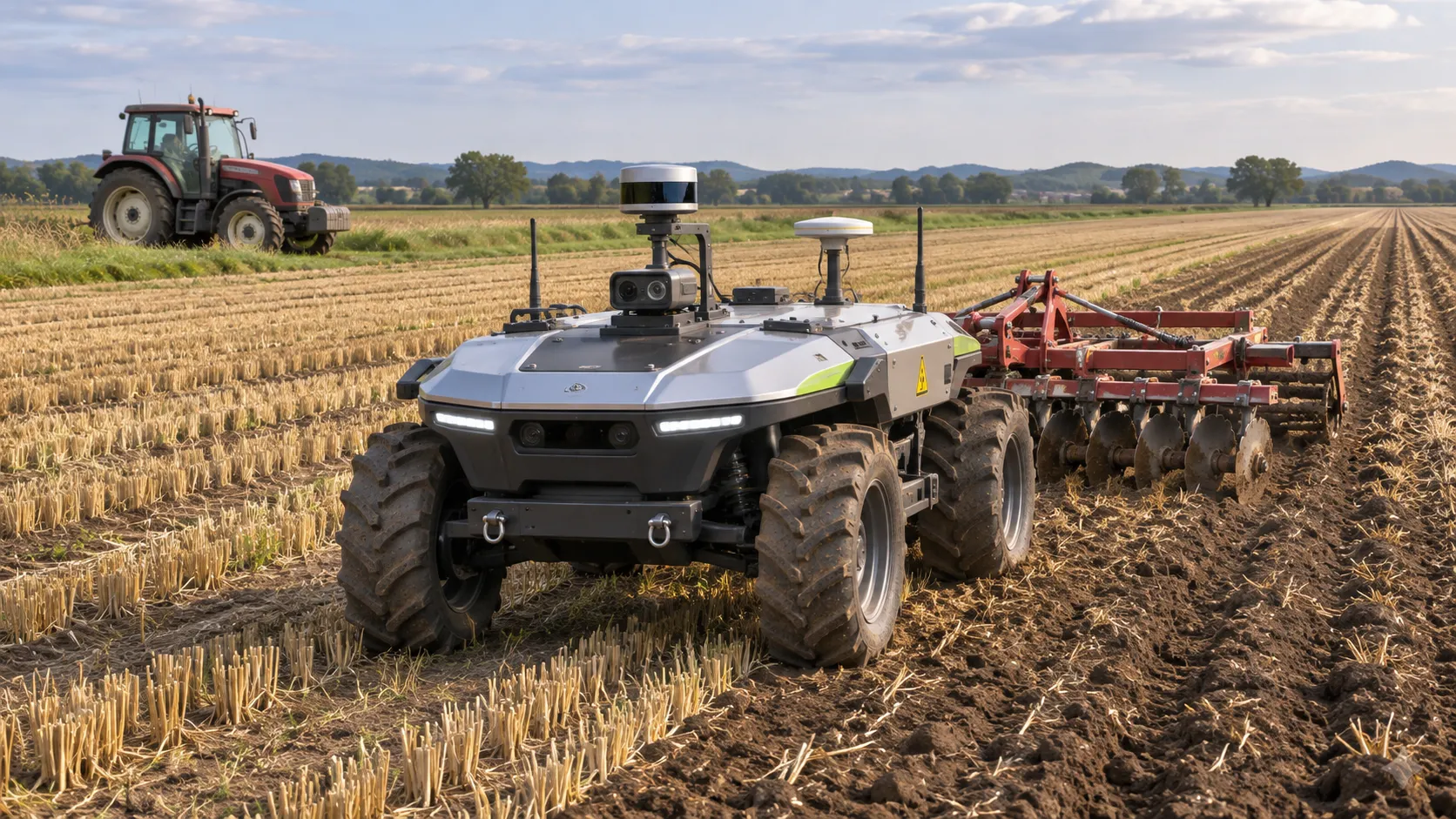
EIMA 2026: Six Tractor of the Year Awards Include Autonomous Robot
Explore the Tractor of the Year awards at EIMA 2026, featuring six winners, including the AgXeed autonomous robot and leading tractor models.
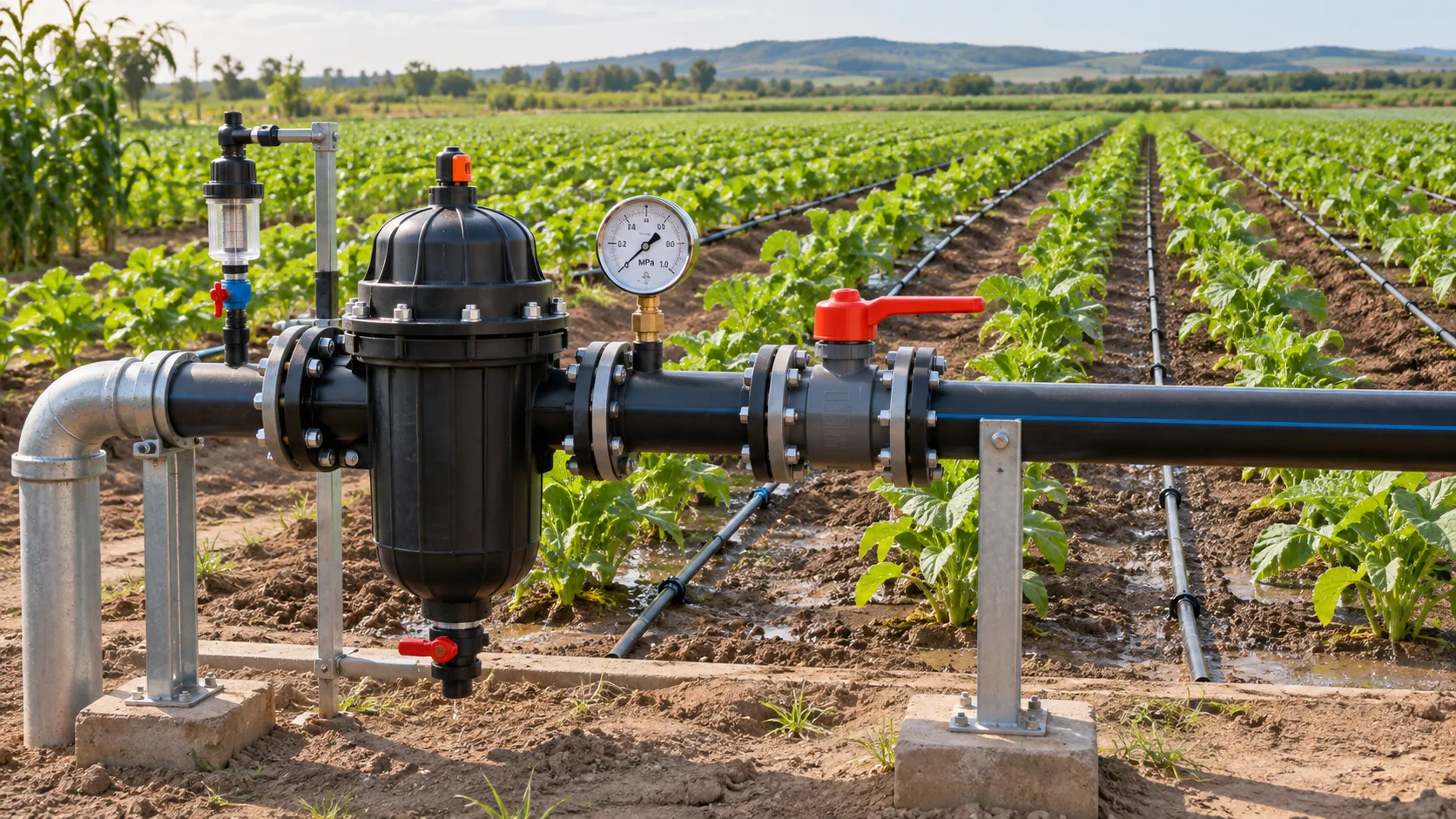
Choosing Irrigation Systems for Government Projects: Water, Cost and Compliance
What factors affect irrigation system selection for government projects? Explore water supply, lifecycle costs and compliance to make a confident, well-informed choice.
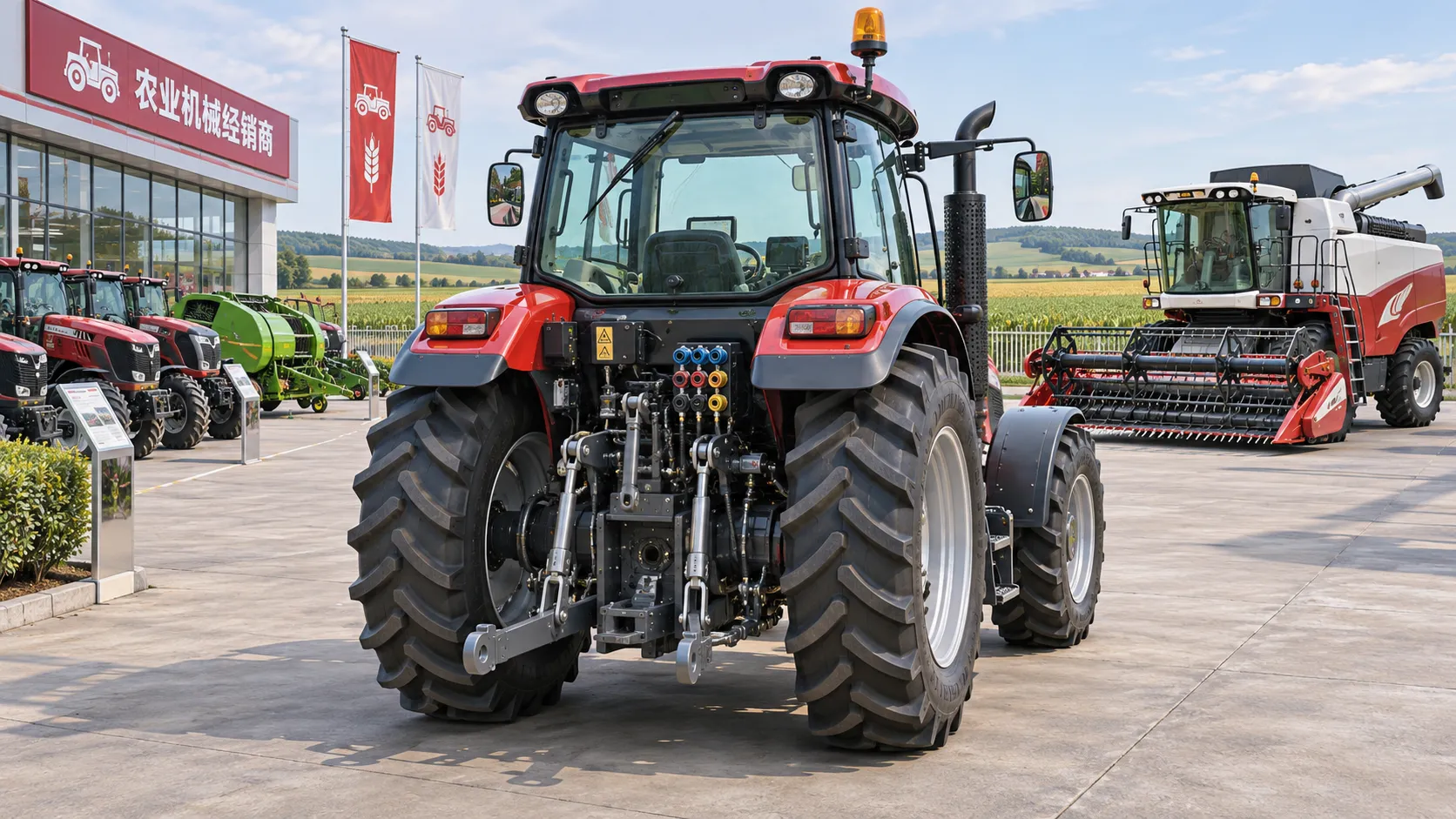
Choosing an Agricultural Machinery Platform: Listings, Pricing, and Support
Choosing an agricultural machinery platform? Compare listings, pricing, supplier verification, and support to make a more confident equipment purchase.
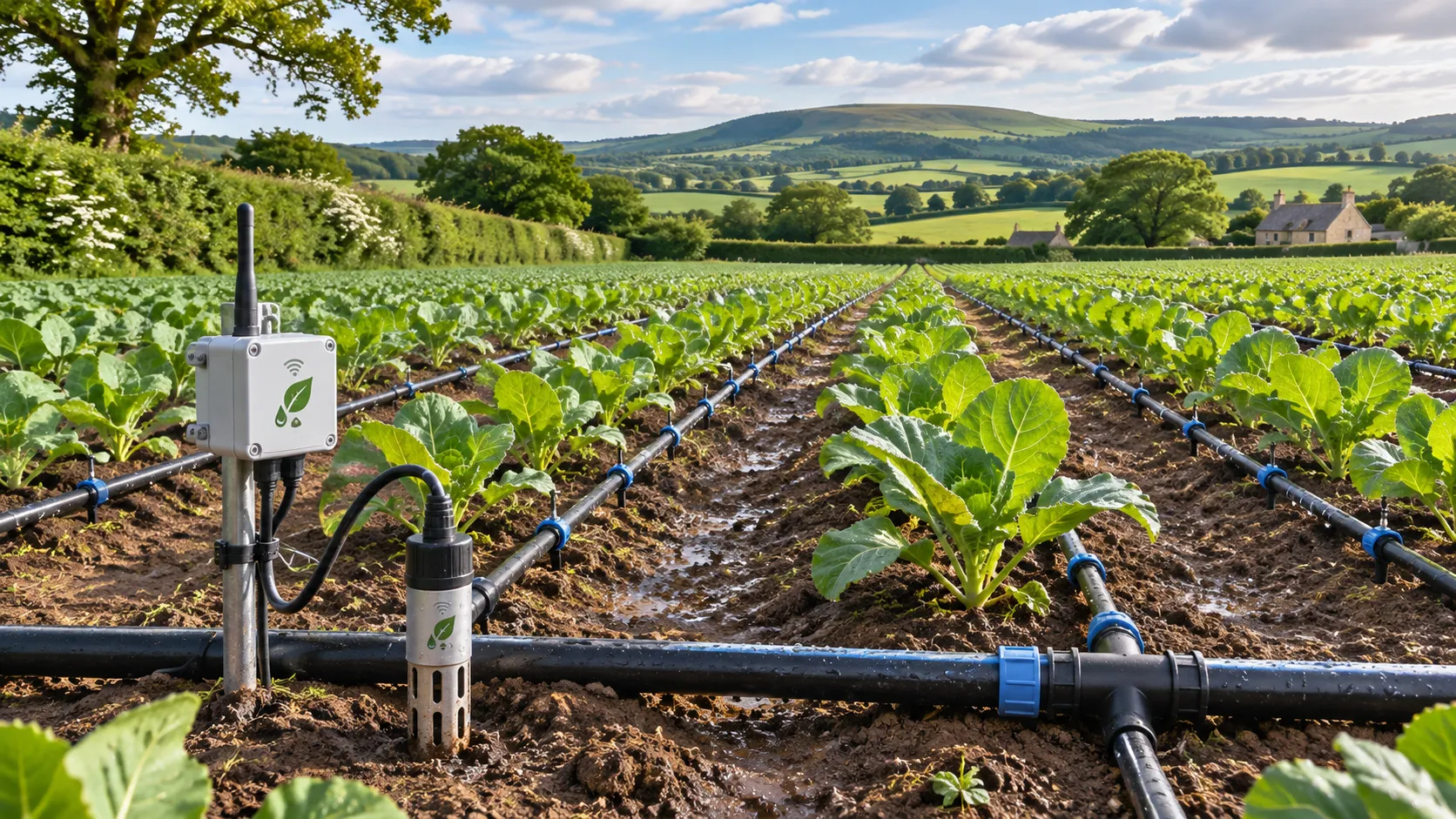
Ofwat Launches £8 Million Agri-Water Innovation Challenge
Ofwat’s £8 million Agri-Water Innovation Challenge supports smart irrigation, water reuse and water-saving solutions. Explore the funding and its potential impact.
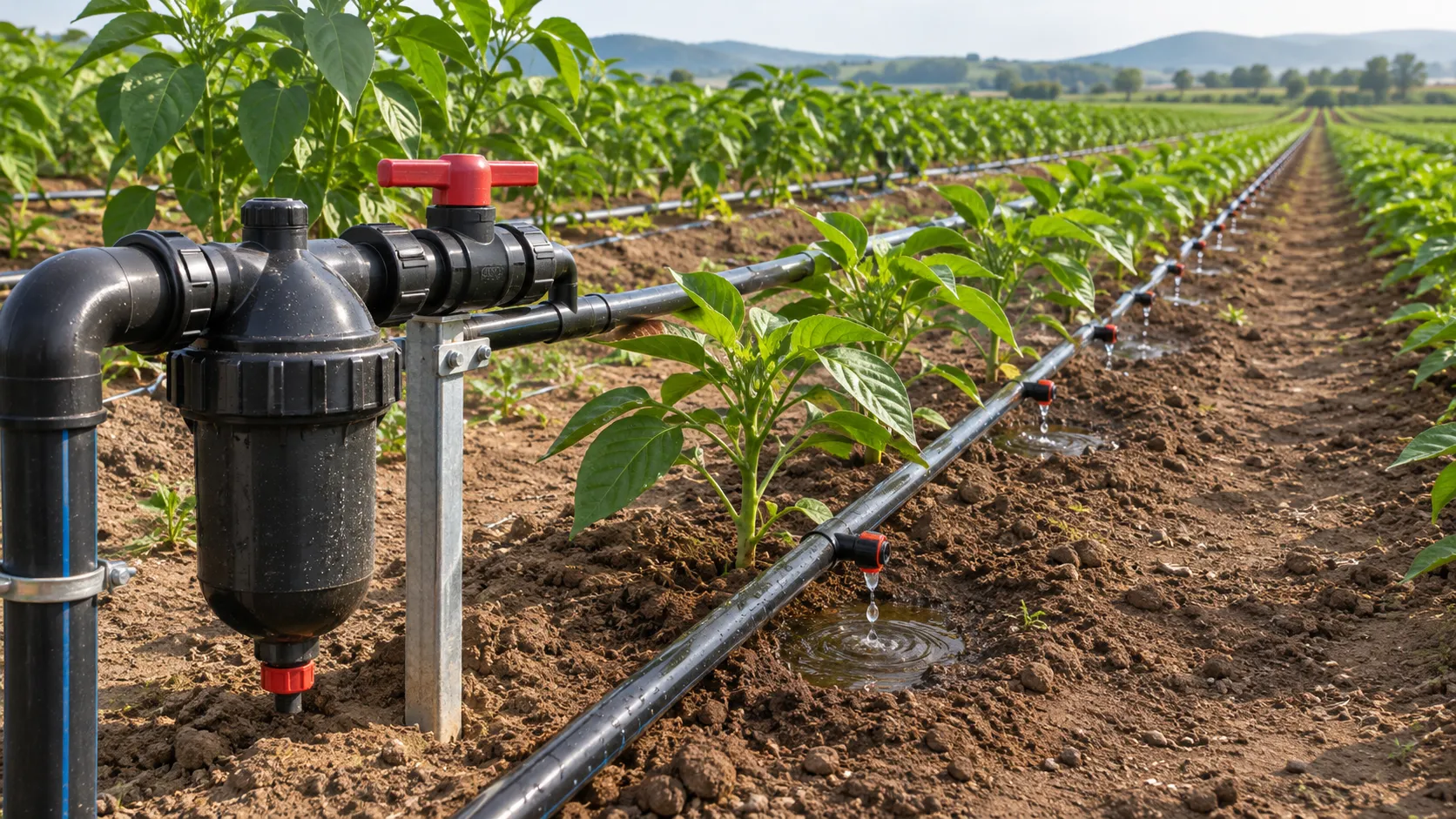
Choosing a Water-Saving Irrigation Supplier: 5 Key Procurement Criteria
Choose a water-saving irrigation systems supplier with confidence. Explore five procurement criteria to reduce risk and maximize long-term value.
Related News
- 00
0000-00
Choosing Tracked Harvesting Equipment for Wet Field Conditions - 00
0000-00
Choosing Irrigation Systems for Government Projects: Water, Cost and Compliance - 00
0000-00
Choosing an Agricultural Machinery Platform: Listings, Pricing, and Support - 00
0000-00
Choosing a Water-Saving Irrigation Supplier: 5 Key Procurement Criteria - 00
0000-00
304 vs 316 Stainless Steel for Ingredient Processing Equipment
0000-00
Popular Tags
Ms. Elena Rodriguez
Weekly Insights
Stay ahead with our curated technology reports delivered every Monday.