
When Does Agricultural Machinery Leasing Cost Less Than Owning Equipment?
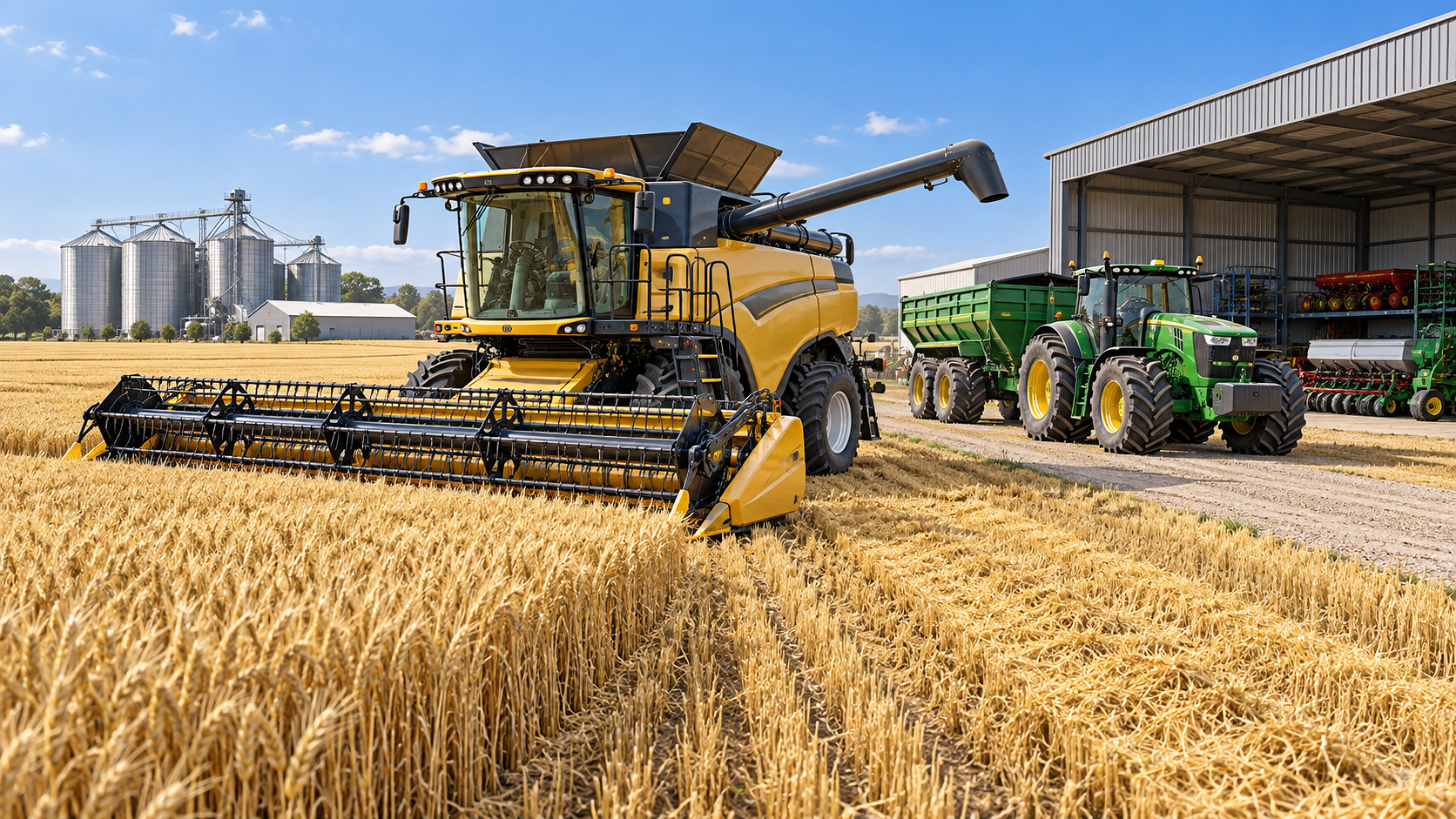




For finance approvers, the leasing-versus-owning decision is not about finding the lowest monthly payment. It is about comparing total lifecycle cost, capital exposure, utilization, and operational risk.
Agricultural machinery leasing can cost less than ownership when equipment use is seasonal, annual operating hours are limited, technology changes quickly, or maintenance uncertainty creates budget risk.
Ownership usually becomes more economical when machinery is heavily utilized, retained for many years, maintained efficiently in-house, and expected to preserve meaningful resale value.
The correct decision requires a disciplined comparison of cash flow, depreciation, financing cost, maintenance obligations, downtime exposure, and residual value under realistic farm operating assumptions.
Start With the Real Financial Question
Finance teams should avoid asking whether leasing is cheaper in isolation. The more useful question is whether leasing produces a lower risk-adjusted cost per productive operating hour.
A combine harvester may appear expensive to lease because of annual payments. Yet ownership can cost more after interest, storage, depreciation, repairs, insurance, and resale uncertainty are included.
For a tractor used across tillage, planting, spraying, hauling, and forage work, high utilization can spread ownership costs across many hours and improve the economics.
For specialized machines used only during narrow harvest windows, leasing can prevent capital from sitting idle for most of the year while still protecting operational capacity.
Approvers should measure machinery costs against output, such as hectares covered, tonnes harvested, irrigation efficiency gained, or labor hours eliminated, rather than payment size alone.
This approach connects equipment decisions to farm profitability. It also exposes cases where a lower monthly lease payment masks a higher total contractual commitment.
A practical assessment compares ownership and agricultural machinery leasing across the same expected period, usually three, five, or seven years depending on equipment type and replacement cycles.
Calculate Total Cost of Ownership Before Comparing Payments
Total cost of ownership is the baseline for any credible approval decision. It includes acquisition cost, borrowing expense, maintenance, insurance, storage, taxes, downtime, and eventual disposal.
Begin with the equipment purchase price, including attachments, setup charges, guidance systems, transport, dealer preparation, and the working capital tied up before operations begin.
Then add financing cost. A purchase funded through debt requires interest assumptions that reflect the actual borrowing rate, payment schedule, collateral requirements, and lender fees.
Depreciation is often the largest ownership cost for advanced agricultural equipment. High-horsepower tractors, combines, and precision tools can lose value quickly during their earliest years.
Residual value should never be treated as guaranteed. Used-equipment prices depend on crop markets, regional demand, operating hours, condition, technology age, dealer inventory, and replacement model availability.
Maintenance estimates must include scheduled service, wear parts, tires or tracks, lubricants, software subscriptions, sensor calibration, and major repairs outside standard warranty coverage.
Storage is also a real ownership expense. Secure sheds, covered bays, winterization, corrosion control, and fleet management labor preserve value but consume capital and operating resources.
Downtime has financial consequences beyond repair invoices. Delays during planting, spraying, or harvest can reduce yield quality, increase labor costs, and create expensive contractor dependence.
A useful formula is: annual ownership cost equals depreciation, financing, maintenance, insurance, storage, taxes, and downtime costs, less expected resale proceeds allocated over the ownership period.
Once that annual figure is available, divide it by realistic productive hours or hectares. This gives approvers a comparable cost measure across ownership, leasing, and custom-hire alternatives.
Identify the Utilization Threshold Where Leasing Wins
Utilization is usually the strongest financial driver. Agricultural machinery leasing is most attractive when equipment would otherwise operate too few hours to justify its fixed ownership costs.
Fixed costs continue whether a machine works extensively or remains parked. Depreciation, insurance, interest, storage, and minimum service obligations do not decline with lower utilization.
A farm operating a combine for only a short annual harvest may struggle to recover its ownership costs, particularly when acreage is limited or crop timing varies.
Leasing can convert some fixed costs into known operating expenses. This is valuable when annual workload changes with weather, land access, crop mix, or contract farming opportunities.
Finance approvers should calculate a break-even utilization point. At that point, the annual ownership cost per hour equals the annual lease cost per hour.
For example, compare annual lease payments and included services with annual ownership costs. Divide the difference in fixed costs by the per-hour operating cost difference.
The result is not a universal number. It changes according to machine category, dealer support, financing conditions, lease structure, anticipated resale value, and local repair capacity.
Use conservative utilization assumptions rather than ideal production plans. Rain delays, labor shortages, soil conditions, machine overlap, and crop rotation can reduce actual field hours significantly.
A decision model should include at least three cases: expected utilization, low utilization, and high utilization. Leasing often performs best in the downside scenario.
Ownership tends to improve under high utilization because fixed costs are distributed across more productive hours. This is especially common for core tractors and frequently used implements.
Include Maintenance, Repair, and Downtime Risk
Maintenance responsibility can make agricultural machinery leasing financially preferable even when lease payments exceed projected depreciation and interest under a simplified ownership calculation.
Many lease arrangements include scheduled maintenance, extended warranty coverage, replacement-machine provisions, or service response commitments. These terms can reduce unpredictable repair expense and production disruption.
However, included maintenance does not always mean comprehensive protection. Approvers should verify exclusions for wear items, operator damage, excessive hours, transport, and misuse claims.
Aging combines and tractors can produce irregular repair costs. One transmission, hydraulic, emissions-system, or electronics failure may erase several years of apparent ownership savings.
Leasing is particularly useful where internal maintenance capability is limited. Farms without trained technicians, diagnostic equipment, or nearby dealers may face higher ownership repair exposure.
Equipment availability during peak season deserves a separate valuation. A lower-cost owned machine is not economical if breakdowns force harvest delays or emergency rental at premium rates.
Estimate downtime cost using realistic consequences: lost crop quality, overtime, contractor premiums, delayed irrigation, missed weather windows, and yield penalties from untimely fieldwork.
Lease contracts should specify service levels, response times, replacement equipment access, and responsibility for transportation. Vague maintenance promises have limited financial value during critical operations.
For finance leaders, predictable machinery expense can be worth a modest premium. It improves budgeting, protects cash reserves, and reduces the probability of unplanned capital requests.
Consider Technology Obsolescence and Upgrade Cycles
Technology risk has become more important as equipment integrates automation, telematics, precision guidance, variable-rate tools, camera systems, and data-driven irrigation controls.
Owning equipment for a long period can reduce annual capital cost. Yet it can also leave the business operating machinery that lacks productivity, compliance, or data capabilities.
Agricultural machinery leasing can be less expensive when regular upgrades create measurable gains in fuel efficiency, labor reduction, input accuracy, harvesting losses, or water management.
For example, a newer combine may improve grain-loss monitoring and automation. Those gains should be valued against the lease premium, not described only as operational convenience.
Precision planting, spraying, and irrigation systems often have shorter useful technology cycles than heavy steel components. Leasing or subscription-based structures may better match this reality.
Finance teams should separate mechanical life from economic life. A machine may still run reliably while its operating economics deteriorate because newer systems deliver lower input costs.
Technology upgrades matter most where farms can act on the information generated. Paying for advanced sensors without agronomic processes or trained operators rarely produces an acceptable return.
When assessing lease renewal options, estimate the value of improved performance conservatively. Include training, connectivity, software, and workflow integration costs alongside expected productivity benefits.
Assess Cash Flow, Liquidity, and Capital Allocation
Leasing can cost less in a broader business sense when preserving liquidity enables the farm to fund higher-return priorities, including land improvements, irrigation, storage, or working capital.
A major machinery purchase can concentrate risk in one asset category. This may constrain borrowing capacity precisely when input costs rise or seasonal revenue is delayed.
Lease payments are usually easier to forecast and can often align with seasonal cash receipts. This supports budgeting when revenue arrives after harvest rather than evenly each month.
Nevertheless, a lease is still a contractual obligation. Finance approvers should model payment commitments during poor harvest years, price downturns, or acreage reductions.
Compare the after-tax cash flow of each option. Tax treatment varies by jurisdiction, ownership structure, depreciation rules, and whether lease payments qualify as operating expenses.
Do not assume that tax deductions make leasing automatically superior. A purchased asset may provide depreciation deductions, investment incentives, or tax timing benefits that materially change the comparison.
Capital allocation should also consider return on invested capital. Buying a machine may be justified if the expected productivity return exceeds the farm's financing cost and alternative investment returns.
Leasing is often stronger when management values flexibility, debt capacity, and protection from residual-value losses more than long-term asset accumulation.
Match the Financing Structure to the Equipment Type
Different equipment categories should not receive the same leasing-versus-owning recommendation. Their utilization patterns, technology cycles, maintenance profiles, and resale markets differ substantially.
Core tractors often favor ownership when they are used year-round across multiple operations. High annual hours can justify depreciation, service infrastructure, and long-term fleet planning.
Large combine harvesters frequently favor leasing, seasonal rental, or shared ownership when harvest acreage is insufficient to support a high-value machine used briefly each year.
Specialized headers, forage harvesters, potato equipment, cotton pickers, and precision application tools may have narrow seasonal windows that make utilization analysis especially important.
Intelligent farm tools can favor shorter lease terms when sensor standards, automation features, or software capabilities are evolving rapidly. Their resale values may also be harder to forecast.
Water-saving irrigation systems require a different lens. Long-lived physical infrastructure may support ownership, while monitoring platforms, sensors, and controls may suit service-based contracts.
For irrigation investments, evaluate water savings, energy consumption, labor requirements, crop yield stability, and regulatory compliance. Lease cost should be compared with measurable resource outcomes.
Lease-to-own structures may help when a farm needs immediate use but expects utilization to increase. However, the final purchase option and accumulated payment cost require close scrutiny.
Operating leases can provide flexibility, while finance leases may resemble asset ownership economically. The accounting label alone does not determine whether the arrangement is financially attractive.
Shared fleets and contractor arrangements can also outperform both leasing and ownership for low-utilization equipment. These options deserve comparison before approving a dedicated machine commitment.
Review Lease Terms That Can Change the Economics
The headline lease rate is only one part of the decision. Contract terms can materially alter the effective cost and risk transferred between the farm and equipment provider.
Check the permitted operating hours, hectare limits, excess-use charges, and seasonal usage assumptions. Agricultural workloads can exceed forecasts when weather compresses fieldwork into short periods.
Examine early termination provisions carefully. A lease that cannot be exited during acreage reductions, business restructuring, or crop changes may create significant financial rigidity.
Return-condition requirements also deserve attention. Charges for tire wear, body damage, missing attachments, deferred service, and field-related deterioration can be substantial at contract end.
Confirm whether telematics data, software licenses, and precision-farming subscriptions remain available throughout the term. Missing digital features can weaken the productivity case used to justify leasing.
Insurance obligations should be explicit. Determine who covers theft, accidental damage, weather events, transport losses, and business interruption caused by unavailable replacement equipment.
Foreign-exchange exposure may matter for internationally sourced machinery. A lease priced in another currency can become more expensive even when the nominal rate appears competitive initially.
Ask dealers for a complete payment schedule, end-of-term obligations, and examples of common additional charges. Transparent contracts are easier to budget and approve responsibly.
Build an Approval Model That Tests Real-World Outcomes
A strong machinery approval should be based on a documented model, not a dealer quote comparison. The model should show assumptions, sensitivity ranges, and operational dependencies.
Use the same analysis period for both options. Include purchase financing, expected resale value, lease payments, maintenance, insurance, taxes, downtime, and any required infrastructure.
Model at least three scenarios: expected production, adverse conditions, and expansion. This shows whether ownership or leasing remains viable when utilization differs from the original forecast.
For each scenario, calculate annual cash outflow, net present value, cost per productive hour, cost per hectare, and estimated impact on working capital.
Use a discount rate that reflects the farm's actual cost of capital and risk profile. Ignoring the time value of money can overstate the appeal of deferred payments.
Challenge the most optimistic assumptions. Residual values, maintenance costs, uptime, acreage growth, and fuel savings should be supported by operating history or credible market evidence.
Engage operations managers in the process. Finance can quantify costs, but field teams must validate equipment capacity, operator availability, service access, and peak-season requirements.
Document the final recommendation with a clear approval threshold. State the utilization level, expected holding period, and contract conditions that must remain true for the decision to work.
This discipline allows management to revisit the decision when market conditions change. It also improves future forecasts by comparing approved assumptions with actual equipment performance.
When Leasing Is Usually the Better Financial Choice
Agricultural machinery leasing is often the better choice when equipment demand is seasonal, utilization is uncertain, and the machine would otherwise carry high fixed costs for limited use.
It is also attractive when technology changes rapidly, resale values are difficult to predict, repair risk is high, or dealer-supported uptime is critical to production timing.
Leasing can support growth when a farm needs capacity immediately but must preserve liquidity for land, inputs, irrigation modernization, labor, or other strategic investments.
Ownership is generally stronger when the asset is essential, heavily used, durable, serviceable internally, and likely to remain valuable after a long operating period.
The best decision is not determined by a universal rule or a monthly payment comparison. It depends on the farm's utilization, financing capacity, operational risk, and strategic priorities.
For finance approvers, the practical conclusion is clear: lease when flexibility and risk transfer outweigh retained asset value; own when utilization and long-term value reliably absorb fixed costs.
Related News
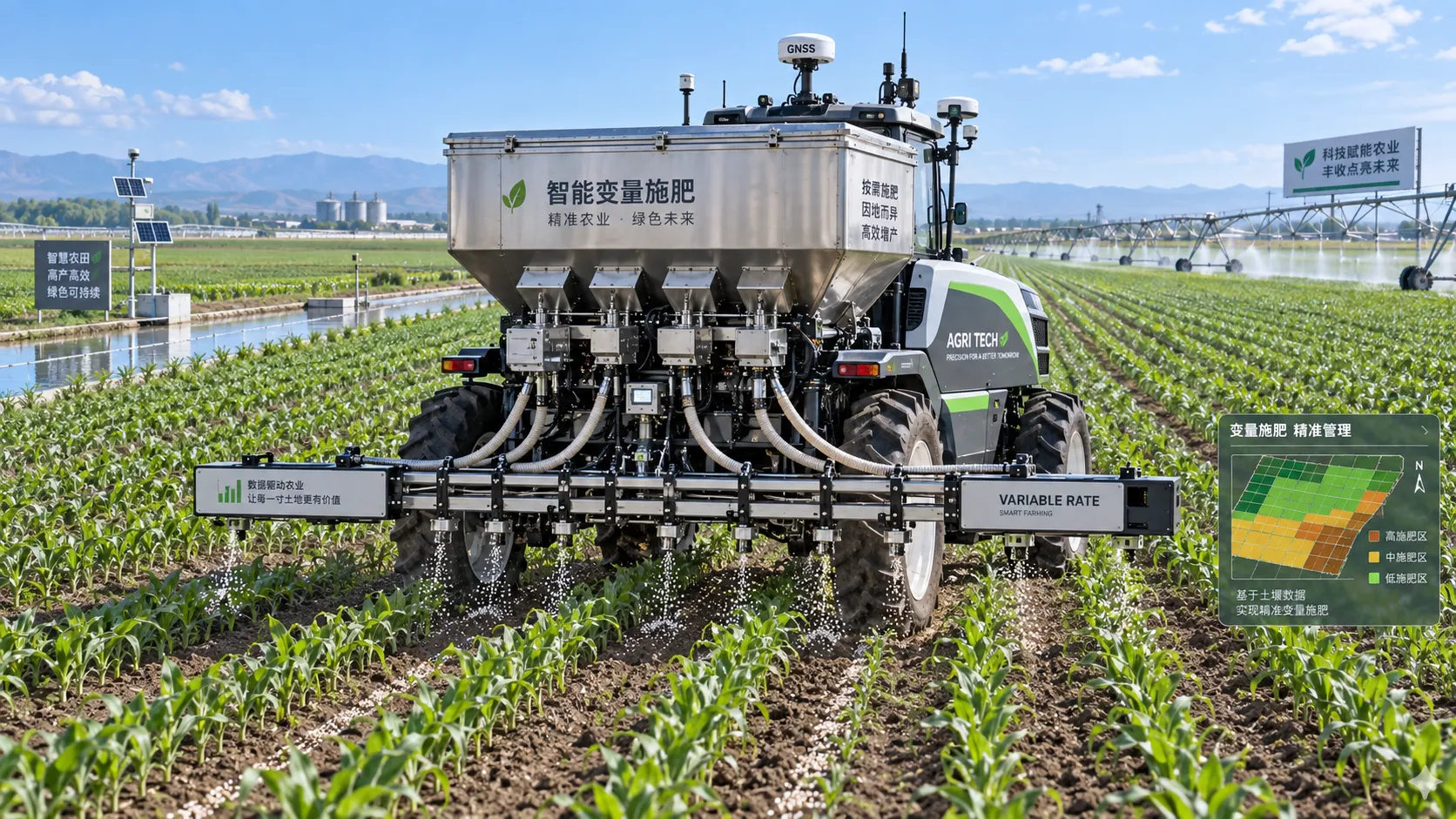
How to Evaluate Precision Fertilization System Suppliers for Farm-Scale Deployment
Precision fertilization systems suppliers: learn how to compare accuracy, integration, uptime, service, and total cost for confident farm-scale deployment.
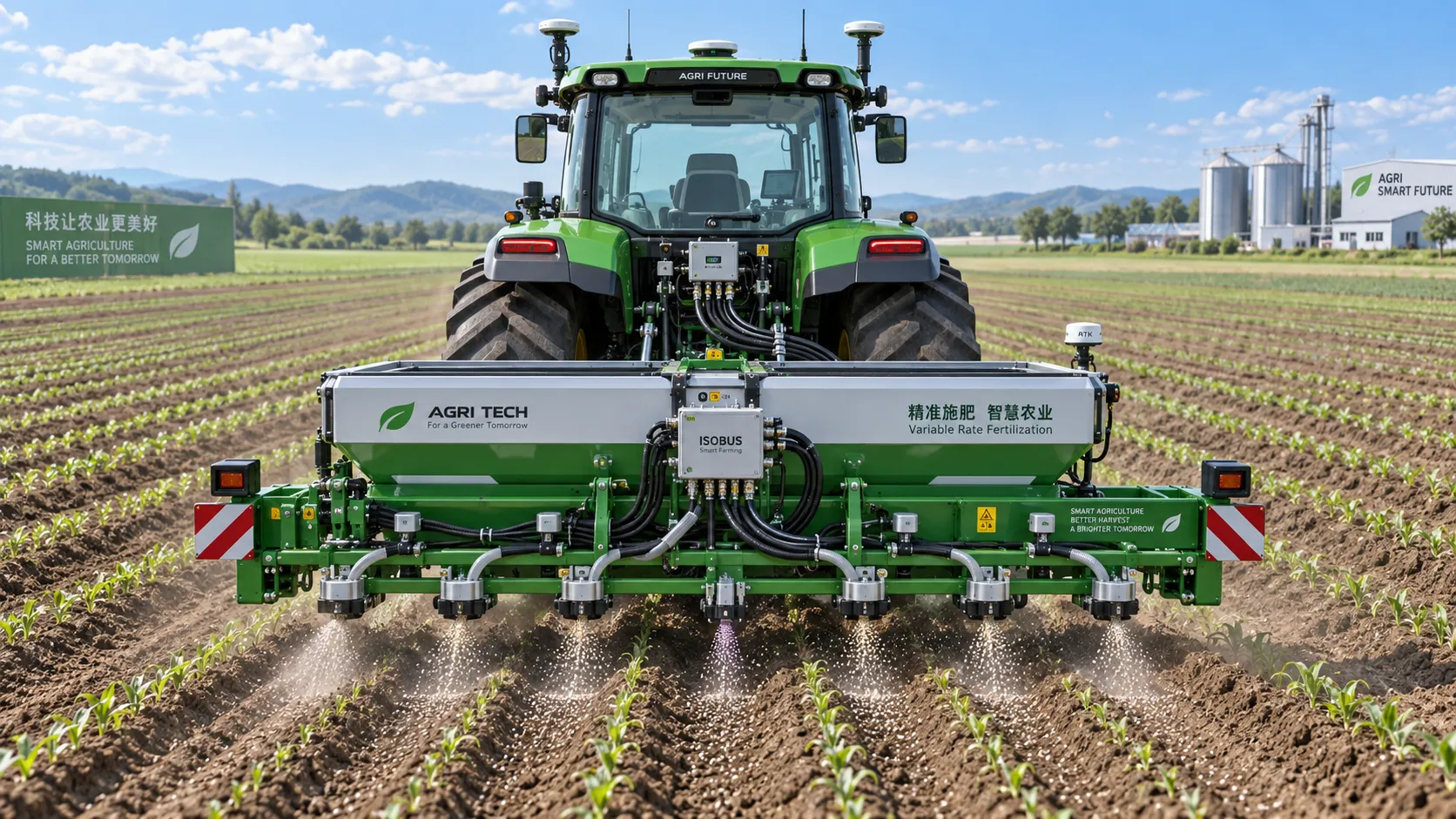
ISOBUS for Smart Agriculture: How It Connects Tractors, Implements, and Farm Data
ISOBUS for smart agriculture connects tractors, implements, terminals, and farm data—helping growers improve precision, documentation, and smarter field decisions.
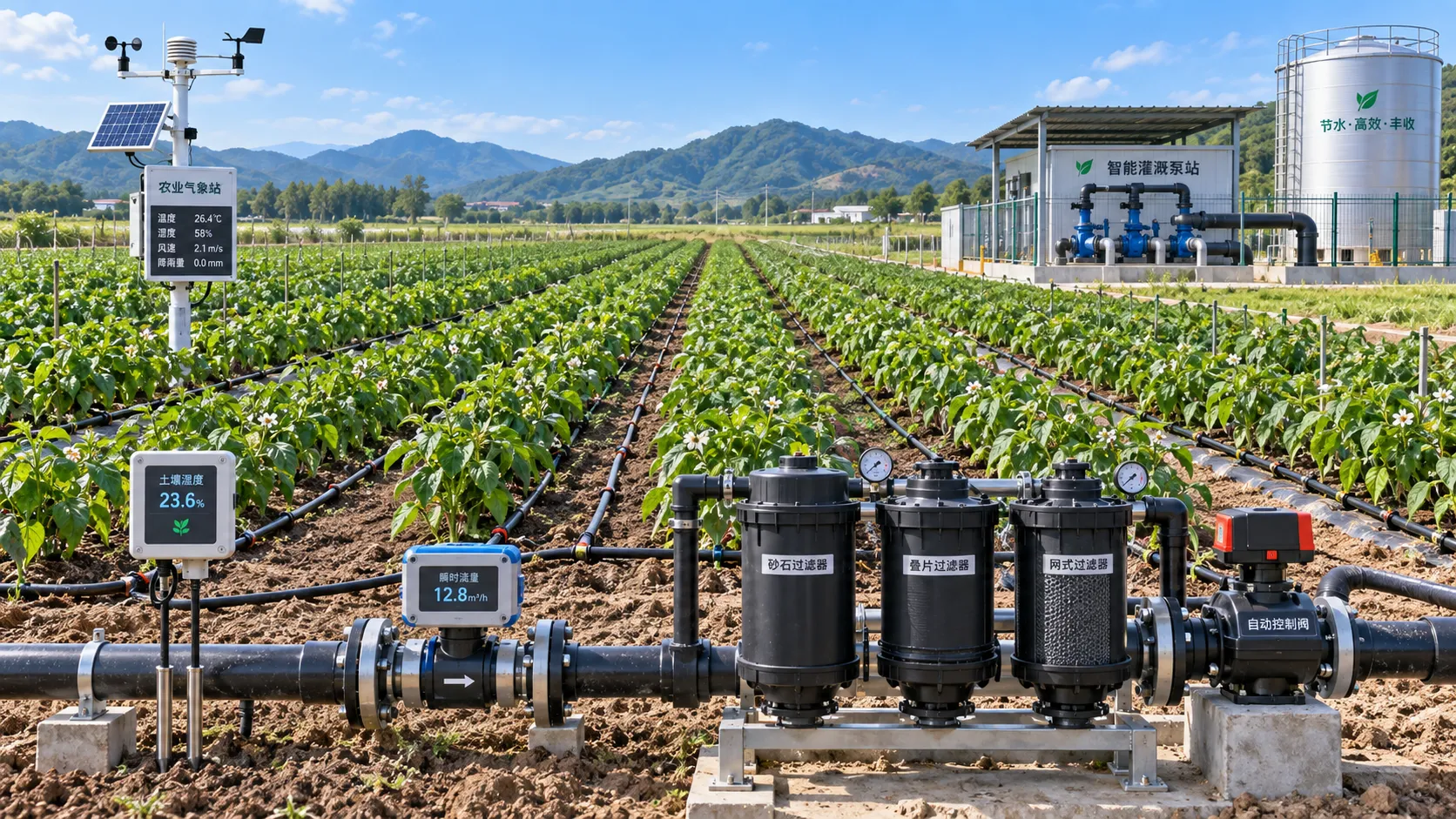
Automated Water-Saving Irrigation: How to Cut Water Use Without Reducing Crop Yields
Automated water-saving irrigation helps farms cut water use, protect crop yields, improve scheduling, and gain reliable control with sensors, flow monitoring, and smart zones.
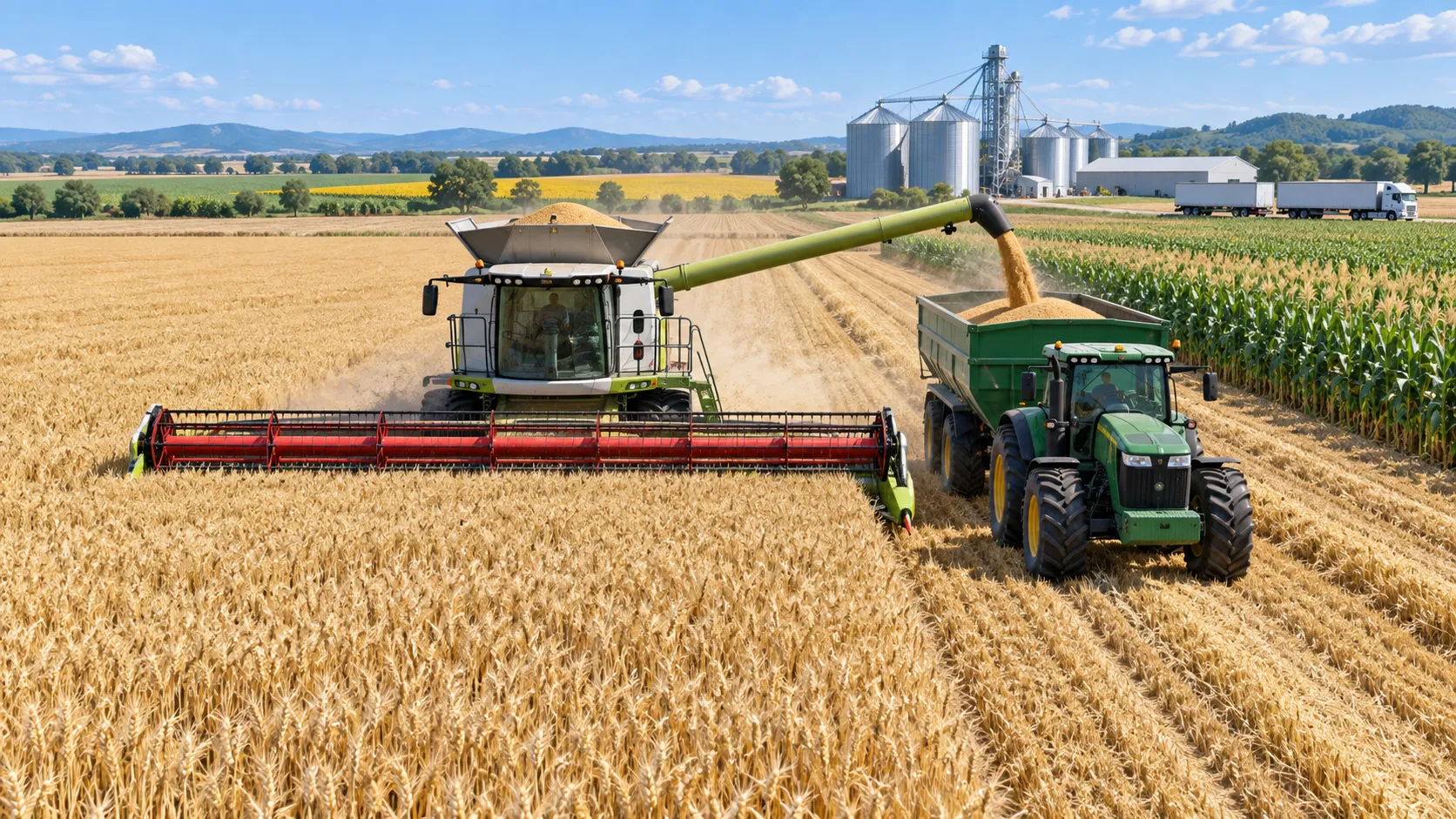
Selecting Grain Farm Equipment by Acreage, Crop Mix, and Harvest Window
Agricultural equipment selection for grain farming: match machinery to acreage, crop mix, and harvest windows to improve uptime, efficiency, and returns.
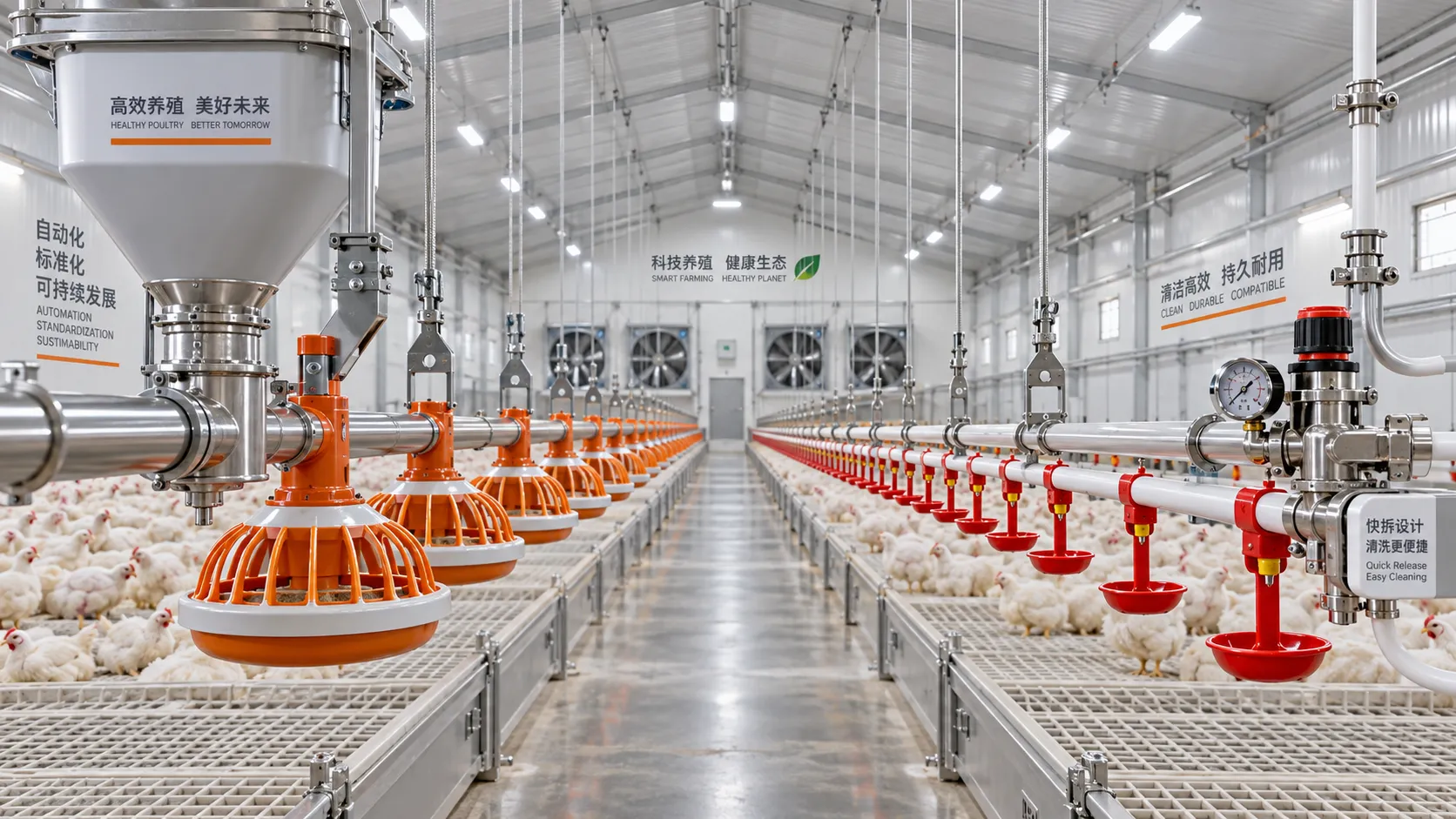
Poultry Equipment Selection: Evaluating Durability, Cleaning, and Compatibility
Poultry equipments selection guide: evaluate durability, cleaning access, and system compatibility to improve hygiene, reduce downtime, and support efficient flock management.
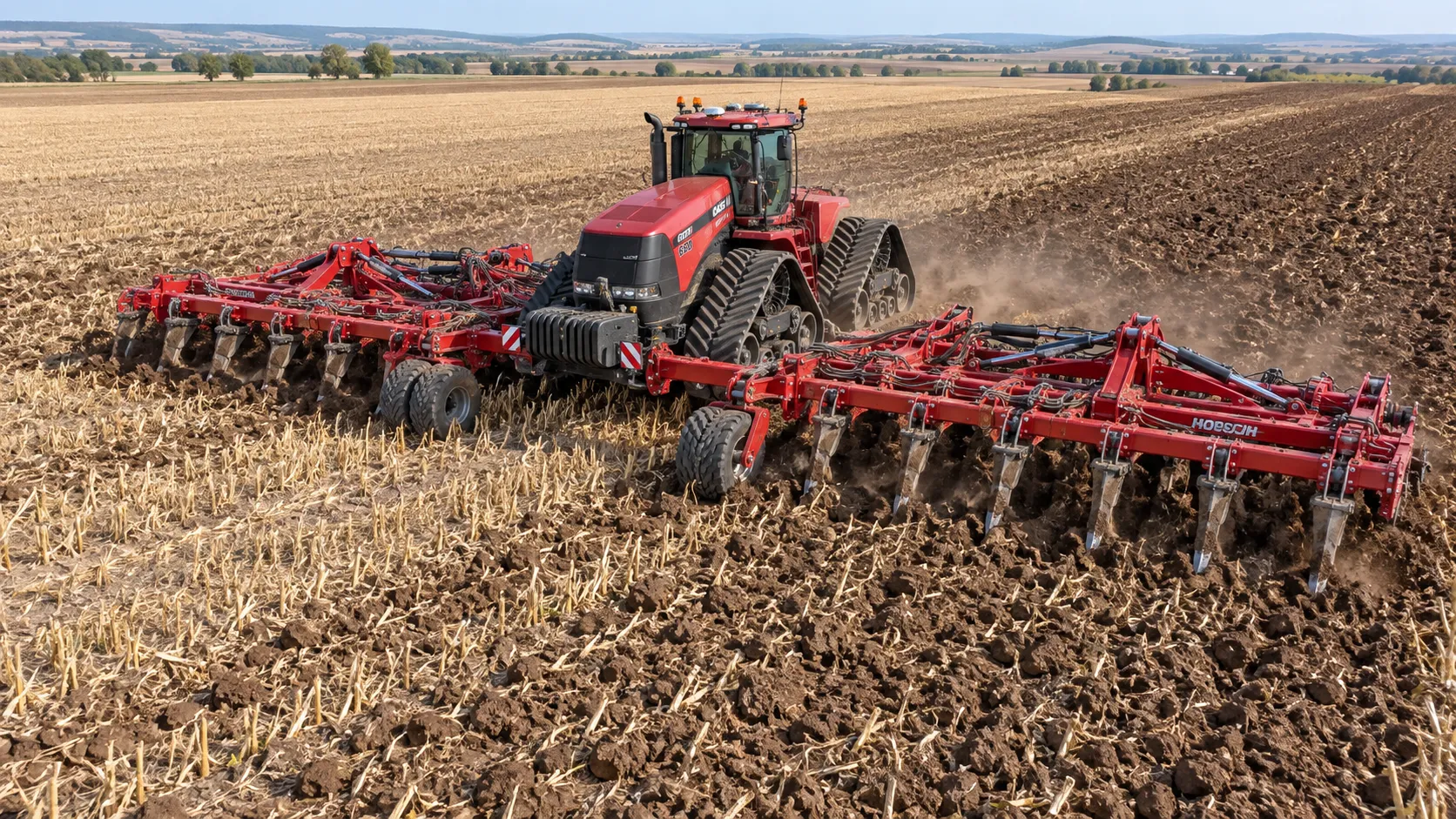
How to Select Heavy-Duty Farm Implements for High-Acreage, High-Horsepower Operations
Heavy duty farm implements: learn how to match draft, hydraulics, hitch capacity, frame strength, and field conditions for reliable high-acreage performance.
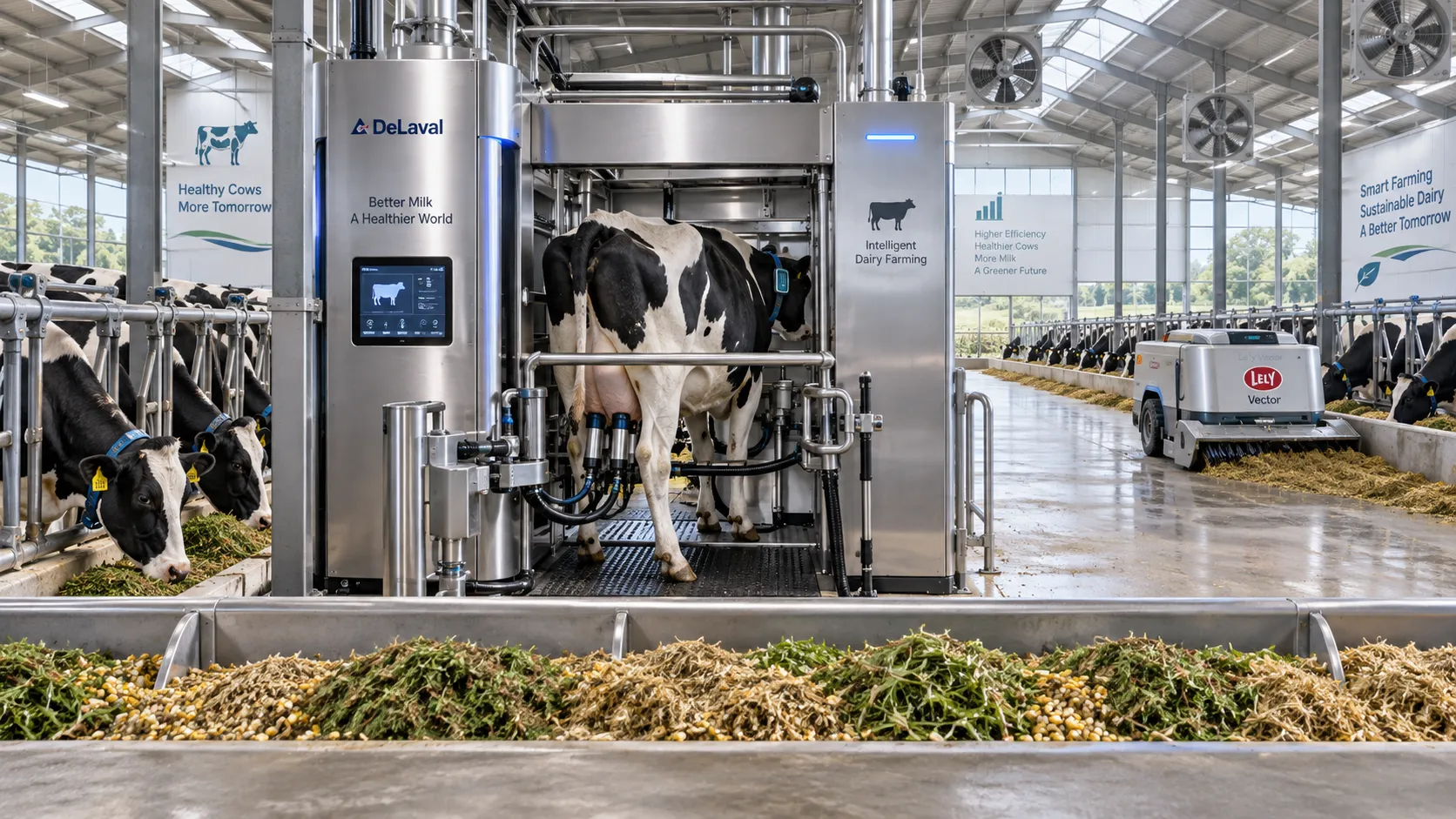
Smart Farming Technology for Dairy Farms: Where Automation Delivers Measurable ROI
Smart farming technology for dairy farms delivers measurable ROI through automation, precision feeding, health monitoring, and data-driven cost control.
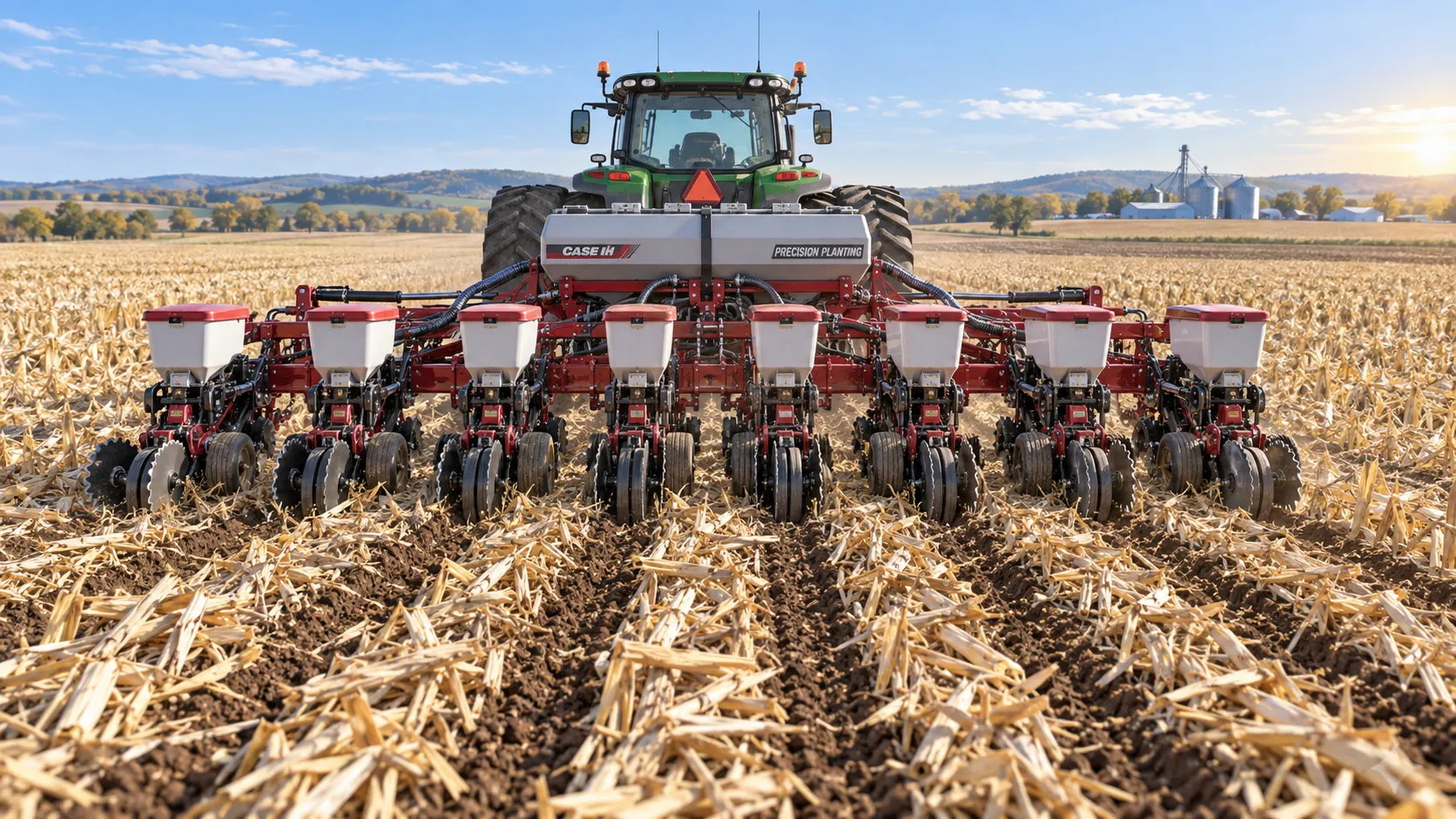
How to Select a Heavy-Duty Seeder for Large Acreage and High-Residue Fields
Heavy duty seeders for large acreage: compare residue handling, depth control, downforce, metering accuracy, and precision features to select the right model.
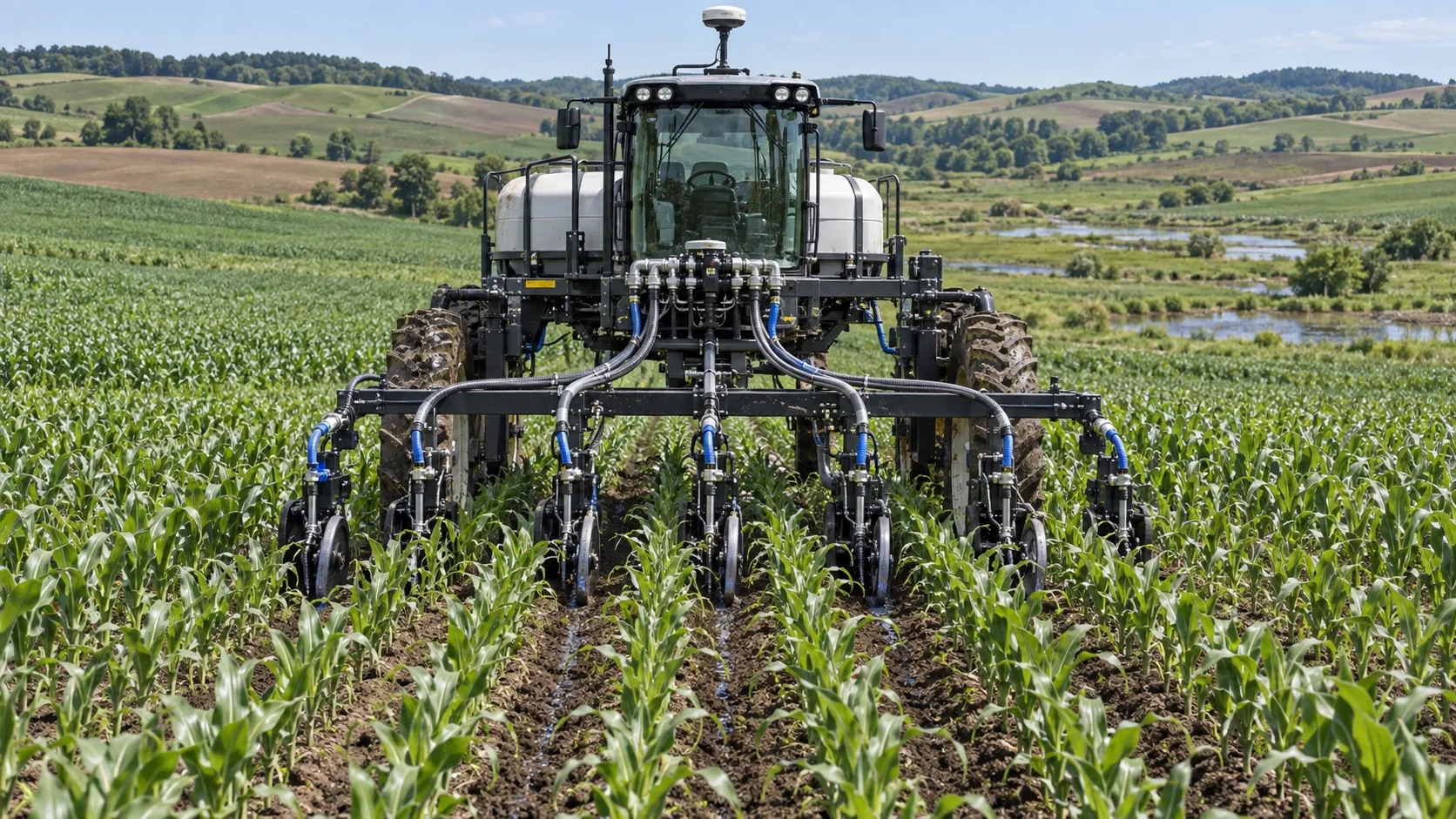
How to Select a Precision Fertilization System for Variable Corn Field Conditions
Precision fertilization systems for corn farming: learn how to match data, placement, control accuracy, and ROI to variable field conditions for better results.
Related News
- 00
0000-00
When Does Agricultural Machinery Leasing Cost Less Than Owning Equipment? - 00
0000-00
Selecting Grain Farm Equipment by Acreage, Crop Mix, and Harvest Window - 00
0000-00
Poultry Equipment Selection: Evaluating Durability, Cleaning, and Compatibility - 00
0000-00
How to Select Heavy-Duty Farm Implements for High-Acreage, High-Horsepower Operations - 00
0000-00
Smart Farming Technology for Dairy Farms: Where Automation Delivers Measurable ROI
Popular Tags
Ms. Elena Rodriguez
Weekly Insights
Stay ahead with our curated technology reports delivered every Monday.