
Automated Water-Saving Irrigation: How to Cut Water Use Without Reducing Crop Yields
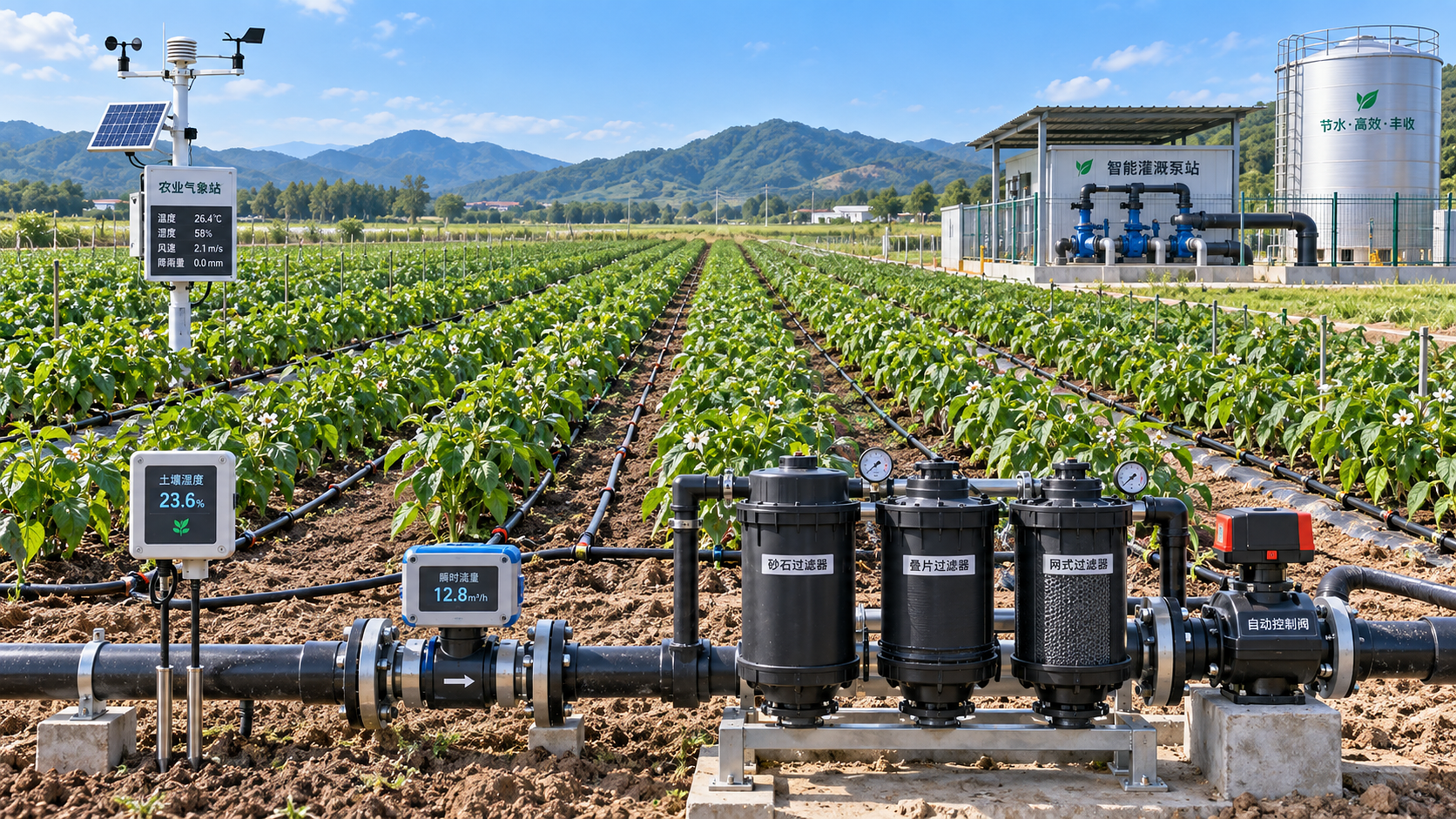




Automated Water-Saving Irrigation: How to Cut Water Use Without Reducing Crop Yields
Automated water-saving irrigation is becoming a practical priority for agricultural projects operating under tighter water allocations, variable weather, rising energy costs, and pressure to maintain dependable crop output. For project managers, the real challenge is not simply installing sensors or switching on remote valves. It is designing a system that translates field conditions into irrigation decisions without creating new operational risks.
Water use can be reduced without reducing crop yields, but only when the project treats irrigation as a controlled production process. Crops do not respond to annual water totals alone. They respond to the timing, uniformity, depth, quality, and availability of water in the active root zone. A field that receives less water at the right time may perform better than one that is over-irrigated early and stressed during a sensitive growth stage.
The most useful automated systems combine field measurements, weather information, hydraulic controls, and agronomic rules. Their purpose is not to remove human judgment. Their purpose is to give managers earlier visibility, repeatable execution, and a clearer record of why water was applied.
Water Savings Begin With Better Decisions, Not More Hardware
Many irrigation upgrades underperform because the design starts with equipment selection rather than the farm’s water balance. A controller cannot compensate for a poorly zoned network, clogged emitters, uneven pressure, unsuitable filtration, or an unrealistic irrigation schedule. Automation works best after the project team has established what the system must control and what it must measure.
The central question is straightforward: how much water is available to the crop, how quickly is it being depleted, and when should the system replenish it? The answer varies by soil texture, effective root depth, crop stage, planting pattern, slope, irrigation method, and local climate. A coarse soil may need shorter, more frequent irrigation cycles. A deeper, finer-textured profile may support larger but less frequent applications. Treating both areas as one irrigation zone usually leads to either avoidable drainage losses or crop water stress.
For this reason, automated water-saving irrigation should be planned as a layered system. The hydraulic layer delivers water. The sensing layer observes soil, pressure, flow, and sometimes crop or weather conditions. The decision layer turns those inputs into schedules. The management layer alerts operators when field reality differs from the intended plan.
What an Automated Irrigation System Should Actually Control
A basic automated installation may open and close valves according to a fixed calendar. That reduces labor, but it is not necessarily water-efficient. A more capable arrangement adjusts run times or start times based on rainfall, reference evapotranspiration data, soil moisture trends, tank levels, flow readings, or a combination of these signals.
The appropriate level of control depends on project scale and operational complexity. For a relatively uniform site with a reliable water source, a weather-adjusted schedule may be sufficient. For a large farm with variable soils, multiple pumping stations, fertigation, or water delivery restrictions, the project often needs zone-specific scheduling, flow verification, pressure monitoring, and alarm rules that distinguish between a normal fluctuation and a fault.
The following functions are commonly more valuable than a visually sophisticated dashboard:
- Automatic valve sequencing that prevents excessive simultaneous demand on pumps and mainlines.
- Flow monitoring that can flag leaks, line breaks, blocked filters, or a valve that has failed to open.
- Pressure monitoring at critical points to confirm that emitters, sprinklers, or pivots are operating inside their intended range.
- Soil moisture trend monitoring to support decisions before plants show visible stress.
- Rainfall and weather-based adjustments that avoid irrigating immediately before, during, or after meaningful rain events.
- Remote alarms with a clear escalation path, rather than a large volume of notifications that operators learn to ignore.
The operational principle is simple: do not assume that a command sent to the field has produced the desired result. A system should verify delivery through flow and pressure feedback wherever the project risk justifies it.
Build Irrigation Zones Around Variability That Matters
Zone design is one of the most consequential decisions in an irrigation project. It determines whether automation can deliver precision or merely automate a compromise. Fields should not be divided only according to pipe layout or convenient valve locations. Managers should identify the differences that materially affect water demand: soil depth, texture, elevation, crop variety, crop age, planting density, irrigation hardware, and exposure to wind or heat.
There is a limit to useful segmentation. Creating many small zones can improve control, but it also increases valve count, communications requirements, maintenance points, electrical demand, and programming complexity. The right design separates areas with meaningfully different irrigation behavior while keeping the system understandable for the people who will run it during peak season.
A practical project review should map irrigation blocks against soil surveys, topography, existing hydraulic drawings, crop plans, and water-source constraints. Where these sources conflict, a field walk and targeted testing are often more useful than relying on one map alone. The goal is not perfect information; it is to avoid investing in controls that cannot overcome obvious physical limitations.
Use Sensors as Decision Tools, Not Decorative Technology
Soil moisture sensors are frequently treated as the centerpiece of intelligent irrigation, yet their value depends heavily on placement, installation quality, and interpretation. A sensor installed in an unrepresentative area may generate highly precise information about the wrong part of the field. Poor contact with the soil, damage during cultivation, and insufficient consideration of root depth can all distort the management decision.
For project planning, it is usually more helpful to monitor representative management zones than to pursue blanket sensor coverage. Placement should reflect root activity, emitter wetting patterns, and known variability. In drip-irrigated systems, measurements outside the wetted zone may not describe the water actually available to the crop. In sprinkler systems, wind exposure and distribution uniformity deserve equal attention.
Weather data provides a different but complementary signal. It helps estimate atmospheric demand, while soil sensors indicate what has happened within the root zone. Neither should be treated as infallible. Weather-based scheduling may miss local soil storage differences; soil readings may not represent an entire block. Combining both, then comparing them with irrigation records and field observations, is often the more reliable management approach.
Crop imagery, canopy temperature indicators, and satellite-derived information can add another layer of insight, particularly across extensive operations. They are useful for identifying zones that deserve inspection, but they should not automatically trigger irrigation without considering sensor reliability, crop stage, and hydraulic capacity.
Hydraulic Performance Determines Whether Savings Reach the Field
An automated schedule may reduce planned irrigation hours while still wasting water if application uniformity is poor. Uneven pressure can leave some areas under-watered and others over-watered. Operators often respond by extending run times to protect the dry areas, which increases deep percolation or runoff elsewhere. The controller appears to be working; the distribution system is the real constraint.
Before automation is commissioned, the project should assess pump capacity, pressure regulation, filtration, pipe sizing, flow meter placement, valve response, and the condition of emitters or sprinklers. This is particularly important where systems have expanded in stages, where older and newer components operate together, or where irrigation water carries sediment, organic matter, or dissolved minerals that can affect filtration and clogging risk.
Flow meters should be selected and positioned so their readings can support useful diagnostics. A single meter at the water source may reveal total consumption, but it may not identify which block is using more water than expected. Submetering high-risk or high-value zones can make leak detection and performance comparison more actionable. The level of instrumentation should match the consequences of not knowing where the discrepancy occurs.
Scheduling Must Respect Crop Growth Stages
Water-saving programs fail when “less irrigation” becomes the objective. The better objective is to avoid non-productive water losses while protecting crop water availability during sensitive periods. Those periods differ by crop, but establishment, flowering, fruit set, grain filling, and bulking stages commonly require close attention. A system that applies uniform deficit across the season may create yield risk even if total water use declines.
Project teams should therefore define irrigation rules by crop stage, not only by month or historical run time. The rules may include minimum soil moisture thresholds, maximum allowable depletion targets, rainfall hold conditions, pumping limits, and manual approval requirements for critical blocks. These settings should remain reviewable. Seasonal weather, planting dates, root development, and crop condition can make a fixed rule set inappropriate.
Fertigation adds another consideration. Reducing irrigation volume or splitting cycles can alter nutrient delivery, leaching exposure, and the time needed to flush lines. Water and nutrient programs should be reviewed together. A technically sound irrigation optimization can still create agronomic problems if the fertilizer application logic is left unchanged.
Common Implementation Mistakes That Create Avoidable Risk
The most costly issues are often not dramatic equipment failures. They are small design or governance gaps that persist unnoticed. Sensors may be installed but never validated against field conditions. Controllers may be configured by an integrator but not documented for the farm team. Connectivity may be acceptable during commissioning but unreliable in remote blocks. A rain sensor may suspend irrigation without accounting for whether rainfall actually reached the root zone.
Another recurring problem is insufficient ownership after handover. Automation introduces new responsibilities: checking sensor plausibility, inspecting filters, reviewing exception reports, maintaining batteries or power supplies, updating crop schedules, and responding to alerts. If these tasks are not assigned to named roles, the system gradually reverts to manual overrides and fixed schedules.
Cybersecurity and data access should also be addressed early, especially when controllers, pump stations, and remote access platforms are connected through cellular or farm networks. The project does not need to become an information-security exercise, but it should define user permissions, password practices, account ownership, backup procedures, and what happens if cloud access is temporarily unavailable.
A Better Way to Evaluate the Investment
A credible business case looks beyond an estimated reduction in water volume. It should consider the reliability of crop production, labor requirements, energy used for pumping, maintenance burden, water-source limits, reporting needs, and the cost of failures during critical irrigation windows. Some benefits are easier to quantify than others. Better records, earlier leak detection, and fewer emergency site visits may still be operationally valuable even when the exact financial impact varies by season.
Managers should request a phased implementation plan rather than assuming every field requires the same technology from day one. A pilot block can test communications, sensor placement, valve response, scheduling assumptions, and operator workflows before the approach is scaled. The pilot should be evaluated against a documented baseline: water delivered, irrigation duration, pressure behavior, crop condition, labor inputs, and relevant weather conditions. Without a baseline, it is difficult to distinguish genuine improvement from seasonal variation.
The Global Agri-Pulse Hub (AP-Strategy) follows this broader view of irrigation within Agriculture 4.0. Intelligent water networks are not isolated digital assets; they interact with large-scale machinery operations, precision farm tools, energy systems, field logistics, and long-cycle investment decisions. Its Strategic Intelligence Center brings together perspectives from agri-mechanization, precision agriculture, and hydrological resource planning to examine those connections, including the role of transpiration prediction and field feedback in irrigation management.
From Automation to Accountable Water Management
The strongest automated water-saving irrigation projects do not promise that software will solve every field problem. They establish a disciplined operating model: measure relevant conditions, apply water according to crop need and hydraulic capacity, verify that delivery occurred, investigate exceptions, and adjust the plan as the season develops.
Before committing to a system architecture, confirm the water-source profile, field variability, existing network condition, power and communications coverage, crop calendar, filtration requirements, maintenance capability, and local reporting or permitting obligations. Those details determine whether a project needs a simple scheduling upgrade or a fully monitored, zone-specific control network. Water savings become durable when the design respects both the crop and the realities of operating the farm.
Related News

ISOBUS for Smart Agriculture: How It Connects Tractors, Implements, and Farm Data
ISOBUS for smart agriculture connects tractors, implements, terminals, and farm data—helping growers improve precision, documentation, and smarter field decisions.
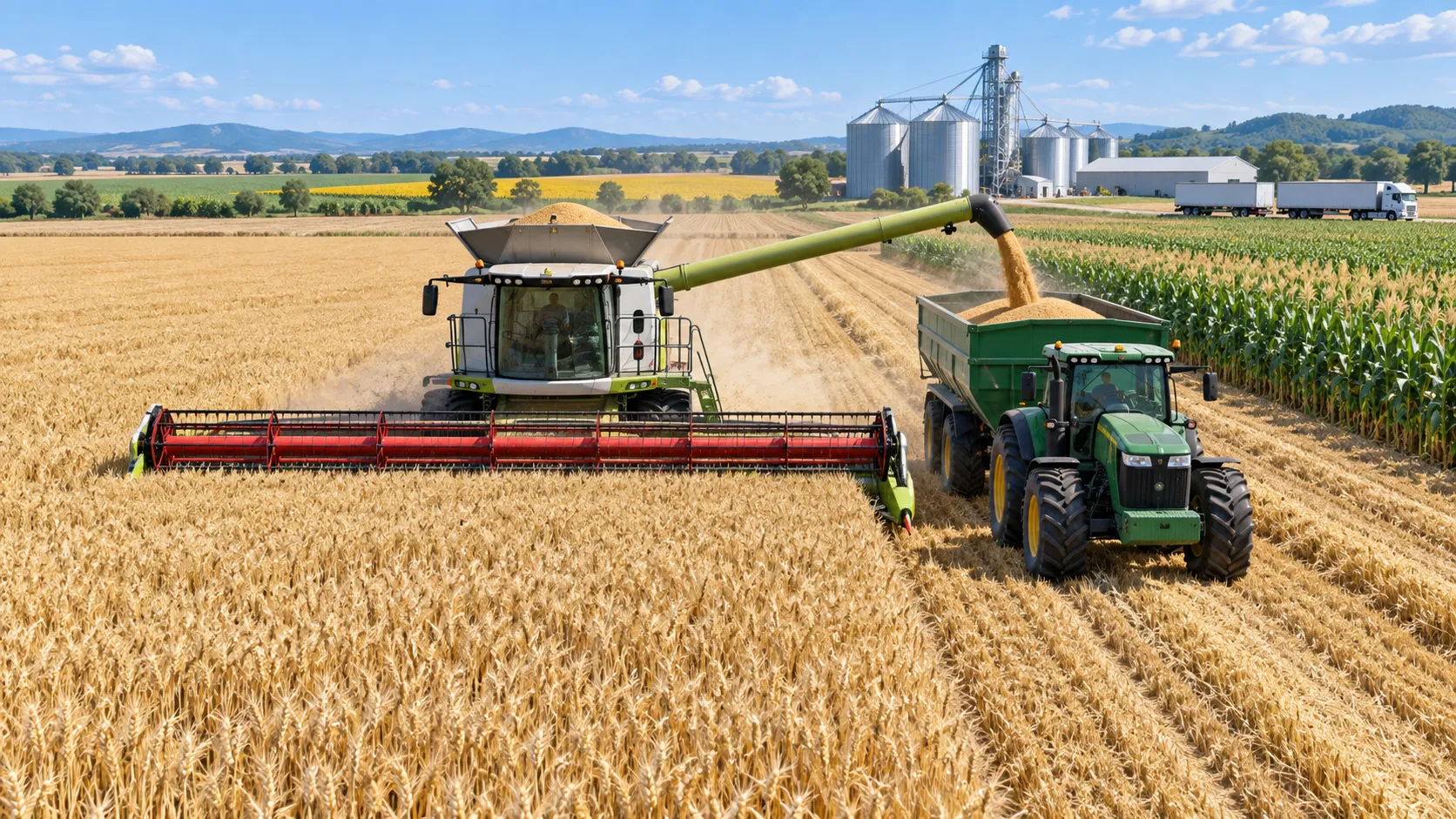
Selecting Grain Farm Equipment by Acreage, Crop Mix, and Harvest Window
Agricultural equipment selection for grain farming: match machinery to acreage, crop mix, and harvest windows to improve uptime, efficiency, and returns.
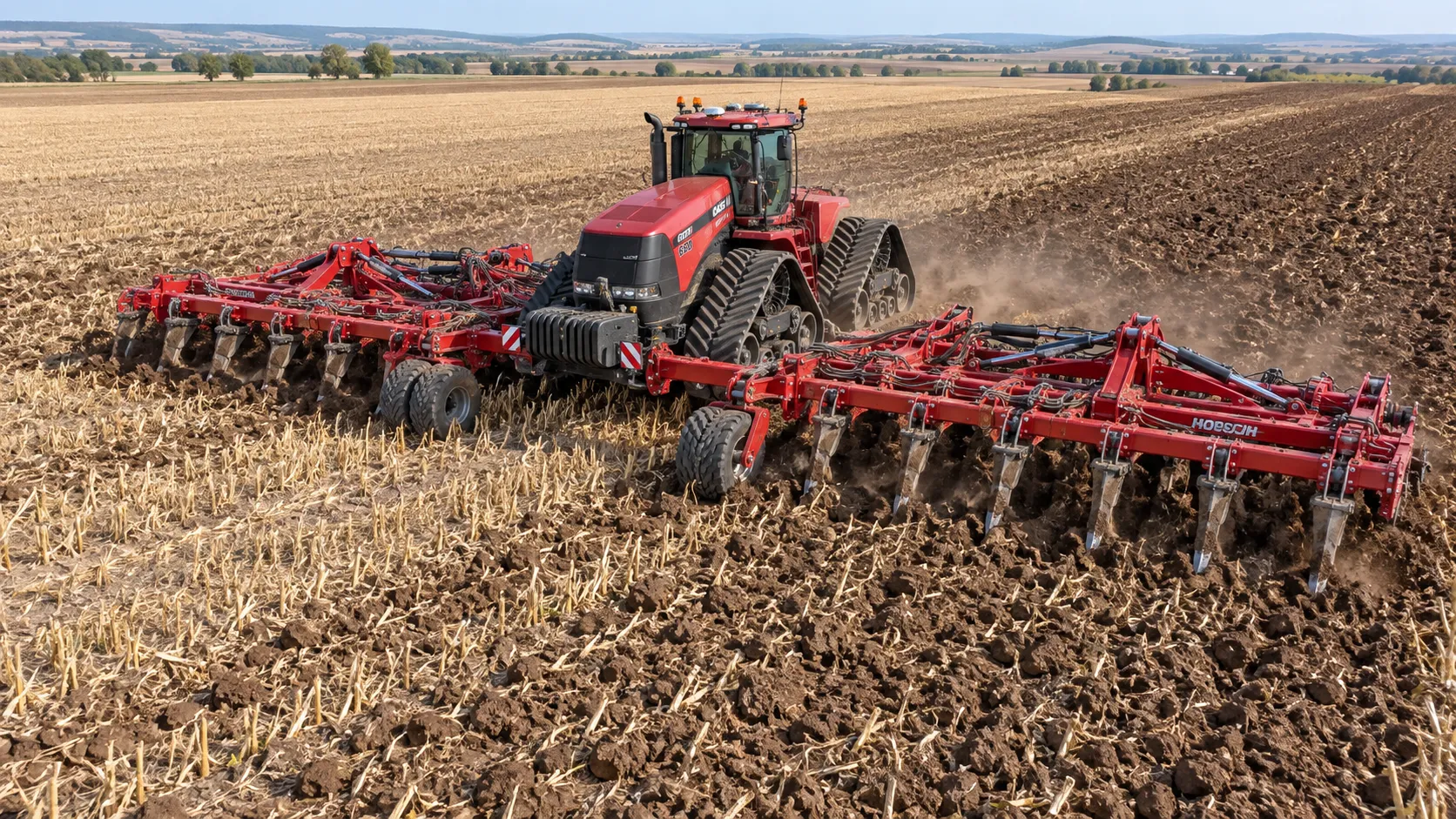
How to Select Heavy-Duty Farm Implements for High-Acreage, High-Horsepower Operations
Heavy duty farm implements: learn how to match draft, hydraulics, hitch capacity, frame strength, and field conditions for reliable high-acreage performance.
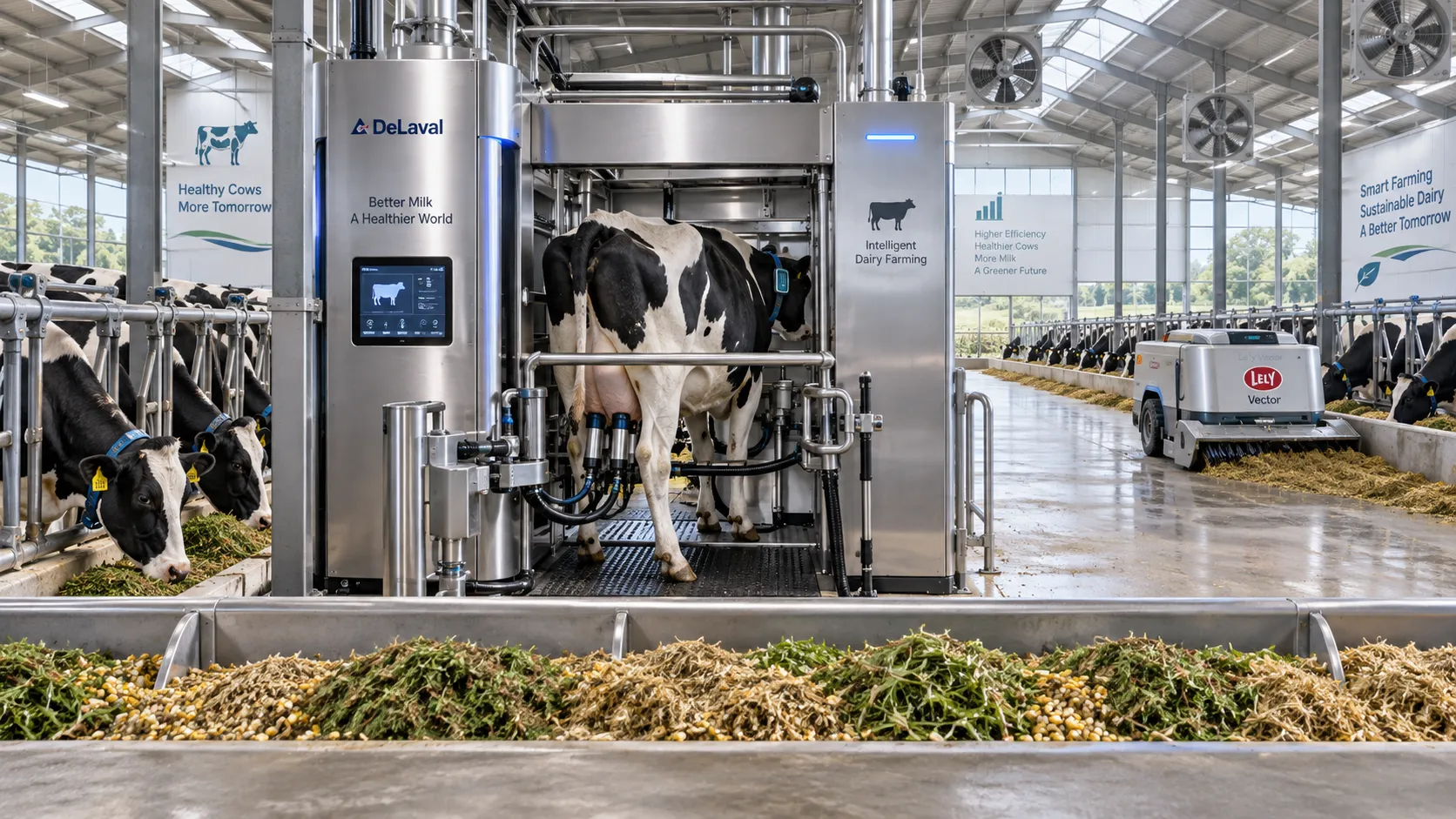
Smart Farming Technology for Dairy Farms: Where Automation Delivers Measurable ROI
Smart farming technology for dairy farms delivers measurable ROI through automation, precision feeding, health monitoring, and data-driven cost control.
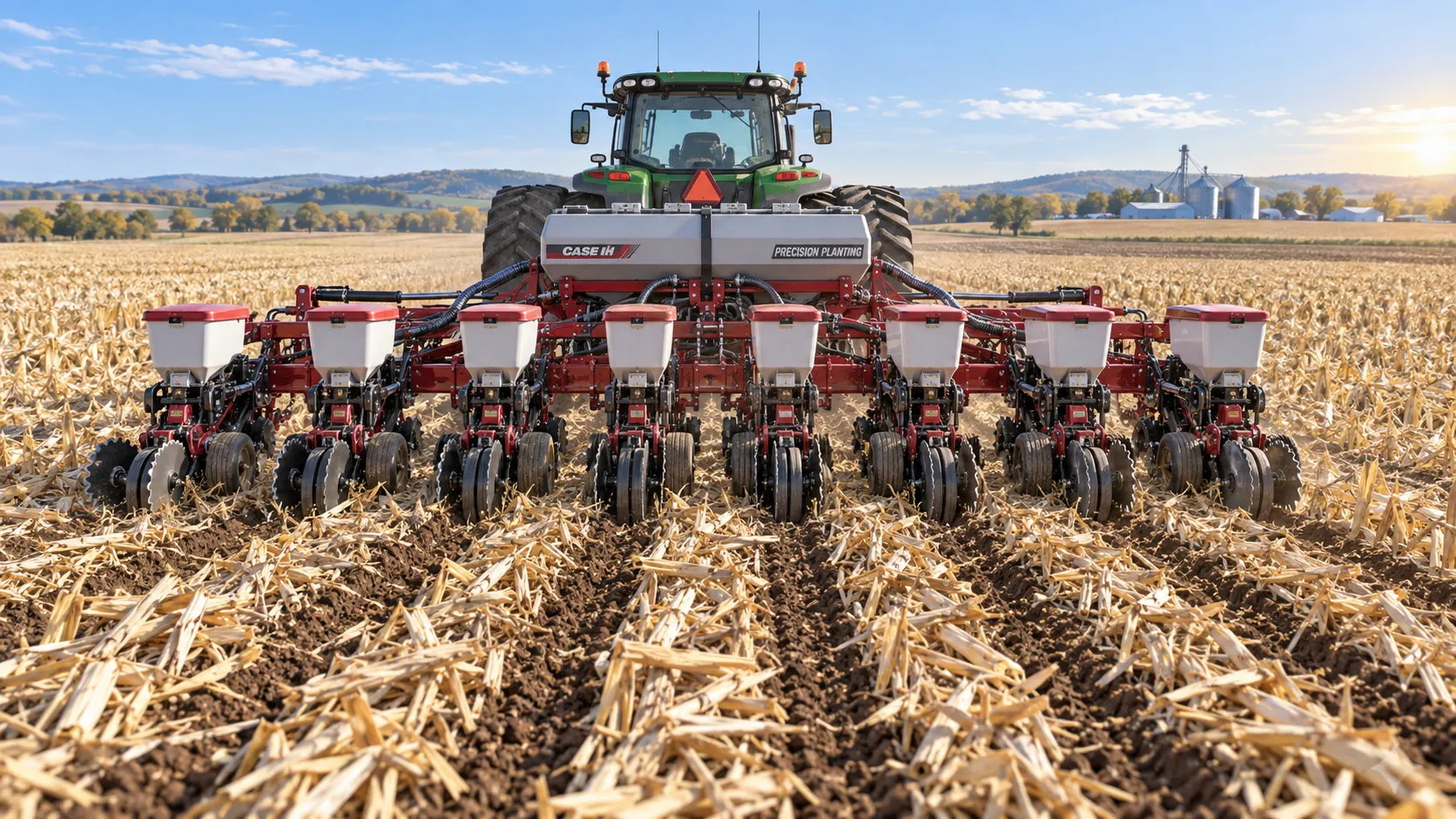
How to Select a Heavy-Duty Seeder for Large Acreage and High-Residue Fields
Heavy duty seeders for large acreage: compare residue handling, depth control, downforce, metering accuracy, and precision features to select the right model.
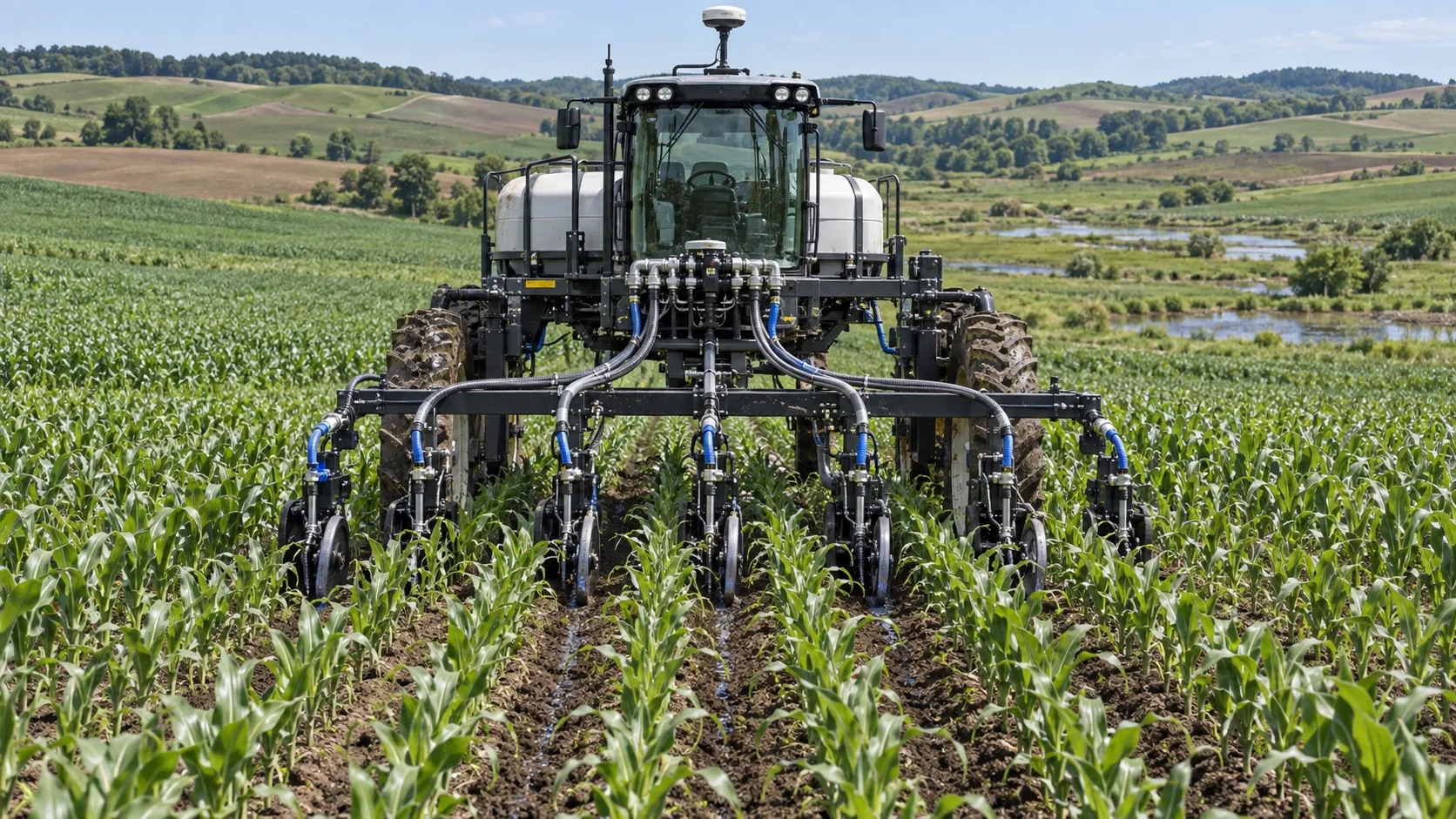
How to Select a Precision Fertilization System for Variable Corn Field Conditions
Precision fertilization systems for corn farming: learn how to match data, placement, control accuracy, and ROI to variable field conditions for better results.
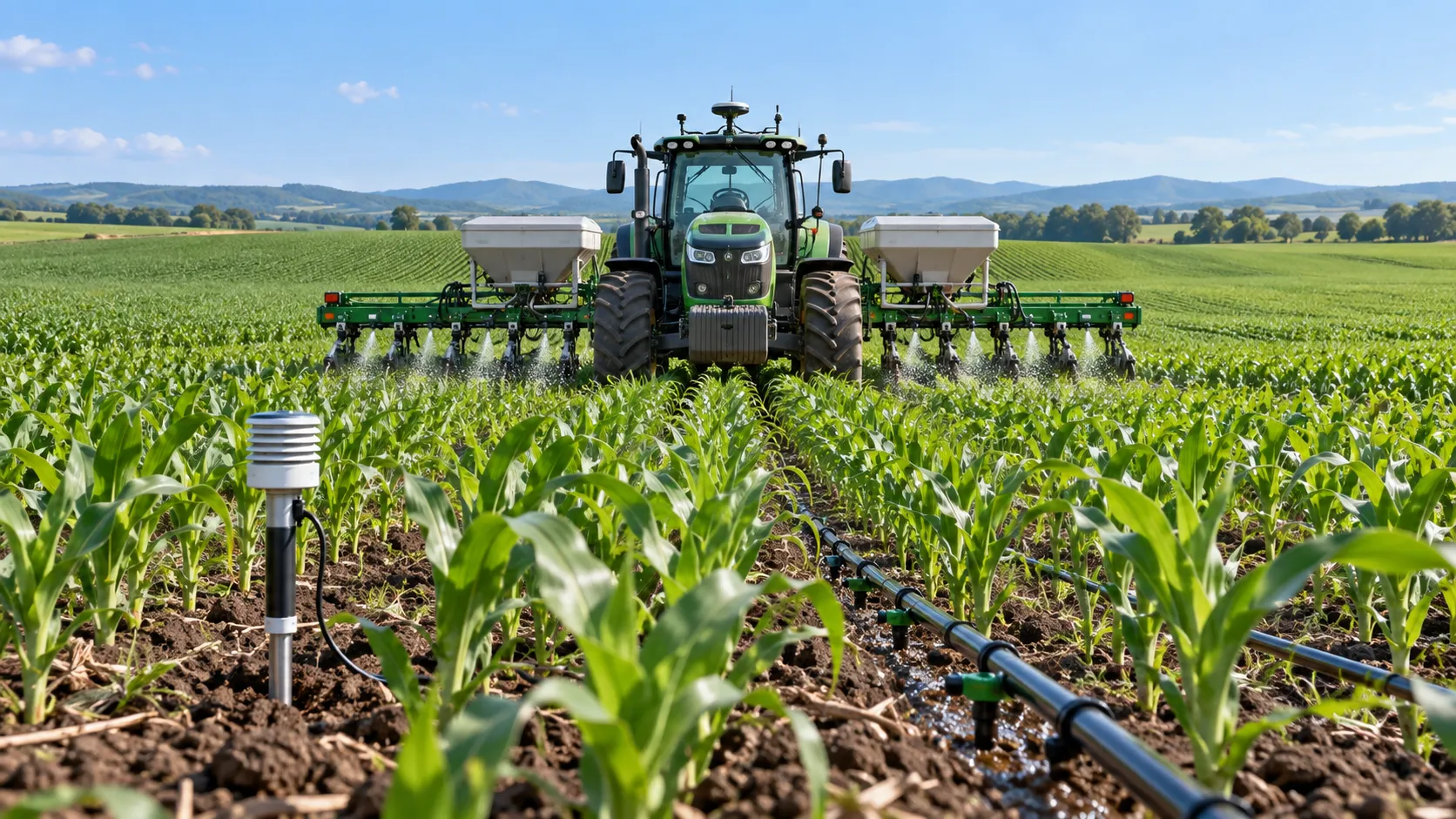
Selecting Precision Farming Products by Application: Field Conditions, Crops, and ROI
Application-based product selection for precision farming: match technology to field conditions, crops, machinery, and ROI for smarter, reliable farm investments.
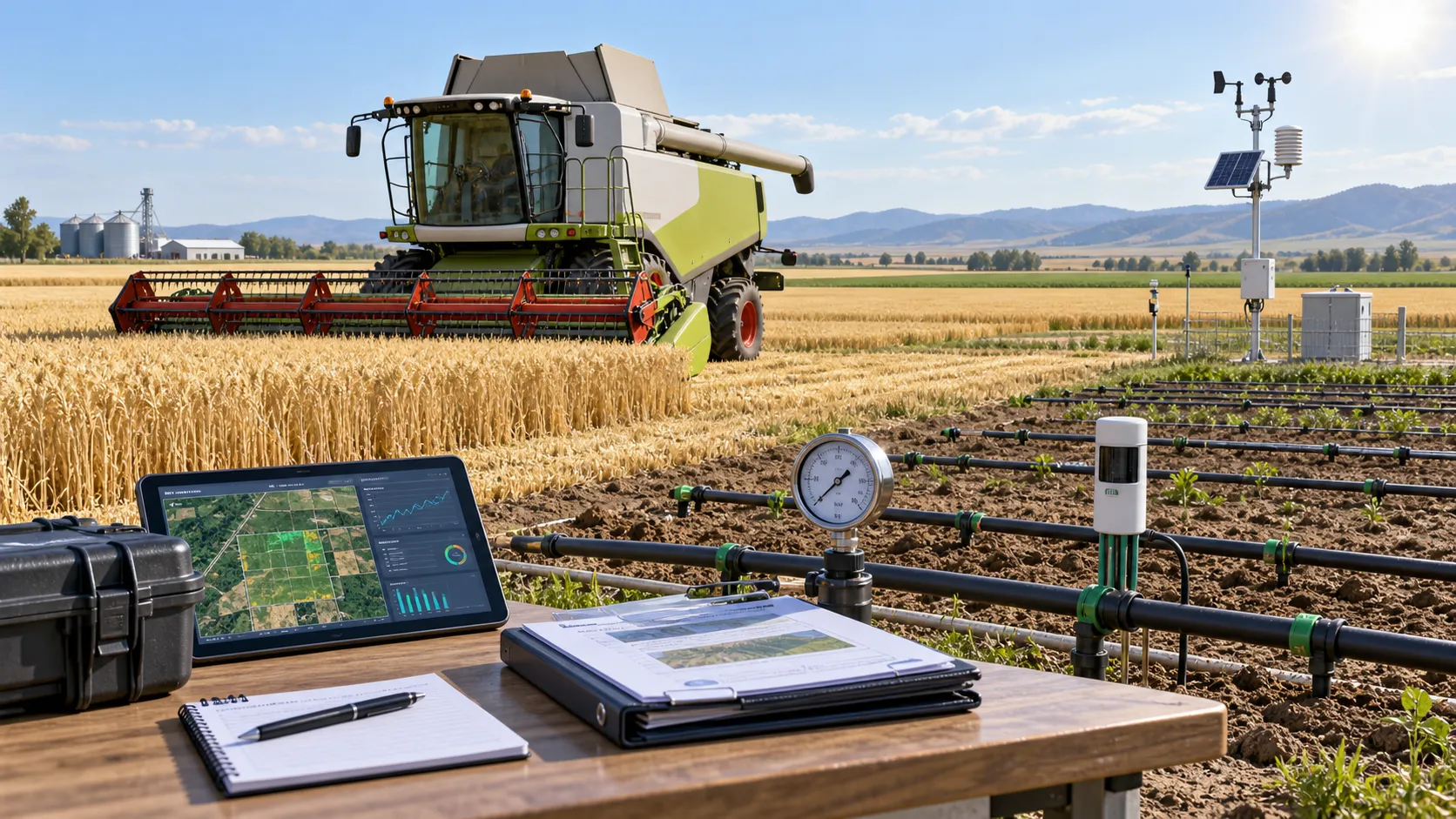
How to Evaluate Agricultural Product Information Sources for Reliable Farm Decisions
Agricultural product information reference guide: evaluate reliable farm data, verify claims, and make smarter machinery, irrigation, and crop decisions.
Farm Machinery Guide: Matching Tractor Horsepower and Implements to Farm Size
Farm machinery guide for tractors: match horsepower, implement width, hydraulics, traction, and fleet capacity to farm size for lower costs and reliable field performance.
Related News
- 00
0000-00
Automated Water-Saving Irrigation: How to Cut Water Use Without Reducing Crop Yields - 00
0000-00
How to Evaluate Drip Irrigation System Manufacturers for Large Farm Projects - 00
0000-00
Wireless Agricultural Automation for Remote Irrigation and Field Monitoring - 00
0000-00
Designing Water-Saving Drip Irrigation Systems for High-Value Orchards - 00
0000-00
How to Choose Irrigation Solutions for Arid Regions Based on Water Source and Crop Needs
Popular Tags
Hydrological Resource Strategist
Weekly Insights
Stay ahead with our curated technology reports delivered every Monday.