
Low-Pressure Drip Irrigation: Choosing Emitters to Save Water and Maintain Uniformity
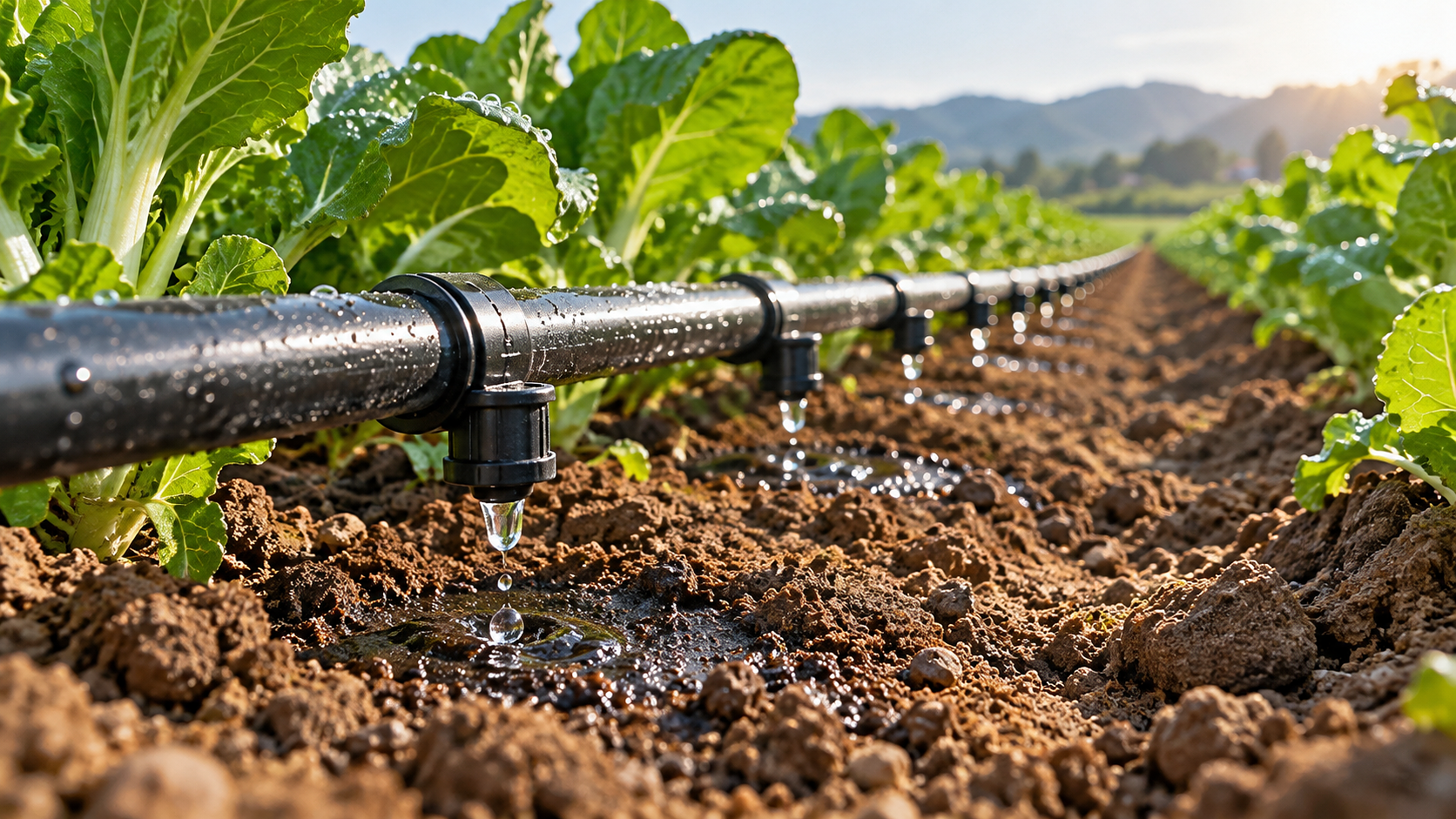




Low-Pressure Drip Irrigation: Choosing Emitters to Save Water and Maintain Uniformity
Lowering drip irrigation pressure can reduce pumping energy, but water savings depend on maintaining consistent emitter discharge across the field. A lower pump setting is not an improvement if distant rows receive too little water and operators compensate by extending irrigation time across the entire block.
For low pressure water saving irrigation, the selection question is therefore not simply, “Which emitter operates at the lowest pressure?” It is, “Which emitter can deliver the required application consistently within this field’s actual pressure range?” Operating limits, pressure-compensation thresholds, filtration, elevation changes, and irrigation scheduling all belong in that decision.
Separate lower pressure from lower water consumption
Pumping power depends on flow, total dynamic head, and pump efficiency. Reducing the pressure requirement can reduce energy demand, provided the pump and controls respond appropriately. However, emitter pressure is only one part of total head. Water lift, pipeline friction, filters, valves, and other equipment remain in the energy balance.
Water consumption follows a different logic. Pressure-compensating emitters operating within their specified range should deliver approximately the same discharge after a pressure reduction. With unchanged runtime, applied water volume may therefore remain similar, even when electricity consumption falls.
Actual water savings come from reducing avoidable losses: overapplication, excessive deep percolation, leaks, or the extra irrigation used to compensate for poorly supplied areas. Lower pressure may help, but it cannot replace a crop water budget. Seasonal comparisons should consider weather, crop stage, rainfall, and soil-water storage rather than treating every reduction in metered volume as improved efficiency.
Build the pressure envelope before comparing emitters
An emitter sees local pressure, not the reading beside the pump. Establish the expected minimum and maximum pressure at emitter level under realistic operating conditions. Include the longest laterals, the highest and lowest ground, different zone combinations, and the pressure loss across filters as they approach their cleaning trigger.
Elevation becomes particularly important when the available head is small. Each metre of elevation gain consumes approximately 9.8 kPa, or 0.098 bar, of pressure before friction is considered. A modest rise can therefore use a substantial share of a low-pressure system’s operating margin.
Do not assume the lateral endpoint is always the lowest-pressure location. Downhill elevation gain can partly offset friction, while an intermediate high point may be more demanding. Hydraulic calculations should identify these locations rather than relying only on inlet and endpoint measurements.
- Record lateral length, internal diameter, emitter spacing, and discharge per unit length.
- Include supply-pressure variation and regulator operating requirements.
- Check both clean-filter and service-limit pressure losses.
- Assess startup, normal irrigation, and flushing separately.
The result should be an operating envelope with a justified margin, not a single nominal pressure. Avoid selecting an emitter that only meets its minimum requirement when every component is clean and the water source is at its most favorable level.
Read the discharge curve, not just the product label
For many non-pressure-compensating emitters, discharge is described over a defined operating range by q = kPx, where q is flow, P is pressure, and k and x describe the emitter’s hydraulic behavior. A smaller discharge exponent generally means less sensitivity to pressure variation. The relationship should not be extrapolated beyond the range supported by test data.
Pressure-compensating emitters use a regulating mechanism to flatten the flow-pressure relationship within a specified range. Below that range, stable discharge is not assured. “Pressure compensating” does not mean “constant flow at any pressure,” and “low pressure” is not a universal performance specification.
Request full flow-pressure curves, manufacturing variation data, recommended filtration, and test conditions. ISO 9261 provides a relevant framework for emitter specifications and test methods, but a reference to the standard alone does not establish field suitability. Confirm what was tested, under which conditions, and how the results match the proposed operating envelope.
Match discharge to the root zone and irrigation window
A lower nominal flow rate does not automatically mean less water use. If the crop requires the same net volume, a lower discharge generally requires longer operation. That may be acceptable, but only if the irrigation window accommodates peak demand, maintenance interruptions, and any necessary flushing.
Emitter spacing and soil wetting behavior matter as much as flow. Coarse soils may require closer spacing to establish adequate wetted coverage, while finer soils can develop wider wetting patterns but may experience surface accumulation if application exceeds local infiltration. Soil structure, layering, slope, and installation depth can change these outcomes; field wetting observations are more useful than texture labels alone.
For pulsed irrigation, assess delivered volume over the complete event. Laterals must fill and pressurize before steady operation begins. Drain-down after shutdown can redistribute water toward lower areas. Anti-drain features may help in suitable applications, but their opening requirements must fit the available pressure. A highly uniform steady-state test can still conceal uneven short-cycle delivery.
Filtration and flushing can set the practical pressure floor
Low-pressure operation leaves less room for neglected pressure losses. A filter that is acceptable when clean may cause downstream emitters to fall below their operating threshold as it loads. Filter selection must therefore consider water quality, required filtration grade, design flow, and allowable differential pressure together.
Use the emitter manufacturer’s filtration requirement rather than assuming all drip products tolerate the same particle size. Mineral sediment, biological growth, and chemical precipitation create different clogging risks. Filtration alone does not address every mechanism, and treatment decisions require water analysis and compatibility checks.
Flushing is a separate hydraulic duty. A system may irrigate successfully at reduced pressure yet lack sufficient flow to transport accumulated sediment out of open lateral ends. Confirm the flushing arrangement, required flow, and whether zones must be flushed sequentially or under a different pump setting. Otherwise, early energy savings may be followed by declining discharge uniformity.
Verify uniformity with pressure and discharge measurements
Commissioning should test the proposed reduced-pressure setting, not merely demonstrate that every lateral emits water. Sample locations across the zone, including different elevations, lateral positions, and hydraulically demanding areas. Collect discharge over a consistent interval after stabilization, and record local pressure alongside flow.
A useful field indicator is low-quarter distribution uniformity: the average discharge of the lowest-flowing quarter of sampled emitters divided by the overall sample average, expressed as a percentage. Its meaning depends on representative sampling and consistent measurement. Agree the acceptance criterion before installation, based on crop requirements, system design, and applicable project guidance.
Interpret the pattern, not only the final percentage. Low discharge concentrated at high elevations suggests a different problem from scattered low-flow emitters at adequate pressure. The former may indicate insufficient head; the latter may involve clogging, damage, or manufacturing variation. Raising pressure is not a reliable cure for every low-flow result.
Combine emitter testing with water-meter readings, energy measurements, and root-zone moisture observations. Soil sensors can support scheduling, but a few sensor locations cannot prove hydraulic uniformity across an entire block.
Choose the lowest reliable operating pressure
The commercial comparison should include emitters, filtration, pipe sizing, regulation, pumping controls, maintenance, and replacement—not just the emitter purchase price. Pressure compensation can be worthwhile where terrain or supply variation would otherwise force expensive zoning or persistent overapplication. On a short, level installation, a well-designed non-compensating system may be the more economical choice.
This system-level view connects with AP-Strategy’s focus on agricultural equipment, precision farming, and intelligent irrigation: mechanical performance, control logic, and resource use need to be evaluated together. A smart controller cannot correct an emitter operating below its regulating threshold, while good hydraulics still need scheduling that reflects crop demand.
Before approving a design, require the emitter performance curve, field pressure calculation, water-quality assessment, maintenance plan, and measurable commissioning criteria. Select the lowest pressure that reliably satisfies those conditions through normal operating variation—not the lowest pressure at which water happens to emerge.
Related News
Agricultural Automation Still Needs Human Oversight, Study Finds
Agricultural automation still needs human oversight. Discover how AI and smart equipment are reshaping farm jobs, skills, and decisions.
Choosing a Precision Fertilization Equipment Manufacturer: What to Check
Choose a precision fertilization equipment manufacturer with confidence. Compare accuracy, compatibility, service and total ownership costs before you buy.
China's Autumn Grain Harvest Highlights Role of Machinery and Precision Farming
China's autumn grain harvest highlights machinery and precision farming. Explore how coordinated practices support harvesting and yield improvement.
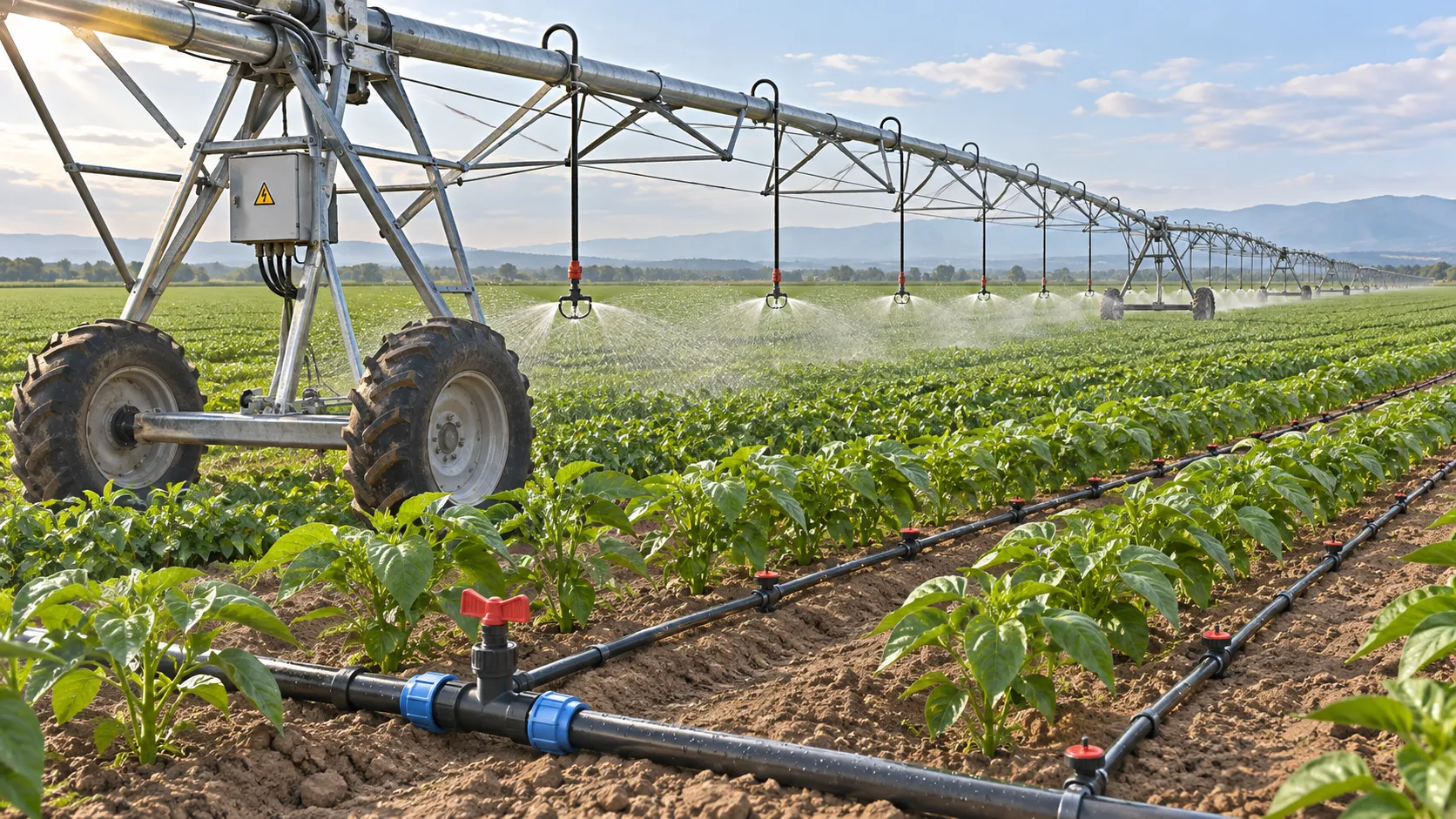
Drip vs. Center Pivot Irrigation: Maintenance Tasks and Costs Compared
Use this irrigation solution comparison by maintenance to weigh drip vs. center pivot tasks, costs and downtime—and choose the best fit for your field.
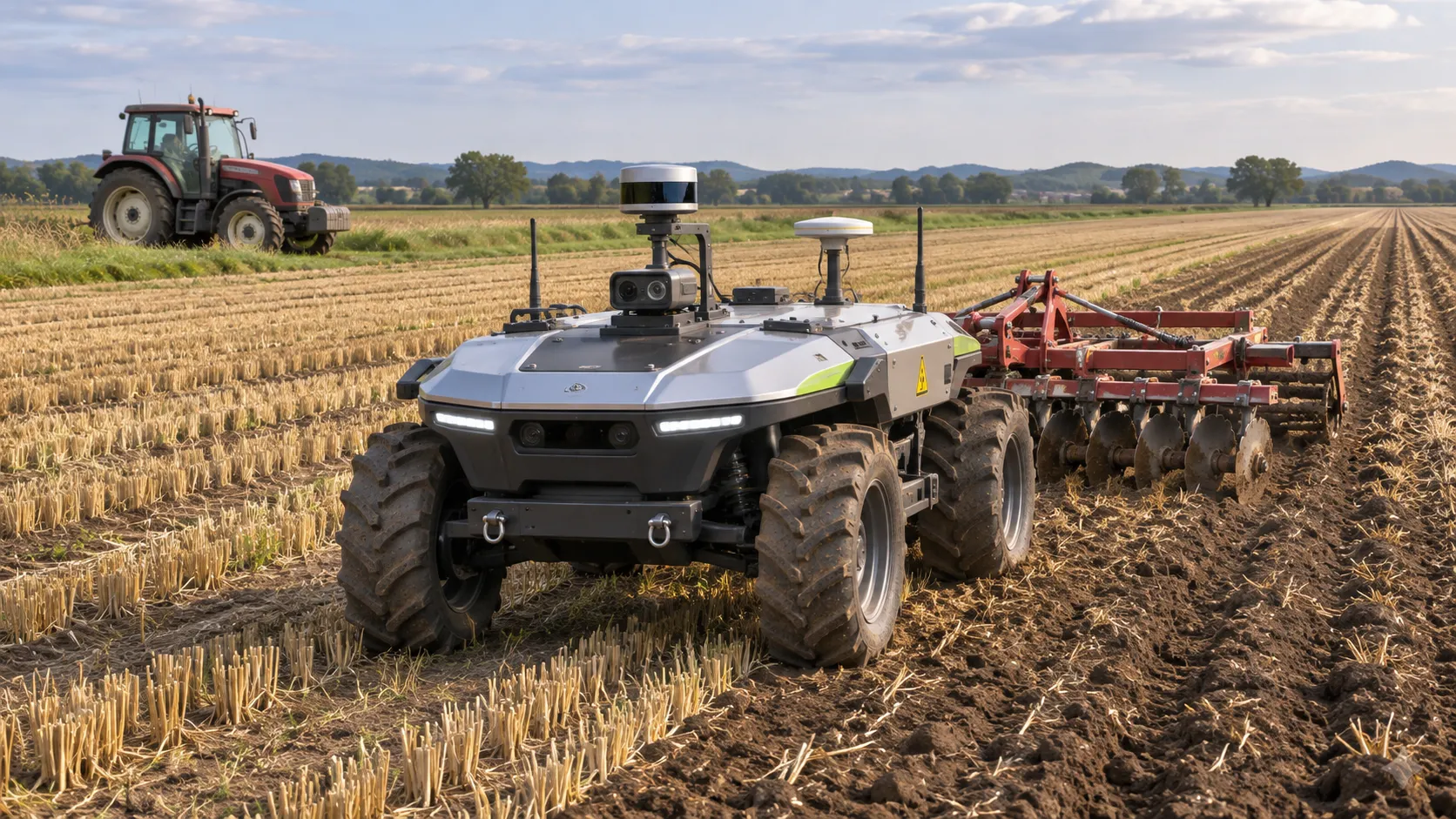
EIMA 2026: Six Tractor of the Year Awards Include Autonomous Robot
Explore the Tractor of the Year awards at EIMA 2026, featuring six winners, including the AgXeed autonomous robot and leading tractor models.
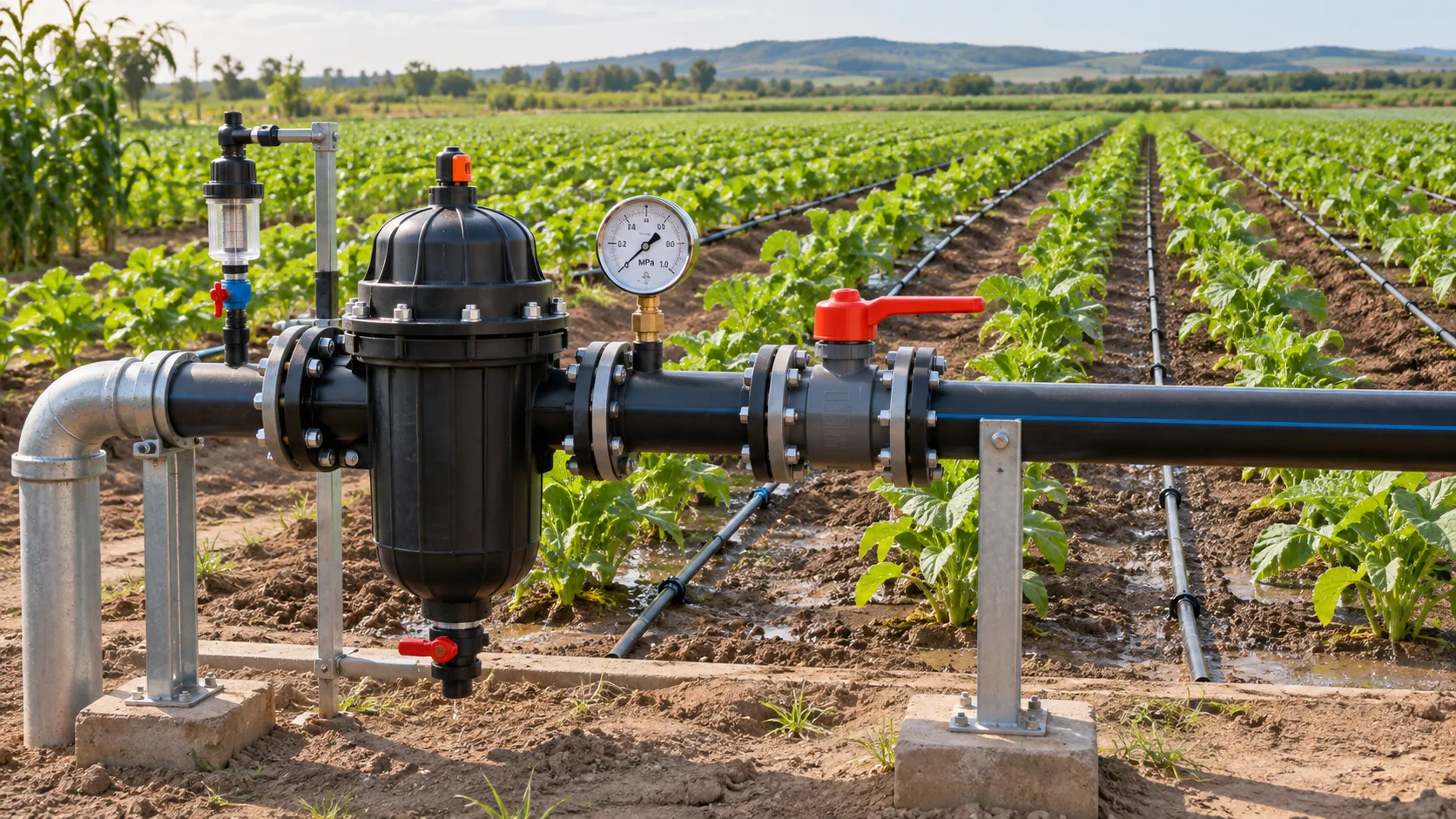
Choosing Irrigation Systems for Government Projects: Water, Cost and Compliance
What factors affect irrigation system selection for government projects? Explore water supply, lifecycle costs and compliance to make a confident, well-informed choice.
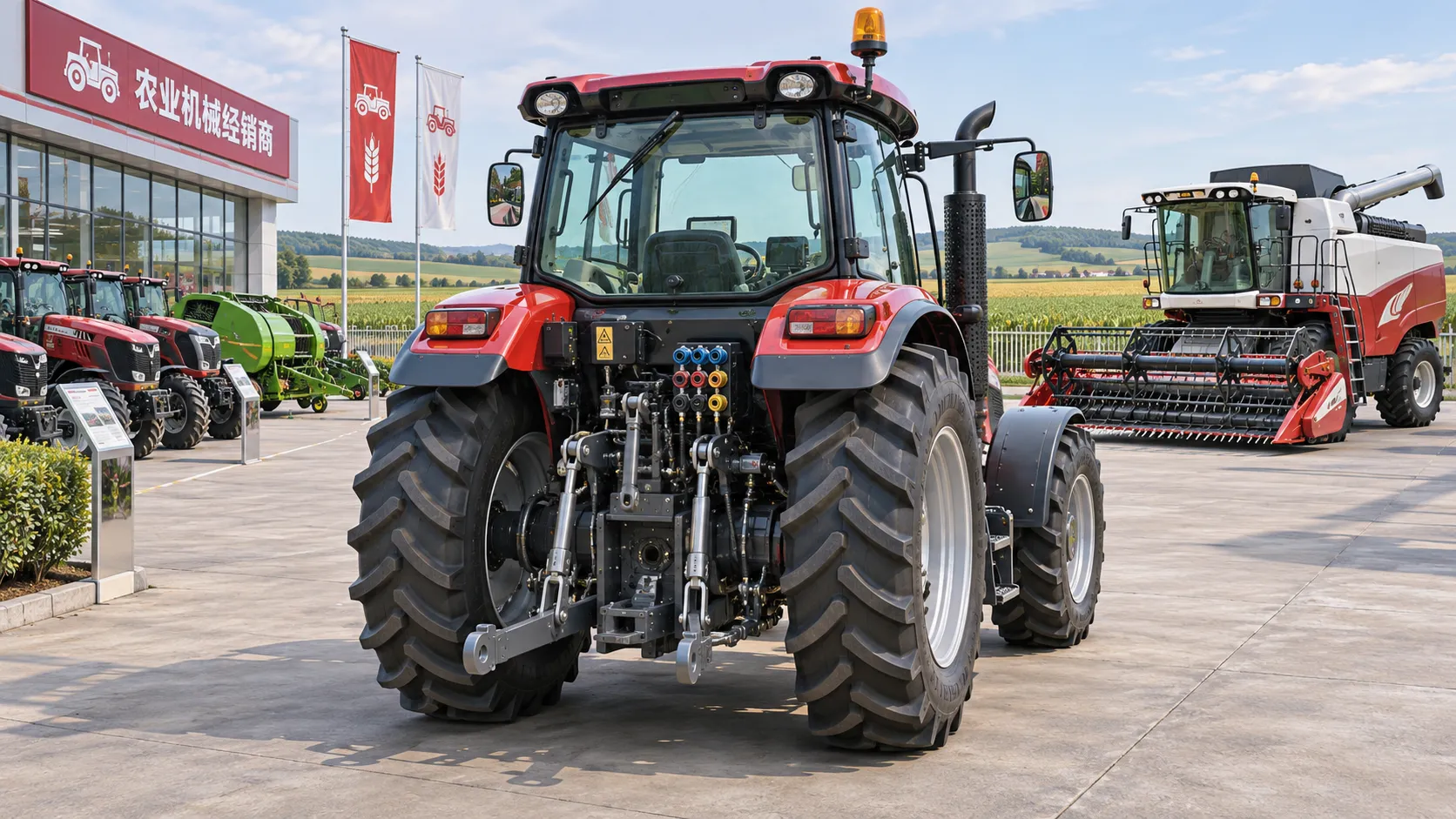
Choosing an Agricultural Machinery Platform: Listings, Pricing, and Support
Choosing an agricultural machinery platform? Compare listings, pricing, supplier verification, and support to make a more confident equipment purchase.
Ofwat Launches £8 Million Agri-Water Innovation Challenge
Ofwat’s £8 million Agri-Water Innovation Challenge supports smart irrigation, water reuse and water-saving solutions. Explore the funding and its potential impact.
Choosing a Water-Saving Irrigation Supplier: 5 Key Procurement Criteria
Choose a water-saving irrigation systems supplier with confidence. Explore five procurement criteria to reduce risk and maximize long-term value.
Related News
- 00
0000-00
Drip vs. Center Pivot Irrigation: Which Saves More Water for Your Farm? - 00
0000-00
Low-Pressure Drip Irrigation: Choosing Emitters to Save Water and Maintain Uniformity - 00
0000-00
Choosing Smart Irrigation Equipment for Orchards With Existing Drip Systems - 00
0000-00
Smart Irrigation Equipment for Drip Systems: Key Compatibility Checks - 00
0000-00
Choosing Drip Irrigation Systems for Open Fields: Soil, Slope, and Water Quality
0000-00
Popular Tags
Hydrological Resource Strategist
Weekly Insights
Stay ahead with our curated technology reports delivered every Monday.