
How to Select Smart Irrigation Valves for Multi-Zone Water Management?
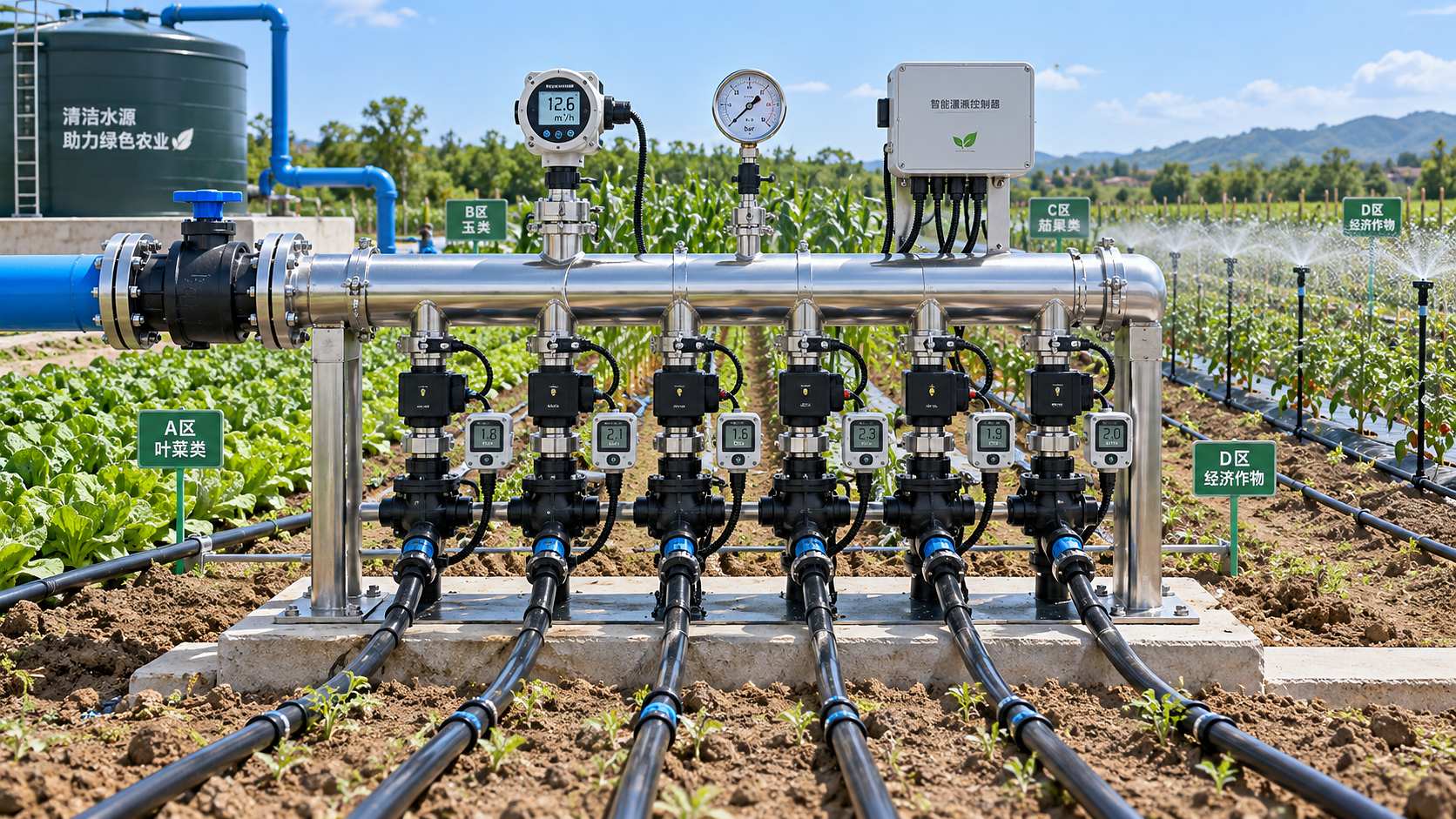




A multi-zone irrigation layout fails when valves are treated as simple on/off hardware while the rest of the system is expected to behave intelligently. A field may have zones with different crop stages, emitter types, elevations, soil textures, or water-source limits. When one valve cannot hold pressure reliably, cannot report its status, or cannot communicate with the controller, the result is not just an isolated fault: schedules become inaccurate, downstream zones receive uneven water, and sensor-based decisions lose value.
The practical selection rule is to choose smart irrigation valves from the control architecture outward, then confirm hydraulic suitability. Start with the controller protocol, available power, desired feedback, and required zone logic. Only after those conditions are defined should you compare valve size, flow range, pressure rating, material, and actuation type. Intelligent irrigation systems valves should support the way each zone will be managed, not merely fit the existing pipework.
Begin with the zone map, not the valve catalog
Before comparing models, document what each zone is expected to do. A zone is not always equivalent to one field block. It may be a pressure-compensated drip section, a sprinkler lateral, a fertigation area, a nursery block, or a line that must remain isolated while a pump starts. These applications place different demands on the valve.
For every proposed zone, establish the following operating information:
- Water source and expected water quality, including sediment or chemical treatment conditions.
- Minimum and maximum inlet pressure at the valve location.
- Expected operating flow, plus the lowest flow at which stable control is still needed.
- Pipe diameter, connection type, and whether the valve is installed above ground, in a box, or in a manifold.
- Required irrigation method: drip, micro-sprinkler, impact sprinkler, pivot supply, or another distribution method.
- Whether the zone has elevation changes that affect static pressure or create drainage after shutdown.
- Whether the zone needs simple timed operation, sensor-triggered changes, flow confirmation, pressure monitoring, or remote manual override.
This map exposes design conflicts early. A valve that works well on a high-flow sprinkler block can be poorly matched to a low-flow drip section. Similarly, a standard solenoid valve may open and close reliably but provide no confirmation that it actually opened, leaving the controller unable to distinguish a command failure from a hydraulic problem.
Match the valve to the hydraulic operating window
Valve nominal size is a starting point, not a selection conclusion. Oversizing is often assumed to reduce restriction, but an oversized valve can be less controllable at low flows and may add unnecessary cost. Undersizing raises velocity and pressure loss, which can reduce uniformity at emitters or sprinklers furthest from the supply.
Review the manufacturer’s flow-versus-pressure-loss relationship across the expected operating range. Do not check only the maximum flow. A multi-zone system may operate differently when a pump is at full demand, when only one small zone is active, or when a pressure-regulating device is compensating for a changing source. The selected valve should remain stable in all intended operating states.
Pressure rating is not the same as pressure control
A valve body may be rated to tolerate a particular pressure, yet still not regulate downstream pressure. Where irrigation equipment requires a narrow inlet range, specify a separate pressure regulator or a valve assembly with an appropriate pressure-control function. Do not assume that a solenoid-controlled diaphragm valve will protect drip tape, low-pressure emitters, or filtration components from pump transients.
Pressure behavior also matters during opening and closing. Fast closure can create water hammer in long mains or elevated pipe runs. Slow closure may create a period of unstable flow that disrupts pressure-sensitive zones. In installations with substantial elevation differences, use a hydraulic design that considers air release, pressure relief, and anti-drain functions where needed; the electric valve alone may not solve these conditions.
Consider differential pressure across the valve
Many pilot-operated diaphragm valves depend on a pressure differential to open and hold their intended position. This can become important with gravity systems, low-pressure sources, partially blocked filters, or zones near the end of a long supply line. A valve that appears suitable based on its maximum pressure rating may respond poorly when differential pressure is too low.
Ask for the minimum differential pressure required for actuation and the pressure-loss behavior at the intended flow. Where the source pressure is variable, test the selection against the lowest expected supply condition rather than the nominal condition. This avoids a familiar operational problem: the controller reports that a zone is enabled, but the valve has not opened fully enough to deliver the designed flow.
Choose the control method before choosing “smart” features
Not every remotely operated valve has the same intelligence or integration value. The appropriate actuator depends on wiring distance, available field power, communication reliability, and how much state information the irrigation strategy requires.
Control compatibility should be documented at the electrical interface level. Check whether the controller provides continuous voltage, a latching pulse, dry contact output, current-loop control, or a proprietary communication signal. A mismatch may not be visible during procurement because connectors look similar and the valve may physically install without difficulty.
Where wireless field devices are involved, distinguish between a valve that is remotely scheduled and one that remains operable when communication is interrupted. Some systems retain local schedules; others depend on an active gateway or cloud connection for instructions. The best choice depends on whether the zone must continue operating through temporary communications loss and how safely it can do so without updated sensor data.
Decide what feedback is worth paying for
A command signal only confirms that the controller sent an instruction. It does not prove that water moved, that the valve opened, or that the zone remained within its pressure range. For low-risk applications, command-only control may be adequate. In more complex networks, feedback reduces the time required to identify whether an irrigation exception is electrical, mechanical, hydraulic, or agronomic.
Useful feedback functions may include valve position indication, flow measurement, pressure measurement upstream or downstream, and line-fill monitoring. Their value depends on the failure modes that matter in the installation.
- Flow feedback helps identify a broken lateral, a valve that remains open, a blocked zone, or a mismatch between expected and actual water use.
- Pressure feedback is useful where filtration condition, elevation, pump performance, or pressure regulation affects distribution uniformity.
- Position feedback helps when a valve is critical to sequencing, such as switching water paths or protecting equipment from operation against a closed line.
- Soil-moisture or weather inputs should influence runtime only when sensor placement, maintenance, and data quality are adequate for the zone being controlled.
Do not add feedback devices merely because the controller can accept them. A pressure sensor installed at a common manifold may show that the supply is healthy while a specific zone has a blocked filter or partially closed isolation valve. Sensor location must answer a defined operational question.
Build communications around field reality
Multi-zone sites frequently contain metal pump enclosures, buried valve boxes, dense vegetation, long distances, and inconsistent power availability. These conditions can limit wireless communication more than a desktop network plan suggests. A communication method should be assessed at the installed valve location, with enclosures closed and nearby equipment operating.
For wired systems, consider cable route length, conduit protection, grounding practice, splice quality, and future access. For wireless systems, confirm signal coverage, antenna placement rules, gateway capacity, battery replacement access, and behavior during loss of connection. The selection should also define who can issue a local manual command and how an operator can identify the valve when digital labeling is unavailable.
Protocol compatibility deserves the same attention. A system may use common automation concepts but still require a specific gateway, controller family, or data format. Avoid assuming that a sensor, flow meter, and valve can share data just because each device is described as smart. Confirm whether the platform can read the intended inputs, apply zone-level logic, send commands, retain event history, and expose faults in a usable form.
Evaluate materials, water quality, and service access together
Field reliability is often decided by details that do not appear in a scheduling screen. Water carrying sand, algae, mineral deposits, or fertilizer residues can affect pilot passages, diaphragms, seals, filters, and moving components. A valve installed below grade may be protected from weather but difficult to inspect after a leak or electrical fault.
Select body and seal materials based on water chemistry, exposure, and anticipated maintenance practice. Plastic bodies may be appropriate for many irrigation networks, while metal components can be justified by higher pressure, mechanical exposure, or specific installation requirements. Neither material is automatically superior. The relevant question is whether the entire assembly, including fittings and solenoid housing, withstands the actual environment.
Serviceability should be part of the technical comparison. Check whether the diaphragm, solenoid, pilot components, and manual override can be accessed without cutting pipe. Confirm that a valve box provides clearance for removal and that cable connections remain above standing water where practical. A valve with excellent specifications is a poor operational choice if routine cleaning or repair requires dismantling a crowded manifold.
Use a staged selection process for multi-zone projects
- Separate zones by hydraulic behavior. Group areas only when they have compatible pressure, flow, irrigation method, and scheduling needs. Do not combine a low-pressure drip block with a high-demand sprinkler section merely to reduce valve count.
- Define the control architecture. Identify controller outputs, field power, communication paths, sensor inputs, fault alarms, and local override requirements before naming a valve model.
- Calculate operating conditions at each valve. Include source variation, friction loss, elevation, filtration losses, and the effect of other zones operating under the intended schedule.
- Compare valve data at normal and abnormal conditions. Review minimum differential pressure, maximum working pressure, flow range, closing behavior, environmental rating, and service parts availability.
- Specify monitoring only where action follows. Every measured value should have an owner, threshold, response rule, or diagnostic purpose. Otherwise it creates data without improving water management.
- Commission the network zone by zone. Verify opening response, actual flow, pressure at representative points, controller status, manual operation, and alarm behavior before relying on automated schedules.
Commissioning is where selection assumptions become visible. A zone can pass a simple open/close test while still showing poor pressure stability after several valves operate in sequence. Record baseline flow and pressure during initial operation. Future deviations are easier to interpret when the system has a credible reference condition.
Selection errors that create avoidable rework
One frequent mistake is specifying every valve with the same nominal size for purchasing convenience. This overlooks the different flow and control needs of individual zones. Another is relying on a controller’s schedule as proof of irrigation delivery. Without flow or pressure verification on critical sections, a failed valve, broken pipe, or blocked filter may remain undetected until crop response or water use reveals the problem.
It is also risky to place all intelligence at the central controller while ignoring field conditions. A sophisticated schedule cannot compensate for unstable supply pressure, poor filtration, unsuitable valve placement, or unreliable communications. Conversely, installing highly instrumented valves on every small zone may add maintenance burden without materially improving decisions.
The strongest selection is usually a layered one: hydraulically appropriate valves for each zone, control hardware compatible with the field architecture, and feedback concentrated where it can detect costly or difficult-to-see failures. That approach allows intelligent irrigation systems valves to support actual zone management rather than becoming disconnected components in an otherwise automated network.
Related News
Climate-Smart Farming for Drought: A Practical Plan for Protecting Yields
Climate-smart farming for drought: build smarter water budgets, protect critical crop stages, improve irrigation uniformity, and safeguard yields with practical field-proven strategies.
How Digital Agriculture Platforms Turn Field Data Into Better Input Decisions
Digital agriculture platforms turn field data into smarter fertilizer, water, seed, and equipment decisions—helping farms cut risk, improve margins, and scale sustainability.
GPS-Guided Farm Machinery: Where It Delivers Measurable Field Efficiency Gains
Agri-mechanization GPS guided systems deliver measurable field efficiency gains through reduced overlap, precise planting, smarter inputs, and reliable farm data.
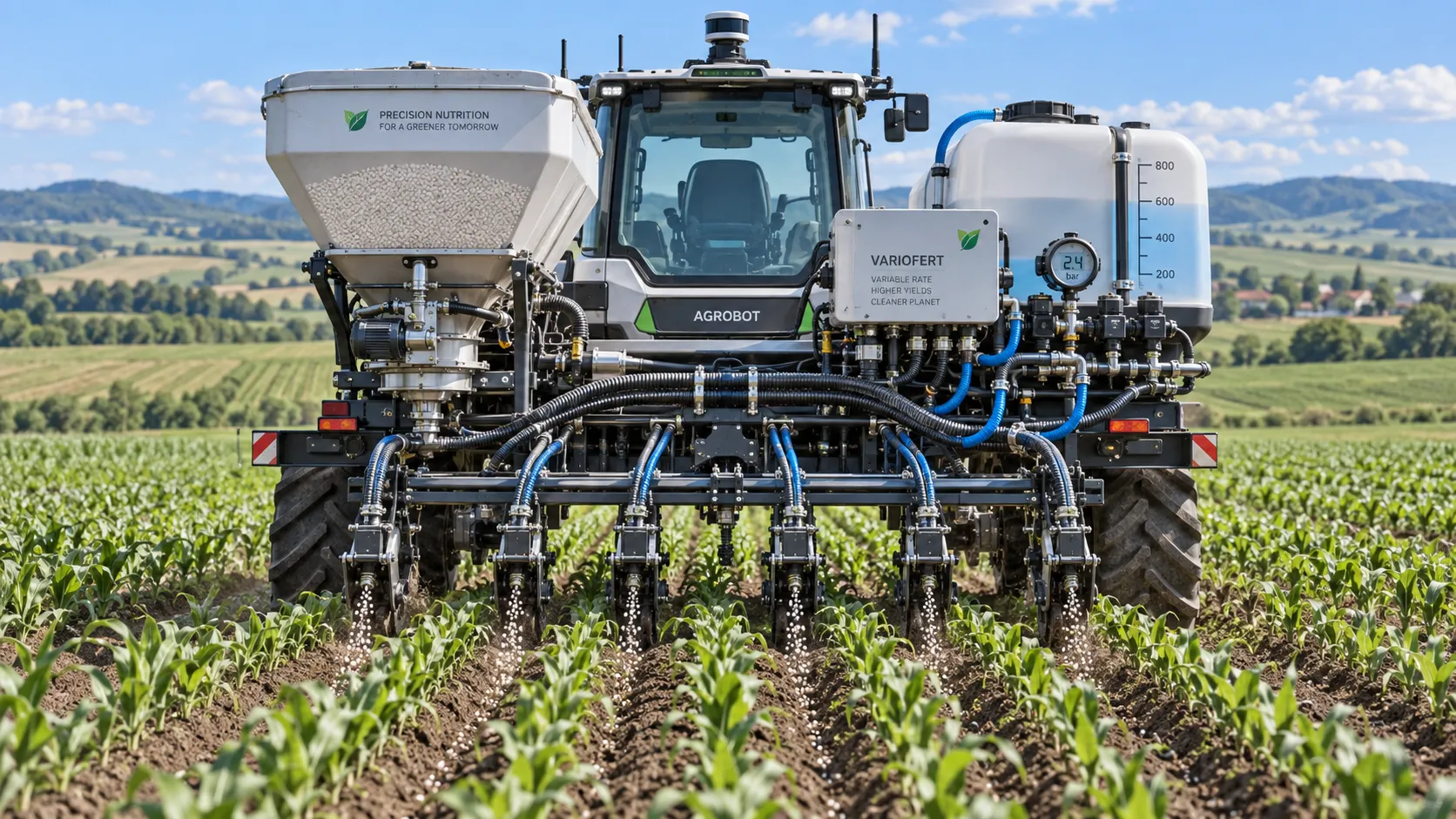
How Sensor Feedback Enables Accurate Variable-Rate Fertilization in Field Conditions
Precision fertilization systems with sensor feedback improve variable-rate accuracy by verifying flow, managing latency, and ensuring reliable field application.
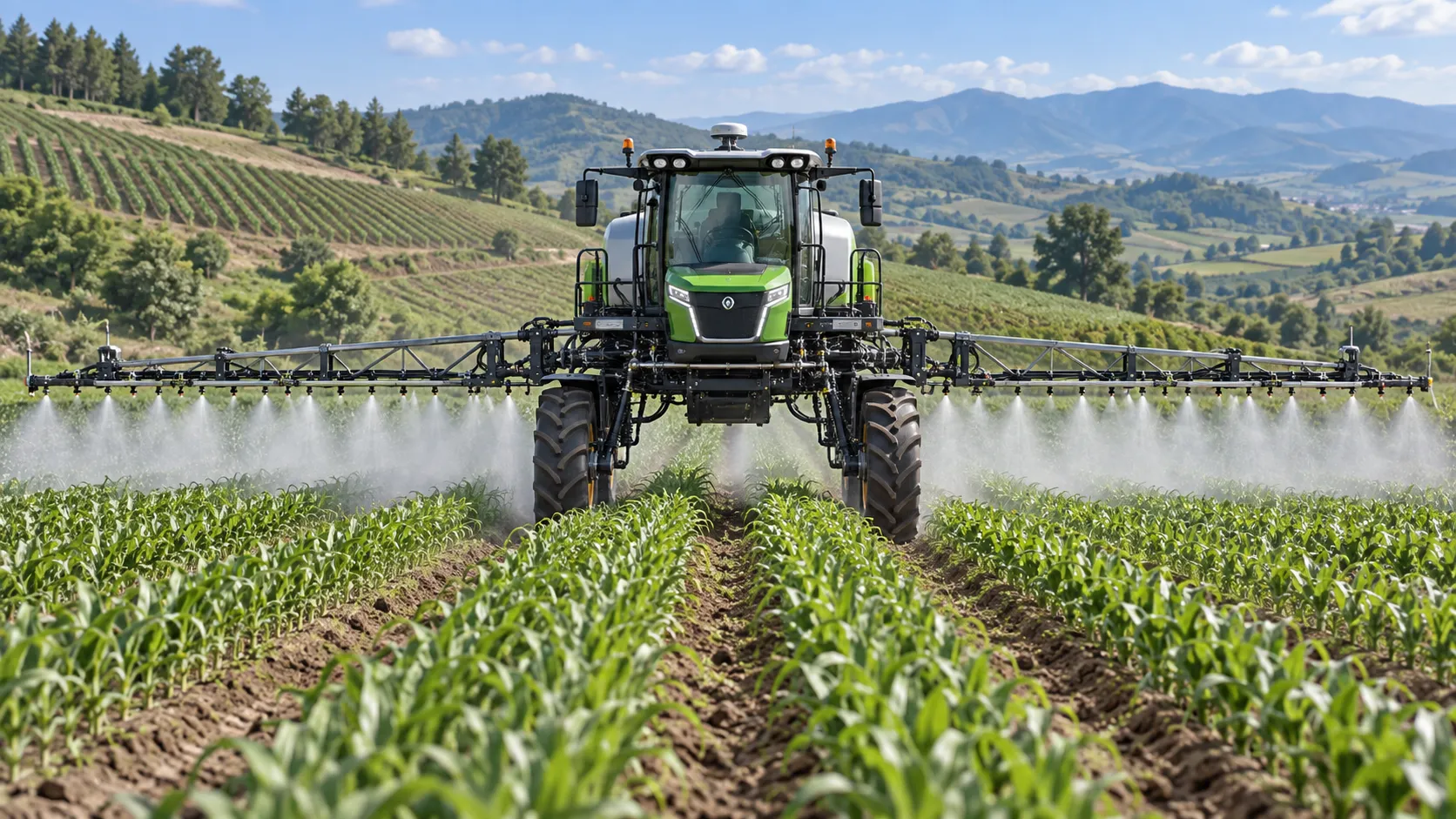
How to Select Precision Crop Protection Equipment for Variable Field Conditions
Precision crop protection equipment selection made simple: compare terrain, canopy, weather, control accuracy, and data workflows for reliable applications.

When Does Agricultural Machinery Leasing Cost Less Than Owning Equipment?
Agricultural machinery leasing can lower farm costs when use is seasonal or uncertain. Compare utilization, maintenance, cash flow, and risk to make a smarter equipment decision.
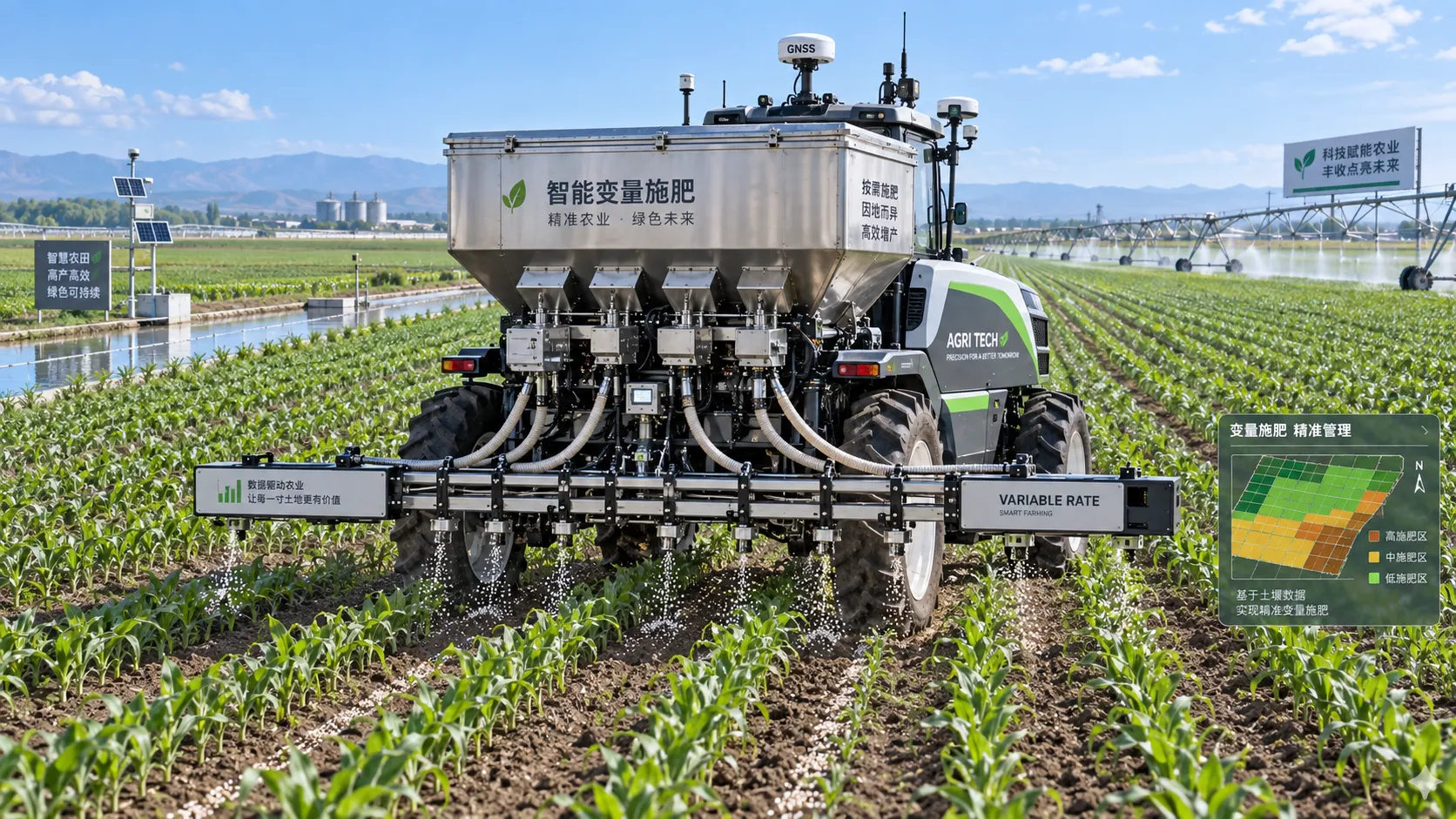
How to Evaluate Precision Fertilization System Suppliers for Farm-Scale Deployment
Precision fertilization systems suppliers: learn how to compare accuracy, integration, uptime, service, and total cost for confident farm-scale deployment.
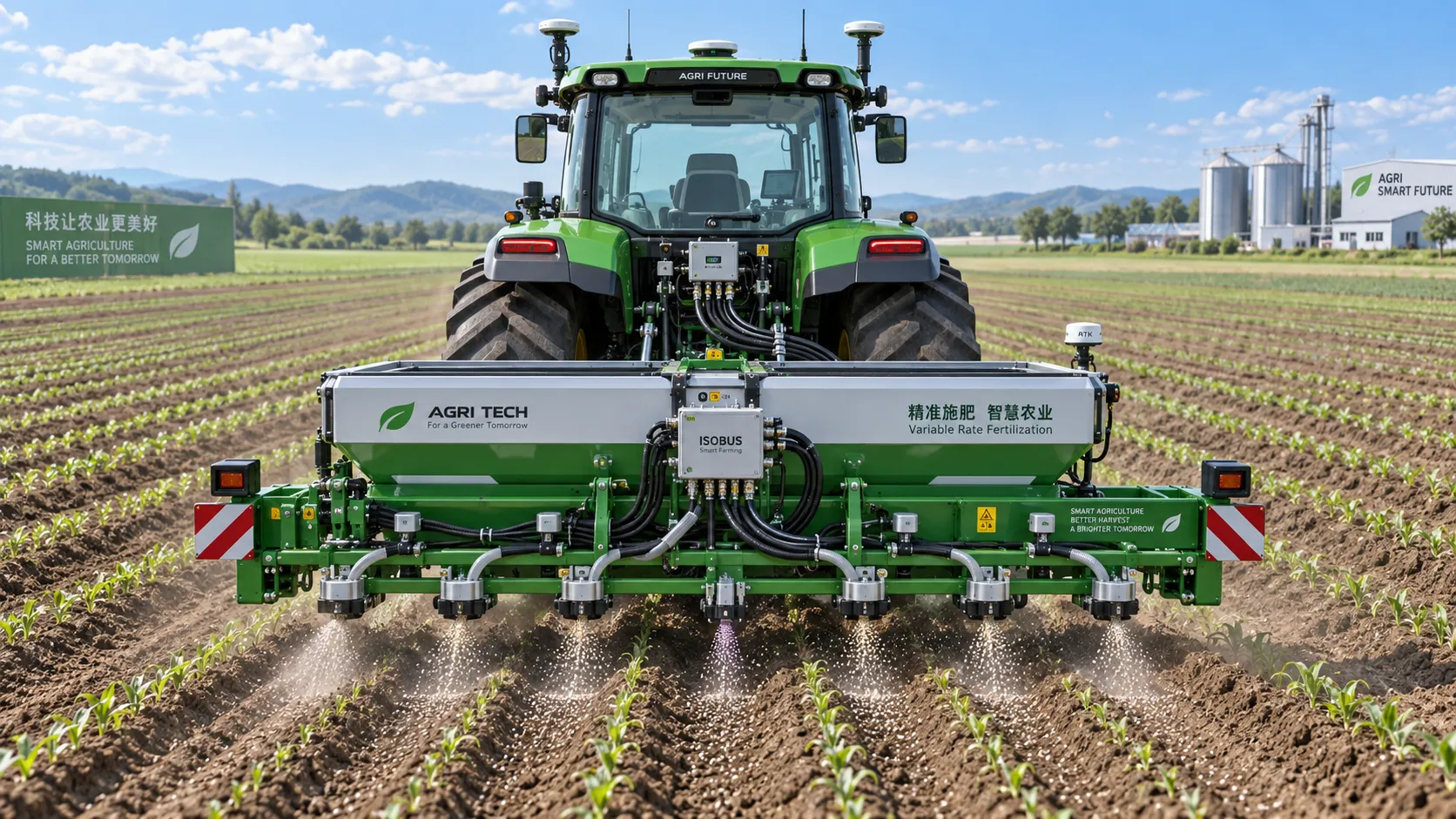
ISOBUS for Smart Agriculture: How It Connects Tractors, Implements, and Farm Data
ISOBUS for smart agriculture connects tractors, implements, terminals, and farm data—helping growers improve precision, documentation, and smarter field decisions.
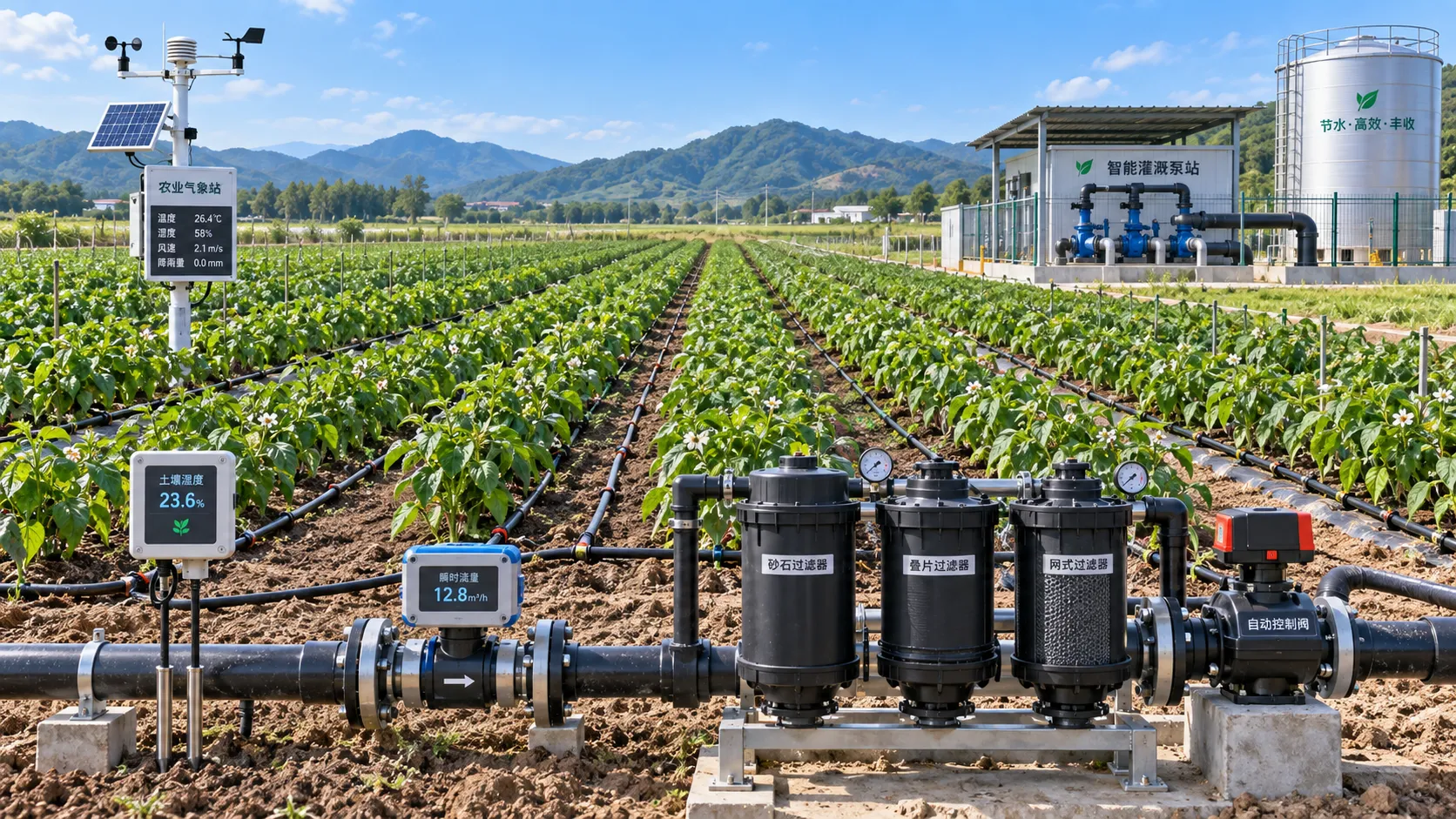
Automated Water-Saving Irrigation: How to Cut Water Use Without Reducing Crop Yields
Automated water-saving irrigation helps farms cut water use, protect crop yields, improve scheduling, and gain reliable control with sensors, flow monitoring, and smart zones.
Related News
- 00
0000-00
How to Select Smart Irrigation Valves for Multi-Zone Water Management? - 00
0000-00
Automated Water-Saving Irrigation: How to Cut Water Use Without Reducing Crop Yields - 00
0000-00
How to Evaluate Drip Irrigation System Manufacturers for Large Farm Projects - 00
0000-00
Wireless Agricultural Automation for Remote Irrigation and Field Monitoring - 00
0000-00
Designing Water-Saving Drip Irrigation Systems for High-Value Orchards
Popular Tags
Hydrological Resource Strategist
Weekly Insights
Stay ahead with our curated technology reports delivered every Monday.