Smart Cultivation Solutions for Rice Farms in Southeast Asia
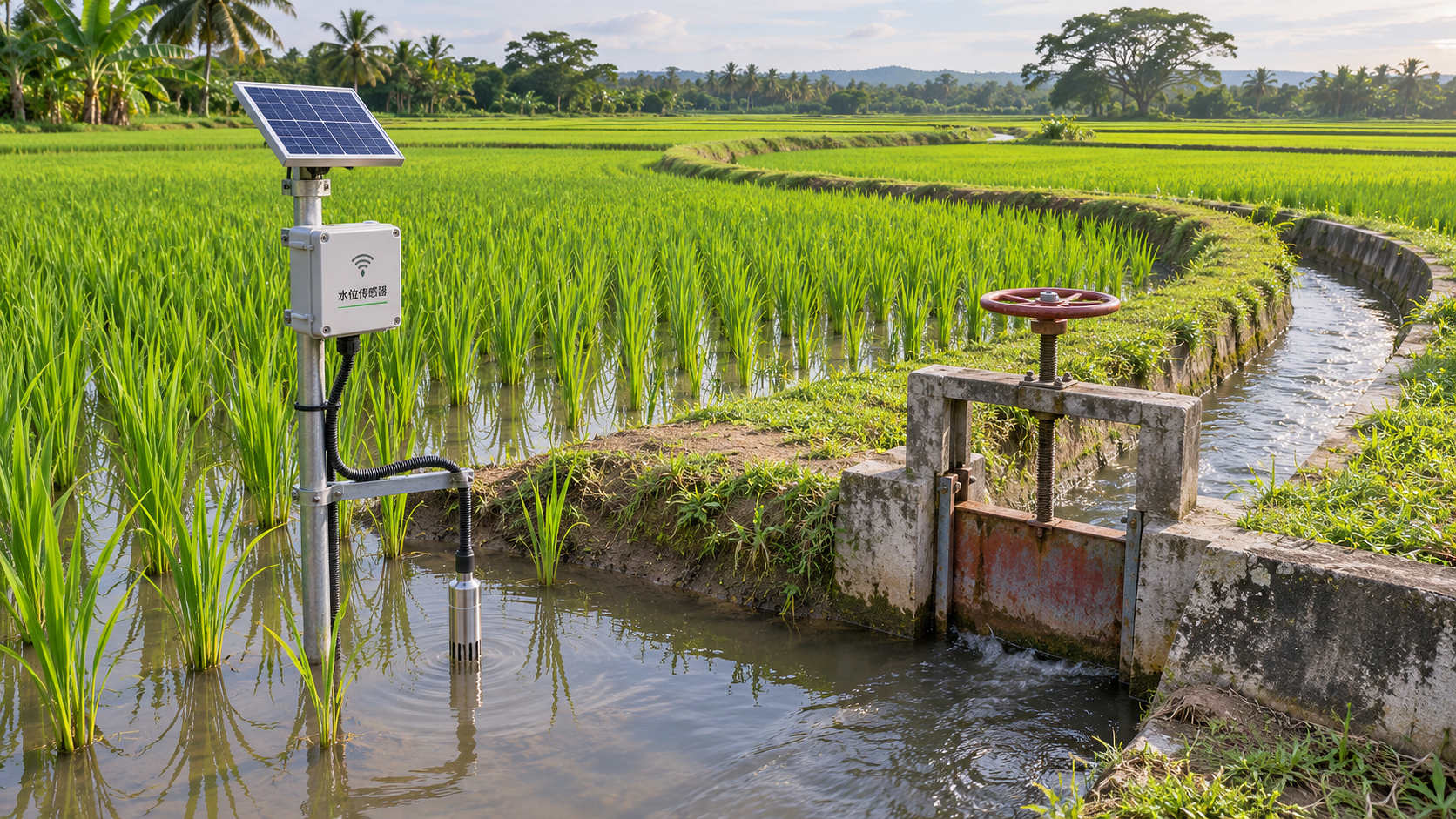




The most useful smart cultivation solutions in Southeast Asia start with a field constraint, not a device. A water-level sensor can improve irrigation decisions only if someone can control the water reaching the field. A combine harvester can reduce harvest delays only if it can enter wet ground and move grain out before the next field is ready.
For rice projects, the practical approach is to connect water management, field operations and harvesting around a small set of measurable goals. Choose technology after establishing who controls the land and water, what equipment can reach the fields, and who will maintain the system through the growing season.
Start with the field conditions that determine the design
Rice-growing conditions vary across Southeast Asia, and the same project may include fields with different soils, water sources and access routes. Before comparing equipment, map the areas that share an irrigation source, drainage outlet or machinery access point. These operating units are often more useful for planning than administrative boundaries alone.
For each unit, establish how water enters and leaves the field. Is irrigation pumped, gravity-fed or dependent on rainfall? Can the field be drained independently, or does an adjacent field determine the water level? A sensor may reveal prolonged flooding, for example, but the project needs an operable outlet and an agreed drainage arrangement to act on that information.
Field size and shape matter just as much for machinery. Small plots, narrow bunds, low bridges and soft headlands can limit the use of a machine that appears suitable on paper. Include turning space, transport routes, loading areas and the condition of access roads during the wet season in the assessment.
Also document the cropping calendar and current operating practices. Transplanted and direct-seeded rice have different establishment needs; fields exposed to heavy rain may need different harvest arrangements from fields with more predictable access. The purpose is to identify the point where an operational decision could improve the result, then determine whether technology can support that decision.
Match water monitoring to the ability to act
Intelligent irrigation for rice can range from manual water-level measurements recorded on a phone to connected sensors, pump controls and automated gates. The right level of automation depends on the water system, not on the sophistication of the available hardware.
Where operators can adjust a pump or gate serving a defined field, water-level readings can help them decide when to irrigate or drain. Simple alerts may be enough if a person is nearby and can respond. Remote control becomes more useful when fields are dispersed, access is difficult or pump operation requires repeated travel, provided power, connectivity and safe manual override are available.
In a shared canal system, field-level monitoring has a different role. A sensor can show conditions at a plot, but it cannot guarantee water delivery if upstream users, a common gate or a rotation schedule control supply. In that setting, a shared monitoring point and a clear agreement on who operates the gate may deliver more value than installing individual automated controls throughout the command area.
Water management also needs to follow the crop and local agronomic conditions. Alternate wetting and drying, for example, can be useful in suitable irrigated fields, but it requires control over irrigation and drainage and an appropriate approach to monitoring. It is less dependable where rainfall regularly overwhelms drainage, water arrives unpredictably or soil and crop conditions make the practice unsuitable. A water-saving target should never be treated as a reason to stress the crop without an agronomic plan.
Before specifying sensors or controls, define the response to each reading: who receives it, what threshold or observation prompts action, who has authority to act, and what happens if the device fails. Protect instruments from flooding, debris and field traffic, and include cleaning, calibration and replacement in the operating plan.
Choose mechanization for the complete field operation
Mechanization decisions should be based on the work that must be completed within the available planting and harvest windows. A machine with high theoretical capacity may not be the most productive choice if it spends much of the day moving between small plots, waiting for transport or being recovered from soft ground.
For land preparation, match the tractor and implement to soil conditions, field dimensions and the desired operation. An oversized tractor can create access problems or damage bunds; an undersized combination may struggle to complete work on time. Transmission, hydraulics, implement compatibility and local parts support deserve attention alongside engine power.
For harvesting, assess the whole chain: cutting, threshing, cleaning, unloading, transport and drying. If trailers or drying space are unavailable, a faster combine can simply create a queue of wet grain. Poorly adjusted settings can also increase grain loss or damage, so operator training and in-field adjustment matter as much as the machine specification.
Estimate field losses with a consistent sampling method before and after changes in machine settings. Check both grain left in the field and grain quality at unloading. Compare results under similar crop and ground conditions; a single pass through lodged or unusually wet rice may not represent normal performance.
Use precision tools where the decision can change
Satellite imagery, drones and field sensors can help identify differences in crop growth, water conditions or areas needing inspection. Their value depends on what the team does next. A map showing uneven vegetation does not by itself explain whether the cause is poor establishment, water stress, nutrient deficiency, pests or another field condition.
Build ground checks into the workflow. When an image flags an area, assign someone to inspect it and record the likely cause before changing fertilizer or crop protection applications. Cloud cover, field boundaries and the timing of imagery can also affect whether remote observations are useful for a particular decision.
Positioning and guidance tools may help with repeatable field operations where plot dimensions and equipment support their use. Variable-rate application is a more demanding step: it needs reliable field information, an implement capable of applying the prescribed rate, and a defensible reason to vary that rate. If the project cannot distinguish meaningful zones or verify application, consistent timing and calibration may be a better starting point.
For crop protection, prioritize accurate equipment calibration, appropriate operating conditions and trained operators. Digital records can show where and when an application took place, but they do not replace correct product selection or safe handling.
Design the system around ownership and service
A cultivation platform often combines equipment from several suppliers: pumps, sensors, machinery displays, connectivity services and farm records. Before procurement, describe the information that must move between them and the decisions it will support. A water reading displayed in one application and a pump controlled through another may still be workable, but someone must be responsible for joining the two actions.
Ask suppliers to demonstrate how data can be accessed and exported, how devices behave when connectivity fails, and what functions remain available locally. Establish who owns operational records, who can view them and what happens to access if a service contract ends. Avoid making a routine field operation dependent on an internet connection if a safe local control can perform the same task.
Maintenance is part of the design. Identify the nearest service capability, expected spare-parts arrangements and the person responsible for routine inspections. A project using automated pumps needs an electrical and mechanical support plan; a connected sensor network needs battery checks and a way to identify failed devices. Training should cover normal operation, basic troubleshooting and the point at which staff should call a technician.
Commercial arrangements also affect adoption. A cooperative, contractor or shared-service provider may be better placed than an individual farm to schedule and maintain a combine or precision applicator. That model works only when booking rules, fees, responsibilities for damage and priority during peak demand are clear to participants.
Build a pilot that can support a procurement decision
A useful pilot tests an operational change under conditions representative of the intended project area. Select fields that reflect the relevant water source, soil, access constraints and management arrangements. If the eventual rollout includes very different field types, include them in the evaluation or treat them as separate operating cases.
Record the existing process before introducing new equipment. Depending on the objective, this may include pump operating hours, labor used for irrigation checks, time needed to harvest a field, observed harvest losses or the number of missed field operations. Track the same measures during the pilot, along with downtime, repairs and staff time spent managing the technology.
Compare like with like as far as practical. Rainfall, crop condition, field size and operator skill can change results, so document those differences rather than attributing every change to a device. If possible, retain a comparable field or operating area using the existing approach. A successful pilot should demonstrate that the team can use and maintain the process throughout the relevant field operations, not merely that the equipment worked during installation.
Use the findings to prepare the full operating budget. Include equipment, installation, connectivity, energy, consumables, training, maintenance and replacement parts. For shared machinery, include travel, scheduling, operators and transport support. Compare these costs with the value the project actually seeks, such as completing harvest on time, reducing avoidable losses or managing water with fewer field visits.
End the pilot with a decision on scale, modification or discontinuation. If sensors produced useful readings but no one could operate the shared gate, the next investment may be an operating agreement rather than more sensors. If a combine performed well but grain transport caused delays, additional harvesting capacity may not solve the bottleneck.
Turn the assessment into a practical specification
A procurement specification should describe the intended operation and field constraints as clearly as the equipment itself. For an irrigation system, state the water source, control points, power and connectivity conditions, required manual operation and maintenance responsibilities. For machinery, include field access limits, crop conditions, expected work schedule, compatible implements and the service support needed during critical periods.
Ask suppliers to explain how their proposal handles these conditions and to demonstrate the operator workflow. This makes it easier to compare a basic system with a more automated one on the same terms: the work each will perform, the people it needs and the consequences of a failure during the season.
Sector intelligence from sources such as AP-Strategy can help frame comparisons of harvesting equipment, precision tools and irrigation technologies. The final specification should still follow the project’s own field assessment and pilot results. Start with the constraint that limits performance, establish who can act on it, and expand the technology only when the operating system around it is ready.
Related News
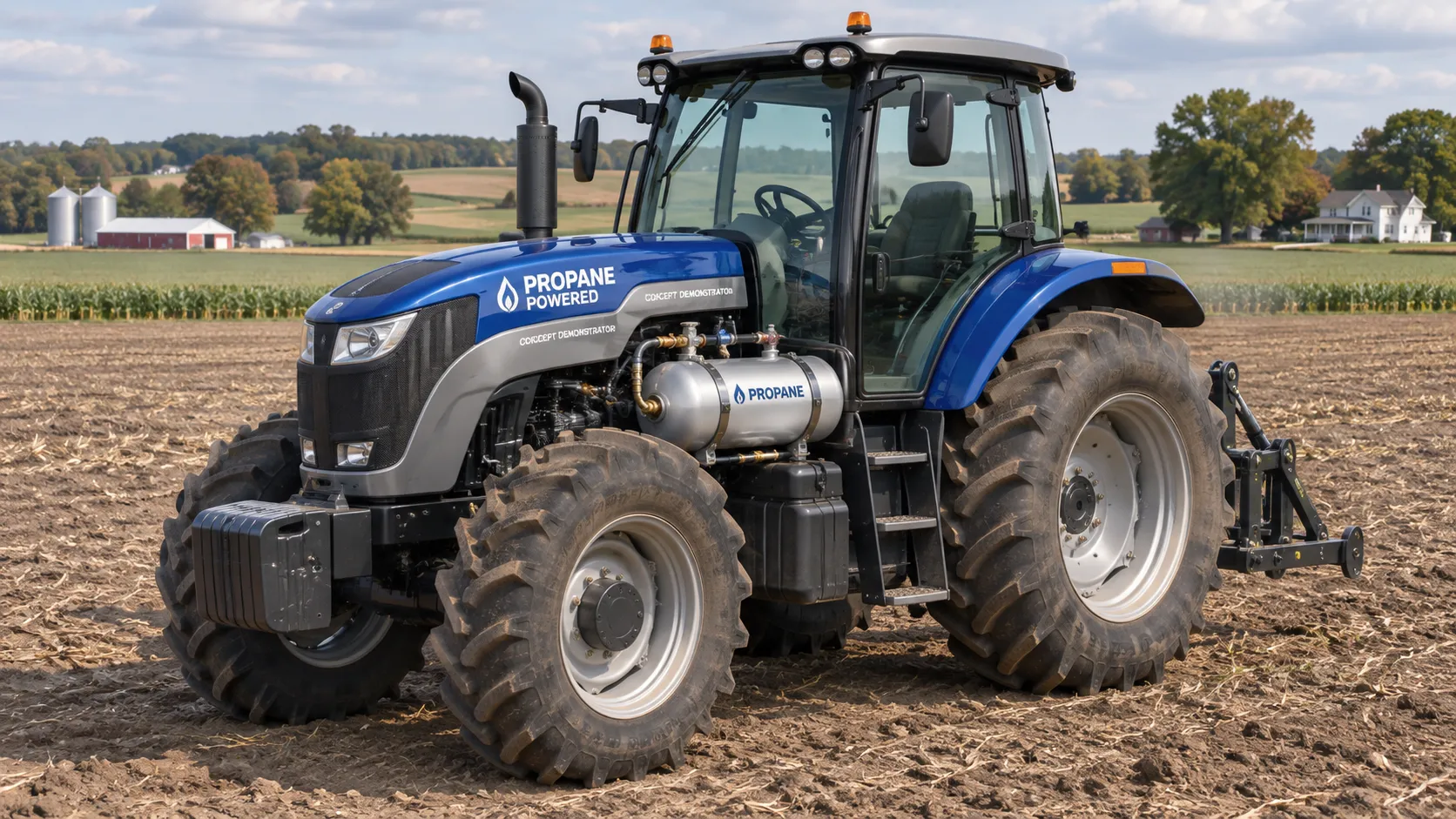
PERC and Daedong Launch Propane Tractor Demonstration Project
PERC and Daedong launch a propane tractor demonstration to explore farm performance, operating costs and emissions. Discover what the year-long project could reveal.
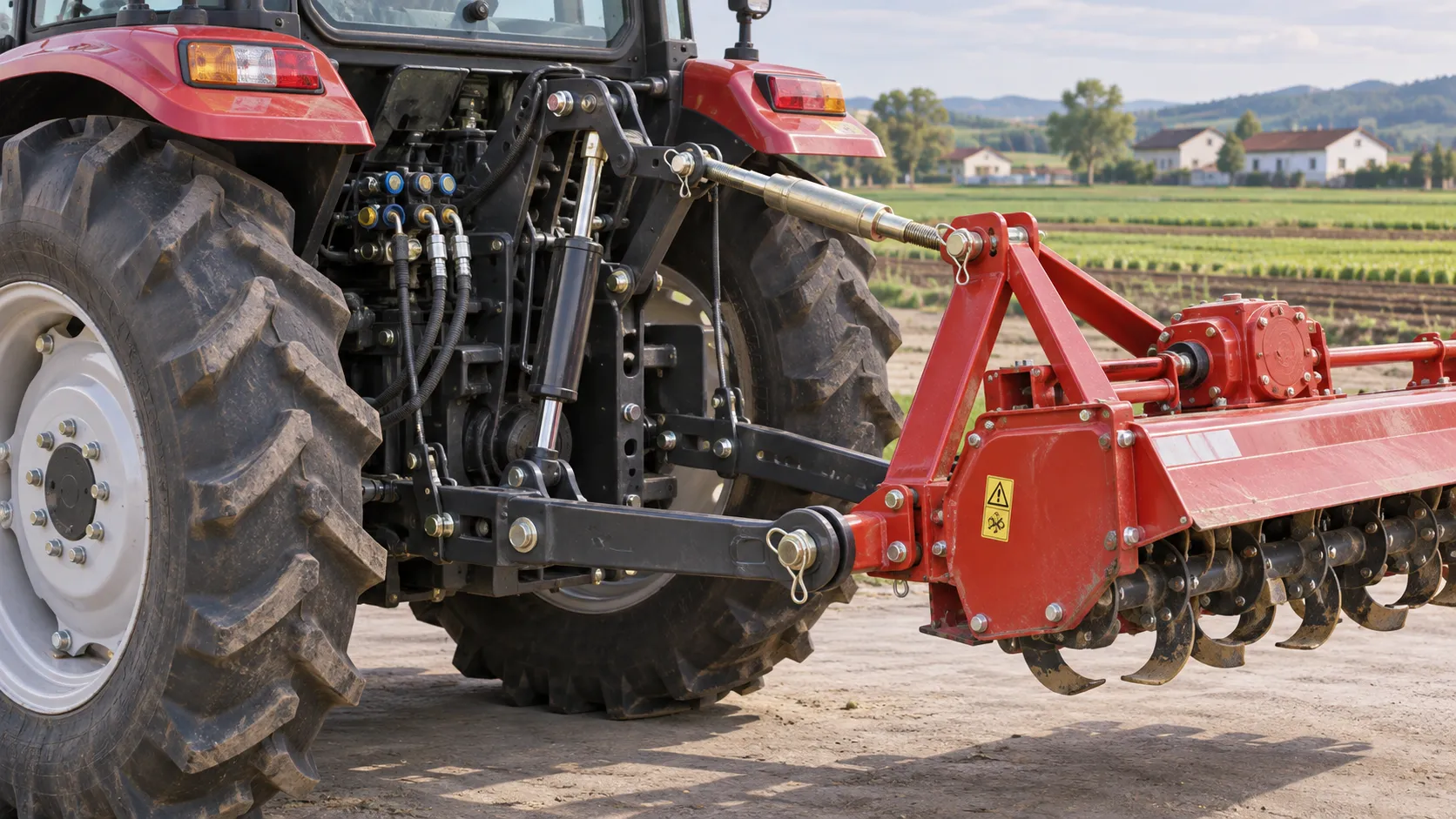
Choosing a Rear Hitch Hydraulic Lift System: Capacity and Compatibility
Compare rear hitch hydraulic lift systems with confidence. Learn how to assess lift capacity, hitch compatibility, hydraulic performance, and tractor stability.
FAO: Global Food Supplies Ample, but Market and Food Security Risks Rise
FAO's global food supply outlook reveals ample grain stocks but tighter rice, sugar and vegetable oil markets. Explore the risks to food security.
Choosing Heavy-Duty Soybean Machinery for Different Farm Sizes and Soil Types
Choose heavy duty farm machinery for soybeans with confidence. Compare tractors, planters, and combines for your farm size, soil conditions, and budget.
Global Farm Equipment Sales Slide as India and China Show Resilience
Global farm equipment sales are declining, but India and China show resilience. Explore the market outlook and what it means for buyers and suppliers.
Quantized Edge AI Cuts Microcontroller Irrigation Inference Energy by 73.3%
Quantized edge AI cuts irrigation model inference energy by 73.3% and fits in 8 KB. Explore what this research could mean for smart irrigation devices.
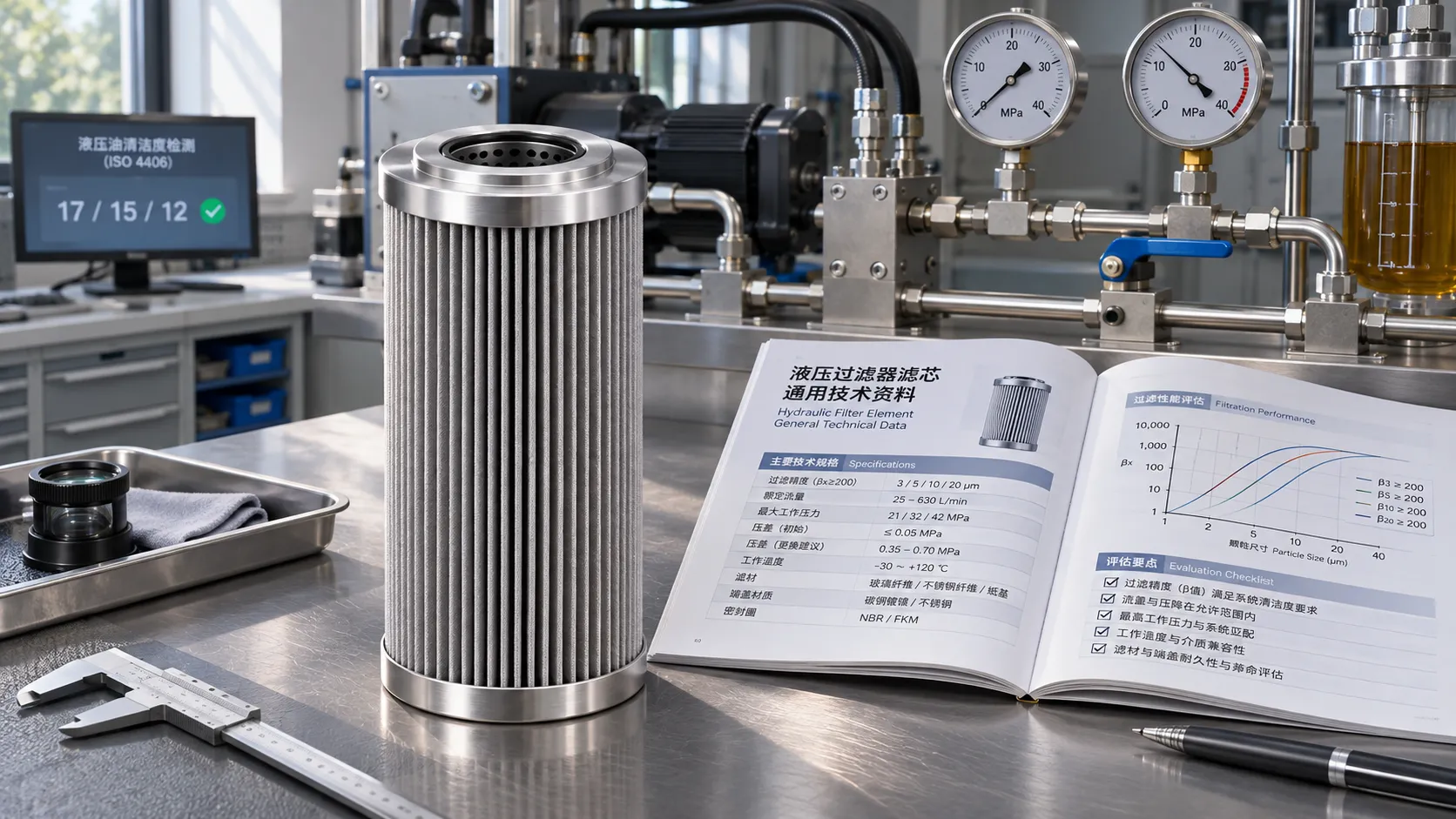
How to Read Filtration Accuracy Specifications: Micron Ratings Explained
Get product specification guidance on filtration accuracy. Learn how to compare micron ratings, beta ratios, and test methods to select the right filter.
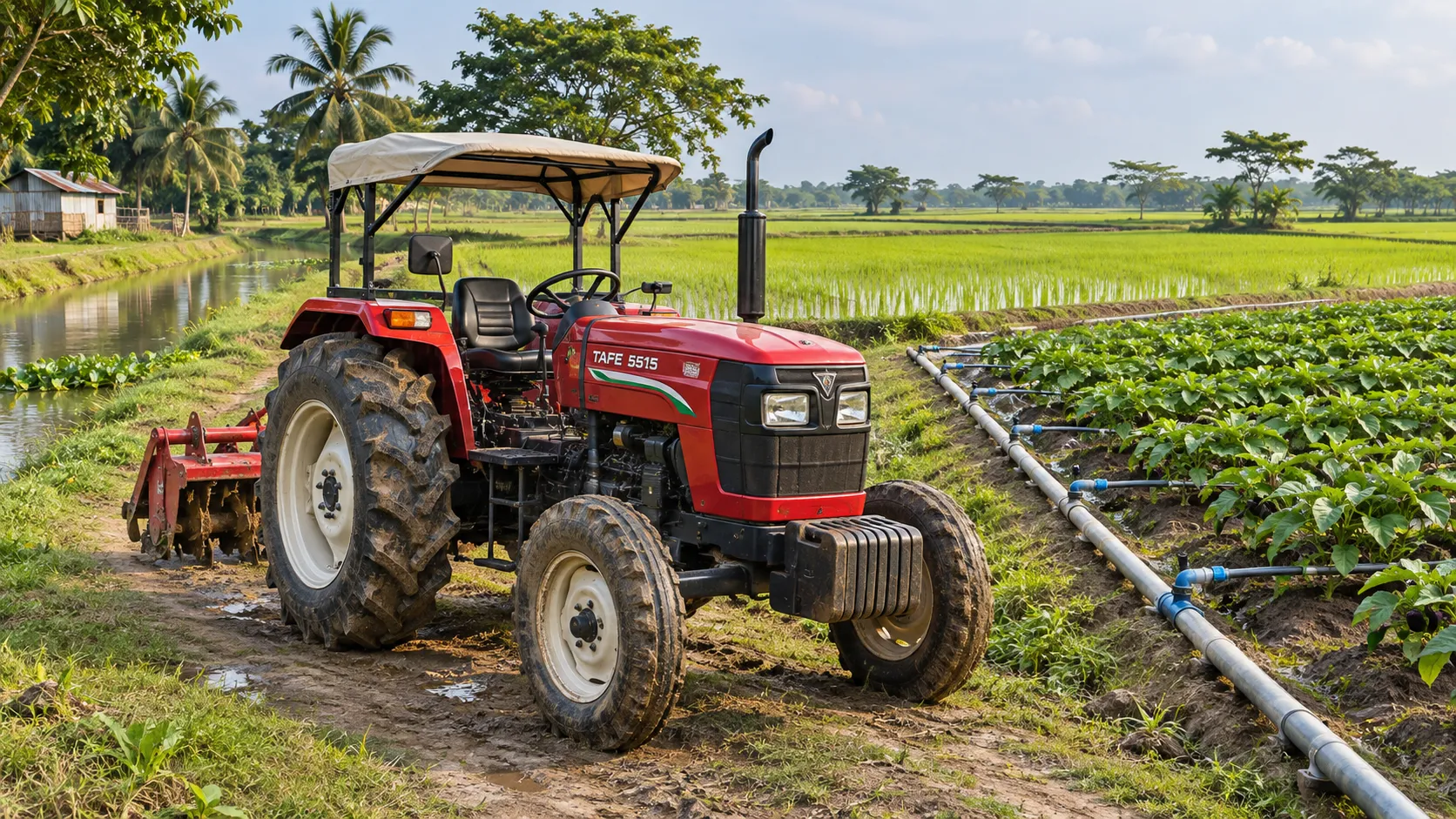
Bangladesh Irrigation and Farm Machinery Receive Less Than 1% of Agricultural Credit
Bangladesh agricultural credit for irrigation and farm machinery was reportedly under 1% of total lending. Explore what this could mean for equipment buyers and suppliers.
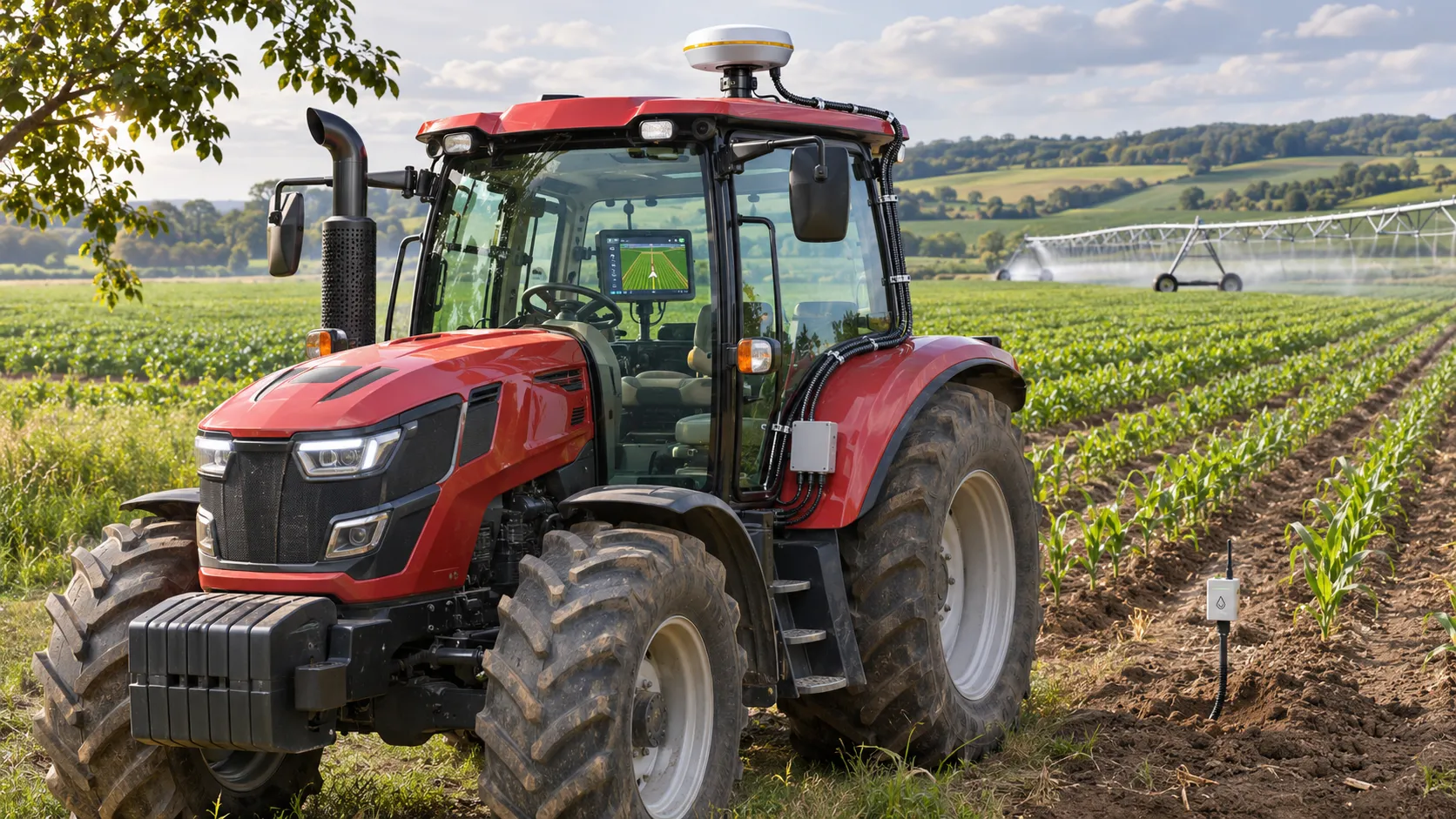
Smart Farm Tool Prices: What Buyers Should Budget Beyond Equipment Costs
Compare intelligent farm tools price quotes beyond hardware. Discover the costs of installation, subscriptions, training, and support before you buy.
Related News
- 00
0000-00
FAO: Global Food Supplies Ample, but Market and Food Security Risks Rise - 00
0000-00
Choosing Heavy-Duty Soybean Machinery for Different Farm Sizes and Soil Types - 00
0000-00
Global Farm Equipment Sales Slide as India and China Show Resilience - 00
0000-00
Smart Cultivation Solutions for Rice Farms in Southeast Asia - 00
0000-00
How to Read Filtration Accuracy Specifications: Micron Ratings Explained
0000-00
Popular Tags
Ms. Elena Rodriguez
Weekly Insights
Stay ahead with our curated technology reports delivered every Monday.