Global Farm Equipment Sales Slide as India and China Show Resilience





Global agricultural equipment sales remain under pressure, while India and China are showing resilience, according to Agrievolution Alliance Secretary General Charlie O'Brien. The timing of his remarks was not specified. The information provided identifies no new policy, regulation, standard, certification requirement or trade rule; it is a market assessment with potential implications for manufacturers, distributors, buyers and suppliers reviewing purchasing and delivery plans. Its relevance to compliance lies in the need to verify applicable requirements as companies assess opportunities, not in any confirmed change to those requirements.
Weak demand alongside two resilient markets
O'Brien said global agricultural equipment sales continue to decline as farm incomes stagnate, production costs rise and credit tightens. Major markets are expected to finish 2026 weakly, and the outlook for 2027 remains challenging. India and China have nevertheless shown stronger resilience, offering emerging growth opportunities for the industry. The event date was not specified in the information provided.
These statements describe the assessment attributed to O'Brien. The information provided does not quantify the sales decline or specify equipment categories, individual businesses or the size of the opportunities in India and China. It also does not identify a policy announcement or a change in the rules governing equipment sales.

Pressure on orders, inventories and delivery commitments
Manufacturers and component suppliers
From an industry perspective, prolonged weakness in equipment sales could make production planning more difficult. Manufacturers may need to compare incoming orders with existing commitments before deciding how much equipment to build or how many components to purchase. Suppliers could face less predictable ordering patterns if customers revise production schedules. These are potential effects of weaker demand, not confirmed changes to any company's operations.
Contract terms may become especially relevant when a buyer's financing is uncertain. Parties could review provisions covering order confirmation, delivery dates, changes in quantities and payment timing. Any adjustment would depend on the contract and the circumstances of the transaction; the information provided does not establish a new industry rule or a widespread change in contractual practice.
For suppliers evaluating opportunities associated with India or China, resilience alone does not establish demand for a particular component or machine. Analysis suggests that product fit, buyer commitments and delivery capability deserve separate assessment before capacity or procurement plans are revised. A company supplying several customers may also benefit from distinguishing firm orders from forecasts when considering how much inventory to hold.
Distributors and equipment buyers
Dealers and other channel businesses could be affected if tighter credit makes customers slower to commit to purchases. The possible consequences include longer sales cycles, changes in inventory needs and greater attention to payment conditions. The supplied information does not establish whether any of these outcomes has occurred in a particular market or channel.
Buyers facing stagnant farm income or higher production costs may place more weight on financing availability and the timing of equipment purchases. From a procurement standpoint, that could influence how they compare quotations, delivery dates and service commitments. Businesses negotiating sales may therefore find it useful to confirm the assumptions behind a purchase schedule, including whether financing is available, before treating a proposed order as final.
The contrast between weak major markets and the resilience identified in India and China also matters for distribution planning. A market-level assessment does not establish that every product category or customer segment in either country is growing. Distributors considering changes to their stock or sales coverage would still need to assess demand for the equipment they actually sell and the support they can provide after delivery.
Trade, logistics and service providers
For businesses involved in cross-border sales, a shift in commercial attention could prompt a review of destination-specific documentation, product requirements and delivery arrangements. This is a practical precaution, not evidence that India, China or any other market has introduced a new rule. The information provided does not identify a tariff change, customs measure, certification update or revised import procedure.
Logistics and supply chain providers could also encounter changes in shipment timing if equipment orders are delayed, reduced or redirected. Where a sale proceeds, the parties may wish to check that the agreed delivery schedule is consistent with production readiness, transport arrangements and the documentation required for that transaction. The assessment supports monitoring these links; it does not confirm disruption to any route or delivery.
After-sales providers may need to consider how a change in the expected mix of equipment sales would affect spare parts and service planning. That consideration is particularly relevant when a supplier evaluates opportunities in a market where it must establish whether it can meet its own service commitments. No shortage of parts or confirmed change in service obligations is identified in the supplied material.
What businesses can check before adjusting plans
Separate market resilience from confirmed orders
Companies assessing India and China could begin by identifying which products and customers are relevant to their business, then test demand through normal commercial channels. A resilient market assessment can justify further investigation, but it does not by itself confirm a purchase, a growth rate or a return on investment. The same distinction applies to forecasts for weak major markets: a broad outlook is useful context, while individual orders remain the basis for specific delivery commitments.
Manufacturers and distributors may also consider reviewing the assumptions behind sales forecasts, including the availability of customer credit and the time between quotation and order confirmation. Where those assumptions are uncertain, alternative planning scenarios could help businesses assess the consequences of slower orders or later deliveries. These are optional management responses, not requirements established by the reported assessment.
Review financing and procurement terms together
Because the assessment links weaker sales in part to tighter credit, buyers and sellers may wish to examine how financing conditions affect the timing of a transaction. For example, a seller could verify when a buyer expects financing to be confirmed before committing to a production or dispatch date. A buyer could compare that timing with the period needed to place an order and receive equipment.
Suppliers might similarly review whether purchase commitments for components match the certainty of customer orders. Attention to cancellation provisions, quantity changes and payment schedules could help the parties understand their exposure. The appropriate terms will depend on their agreements; the information supplied does not specify changes to lending rules or prescribe contract provisions.
Verify requirements for each intended sale
If a business pursues a sale in India, China or another market, it may need to check the requirements applicable to its particular equipment and transaction. Depending on the product and destination, that review could include technical documentation, certification status, import paperwork and the terms of a tender or purchase contract. No particular certificate, test or document is identified in the source information as newly required.
From a compliance perspective, the useful distinction is between verifying an existing obligation and responding to a confirmed rule change. The former may be prudent when entering or expanding in a market; the latter would require evidence of a relevant announcement and its scope. Companies can seek current information from the appropriate authorities, standards bodies or other reliable sources before making claims about compliance or committing to delivery.
Connect delivery promises with service capacity
Businesses considering new opportunities could review whether production schedules, supplier commitments and delivery arrangements support the dates offered to customers. Where equipment requires continuing support, they could also assess the availability of technical information, spare parts and service arrangements against their contractual promises. This is a planning consideration arising from the possibility of changing demand, not a finding that current service systems are inadequate.
Keeping a clear record of the agreed product specification and delivery terms may help buyers and sellers resolve questions if an order changes. The supplied assessment does not establish new traceability obligations, warranty rules or delivery standards, so any such requirements would need independent verification for the transaction concerned.
A market signal, with no rule change established
Editorial analysis suggests that the reported assessment is best understood as a signal about demand and financing conditions, not as the implementation of a policy or regulatory measure. It points to a difficult outlook across major markets and relative resilience in India and China, but it does not explain which products are driving that resilience or how long it may continue.
Those limits matter when translating the assessment into a commercial decision. An aggregate description of a market can coexist with different conditions for individual customers and equipment categories. Similarly, an expectation of a weak finish to 2026 and a challenging 2027 is a forecast attributed to O'Brien, not a guarantee of the outcome. Businesses may therefore find it useful to revisit assumptions as additional market information becomes available.
Further observation could focus on whether demand, customer financing and confirmed orders develop in line with the assessment. Companies considering cross-border activity could also monitor any subsequently announced policy details, certification guidance, tender conditions or trade procedures that apply to their products. Those topics are relevant checks for future execution; no change to them is established by the information currently supplied.
Planning for uncertainty across markets
The assessment presents a divided picture: global equipment sales are declining, while India and China are described as comparatively resilient. For the agricultural equipment supply chain, the practical issue is how to assess opportunities without treating a broad market signal as proof of demand for a particular product or as a change in legal requirements.
A measured response would combine closer attention to orders, financing and delivery commitments with transaction-specific checks on applicable rules. The outlook warrants continued observation, while decisions on production, procurement, market entry and compliance remain dependent on evidence relevant to each business.
Basis for this report and what remains to verify
This article is based on the user-provided news title, event-time field and event summary. The event time was not specified, and no specific official source link was provided in the input; the underlying statements and any subsequent developments therefore remain subject to verification.
Further checks could include relevant industry association information, official announcements, regulator communications, trade authority information and standards organization documents, where applicable. Follow-up reporting could also examine market feedback, business execution, financing conditions and any later changes to policy details, certification guidance, tender documents or trade practice. These are areas for verification, not claims that changes have already occurred.
Related News

PERC and Daedong Launch Propane Tractor Demonstration Project
PERC and Daedong launch a propane tractor demonstration to explore farm performance, operating costs and emissions. Discover what the year-long project could reveal.

Choosing a Rear Hitch Hydraulic Lift System: Capacity and Compatibility
Compare rear hitch hydraulic lift systems with confidence. Learn how to assess lift capacity, hitch compatibility, hydraulic performance, and tractor stability.
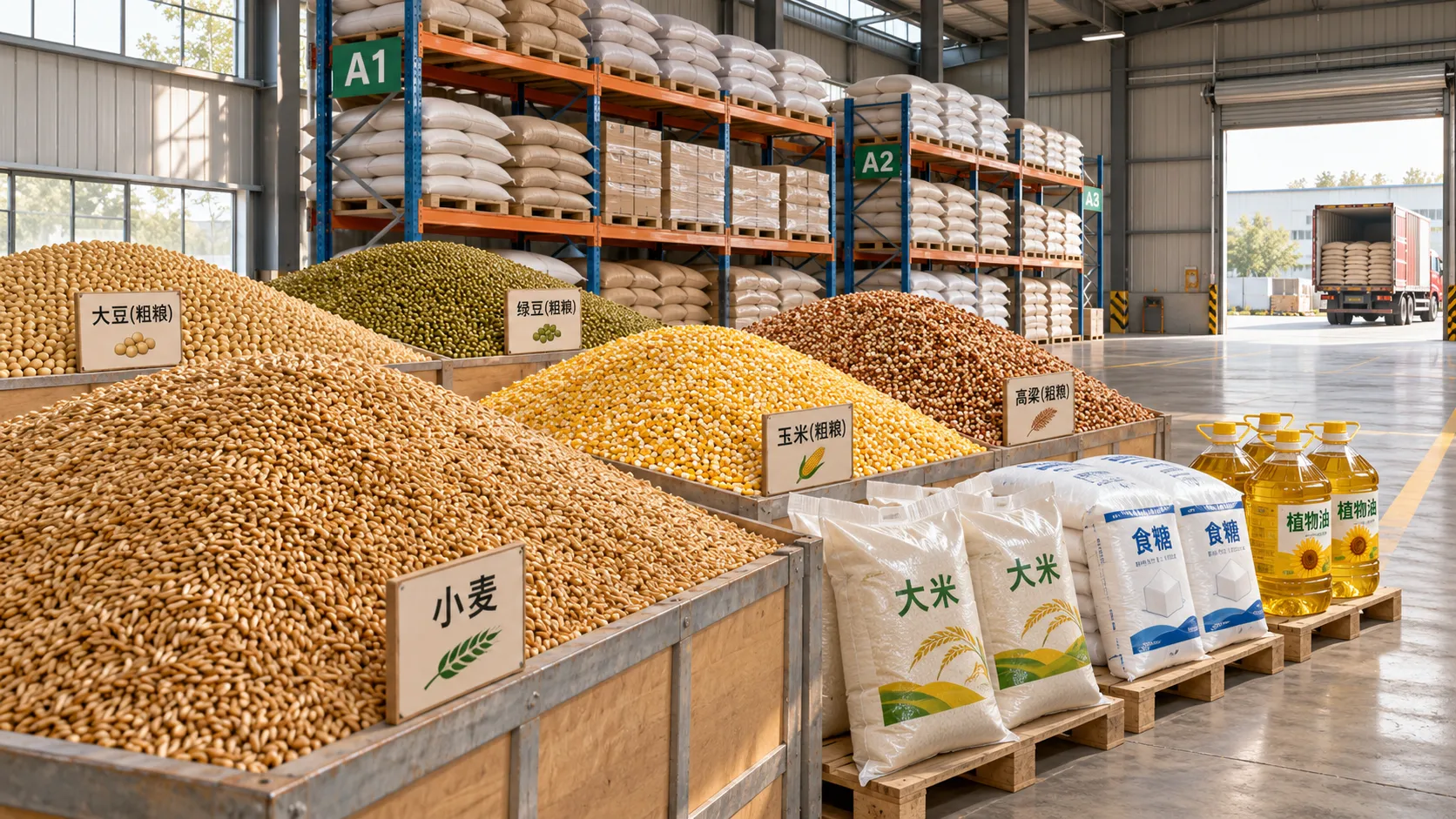
FAO: Global Food Supplies Ample, but Market and Food Security Risks Rise
FAO's global food supply outlook reveals ample grain stocks but tighter rice, sugar and vegetable oil markets. Explore the risks to food security.

Choosing Heavy-Duty Soybean Machinery for Different Farm Sizes and Soil Types
Choose heavy duty farm machinery for soybeans with confidence. Compare tractors, planters, and combines for your farm size, soil conditions, and budget.

Smart Cultivation Solutions for Rice Farms in Southeast Asia
Explore smart cultivation solutions Southeast Asia rice farms can use to improve water management, mechanization and harvest planning. Start with practical field insights.
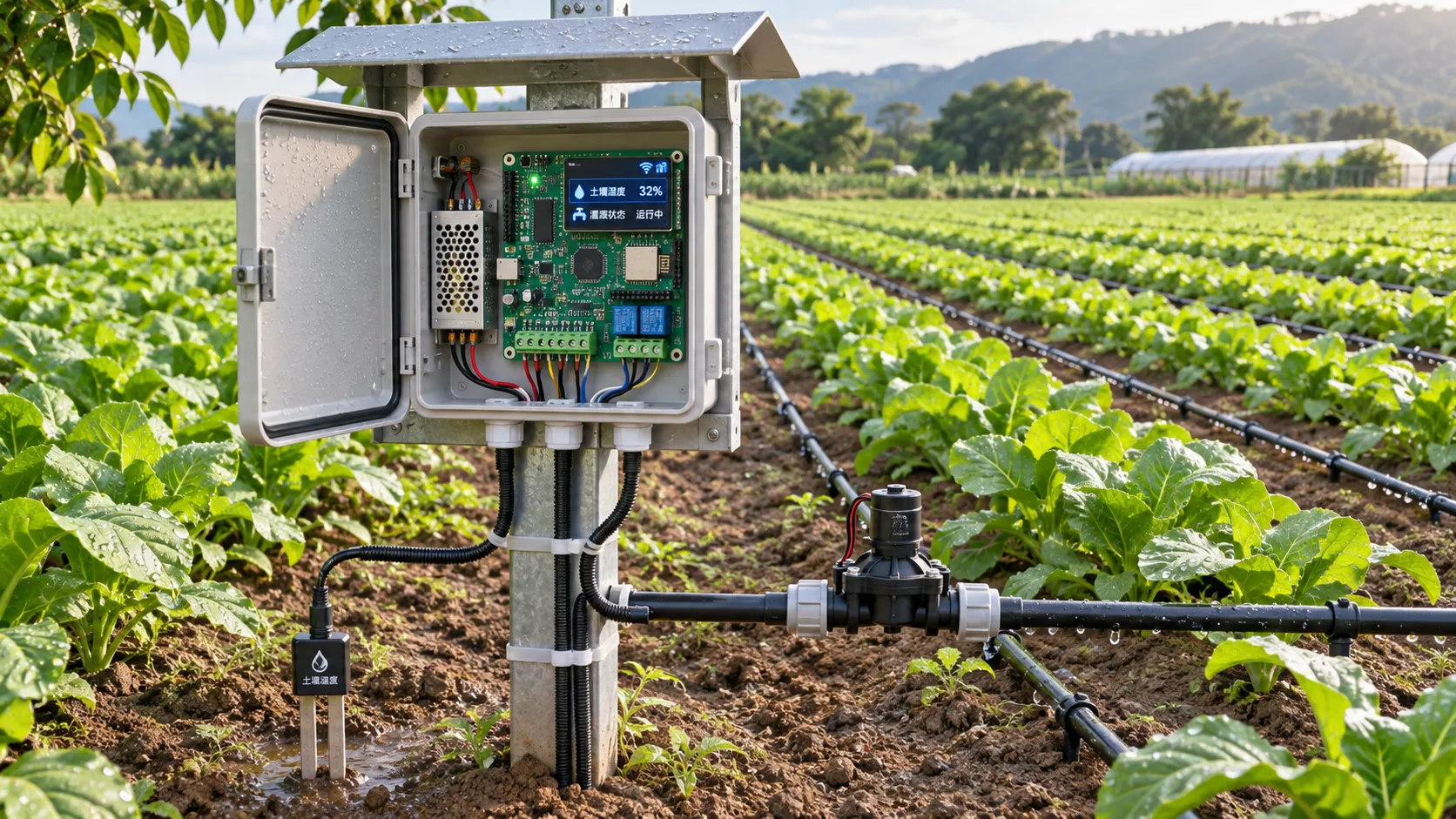
Quantized Edge AI Cuts Microcontroller Irrigation Inference Energy by 73.3%
Quantized edge AI cuts irrigation model inference energy by 73.3% and fits in 8 KB. Explore what this research could mean for smart irrigation devices.

How to Read Filtration Accuracy Specifications: Micron Ratings Explained
Get product specification guidance on filtration accuracy. Learn how to compare micron ratings, beta ratios, and test methods to select the right filter.

Bangladesh Irrigation and Farm Machinery Receive Less Than 1% of Agricultural Credit
Bangladesh agricultural credit for irrigation and farm machinery was reportedly under 1% of total lending. Explore what this could mean for equipment buyers and suppliers.

Smart Farm Tool Prices: What Buyers Should Budget Beyond Equipment Costs
Compare intelligent farm tools price quotes beyond hardware. Discover the costs of installation, subscriptions, training, and support before you buy.
Related News
- 00
0000-00
FAO: Global Food Supplies Ample, but Market and Food Security Risks Rise - 00
0000-00
Choosing Heavy-Duty Soybean Machinery for Different Farm Sizes and Soil Types - 00
0000-00
Global Farm Equipment Sales Slide as India and China Show Resilience - 00
0000-00
Smart Cultivation Solutions for Rice Farms in Southeast Asia - 00
0000-00
How to Read Filtration Accuracy Specifications: Micron Ratings Explained
0000-00
Popular Tags
Ms. Elena Rodriguez
Weekly Insights
Stay ahead with our curated technology reports delivered every Monday.