Bangladesh Irrigation and Farm Machinery Receive Less Than 1% of Agricultural Credit





In the three months ending in September 2026, less than 1% of agricultural and rural credit disbursed by banks in Bangladesh went to irrigation and agricultural machinery, according to a report by The Daily Star described in the supplied information. The allocation raises questions about how available finance aligns with the adoption of smart irrigation and large agricultural equipment. For equipment suppliers, buyers and service providers, the issue is relevant to purchasing plans and delivery decisions. The supplied information does not identify a new lending rule or policy change.
What the reported credit allocation shows
The Daily Star reported that irrigation and agricultural machinery accounted for less than 1% of the total agricultural and rural credit disbursed by banks in Bangladesh during the three months ending in September 2026. The reported figure combines the two purposes as a share of that total.
The supplied event summary describes the allocation as a structural imbalance between financial support and the needs associated with expanding smart irrigation and large agricultural machinery. It identifies potential constraints on the wider use of precision agriculture technology and on agricultural modernization.
Where financing could shape equipment transactions
Manufacturers and equipment suppliers
Analysis suggests that suppliers of irrigation systems and agricultural machinery may need to consider financing alongside product demand. A buyer can recognize the value of equipment while still being unable or unwilling to commit to a purchase on the proposed payment schedule. If finance for the intended equipment is difficult to arrange, the interval between an initial inquiry and a confirmed order could lengthen.
For manufacturers, that possibility affects production planning as well as sales discussions. Forecasts based only on inquiries may give an incomplete picture if customers have not established how they will pay. Suppliers could therefore review the assumptions behind expected orders and distinguish discussions at an early stage from purchases for which financing has been assessed. The reported credit share alone does not establish how many transactions have been delayed or rejected.
Buyers and procurement teams
From a procurement perspective, the allocation is a prompt to examine whether a planned purchase fits the financing available to the buyer. This may be particularly relevant when a project combines equipment, installation and ongoing service, because the initial purchase price is only one part of the commitment. The supplied information does not say which costs banks finance or what terms apply.
Buyers considering smart irrigation or larger machinery could compare the scope of a proposed purchase with the financing they can actually obtain. They may also wish to test alternative project sizes or delivery schedules with suppliers. Such options would depend on the equipment and the parties involved; the reported figure does not establish that any particular alternative is eligible for credit.
Integrators, installers and after-sales providers
Analysis suggests that financing uncertainty can extend beyond the equipment order. An integrator or installer may plan work around a customer's expected purchase, while a service provider may prepare for maintenance or technical support after delivery. If a customer changes the scope or timing of a purchase because funding is unresolved, those related activities could also move.
These businesses may find it useful to clarify which milestones depend on the buyer securing finance and to agree how changes will be communicated. They can also review whether quotations distinguish equipment, installation and service components clearly enough for the parties to assess a project. These are commercial planning measures, not new requirements established by the report.
Trade and distribution partners
Distributors and businesses supplying equipment across borders may also be exposed to changes in order timing if a local buyer relies on credit. From an industry perspective, a financing gap could affect inventory commitments, shipment planning and negotiations over delivery dates. The supplied information does not report a change to import rules, customs procedures, certification or trade documentation.
Before treating the reported share as evidence of a trade restriction, businesses would need to examine the financing circumstances of individual transactions and any applicable trade requirements separately. A low aggregate share describes an allocation of credit; it does not by itself demonstrate that a product is prohibited, that a shipment will be held or that an existing certification has changed.
Questions to resolve before committing to an order
Check the financing position for the specific purchase
A practical first step is to establish whether the prospective buyer intends to use credit and, if so, what information is needed to assess the transaction. Suppliers and buyers could discuss the proposed equipment, project scope, expected payment stages and the status of any financing discussions. The relevant terms should be verified for the actual transaction rather than inferred from the aggregate figure.
The distinction matters because the reported percentage covers all agricultural and rural credit disbursed during the stated period. It does not provide a breakdown by product, buyer or financing application. It therefore cannot tell an individual business whether a particular purchase will qualify for funding or what conditions might apply.
Make technical and commercial documents usable
Where a purchase depends on financing, parties could prepare a clear quotation and technical description identifying the equipment and associated work. For smart irrigation, that may mean explaining the proposed system and its installation scope; for large machinery, it may mean describing the equipment and the services included in the offer. The purpose is to help the buyer evaluate the commitment and discuss it with a potential lender if needed.
Businesses should verify any documents or evidence requested for their own transaction. No specific application form, testing report, certification or approval procedure is identified in the supplied information. A document that helps a commercial assessment should not be presented as a newly mandated compliance document without confirmation.
Align delivery commitments with funding milestones
Suppliers, buyers and service partners could examine how financing affects the point at which an order becomes firm, when equipment is prepared for delivery and when installation can begin. Clear discussion of these dependencies may help the parties manage changes to a project while financing remains uncertain.
Possible arrangements should be negotiated for the transaction concerned. The report does not establish standard payment terms, a required delivery period or a prescribed allocation of risk. Businesses should also avoid assuming that a buyer's interest in precision agriculture technology is equivalent to a confirmed ability to fund a full project.
Watch for evidence of changes in lending practice
Companies tracking this market could monitor subsequent information on agricultural credit allocation and on how financing for irrigation and machinery is assessed in practice. Any later announcement or lending guidance would need to be checked for its scope, effective date and relevance to the equipment or buyer concerned. The input does not identify such an announcement.
Feedback from buyers, suppliers and service providers could also help distinguish a broad financing constraint from difficulties specific to a transaction. Such feedback would be useful as an observation, but it should not be treated as proof of a national rule or an industry-wide outcome without supporting evidence.
A financing signal, with the rule response still to be seen
At this stage, it is more appropriate to understand the reported allocation as a signal about financing priorities and a question for policy and market participants than as evidence that a new rule has taken effect. The figures describe credit disbursed in a defined period; the supplied information does not identify a change in law, a revised lending mandate or a new equipment standard.
Analysis suggests that the significance for precision agriculture will depend partly on what lies behind the allocation. The supplied material does not establish whether the reported share reflects demand, credit availability, eligibility conditions, the timing of applications or other factors. Without that information, the share should not be used to assign a single cause or predict the speed of equipment adoption.
What deserves closer attention is whether later evidence clarifies the terms on which irrigation and machinery purchases can be financed, and whether market participants report a persistent mismatch between project needs and available funding. Official statements, if issued, and subsequent reporting could affect how businesses interpret the figure. They would need to be assessed on their own terms rather than assumed from the present summary.
How to use the finding in current plans
The reported share places financing alignment on the agenda for businesses involved in agricultural equipment in Bangladesh. It suggests a reason to scrutinize the link between a proposed technology purchase and the buyer's ability to fund it, particularly where delivery and service commitments depend on a confirmed order.
The appropriate response is measured: use the report to inform questions and scenario planning, verify the conditions for each transaction, and follow later evidence before concluding that a policy, compliance or trade requirement has changed. The potential constraint on wider adoption remains an assessment, not an established result of the reported allocation.
Basis for this report and points to verify
This article is based on the user-provided news title, event period and event summary, which attribute the reported credit allocation to The Daily Star. No specific official source link was provided in the input, and the underlying information should be verified as further material becomes available.
Relevant material for continued review may include official announcements, regulatory or lending guidance, authoritative media reporting and feedback from businesses involved in equipment purchases. Particular points to verify are any policy details, actual lending practices, changes in procurement documents and subsequent industry experience. No specific later measure or outcome is established by the supplied information.
Related News
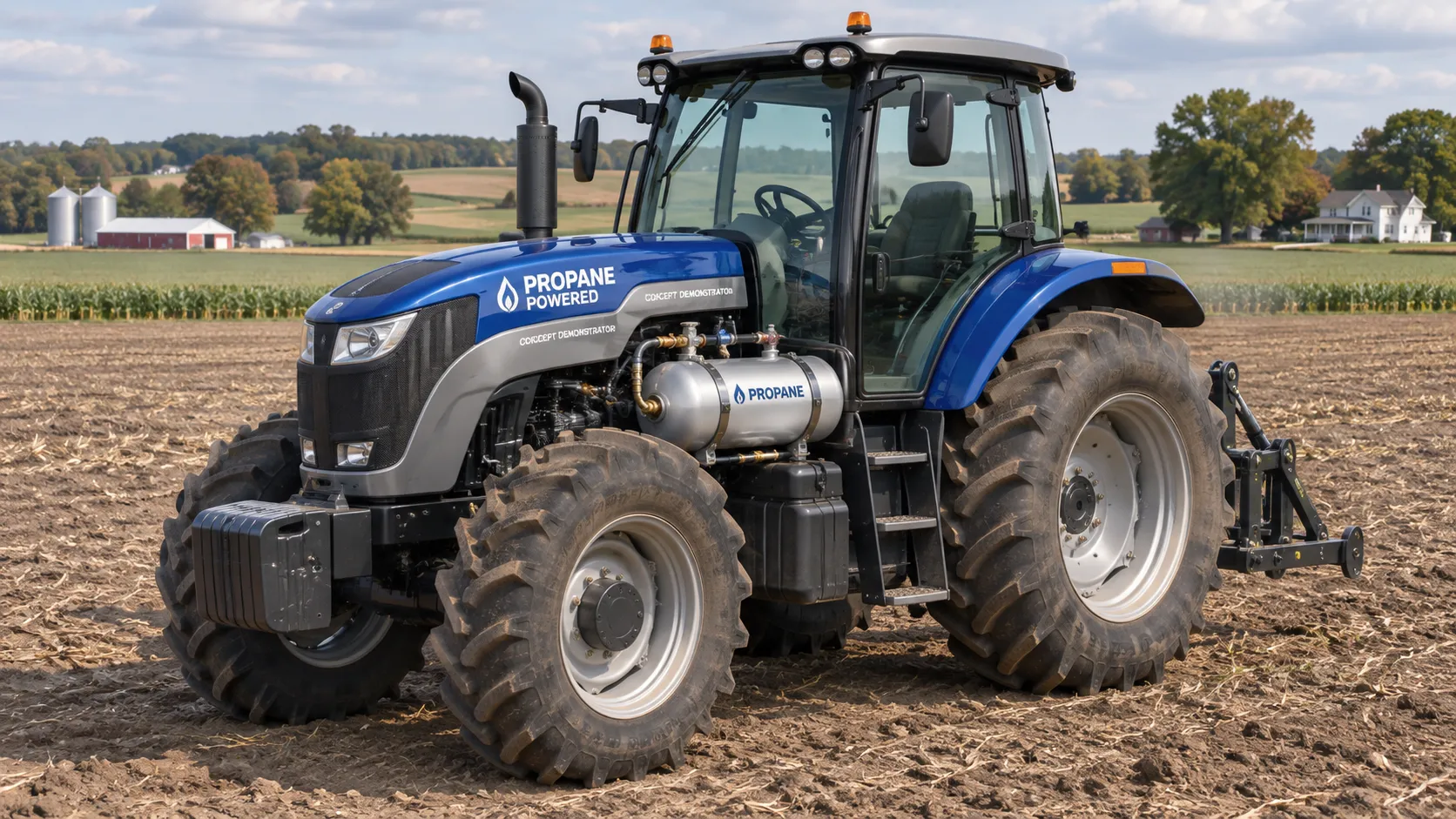
PERC and Daedong Launch Propane Tractor Demonstration Project
PERC and Daedong launch a propane tractor demonstration to explore farm performance, operating costs and emissions. Discover what the year-long project could reveal.
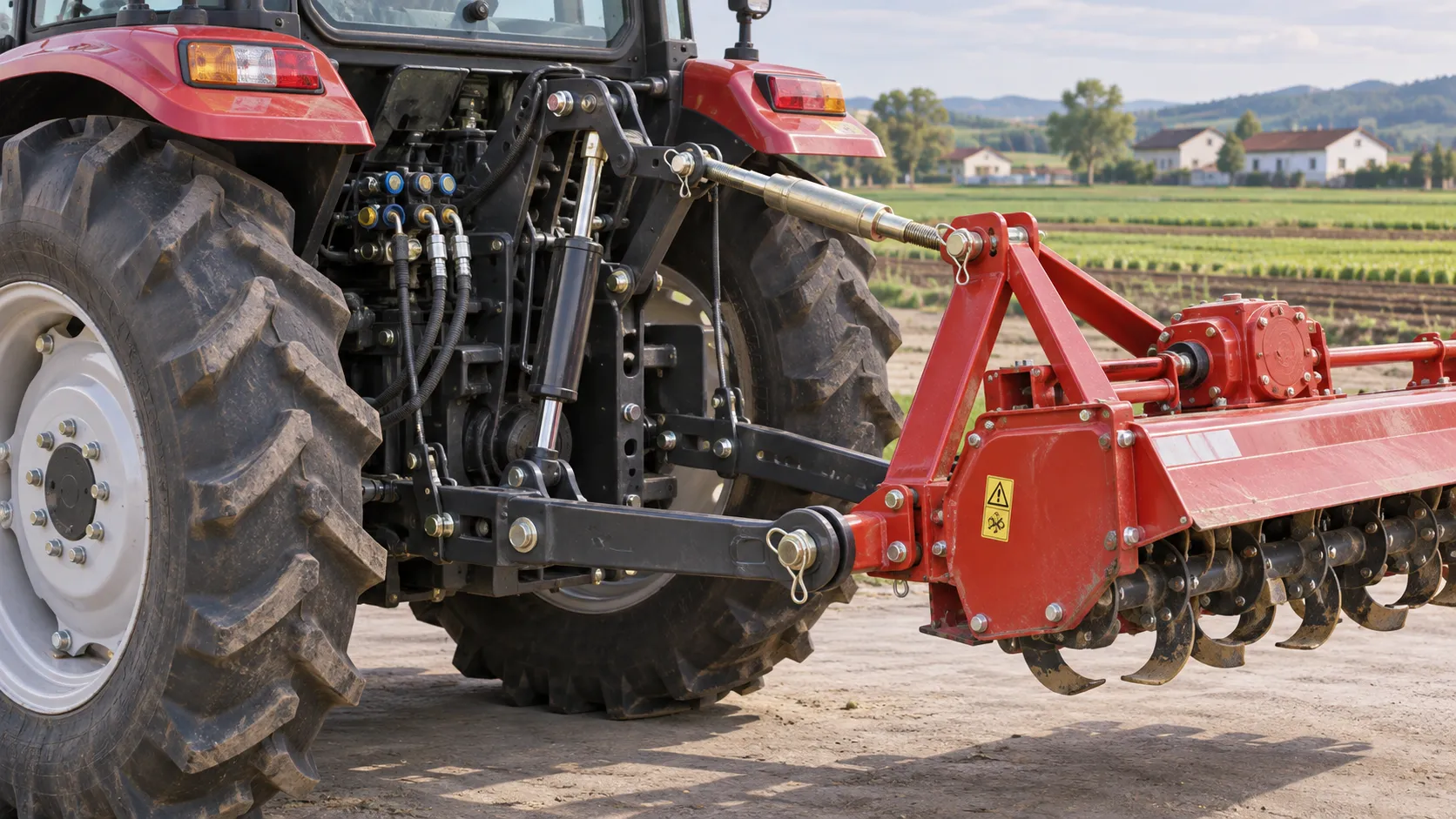
Choosing a Rear Hitch Hydraulic Lift System: Capacity and Compatibility
Compare rear hitch hydraulic lift systems with confidence. Learn how to assess lift capacity, hitch compatibility, hydraulic performance, and tractor stability.
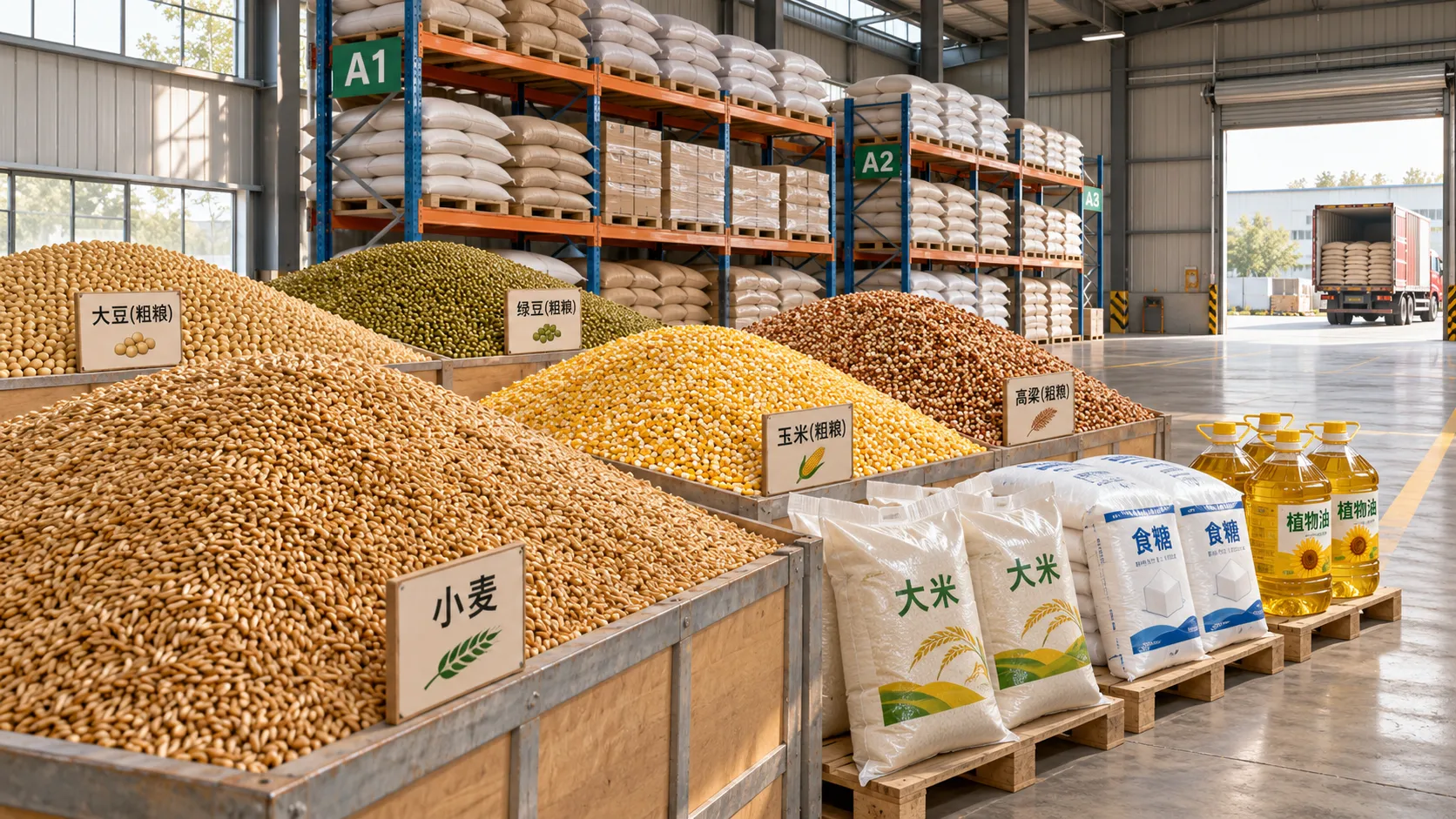
FAO: Global Food Supplies Ample, but Market and Food Security Risks Rise
FAO's global food supply outlook reveals ample grain stocks but tighter rice, sugar and vegetable oil markets. Explore the risks to food security.
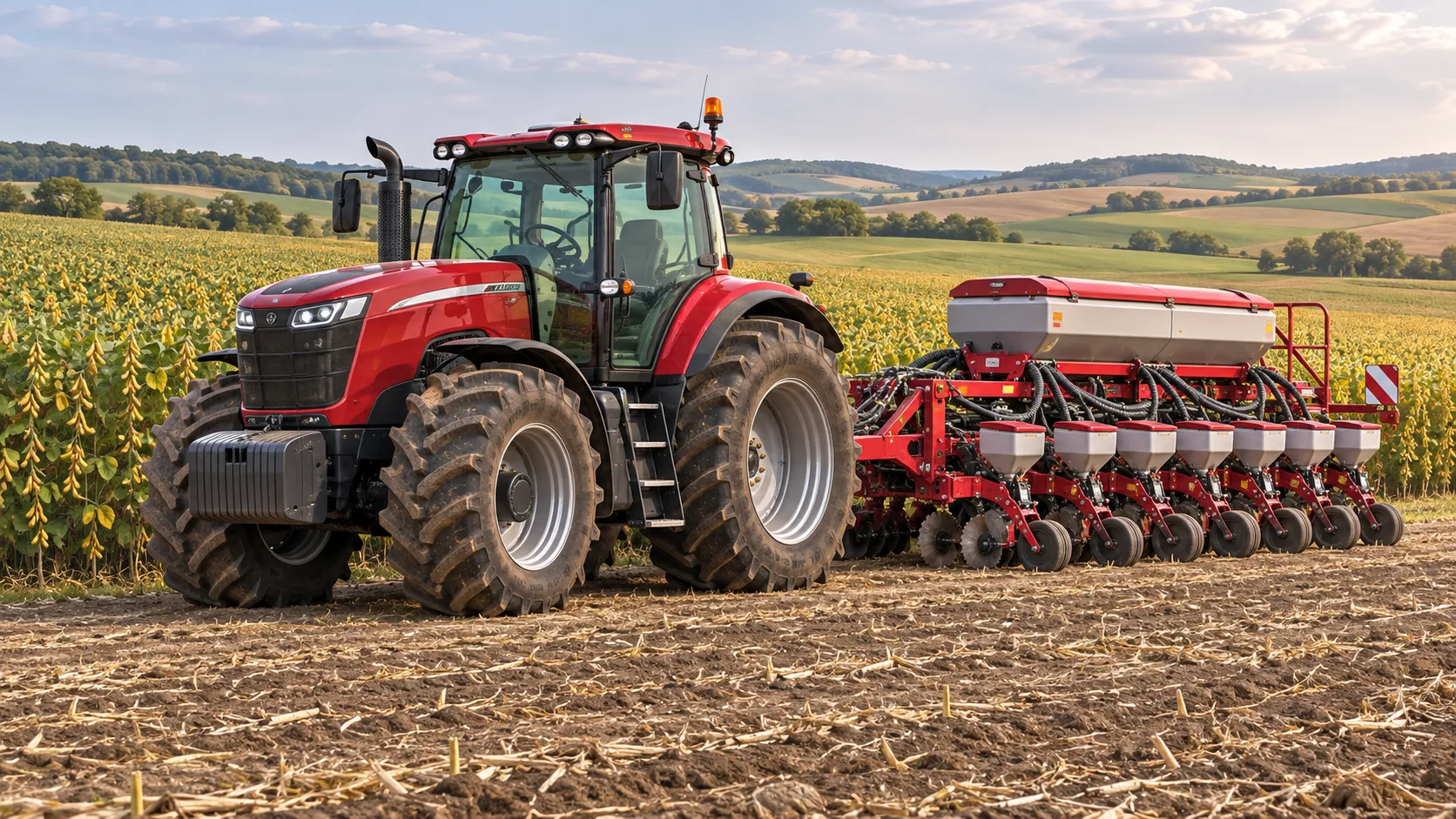
Choosing Heavy-Duty Soybean Machinery for Different Farm Sizes and Soil Types
Choose heavy duty farm machinery for soybeans with confidence. Compare tractors, planters, and combines for your farm size, soil conditions, and budget.

Global Farm Equipment Sales Slide as India and China Show Resilience
Global farm equipment sales are declining, but India and China show resilience. Explore the market outlook and what it means for buyers and suppliers.
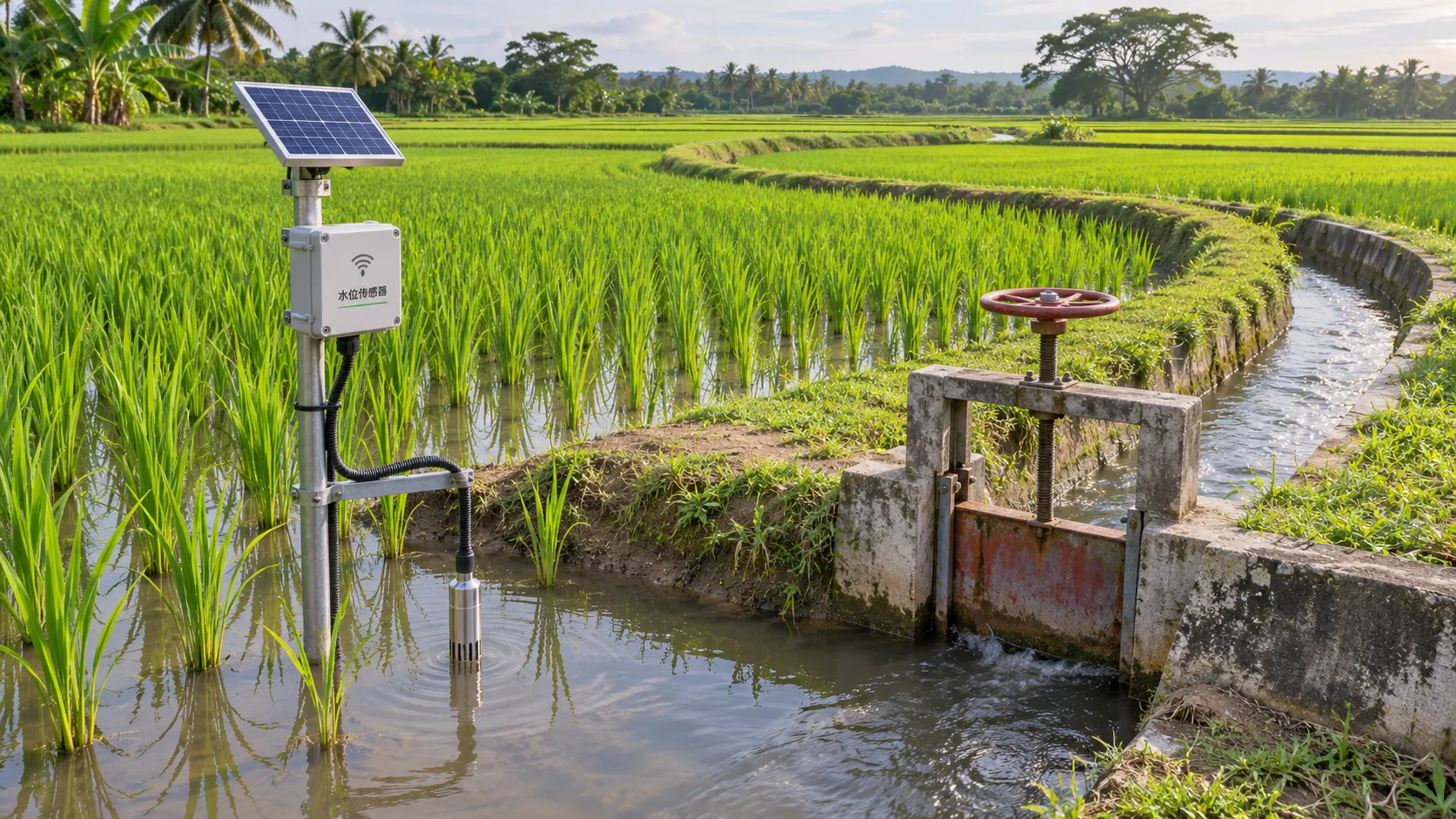
Smart Cultivation Solutions for Rice Farms in Southeast Asia
Explore smart cultivation solutions Southeast Asia rice farms can use to improve water management, mechanization and harvest planning. Start with practical field insights.
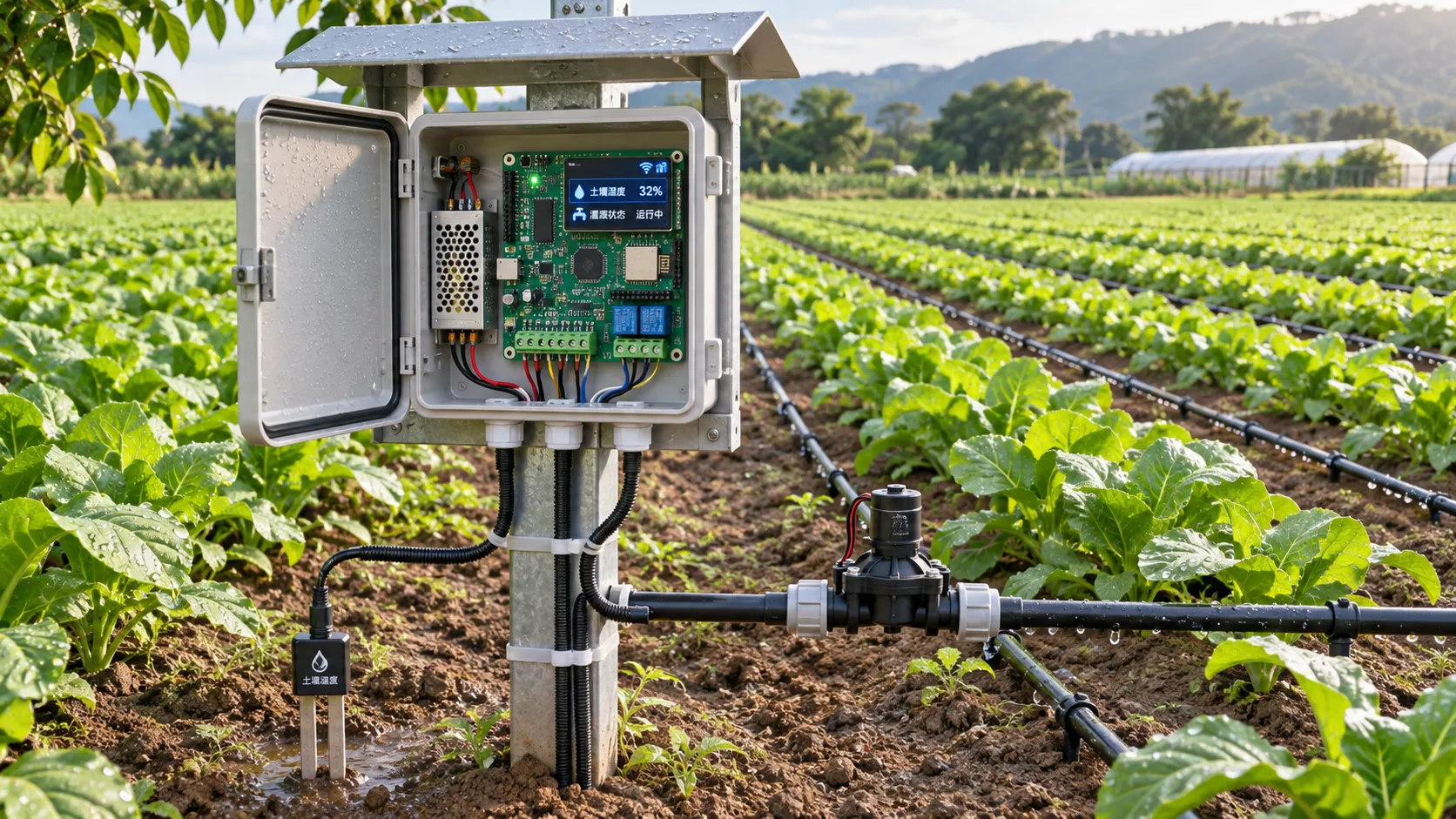
Quantized Edge AI Cuts Microcontroller Irrigation Inference Energy by 73.3%
Quantized edge AI cuts irrigation model inference energy by 73.3% and fits in 8 KB. Explore what this research could mean for smart irrigation devices.
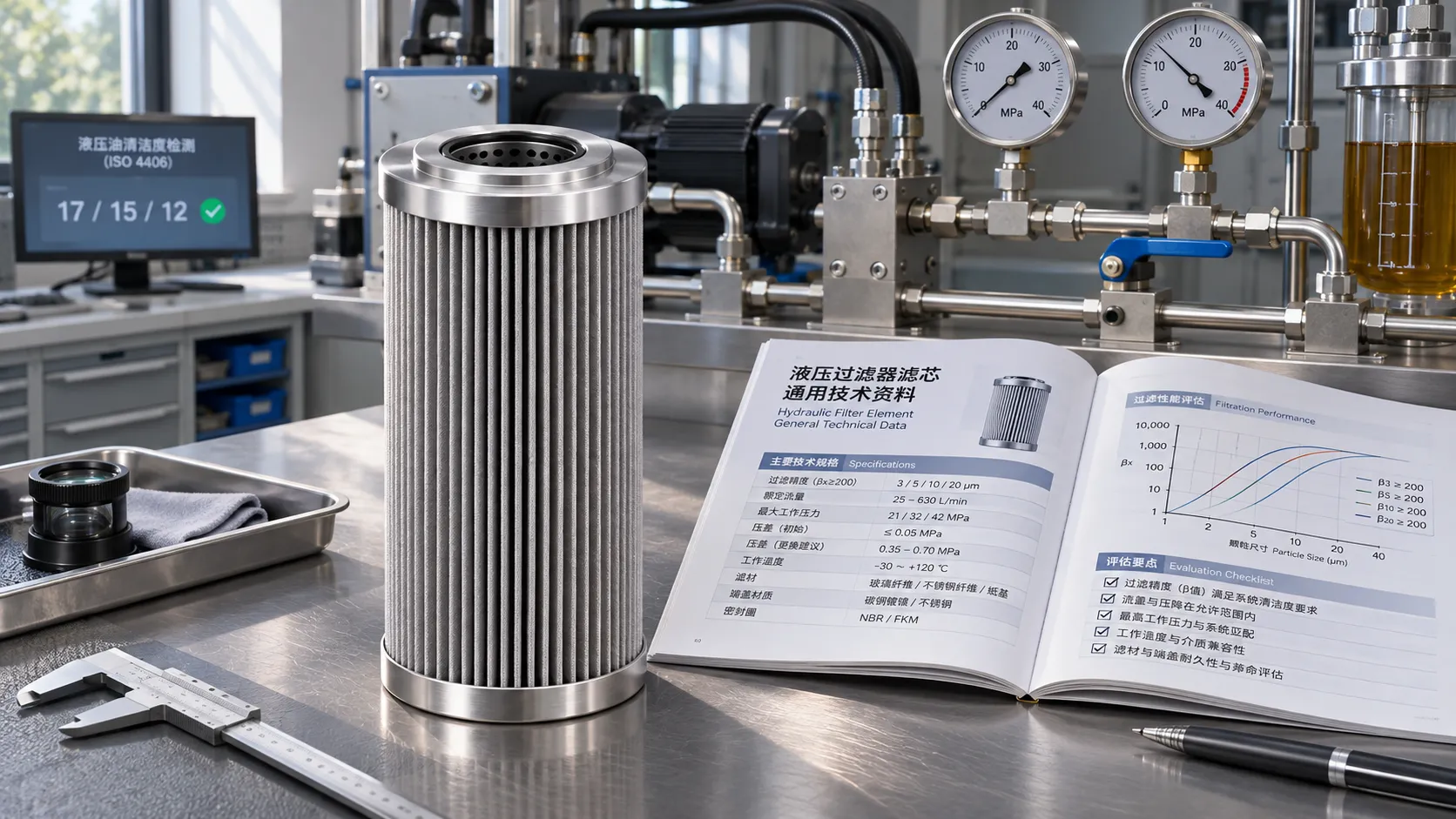
How to Read Filtration Accuracy Specifications: Micron Ratings Explained
Get product specification guidance on filtration accuracy. Learn how to compare micron ratings, beta ratios, and test methods to select the right filter.
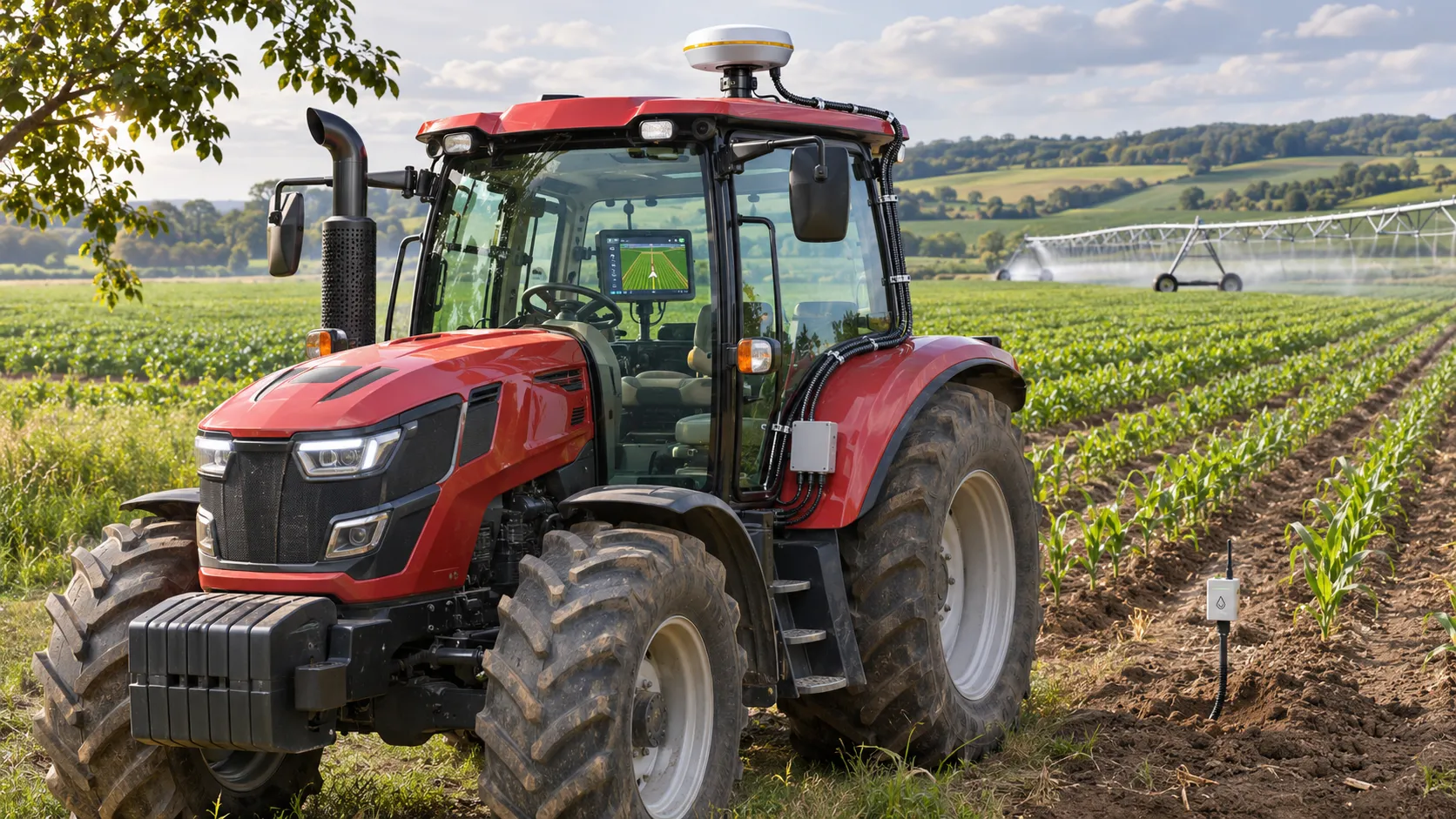
Smart Farm Tool Prices: What Buyers Should Budget Beyond Equipment Costs
Compare intelligent farm tools price quotes beyond hardware. Discover the costs of installation, subscriptions, training, and support before you buy.
Related News
- 00
0000-00
FAO: Global Food Supplies Ample, but Market and Food Security Risks Rise - 00
0000-00
Choosing Heavy-Duty Soybean Machinery for Different Farm Sizes and Soil Types - 00
0000-00
Global Farm Equipment Sales Slide as India and China Show Resilience - 00
0000-00
Smart Cultivation Solutions for Rice Farms in Southeast Asia - 00
0000-00
How to Read Filtration Accuracy Specifications: Micron Ratings Explained
0000-00
Popular Tags
Ms. Elena Rodriguez
Weekly Insights
Stay ahead with our curated technology reports delivered every Monday.