
ISOBUS for Smart Agriculture: How It Connects Tractors, Implements, and Farm Data
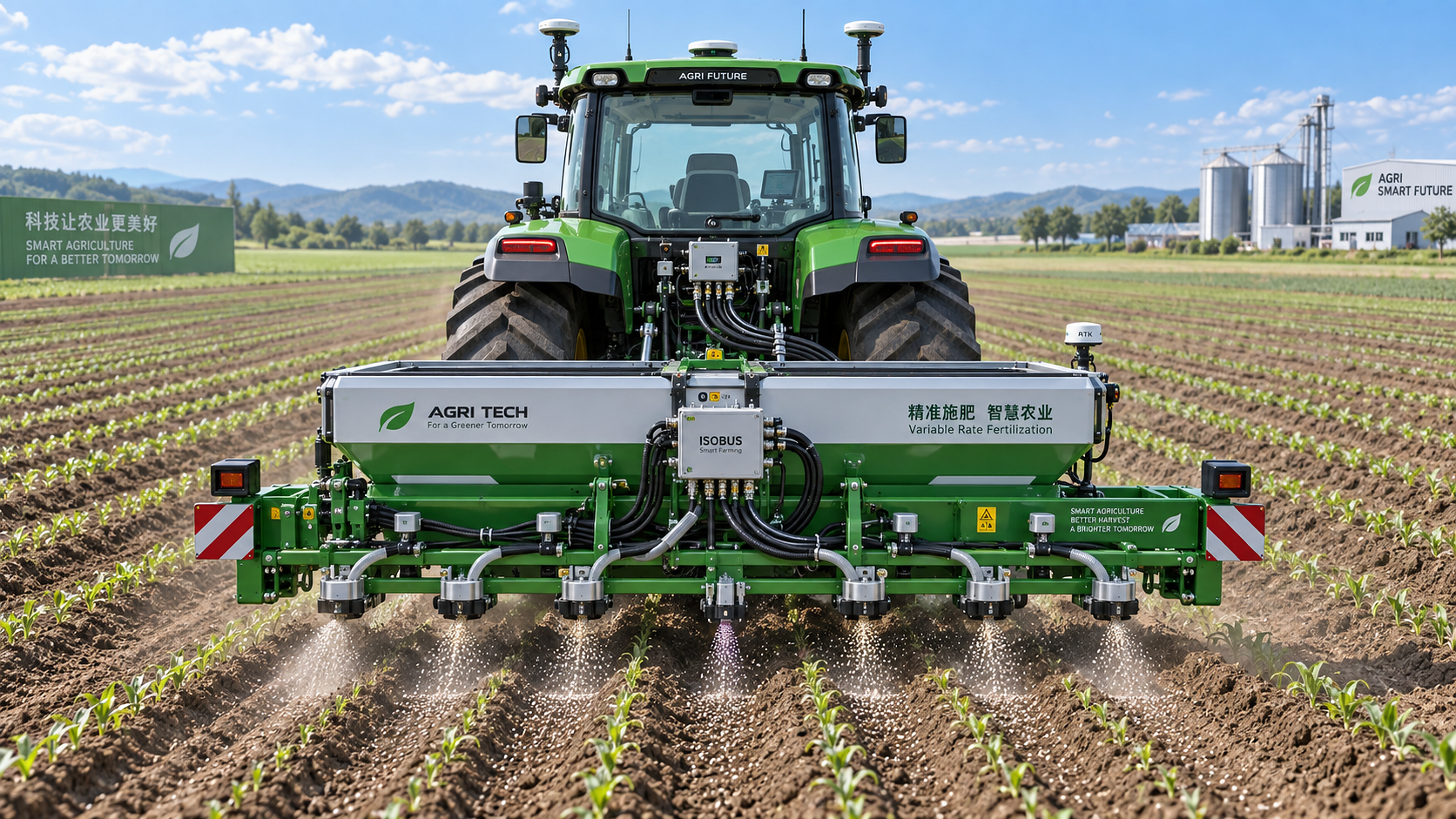




At planting time, a modern tractor may be carrying far more than horsepower. Behind the cab, a planter is measuring seed flow, section status, downforce, and application rates. A guidance display is following prescription maps. A farm manager may expect the day’s work records to arrive in a digital platform before the machine returns to the yard.
That workflow only becomes practical when the tractor, implement, display, controller, and data system can exchange information in a shared format. ISOBUS for smart agriculture is designed to provide that common language. It is not a single product or brand; it is an international communication standard that helps agricultural equipment work together more consistently across the field.
For growers, contractors, machinery dealers, and anyone researching Agriculture 4.0, ISOBUS matters because it sits at the meeting point of mechanical operations and digital decision-making. It connects the visible work of tillage, spraying, seeding, feeding, and harvesting with the less visible layer of task planning, sensor feedback, traceability, and farm data analysis.
What ISOBUS actually means in farm machinery
ISOBUS is the agricultural industry name commonly used for the ISO 11783 standard. In simple terms, it defines how electronic control units on tractors and implements communicate through a shared network, usually based on CAN bus technology.
Before standardized communication became common, an implement often arrived with its own monitor, wiring harness, control box, and proprietary operating logic. A tractor cab could quickly become crowded with displays, cables, and switches. Data from one operation might remain inside a brand-specific system, making it harder to compare performance across equipment fleets.
ISOBUS aims to reduce this fragmentation. When compatible equipment is connected, the tractor’s terminal can recognize the implement and display its operating controls. The implement can receive instructions, such as a target application rate or section command, while the tractor and associated systems can exchange operational information.
The important word is “compatible.” ISOBUS creates a framework for interoperability, but it does not mean every function will automatically work between every machine, terminal, and software platform. Supported functions depend on the specific tractor, implement, display, software version, activation level, and certification status.
A field-level view: how tractors, implements, and data connect
Imagine a variable-rate fertilizer spreading job. The farm office prepares a field boundary, application prescription, product information, and target task. That plan is transferred to a compatible terminal in the tractor. Once the implement is connected, the terminal identifies the spreader and makes its controls available to the operator.
As the tractor moves through the field, positioning data helps the system determine where it is. The implement controller adjusts output according to the prescription. Section control may reduce overlap near headlands, wedges, or already-treated areas. Meanwhile, the system records what happened: location, time, applied rate, area covered, and sometimes machine status or material consumption.
After the job, task records can be returned to farm management software for review. The value is not merely that the spreader did what it was told. The value is that the operation becomes easier to document, compare, refine, and connect with later decisions about crop performance, input costs, irrigation, or harvest results.
This same communication logic can support many working scenarios:
- Planters using prescription maps for variable seed populations or fertilizer placement.
- Sprayers controlling boom sections and recording treatment activity.
- Balers, forage harvesters, and feeding equipment sharing operational settings and work records.
- Tillage or cultivation implements reporting setup information and work status.
- Manure application systems linking nutrient plans with rate control and traceable field records.
The ISOBUS functions worth knowing
People often speak about ISOBUS as though it were one feature. In practice, it is a family of functions. Understanding the main terms makes it easier to compare machinery specifications and avoid buying a system that is technically “ISOBUS-ready” but not suited to the intended workflow.
Universal Terminal: one screen for multiple implements
The Universal Terminal, often abbreviated as UT, allows a compatible implement to display its control interface on a compatible tractor terminal or aftermarket display. For an operator, this can mean fewer separate monitors in the cab and a more unified operating environment.
That does not necessarily mean every interface will feel identical. Implement manufacturers still design their own screens, menus, and control layouts. A familiar terminal can reduce hardware clutter, but operator training remains important, especially for complex sprayers, drills, or harvest attachments.
Task Controller: turning a work plan into a recorded operation
The Task Controller, or TC, is central to precision farming workflows. It supports the exchange of task data between farm management information systems and machinery. Depending on the available capabilities, it may handle documentation, georeferenced data, prescription maps, and automated control functions.
A grower considering variable-rate applications should look beyond the phrase “Task Controller compatible.” Ask whether the terminal and implement support the precise functions needed: basic documentation, variable-rate control, section control, or all of them. The software used to create and receive task files also needs to fit the workflow.
Section Control: reducing unnecessary overlap
Section Control uses positioning and machine geometry to switch implement sections on or off in the right places. On a sprayer, this may control boom sections or individual nozzles, depending on the machine. On a planter, it may stop rows from planting over already-covered ground.
Its practical appeal is easy to understand. Overlap can waste seed, fertilizer, crop protection products, fuel, and operator attention. Yet results depend on signal accuracy, field boundary quality, implement response time, section width, and correct configuration. The standard enables communication; careful setup determines whether the field outcome is clean.
AUX-N and TIM: beyond the display
AUX-N allows compatible auxiliary controls, such as joystick buttons, to operate selected implement functions. This can make repetitive tasks more manageable because operators do not have to reach through several screen menus while working in uneven terrain.
Tractor Implement Management, or TIM, represents a deeper level of machine coordination. In supported applications, an implement can request certain tractor actions within defined limits. For example, it may influence forward speed or hydraulic functions when needed for a controlled process. TIM has clear potential for high-capacity operations, but it also requires compatible components, carefully defined permissions, and confidence in the complete machine setup.
Why this matters for smart agriculture, not just cab convenience
It is tempting to describe ISOBUS as a way to replace several monitors with one. That is a real benefit, but it understates the strategic role of connectivity. Modern agriculture is increasingly shaped by the quality of operational information: what was applied, where it was applied, what conditions were present, how machinery performed, and what should change next season.
ISOBUS helps create a bridge between equipment activity and usable farm records. Those records can support input accountability, sustainability reporting, maintenance analysis, labor planning, and agronomic review. For large-scale farms and contractors, consistency across multiple operators and machines can be just as valuable as automation itself.
The connection is especially relevant where farming systems are becoming more data-intensive. Smart irrigation platforms may rely on field-zone information, crop-stage observations, and water-use planning. Precision fertilization depends on accurate location and rate records. Combine harvesters generate yield and loss-related information that can inform future zone management. None of these systems becomes intelligent simply because data exists; they become useful when data can move reliably from one decision point to another.
At AP-Strategy, this is why machinery intelligence is viewed as more than an electronics trend. Tractor chassis performance, implement hydraulics, harvesting efficiency, irrigation strategy, and digital task records are increasingly part of the same production system. The field is no longer only a place where machines work. It is also where operational evidence is created.
ISOBUS does not solve every compatibility problem
A common misconception is that an ISOBUS plug guarantees complete plug-and-play operation. In reality, compatibility has layers. A tractor may support a Universal Terminal but lack a licensed Task Controller function. An implement may communicate basic controls but not support variable-rate mapping. A terminal may read a task file but not exchange every data element expected by a particular farm management platform.
Older equipment presents another consideration. A mechanically sound implement can often remain valuable for many years, but retrofitting electronic control may be expensive or impractical depending on its hydraulic design, metering system, sensors, and available controllers. In other cases, an aftermarket terminal or controller can be a sensible step toward digital integration without replacing the entire machine.
Data ownership and transfer methods also deserve attention. ISOBUS defines machinery communication standards, but it does not automatically resolve questions about cloud access, account permissions, mobile connectivity, file formats outside the machine workflow, or who can use the collected operational data. A smart agriculture plan should include those governance questions from the beginning.
What to check before investing in ISOBUS equipment
For an information researcher comparing tractors, implements, or precision farming upgrades, the most useful question is not “Is it ISOBUS?” It is “Which ISOBUS capabilities support the work we intend to do?” A clear answer begins with the farm’s actual operations.
- Map the priority tasks. Is the immediate need planter control, spray documentation, variable-rate spreading, forage management, or a broader digital record system? Different jobs require different functions.
- Check tractor-side capability. Confirm the terminal, rear implement connection, software activations, GNSS receiver, and Task Controller functions available on the tractor. “Prepared for” may not mean fully enabled.
- Review implement functionality in detail. Ask which features work through the terminal, whether Section Control is supported, how prescriptions are loaded, and what work data is recorded.
- Verify interoperability, not just labels. Where possible, consult current compatibility documentation and recognized certification information. Test the exact tractor-terminal-implement combination before a busy season.
- Consider the data route. Decide how work orders move into the cab and how completed records return to the office. USB transfer may suit some farms; others need cloud-based or telematics-linked workflows.
- Plan for people and support. A system should be understandable to the operators who will use it at dawn, during weather windows, and under harvest pressure. Dealer support, setup knowledge, and training can shape the real return on investment.
From connected equipment to better decisions
ISOBUS for smart agriculture is best understood as an enabling layer. It does not replace agronomic judgment, skilled operators, reliable machinery maintenance, or sound water and soil management. What it does is make those disciplines easier to connect.
When a tractor can exchange meaningful information with a planter, sprayer, spreader, or harvesting implement, the farm gains a clearer picture of what happened in the field. When that picture can be linked with prescriptions, sensor feedback, irrigation plans, and harvest outcomes, machinery data starts to support decisions rather than simply fill storage space.
The transition does not need to happen all at once. Many operations begin with a compatible terminal and a single implement, then add documentation, guidance, section control, or variable-rate capability as their confidence grows. The strongest approach is usually practical rather than dramatic: choose interoperable systems that solve a real operational problem today while leaving room for tomorrow’s Agriculture 4.0 workflow.
In a sector balancing food security, rising input costs, labor constraints, and resource stewardship, that shared language has growing importance. ISOBUS is not the whole story of intelligent farming, but it is one of the connections that helps the story hold together.
Related News
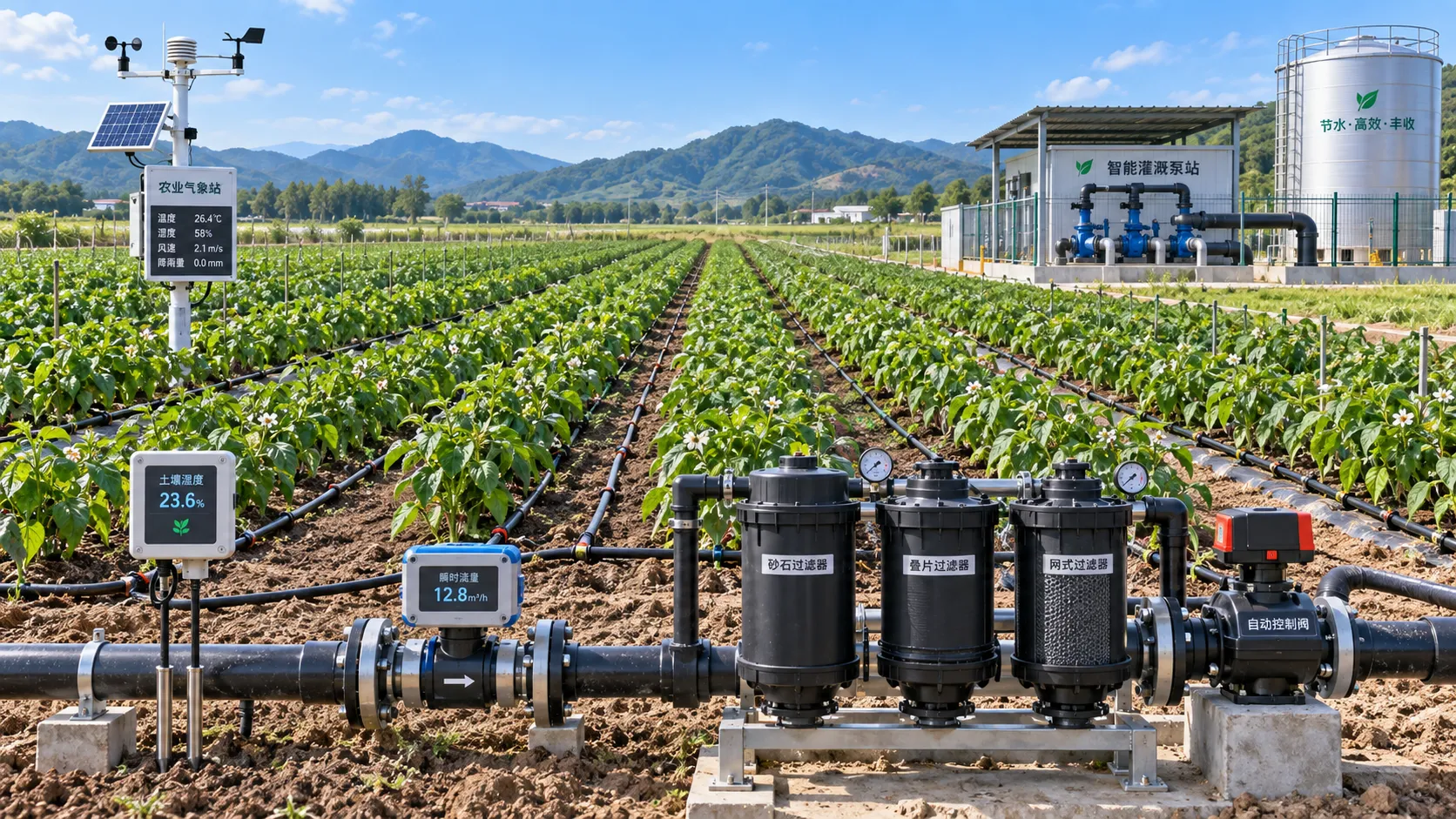
Automated Water-Saving Irrigation: How to Cut Water Use Without Reducing Crop Yields
Automated water-saving irrigation helps farms cut water use, protect crop yields, improve scheduling, and gain reliable control with sensors, flow monitoring, and smart zones.
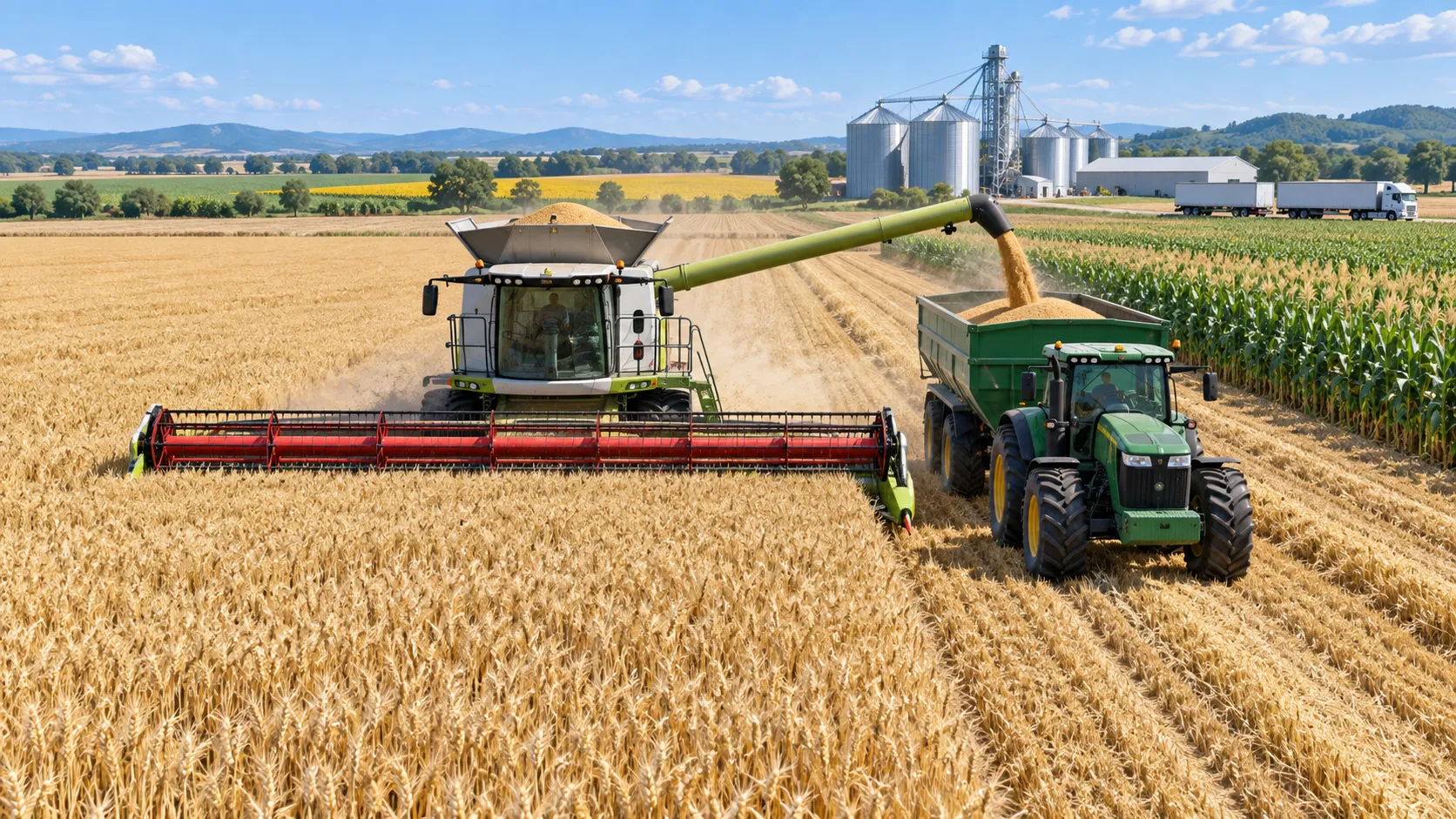
Selecting Grain Farm Equipment by Acreage, Crop Mix, and Harvest Window
Agricultural equipment selection for grain farming: match machinery to acreage, crop mix, and harvest windows to improve uptime, efficiency, and returns.
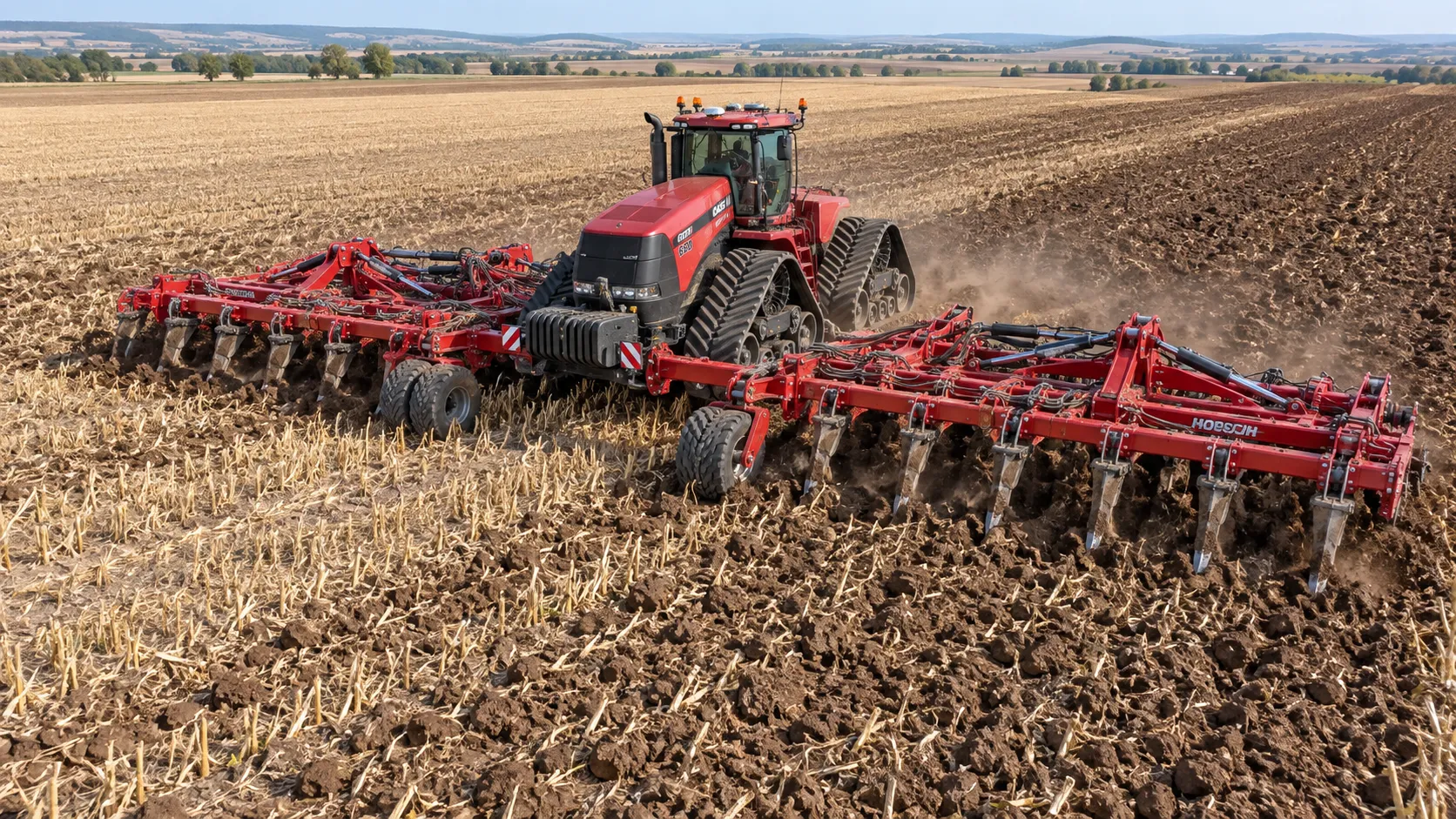
How to Select Heavy-Duty Farm Implements for High-Acreage, High-Horsepower Operations
Heavy duty farm implements: learn how to match draft, hydraulics, hitch capacity, frame strength, and field conditions for reliable high-acreage performance.
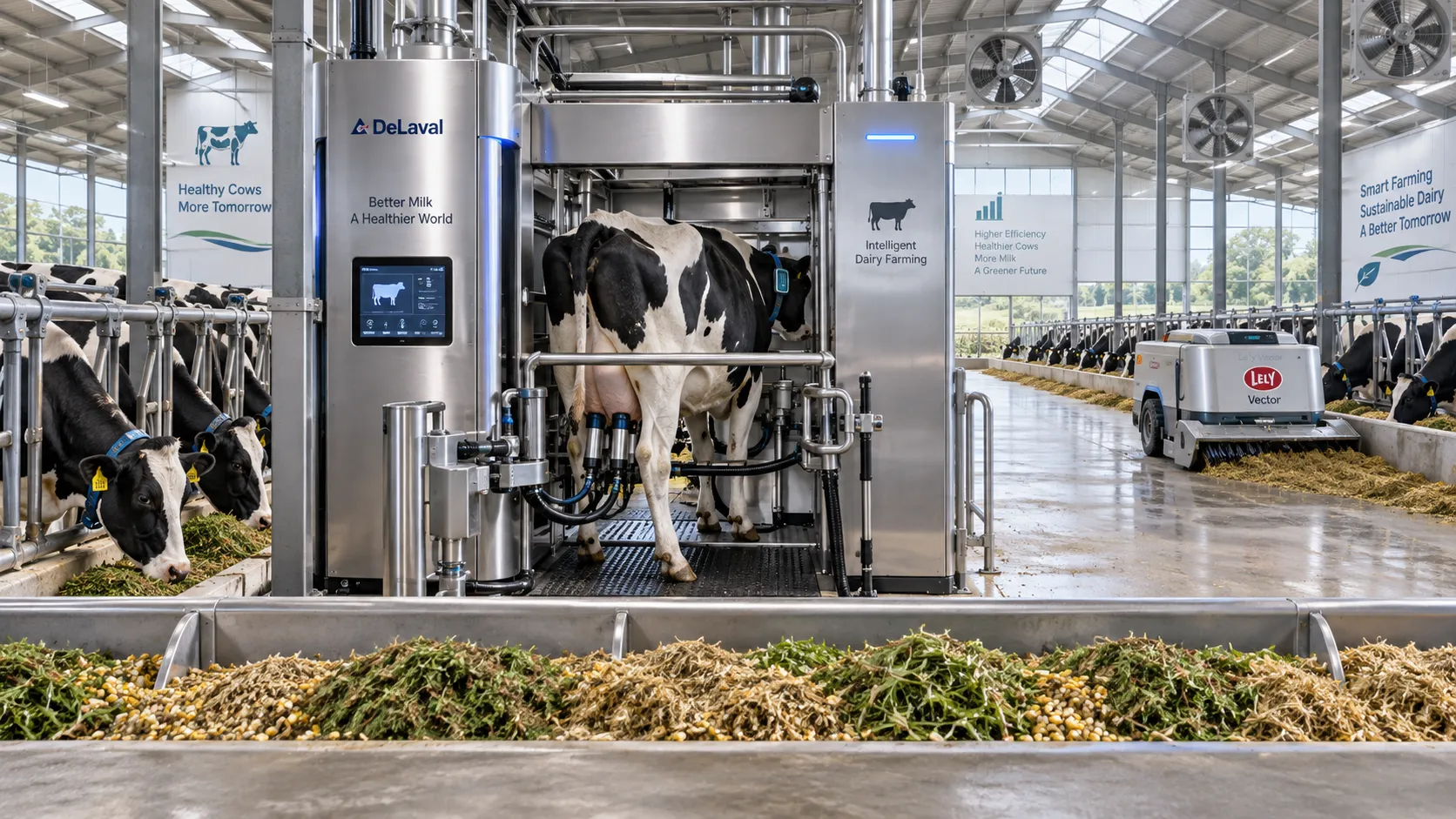
Smart Farming Technology for Dairy Farms: Where Automation Delivers Measurable ROI
Smart farming technology for dairy farms delivers measurable ROI through automation, precision feeding, health monitoring, and data-driven cost control.
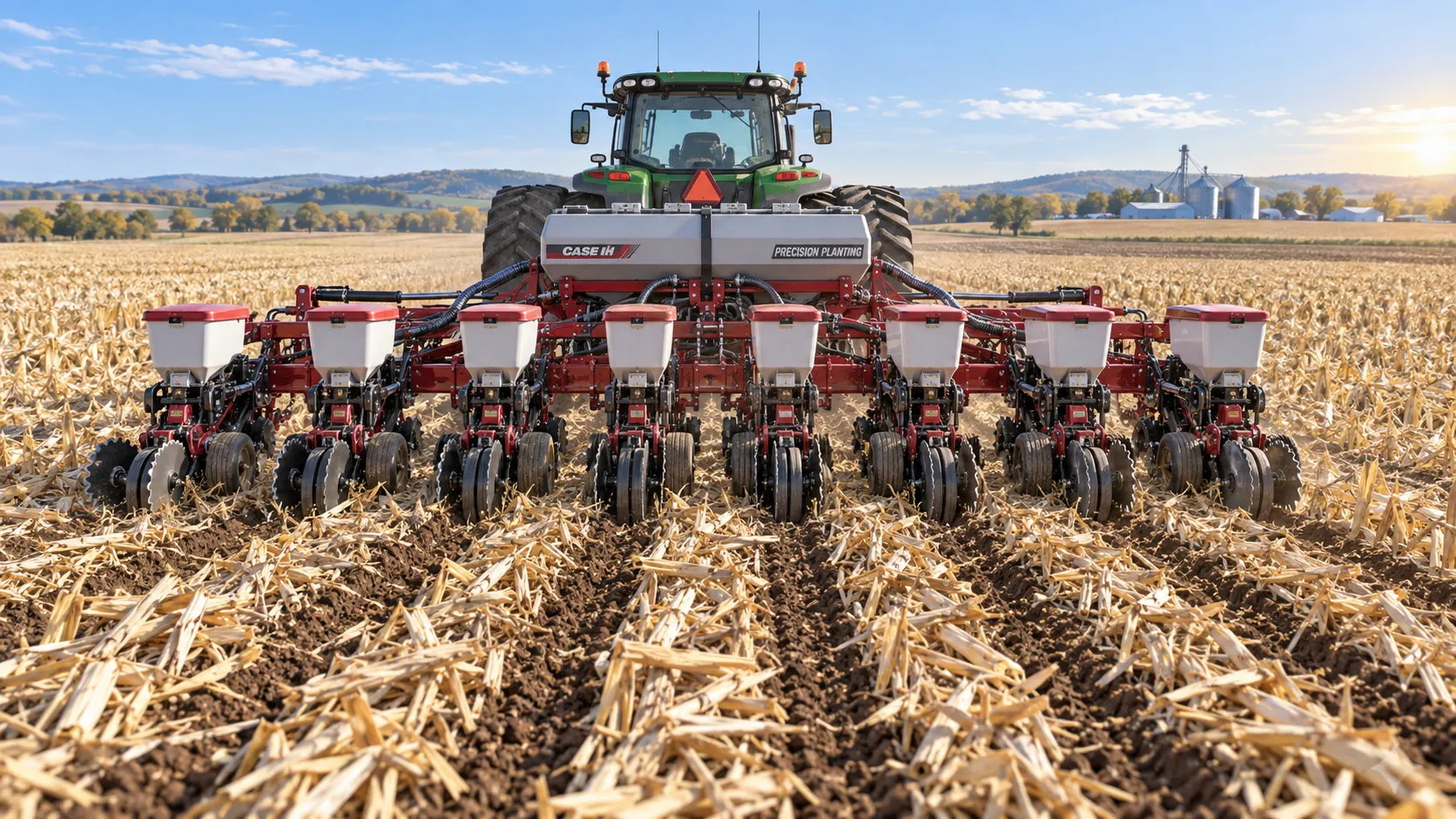
How to Select a Heavy-Duty Seeder for Large Acreage and High-Residue Fields
Heavy duty seeders for large acreage: compare residue handling, depth control, downforce, metering accuracy, and precision features to select the right model.
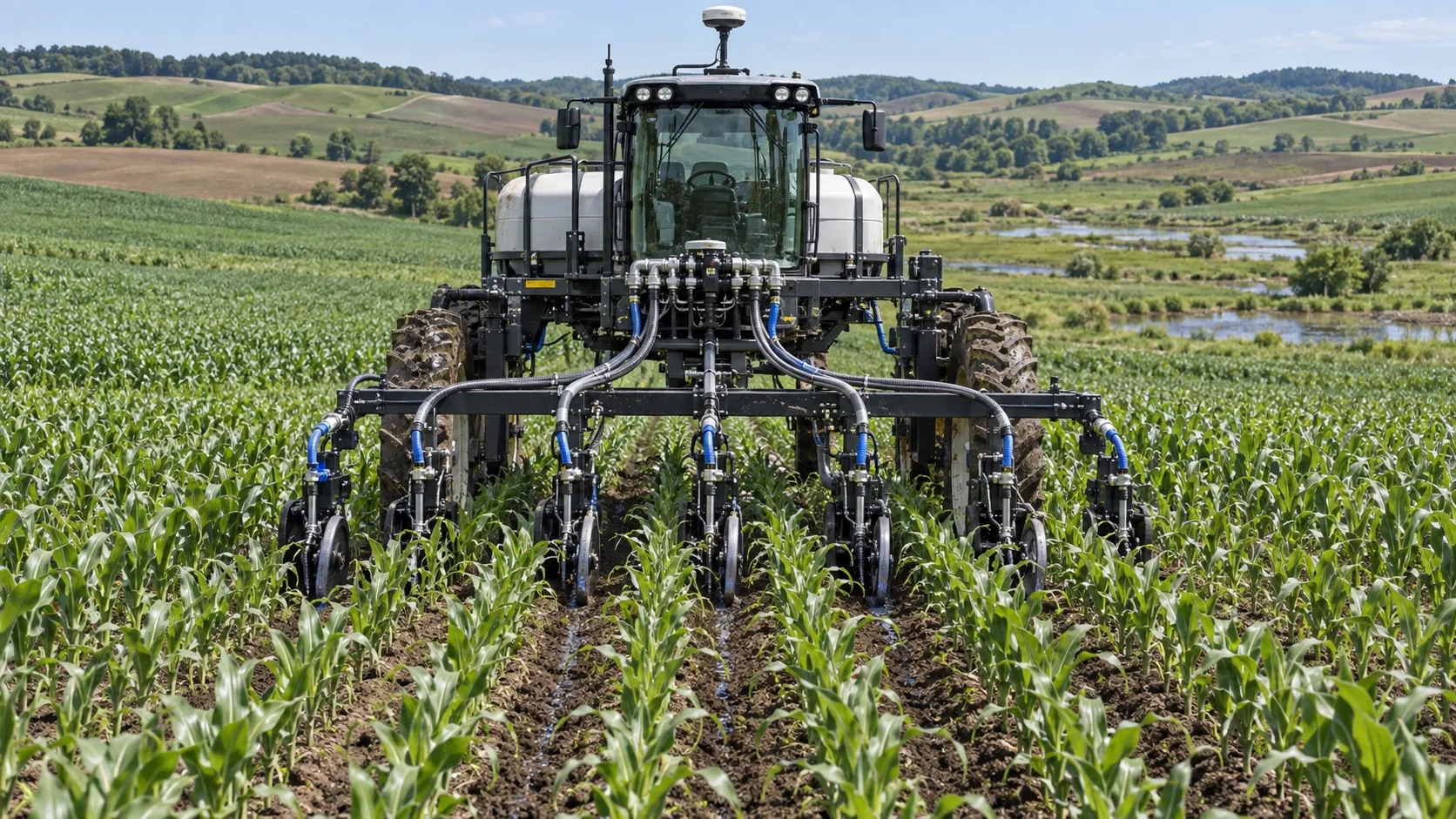
How to Select a Precision Fertilization System for Variable Corn Field Conditions
Precision fertilization systems for corn farming: learn how to match data, placement, control accuracy, and ROI to variable field conditions for better results.
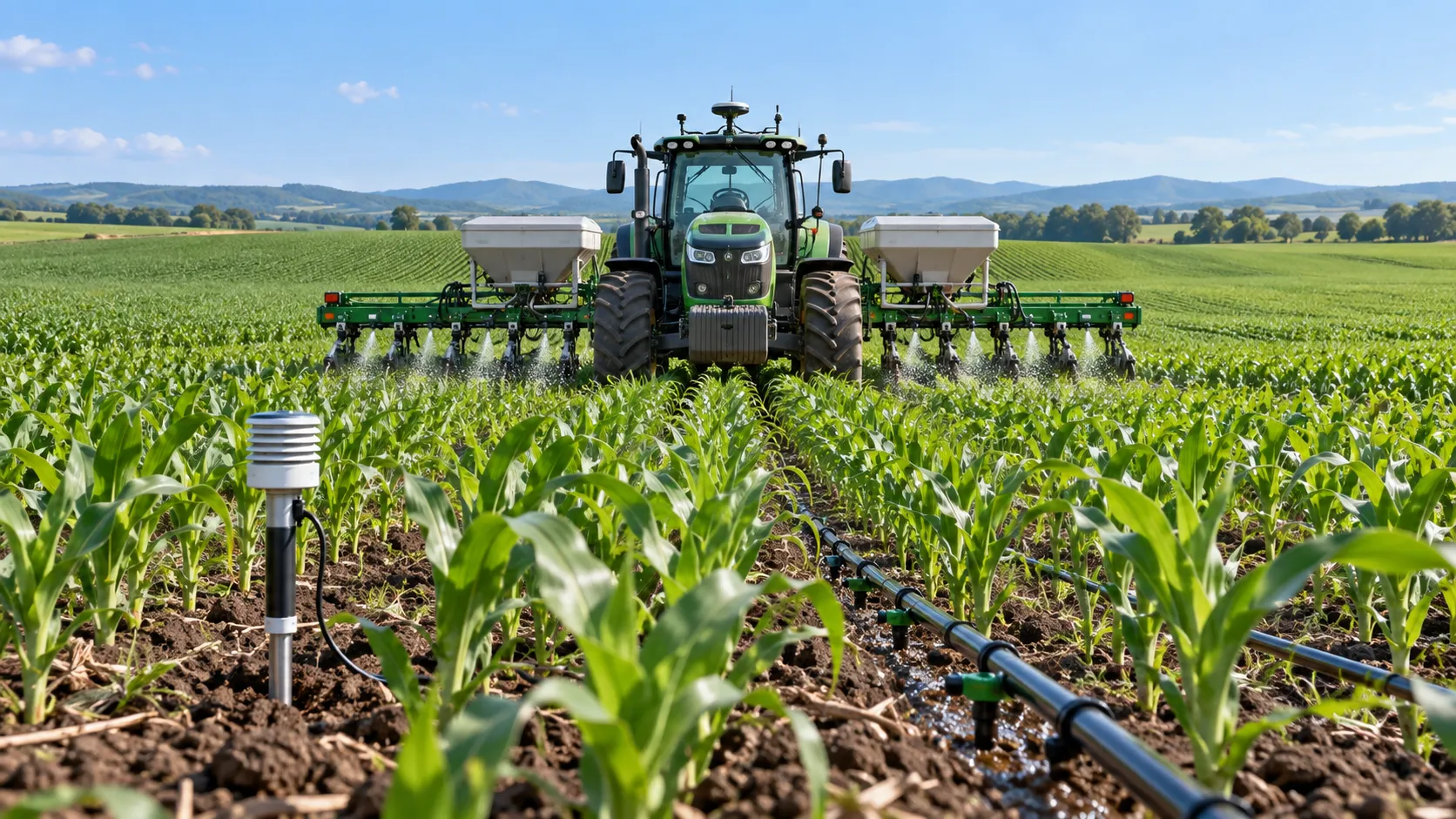
Selecting Precision Farming Products by Application: Field Conditions, Crops, and ROI
Application-based product selection for precision farming: match technology to field conditions, crops, machinery, and ROI for smarter, reliable farm investments.
How to Evaluate Agricultural Product Information Sources for Reliable Farm Decisions
Agricultural product information reference guide: evaluate reliable farm data, verify claims, and make smarter machinery, irrigation, and crop decisions.
Farm Machinery Guide: Matching Tractor Horsepower and Implements to Farm Size
Farm machinery guide for tractors: match horsepower, implement width, hydraulics, traction, and fleet capacity to farm size for lower costs and reliable field performance.
Related News
- 00
0000-00
ISOBUS for Smart Agriculture: How It Connects Tractors, Implements, and Farm Data - 00
0000-00
How North American Farms Can Select Crop Monitoring Systems by Acreage and Connectivity - 00
0000-00
How Tractor Intelligence Systems Improve Field Efficiency and Input Accuracy - 00
0000-00
Which equipment for larger fields maintains accuracy at higher speeds? - 00
0000-00
What should a digital ag platform integrate before a farm-wide rollout?
Popular Tags
Tractor Power Architect
Weekly Insights
Stay ahead with our curated technology reports delivered every Monday.