
How to Select Precision Crop Protection Equipment for Variable Field Conditions
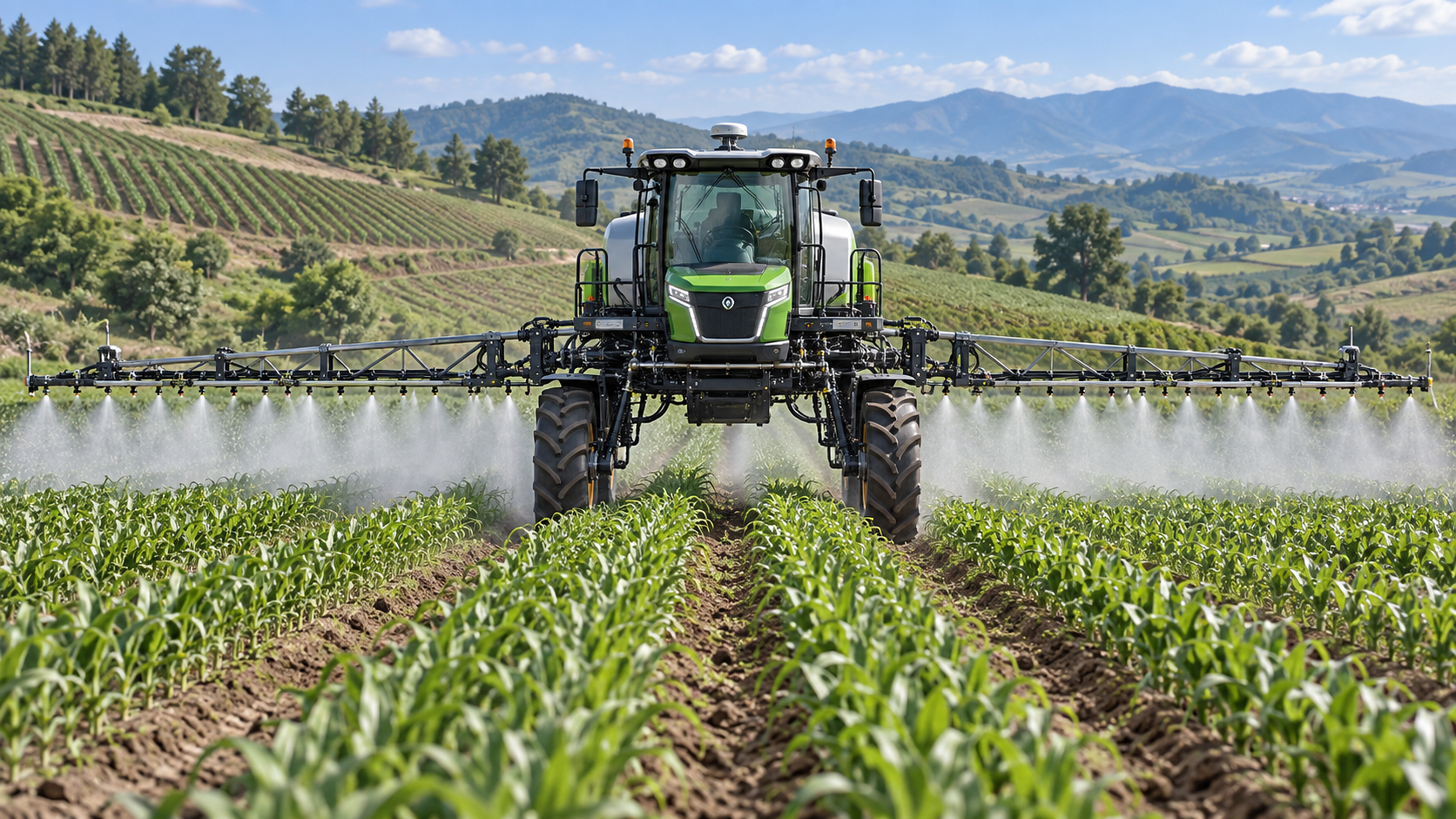




Selecting precision crop protection equipment for variable field conditions is less about choosing the machine with the largest tank or widest boom and more about matching the application system to the sources of variability in the field. A sprayer can have strong nominal capacity yet still produce uneven coverage, excessive drift, missed patches, crop damage, or poor operating windows if its controls do not respond well to terrain, crop canopy, wind, and changing field geometry.
The practical starting point is to define what changes within the farm and within a single field. Elevation, soil trafficability, field shape, row spacing, crop height, weed pressure, water availability, and local weather can all alter the equipment requirements. The most suitable system is the one that preserves application quality under those changing conditions while remaining serviceable and compatible with the farm's existing data and power infrastructure.
Start With Field Variability, Not Equipment Category
“Variable conditions” can mean very different things. A broad, relatively flat cereal field with inconsistent weed pressure needs a different solution from a rolling field with terraces, irregular headlands, and a dense specialty-crop canopy. Before comparing manufacturers or automation features, divide operating conditions into the constraints that actually affect the spray job.
This exercise prevents a common purchasing mistake: specifying a precision platform around the most visible field feature, such as acreage, while overlooking the condition that most often limits application quality. For example, annual sprayed area may justify a high-capacity self-propelled system, but steep field transitions may make boom management and machine stability more important than incremental tank volume.
Choose the Application Platform Around Crop Access and Operating Windows
The main equipment decision usually begins with the carrier platform: tractor-mounted, trailed, self-propelled, aerial, or a specialized orchard or vineyard system. Each can support precision functions, but their physical operating limits are not interchangeable.
Mounted sprayers can be appropriate where fields are smaller, equipment fleets are already tractor-centered, and maneuverability matters more than uninterrupted capacity. Their limitations tend to appear when a large boom, full tank, and uneven ground place high demands on tractor lift capacity and stability. They also require a close look at whether the tractor’s hydraulics, guidance display, and electrical connections can support the desired controls.
Trailed sprayers can provide useful capacity without the cost structure of a separate self-propelled carrier. They fit operations with adequate tractor power and road access, but drawbar load, turning behavior, boom stability, and the ability to follow contours deserve direct evaluation. A trailed platform may be productive in large open fields yet less efficient in fragmented blocks with difficult gateways and short work runs.
Self-propelled sprayers are often selected when timely application across a large area is the central operational requirement. High clearance, dedicated suspension, and integrated guidance can be valuable in tall crops and narrow spray windows. However, the decision should account for soil conditions, transport routes, service support, and whether the system’s advanced functions will be used consistently. A sophisticated machine operated mainly in manual, constant-rate mode may not deliver a proportionate return.
Aerial platforms, including unmanned aircraft where operationally appropriate, can be useful when ground access is restricted or crop disturbance from wheels is unacceptable. They should not be treated as universal replacements for ground rigs. Payload, refill logistics, local operating rules, wind sensitivity, canopy penetration, and coverage verification need to be assessed against the intended crop-protection task. Their strongest fit is often a defined access or timing problem, not simply the appeal of automation.
For orchards, vineyards, and other permanent crops, air movement and canopy geometry can matter more than the general category of sprayer. The evaluation should focus on whether the system can place droplets through the canopy without excessive loss beyond the target. Adjustable air output, directional outlets, and repeatable setup for changing canopy zones are more meaningful than broadacre boom specifications.
Application Accuracy Is a System Property
Precision is sometimes reduced to positioning accuracy. Positioning matters, especially for boundary control, repeat passes, and prescription maps, but it cannot correct an unstable liquid-delivery system or poor nozzle choice. Application quality depends on the combined behavior of pumps, plumbing, pressure regulation, nozzles, boom geometry, speed sensing, and control software.
Assess whether the system maintains the intended rate when travel speed changes. This matters on slopes, at headlands, near obstacles, and whenever terrain prevents a steady operating speed. Rate control should respond predictably without creating large pressure swings. If the system uses pulse-width modulation or other nozzle-level control, examine how it maintains droplet characteristics across its working range. The purpose is not simply to vary output; it is to vary output without losing the droplet spectrum needed for the label, target, and drift conditions.
Nozzle compatibility should be evaluated as part of the procurement decision, not as an accessory choice after delivery. Different tasks may require different droplet sizes, spray patterns, and penetration characteristics. The equipment should make nozzle changes, calibration, filtration checks, and cleaning practical for the people who will operate it. A system that is difficult to configure correctly will tend to be operated with a narrow set of familiar settings, even when field conditions change.
Boom performance deserves the same scrutiny. A wide boom can raise field capacity, but only if it remains at a usable height across uneven ground. Excessive height increases drift exposure and can reduce deposition consistency; low or poorly controlled boom sections can contact crop or ground. Look at suspension design, breakaway protection, automatic height control behavior, sensor placement, and how the boom behaves when folding, turning, or crossing rough areas. Demonstration runs should include the field conditions that normally create problems, rather than a smooth, level test strip.
Match Control Resolution to the Scale of Variability
Precision crop protection equipment is most effective when its control resolution matches the variability that management can act upon. A field with broad zones of differing weed pressure may benefit from sectional control and prescription-based variable-rate application. A field with scattered plants or localized patches may justify camera-based spot spraying or nozzle-level control. The more granular the treatment decision, the more demanding the sensing, data processing, and validation requirements become.
Section control can reduce overlap at headlands, wedge-shaped areas, waterways, and irregular boundaries. It is often a practical first precision feature because the underlying workflow is understandable and the value is tied to visible application patterns. Individual nozzle control can provide finer shutoff and rate adjustment, but the extra complexity should be justified by field geometry, input costs, and the expected frequency of use.
Targeted or “green-on-brown” spraying systems can be valuable before crop emergence or in fallow conditions where vegetation must be distinguished from bare soil. “Green-on-green” recognition for in-crop weed management is a different technical challenge because the equipment must distinguish weeds from crop plants under changing light, growth stages, residue, and canopy density. Evaluators should ask what the sensing system is designed to identify, how it handles uncertain detections, and whether outputs can be reviewed after application. Claims of selectivity are only meaningful when tied to the specific crop, target, background, and operating conditions.
Variable-rate application also requires a sound agronomic decision layer. A controller can follow a prescription map accurately, but it cannot determine whether the zones, thresholds, or product rates are agronomically appropriate. Confirm who creates prescriptions, how they are transferred to the machine, how boundaries are managed, and how as-applied records are retained. A clean digital workflow is often more valuable than an elaborate dashboard that requires repeated manual conversion or duplicate data entry.
Weather Resilience Means Better Decisions, Not Just More Hardware
Changing wind, temperature, humidity, and rainfall risk affect both the available work window and the quality of the application. Equipment can help operators respond through weather displays, automated records, pressure management, and drift-reducing nozzle options. It cannot make an unsuitable weather window suitable.
When comparing systems, look for the ability to document operational conditions and link them to the as-applied record. This supports traceability and makes it easier to investigate uneven results later. Also examine whether weather inputs are visible in the operator workflow at the point of decision, rather than buried in a separate platform.
Drift management should be considered across the entire system. Lower-drift nozzles may be appropriate in certain circumstances, but they can alter coverage and penetration. Reduced boom height may limit drift exposure, but only if terrain control prevents contact with the crop. A selection decision should therefore consider the combined setup: nozzle family, pressure range, boom-height control, travel speed, and the farm’s ability to pause or reschedule work when conditions shift.
Do Not Separate Equipment Selection From Data and Service Capability
Precision functions create value only when the machine can receive instructions, execute them reliably, and return usable records. Check compatibility with existing guidance systems, farm management software, controllers, and file formats. Open data exchange is useful, but practical usability matters more than a broad compatibility claim. A good workflow lets the operator identify the correct field, load the correct job, verify the prescription, and preserve an as-applied record without improvised steps.
Connectivity also has limits in rural operating environments. Systems should remain functional when cellular coverage is weak or temporarily unavailable, with a clear process for synchronizing information later. Critical application controls should not depend on an uninterrupted cloud connection.
Serviceability is equally important. Ask how routine calibration is performed, how flow and pressure faults are diagnosed, which components are accessible for cleaning, and whether local support can address controller, sensor, pump, and boom-control issues. A machine with advanced sensing hardware may be a poor fit where repairs require long delays during a narrow spray season. Spare-part availability, operator training, and remote diagnostic support all affect real utilization.
Use a Field-Based Evaluation Process
A structured evaluation reduces the risk of selecting features that look impressive but solve the wrong problem. The process should begin with the farm’s difficult fields and most time-sensitive applications, not its average conditions.
- Map the operating envelope. List crop types, acreage patterns, row widths, slope ranges, soil access limits, canopy stages, travel distances, and recurring weather constraints.
- Define the treatment tasks. Separate broadacre coverage, boundary management, site-specific treatment, late-season access, and specialty-crop work. One machine may not be the best tool for every task.
- Set measurable acceptance criteria. Criteria may include acceptable overlap, operating speed stability, boom clearance behavior, refill workflow, data-record completeness, and ease of calibration.
- Evaluate demonstrations on representative ground. Include headlands, slopes, rough sections, and realistic operating speeds. Observe the controls as conditions change.
- Test the information workflow. Load a sample field boundary or prescription, create an application record, and confirm that the data can be retrieved in a useful format.
- Review ownership requirements. Include cleaning time, seasonal inspection, nozzle management, software updates, support response, and operator training in the decision.
The equipment should be scored against the tasks that are both frequent and consequential. A feature that handles a rare edge case may still be worthwhile, but it should not displace investment in dependable rate control, coverage, stability, and support.
Common Selection Errors
The first error is buying capacity to compensate for poor timing discipline. A larger tank or wider boom helps only when field access, labor, refill supply, and weather windows allow that capacity to be used. The second is treating automation as a substitute for agronomic setup. Cameras, maps, and automatic section control improve execution, but product choice, water volume, nozzle configuration, and operating conditions still determine whether the target receives an effective treatment.
Another frequent problem is specifying precision features without assigning ownership. Someone must maintain boundaries, manage prescriptions, calibrate sensors, review application records, and resolve exceptions. If those responsibilities are unclear, the machine will often fall back to basic operation.
Finally, avoid evaluating a platform solely through dealer demonstrations or feature lists. The meaningful question is whether it produces repeatable application quality across the farm’s least convenient fields. That is where boom control, traction, workflow design, and service support become visible.
For operations building a broader machinery and data strategy, resources such as the Global Agri-Pulse Hub (AP-Strategy) can help connect crop-protection decisions with tractor capability, intelligent farm tools, and water-management planning. The equipment decision is stronger when it is treated as part of the farm’s operating system rather than as an isolated sprayer purchase.
The final selection should make the difficult application more controllable: variable terrain should not destabilize the boom, irregular field edges should not create routine overlap, changing crop conditions should not force improvised nozzle choices, and collected data should be usable after the job is complete. When those conditions are met, precision becomes an operating capability rather than a specification on a purchase sheet.
Related News
When Does Agricultural Machinery Leasing Cost Less Than Owning Equipment?
Agricultural machinery leasing can lower farm costs when use is seasonal or uncertain. Compare utilization, maintenance, cash flow, and risk to make a smarter equipment decision.
How to Evaluate Precision Fertilization System Suppliers for Farm-Scale Deployment
Precision fertilization systems suppliers: learn how to compare accuracy, integration, uptime, service, and total cost for confident farm-scale deployment.
ISOBUS for Smart Agriculture: How It Connects Tractors, Implements, and Farm Data
ISOBUS for smart agriculture connects tractors, implements, terminals, and farm data—helping growers improve precision, documentation, and smarter field decisions.
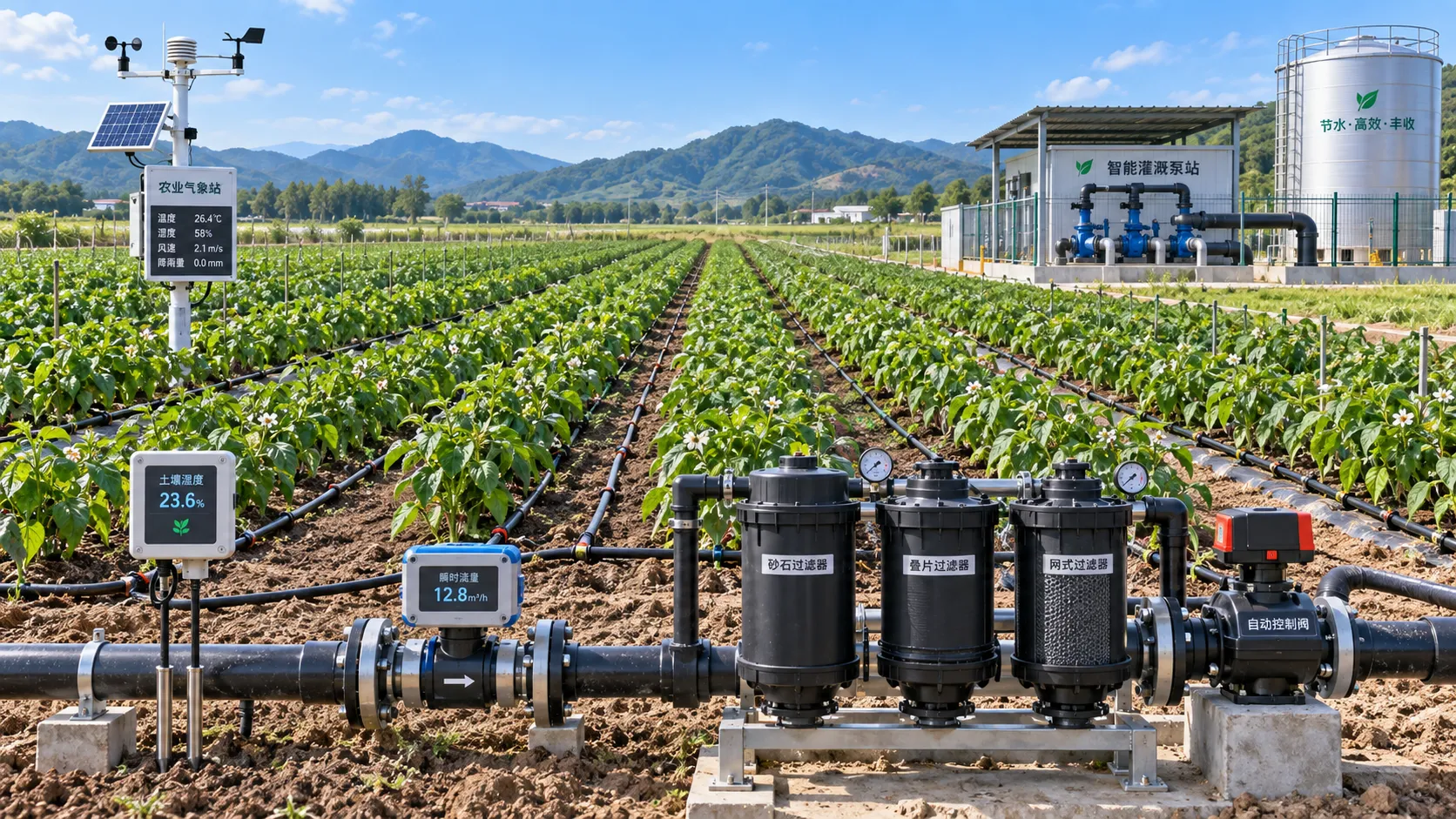
Automated Water-Saving Irrigation: How to Cut Water Use Without Reducing Crop Yields
Automated water-saving irrigation helps farms cut water use, protect crop yields, improve scheduling, and gain reliable control with sensors, flow monitoring, and smart zones.
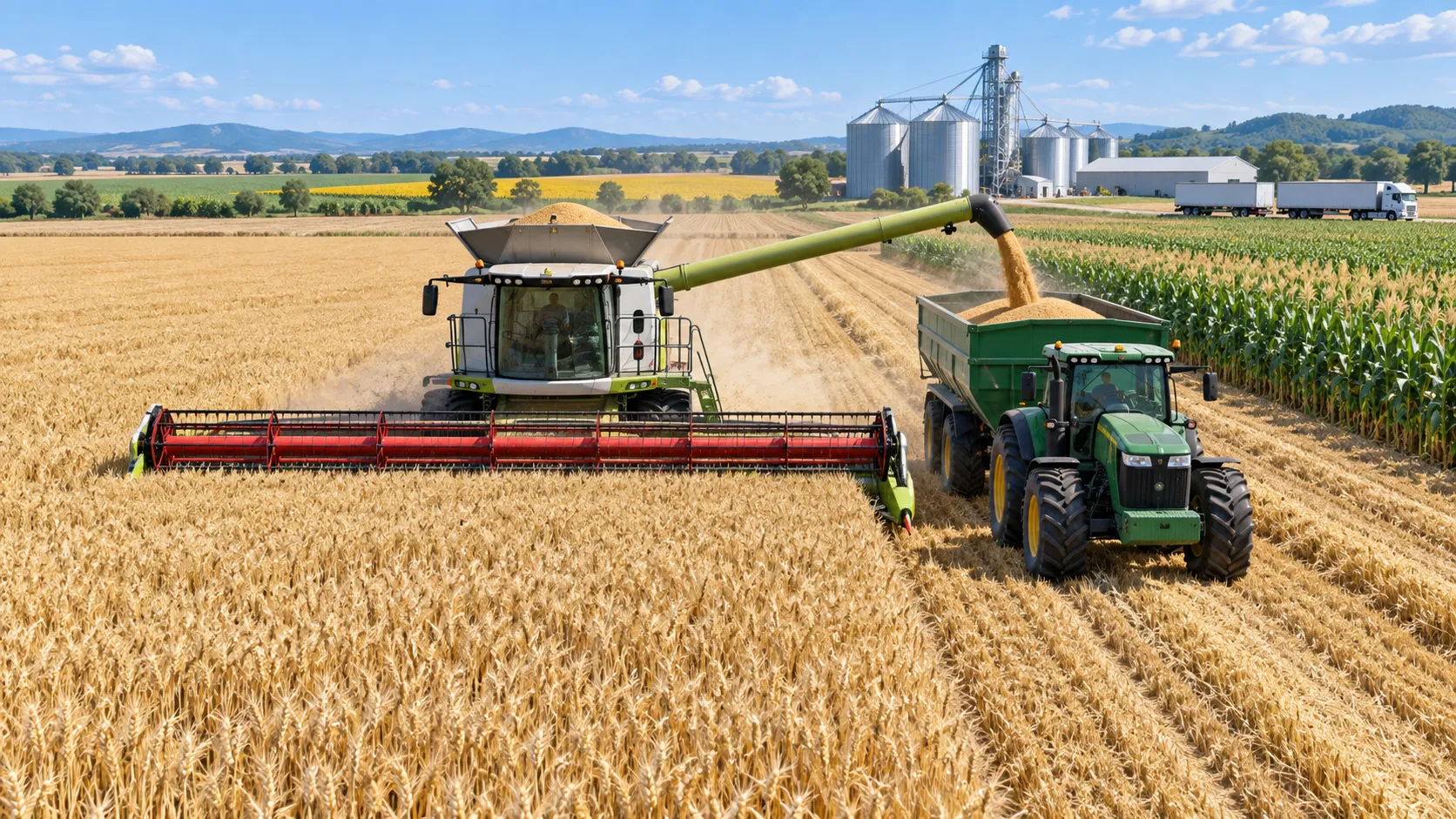
Selecting Grain Farm Equipment by Acreage, Crop Mix, and Harvest Window
Agricultural equipment selection for grain farming: match machinery to acreage, crop mix, and harvest windows to improve uptime, efficiency, and returns.
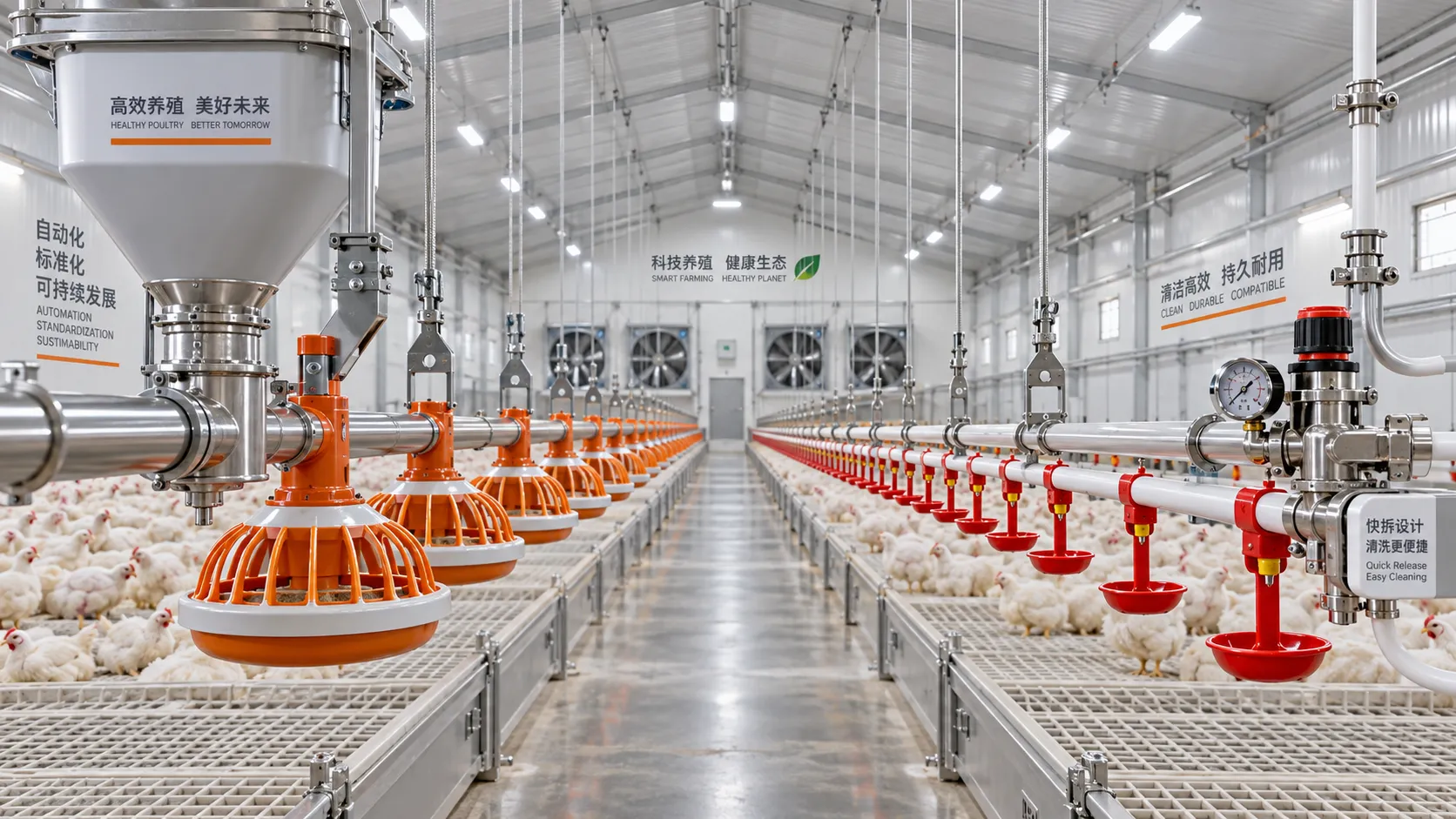
Poultry Equipment Selection: Evaluating Durability, Cleaning, and Compatibility
Poultry equipments selection guide: evaluate durability, cleaning access, and system compatibility to improve hygiene, reduce downtime, and support efficient flock management.
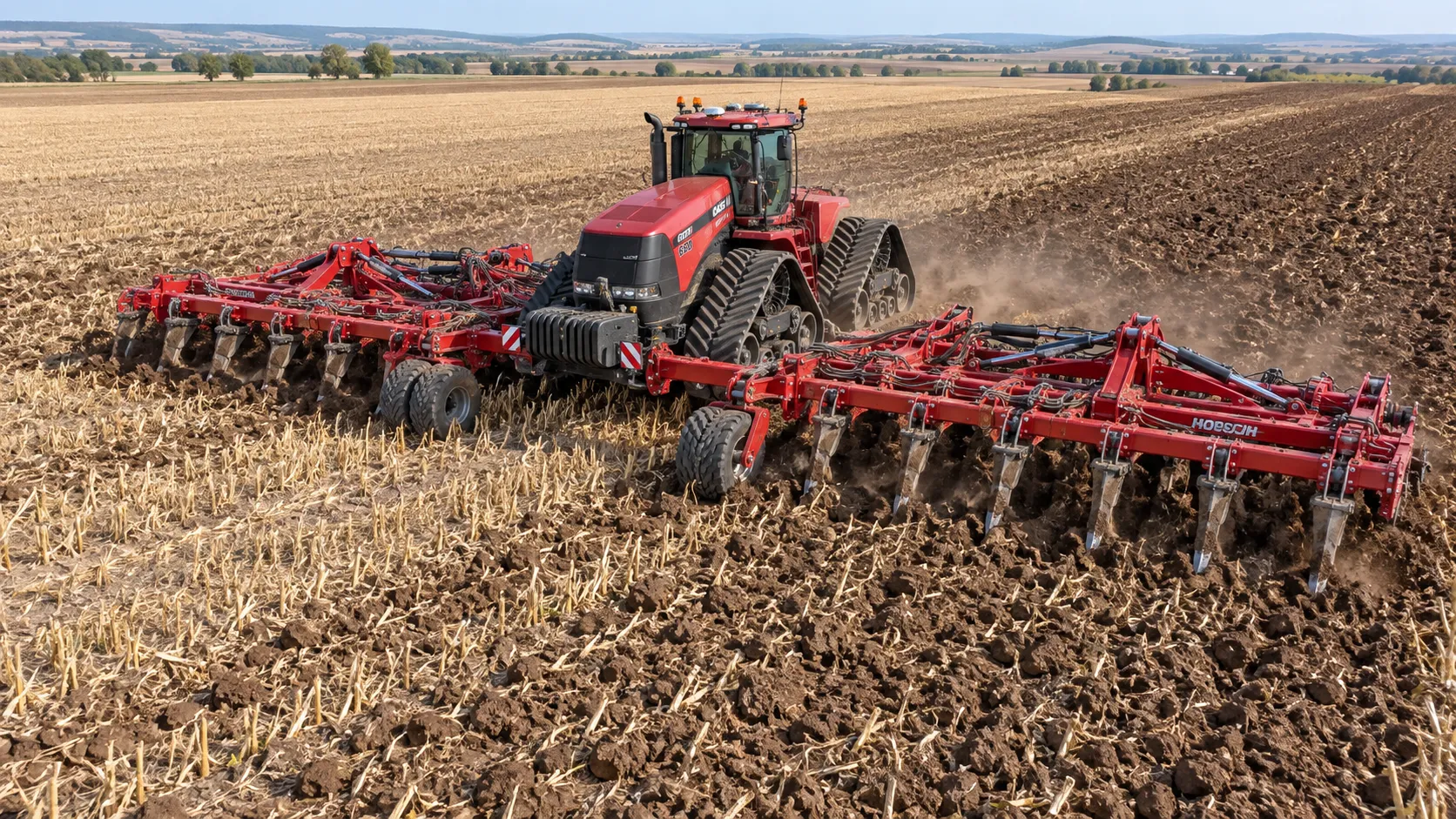
How to Select Heavy-Duty Farm Implements for High-Acreage, High-Horsepower Operations
Heavy duty farm implements: learn how to match draft, hydraulics, hitch capacity, frame strength, and field conditions for reliable high-acreage performance.
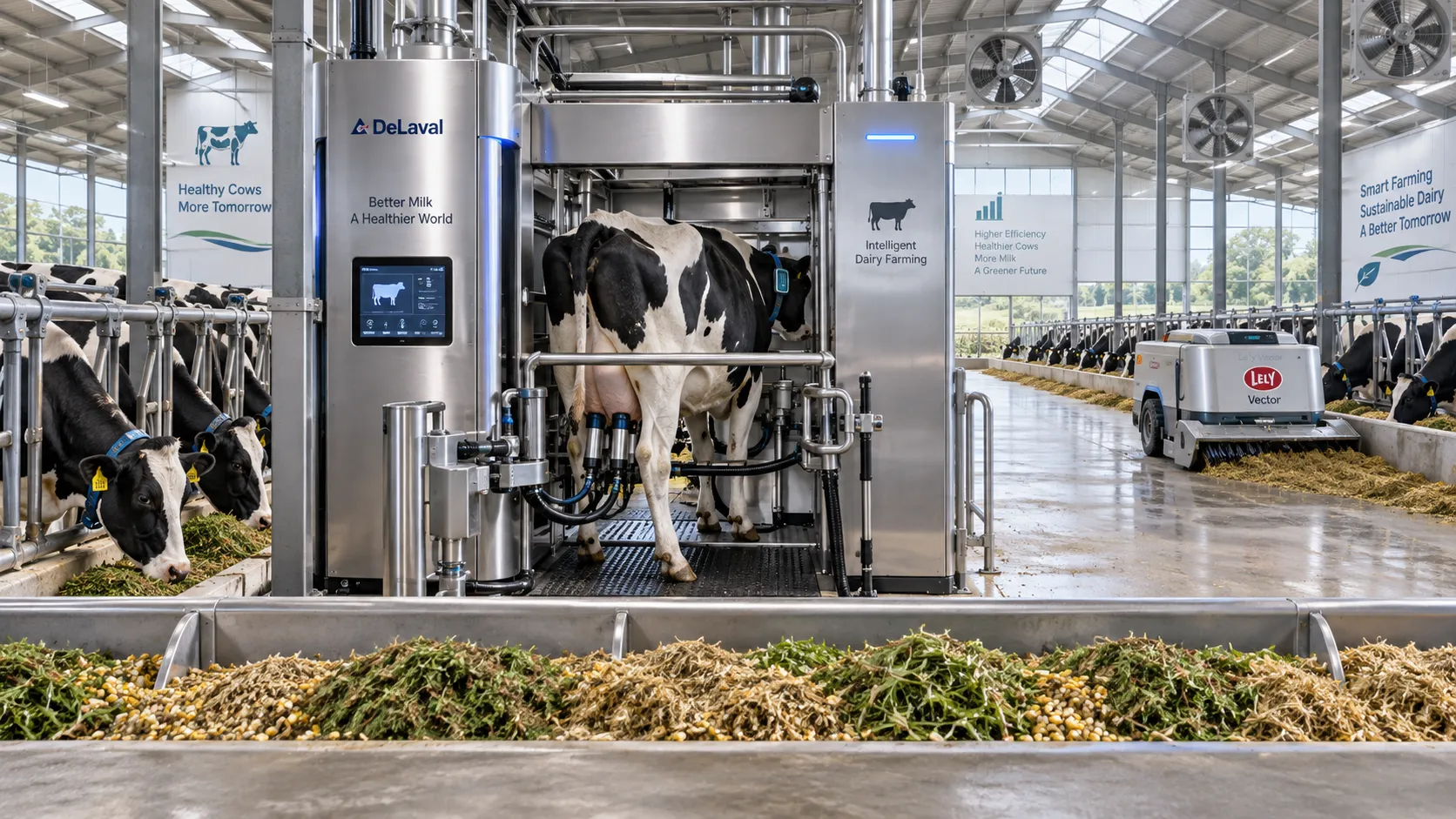
Smart Farming Technology for Dairy Farms: Where Automation Delivers Measurable ROI
Smart farming technology for dairy farms delivers measurable ROI through automation, precision feeding, health monitoring, and data-driven cost control.
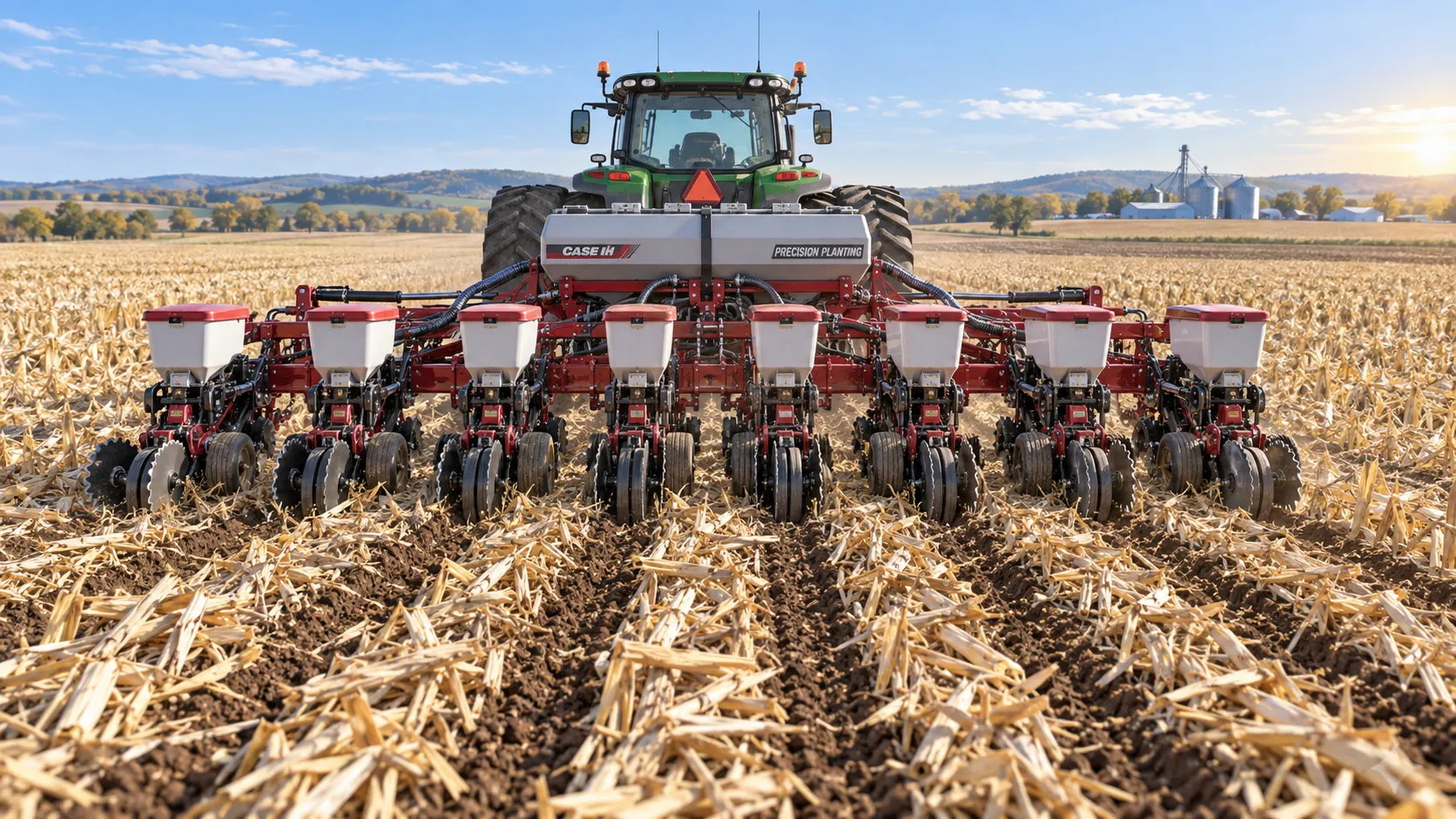
How to Select a Heavy-Duty Seeder for Large Acreage and High-Residue Fields
Heavy duty seeders for large acreage: compare residue handling, depth control, downforce, metering accuracy, and precision features to select the right model.
Related News
- 00
0000-00
How to Select Precision Crop Protection Equipment for Variable Field Conditions - 00
0000-00
How to Evaluate Precision Fertilization System Suppliers for Farm-Scale Deployment - 00
0000-00
How to Select a Precision Fertilization System for Variable Corn Field Conditions - 00
0000-00
When does equipment for sustainable farming justify a higher capital spend? - 00
0000-00
Precision Farming Solutions with Drone Data for Field Mapping and Crop Decisions
Popular Tags
Tractor Power Architect
Weekly Insights
Stay ahead with our curated technology reports delivered every Monday.