
How to Evaluate Agricultural Automation Systems for Labor Savings and ROI
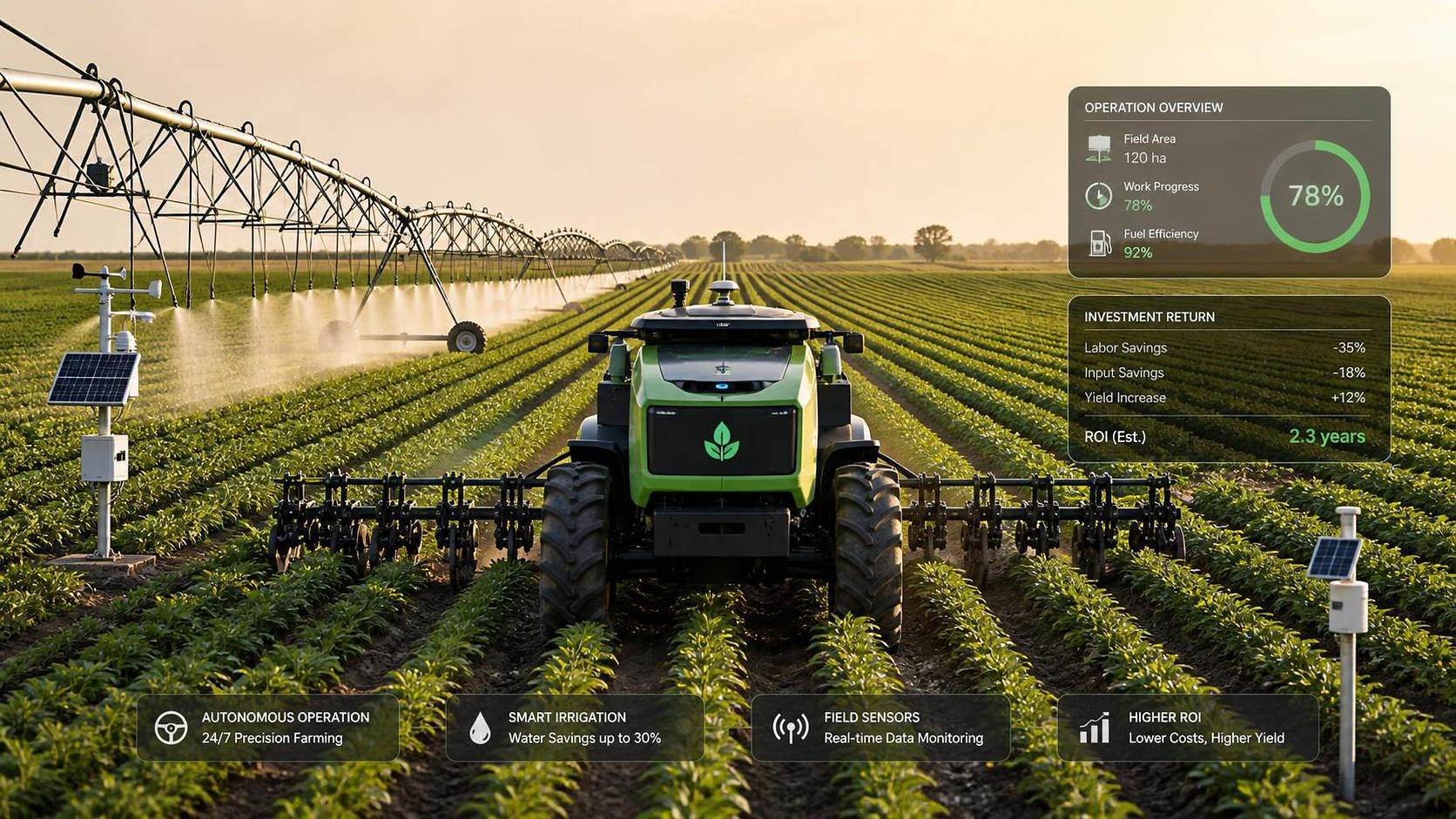




If you are comparing agricultural automation systems, the real question is not whether the technology looks advanced. It is whether it will reduce labor dependency, protect output during tight labor periods, and pay back fast enough to justify the capital. That requires more than a vendor demo. You need to calculate where labor is actually being lost, what parts of the operation are repeatable enough to automate, and how the system will perform across more than one season.
Many buying teams get stuck because they evaluate automation as equipment first and economics second. In practice, the order should be reversed. Start with the labor bottleneck, translate it into cost and operational risk, then assess which system can solve that problem with the lowest total ownership burden.
What decision-makers should measure first
Agricultural automation systems can include autonomous tractors, guidance and steering packages, robotic field tools, telematics-enabled fleet control, smart irrigation controls, sensor-driven input application, and harvest automation features. These tools do not create value in the same way, so treating them as one category usually leads to bad comparisons.
A simpler way to evaluate them is this: identify the task where labor is expensive, inconsistent, delayed, or hard to replace. That might be irrigation monitoring, repetitive tractor passes, harvest logistics, spraying, or night-shift coverage. If you cannot point to a specific labor pain point, the ROI case is probably weak.
In most operations, labor savings come from one of four places:
- Fewer operator hours required for a task
- Higher output per worker per shift
- Lower dependency on highly skilled operators for routine work
- Less downtime, rework, or yield loss caused by late or inconsistent execution
That last point is often underestimated. A system may not eliminate many heads on payroll, but if it helps the farm complete planting, spraying, irrigation, or harvesting on time, it can protect revenue in a way direct labor accounting does not capture.
For buyers under cost pressure, a good working rule is this: do not ask, “How much labor can this replace?” Ask, “Which labor-sensitive task becomes less risky, more productive, and more predictable if we automate it?”
Labor savings are often overstated for the wrong reason
One of the most common mistakes is assuming that automation immediately reduces headcount. On many large farms and agri-enterprises, that is not what happens first. Labor savings often show up as labor redeployment, fewer seasonal hires, lower overtime, reduced training dependency, or the ability to run longer operating windows with the same team.
That distinction matters because it affects how you build the business case. If your finance team expects a clean payroll reduction in year one, some agricultural automation systems will disappoint. If the goal is to reduce labor volatility, stabilize field execution, and grow acreage without matching labor growth, the same investment may look very strong.
A practical 58-word answer for procurement teams: the best agricultural automation systems usually pay back when they improve labor productivity in a constrained process, not when they simply add digital features. Measure operator hours saved, supervision burden reduced, task timeliness improved, and crop or water-use outcomes protected. If those gains are vague, the ROI case is weak.
How to build a realistic ROI model
Vendor ROI calculators can be useful, but only if you rebuild them using your own assumptions. The most defensible model is a field-level or process-level calculation rather than a generic percentage claim.
At minimum, your ROI model should include:
- Current labor cost for the target task, including wages, overtime, seasonal labor, supervision, and training
- Current equipment utilization and downtime patterns
- Expected productivity improvement per machine, per acre, per irrigation block, or per shift
- Software, connectivity, maintenance, integration, and support costs
- Implementation costs, including setup, onboarding, calibration, and process redesign
- Expected useful life and residual value, where applicable
Then add the harder-to-price variables that still affect the decision: ability to operate at night, reduced dependence on scarce skilled labor, lower input waste, more accurate water application, and reduced delays during weather-sensitive windows.
What should stay out of the model? Unverified assumptions. If a supplier claims a broad improvement in fuel use, yield, or labor without data from a comparable crop, terrain, and operating scale, treat it as a hypothesis, not a savings line.
For many buyers, the best way to compare options is to model three scenarios:
- Conservative: only direct labor and overtime savings
- Expected: direct savings plus measured productivity gains
- Stress case: expected performance during labor shortages or compressed field windows
If the investment only works in the most optimistic case, it is probably not ready for approval.
Where agricultural automation systems usually make economic sense
Not every process deserves automation at the same time. The strongest ROI often appears where tasks are repetitive, timing matters, labor quality varies, and delays create downstream cost.
That is why intelligent irrigation is frequently easier to justify than buyers expect. Water management is labor-intensive in a fragmented way: checking lines, adjusting schedules, responding to variability, and preventing over- or under-application. Smart irrigation systems can reduce manual monitoring time while improving timing and consistency. In water-stressed regions, they may also support resource-efficiency targets, though local performance should be verified against field conditions and official water-use requirements.
Autonomous or semi-autonomous guidance systems often make sense when the operation already runs large machinery fleets and wants to reduce overlap, fatigue-related inconsistency, or skilled operator dependency. Harvest-related automation can be highly valuable too, but it tends to require tighter integration with crop conditions, machine settings, and logistics, so the evaluation should be more rigorous.
The pattern is straightforward: the more predictable the task and the higher the cost of poor execution, the stronger the automation case tends to be.
Questions that expose weak proposals quickly
When a proposal sounds attractive but feels hard to validate, these are the questions worth asking:
- What labor task is being reduced, and how is that reduction measured?
- What assumptions depend on ideal field conditions?
- How much operator training is still required after deployment?
- What happens if connectivity is weak or sensor data is incomplete?
- How often does the system require calibration, updates, or specialist support?
- Can it integrate with our existing machinery, irrigation infrastructure, and data platforms?
- Which gains have been demonstrated in operations similar to ours?
Strong suppliers answer these questions plainly. Weak ones redirect the conversation toward features.
This is also where many enterprise buyers benefit from external intelligence rather than relying only on manufacturer materials. For teams evaluating large-scale machinery, combine performance, smart tools, or water-saving irrigation, specialized intelligence platforms such as The Global Agri-Pulse Hub (AP-Strategy) can be useful as a secondary source for tracking equipment trends, technical direction, and commercial demand patterns before final vendor shortlisting. That is most helpful when the purchase has a long investment cycle or affects more than one production region.
The hidden costs that change ROI more than the purchase price
Procurement teams usually focus on acquisition cost first. In reality, three other cost categories can change the decision more than the sticker price.
The first is integration cost. A system that works well on its own but does not connect cleanly with your existing tractors, harvesters, farm management software, or irrigation network can create manual work instead of removing it.
The second is adoption cost. If field managers do not trust the recommendations, or operators keep bypassing automation features, projected savings will stay on paper. Ease of use is not a soft criterion. It is part of ROI.
The third is service dependency. Some agricultural automation systems look efficient until a sensor, controller, or software layer fails during a narrow operating window. If local support is weak, downtime risk can erase a large share of the expected return.
This is why the cheapest proposal is often not the lowest-cost option over five years.
When not to buy yet
There are situations where delaying the purchase is the smarter move.
If your baseline process is still poorly defined, automation may simply lock in inconsistency. If you do not have reliable data on current labor use, field timing, or equipment downtime, any ROI projection will be speculative. If your acreage, crop mix, or irrigation layout is likely to change materially in the near term, it may be better to stage the investment rather than automate around a moving target.
Another caution point: some buyers try to solve a management problem with technology. If labor shortages are mainly caused by weak scheduling, poor maintenance discipline, or fragmented field planning, automation can help, but it will not fully correct those upstream issues.
A practical shortlist framework
When the buying process needs to move forward, keep the shortlist disciplined. Score each option against six factors:
- Fit to the actual labor bottleneck
- Expected payback under conservative assumptions
- Compatibility with current machinery and infrastructure
- Reliability during critical operating windows
- Training and adoption burden
- Quality of after-sales support and upgrade path
If two systems look similar on capability, the better choice is usually the one that is easier to implement across real field conditions, not the one with the longer feature list.
That is the core of evaluating agricultural automation systems well: stay close to labor reality, insist on operational evidence, and treat ROI as a whole-system calculation rather than a marketing promise. Buyers who do this tend to make quieter, better decisions. They also avoid paying premium prices for automation that looks impressive in a presentation but delivers only marginal gains in the field.
For most enterprise teams, the next step is not asking for more features. It is asking for a tighter labor baseline, a conservative ROI model, and proof that the system can perform in the exact operating conditions you manage. That is where agricultural automation systems either become a serious investment case or fall out of contention.
FAQ
How long should payback take for agricultural automation systems?
There is no universal benchmark that fits every crop or region. In practice, buyers should define an acceptable payback window based on capital constraints, equipment life, and operational risk. Use your own labor and utilization data rather than a generic market claim.
Should labor savings be the only basis for approval?
No. Direct labor savings matter, but timing, consistency, input efficiency, and resilience during labor shortages can be just as important, especially in weather-sensitive operations.
Is it better to automate harvesting, field operations, or irrigation first?
Usually the best starting point is the process with the clearest labor bottleneck and the most measurable cost of delay. That is often irrigation or repeatable field operations before more complex harvest automation.
How can we compare vendors fairly?
Ask each vendor to model the same acreage, task scope, labor baseline, and support assumptions. If every proposal uses different assumptions, the comparison is not meaningful.
Internal Link Anchor Text Suggestions
- smart irrigation system evaluation: intelligent irrigation technology and water-use efficiency guidance
- combine harvester performance benchmarks: harvesting efficiency, grain loss, and equipment comparison
- tractor chassis technology for large-scale farms: transmission, hydraulics, and heavy-duty field performance
- precision agriculture equipment buying guide: sensors, guidance systems, and data-driven field tools
- farm equipment total cost of ownership: maintenance, uptime, and lifecycle cost analysis
External Authority Source Directions
- government agriculture or water management agency pages
- university extension research and precision agriculture study materials
- official manufacturer technical documentation and dealer support materials
Related News

When Does Agricultural Machinery Leasing Cost Less Than Owning Equipment?
Agricultural machinery leasing can lower farm costs when use is seasonal or uncertain. Compare utilization, maintenance, cash flow, and risk to make a smarter equipment decision.
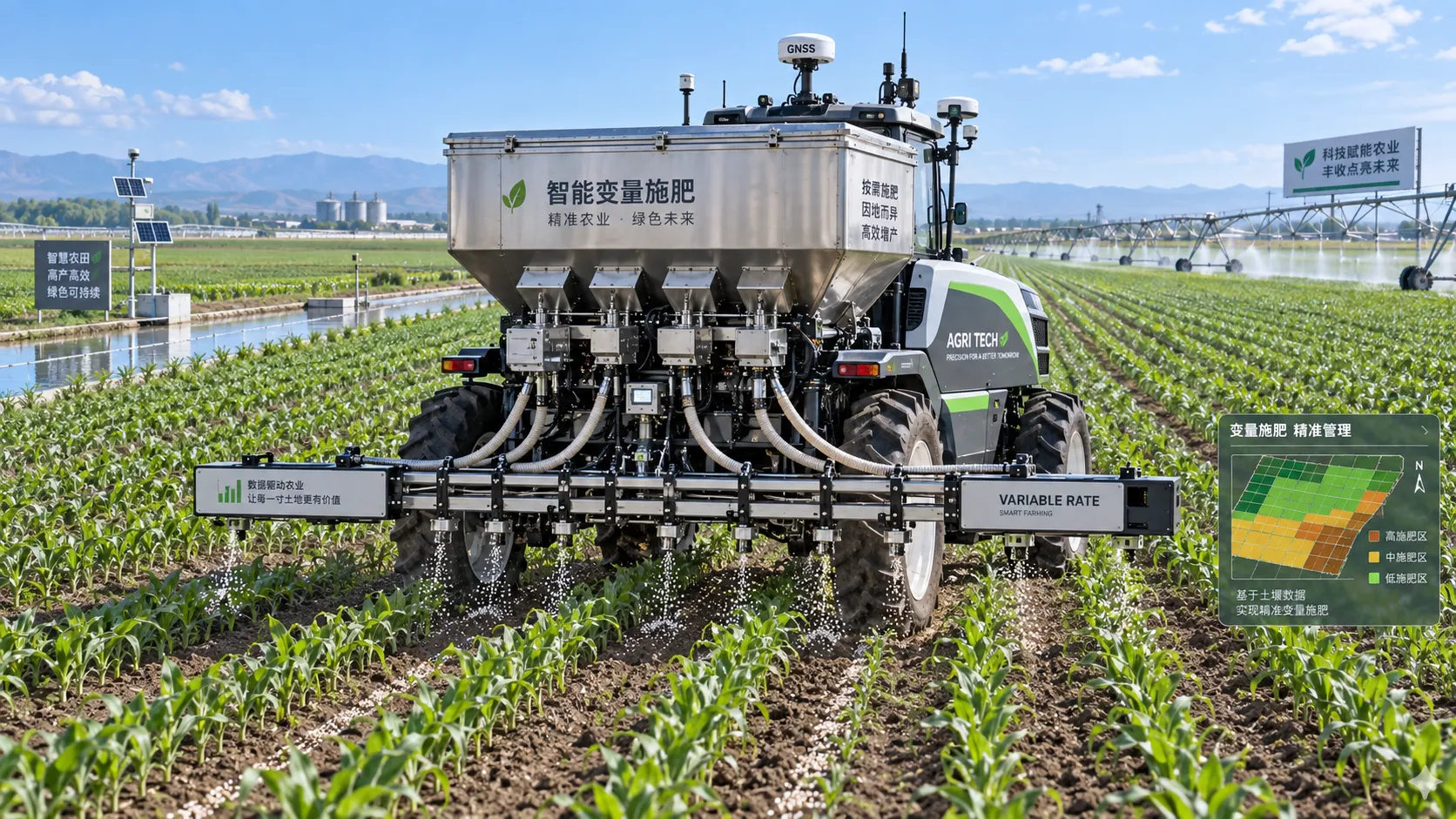
How to Evaluate Precision Fertilization System Suppliers for Farm-Scale Deployment
Precision fertilization systems suppliers: learn how to compare accuracy, integration, uptime, service, and total cost for confident farm-scale deployment.
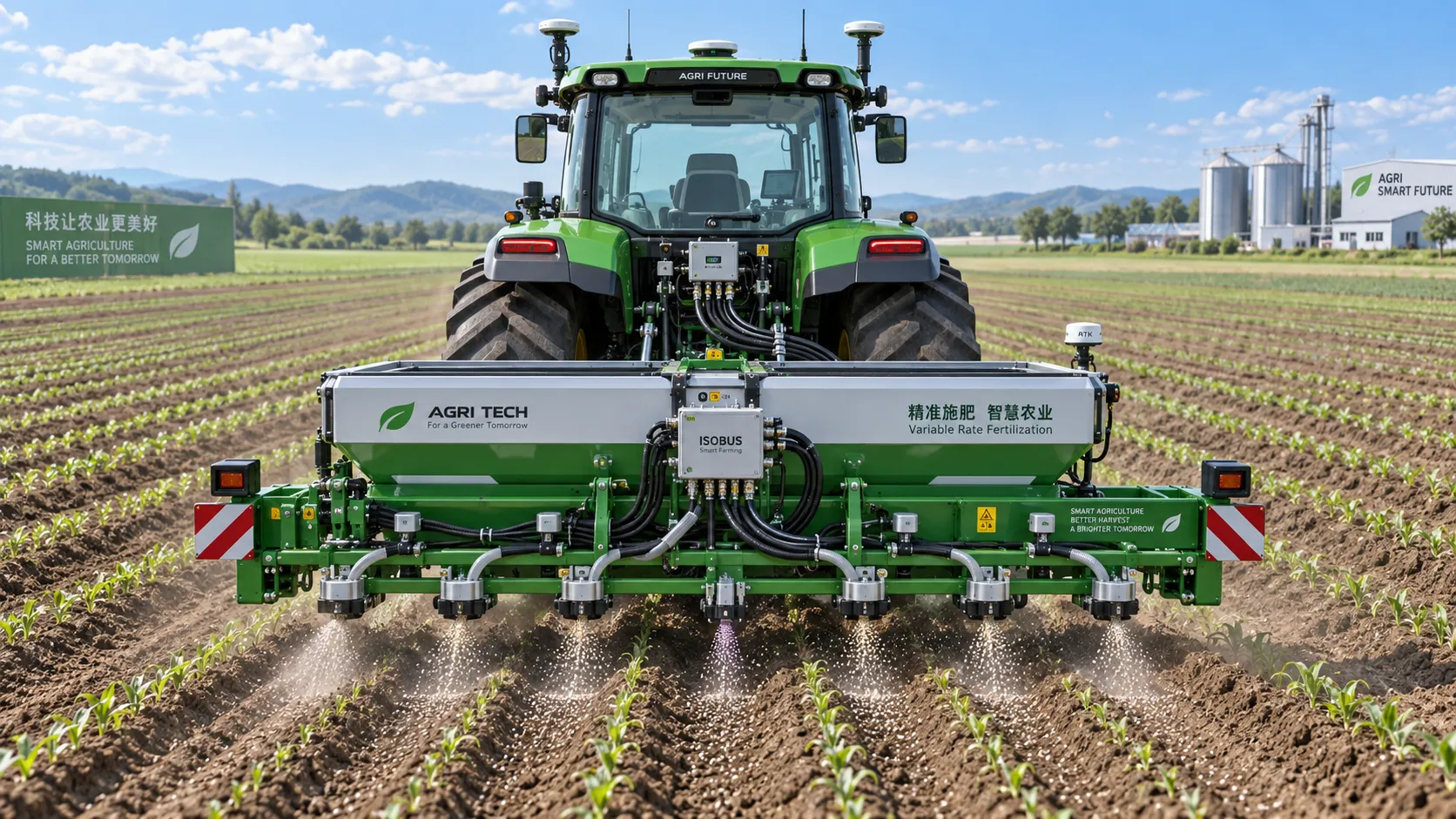
ISOBUS for Smart Agriculture: How It Connects Tractors, Implements, and Farm Data
ISOBUS for smart agriculture connects tractors, implements, terminals, and farm data—helping growers improve precision, documentation, and smarter field decisions.
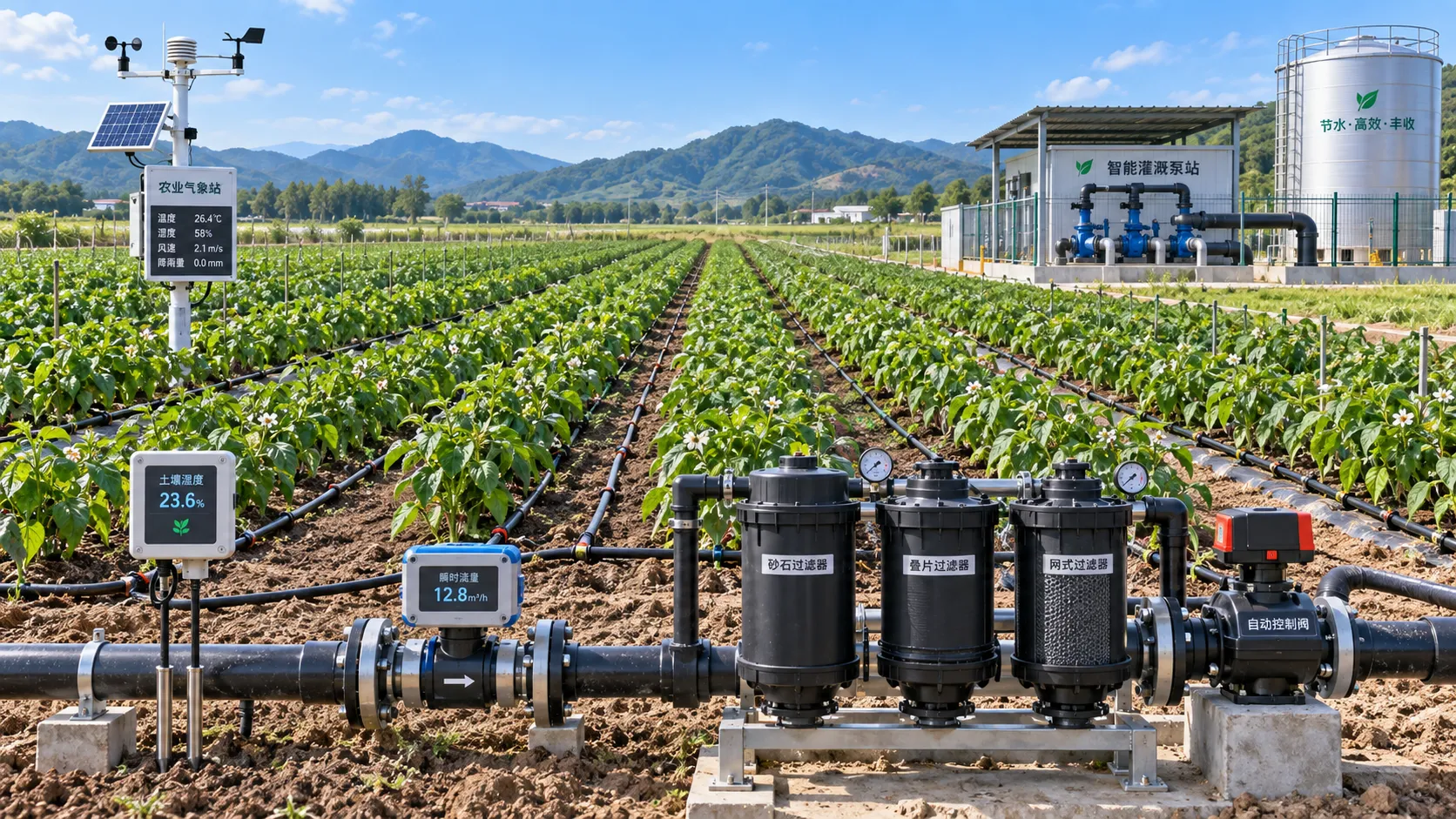
Automated Water-Saving Irrigation: How to Cut Water Use Without Reducing Crop Yields
Automated water-saving irrigation helps farms cut water use, protect crop yields, improve scheduling, and gain reliable control with sensors, flow monitoring, and smart zones.
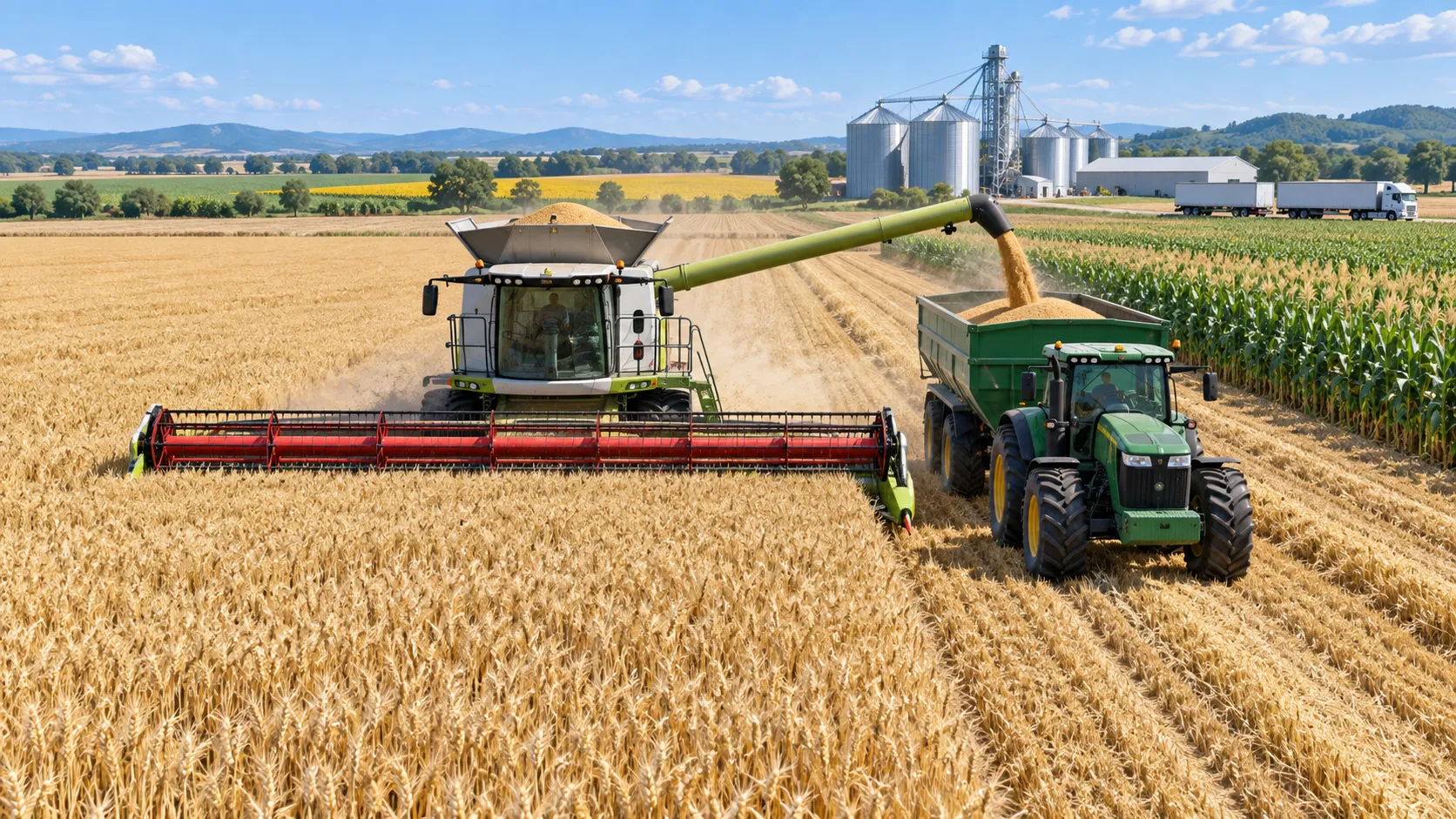
Selecting Grain Farm Equipment by Acreage, Crop Mix, and Harvest Window
Agricultural equipment selection for grain farming: match machinery to acreage, crop mix, and harvest windows to improve uptime, efficiency, and returns.
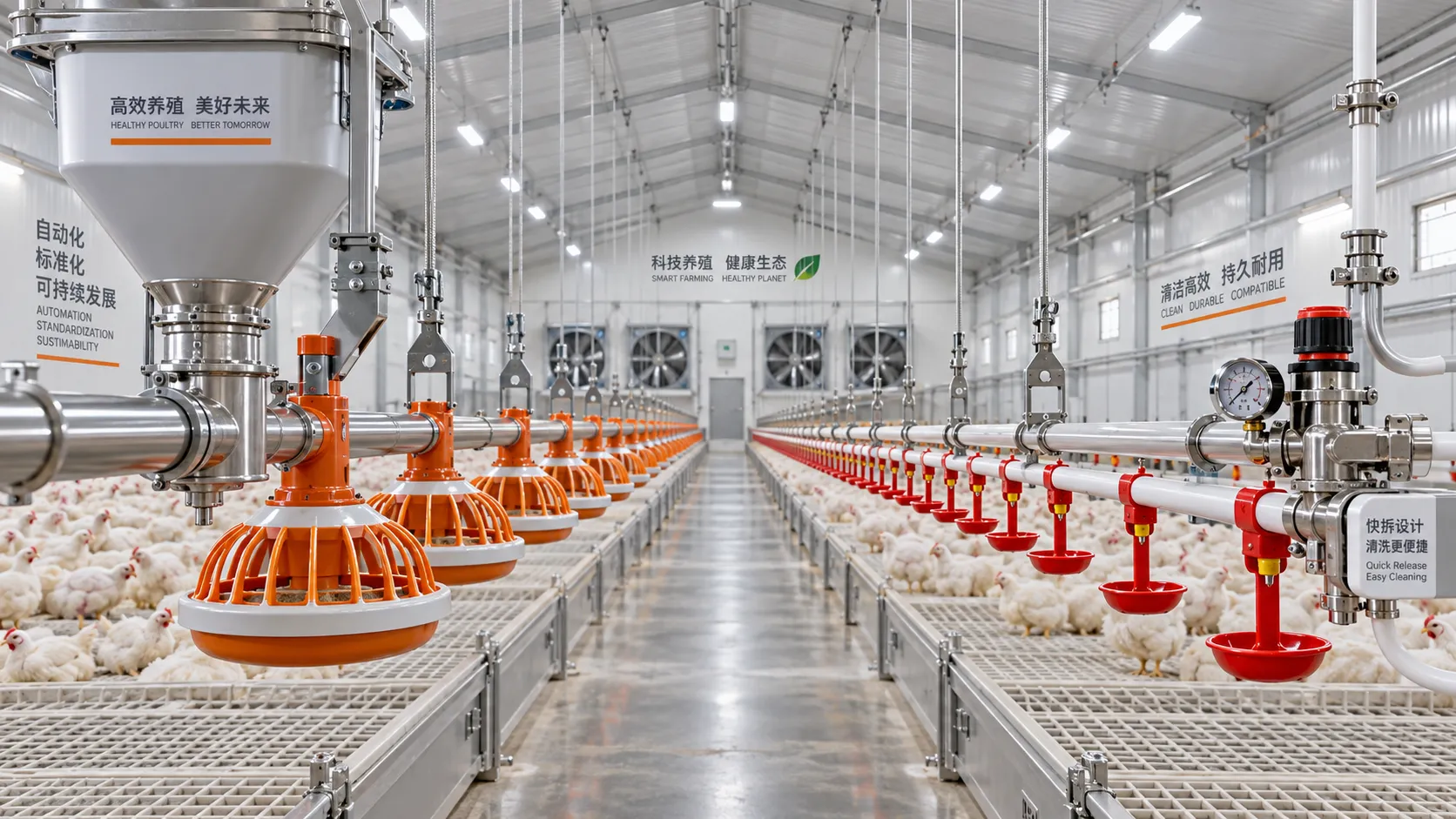
Poultry Equipment Selection: Evaluating Durability, Cleaning, and Compatibility
Poultry equipments selection guide: evaluate durability, cleaning access, and system compatibility to improve hygiene, reduce downtime, and support efficient flock management.
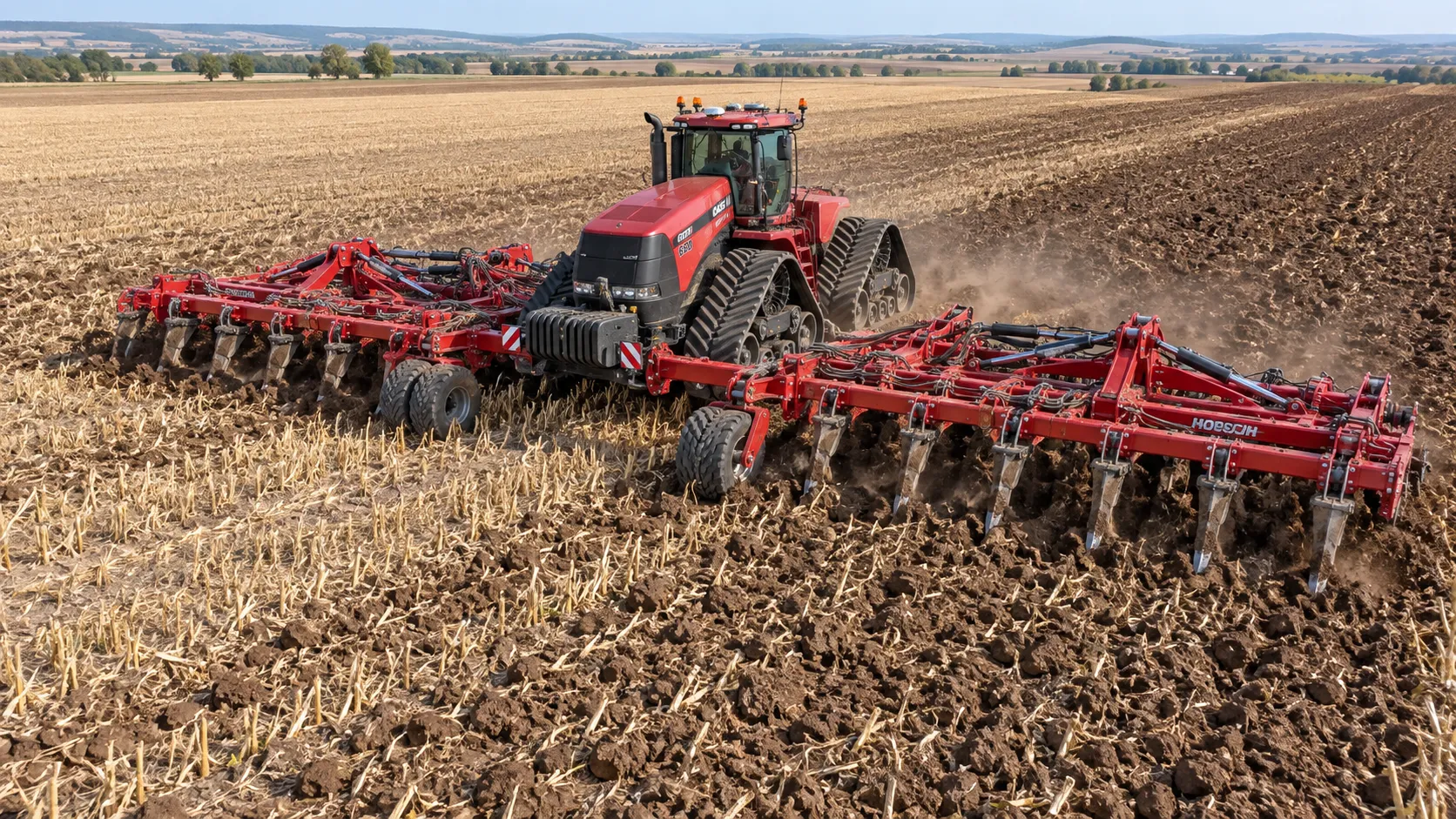
How to Select Heavy-Duty Farm Implements for High-Acreage, High-Horsepower Operations
Heavy duty farm implements: learn how to match draft, hydraulics, hitch capacity, frame strength, and field conditions for reliable high-acreage performance.
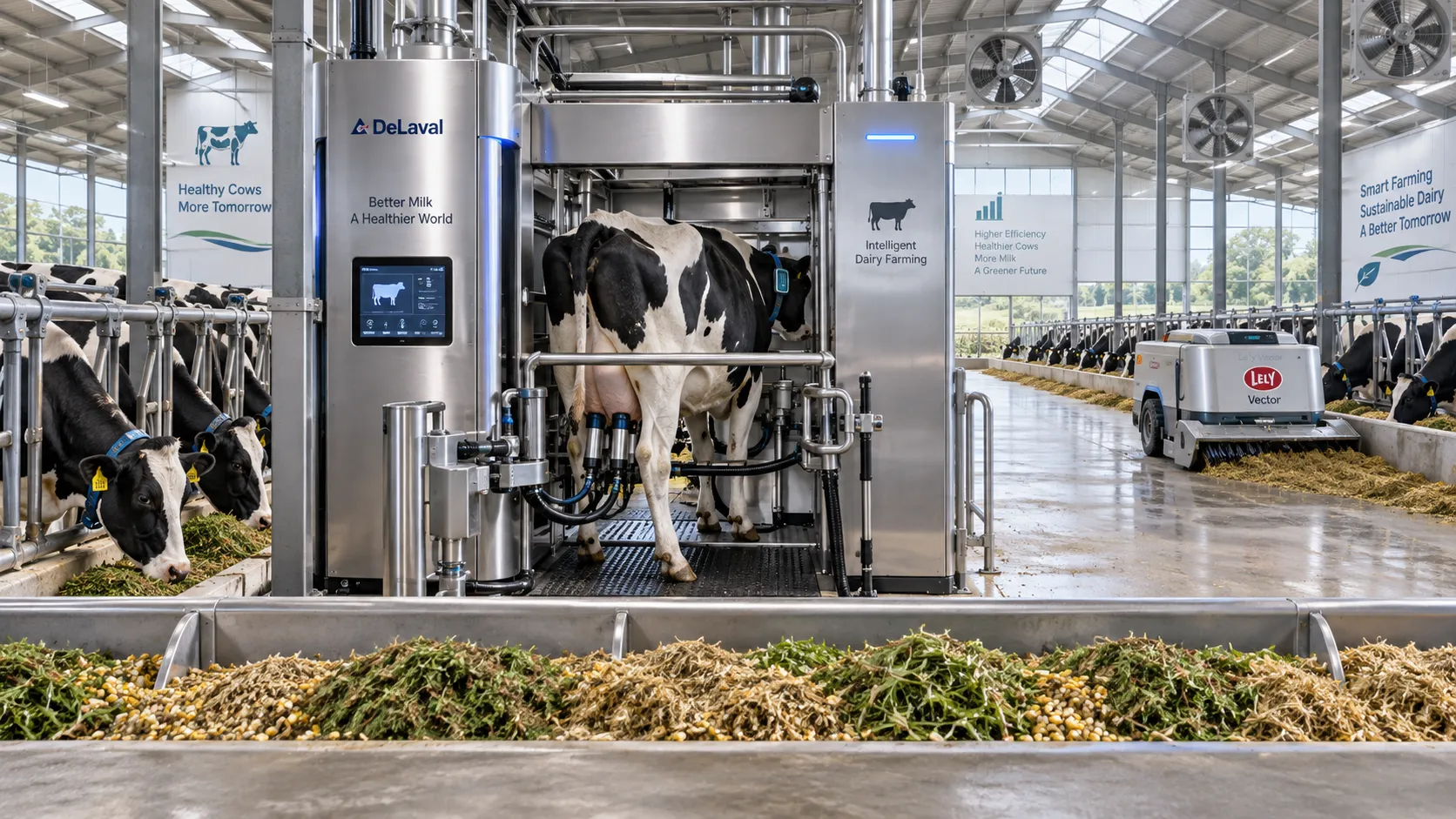
Smart Farming Technology for Dairy Farms: Where Automation Delivers Measurable ROI
Smart farming technology for dairy farms delivers measurable ROI through automation, precision feeding, health monitoring, and data-driven cost control.
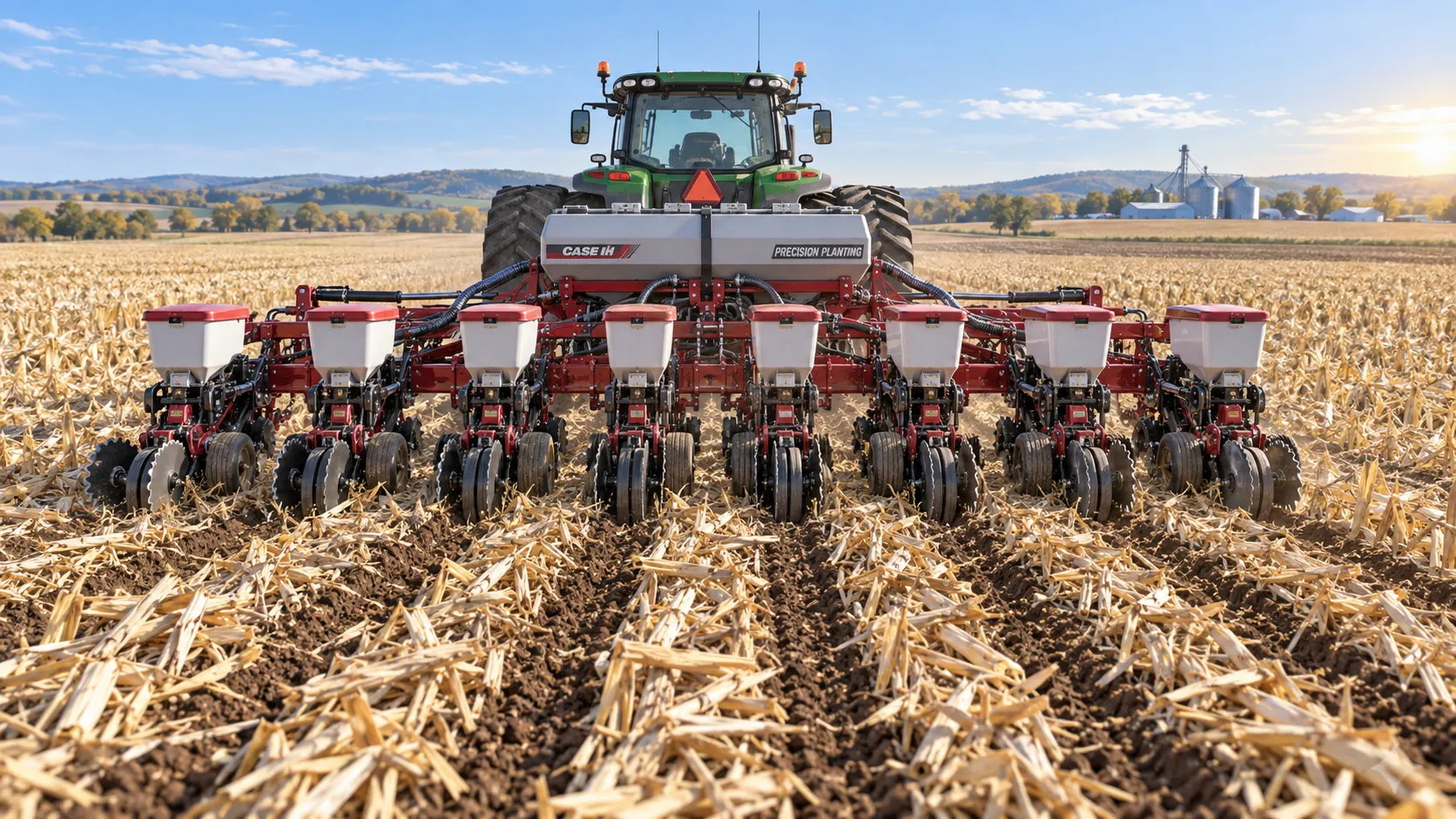
How to Select a Heavy-Duty Seeder for Large Acreage and High-Residue Fields
Heavy duty seeders for large acreage: compare residue handling, depth control, downforce, metering accuracy, and precision features to select the right model.
Related News
- 00
0000-00
When Does Agricultural Machinery Leasing Cost Less Than Owning Equipment? - 00
0000-00
Selecting Grain Farm Equipment by Acreage, Crop Mix, and Harvest Window - 00
0000-00
Poultry Equipment Selection: Evaluating Durability, Cleaning, and Compatibility - 00
0000-00
How to Select Heavy-Duty Farm Implements for High-Acreage, High-Horsepower Operations - 00
0000-00
Smart Farming Technology for Dairy Farms: Where Automation Delivers Measurable ROI
Popular Tags
Ms. Elena Rodriguez
Weekly Insights
Stay ahead with our curated technology reports delivered every Monday.