
How to Evaluate an Electric Agri-Equipment Supplier for Fleet Cost and Service Support
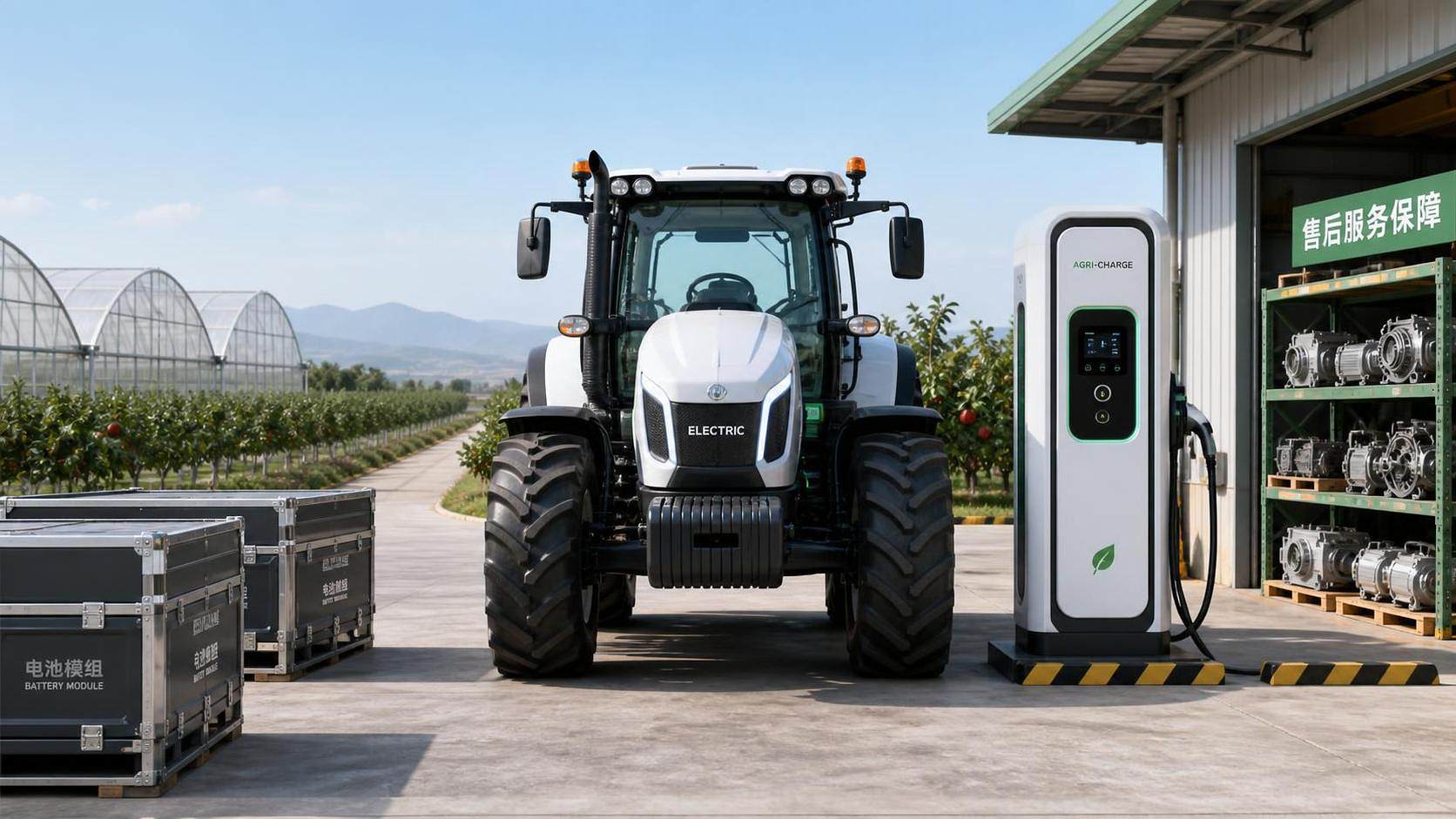




Choosing the right electric agri-equipment supplier can directly affect fleet uptime, total cost of ownership, and after-sales responsiveness. For procurement teams, the evaluation goes far beyond product specs: it requires comparing battery performance, parts availability, service networks, training support, and long-term operating economics. This guide outlines the key factors that help buyers reduce risk, improve asset efficiency, and build a more reliable electrified equipment fleet.
That shift matters because electric machinery in agriculture is still a procurement category where brochure claims and field reality often diverge. A supplier may present attractive battery range, low maintenance messaging, and favorable unit pricing, yet still become a costly choice if charging support is weak, spare parts are centralized too far from the operating region, or software diagnostics remain locked behind the manufacturer.
For buyers managing tractors, utility vehicles, orchard equipment, material handlers, irrigation support units, or other electrified farm assets, the real question is not whether electric equipment is technically viable in general. It is whether a given supplier can support your fleet model, your crop calendar, your labor conditions, and your service expectations without turning energy transition into operational disruption.
Start with the duty cycle, not the catalog
The most common procurement mistake is evaluating an electric agri-equipment supplier by nominal machine specifications before defining the working profile of the fleet. In agriculture, utilization is rarely uniform. One machine may run light transport tasks across a mixed-use farm, while another works in stop-start conditions in greenhouses, orchards, dairy facilities, or irrigation maintenance routes. Battery performance that looks acceptable on paper can deteriorate quickly when loads, ambient temperature, terrain, hydraulic demand, and shift patterns are layered together.
Before comparing suppliers, procurement teams need a duty-cycle baseline:
- Daily operating hours by task
- Peak seasonal workload and harvest-time intensity
- Idle time versus active power draw
- Distance traveled and elevation change
- Use of PTO, hydraulics, auxiliary systems, or implements
- Charging window availability between shifts
- Site constraints such as remote fields or weak grid connection
Once this baseline is clear, supplier claims can be tested against real operating conditions. A capable electric agri-equipment supplier should be willing to map its equipment to your application profile rather than pushing generic runtime estimates. If a supplier cannot explain how energy consumption changes under load, in dust-heavy environments, or during intensive seasonal usage, that is an early warning sign.
Total cost of ownership is broader than fuel savings
Electric equipment is often introduced through a simplified cost argument: lower energy cost and fewer moving parts should reduce operating expense. Sometimes that is true. But procurement decisions fail when buyers evaluate only energy cost per hour and ignore the cost structure that emerges over five to eight years.
A more useful TCO model should include:
- Purchase price and financing terms
- Battery warranty conditions and replacement cost
- Charging infrastructure and installation
- Required grid upgrades or power management systems
- Software subscriptions, telematics, and remote diagnostics fees
- Planned and unplanned maintenance
- Spare parts lead times and emergency service costs
- Operator training and safety compliance costs
- Residual value or end-of-life battery obligations
Battery replacement is especially important. Two suppliers may quote similar upfront pricing, but the long-term economics can differ sharply if one uses a modular battery system with field-swappable packs and transparent replacement pricing, while the other treats the battery as a proprietary sealed asset with uncertain cost after warranty. Procurement teams should insist on clarity regarding battery degradation thresholds, warranty triggers, labor coverage, and whether performance guarantees apply under agricultural duty cycles or only under controlled test conditions.
In many cases, the supplier with the lowest acquisition price is not the lowest-cost fleet partner. A machine that sits idle during peak season because of slow fault diagnosis or unavailable battery modules can erase years of projected savings.
Service support should be evaluated like a risk-control system
After-sales support is where supplier quality becomes visible. In electrified fleets, service capability matters even more because failures may involve power electronics, battery management systems, controllers, charging interfaces, firmware, and sensor networks in addition to conventional mechanical components.
Procurement teams should move beyond asking whether the supplier “has service.” The relevant questions are operational:
- How many trained technicians are available in the target region?
- What is the standard response time during peak season?
- Can first-line diagnostics be performed remotely?
- Which parts are stocked locally and which are imported on demand?
- Who is authorized to work on battery systems and high-voltage components?
- Is there a defined escalation path for software and controller faults?
- Are service commitments contractually guaranteed or only verbally indicated?
A useful test is to ask the supplier to walk through three realistic failure scenarios: charger failure before a planting shift, battery thermal derating during a heatwave, and controller fault during harvest. The quality of the answer often reveals more than the sales presentation. Strong suppliers can identify likely causes, diagnostic process, spare part availability, expected downtime, and temporary workarounds. Weak suppliers tend to answer in generalities.
For international buyers, distributor structure also matters. Some brands sell through local dealers with uneven technical capacity. Others centralize all high-voltage service through a limited number of regional hubs. Neither model is automatically wrong, but buyers need to understand where responsibility sits when uptime is at stake.
Parts availability is not a back-office detail
For conventional farm equipment, procurement teams already understand the risk of long parts lead times. Electric platforms add another layer because replacement needs are more specialized. Power control modules, onboard chargers, battery management boards, wiring harnesses, and software-linked sensors may not be interchangeable across models or generations.
This creates three practical procurement questions.
The first is stocking depth. Does the supplier hold critical electrical and electronic components in-country or only in a central export warehouse? If a part must cross borders during peak operating season, customs delay becomes part of your uptime risk.
The second is design continuity. Some newer electric machinery suppliers iterate platforms quickly, which can improve performance but complicate spare parts planning. Buyers should ask how long each major component family will remain supported and whether backward compatibility is maintained.
The third is parts visibility. Can the buyer access illustrated parts catalogs, serial-specific parts identification, and digital service documentation without excessive restriction? Overly closed parts systems increase dependence on the supplier and weaken fleet control.
It is reasonable to ask for fill-rate history, parts lead-time benchmarks, or documented service-level metrics where available. If a supplier cannot provide hard evidence, procurement should treat support claims cautiously.
Battery and charging support should be evaluated as infrastructure, not accessories
In electric fleets, charging is part of the equipment system. Many procurement problems emerge because buyers evaluate the machine and the charger separately, or assume charging can be solved after delivery.
A competent supplier should assess:
- Site power capacity
- Charging frequency and timing
- Single-site versus distributed fleet deployment
- Exposure to dust, rain, heat, and unstable voltage conditions
- Need for fast charging versus overnight charging
- Battery storage behavior during off-season periods
Compatibility and standards should also be checked carefully. Some suppliers use proprietary charging systems that lock the buyer into one ecosystem. Others support more open charging approaches, but actual compatibility may still depend on software integration and approved hardware combinations. If the fleet may expand across multiple equipment categories, a fragmented charging architecture can drive hidden cost.
Procurement should also ask how the supplier manages battery health analytics. Can fleet managers monitor state of charge, charging cycles, fault codes, and degradation trends? Can those data be exported into the buyer’s maintenance systems? If battery data remain opaque, cost forecasting becomes much harder.
Training quality has a measurable cost impact
Training is often underestimated because it does not look like a capital line item. In practice, operator habits strongly influence energy use, charging discipline, battery life, and fault frequency.
Suppliers should be evaluated on whether they offer structured onboarding for operators, maintenance staff, and site supervisors. Good training support typically covers safe charging procedures, storage and idle-period management, warning code interpretation, basic troubleshooting, and operating practices that affect battery performance under load.
For procurement teams, the practical issue is not whether training exists, but whether it is repeatable. Seasonal labor turnover is common in agriculture. If training is delivered only once at commissioning, knowledge erosion becomes a real operating cost. Suppliers that provide multilingual digital modules, refresher sessions, and train-the-trainer programs generally reduce long-term support burden.
Supplier maturity matters as much as product maturity
Some electric agri-equipment suppliers enter the market with technically promising products but limited field-service depth, narrow manufacturing capacity, or incomplete export support. That does not mean they should be excluded, but it does mean procurement should separate innovation appeal from supplier readiness.
Useful maturity indicators include:
- Installed base in comparable agricultural applications
- Average years of field deployment for the current platform
- Geographic spread of service and parts support
- Documented uptime or fleet performance data
- Financial stability and continuity of production
- Ability to support regulatory and customs documentation for export markets
For cross-border procurement, documentation quality is not trivial. Buyers may need conformity declarations, electrical safety records, battery transport documentation, and country-specific compliance materials. Requirements differ by market, and exact certification obligations should be confirmed case by case as they may involve local machinery, electrical, EMC, or battery transport rules 【待核实】. A supplier that is slow or inconsistent in documentation can delay deployment even when the equipment itself is ready.
Do not ignore software dependence and data access
Electric equipment increasingly depends on software for diagnostics, battery control, performance updates, and fault management. This can improve efficiency, but it also changes the procurement risk profile.
Buyers should clarify who controls software updates, whether updates require paid service visits, and how faults are handled if connectivity is weak in rural operating environments. If a machine becomes partially unusable because an update, authentication issue, or locked diagnostic tool cannot be resolved quickly, the cost consequence is similar to a mechanical breakdown.
Data ownership should also be addressed early. If telematics data, performance records, and maintenance alerts remain fully inside the supplier platform, fleet managers may struggle to compare vendors or optimize mixed fleets. The better procurement position is to ensure practical access to operational data and clear rules for cybersecurity, user rights, and system interoperability.
Reference checks should focus on operating similarity
Reference lists are only useful if they reflect similar conditions. A supplier with successful deployments in municipal groundskeeping or light industrial mobility is not automatically proven in orchard rows, muddy field logistics, or irrigation maintenance over large rural distances.
When speaking with references, procurement teams should ask about:
- Actual runtime under seasonal workload
- Charging bottlenecks
- Downtime causes in the first 12 to 24 months
- Battery performance in hot or cold weather
- Parts lead times during urgent repairs
- Quality of technical escalation when dealers could not solve the issue
- Whether promised operating savings were realized
It is often more revealing to ask what the buyer would specify differently in a second purchase than to ask whether they are satisfied overall.
A practical supplier scorecard is better than a feature comparison sheet
For final evaluation, procurement teams benefit from a weighted scorecard that reflects fleet economics and support risk, not just product features. Typical weighting may include operating fit, battery and charging suitability, service response capability, parts support, documentation quality, software transparency, commercial terms, and supplier stability.
Field trials should be treated as structured validation, not demonstrations. A short on-site pilot can reveal charging friction, operator acceptance, actual energy consumption, and fault behavior far better than a showroom test. Where possible, include maintenance personnel and operations managers in the trial review, because the true cost of supplier weakness usually appears after handover.
The strongest electric agri-equipment supplier is rarely the one with the broadest marketing claims. It is the one that can prove application fit, quantify lifecycle cost, support the fleet locally, and remain accountable when equipment is working under seasonal pressure rather than ideal conditions.
As agricultural electrification expands, procurement discipline will matter more than early enthusiasm. Buyers who evaluate suppliers through uptime, serviceability, battery support, and data transparency are more likely to build fleets that deliver both lower operating cost and lower operational risk. In this category, supplier capability is not an afterthought to the machine. It is a core part of the asset itself.
Related News
How to Evaluate Precision Fertilization System Suppliers for Farm-Scale Deployment
Precision fertilization systems suppliers: learn how to compare accuracy, integration, uptime, service, and total cost for confident farm-scale deployment.
ISOBUS for Smart Agriculture: How It Connects Tractors, Implements, and Farm Data
ISOBUS for smart agriculture connects tractors, implements, terminals, and farm data—helping growers improve precision, documentation, and smarter field decisions.
Automated Water-Saving Irrigation: How to Cut Water Use Without Reducing Crop Yields
Automated water-saving irrigation helps farms cut water use, protect crop yields, improve scheduling, and gain reliable control with sensors, flow monitoring, and smart zones.

Selecting Grain Farm Equipment by Acreage, Crop Mix, and Harvest Window
Agricultural equipment selection for grain farming: match machinery to acreage, crop mix, and harvest windows to improve uptime, efficiency, and returns.
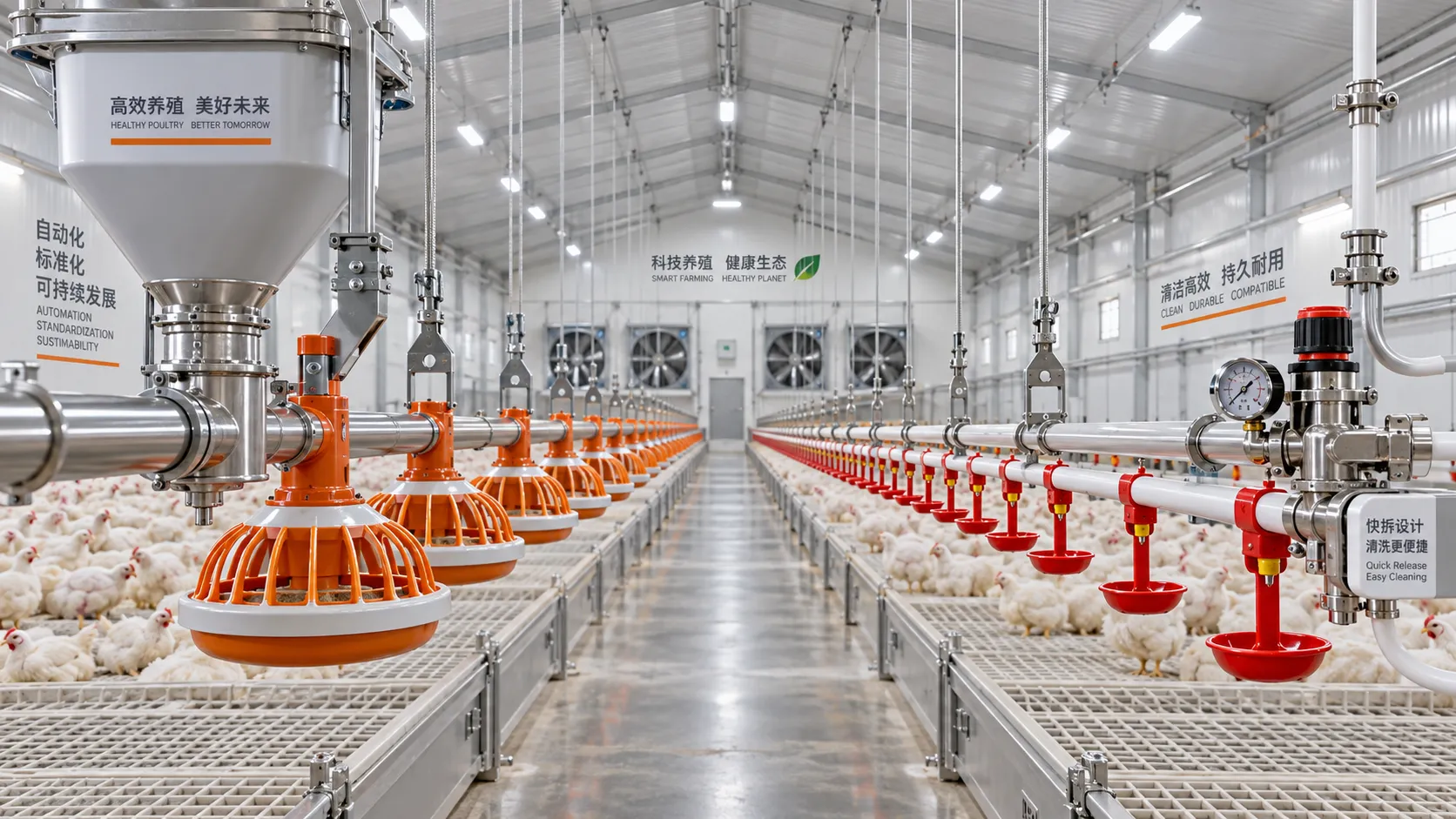
Poultry Equipment Selection: Evaluating Durability, Cleaning, and Compatibility
Poultry equipments selection guide: evaluate durability, cleaning access, and system compatibility to improve hygiene, reduce downtime, and support efficient flock management.
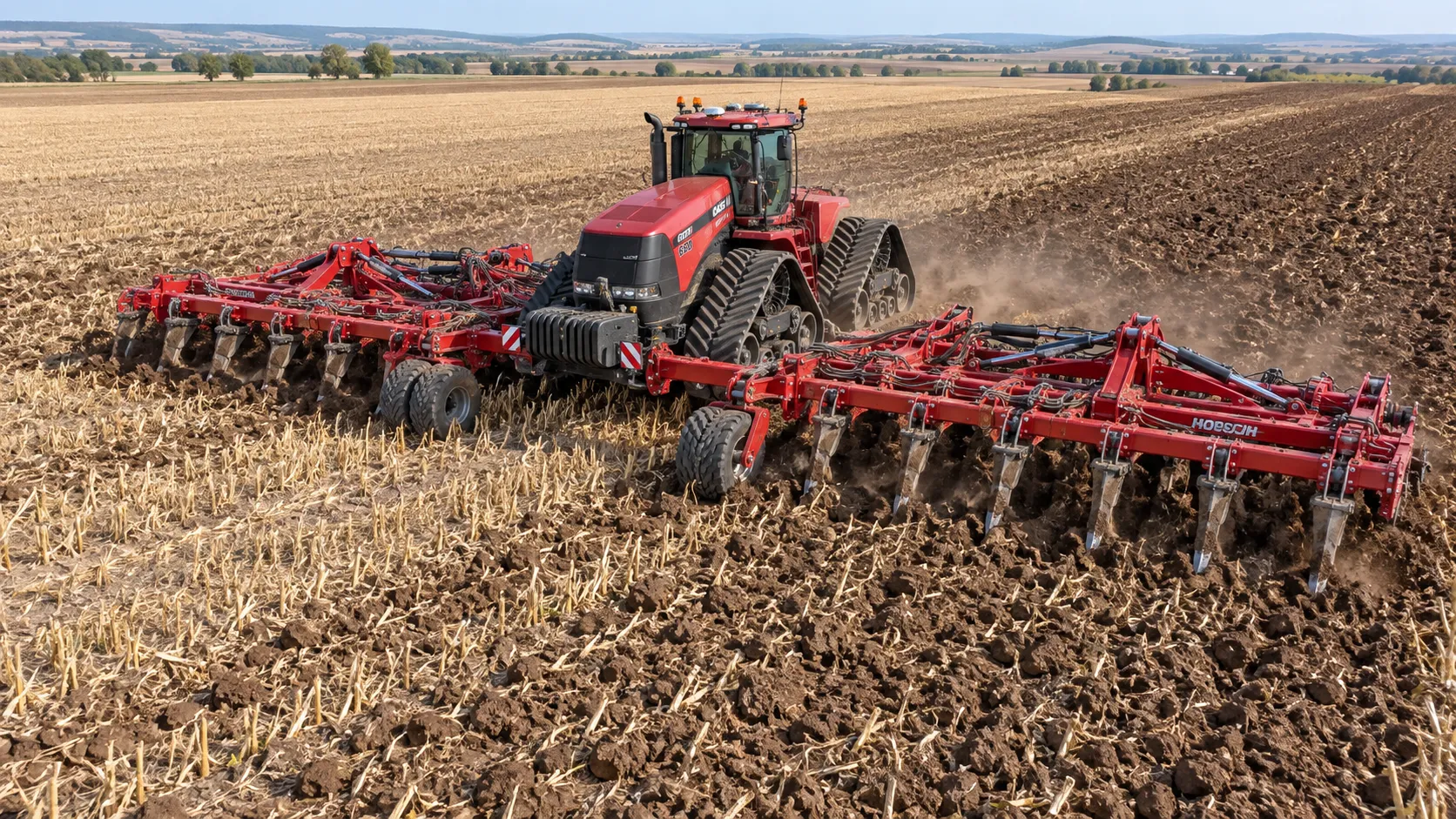
How to Select Heavy-Duty Farm Implements for High-Acreage, High-Horsepower Operations
Heavy duty farm implements: learn how to match draft, hydraulics, hitch capacity, frame strength, and field conditions for reliable high-acreage performance.
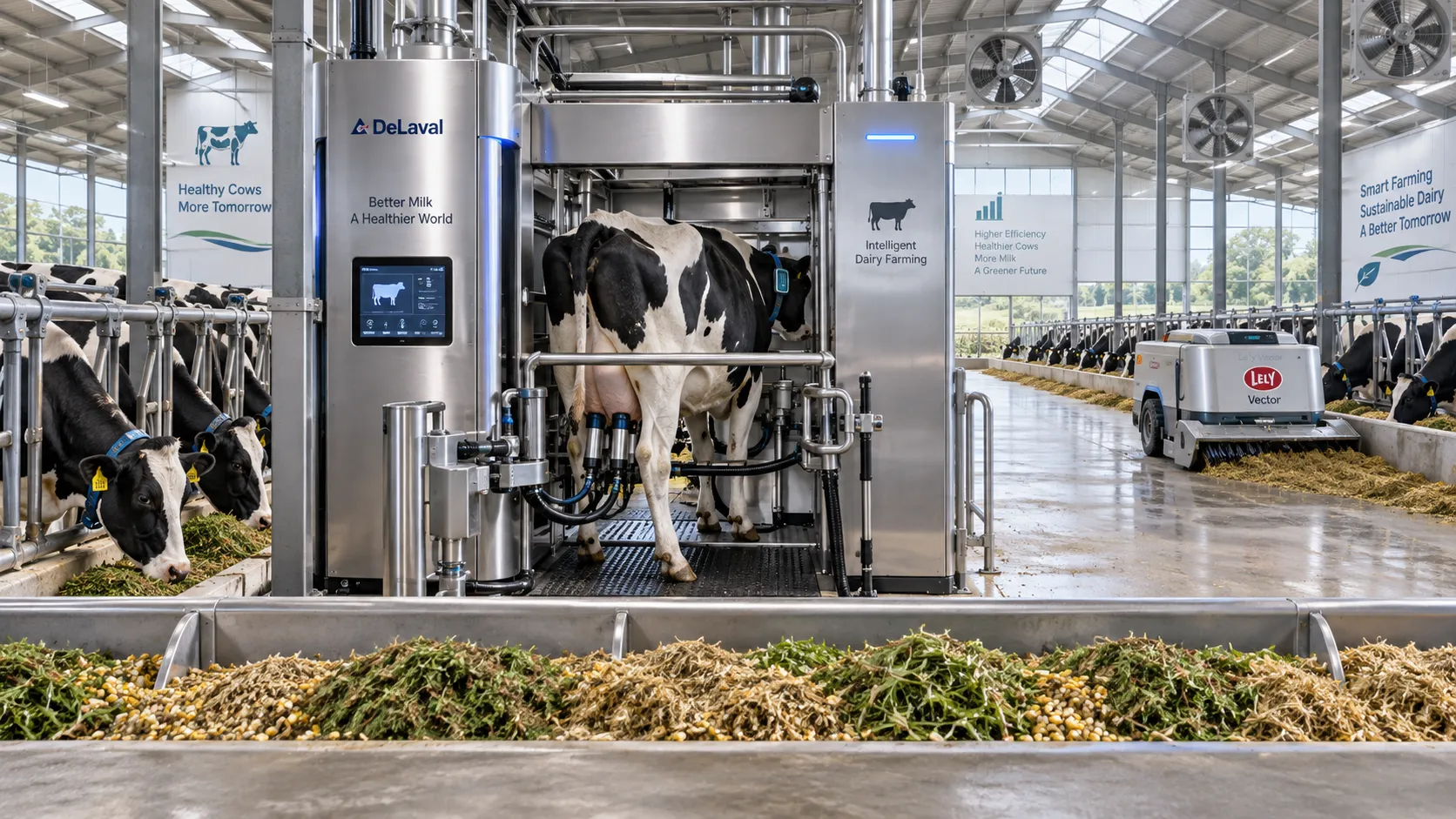
Smart Farming Technology for Dairy Farms: Where Automation Delivers Measurable ROI
Smart farming technology for dairy farms delivers measurable ROI through automation, precision feeding, health monitoring, and data-driven cost control.
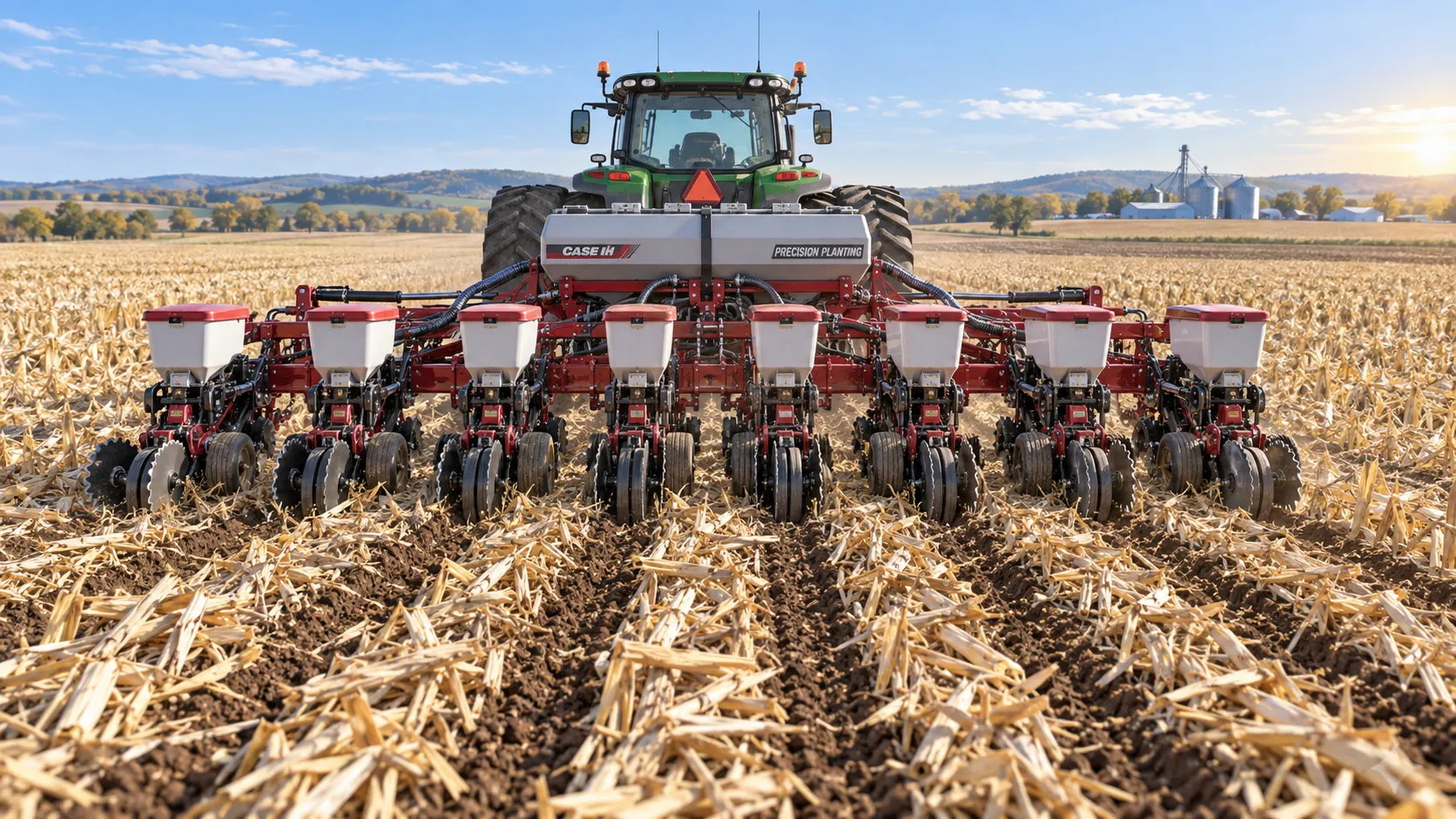
How to Select a Heavy-Duty Seeder for Large Acreage and High-Residue Fields
Heavy duty seeders for large acreage: compare residue handling, depth control, downforce, metering accuracy, and precision features to select the right model.

How to Select a Precision Fertilization System for Variable Corn Field Conditions
Precision fertilization systems for corn farming: learn how to match data, placement, control accuracy, and ROI to variable field conditions for better results.
Related News
- 00
0000-00
Selecting Grain Farm Equipment by Acreage, Crop Mix, and Harvest Window - 00
0000-00
Poultry Equipment Selection: Evaluating Durability, Cleaning, and Compatibility - 00
0000-00
How to Select Heavy-Duty Farm Implements for High-Acreage, High-Horsepower Operations - 00
0000-00
Smart Farming Technology for Dairy Farms: Where Automation Delivers Measurable ROI - 00
0000-00
Selecting Precision Farming Products by Application: Field Conditions, Crops, and ROI
Popular Tags
Ms. Elena Rodriguez
Weekly Insights
Stay ahead with our curated technology reports delivered every Monday.