
USDA Broadens VRT EQIP Support to Smaller Farms
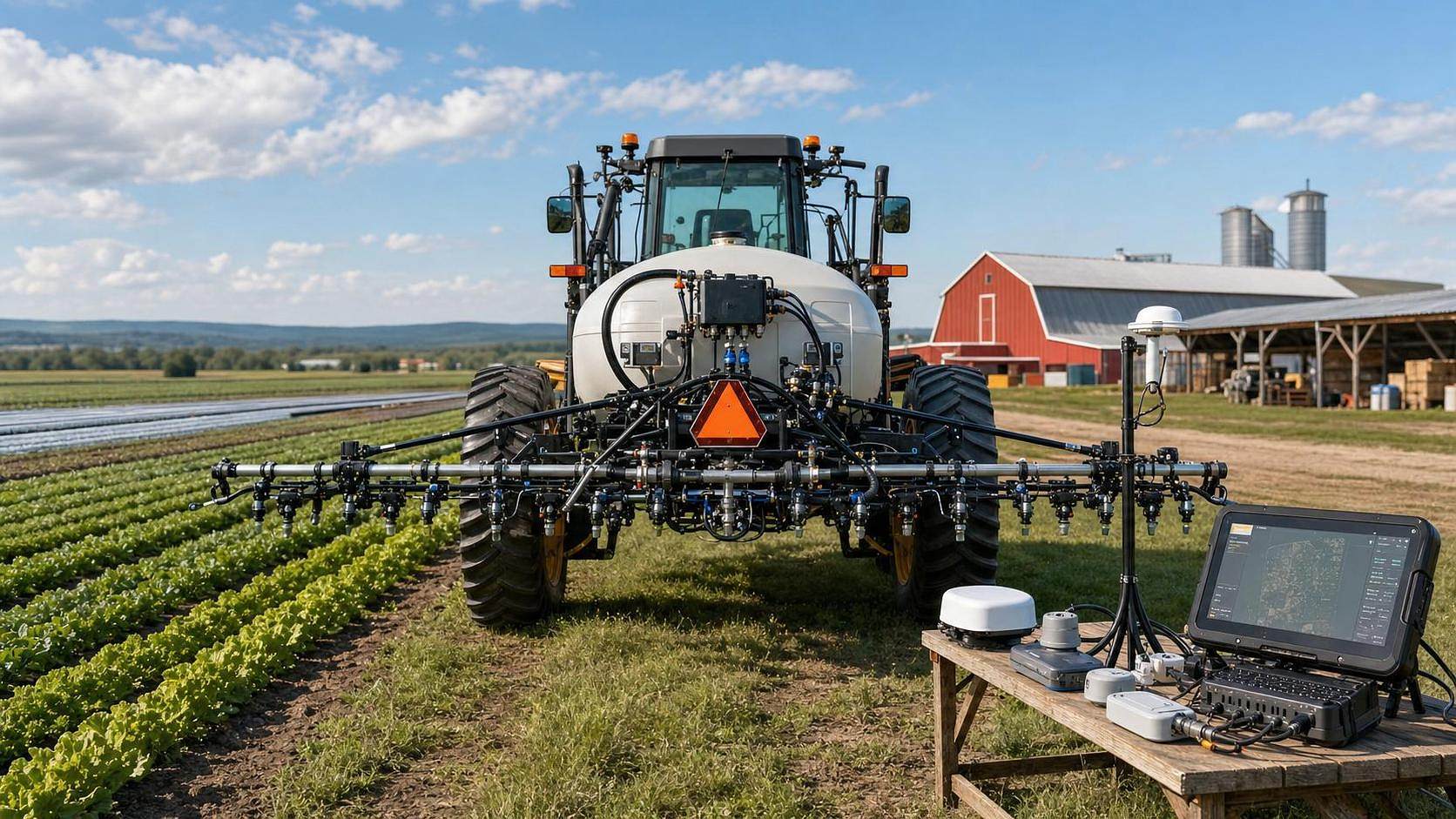




On July 11, 2026, the U.S. Department of Agriculture said it would extend EQIP support for Variable Rate Technology equipment beyond large operations to farms with annual operating acreage below 500 acres, while also tightening compliance conditions for eligible devices. For equipment makers, integrators, farm technology service providers, and cross-border suppliers, the announcement is worth close attention because the subsidy expansion and the new certification and data-interface requirements now move together rather than separately.
What the USDA announcement confirms
According to the information provided, the USDA expanded the coverage of Variable Rate Technology equipment subsidies under the Environmental Quality Incentives Program to small and mid-sized farms with annual operating acreage of less than 500 acres.
The same announcement added two mandatory conditions for equipment seeking support eligibility: the equipment must pass ASABE EP487.2:2026 precision application algorithm validation, and its data interface must support the AgGateway ADAPT standard.
The provided information also states that Chinese suppliers need to upgrade device data middleware capabilities in response to these requirements.
Where the impact is likely to appear first
Equipment manufacturers face a narrower path to subsidy eligibility
From an industry perspective, manufacturers of Variable Rate Technology equipment may be affected first because subsidy access is now tied not only to product category but also to algorithm validation and interface compatibility. The practical impact is likely to show up in product certification preparation, software-hardware integration, and documentation used in customer sales and project qualification.
Integration and service providers will need to check interoperability earlier
Providers involved in deployment, integration, or technical support may see the change most clearly in implementation workflows. If equipment must support AgGateway ADAPT, interface readiness becomes part of pre-delivery verification rather than a secondary technical matter. What deserves closer attention is whether current deployment processes, data exchange settings, and customer-facing technical explanations are aligned with the new requirement.
Farm buyers in the newly covered acreage segment may reassess procurement timing
For smaller farms now brought into the subsidy scope, the policy change may affect purchase evaluation and equipment selection. Analysis shows that the decision point is no longer only whether a device performs a Variable Rate Technology function, but whether it can meet the stated validation and interface conditions tied to support eligibility.
Cross-border suppliers, especially from China, face middleware pressure
The provided information specifically highlights Chinese suppliers. Observably, the immediate pressure is less about broad market messaging and more about technical adaptation in device data middleware, because interface compliance is now a visible condition within the policy framework described in the announcement.
What companies should watch now
Track how the compliance language is applied in practice
Companies should pay close attention to how the stated requirements are interpreted in actual procurement, qualification, and customer communication. The policy signal is clear in linking subsidy eligibility with ASABE EP487.2:2026 validation and AgGateway ADAPT support, but businesses still need to distinguish between the wording of the announcement and the way customers or channel partners may apply it in transactions.
Review product files and technical evidence early
For suppliers already selling or planning to sell relevant equipment, a practical priority is to review whether current product materials clearly support claims around algorithm validation and data-interface compatibility. This is particularly relevant where sales cycles depend on qualification documents, technical submissions, or pre-purchase confirmation from buyers.
Prepare middleware and integration adjustments before customer demand rises
For Chinese suppliers named in the provided summary, the issue is not only final-device capability but also whether existing middleware can support the required data standard in a usable way. Analysis shows that waiting until end-customer requests arrive may compress delivery schedules and complicate coordination across product, engineering, and commercial teams.
Separate subsidy expansion from immediate market conversion
It is more appropriate to understand the expansion of subsidy coverage as a market access condition rather than an automatic demand outcome. Companies should therefore avoid treating newly covered smaller farms as instant conversions and instead focus on readiness in qualification, delivery communication, and compatibility assurance.
Why this looks like both access expansion and threshold tightening
Analysis shows that this development carries two messages at once. On one side, the addressable group within the EQIP framework becomes broader by including farms under the 500-acre operating threshold described in the provided information. On the other, the path to participation becomes more conditional because algorithm validation and data standard support are explicitly attached to equipment eligibility.
Observably, this makes the announcement more than a short-term subsidy adjustment. It also acts as a standards-related signal for vendors and service providers whose products depend on precision application logic and data exchange. Even so, it would be premature to treat the announcement alone as proof of immediate market restructuring, because the provided information does not establish downstream adoption pace, procurement volume, or implementation timelines.
How the industry can read this stage
At this stage, the announcement is best understood as a concrete policy change with broader commercial implications, but not as a complete market outcome on its own. The direct facts are clear: smaller farms are included in the support scope, and equipment must meet stated validation and interface requirements. The broader industry meaning lies in the fact that subsidy access, technical verification, and interoperability are being linked more tightly within the same decision framework.
For businesses, the most rational reading is to treat this as both an immediate compliance matter and a longer-range operating signal. It suggests near-term work on product qualification and middleware readiness, while leaving room for continued observation on how the requirements are implemented across actual transactions and customer adoption.
Basis of this article and points for continued verification
This article is based on the user-provided news title, event date, and event summary. The information describes a USDA announcement made on July 11, 2026 concerning EQIP coverage for Variable Rate Technology equipment, mandatory ASABE EP487.2:2026 algorithm validation, AgGateway ADAPT interface support, and the need for Chinese suppliers to upgrade data middleware capabilities.
For this type of industry update, relevant source categories would typically include official government announcements, company statements, industry association information, standards organization documents, and reporting by authoritative media. A specific official source link was not provided in the input, so the exact source document still needs continued verification. Follow-up attention should remain on any later official wording, implementation details, and standard-related clarifications connected to the announced requirements.
Related News
Choosing a Digital Farming Platform Provider: Compatibility and Data Ownership
Compare digital farming platforms providers on equipment compatibility, data ownership, and export rights. Discover practical checks to avoid lock-in and choose with confidence.
How Large-Scale Farm Telematics Cuts Downtime Across Mixed Fleets
Large-scale farm equipment telematics cuts mixed-fleet downtime with real-time alerts, smarter maintenance, and stronger operational control. Learn how to protect critical farm workflows.
How to Size Low-Pressure Water-Saving Irrigation Systems for Uneven Fields
Low pressure water-saving irrigation systems for uneven fields: learn zoning, pressure mapping, pipe sizing, and pump selection to improve uniformity and reduce water waste.
Farm Machinery Sourcing: How to Vet Suppliers, Specs, and Lifecycle Costs
Farm machinery information for sourcing: learn to vet suppliers, compare specifications, control lifecycle costs, and secure reliable uptime for smarter equipment purchases.
What to compare in integrated seeding combinations for heavy soils
Compare integrated seeding combinations for heavy soils: depth control, residue flow, consolidation, traction, and field capacity for more uniform crop establishment.
When an integrated seeding combination improves field efficiency
Integrated seeding combination improves field efficiency, protects planting windows, and balances speed with seedbed quality, tractor capacity, and reliable establishment.
Which costs matter most when calculating precision agriculture ROI?
Calculating ROI on precision agriculture equipment? Discover the costs that shape returns, from installation and subscriptions to downtime, labor, and data integration.
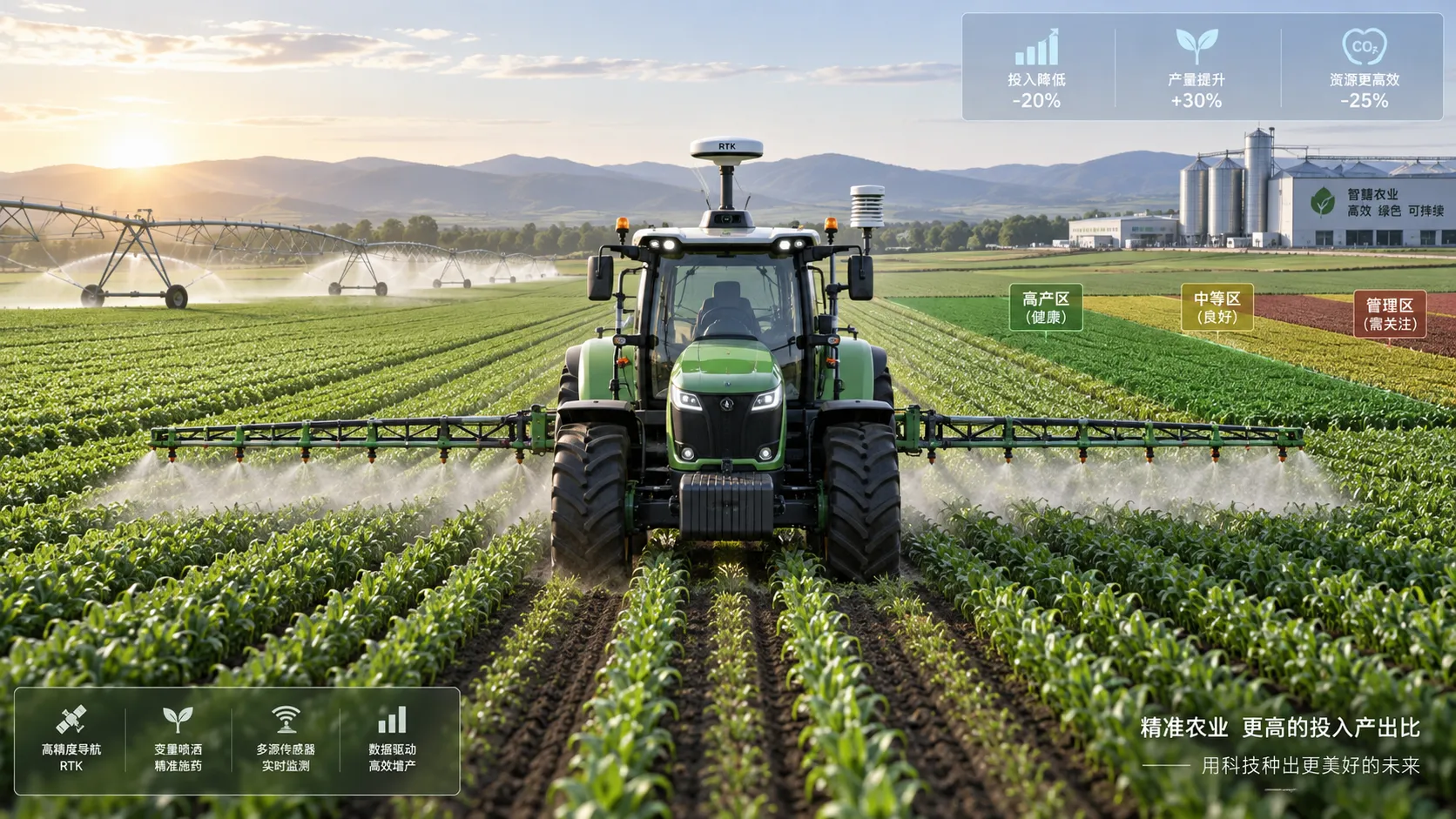
How to calculate ROI on precision agriculture equipment before buying
Calculating ROI on precision agriculture equipment: learn to assess total ownership costs, savings, payback, NPV, risks, and farm-scale value before you buy.
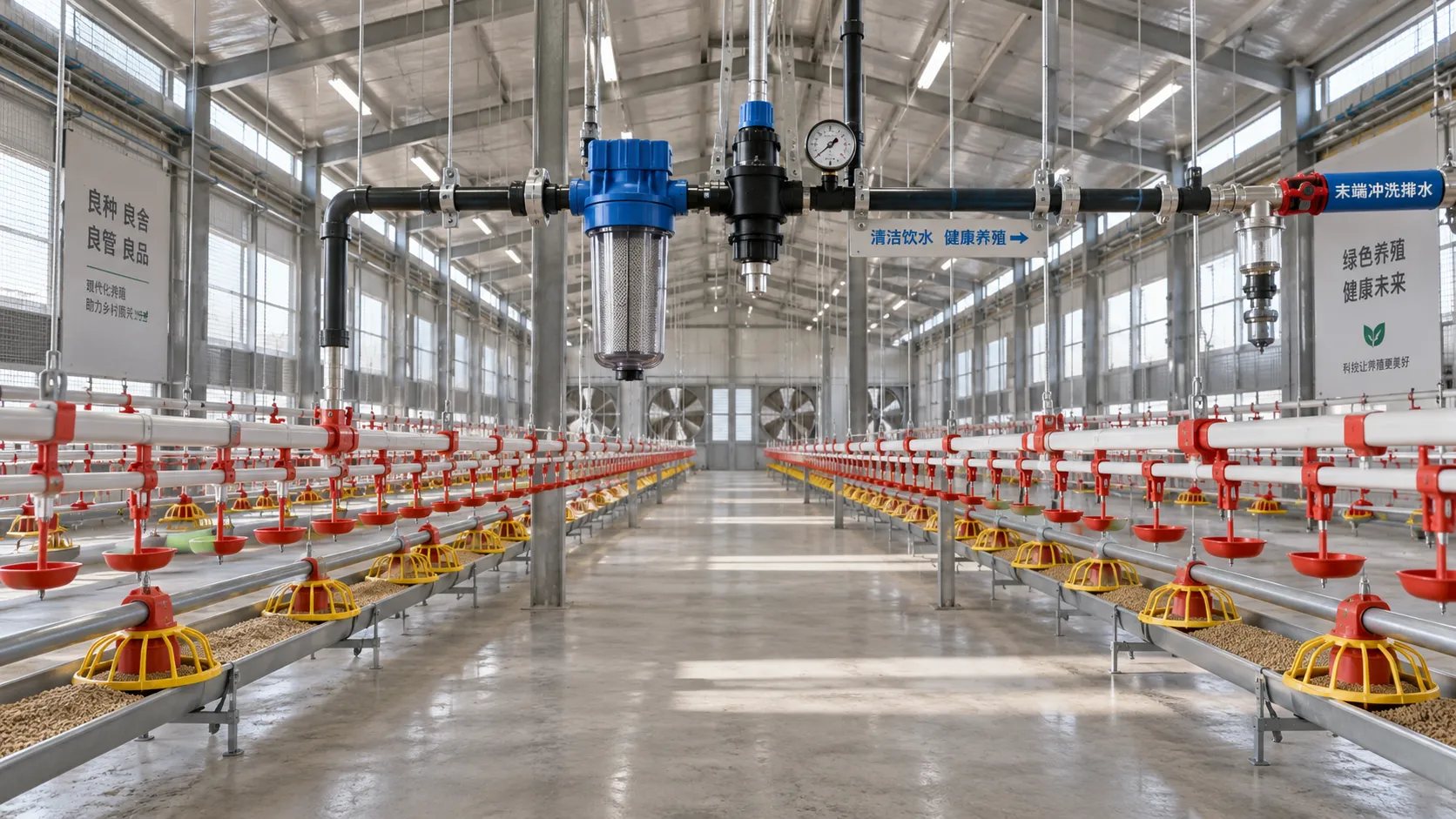
Planning Nipple Drinker Installation for Different Chicken House Layouts
How to install nipple drinker for chicken houses: plan line layouts, pressure control, flushing access, and maintenance for reliable water delivery.
Related News
- 00
0000-00
How to Evaluate Dynamic Feedback Algorithm Suppliers for Precision Farming Systems - 00
0000-00
How Sensor Feedback Enables Accurate Variable-Rate Fertilization in Field Conditions - 00
0000-00
How to Select Precision Crop Protection Equipment for Variable Field Conditions - 00
0000-00
How to Evaluate Precision Fertilization System Suppliers for Farm-Scale Deployment - 00
0000-00
How to Select a Precision Fertilization System for Variable Corn Field Conditions
Popular Tags
Tractor Power Architect
Weekly Insights
Stay ahead with our curated technology reports delivered every Monday.