
EU REACH Adds PFAS Ban for Soil Moisture Sensors
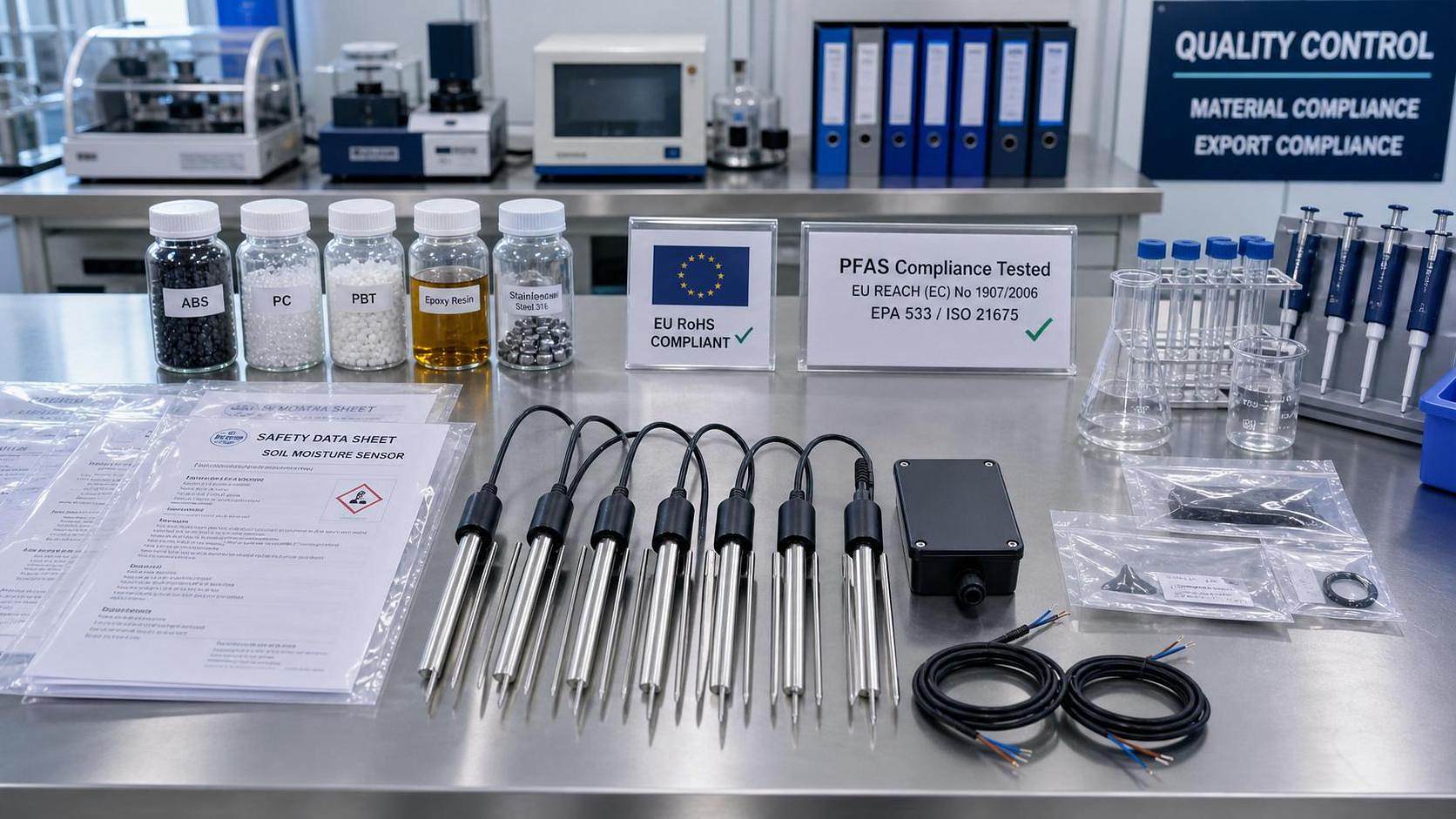




On July 13, 2026, the European Chemicals Agency (ECHA) updated REACH Annex XVII to add a new restriction affecting soil moisture sensors. From January 1, 2027, PFAS may no longer be used in these products as hydrophobic coatings on sensor probes or as encapsulation materials. The change matters for sensor manufacturers, exporters, materials suppliers, compliance teams, and EU-facing buyers because it applies across capacitive, FDR, and TDR product routes and adds clear documentation expectations for market entry.
What the new restriction formally covers
According to the information provided, ECHA updated REACH Annex XVII on July 13, 2026. The updated rule will prohibit the use of any per- and polyfluoroalkyl substances (PFAS) in soil moisture sensors when those substances are used as probe hydrophobic coatings or encapsulation materials, with the restriction taking effect on January 1, 2027.
The scope described in the input covers capacitive, FDR, and TDR soil moisture sensing technologies. The same input also states that Chinese exporters must provide a Safety Data Sheet (SDS) and a PFAS screening test report in order to enter the EU market.
Where the immediate pressure is likely to appear
For manufacturers, the issue is no longer limited to one sensor architecture
From an industry perspective, manufacturers of soil moisture sensors may be affected because the restriction is described as covering capacitive, FDR, and TDR technologies rather than a single product type. That means product planning, materials selection, and technical documentation could all come under review where PFAS-based coatings or encapsulation materials are involved.
For exporters, documentation becomes part of market access
Analysis shows that direct trade companies and export-oriented manufacturers will need to pay close attention to compliance files, not only to product design. The stated requirement for SDS and PFAS screening test reports means that entry into the EU market is tied to documentation readiness as well as product substance status.
For upstream suppliers, material transparency becomes more important
Observably, suppliers of coatings, encapsulation materials, and related components may face closer scrutiny from downstream customers. The practical impact is likely to appear in material declarations, supporting documents, and supply-chain communication, especially where customers need to verify whether PFAS are present in the relevant parts of the sensor.
For buyers and channel partners, product acceptance criteria may tighten
EU-facing buyers, importers, and channel partners may also be affected because purchasing decisions and acceptance checks could increasingly depend on whether suppliers can present the required SDS and PFAS screening documentation. In business terms, the pressure is likely to fall on procurement review, supplier qualification, and shipment readiness.
What companies should pay attention to now
Check whether affected materials sit in coatings or encapsulation layers
What deserves closer attention is the specific use scenario named in the restriction. The information provided points directly to PFAS used as hydrophobic coatings on probes or as encapsulation materials, so companies should focus their review on these parts of the product first rather than treating the issue as a general labeling exercise.
Prepare SDS and PFAS screening files before EU shipments
For companies selling into the EU, the immediate operational point is document readiness. The input explicitly states that Chinese exporters must provide SDS and PFAS screening test reports, which means compliance preparation may affect customer communication, order confirmation, and shipment timing.
Separate confirmed rule text from internal assumptions
Analysis shows that companies should distinguish between what is already stated and what may still require internal interpretation. The confirmed points in the input are the restriction date, the covered product category, the covered technical routes, the named PFAS applications, and the documentation expected for Chinese exporters. Internal compliance decisions should remain anchored to those confirmed elements.
Keep watching for further official wording or implementation detail
It is more appropriate to understand this as a rule that already sets a clear compliance direction, while some practical details may still need continued verification through official communications. For that reason, regulatory, sales, procurement, and quality teams should keep tracking any follow-up wording that affects how documentation and customer acceptance are handled in practice.
How this development should be read at this stage
As an editorial observation, this is more than a short-term headline for one niche component category because the restriction is described as spanning the main technical routes used in soil moisture sensing. That broad scope suggests the issue should be read as a concrete compliance signal for product and supply-chain review, not merely as a theoretical policy discussion.
At the same time, it should not be overstated beyond the provided facts. The input confirms a restriction and a future effective date, but it does not provide broader market data, enforcement outcomes, or transition case studies. The most balanced reading is that the rule already creates a practical preparation window, while the market impact still needs to be observed through implementation.
Why the industry should treat this as a compliance milestone
In summary, the July 13, 2026 REACH Annex XVII update introduces a defined compliance change for soil moisture sensors sold into the EU when PFAS are used in probe coatings or encapsulation materials. The industry significance lies in the combination of broad technical coverage and clear documentation expectations for exporters.
It is more appropriate to understand this development as an actionable regulatory milestone rather than a general policy signal. For affected companies, the current priority is not speculation about long-term outcomes, but confirming material status, checking documentation completeness, and monitoring how the rule is applied in actual trade and customer review processes.
Basis of this article and points that still require tracking
This article is based on the user-provided news title, event date, and event summary. For this type of industry update, commonly relevant source categories may include official regulatory notices, company disclosures, industry association updates, authoritative media reports, and standards-related documents.
A specific official source link was not provided in the input, so the exact official publication path still needs continued verification. Follow-up attention should remain on any later official wording, implementation clarifications, and documentation expectations that may affect EU market entry in practice.
Related News

Choosing a Digital Farming Platform Provider: Compatibility and Data Ownership
Compare digital farming platforms providers on equipment compatibility, data ownership, and export rights. Discover practical checks to avoid lock-in and choose with confidence.
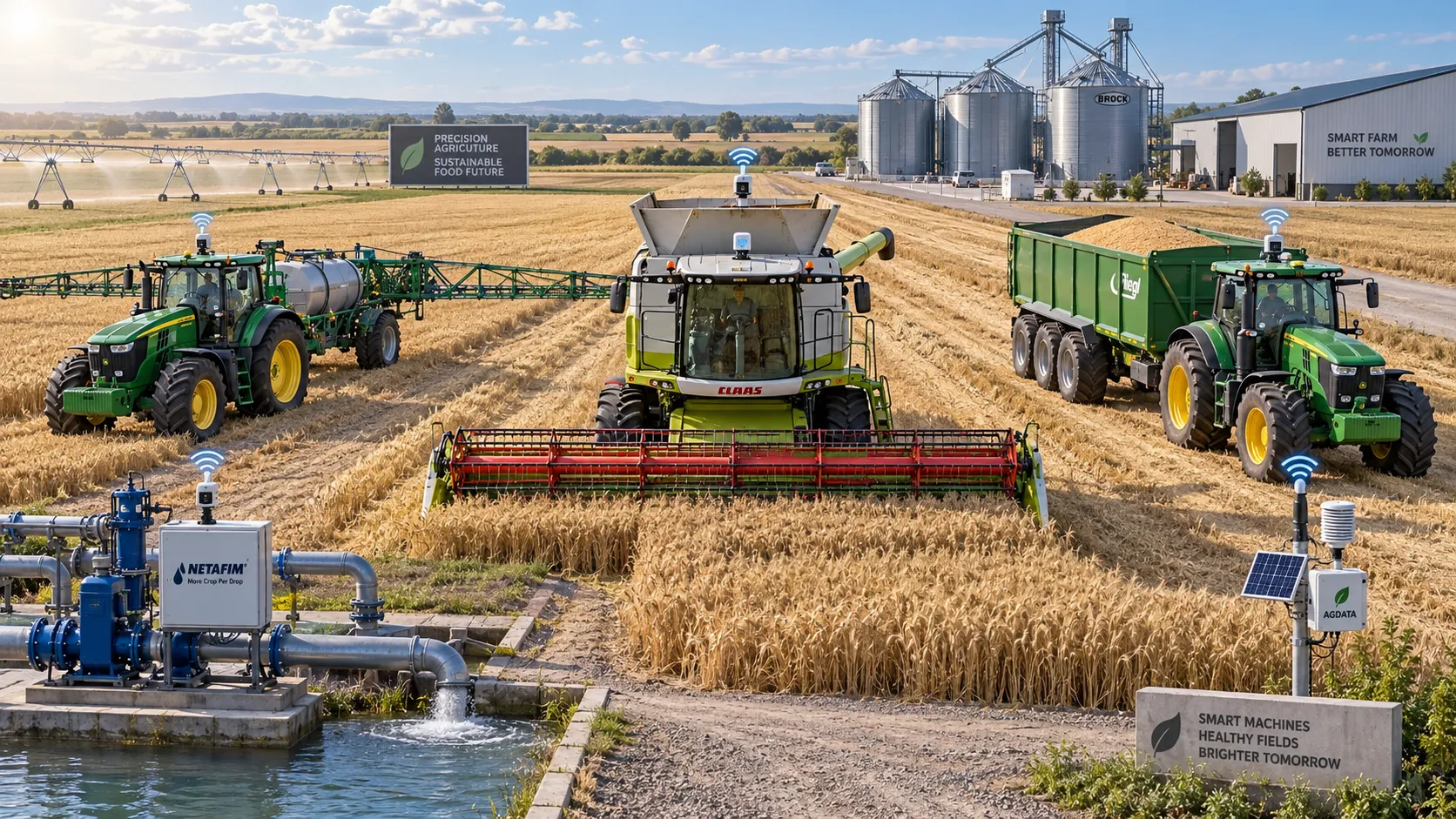
How Large-Scale Farm Telematics Cuts Downtime Across Mixed Fleets
Large-scale farm equipment telematics cuts mixed-fleet downtime with real-time alerts, smarter maintenance, and stronger operational control. Learn how to protect critical farm workflows.
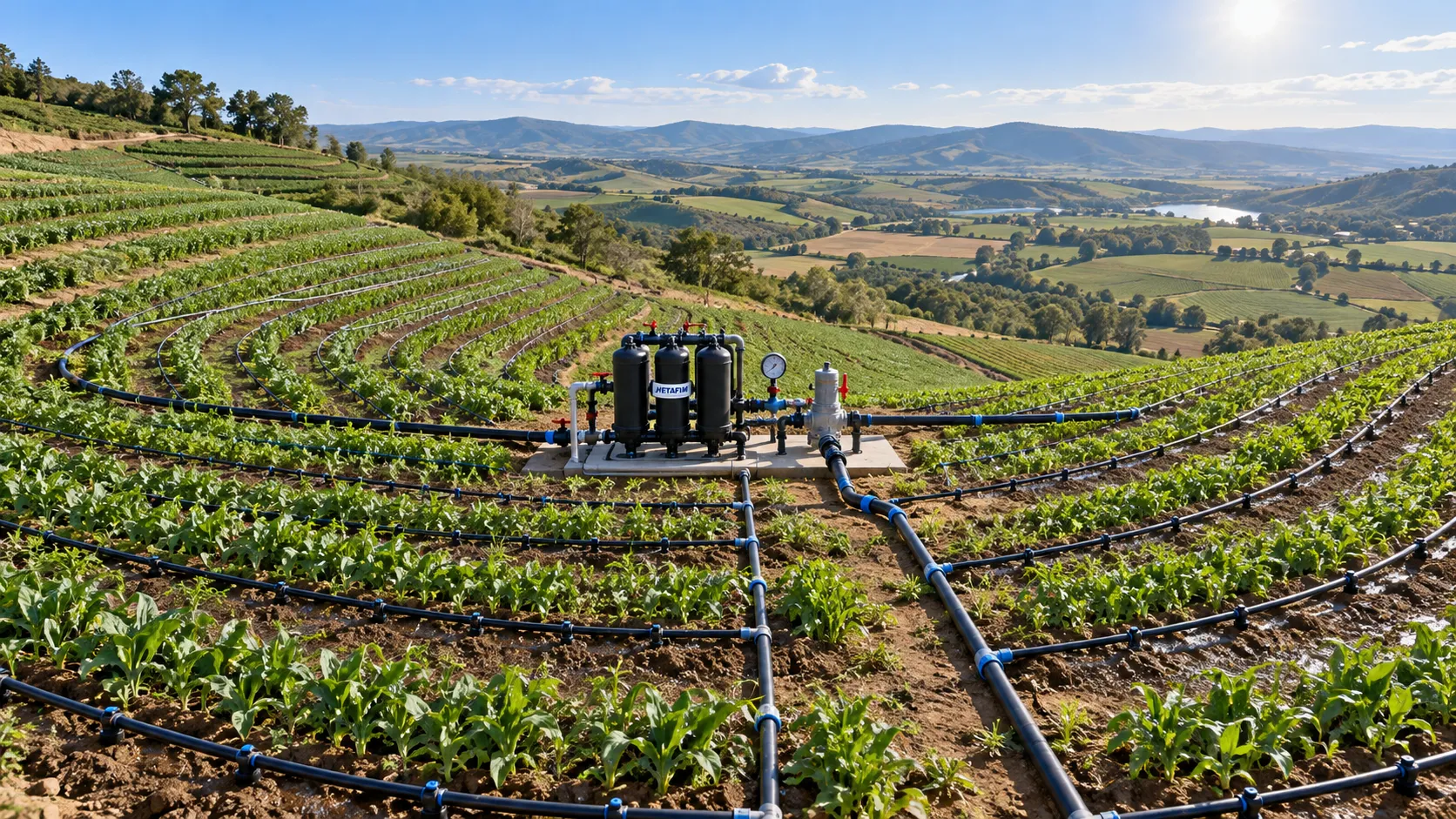
How to Size Low-Pressure Water-Saving Irrigation Systems for Uneven Fields
Low pressure water-saving irrigation systems for uneven fields: learn zoning, pressure mapping, pipe sizing, and pump selection to improve uniformity and reduce water waste.

Farm Machinery Sourcing: How to Vet Suppliers, Specs, and Lifecycle Costs
Farm machinery information for sourcing: learn to vet suppliers, compare specifications, control lifecycle costs, and secure reliable uptime for smarter equipment purchases.

What to compare in integrated seeding combinations for heavy soils
Compare integrated seeding combinations for heavy soils: depth control, residue flow, consolidation, traction, and field capacity for more uniform crop establishment.

When an integrated seeding combination improves field efficiency
Integrated seeding combination improves field efficiency, protects planting windows, and balances speed with seedbed quality, tractor capacity, and reliable establishment.

Which costs matter most when calculating precision agriculture ROI?
Calculating ROI on precision agriculture equipment? Discover the costs that shape returns, from installation and subscriptions to downtime, labor, and data integration.
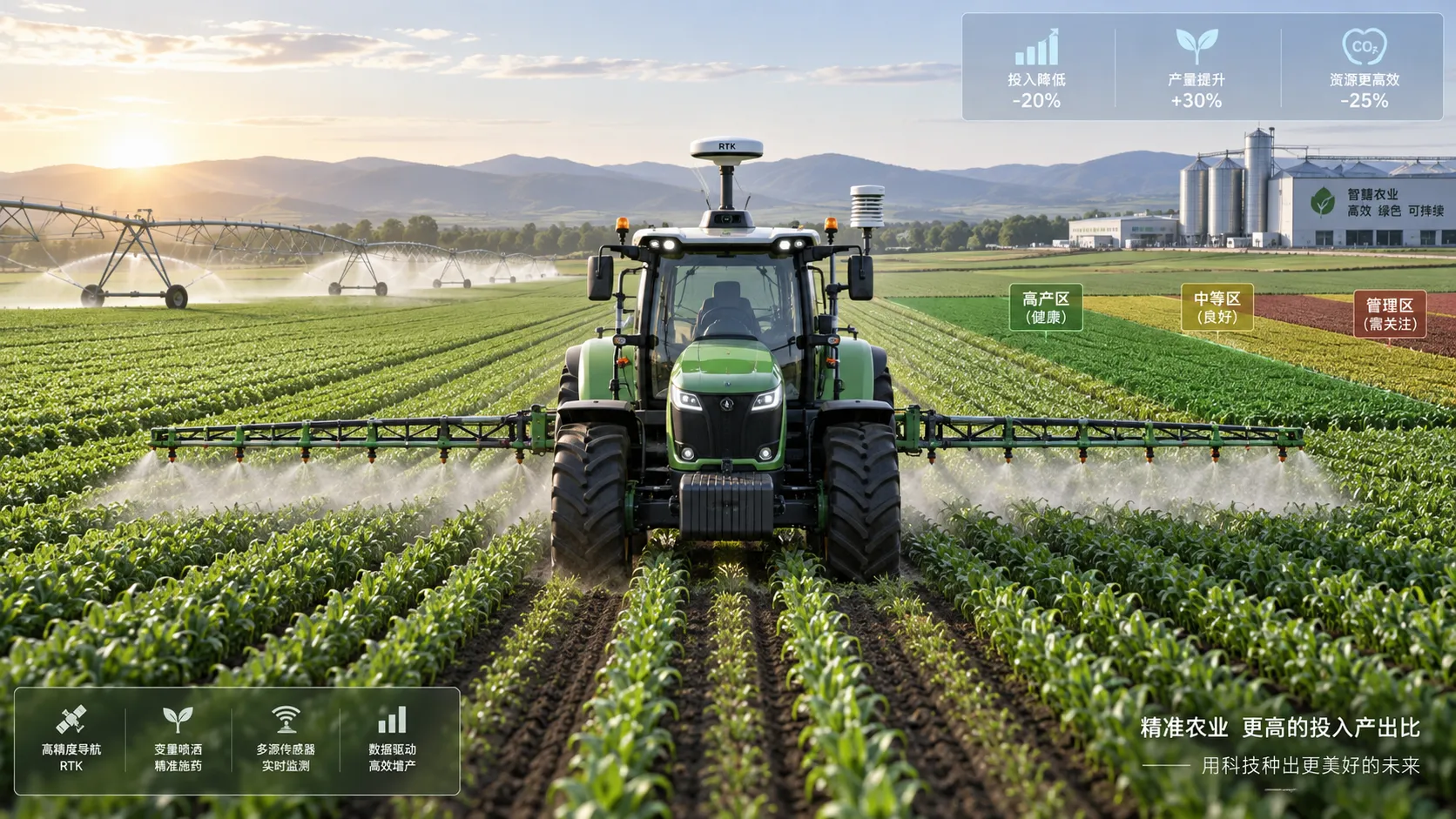
How to calculate ROI on precision agriculture equipment before buying
Calculating ROI on precision agriculture equipment: learn to assess total ownership costs, savings, payback, NPV, risks, and farm-scale value before you buy.
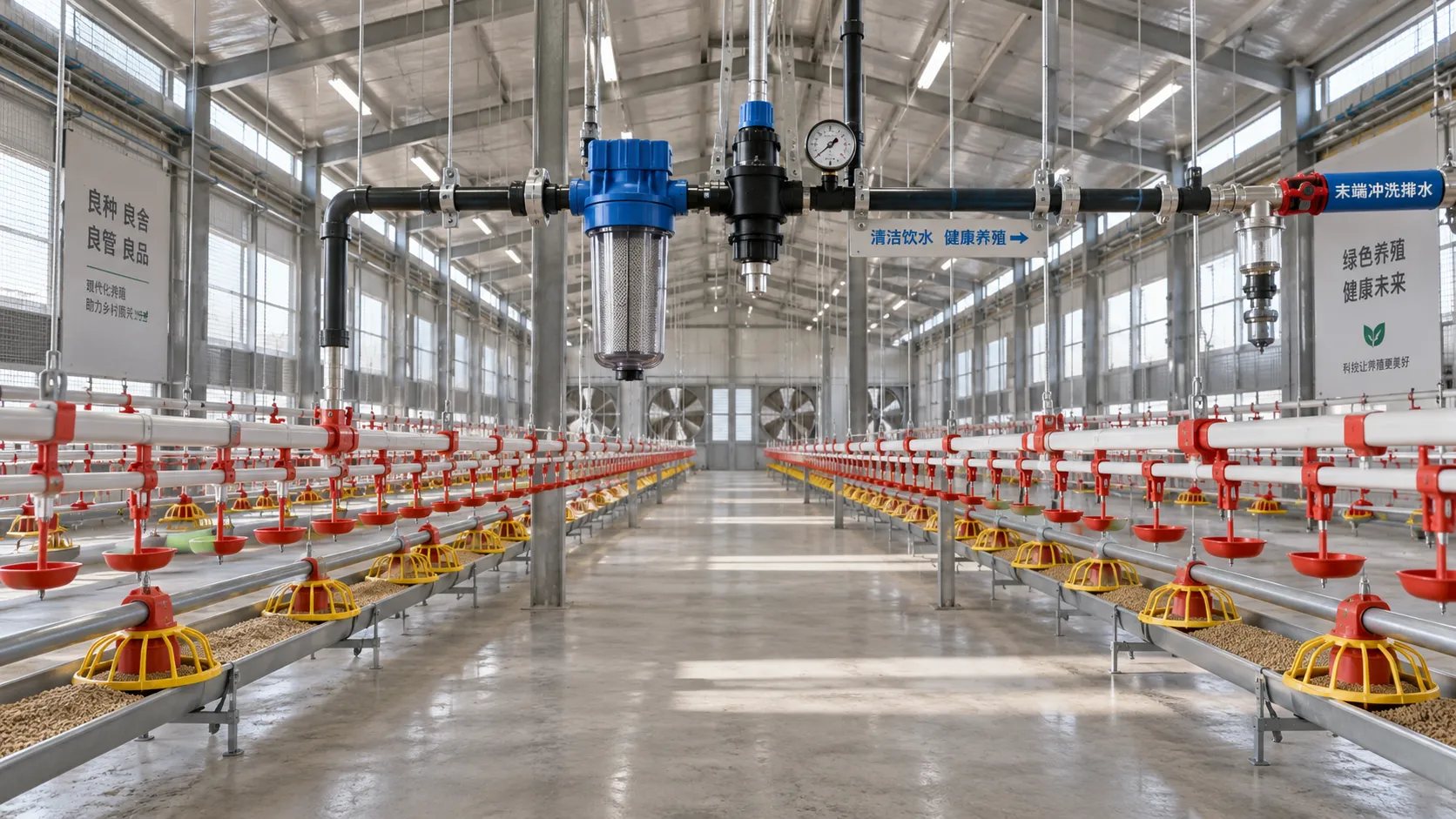
Planning Nipple Drinker Installation for Different Chicken House Layouts
How to install nipple drinker for chicken houses: plan line layouts, pressure control, flushing access, and maintenance for reliable water delivery.
Related News
- 00
0000-00
Orchard Water Management: Using Soil Moisture Data to Schedule Irrigation - 00
0000-00
Climate-Smart Farming for Drought: A Practical Plan for Protecting Yields - 00
0000-00
Selecting Real-Time Soil Moisture Sensors for Irrigation Zone Control - 00
0000-00
How Does Climate-Smart Farming Reduce Water Use in Semi-Arid Areas? - 00
0000-00
USDA Rule Takes Effect: Dual FCC and NRCS Approval for Soil Moisture Sensors
Popular Tags
Hydrological Resource Strategist
Weekly Insights
Stay ahead with our curated technology reports delivered every Monday.