
Agricultural Machinery Intelligence Price: What Drives Cost Across GPS, Sensors, and Automation
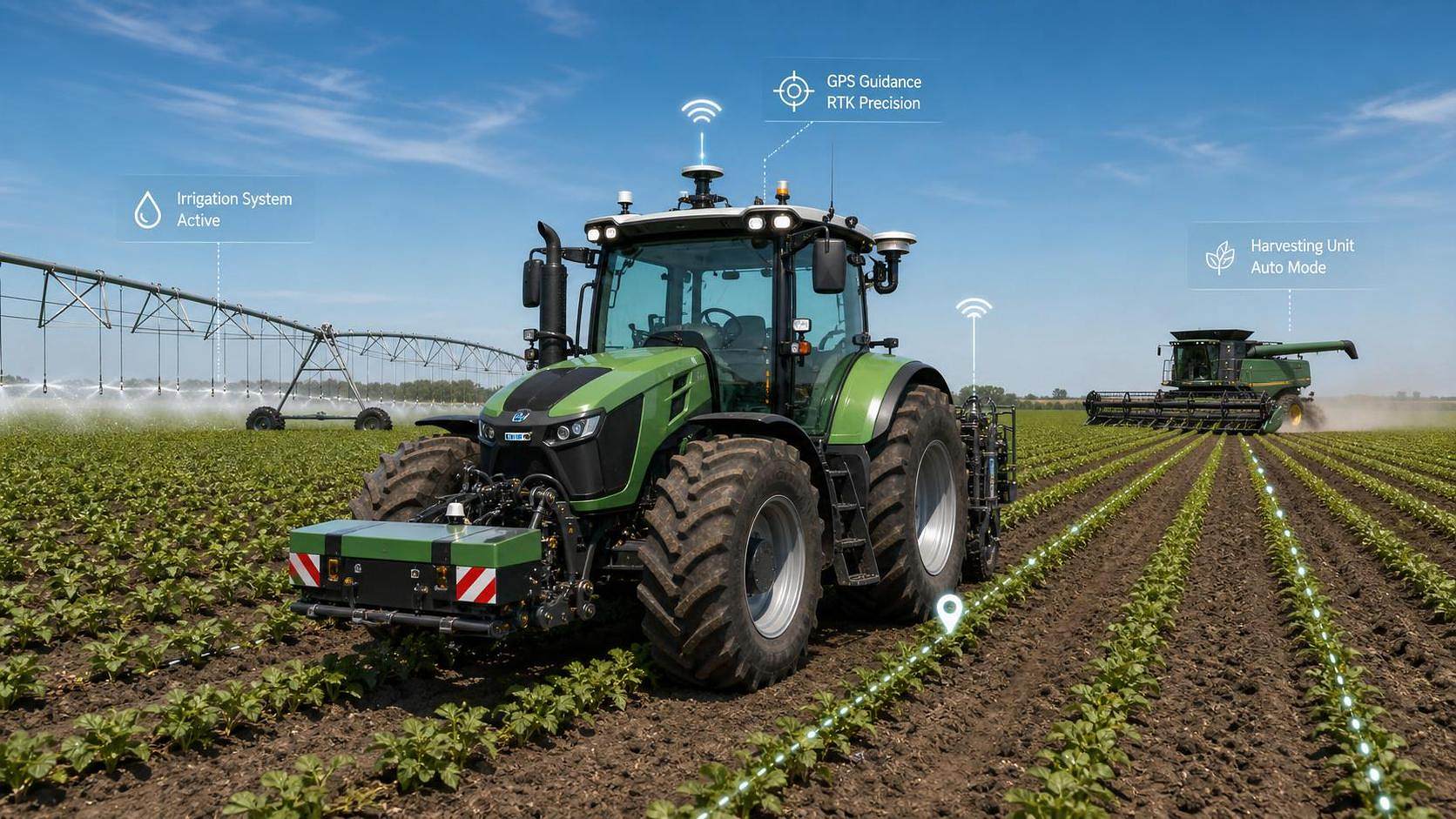




Agricultural machinery intelligence price is rarely just a hardware quote
When smart equipment proposals arrive, the first number often looks clear. The real picture usually does not.
Agricultural machinery intelligence price is shaped by positioning accuracy, sensor architecture, control logic, software compatibility, and support commitments over time.
That matters across tractors, combines, sprayers, intelligent farm tools, and water-saving irrigation systems.
In practice, two systems with similar field functions can carry very different cost structures and risk profiles.
AP-Strategy tracks this shift through its Strategic Intelligence Center, where equipment performance, precision algorithms, and sustainability requirements are assessed together.
That wider view is useful because smart farming investments are not judged by purchase price alone.
They are judged by uptime, yield impact, input savings, compliance readiness, and how well the system fits future expansion.
So what exactly is included in agricultural machinery intelligence price?
A useful starting point is to separate visible equipment cost from embedded intelligence cost.
The visible part includes controllers, displays, antennas, cameras, valves, harnesses, and actuators.
The embedded part includes correction services, software licenses, data handling, calibration work, and integration engineering.
This is why agricultural machinery intelligence price can rise sharply even when the base machine remains unchanged.
For example, a standard tractor chassis may be mechanically stable and proven.
Once auto-steer, section control, implement guidance, and remote diagnostics are added, the cost logic changes.
The same pattern appears in combine harvesters.
Grain loss monitoring, cleaning optimization, and yield mapping each add intelligence layers with their own service needs.
A practical cost review usually checks five elements:
- Navigation and correction accuracy
- Sensor quantity, type, and durability
- Automation depth and response speed
- Software interoperability with existing fleets
- Lifecycle support, updates, and field service coverage
Without that breakdown, agricultural machinery intelligence price comparisons tend to be misleading.
Why do GPS and positioning options create such wide cost differences?
Because not all guidance systems solve the same operational problem.
Basic GNSS guidance may be enough for broad tillage or lower-precision transport tasks.
Higher-accuracy RTK or correction-based systems are often needed for strip-till, planting, controlled traffic, and repeat-pass operations.
The jump in agricultural machinery intelligence price reflects both hardware quality and signal service reliability.
Receivers, antennas, and steering controllers differ in repeatability, terrain stability, and compatibility with mixed-brand implements.
There is also a hidden budget question: how much drift or overlap can the operation tolerate?
If overlap wastes seed, fertilizer, or water, a cheaper guidance package may raise total cost later.
That is especially relevant in intelligent irrigation and prescription application work.
More precise positioning often supports stronger records, cleaner field data, and more predictable input control.
In short, GPS cost is not only about finding location.
It is about whether the machine can execute repeated decisions with acceptable error.
Are sensors and automation the main reason smart equipment costs rise?
Very often, yes, but the detail matters more than the count.
A low-cost sensor package may monitor only basic status signals.
A higher-value package may support closed-loop control, predictive alerts, and variable-rate action.
That difference changes both purchase price and operational value.
On combines, sensors can track grain loss, moisture, throughput, and cleaning performance.
On irrigation networks, sensors may watch pressure, flow, soil moisture, evapotranspiration, and leak conditions.
On intelligent farm tools, sensor feedback can adjust depth, rate, spacing, or section response in motion.
Automation adds another layer.
Monitoring is one cost level. Automatic response is another.
The more the machine acts on data by itself, the more validation, software tuning, and safety logic are required.
That is why agricultural machinery intelligence price rises with automation depth.
The better question is not whether sensors cost more.
It is whether the added sensing actually improves field decisions enough to justify the spend.
How should software, data, and support be priced into the decision?
This is where many budgets underestimate agricultural machinery intelligence price.
Smart equipment rarely stays valuable if software support is weak or data cannot move across systems.
A machine may perform well in the field but still create reporting gaps, duplicate work, or delayed troubleshooting.
That cost appears later, not on the first invoice.
More mature platforms usually include update paths, diagnostics, API links, user permissions, and historical records.
These features support asset visibility across planting, harvesting, and irrigation cycles.
AP-Strategy often frames this as an intelligence continuity issue.
If data from tractors, combines, and irrigation assets cannot connect, the operation loses part of the expected return.
Before approving a proposal, it helps to confirm:
- License term and renewal conditions
- Data ownership and export format
- Remote diagnostic response time
- Software update frequency
- Compatibility with current equipment and agronomic tools
Those items often explain why one agricultural machinery intelligence price looks higher but performs better over five seasons.
Where do buyers usually misread cost and return?
The most common mistake is comparing intelligence packages only by upfront premium.
That ignores downtime, retraining, calibration loss, signal fees, and replacement cycles for exposed sensors.
Another mistake is paying for automation that field conditions cannot fully use.
Uneven connectivity, fragmented fleets, or limited operator adoption can delay return significantly.
There is also a reverse risk.
Choosing a minimal package may appear economical, yet it can block future precision upgrades.
Then retrofit costs arrive later with extra harnessing, software migration, and service visits.
A more reliable reading of agricultural machinery intelligence price includes both today’s use case and next-stage expansion.
That is especially important in large-scale mechanization programs tied to food security, water efficiency, and sustainability targets.
A simple decision screen helps
If a proposal scores well on these points, the higher quote may still be the lower-risk option.
- Can the intelligence package reduce overlap, loss, or water waste in measurable terms?
- Will it fit existing tractors, harvesters, or irrigation controls without heavy rework?
- Is service coverage strong during critical operating windows?
- Can the platform scale into autonomous or electric equipment later?
- Are data outputs usable for reporting, benchmarking, and future procurement?
What is the right next step before approving a smart equipment budget?
Start by translating technical options into cost behavior over time.
That means reviewing not only the machine, but also the intelligence stack around it.
The most useful comparison is often a three-part model.
Separate capital cost, annual digital service cost, and operational savings or risk reduction.
Then test the assumptions against actual field conditions.
For example, a combine intelligence package should be linked to loss reduction, throughput consistency, and service responsiveness.
An irrigation intelligence package should be linked to water control precision, leak response, and seasonal energy use.
A tractor guidance package should be tied to overlap control, labor stability, and implement accuracy.
AP-Strategy’s market view suggests that the strongest approvals usually come from this kind of operational mapping.
It keeps agricultural machinery intelligence price in context instead of treating it as a standalone premium.
The next step is straightforward.
List the required accuracy, sensor functions, automation depth, software links, and service expectations before comparing offers.
That creates a cleaner approval basis, reduces budget surprises, and makes long-cycle equipment investment easier to defend.
Related News
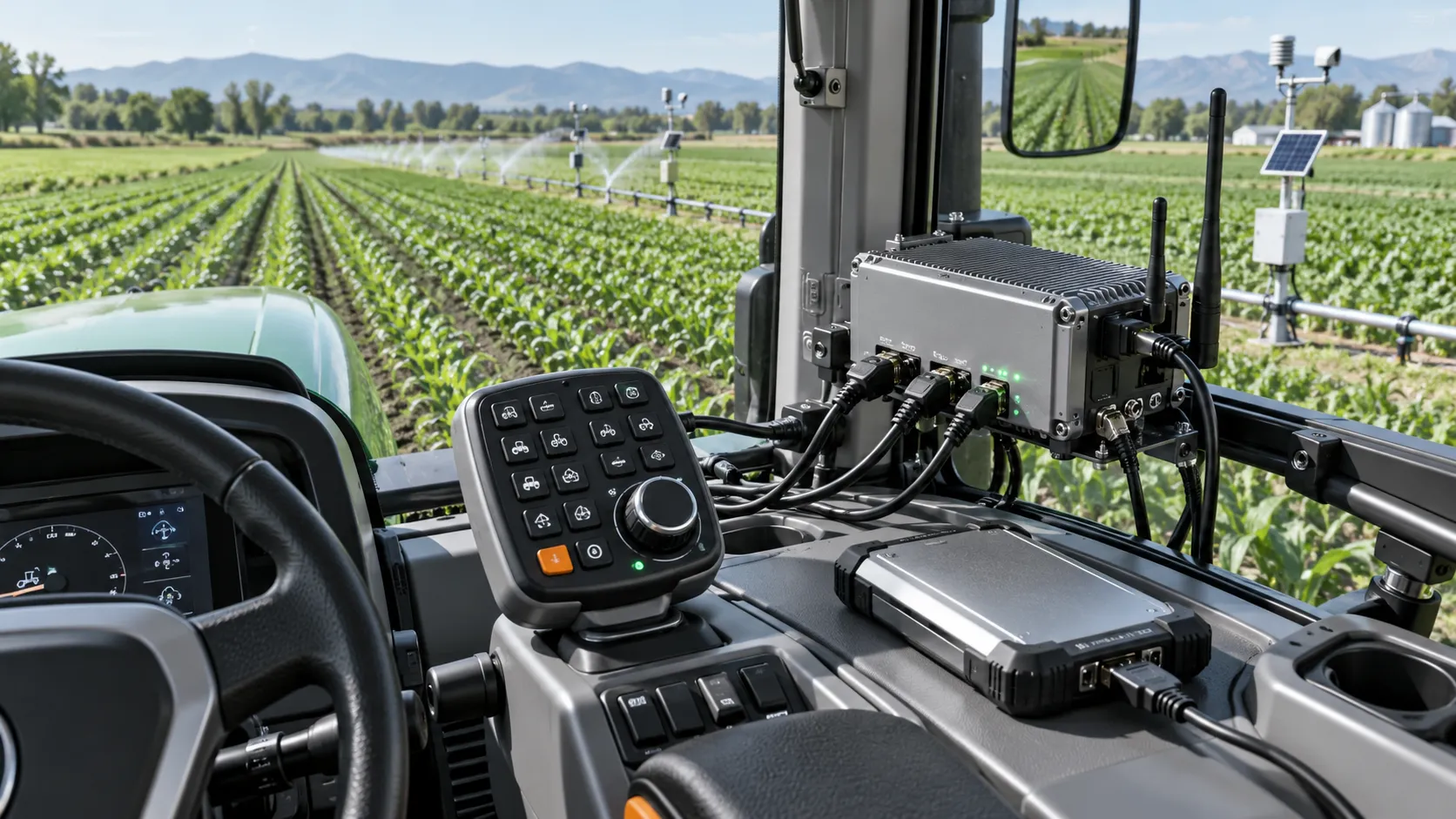
Choosing a Digital Farming Platform Provider: Compatibility and Data Ownership
Compare digital farming platforms providers on equipment compatibility, data ownership, and export rights. Discover practical checks to avoid lock-in and choose with confidence.
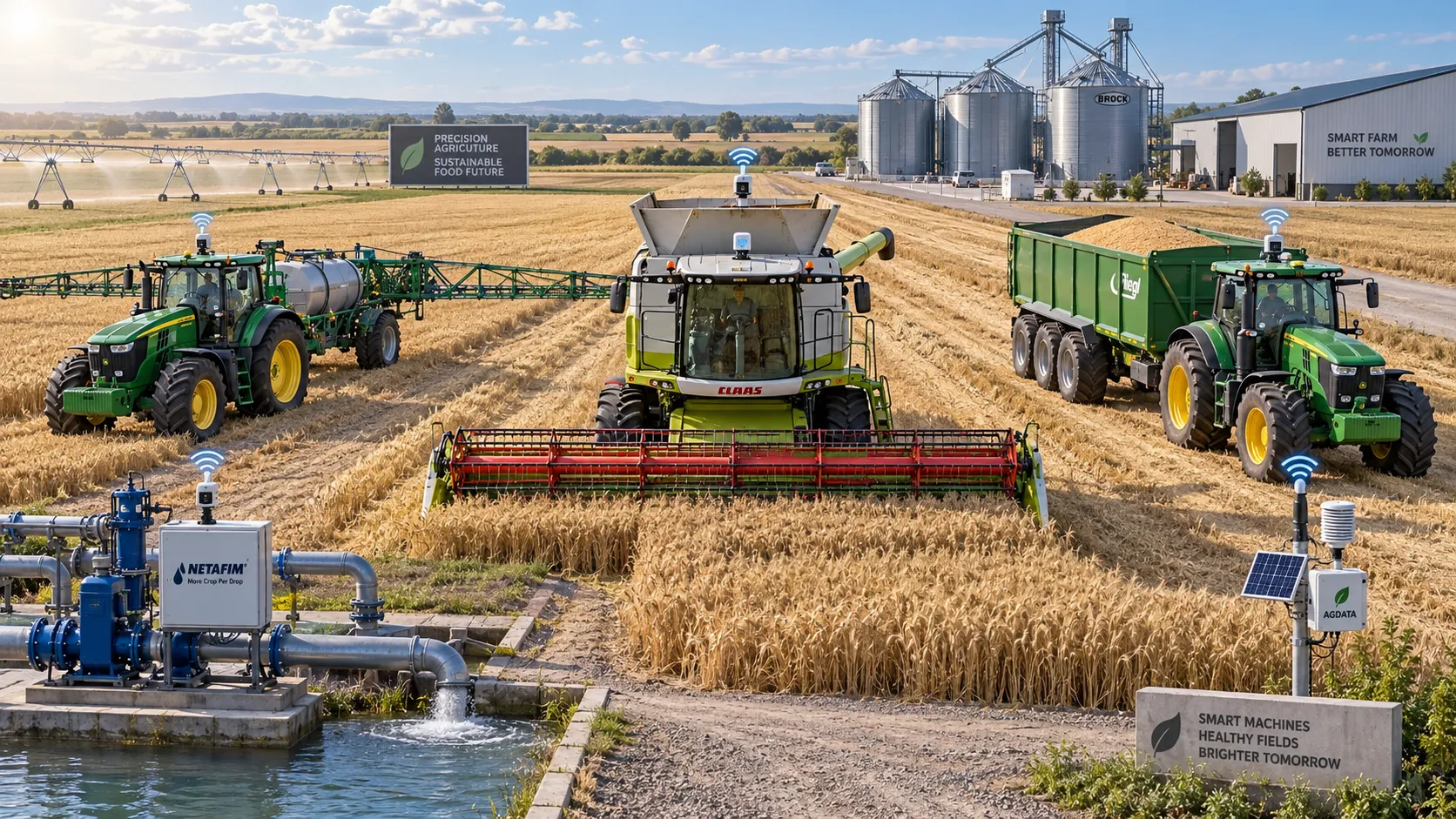
How Large-Scale Farm Telematics Cuts Downtime Across Mixed Fleets
Large-scale farm equipment telematics cuts mixed-fleet downtime with real-time alerts, smarter maintenance, and stronger operational control. Learn how to protect critical farm workflows.
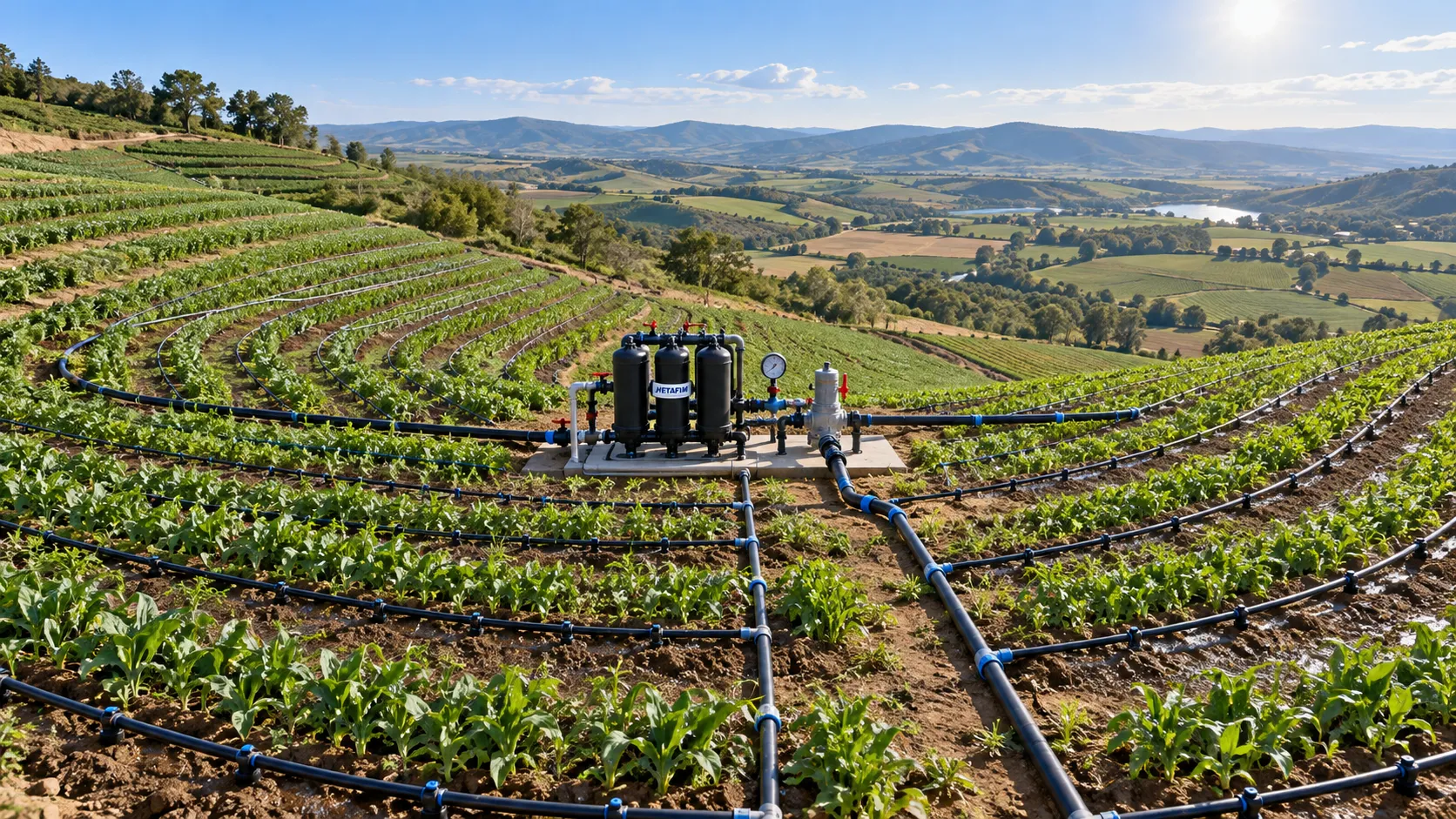
How to Size Low-Pressure Water-Saving Irrigation Systems for Uneven Fields
Low pressure water-saving irrigation systems for uneven fields: learn zoning, pressure mapping, pipe sizing, and pump selection to improve uniformity and reduce water waste.
Farm Machinery Sourcing: How to Vet Suppliers, Specs, and Lifecycle Costs
Farm machinery information for sourcing: learn to vet suppliers, compare specifications, control lifecycle costs, and secure reliable uptime for smarter equipment purchases.
What to compare in integrated seeding combinations for heavy soils
Compare integrated seeding combinations for heavy soils: depth control, residue flow, consolidation, traction, and field capacity for more uniform crop establishment.
When an integrated seeding combination improves field efficiency
Integrated seeding combination improves field efficiency, protects planting windows, and balances speed with seedbed quality, tractor capacity, and reliable establishment.
Which costs matter most when calculating precision agriculture ROI?
Calculating ROI on precision agriculture equipment? Discover the costs that shape returns, from installation and subscriptions to downtime, labor, and data integration.
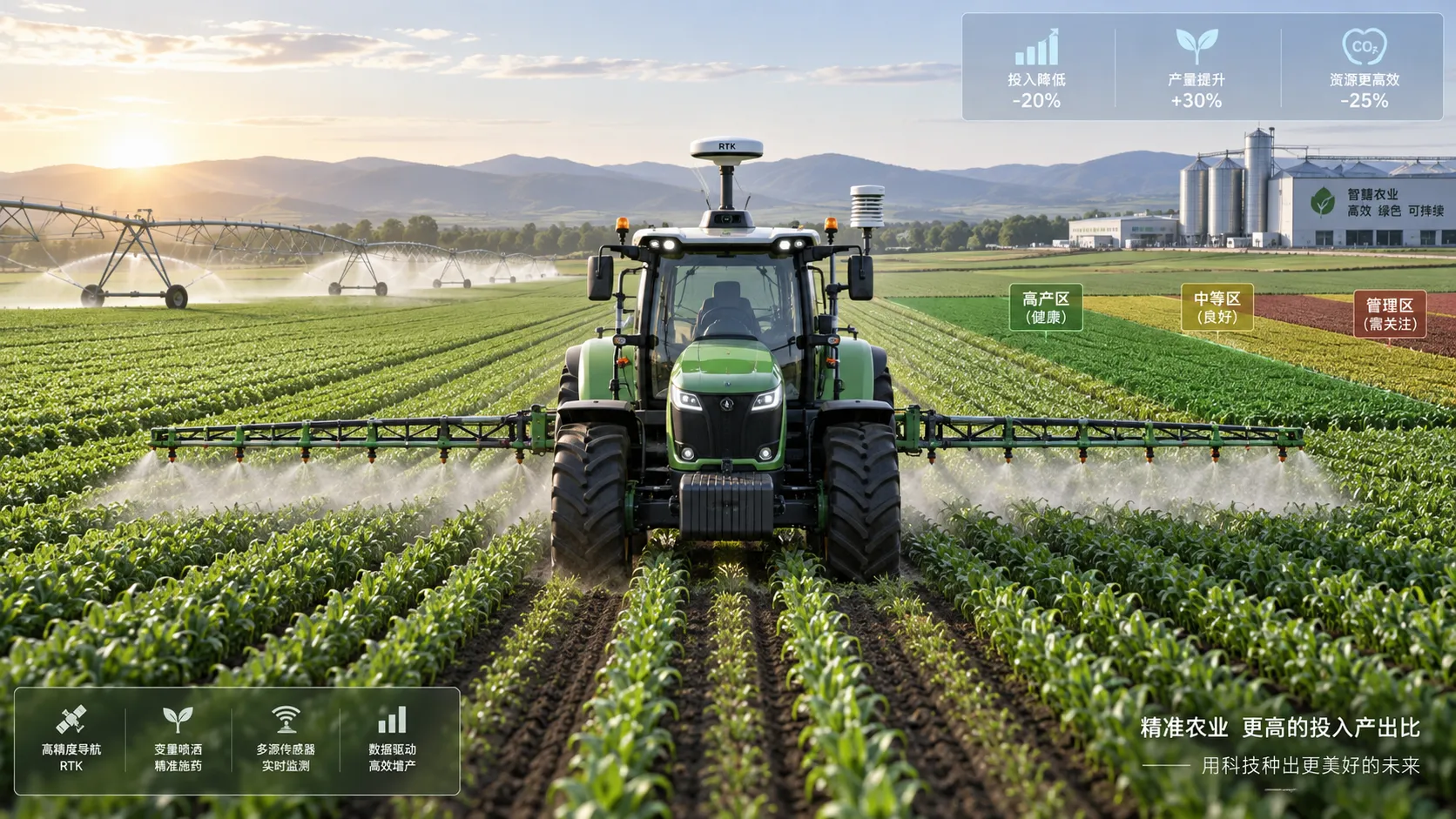
How to calculate ROI on precision agriculture equipment before buying
Calculating ROI on precision agriculture equipment: learn to assess total ownership costs, savings, payback, NPV, risks, and farm-scale value before you buy.
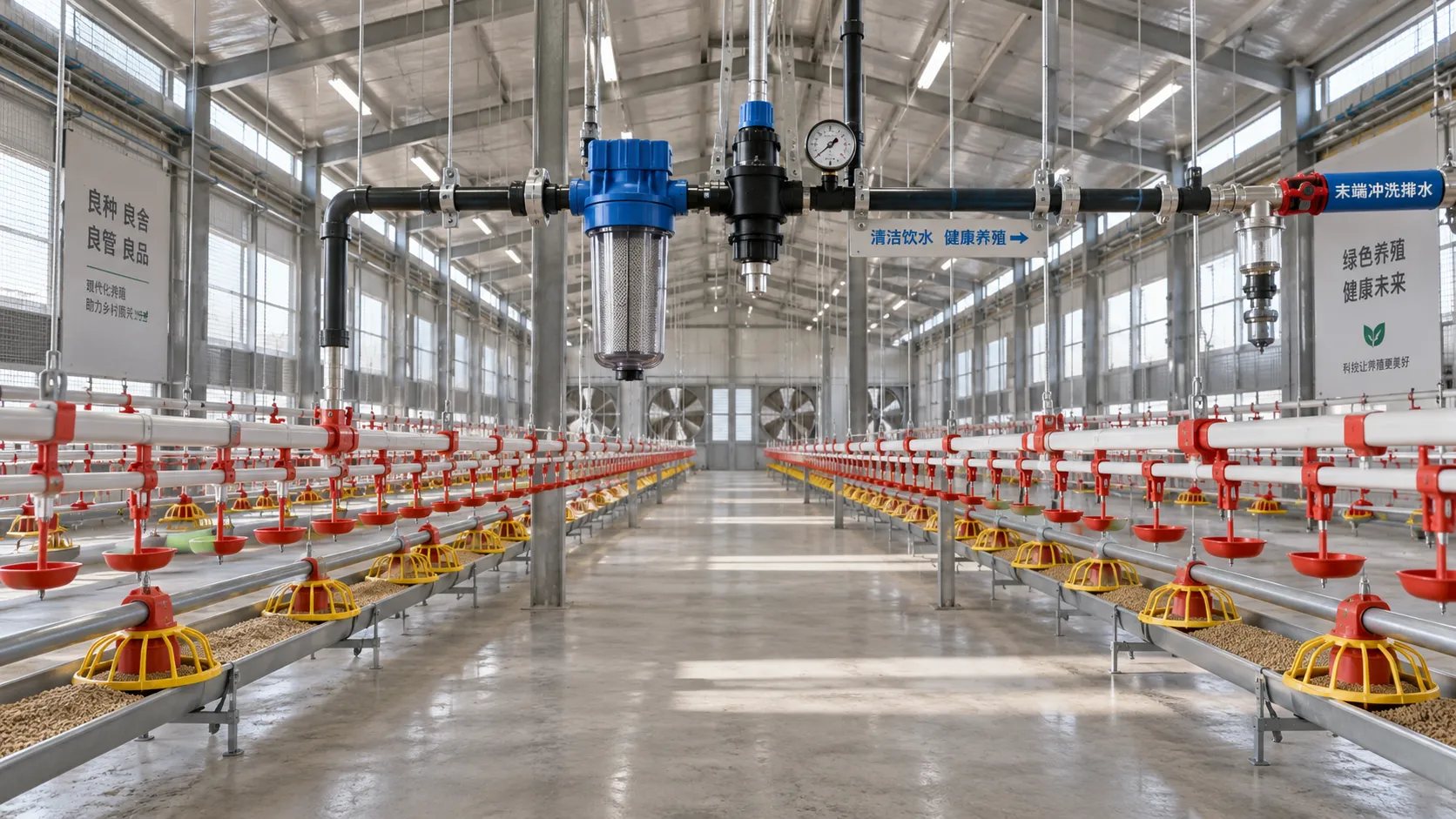
Planning Nipple Drinker Installation for Different Chicken House Layouts
How to install nipple drinker for chicken houses: plan line layouts, pressure control, flushing access, and maintenance for reliable water delivery.
Related News
- 00
0000-00
Choosing a Digital Farming Platform Provider: Compatibility and Data Ownership - 00
0000-00
How Large-Scale Farm Telematics Cuts Downtime Across Mixed Fleets - 00
0000-00
Farm Machinery Sourcing: How to Vet Suppliers, Specs, and Lifecycle Costs - 00
0000-00
Which costs matter most when calculating precision agriculture ROI? - 00
0000-00
How to calculate ROI on precision agriculture equipment before buying
Popular Tags
Ms. Elena Rodriguez
Weekly Insights
Stay ahead with our curated technology reports delivered every Monday.