
How to Evaluate a Tractor Chassis Assembly: Frame Strength, Axle Layout, and Service Access
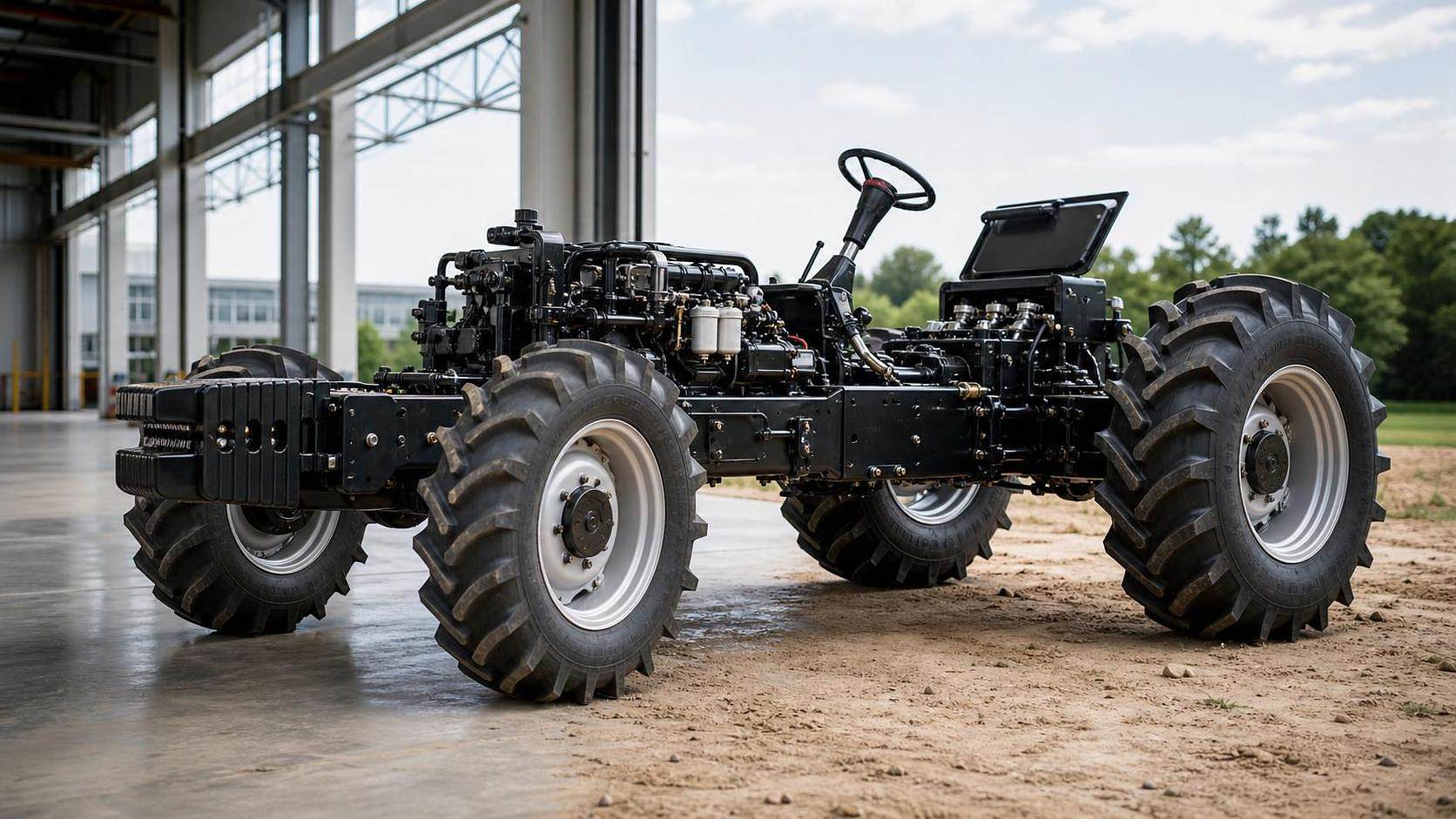




How to Evaluate a Tractor Chassis Assembly: Frame Strength, Axle Layout, and Service Access
Evaluating a tractor chassis assembly requires more than a quick visual check.
Frame strength, axle layout, and service access shape durability, balance, uptime, and repair cost.
In real field work, these details decide whether a machine stays productive under stress.
A strong tractor chassis assembly supports traction loads, mounted tools, hydraulic demand, and transport shock.
A weak one usually shows problems early through cracks, poor steering stability, and longer service downtime.
This guide breaks the evaluation into practical checkpoints that support better equipment selection and risk control.
Start with the job profile
Before judging any tractor chassis assembly, define the operating profile clearly.
That means soil conditions, implement weight, transport distance, slope, and annual working hours.
A chassis for row-crop operations is not assessed the same way as one for heavy tillage.
From a decision standpoint, context matters more than brochure claims.
- High draft loads require stronger longitudinal frame resistance.
- Frequent road transport increases concern about vibration and axle alignment.
- Front loaders raise stress around the front support structure and steering components.
- Wet or uneven fields increase torsional demand on the tractor chassis assembly.
This first step keeps the evaluation grounded in use, not marketing language.
How to assess frame strength
Frame strength is the backbone issue in any tractor chassis assembly review.
You are looking for stiffness, controlled flex, fatigue resistance, and load path consistency.
A good structure carries engine, transmission, hitch, ballast, and axle forces without local overstress.
Check the frame architecture
Begin by identifying whether the design uses a full frame, semi-frame, or stressed powertrain structure.
Each layout has tradeoffs in weight, rigidity, repairability, and cost.
For demanding applications, the safest signal is a structure with predictable load transfer.
- Look at section depth and cross-member placement.
- Review reinforcement around hitch and axle mounting points.
- Check whether loader-ready versions use extra gussets or thicker plates.
- Confirm that stress concentrations are reduced near bolt holes and weld transitions.
Inspect materials and joining quality
Material grade alone does not guarantee a durable tractor chassis assembly.
The real question is how steel thickness, forming method, and weld quality work together.
Poor welding often becomes the earliest fatigue origin under repeated field shock.
More obvious warning signs include uneven bead geometry, abrupt joints, and corrosion around seams.
Ask for structural evidence
A serious chassis supplier should provide more than static specifications.
Useful evidence includes fatigue testing, finite element analysis summaries, and field validation data.
In practical evaluation, this documentation helps separate engineered performance from nominal capacity claims.
Why axle layout changes performance
Axle layout is the second major filter in a tractor chassis assembly decision.
It affects traction balance, turning behavior, tire wear, implement stability, and ride control.
This also means the right axle arrangement depends on both field geometry and machine duty cycle.
Review wheelbase and weight distribution
A longer wheelbase often improves straight-line stability and draft control.
A shorter one may help maneuverability in tighter field operations.
However, axle spacing must work with ballast strategy and implement mounting positions.
If weight transfer is poorly managed, the tractor chassis assembly can lose traction or overload one axle.
Study front axle type and articulation
For front axles, inspect oscillation range, hub design, sealing, and final drive protection.
On rough terrain, articulation quality directly influences wheel contact and steering confidence.
A well-designed axle layout reduces shock transfer into the frame and driveline.
Check rear axle integration
Rear axle housing strength matters because it supports major torque and hitch forces.
Pay attention to bearing support, hub retention, brake packaging, and axle shaft service history.
In heavy mixed-use fleets, rear axle weakness can turn into recurring downtime very quickly.
- Measure axle load ratings against real implement combinations.
- Verify steering angle under full ballast or mounted tool conditions.
- Review tire clearance at maximum articulation and suspension travel.
- Check whether axle service intervals match intended yearly utilization.
Service access is a cost issue, not a convenience issue
Service access is often underestimated when evaluating a tractor chassis assembly.
Yet in high-hour operations, maintenance time becomes a direct cost driver.
Poor access increases labor hours, missed inspections, and the chance of secondary failures.
Look at daily access points
Check how easily technicians can reach filters, grease points, drains, and inspection covers.
A well-planned tractor chassis assembly keeps routine service points visible and logically grouped.
That shortens stoppages and improves maintenance compliance across busy seasons.
Evaluate major component removal paths
Routine access is only part of the story.
You also need to know how difficult it is to remove an axle housing, transmission section, or hydraulic line set.
If major repairs require excessive disassembly, lifecycle cost rises fast.
Check contamination control and safety
Good service design also protects cleanliness and technician safety.
Sealed access covers, hose routing discipline, and stable service platforms are useful indicators.
These details matter more in dusty harvest conditions and remote maintenance environments.
A practical evaluation checklist
To compare options consistently, score each tractor chassis assembly against the same criteria.
This keeps selection discipline strong when specifications look similar on paper.
- Structural design quality under expected draft and transport loads.
- Axle layout suitability for traction, turning radius, and mounted implement stability.
- Ease of scheduled maintenance and probable repair labor time.
- Availability of validation data, service manuals, and parts support.
- Known field issues from similar duty cycles and regional operating conditions.
At AP-Strategy, this kind of structured review is central to sound machinery intelligence.
It connects mechanical reality with procurement decisions and long-term fleet planning.
Final decision signals
A reliable tractor chassis assembly usually shows three things at the same time.
It carries load through a credible frame design, uses an axle layout matched to the job, and stays serviceable over years of use.
If one of those areas is weak, the whole machine becomes a less efficient investment.
For better selection outcomes, compare designs under real operating assumptions, not only rated power or purchase price.
That approach leads to clearer risk judgment, stronger uptime, and lower ownership cost across the working life of the tractor chassis assembly.
Related News
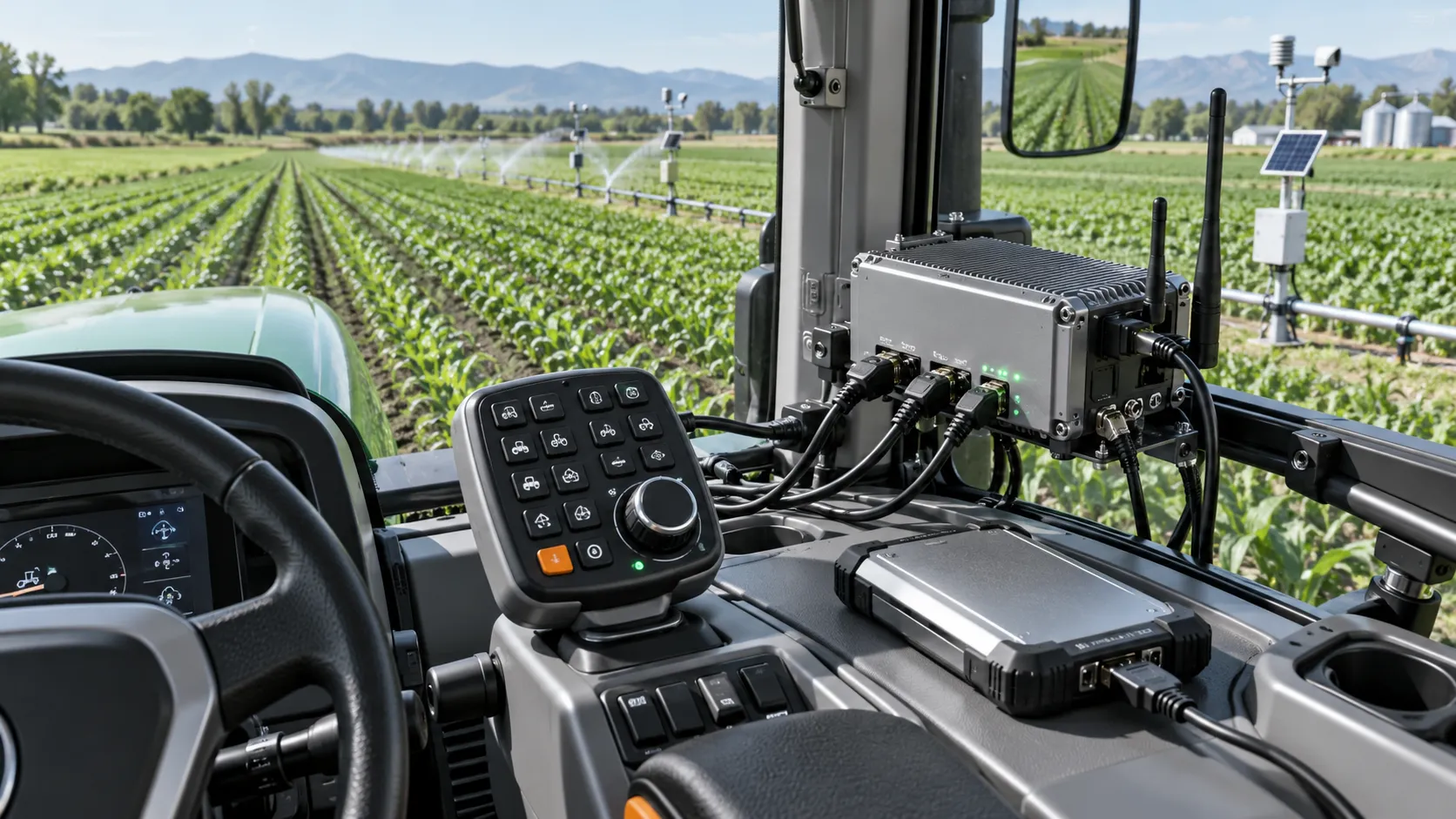
Choosing a Digital Farming Platform Provider: Compatibility and Data Ownership
Compare digital farming platforms providers on equipment compatibility, data ownership, and export rights. Discover practical checks to avoid lock-in and choose with confidence.
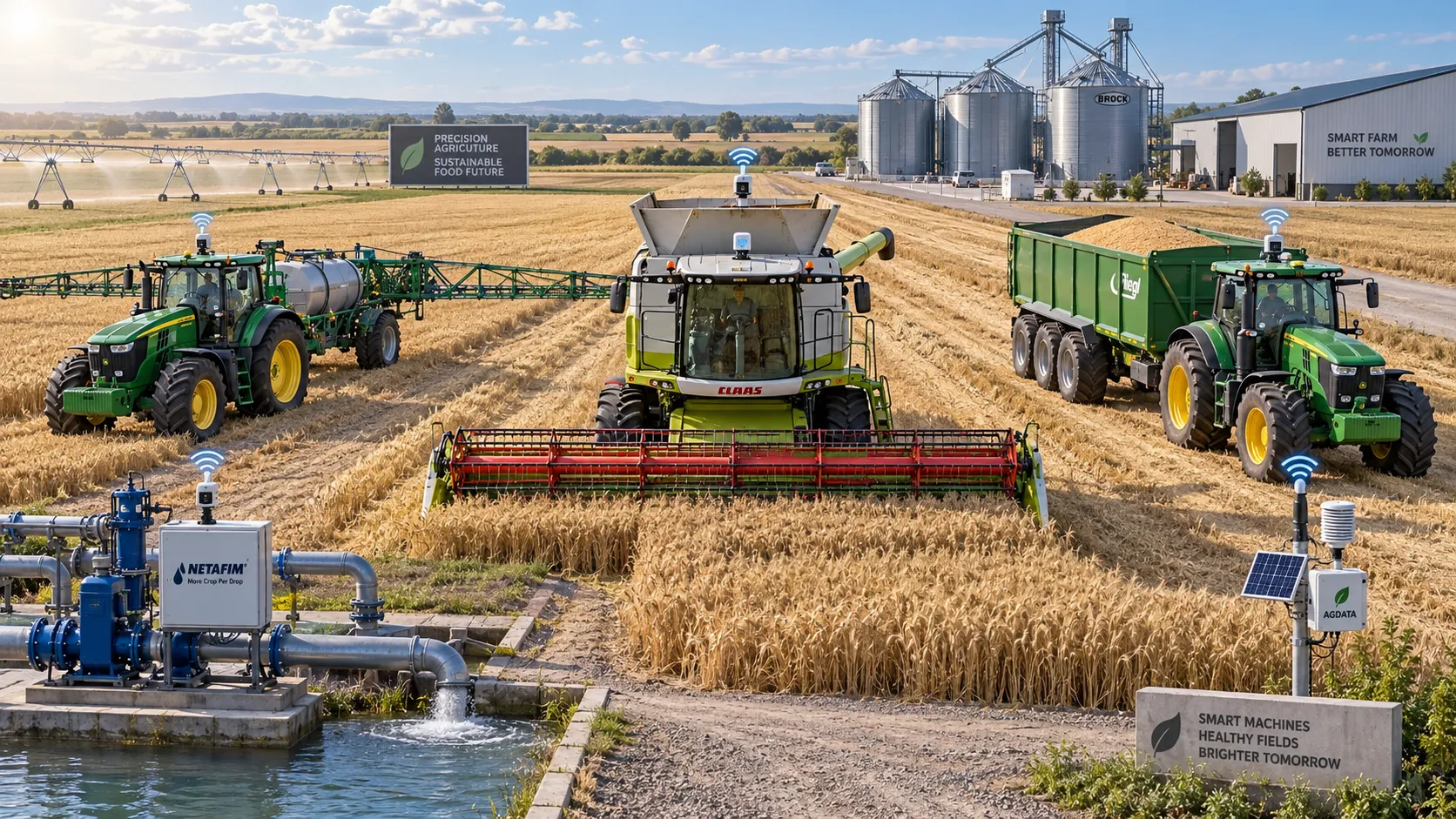
How Large-Scale Farm Telematics Cuts Downtime Across Mixed Fleets
Large-scale farm equipment telematics cuts mixed-fleet downtime with real-time alerts, smarter maintenance, and stronger operational control. Learn how to protect critical farm workflows.
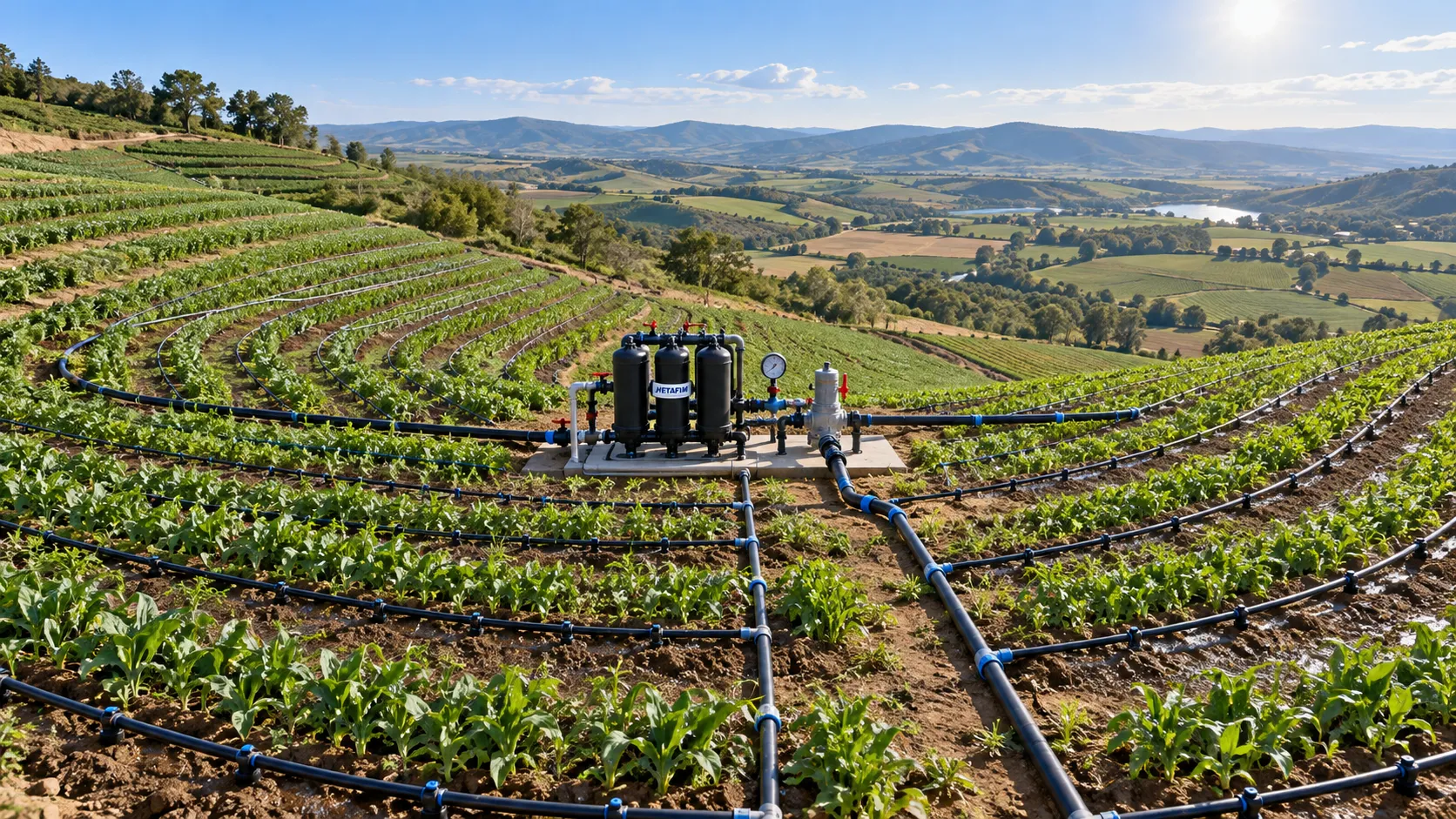
How to Size Low-Pressure Water-Saving Irrigation Systems for Uneven Fields
Low pressure water-saving irrigation systems for uneven fields: learn zoning, pressure mapping, pipe sizing, and pump selection to improve uniformity and reduce water waste.
Farm Machinery Sourcing: How to Vet Suppliers, Specs, and Lifecycle Costs
Farm machinery information for sourcing: learn to vet suppliers, compare specifications, control lifecycle costs, and secure reliable uptime for smarter equipment purchases.
What to compare in integrated seeding combinations for heavy soils
Compare integrated seeding combinations for heavy soils: depth control, residue flow, consolidation, traction, and field capacity for more uniform crop establishment.
When an integrated seeding combination improves field efficiency
Integrated seeding combination improves field efficiency, protects planting windows, and balances speed with seedbed quality, tractor capacity, and reliable establishment.
Which costs matter most when calculating precision agriculture ROI?
Calculating ROI on precision agriculture equipment? Discover the costs that shape returns, from installation and subscriptions to downtime, labor, and data integration.

How to calculate ROI on precision agriculture equipment before buying
Calculating ROI on precision agriculture equipment: learn to assess total ownership costs, savings, payback, NPV, risks, and farm-scale value before you buy.
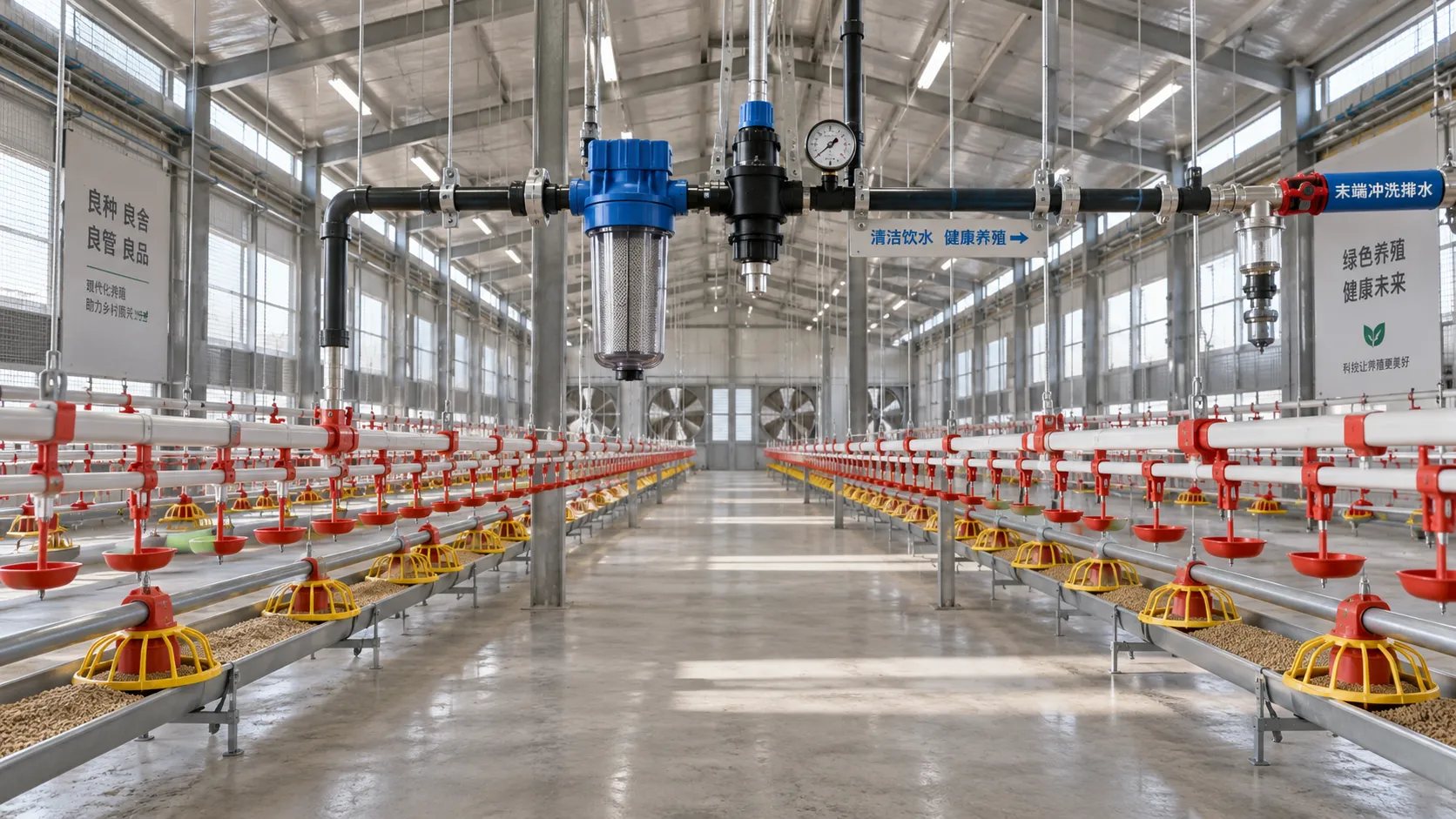
Planning Nipple Drinker Installation for Different Chicken House Layouts
How to install nipple drinker for chicken houses: plan line layouts, pressure control, flushing access, and maintenance for reliable water delivery.
Related News
- 00
0000-00
Choosing a Digital Farming Platform Provider: Compatibility and Data Ownership - 00
0000-00
How Large-Scale Farm Telematics Cuts Downtime Across Mixed Fleets - 00
0000-00
Farm Machinery Sourcing: How to Vet Suppliers, Specs, and Lifecycle Costs - 00
0000-00
Which costs matter most when calculating precision agriculture ROI? - 00
0000-00
How to calculate ROI on precision agriculture equipment before buying
Popular Tags
Ms. Elena Rodriguez
Weekly Insights
Stay ahead with our curated technology reports delivered every Monday.