
Canada Requires ISO 11783-10:2026 for Imported GPS Guidance Systems





On July 13, 2026, Agriculture and Agri-Food Canada (AAFC) issued a mandatory technical notice stating that, from October 1, 2026, imported GPS Guidance Systems must arrive with the ISO 11783-10:2026 in-vehicle network communication protocol already integrated, or they will not complete CFIA import customs clearance. For exporters, OEM manufacturers, certification teams, and channel partners serving the Canadian agricultural equipment market, this is worth close attention because the requirement reaches beyond labeling or paperwork and goes directly to firmware configuration and core functional layers tied to hydraulic control coordination and variable-rate task instruction transmission.
What the new import requirement confirms
The confirmed facts are narrow but operationally important. AAFC released the notice on July 13, 2026, and set October 1, 2026 as the enforcement date. The scope given in the notice covers imported GPS Guidance Systems. The compliance condition is pre-integration of ISO 11783-10:2026 before importation. The stated consequence of non-compliance is that CFIA import customs clearance cannot be completed. The information provided also makes clear that the requirement directly affects firmware configuration and certification pathways for Chinese OEM products exported to Canada, especially where the product depends on functions such as hydraulic control coordination and the transmission of variable-rate operation instructions.
Where the pressure is likely to appear first
Export-oriented OEM configuration work
From an industry perspective, Chinese OEM manufacturers shipping GPS Guidance Systems to Canada are likely to face the most immediate pressure. The reason is straightforward: the new rule is tied to pre-installed protocol capability, which places compliance inside the product configuration itself rather than at the distribution stage. The main impact is therefore likely to fall on firmware preparation, product variant management, and the documentation needed to support a compliant certification path.
Importers and channel-side delivery planning
Companies responsible for import execution and channel fulfillment may also be affected because customs clearance is explicitly linked to protocol pre-integration. Analysis shows that this changes the risk point in delivery planning: products that are technically functional but not aligned with the required protocol setup may still fail at the border. What deserves closer attention is whether incoming shipments, product specifications, and supplier declarations are aligned well before the October 1 deadline.
Teams tied to functional integration
The notice matters not only to regulatory staff but also to engineering and product teams. The summary provided indicates relevance to hydraulic control coordination and variable-rate task instruction transmission, both of which sit in core functional layers. Observably, that means the compliance issue may reach into how products are prepared for interoperability and how export models are defined for the Canadian market.
Practical issues companies should track now
Whether current export models already match the required protocol state
Analysis shows that one of the first questions for exporters is not abstract policy interpretation but product-state verification. Companies need to determine whether the GPS Guidance Systems currently prepared for Canada already include ISO 11783-10:2026 in a pre-integrated form, or whether firmware adjustment is still required before shipment.
The distinction between technical readiness and border acceptance
What deserves closer attention is the gap between a product being operational and a product being import-compliant. Based on the information provided, CFIA clearance depends on the required protocol having been integrated in advance. That makes proof of configuration and certification-route readiness a practical concern, not merely a technical one.
Coordination across suppliers, certification, and shipping schedules
For businesses working with external manufacturing or multi-step export arrangements, the timing now matters. Observably, any delay in firmware configuration, compliance confirmation, or supporting documents could affect delivery schedules tied to the Canadian market after October 1, 2026. This is especially relevant where products are built in batches for different export destinations with different software configurations.
Customer communication around affected functions
Because the requirement touches core functions linked to hydraulic coordination and variable-rate instruction transmission, companies may also need to review how they communicate product readiness with downstream buyers and partners. From an industry perspective, this is less about marketing language and more about making sure technical expectations, delivery commitments, and compliance status are described consistently.
How this should be read at this stage
Analysis shows that this is better understood as an immediate compliance change with longer-term signaling value. It is immediate because a clear enforcement date has been stated and because customs clearance is explicitly tied to protocol pre-installation. At the same time, it also signals that market access for this product category may increasingly depend on deeper technical alignment at the embedded-system level, not only on external certification steps. That said, it would be premature to infer broader market outcomes beyond the facts provided here. The more defensible conclusion is that the notice raises the operational threshold for exporters targeting Canada and deserves continued monitoring for any further official clarification.
Why this update matters beyond the notice itself
In practical terms, the July 13 notice turns protocol integration into a market-entry condition for imported GPS Guidance Systems in Canada beginning October 1, 2026. For affected companies, the key issue is not simply awareness of a new rule, but whether product configuration, certification preparation, and shipment planning are already aligned with it. It is more appropriate to understand this as a concrete near-term compliance requirement and a policy signal that warrants continued observation, rather than as a basis for broad conclusions about the entire market.
Basis of this article and what still needs verification
This article is based on the user-provided news title, event date, and event summary. For this type of industry update, source types usually relevant to verification may include official notices, company disclosures, industry association information, authoritative media reporting, and standards organization documents. A specific official source link was not provided in the input, so the exact document trail still requires ongoing verification. Follow-up attention should focus on any further official wording, clarification on compliance expectations, and practical guidance affecting firmware configuration and certification handling for exports to Canada.
Related News
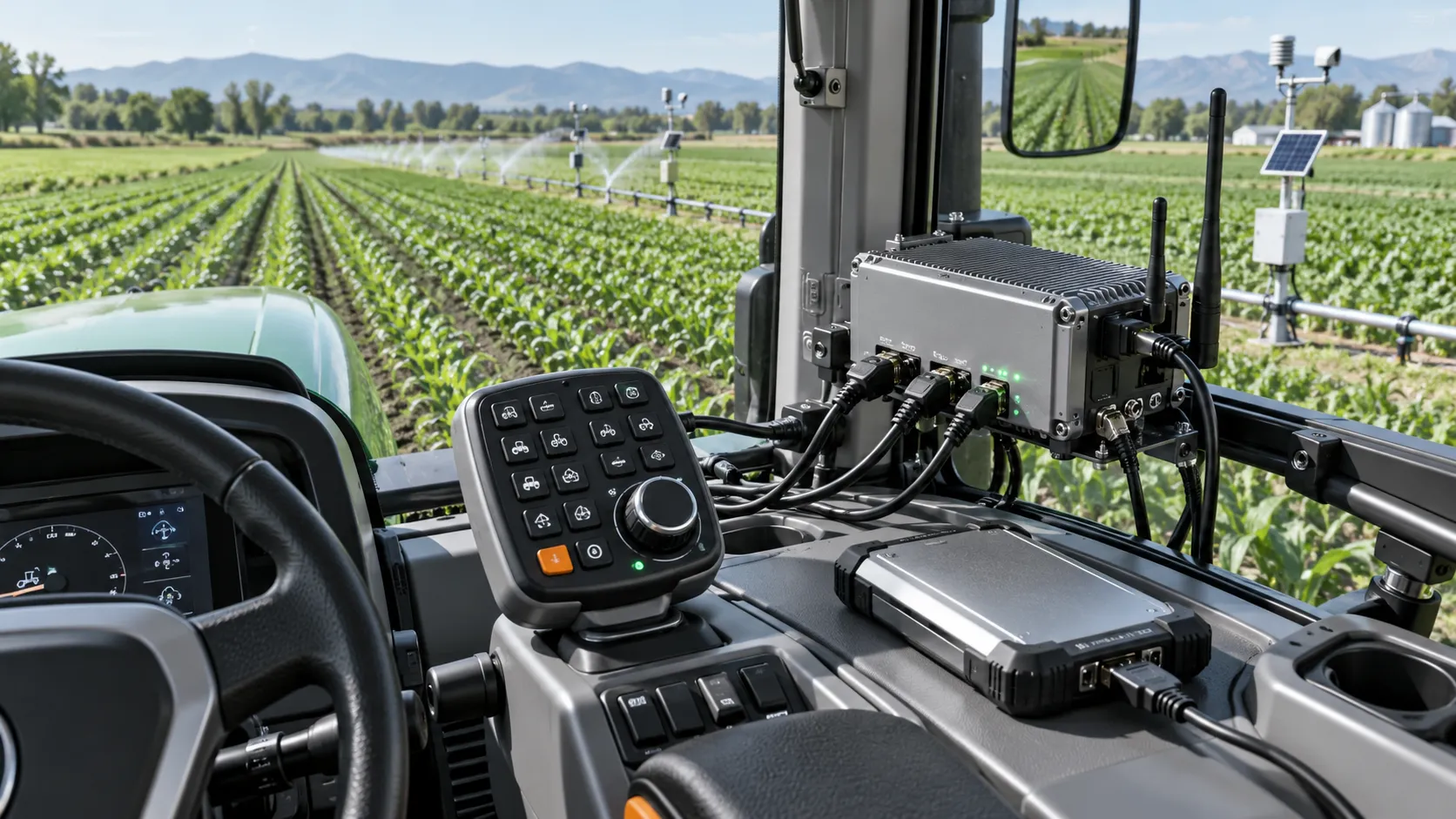
Choosing a Digital Farming Platform Provider: Compatibility and Data Ownership
Compare digital farming platforms providers on equipment compatibility, data ownership, and export rights. Discover practical checks to avoid lock-in and choose with confidence.
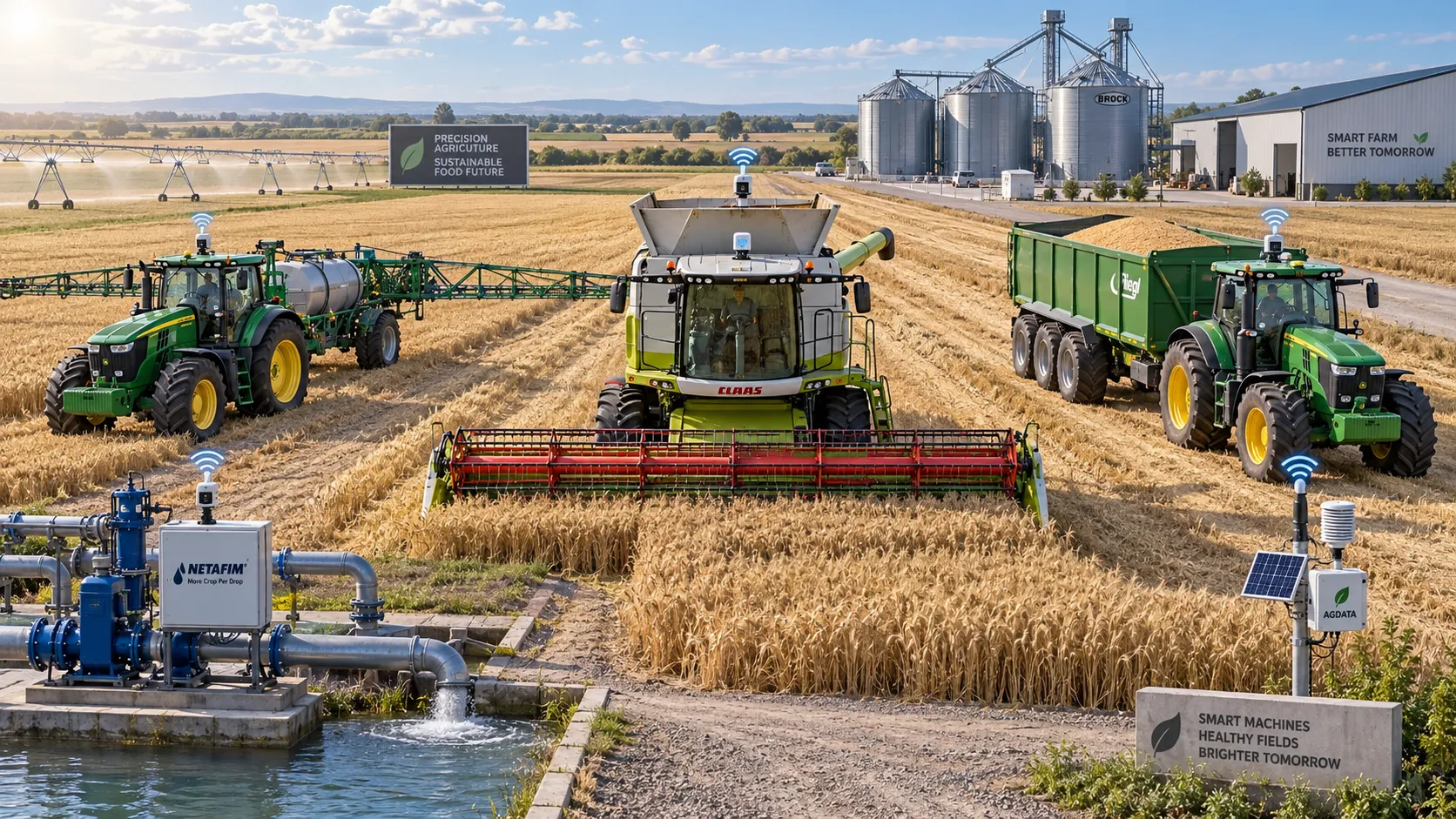
How Large-Scale Farm Telematics Cuts Downtime Across Mixed Fleets
Large-scale farm equipment telematics cuts mixed-fleet downtime with real-time alerts, smarter maintenance, and stronger operational control. Learn how to protect critical farm workflows.
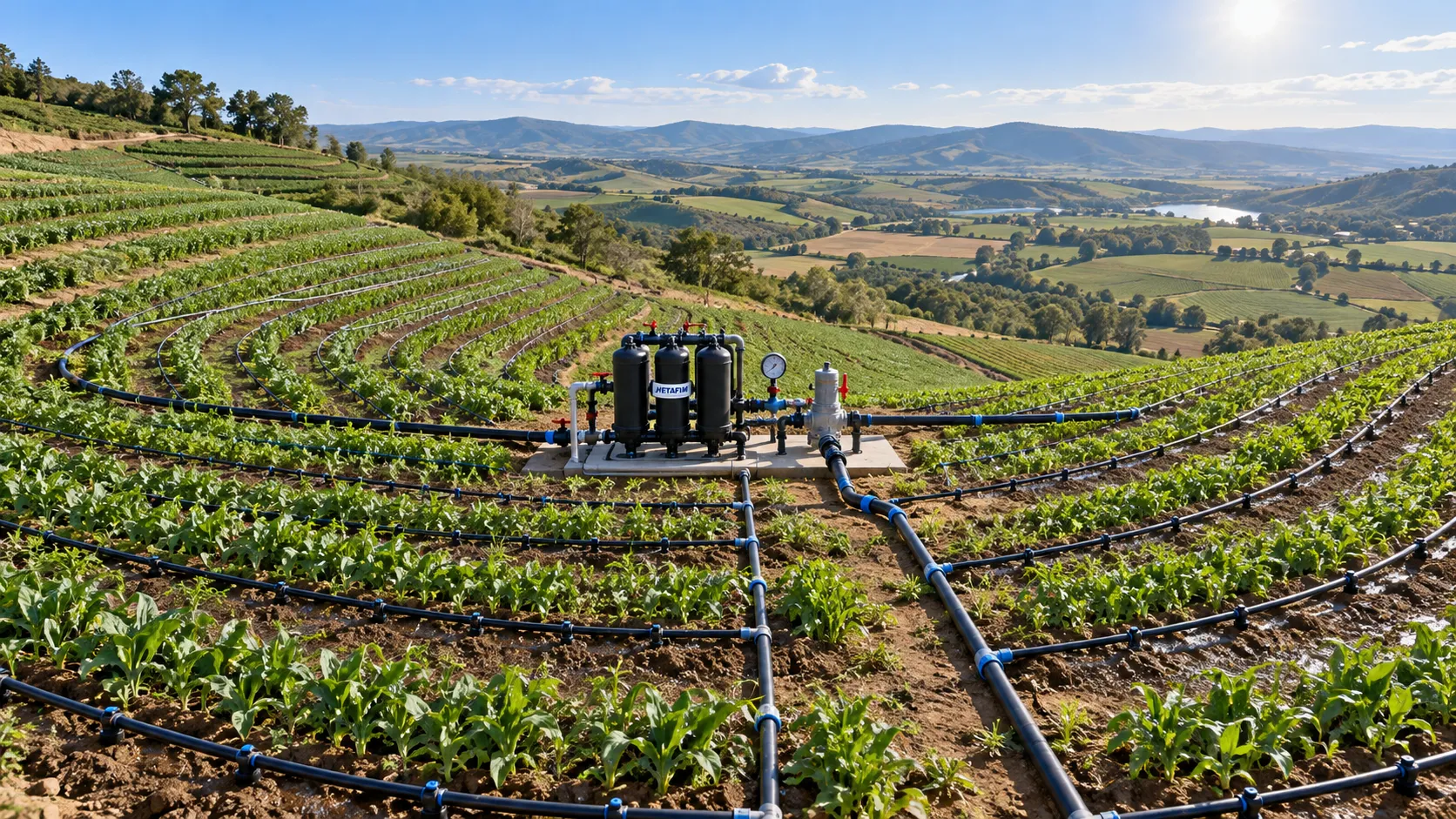
How to Size Low-Pressure Water-Saving Irrigation Systems for Uneven Fields
Low pressure water-saving irrigation systems for uneven fields: learn zoning, pressure mapping, pipe sizing, and pump selection to improve uniformity and reduce water waste.

Farm Machinery Sourcing: How to Vet Suppliers, Specs, and Lifecycle Costs
Farm machinery information for sourcing: learn to vet suppliers, compare specifications, control lifecycle costs, and secure reliable uptime for smarter equipment purchases.
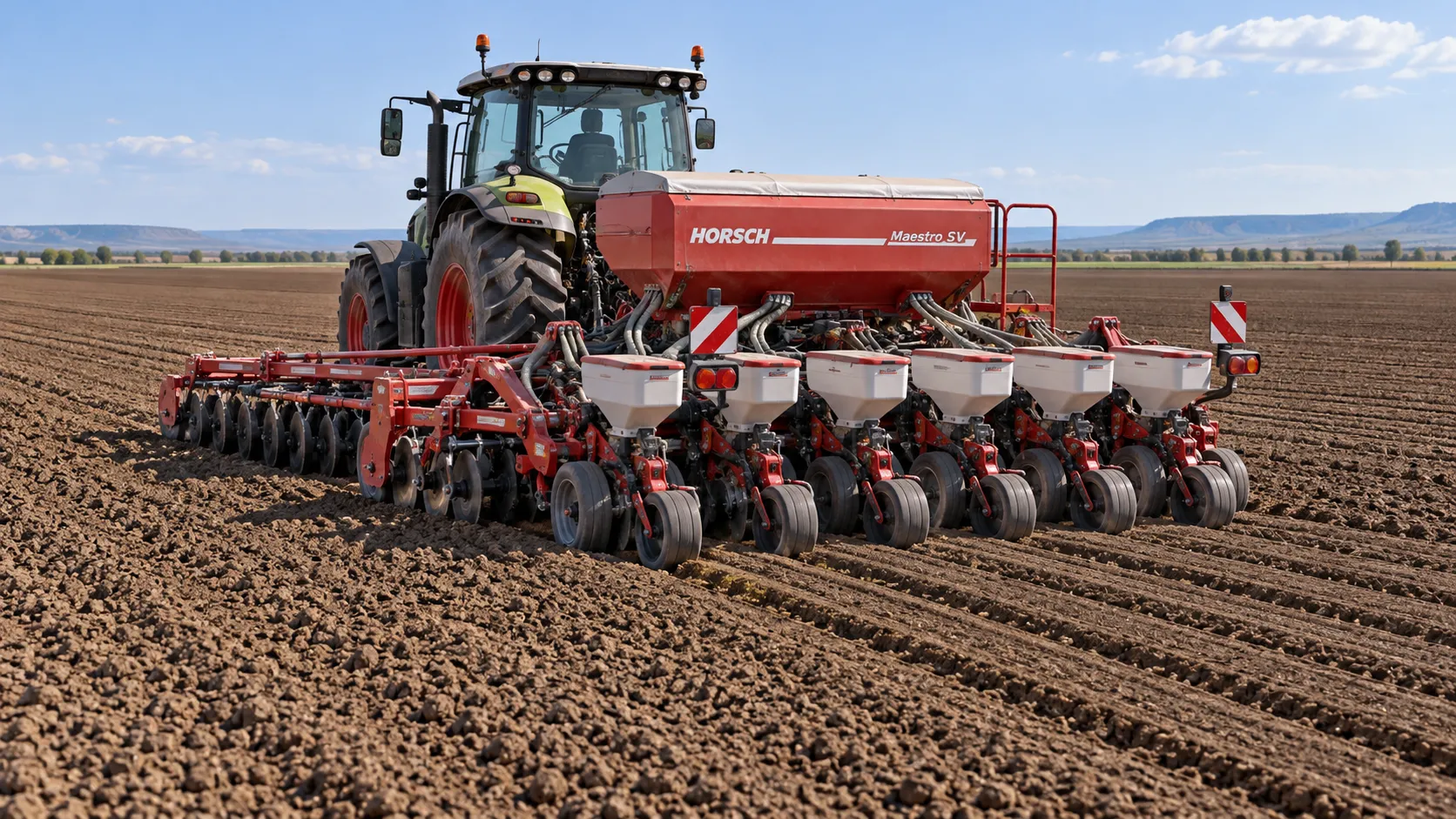
What to compare in integrated seeding combinations for heavy soils
Compare integrated seeding combinations for heavy soils: depth control, residue flow, consolidation, traction, and field capacity for more uniform crop establishment.
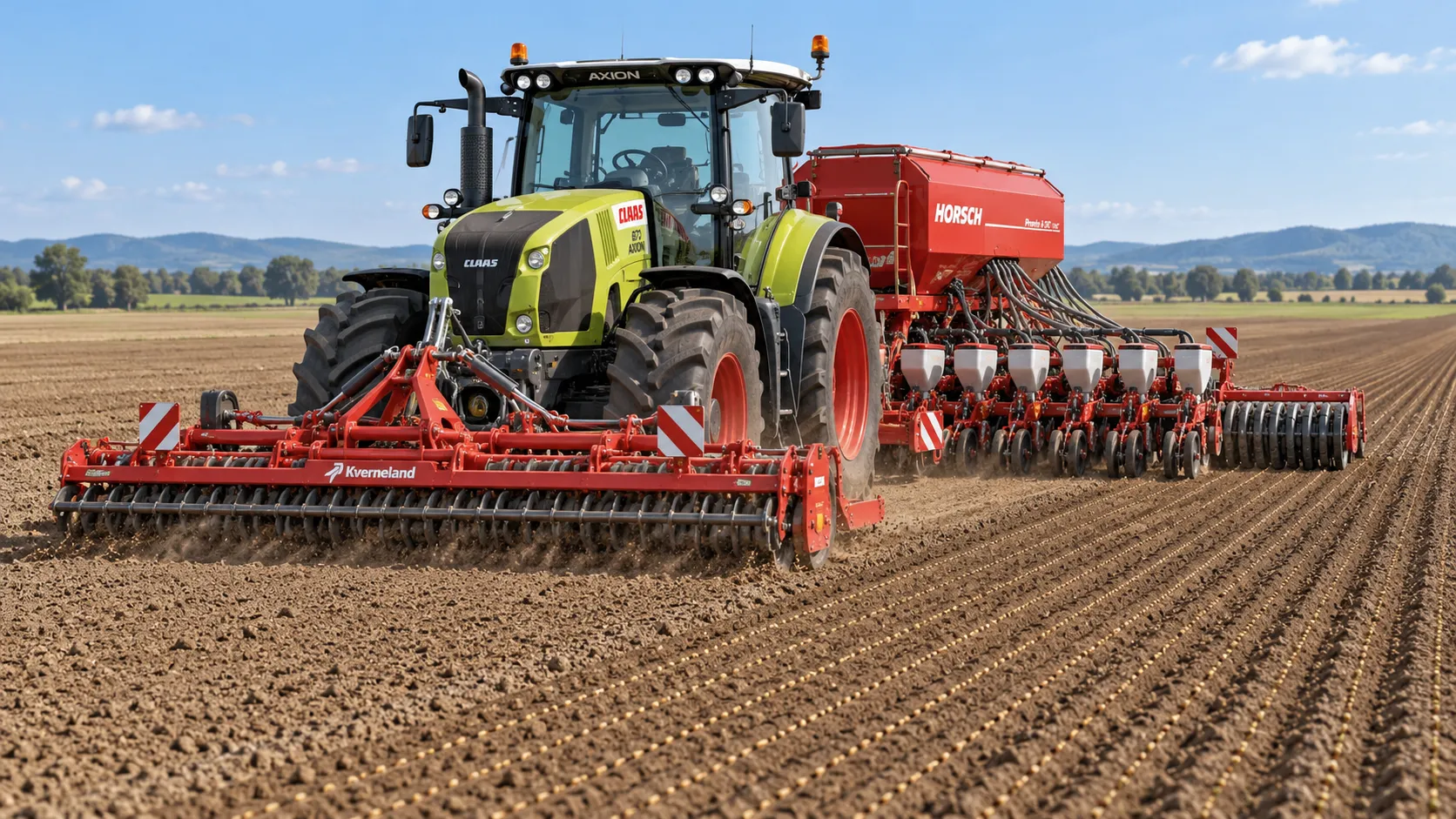
When an integrated seeding combination improves field efficiency
Integrated seeding combination improves field efficiency, protects planting windows, and balances speed with seedbed quality, tractor capacity, and reliable establishment.
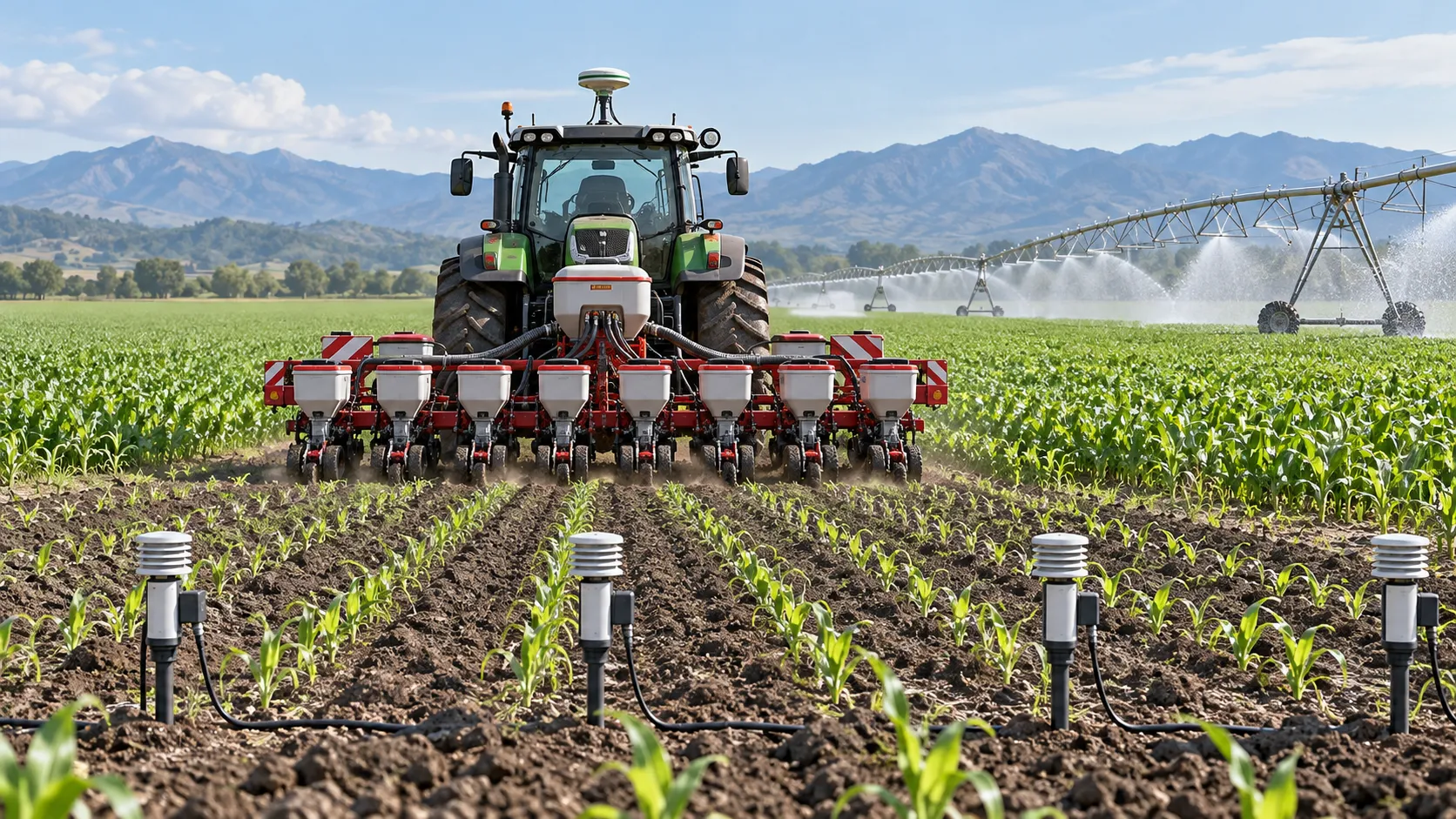
Which costs matter most when calculating precision agriculture ROI?
Calculating ROI on precision agriculture equipment? Discover the costs that shape returns, from installation and subscriptions to downtime, labor, and data integration.

How to calculate ROI on precision agriculture equipment before buying
Calculating ROI on precision agriculture equipment: learn to assess total ownership costs, savings, payback, NPV, risks, and farm-scale value before you buy.

Planning Nipple Drinker Installation for Different Chicken House Layouts
How to install nipple drinker for chicken houses: plan line layouts, pressure control, flushing access, and maintenance for reliable water delivery.
Related News
- 00
0000-00
GPS-Guided Farm Machinery: Where It Delivers Measurable Field Efficiency Gains - 00
0000-00
ISOBUS for Smart Agriculture: How It Connects Tractors, Implements, and Farm Data - 00
0000-00
How North American Farms Can Select Crop Monitoring Systems by Acreage and Connectivity - 00
0000-00
How Tractor Intelligence Systems Improve Field Efficiency and Input Accuracy - 00
0000-00
Which equipment for larger fields maintains accuracy at higher speeds?
Popular Tags
Tractor Power Architect
Weekly Insights
Stay ahead with our curated technology reports delivered every Monday.