
USDA Adds GPS Guidance Systems to Buy American Waiver
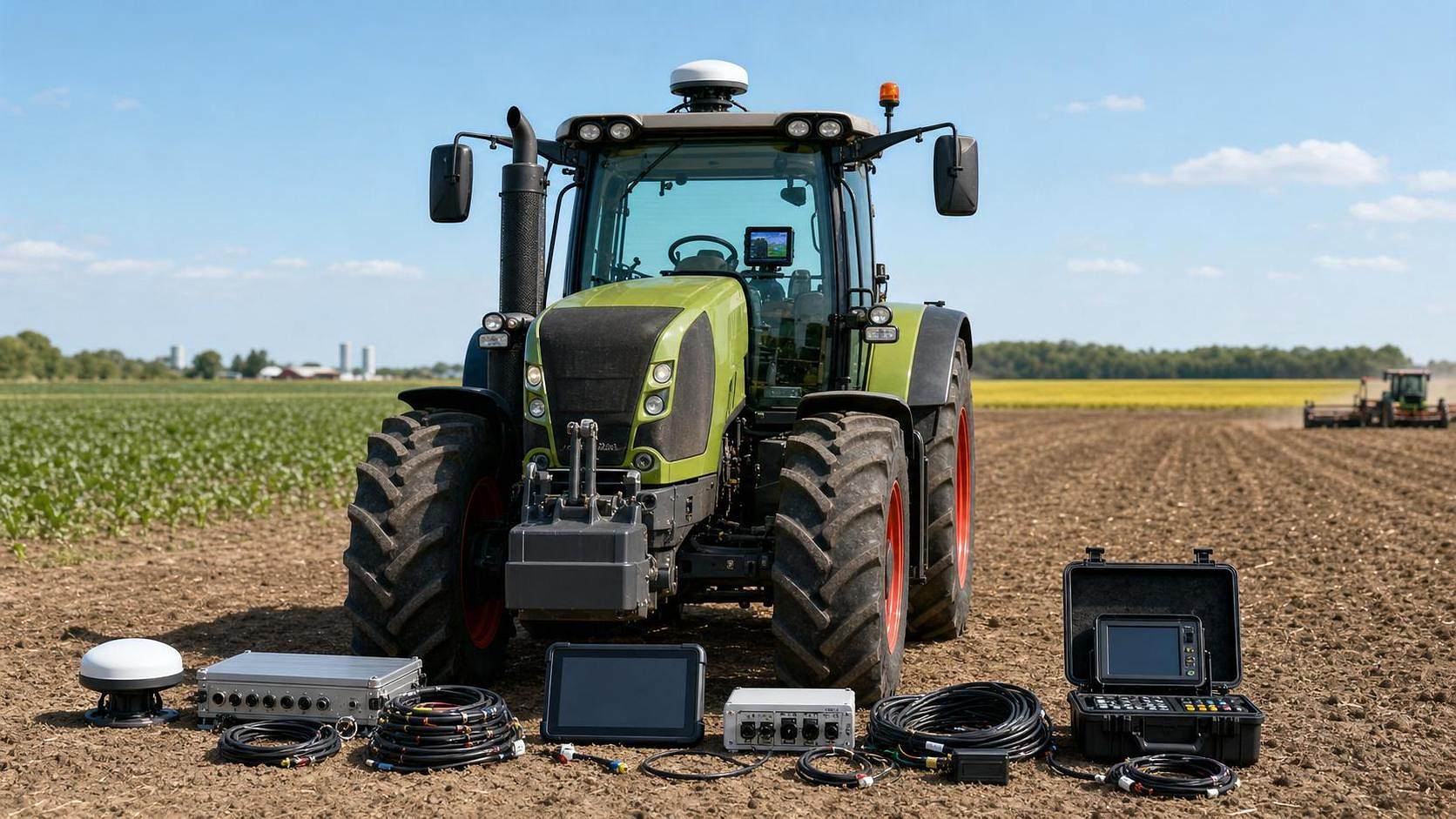




On July 10, 2026, the U.S. Department of Agriculture revised its equipment procurement rules for federal agricultural programs and, for the first time, treated GPS Guidance Systems that meet ISO 11783-10:2025 as eligible for a Buy American Act waiver under defined conditions. For suppliers of high-precision navigation components, equipment integrators, state-level agricultural project buyers, and compliance service providers, the update is worth close attention because it changes procurement access while raising the documentation burden tied to FCC, EMC, and RTCA DO-160G compatibility.
What the USDA update explicitly changed
According to the provided information, the USDA released a revised version of the implementation rules for equipment procurement in federal agricultural programs on July 10, 2026. In that revision, GPS Guidance Systems compliant with ISO 11783-10:2025 were added to the Buy American Act exemption list for the first time. This allows state-level agricultural projects, under specific conditions, to procure non-U.S.-made high-precision navigation systems. The same information also indicates that the change opens a government procurement path for leading Chinese navigation module suppliers, while requiring complete FCC, EMC, and RTCA DO-160G compatibility evidence from complete-system integrators.
Where the impact is likely to be felt first
State-level project procurement may gain a new sourcing option
From an industry perspective, state-level agricultural project buyers are among the first groups likely to feel the practical effect of this change. The reason is straightforward: once a product category is placed within an exemption framework, procurement teams may be able to consider non-U.S.-made systems in cases that meet the stated conditions. The business impact is most likely to appear in vendor screening, technical specification review, and bid documentation.
Navigation module suppliers face a narrower but more realistic entry path
Analysis shows that suppliers of high-precision navigation modules may see this as a market-access change rather than an immediate volume change. The relevance comes from the fact that the exemption concerns GPS Guidance Systems tied to a recognized standard, which makes technical fit and procurement eligibility more central than broad geographic origin alone. What deserves closer attention is whether suppliers can support integrators with the documentation needed for public-sector procurement workflows.
System integrators carry the heaviest compliance burden
For complete-system integrators, the update may create opportunity and constraint at the same time. The opportunity lies in being able to include qualifying non-U.S.-made navigation systems in certain state-level agricultural projects. The constraint is explicit: complete FCC, EMC, and RTCA DO-160G compatibility proof is required. In practical terms, the impact is concentrated in product qualification files, bid readiness, customer-facing technical submissions, and delivery planning.
Testing and compliance support providers may become more involved
Observably, service providers that assist with certification, test reporting, and technical compliance may become more relevant in this part of the supply chain. The update does not guarantee procurement outcomes, but it does make documentary completeness more important. That shifts attention toward the preparation, verification, and presentation of compatibility materials required by integrators and procurement-facing teams.
What companies should watch now
Separate exemption eligibility from winning a procurement
What deserves closer attention is the difference between being allowed into a procurement pathway and being selected in an actual project. The policy change concerns exemption treatment under specific conditions, but that should not be read as confirmation of contract awards or broad purchasing adoption. Companies should keep internal expectations aligned with that distinction.
Check whether product positioning matches the stated standard scope
Because the provided information ties the exemption to ISO 11783-10:2025-compliant GPS Guidance Systems, suppliers and integrators should review how their products are described, documented, and mapped to that standard. This is less about marketing language and more about whether technical positioning can support procurement review without ambiguity.
Prepare compliance files before customer engagement intensifies
For integrators in particular, the immediate operational issue is documentation readiness. The stated FCC, EMC, and RTCA DO-160G compatibility proof requirement means that customer discussions, bid responses, and project onboarding may depend on whether compliance packages are already organized, complete, and consistent across suppliers and system-level submissions.
Monitor whether later official wording changes the practical boundary
Analysis shows that the next point of attention is not only the current wording, but also whether later official clarifications, implementation notes, or related procurement interpretations refine how the exemption is applied in practice. Companies active in this segment should track any follow-on language that affects scope, conditions, or documentation expectations.
How this should be understood at this stage
Observably, this development is more appropriately understood as a policy-access signal than as a completed market outcome. It indicates that, within a defined procurement context, non-U.S.-made high-precision navigation systems can now enter consideration where they previously faced a clearer restriction. At the same time, the requirement for full FCC, EMC, and RTCA DO-160G compatibility proof shows that market access remains conditioned by documentation and system-level compliance discipline. From an industry perspective, this is a meaningful shift, but still one that requires continued observation before stronger conclusions are justified.
The practical takeaway for the industry
The USDA update matters because it changes the procurement framework around a specific category of agricultural navigation equipment without removing the operational barriers tied to technical proof. For suppliers, integrators, and project-facing teams, the more balanced reading is that this is a targeted opening with clear compliance strings attached. It is more appropriate to understand this as an actionable but still developing industry signal, rather than as a final indication of purchasing scale or competitive outcomes.
Basis of this article and what still needs verification
This article is based on the user-provided news title, event date, and event summary. For developments of this kind, relevant source types commonly include official government notices, procurement rule updates, company announcements, industry association materials, authoritative media reporting, and standards organization documents. The specific official source link was not provided in the input, so the exact wording and any subsequent clarification still require ongoing verification. Follow-up attention should focus on later official interpretations, any refinement of applicable conditions, and how documentation requirements are applied in actual procurement practice.
Related News

Farm Machinery Sourcing: How to Vet Suppliers, Specs, and Lifecycle Costs
Farm machinery information for sourcing: learn to vet suppliers, compare specifications, control lifecycle costs, and secure reliable uptime for smarter equipment purchases.

How to calculate ROI on precision agriculture equipment before buying
Calculating ROI on precision agriculture equipment: learn to assess total ownership costs, savings, payback, NPV, risks, and farm-scale value before you buy.

Tractor Specification Sheets: Matching PTO, Hydraulics, and Weight to Farm Tasks
Specification-oriented articles for tractors: match PTO, hydraulics, lift capacity, ballast, and weight to real farm tasks for safer, more efficient equipment choices.

How to Evaluate Dynamic Feedback Algorithm Suppliers for Precision Farming Systems
Dynamic feedback algorithms supplier evaluation guide for precision farming—compare validation, integration, safety, and pilots to choose with confidence.

How to Specify Combine Harvester Systems for High-Moisture Grain and Variable Field Conditions
Combine harvester systems for high-moisture grain: learn how to specify threshing, cleaning, headers, traction, and automation for reliable harvests in variable fields.
How to Compare Agricultural Equipment Platforms for Fleet Management and ROI
Agricultural equipment platform comparison: evaluate fleet data, maintenance, precision workflows, and ROI to choose a system that delivers measurable results.
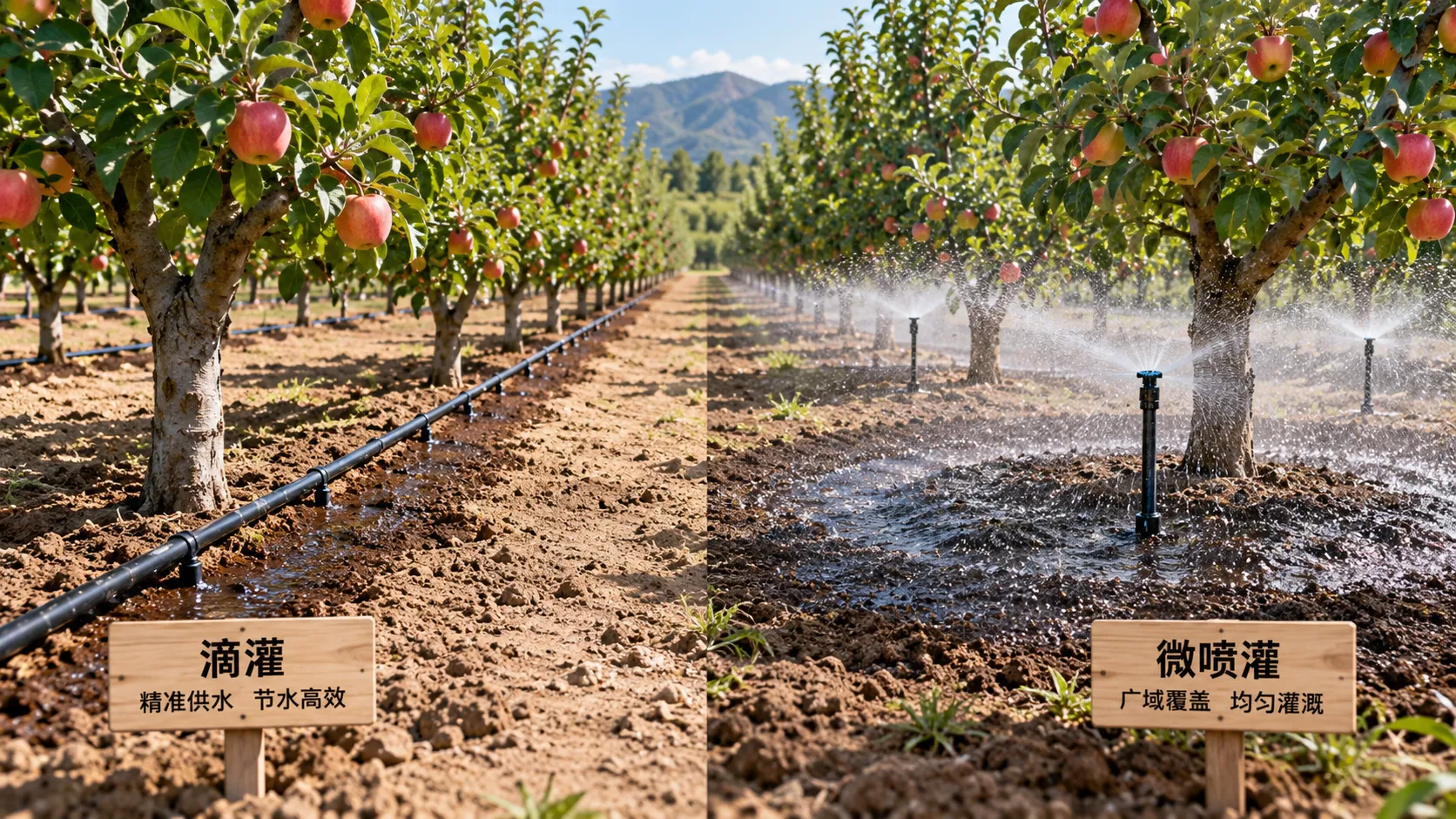
Drip vs. Micro-Sprinkler Irrigation: Which System Fits Your Orchard?
Irrigation solution comparison for orchards: discover whether drip or micro-sprinklers best match your water, soil, roots, fertigation, and frost needs.
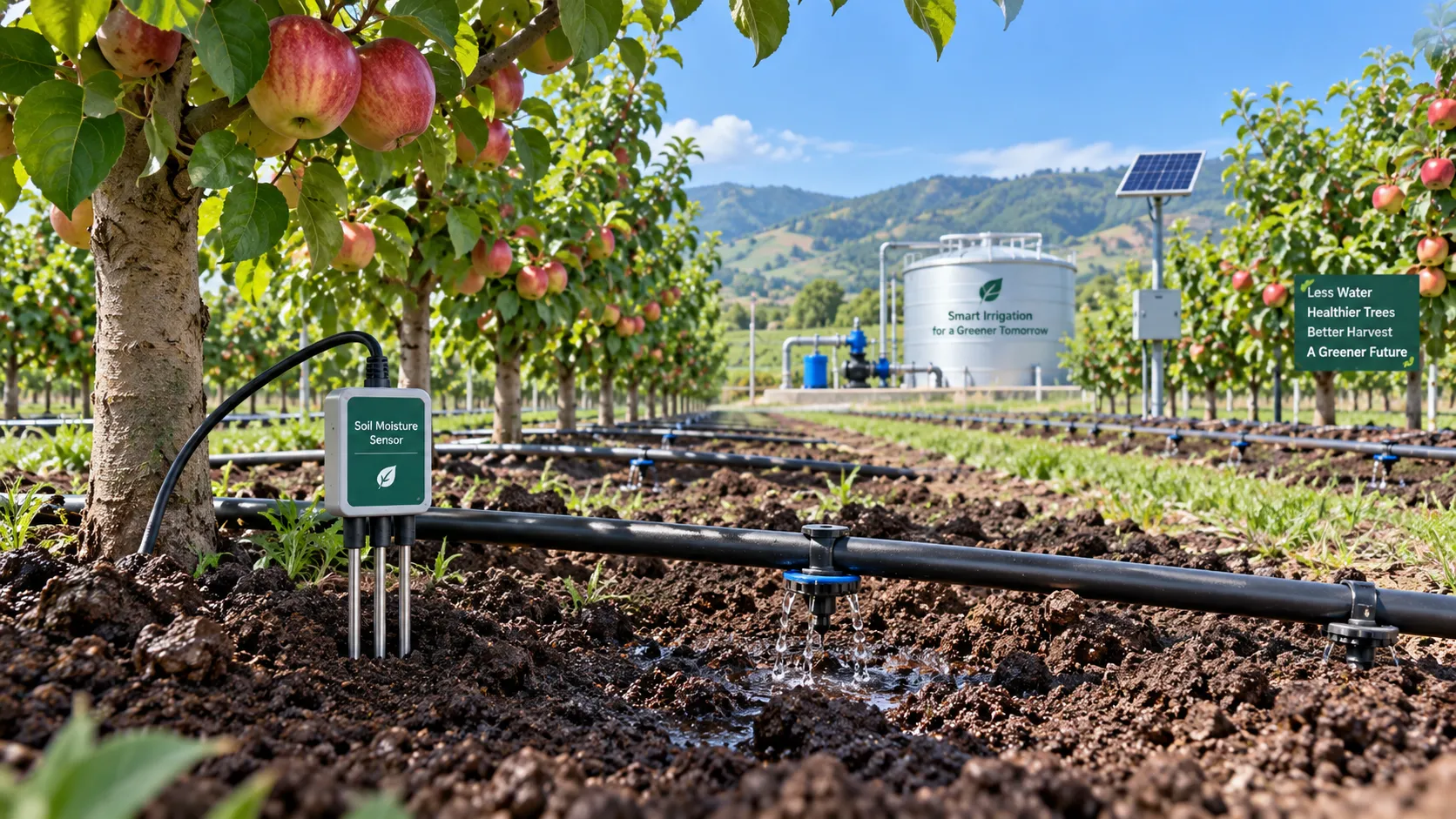
Orchard Water Management: Using Soil Moisture Data to Schedule Irrigation
Agricultural water management for orchards made practical: use soil moisture data to optimize irrigation timing, protect yield, reduce costs, and improve resilience.

Tractor Chassis Price: What Buyers Should Compare Beyond the Initial Quote
Tractor chassis price is only the start. Compare load capacity, compatibility, durability, and lifecycle costs to choose a reliable, high-value chassis.
Related News
- 00
0000-00
GPS-Guided Farm Machinery: Where It Delivers Measurable Field Efficiency Gains - 00
0000-00
ISOBUS for Smart Agriculture: How It Connects Tractors, Implements, and Farm Data - 00
0000-00
How North American Farms Can Select Crop Monitoring Systems by Acreage and Connectivity - 00
0000-00
How Tractor Intelligence Systems Improve Field Efficiency and Input Accuracy - 00
0000-00
Which equipment for larger fields maintains accuracy at higher speeds?
Popular Tags
Tractor Power Architect
Weekly Insights
Stay ahead with our curated technology reports delivered every Monday.