
Ingredient Processing Technology Supplier Evaluation: What to Check Beyond Price
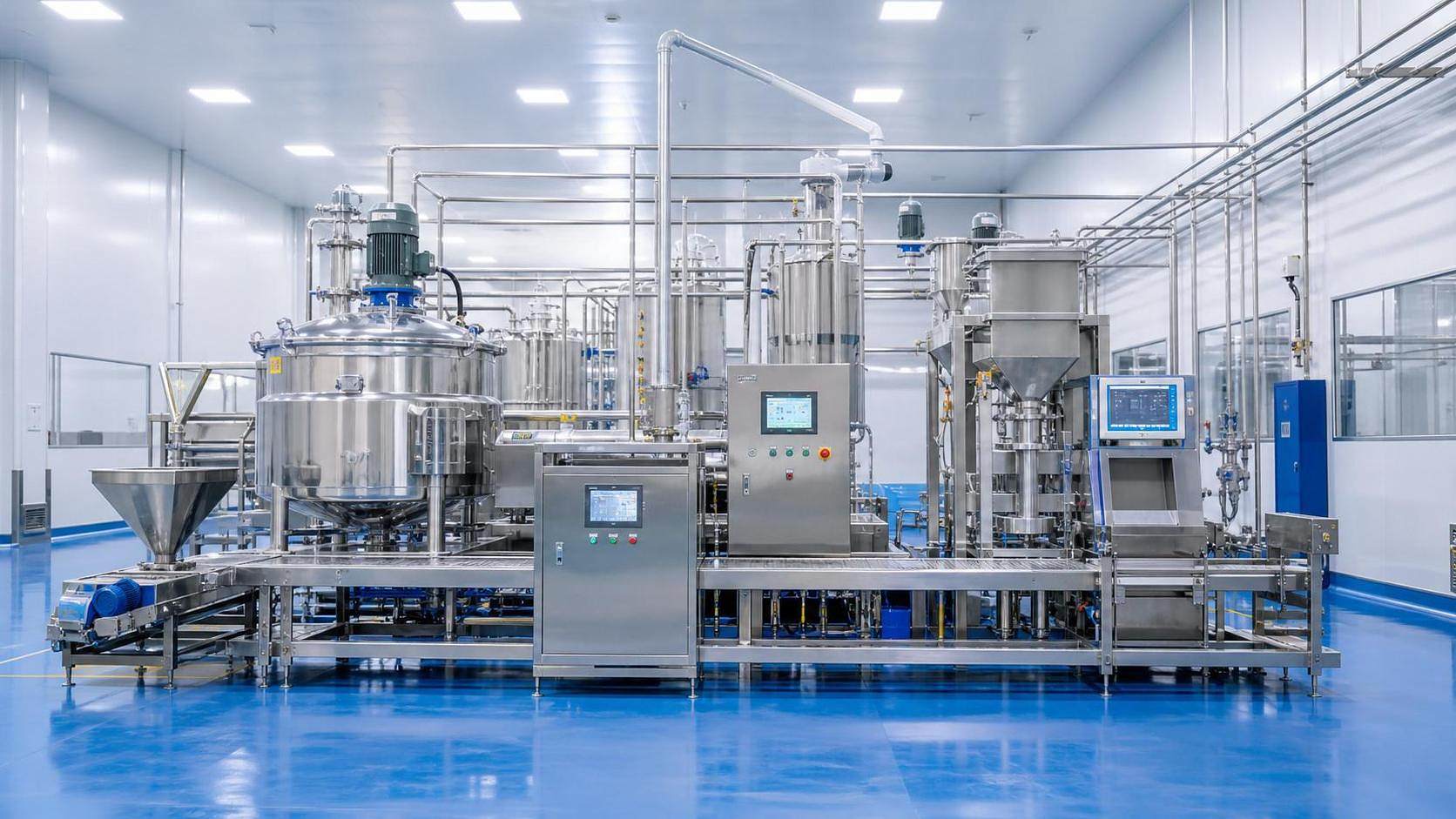




Ingredient Processing Technology Supplier Evaluation: What to Check Beyond Price
Choosing an ingredient processing technology supplier is rarely a simple bid comparison.
A lower quote can look attractive early, then become expensive through downtime, waste, rework, and delayed expansion.
That is why strong supplier evaluation looks beyond equipment price and asks how the system performs under real operating pressure.
In practical terms, the best ingredient processing technology supplier supports stable output, regulatory readiness, service continuity, and future upgrades.
This matters across food, feed, agricultural inputs, and value-added processing lines where consistency directly affects commercial outcomes.
From AP-Strategy’s market view, procurement teams increasingly prioritize resilience, data visibility, and integration over headline savings alone.
So when reviewing any ingredient processing technology supplier, the core question is simple: can this partner keep performance reliable as demand changes?
Start With Process Fit, Not Catalog Claims
Many supplier shortlists fail because buyers compare brochures instead of production realities.
An ingredient processing technology supplier may look strong on paper but still be wrong for your material behavior, batch size, or hygiene target.
Begin with the ingredient itself.
Ask how the line handles moisture variation, particle size shifts, temperature sensitivity, viscosity change, and contamination risk.
A serious ingredient processing technology supplier should discuss failure points before promising output rates.
That conversation usually reveals technical depth very quickly.
- Can the process maintain yield with variable raw material quality?
- What product loss rates are typical at commercial scale?
- How does the design reduce residue, clogging, or heat damage?
- What changeover time is realistic between formulations?
These points are more useful than broad statements about efficiency.
A capable ingredient processing technology supplier should also provide trial data, pilot validation, or reference cases with similar process conditions.
Check Stability Under Real Production Conditions
Price rarely reflects production stability.
Yet stability is often the biggest cost driver over the life of a processing asset.
When evaluating an ingredient processing technology supplier, ask for evidence from long-run operating scenarios, not only ideal demonstration runs.
You want to know what happens in hour eight, not minute eight.
Look closely at these indicators:
- Output consistency across shifts and seasons.
- Reject, rework, and giveaway rates.
- Cleaning frequency and unplanned stops.
- Energy and water consumption per unit.
- Sensitivity to operator skill levels.
A strong ingredient processing technology supplier should be transparent about process windows and control tolerances.
If performance depends on perfect raw materials or highly specialized operators, the risk profile is higher than the quote suggests.
More visibly, plants now value systems that remain predictable during labor turnover and supply volatility.
Compliance Readiness Should Be Verified Early
Compliance gaps are expensive because they surface late and disrupt launch schedules.
For that reason, ingredient processing technology supplier evaluation should include regulatory and documentation capability from the first review stage.
This goes beyond saying the equipment is “compliant.”
Ask what standards are supported, what records are delivered, and how design choices simplify audits.
- Material certificates and traceability records.
- Validation documents for sanitation and cleanability.
- Safety controls, guarding, and emergency logic.
- Support for HACCP, GMP, or relevant market requirements.
- Data logging needed for customer or regulator review.
A disciplined ingredient processing technology supplier should know which documents slow factory acceptance and which ones accelerate sign-off.
That knowledge usually separates seasoned suppliers from low-price bidders.
Service Depth Often Determines Total Cost
After-sales support is where many supplier decisions are truly won or lost.
A low-cost machine without fast service can become the most expensive asset on site.
When comparing an ingredient processing technology supplier, review the service model with the same rigor as the technical specification.
Focus on response speed, spare parts availability, and the supplier’s ability to troubleshoot remotely.
Useful questions include:
- Where are critical spare parts stocked?
- What is the average field response time by region?
- Can controls be diagnosed securely online?
- What operator and maintenance training is included?
- How are upgrades handled after commissioning?
In actual operations, strong support reduces downtime, shortens learning curves, and preserves throughput during staffing changes.
That makes service depth a major part of ingredient processing technology supplier evaluation.
Integration Capability Matters More Than Ever
A processing line no longer operates as an isolated machine set.
It needs to connect with upstream handling, downstream packaging, plant controls, quality systems, and reporting dashboards.
That is why every ingredient processing technology supplier should be assessed for integration maturity.
A supplier may deliver good equipment but still create a poor factory fit if interfaces are weak.
Review whether the supplier can support:
- PLC, SCADA, or MES communication.
- Batch traceability and recipe management.
- Alarm structure and production reporting.
- Sensor expansion for future optimization.
- Cybersecurity practices for remote access.
This is also where AP-Strategy’s Agriculture 4.0 perspective becomes relevant.
Across mechanized industries, long-term value increasingly comes from connected systems, measurable performance, and adaptive control logic.
An ingredient processing technology supplier with stronger digital integration usually supports better decision-making after startup.
Scalability and Technology Roadmap Deserve a Hard Look
A purchase decision should reflect where the business is going, not only where it is today.
This is especially true when product mixes, sustainability targets, or market access requirements are changing quickly.
A capable ingredient processing technology supplier should explain how the platform can scale without forcing a full replacement.
That includes throughput expansion, recipe flexibility, energy improvements, and automation upgrades.
More importantly, ask whether the supplier is still investing in the core technology.
If development has slowed, future support may become reactive rather than strategic.
Use a Weighted Evaluation Model
To make the decision more defensible, use a weighted scorecard.
This prevents the procurement process from being pulled too heavily by the initial quote.
A practical ingredient processing technology supplier evaluation model can include these categories:
- Process performance and product quality.
- Compliance and documentation readiness.
- Service, parts, and training support.
- Integration and automation capability.
- Scalability and roadmap alignment.
- Total cost of ownership over time.
Weight the categories according to actual operational priorities.
For example, a high-care line may value cleanability and validation more than capacity headline numbers.
A rapidly expanding processor may rate modular expansion and remote diagnostics more heavily.
Final Decision: Choose the Supplier That Lowers Operational Uncertainty
The best ingredient processing technology supplier is not automatically the cheapest or the most famous.
It is the supplier that reduces uncertainty across production, compliance, maintenance, and growth.
That shift in thinking leads to stronger investment decisions.
In today’s competitive environment, resilient processing performance creates more value than a lower purchase order alone.
So before selecting an ingredient processing technology supplier, test the claims, examine the support model, and review the roadmap with discipline.
A careful evaluation now usually prevents far bigger costs later.
Related News
Farm Machinery Sourcing: How to Vet Suppliers, Specs, and Lifecycle Costs
Farm machinery information for sourcing: learn to vet suppliers, compare specifications, control lifecycle costs, and secure reliable uptime for smarter equipment purchases.
How to calculate ROI on precision agriculture equipment before buying
Calculating ROI on precision agriculture equipment: learn to assess total ownership costs, savings, payback, NPV, risks, and farm-scale value before you buy.
Tractor Specification Sheets: Matching PTO, Hydraulics, and Weight to Farm Tasks
Specification-oriented articles for tractors: match PTO, hydraulics, lift capacity, ballast, and weight to real farm tasks for safer, more efficient equipment choices.
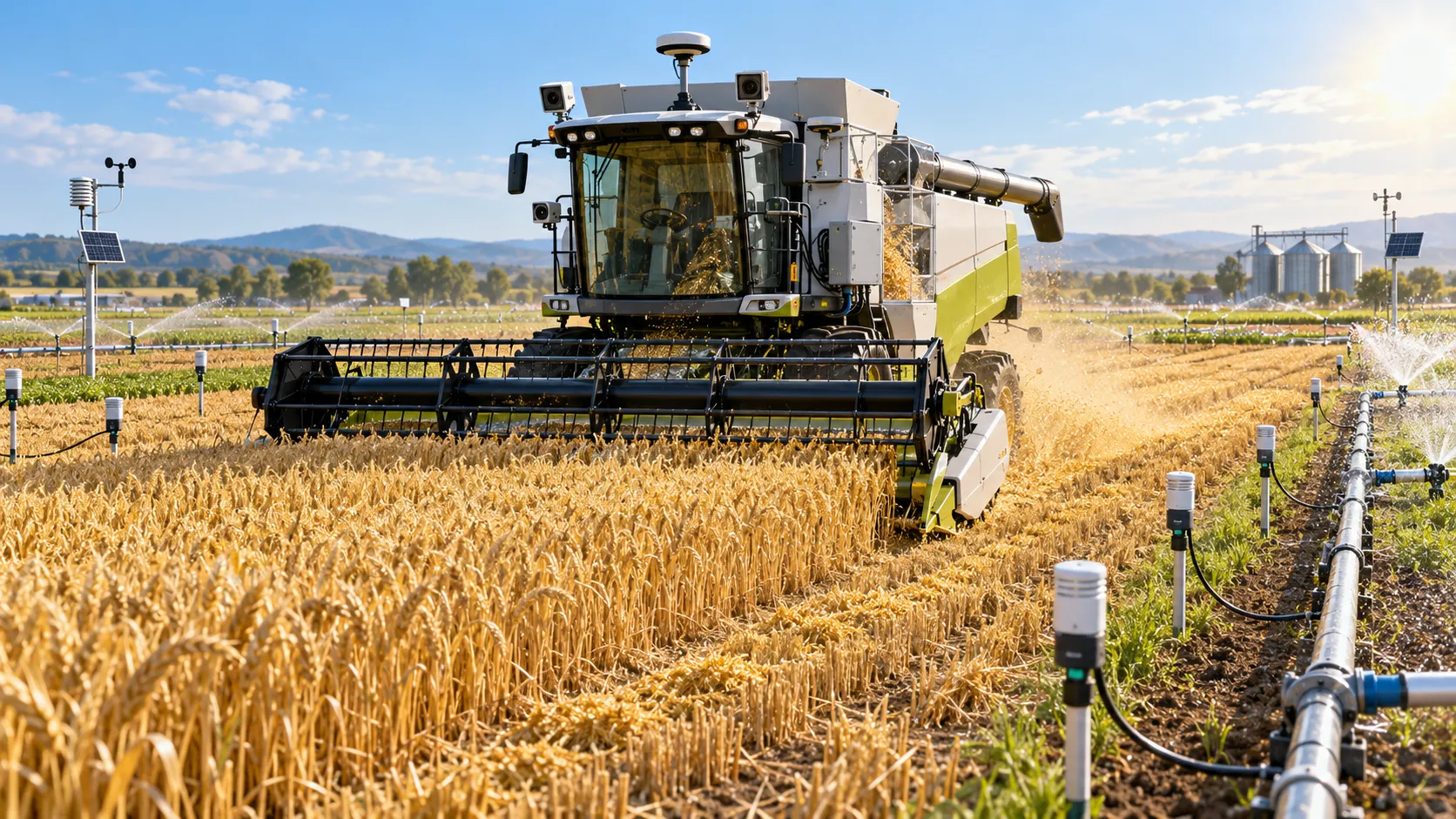
How to Evaluate Dynamic Feedback Algorithm Suppliers for Precision Farming Systems
Dynamic feedback algorithms supplier evaluation guide for precision farming—compare validation, integration, safety, and pilots to choose with confidence.
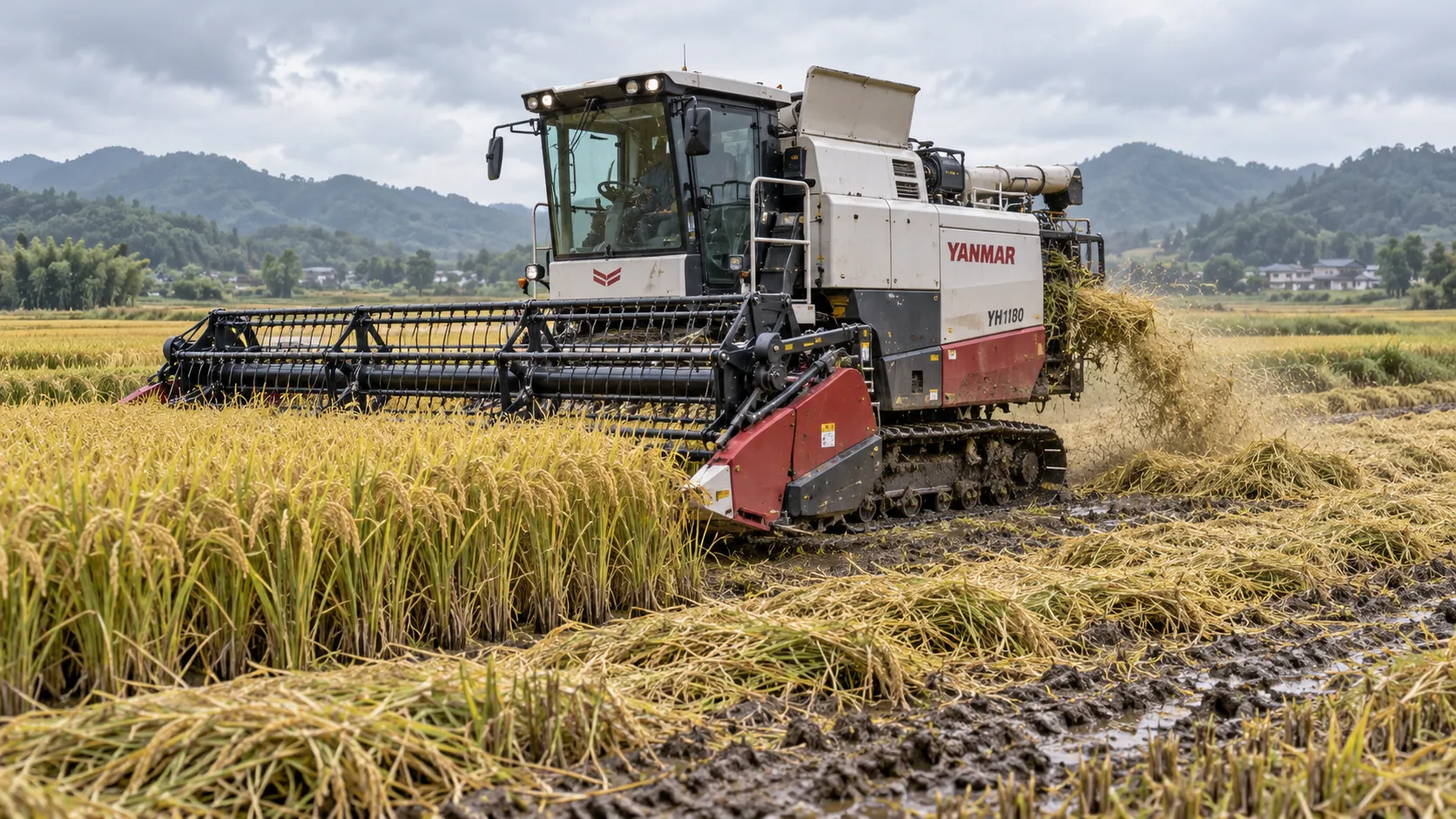
How to Specify Combine Harvester Systems for High-Moisture Grain and Variable Field Conditions
Combine harvester systems for high-moisture grain: learn how to specify threshing, cleaning, headers, traction, and automation for reliable harvests in variable fields.
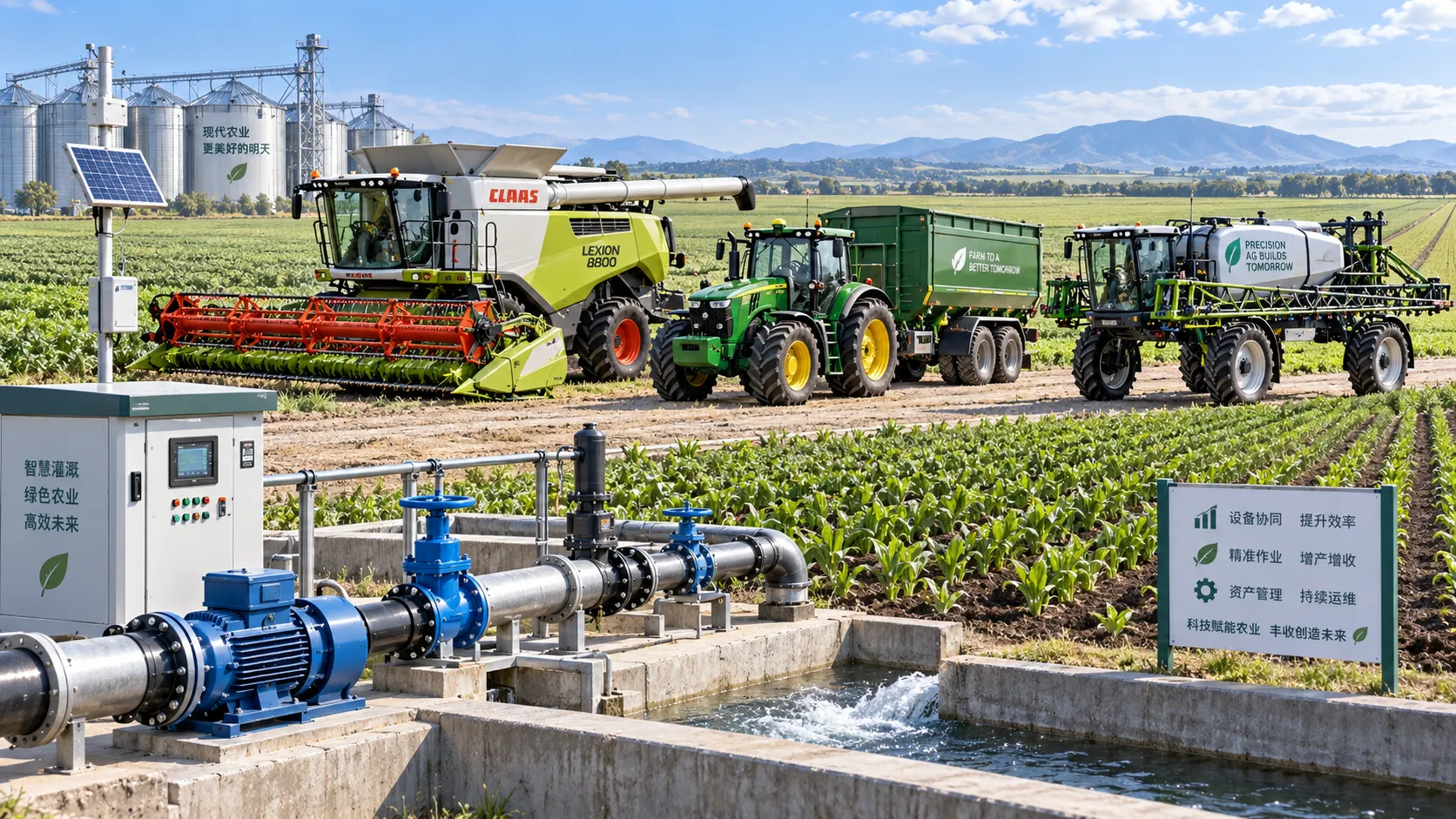
How to Compare Agricultural Equipment Platforms for Fleet Management and ROI
Agricultural equipment platform comparison: evaluate fleet data, maintenance, precision workflows, and ROI to choose a system that delivers measurable results.
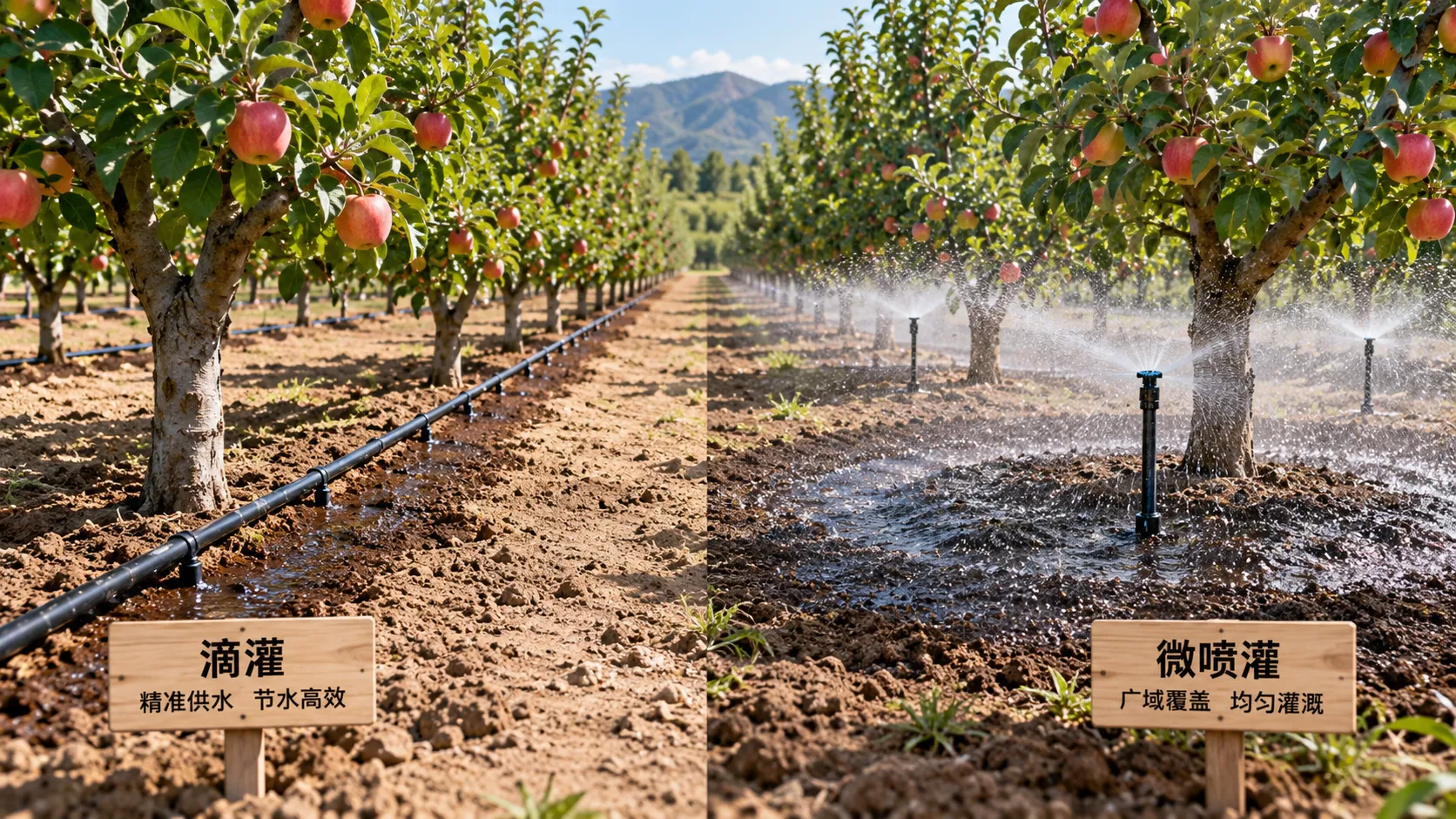
Drip vs. Micro-Sprinkler Irrigation: Which System Fits Your Orchard?
Irrigation solution comparison for orchards: discover whether drip or micro-sprinklers best match your water, soil, roots, fertigation, and frost needs.
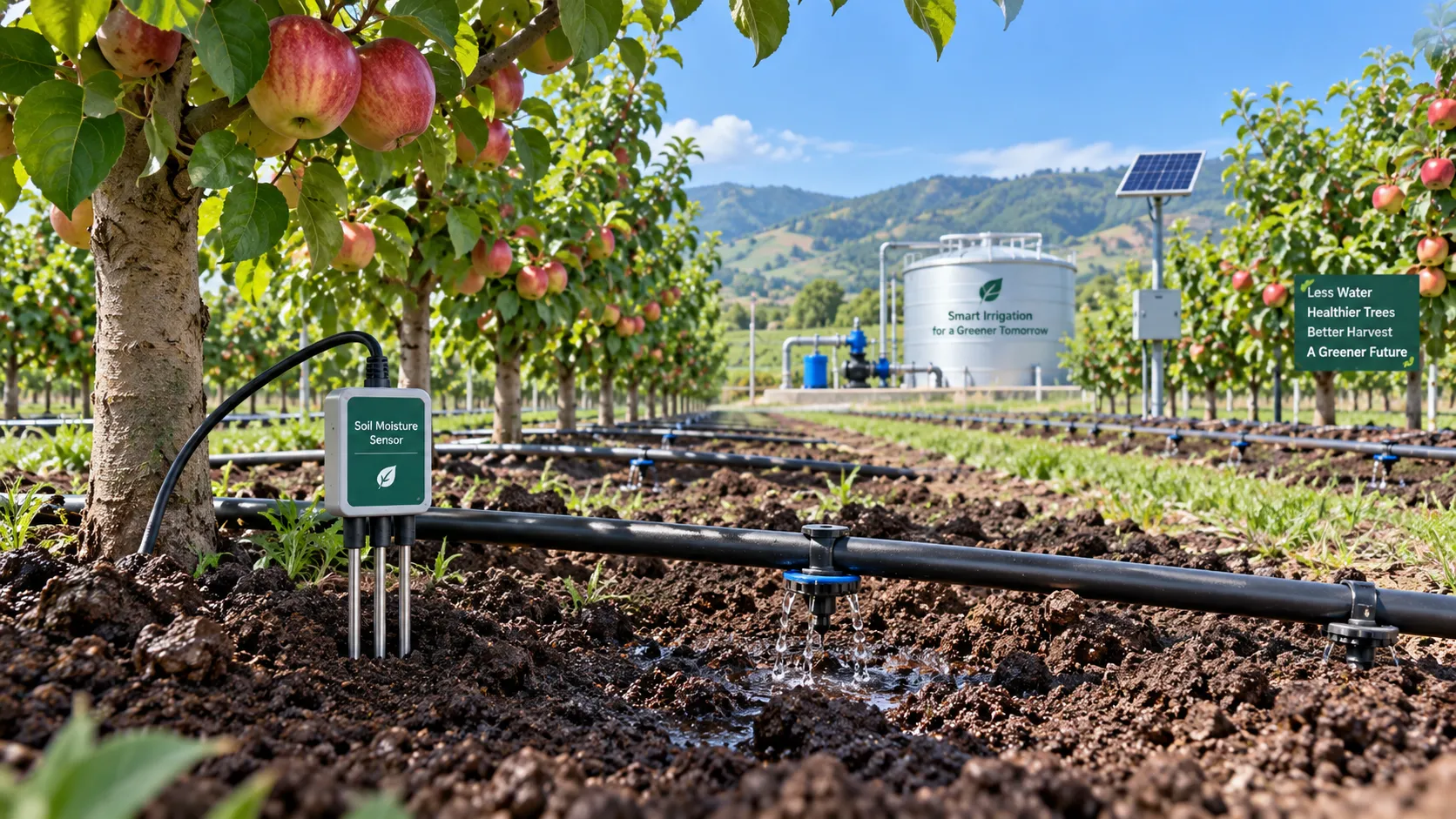
Orchard Water Management: Using Soil Moisture Data to Schedule Irrigation
Agricultural water management for orchards made practical: use soil moisture data to optimize irrigation timing, protect yield, reduce costs, and improve resilience.
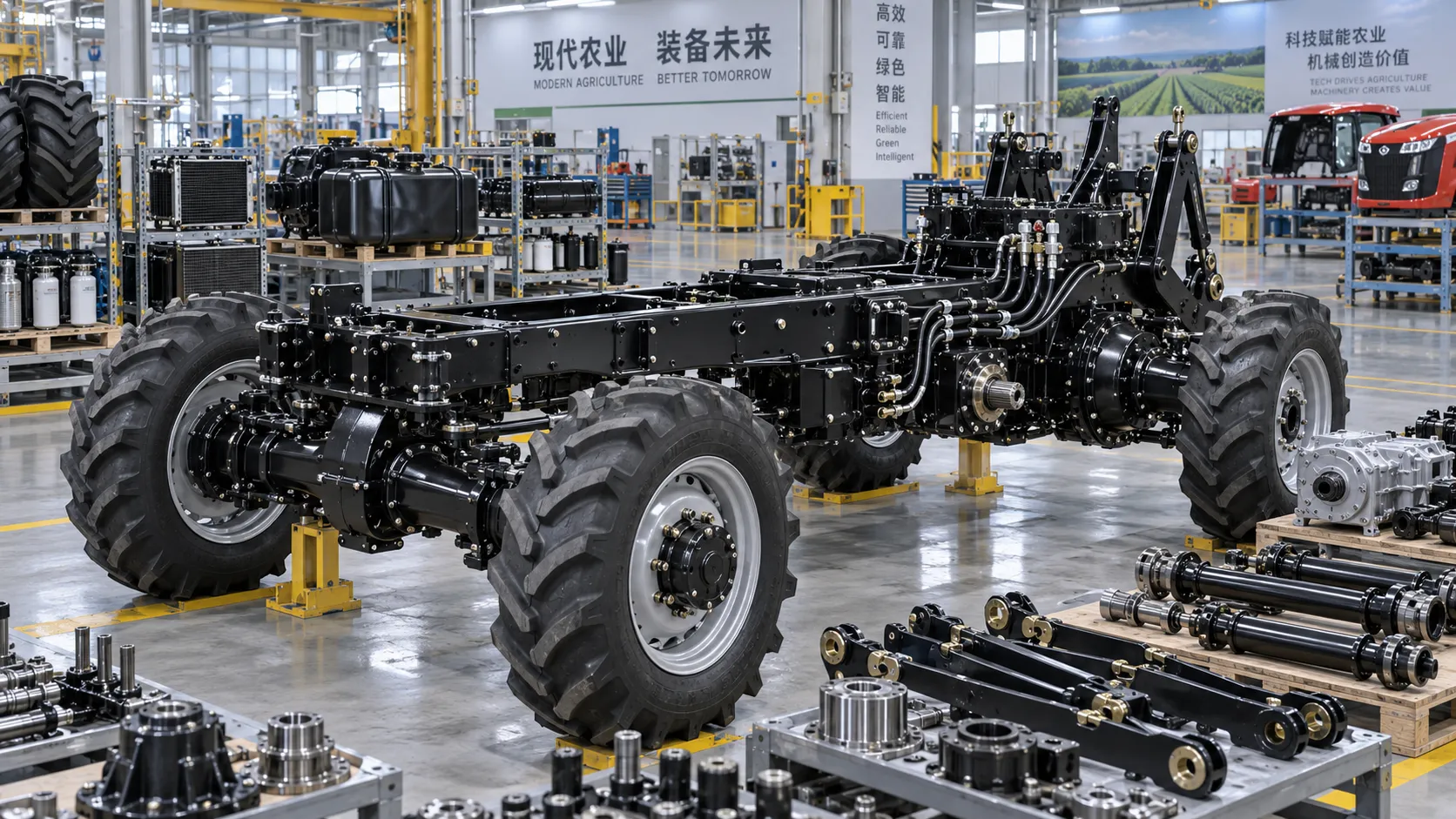
Tractor Chassis Price: What Buyers Should Compare Beyond the Initial Quote
Tractor chassis price is only the start. Compare load capacity, compatibility, durability, and lifecycle costs to choose a reliable, high-value chassis.
Related News
- 00
0000-00
Farm Machinery Sourcing: How to Vet Suppliers, Specs, and Lifecycle Costs - 00
0000-00
How to calculate ROI on precision agriculture equipment before buying - 00
0000-00
Tractor Specification Sheets: Matching PTO, Hydraulics, and Weight to Farm Tasks - 00
0000-00
How to Compare Agricultural Equipment Platforms for Fleet Management and ROI - 00
0000-00
Tractor Chassis Price: What Buyers Should Compare Beyond the Initial Quote
Popular Tags
Ms. Elena Rodriguez
Weekly Insights
Stay ahead with our curated technology reports delivered every Monday.