
How to Match Large-Scale Farm Equipment Working Width to Field Size and Crop Rows
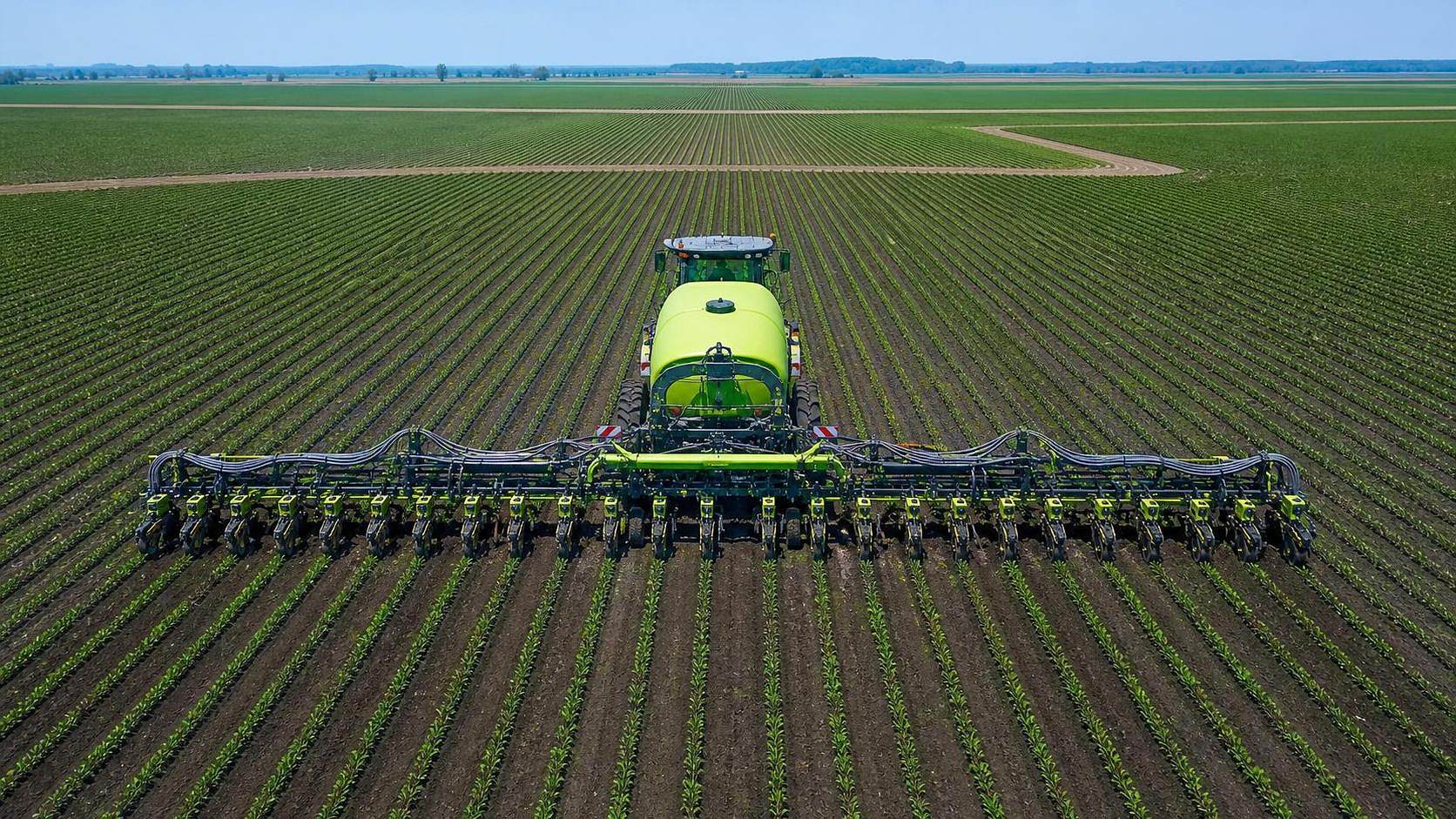




Matching large-scale farm equipment working width to field size and crop rows is one of the most practical decisions in broadacre operations. The choice affects daily output, crop safety, fuel use, operator fatigue, and the quality of each pass.
A wider machine does not always create a better result. In real field conditions, the best width must fit row spacing, headland room, terrain variation, transport limits, and the accuracy required by planting, spraying, or harvesting.
That is why the topic remains central across the Agriculture 4.0 landscape. As AP-Strategy tracks machinery performance, combine efficiency, chassis capability, precision tools, and water-smart systems, working width appears again and again as a key operating variable.
What working width really means in the field
Large-scale farm equipment working width is the effective span covered during one operating pass. It may refer to planter width, sprayer boom width, tillage width, mower width, header width, or other tool dimensions.
The important word is effective. A machine may have a rated width on paper, yet field efficiency depends on overlap, skips, turning time, and how steadily that width can be used under local conditions.
For row crops, width must also align with row geometry. A machine that mathematically covers more area can still create losses if it runs off pattern, disturbs adjacent rows, or forces awkward steering corrections.
Why width selection matters more than simple capacity
The industry often talks about hectares per hour. That matters, but it is only one side of the decision. The wrong large-scale farm equipment working width can increase compaction, waste inputs, and reduce downstream performance.
For example, a planter that does not match row systems complicates later spraying and harvesting. A harvester header that exceeds practical field conditions may slow forward speed and increase edge losses instead of improving total throughput.
This is one reason AP-Strategy places working width inside a broader operating system. Chassis stability, hydraulic response, guidance accuracy, and sensor feedback all influence whether the chosen width delivers usable productivity.
Start with field size, but do not stop there
Field size is the first filter, not the final answer. Large rectangular parcels with long runs usually support a wider implement because the machine spends more time working and less time turning.
Smaller blocks, irregular corners, terraces, drainage lines, and obstacles reduce the advantage of extra width. In those situations, maneuverability often protects total efficiency better than headline capacity.
Headland space deserves close attention. If turns are tight, a very wide tool may force slow repositioning, leave untreated triangles, or create unnecessary overlap on return passes.
A practical field-size view
Crop rows set the operating pattern
Row spacing often determines the most sensible large-scale farm equipment working width. The machine should match a whole-number multiple of row spacing whenever possible.
That principle sounds simple, but it shapes everything. A 12-row planter, a sprayer designed around tramlines, and a header built for the same crop pattern create cleaner traffic logic across the season.
Misalignment creates hidden costs. Tire damage, poor row entry, inconsistent coverage, and harvest frustration often begin with an early width decision that ignored the row system.
Questions worth checking before choosing width
- Does the implement cover an exact number of rows?
- Will later machines follow the same traffic pattern?
- Can guidance systems hold that pattern in slopes or loose soils?
- Will row spacing remain stable across all target crops?
Machine type changes the width decision
Not every operation values width in the same way. Tillage tools, planters, sprayers, and combines all face different tradeoffs between span, speed, precision, and material flow.
Planting and seeding
At planting, accuracy usually matters more than maximum span. A wider bar only works when downforce, seed delivery, frame stability, and guidance control stay uniform across the full width.
Spraying and nutrient application
Sprayers benefit from width, but boom stability is critical. A very wide boom on rolling ground may create uneven height, drift risk, and coverage inconsistency that cancel the expected savings.
Harvesting
Header width should match crop density, terrain, unloading logistics, and combine power. If crop flow becomes unstable, wider headers can raise loss levels and reduce actual harvested tons per hour.
Terrain, chassis behavior, and control accuracy
Terrain is often underestimated when discussing large-scale farm equipment working width. Flat maps may suggest one choice, while in-field behavior suggests another.
Slope, sidehill load, soft patches, and residue conditions affect how well the machine carries its full span. Wider equipment places greater demands on frame rigidity, suspension response, traction, and hydraulic precision.
This is where tractor chassis performance becomes part of the width conversation. Power delivery, steering stability, braking confidence, and hitch control all determine whether the implement stays productive across variable ground.
Guidance technology also matters. RTK, section control, and implement steering can support wider tools, but they do not eliminate poor field fit. They improve execution; they do not fix a mismatched width strategy.
Cost, overlap, and the hidden economics of width
The right large-scale farm equipment working width lowers cost by reducing unnecessary passes. That usually means less fuel, lower labor demand, and fewer machine hours for each hectare covered.
Still, wider equipment often increases purchase cost, transport complexity, and service requirements. The best decision is rarely the widest affordable option. It is the width with the strongest usable efficiency across a full season.
Overlap is especially expensive in spraying and fertilizer work. Even small percentage errors become large annual losses when input prices are high and total treated area is extensive.
In irrigation-linked systems, field traffic planning also affects water use efficiency. Poor width coordination can compress soil, disturb infiltration patterns, and complicate access around drip lines or controlled water zones.
A workable decision framework
A sound width decision usually comes from comparing five points together, rather than judging one number in isolation.
- Field geometry: average run length, shape, and headland space.
- Row logic: spacing, tramlines, and seasonal machine compatibility.
- Terrain behavior: slope, roughness, wet areas, and traction limits.
- Machine capability: power, hydraulics, stability, and control systems.
- Economic fit: annual area, labor windows, transport, and input savings.
This is also the kind of integrated assessment emphasized by AP-Strategy. Width should be evaluated as part of a complete field system, where mechanical design, precision agriculture data, and sustainability targets interact.
Where to focus next
Before changing equipment size, map current pass efficiency and note where time or crop loss occurs. The answer may come from better row alignment, improved guidance, or a more balanced width rather than a larger machine.
Compare planned width against actual field layouts, not only total farm area. Then check whether planting, spraying, harvesting, and water-management patterns can operate on the same logic.
When large-scale farm equipment working width is matched carefully to field size and crop rows, the result is not just faster coverage. It is steadier performance, cleaner field traffic, lower waste, and a more reliable operating system across the season.
Related News
Farm Machinery Sourcing: How to Vet Suppliers, Specs, and Lifecycle Costs
Farm machinery information for sourcing: learn to vet suppliers, compare specifications, control lifecycle costs, and secure reliable uptime for smarter equipment purchases.
How to calculate ROI on precision agriculture equipment before buying
Calculating ROI on precision agriculture equipment: learn to assess total ownership costs, savings, payback, NPV, risks, and farm-scale value before you buy.
Tractor Specification Sheets: Matching PTO, Hydraulics, and Weight to Farm Tasks
Specification-oriented articles for tractors: match PTO, hydraulics, lift capacity, ballast, and weight to real farm tasks for safer, more efficient equipment choices.
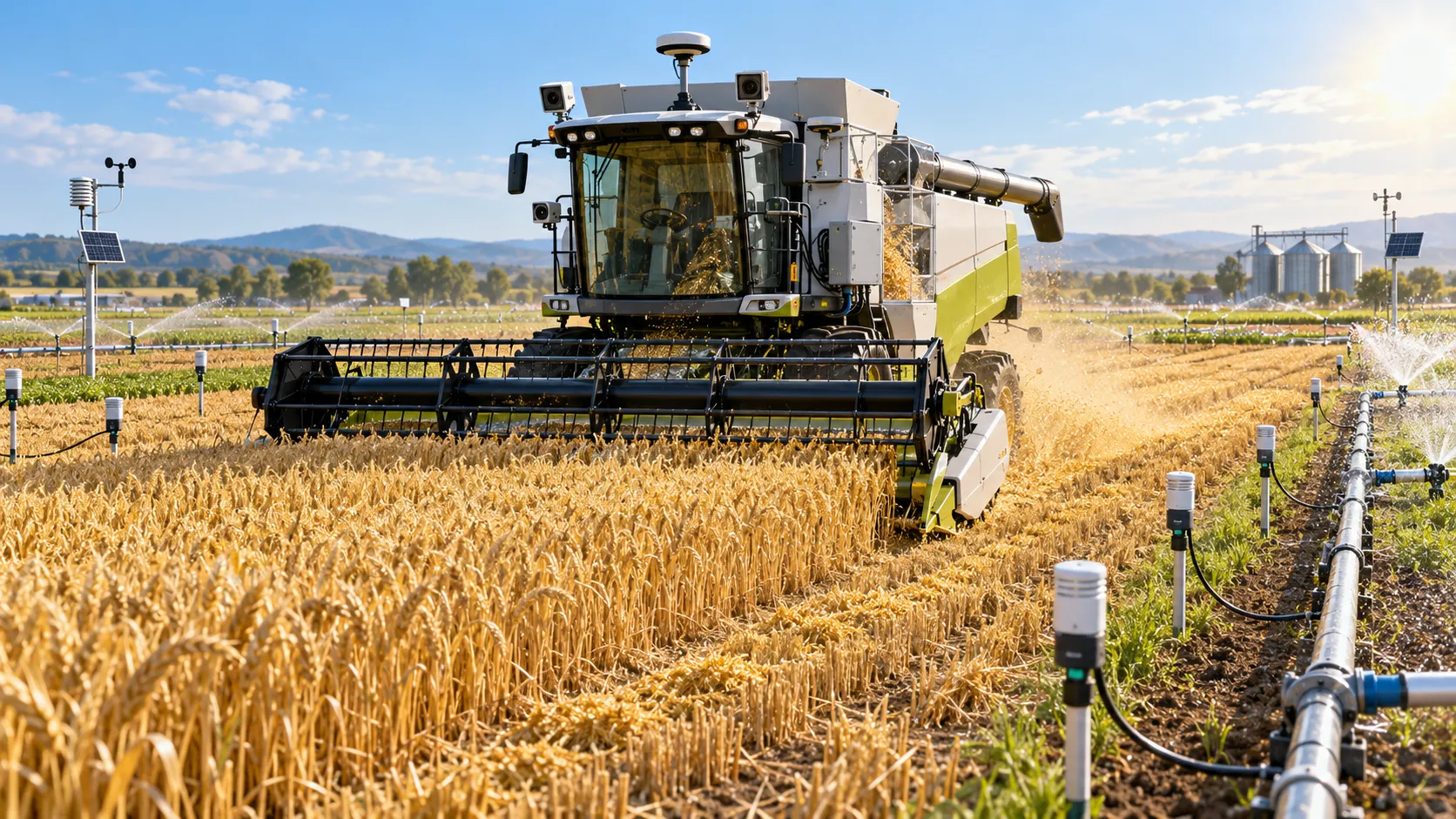
How to Evaluate Dynamic Feedback Algorithm Suppliers for Precision Farming Systems
Dynamic feedback algorithms supplier evaluation guide for precision farming—compare validation, integration, safety, and pilots to choose with confidence.
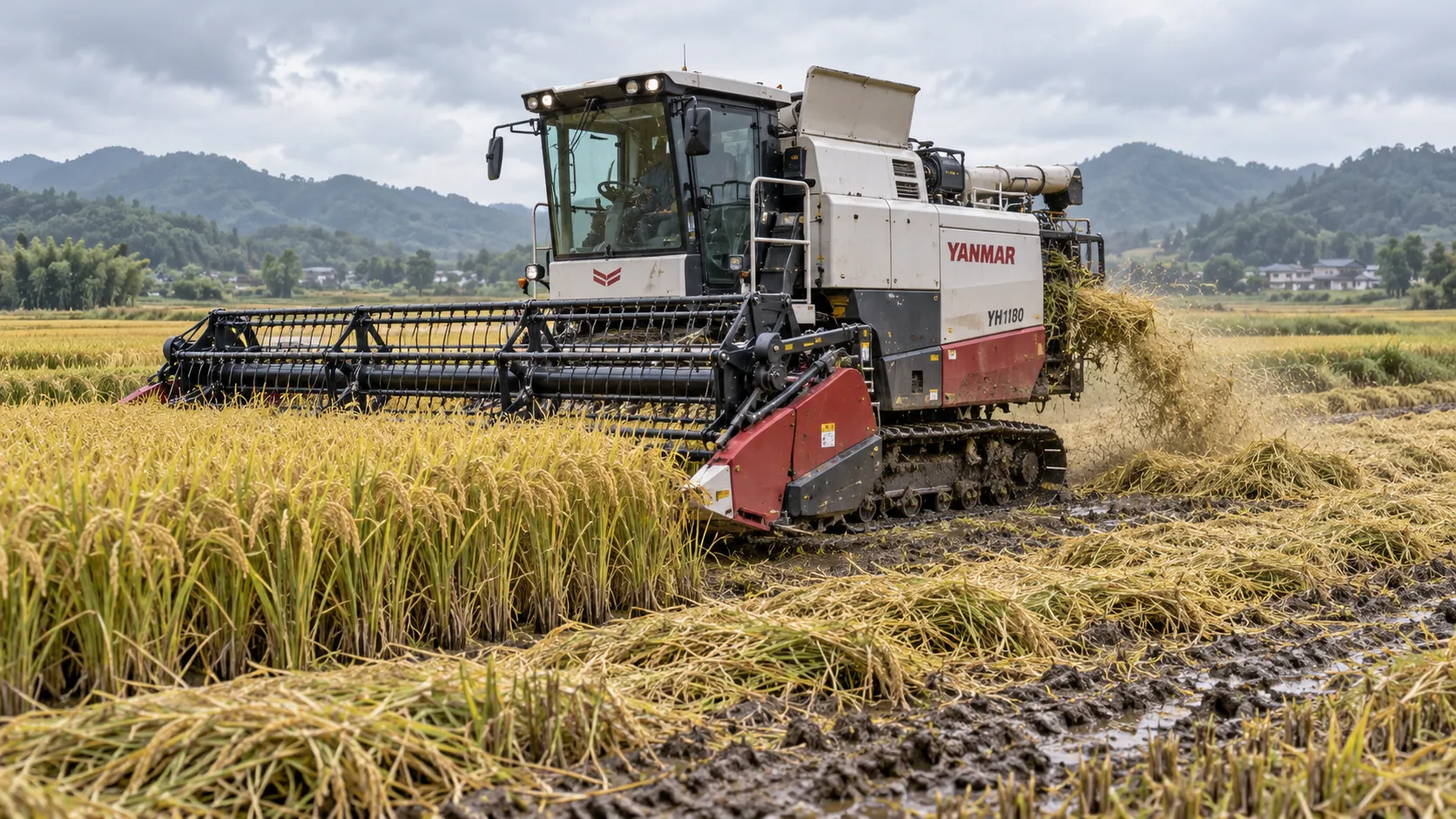
How to Specify Combine Harvester Systems for High-Moisture Grain and Variable Field Conditions
Combine harvester systems for high-moisture grain: learn how to specify threshing, cleaning, headers, traction, and automation for reliable harvests in variable fields.
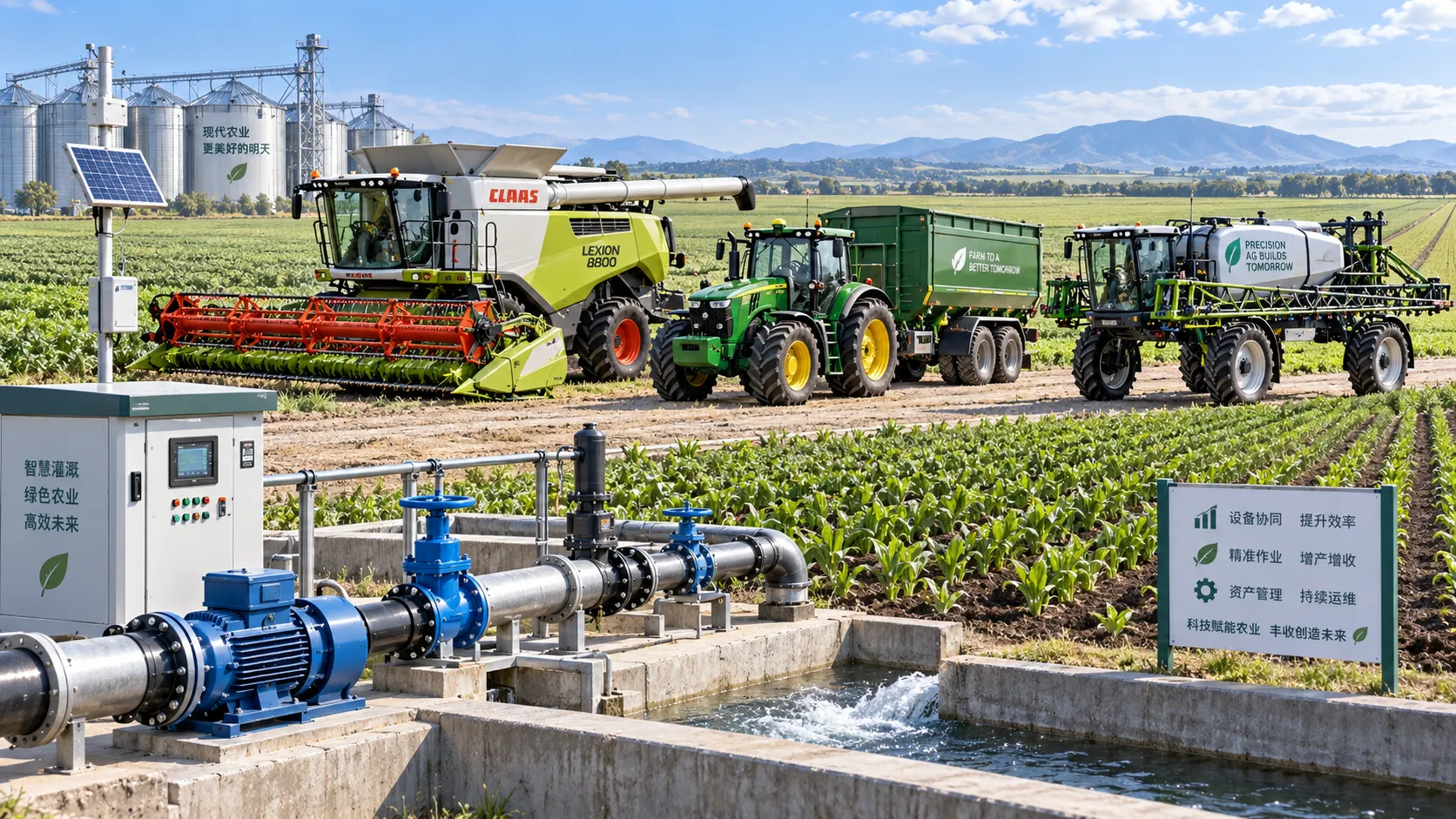
How to Compare Agricultural Equipment Platforms for Fleet Management and ROI
Agricultural equipment platform comparison: evaluate fleet data, maintenance, precision workflows, and ROI to choose a system that delivers measurable results.
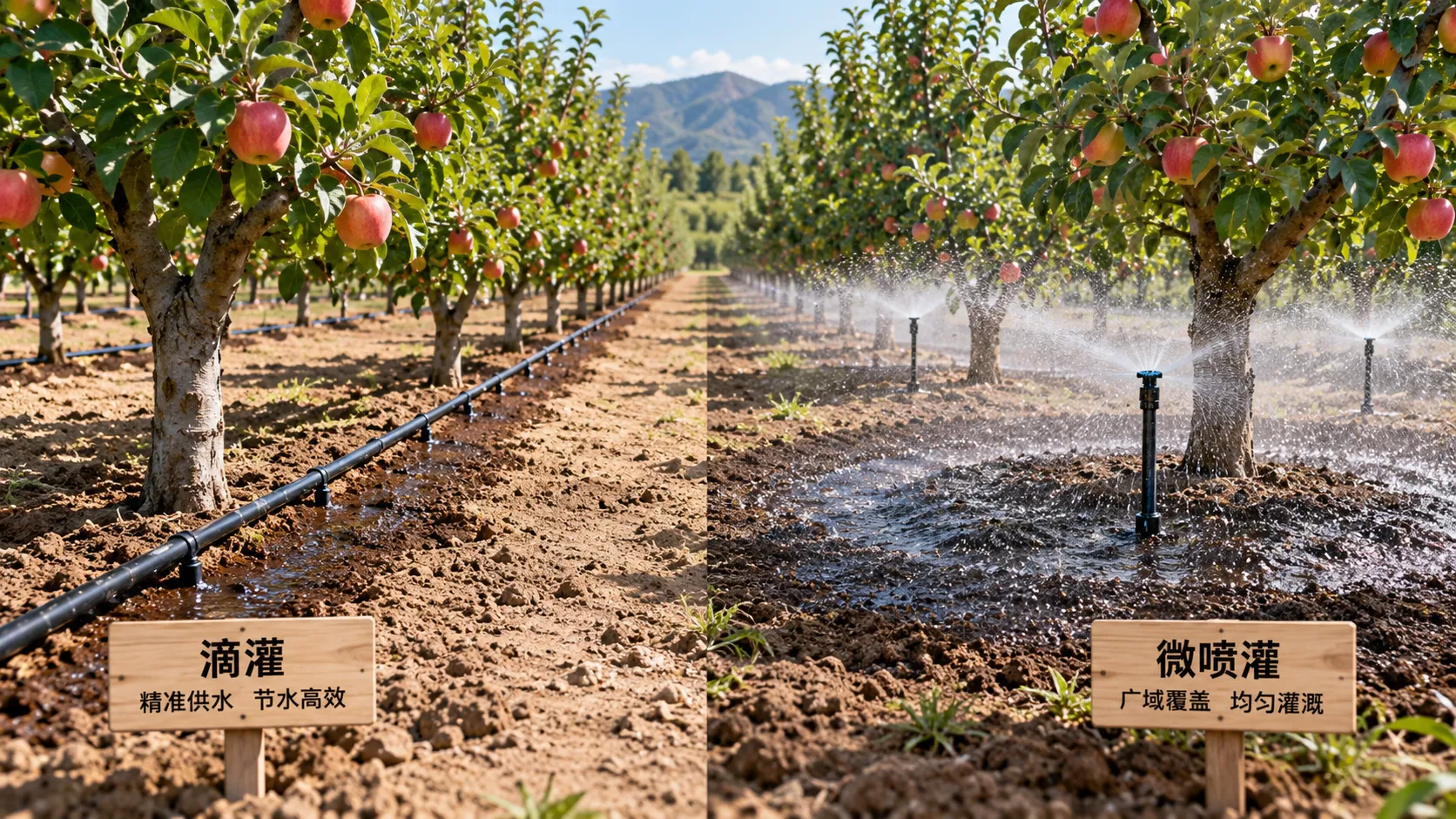
Drip vs. Micro-Sprinkler Irrigation: Which System Fits Your Orchard?
Irrigation solution comparison for orchards: discover whether drip or micro-sprinklers best match your water, soil, roots, fertigation, and frost needs.
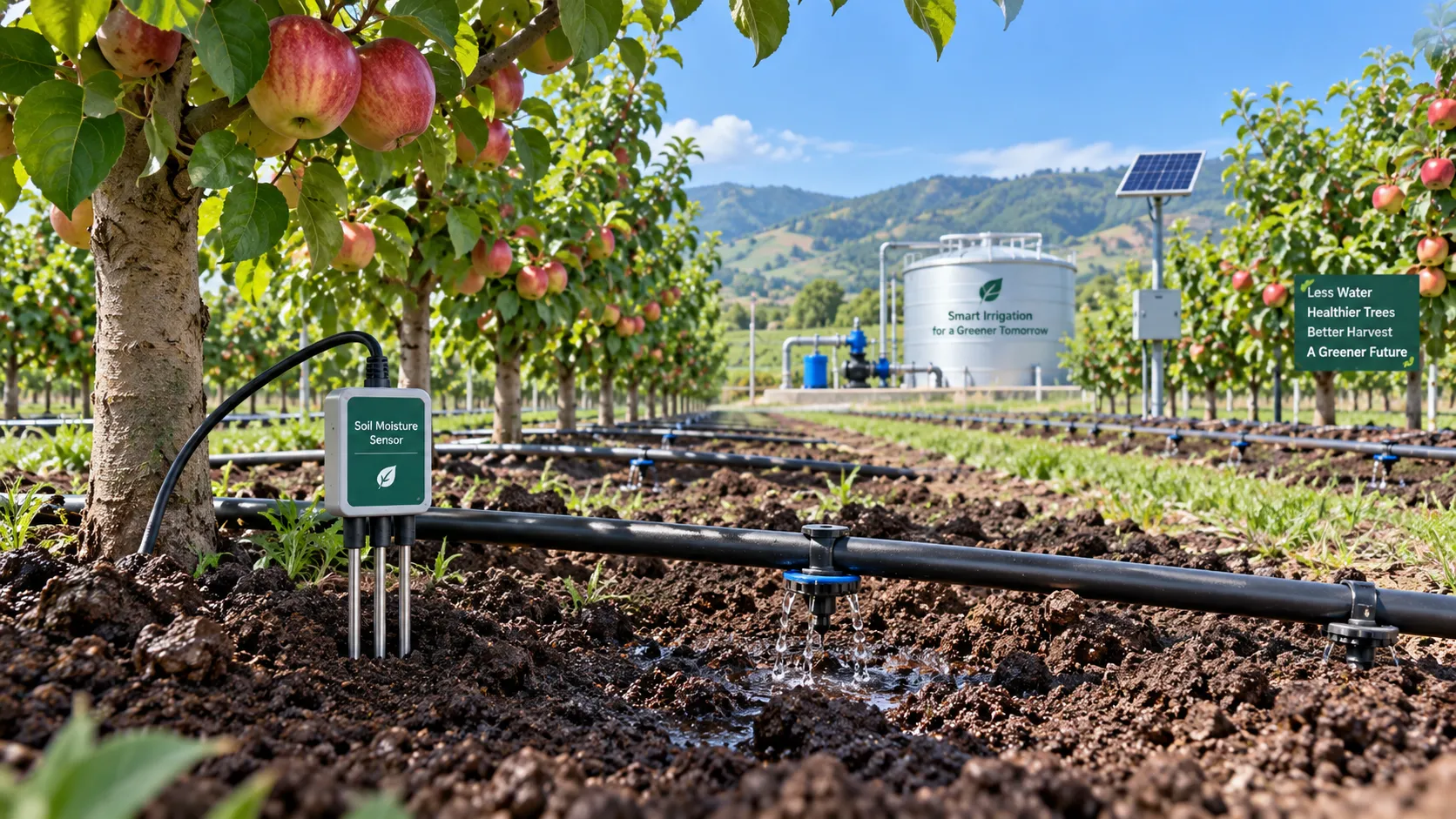
Orchard Water Management: Using Soil Moisture Data to Schedule Irrigation
Agricultural water management for orchards made practical: use soil moisture data to optimize irrigation timing, protect yield, reduce costs, and improve resilience.
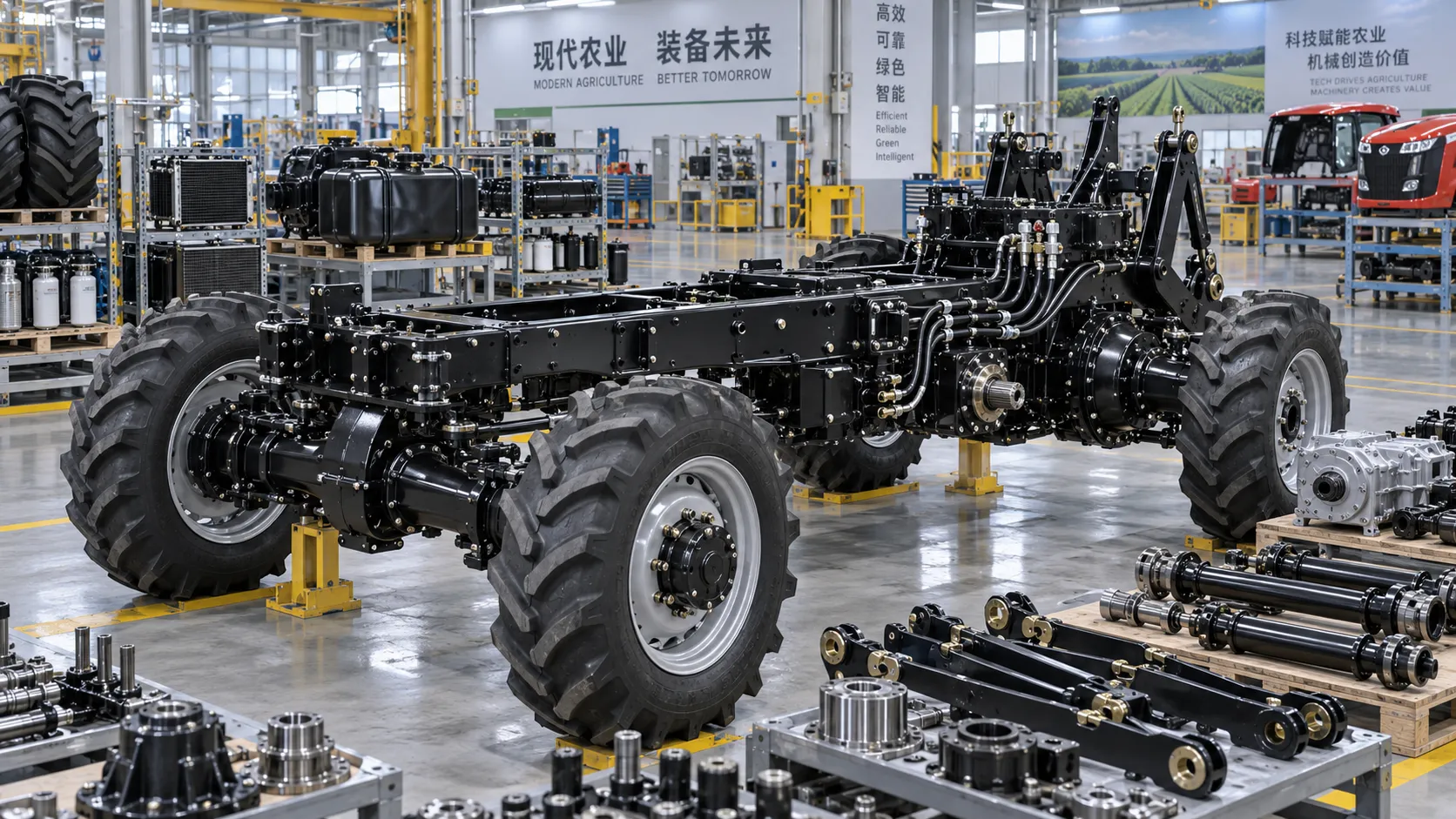
Tractor Chassis Price: What Buyers Should Compare Beyond the Initial Quote
Tractor chassis price is only the start. Compare load capacity, compatibility, durability, and lifecycle costs to choose a reliable, high-value chassis.
Related News
- 00
0000-00
How to Select a Heavy-Duty Seeder for Large Acreage and High-Residue Fields - 00
0000-00
How to Match Large-Scale Farm Equipment Working Width to Field Size and Crop Rows - 00
0000-00
Farm Implements for Seeding: How to Match Seeders to Crop Type and Soil Conditions - 00
0000-00
Ningjin Farm Machinery Cluster Strengthens Export Delivery - 00
0000-00
Ningxia Subsidy Plan Sets New Seeder Benchmarks
Popular Tags
Agri-Mechanization Fellow
Weekly Insights
Stay ahead with our curated technology reports delivered every Monday.