
Ningxia Subsidy Plan Sets New Seeder Benchmarks
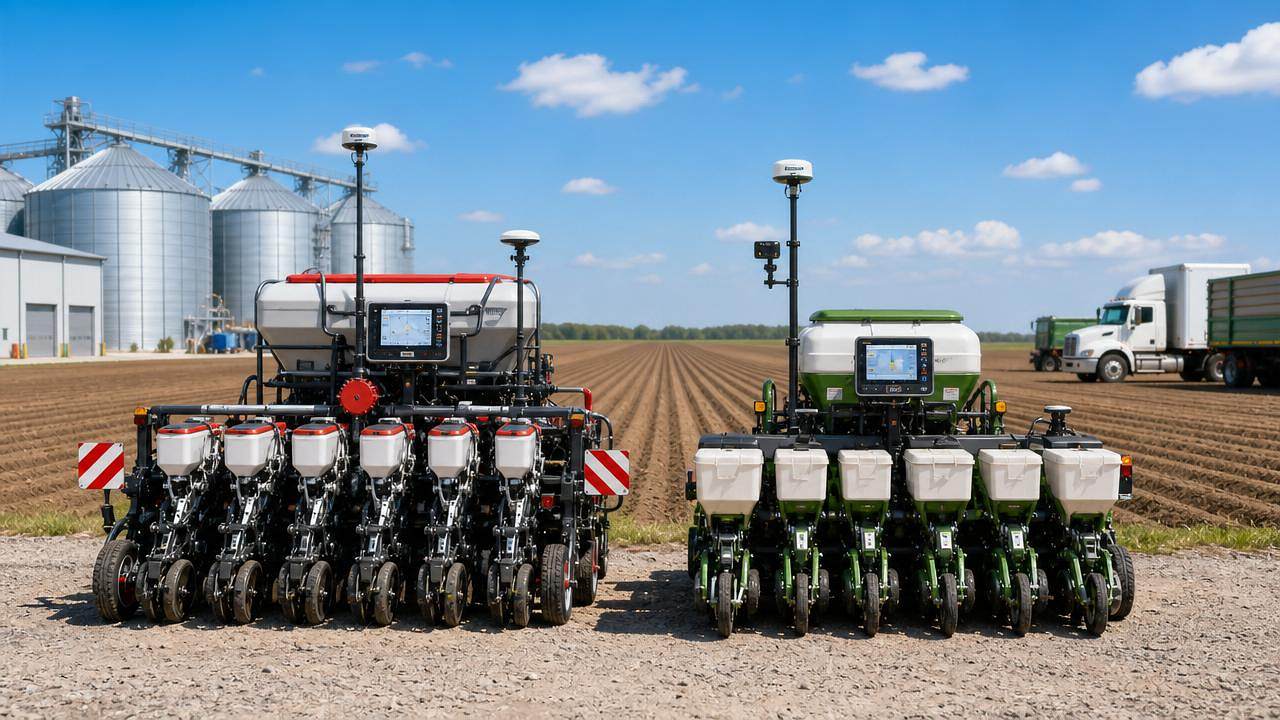




On June 5, 2026, Ningxia introduced a 2026 agricultural machinery scrappage-and-renewal subsidy framework that offers up to 30% provincial fiscal support for eligible precision seeders and intelligent planting machines when old units are scrapped and replaced with new models of the same function. For the agricultural equipment trade, this is not only a local subsidy move but also a practical policy signal: the technical parameters attached to subsidized models, including GPS guidance accuracy of ±2 cm and variable seeding error of no more than 3%, are drawing attention from importers in Central Asia, Africa, and Latin America and may influence specification alignment, export discussions, and procurement expectations.
What the Ningxia Measure Confirms
The confirmed facts are limited but commercially relevant. The Agriculture and Rural Affairs Department of Ningxia Hui Autonomous Region issued the 2026 Detailed Rules for Agricultural Machinery Scrappage and Renewal Subsidies on June 5, 2026. Under that document, eligible precision seeders and intelligent planting machines qualify for up to 30% provincial subsidy after old equipment is scrapped and new equipment with the same function is purchased. The policy is local in scope, but the summary provided indicates that importers in Central Asia, Africa, and Latin America are already paying attention to the technical parameters of the subsidized machine categories. The cited parameters include GPS guidance accuracy of ±2 cm and variable seeding error of no more than 3%.
Why This Matters Beyond a Local Subsidy
Export specification discussions may tighten first
From an industry perspective, exporters of Seeders & Planters may feel the earliest impact not through a new legal obligation abroad, but through changing buyer expectations. When subsidized models are associated with clear technical thresholds, overseas buyers and distributors may begin to use those thresholds as reference points in product comparisons, tender specifications, or supplier screening. What deserves closer attention is whether technical brochures, test data, and configuration sheets are ready to support those claims in a consistent way.
Procurement teams may face a higher documentation burden
For procurement and channel participants, the issue is not only machine price or delivery timing. If buyers start treating the cited guidance accuracy and variable seeding performance as baseline indicators, procurement files may need closer alignment between product specifications, supplier declarations, and any available test or inspection materials. Analysis shows that even where no formal certification rule has changed, documentation gaps can become a practical barrier during supplier selection or project review.
Manufacturers and integrators may need closer parameter control
Manufacturers, assemblers, and system integrators involved in precision seeding equipment may be affected at the design and configuration level. If export-facing products are marketed against the same performance references now highlighted by the Ningxia subsidy framework, consistency between navigation systems, seeding control modules, and final declared performance becomes more important. The operational impact is likely to appear in technical file preparation, model differentiation, and communication between engineering, sales, and after-sales teams.
Service and traceability expectations could rise with performance-based selling
After-sales service providers and supply chain partners may also be drawn in if transactions increasingly rely on performance-linked specifications. Observably, once GPS accuracy and variable seeding error become part of commercial negotiation, disputes may be less about general machine quality and more about whether delivered equipment matches stated configuration and field-use expectations. That makes traceability of components, software settings, and service records more relevant in cross-border delivery and support.
Where Companies Should Focus Now
Check whether technical claims are supportable
Companies selling or sourcing Seeders & Planters should first review whether product literature, bid documents, and commercial quotations describe technical performance in a way that can be supported by existing records. The current information does not establish any new universal certification rule, so it is more appropriate to focus on claim consistency rather than assume a formal new compliance regime already exists.
Watch for changes in official wording and execution practice
The summary confirms the subsidy framework and the referenced machine parameters, but it does not provide full execution detail. Analysis shows that companies should continue monitoring how official descriptions, implementation criteria, or related market documents evolve, especially if similar parameter language begins appearing in procurement requests, dealer requirements, or trade discussions.
Prepare technical and commercial files for specification alignment
Exporters, distributors, and sourcing teams should pay attention to the practical package behind a sale: technical datasheets, inspection or test materials where available, model comparison tables, and delivery documentation. If overseas buyers increasingly cite these performance indicators, specification alignment may become a front-end commercial issue before it becomes a formal compliance one.
Assess delivery and support readiness for higher-spec models
Where business already targets precision seeding equipment, companies may also need to review whether supplier qualification, spare-parts planning, and after-sales support can match products promoted on tighter performance metrics. This is not a confirmed market-wide rule change, but a reasonable precaution if purchase decisions begin to track the parameter references highlighted in the subsidy-linked machine categories.
How This Signal Should Be Read
Analysis shows that this development is best read as an execution signal with potential standard-setting influence, rather than as a broad new mandatory export regulation. The subsidy itself is a local policy measure, but the market attention it is receiving matters because technical thresholds tied to subsidized products can migrate into buyer expectations and commercial benchmarks. From an industry perspective, the key question is not whether one local rule automatically becomes an international standard, but whether repeated reference to these parameters starts shaping how machines are evaluated across tenders, imports, and supplier negotiations.
A Practical Reading of the Current Change
At this stage, the Ningxia measure is most usefully understood as a concrete local policy with wider signaling value for Seeders & Planters. It confirms that performance-linked renewal support is being attached to identifiable machine categories and technical indicators. For industry participants, the immediate takeaway is not to overstate the rule as a universal requirement, but to recognize that subsidy-linked specifications can influence procurement language, export positioning, and supporting documentation in a relatively short time.
Basis of This Article
This article is generated from the user-provided news title, event date, and event summary. For developments of this type, relevant source categories usually include official notices, releases from regulatory or agricultural authorities, trade administration information, industry association updates, standards documents, and reporting by established sector media. A specific official source link was not provided in the input, so that point still requires verification. Further observation is also needed on detailed implementation wording, any certification or compliance interpretation that may emerge in practice, changes in tender specifications, market feedback, and how companies respond in actual procurement and export operations.
Related News
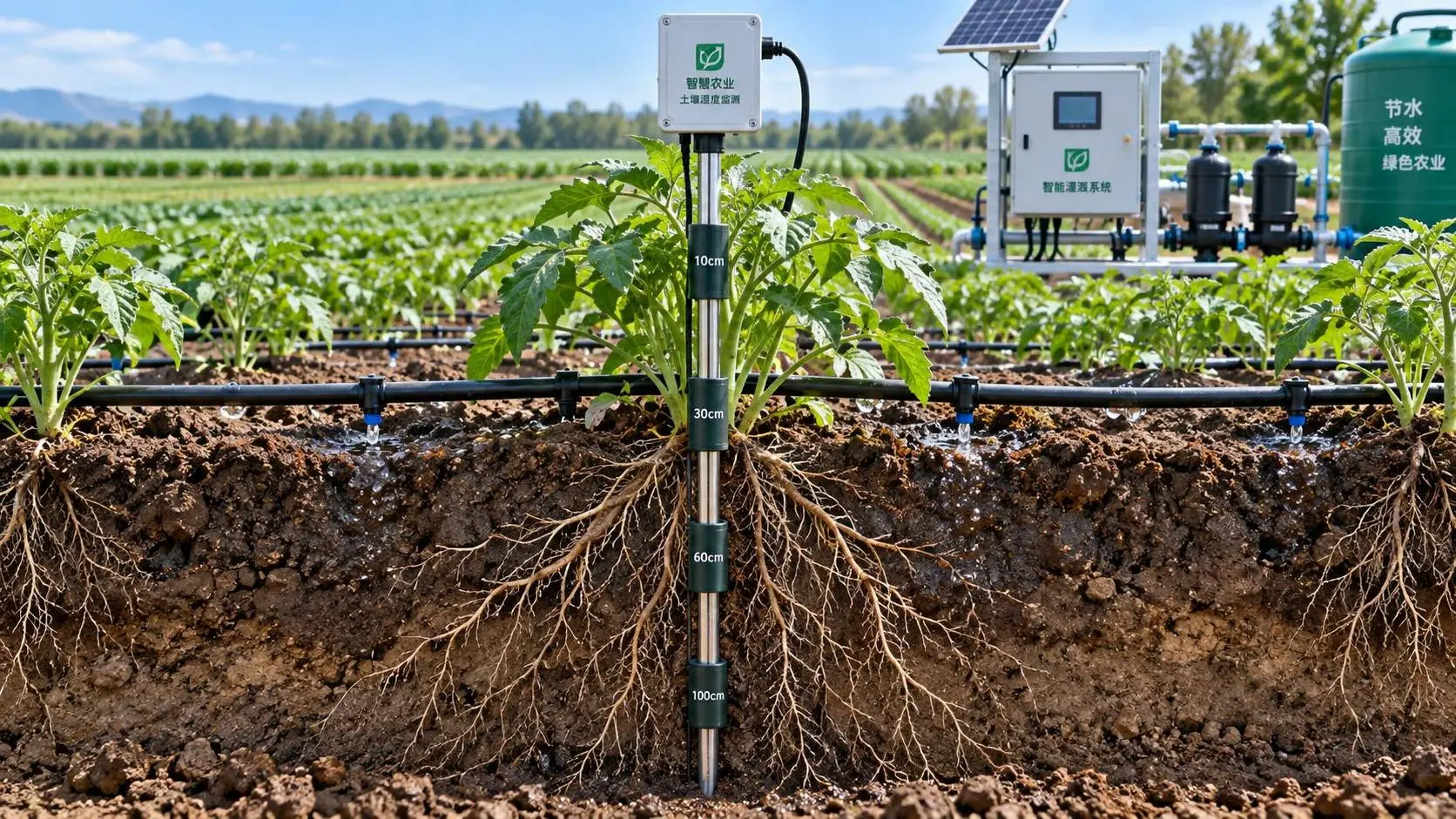
Selecting Real-Time Soil Moisture Sensors for Irrigation Zone Control
Soil moisture sensors real time: learn how to select reliable probes, optimize zone control, improve irrigation decisions, and scale precision water management.
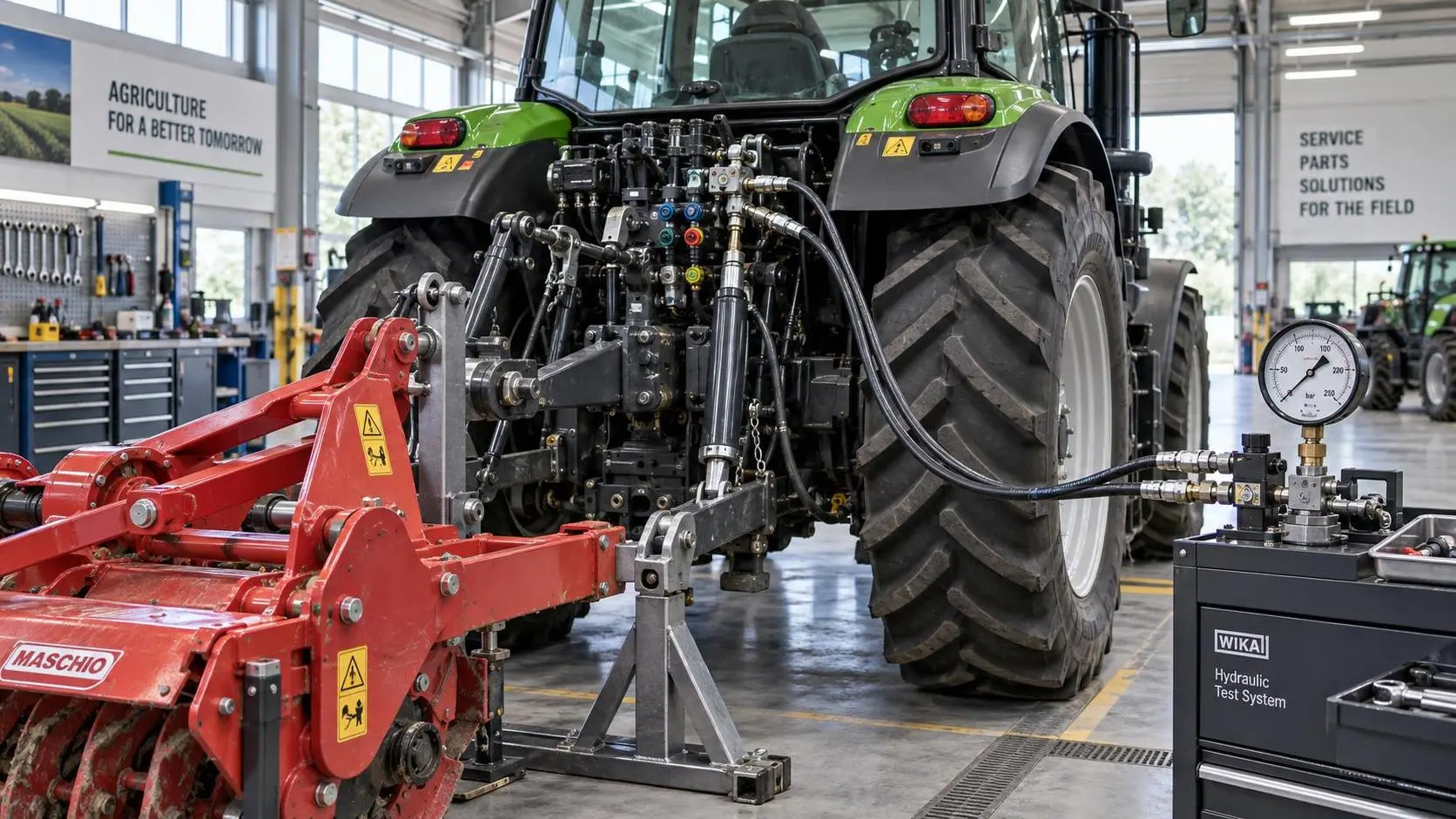
Tractor Hydraulic Systems Troubleshooting: Diagnosing Weak Lift and Slow Implements
Tractor hydraulic systems troubleshooting made practical: diagnose weak lifts and slow implements with proven pressure, flow, valve, and oil-supply checks.
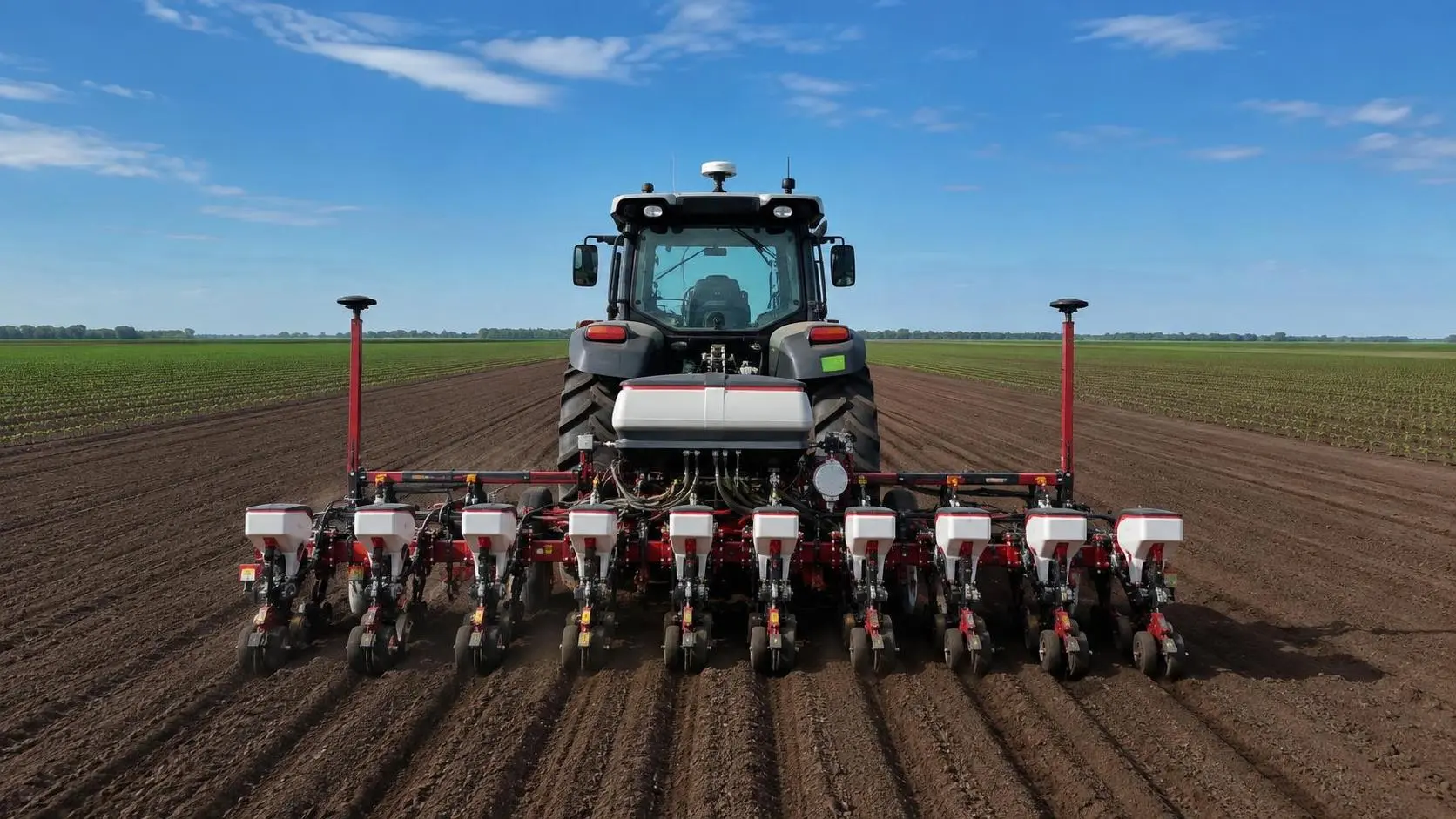
How Tractor Intelligence Systems Improve Field Efficiency and Input Accuracy
Agricultural machinery intelligence for tractors improves field efficiency, input accuracy, data traceability, and implement control. Explore smarter evaluation strategies.
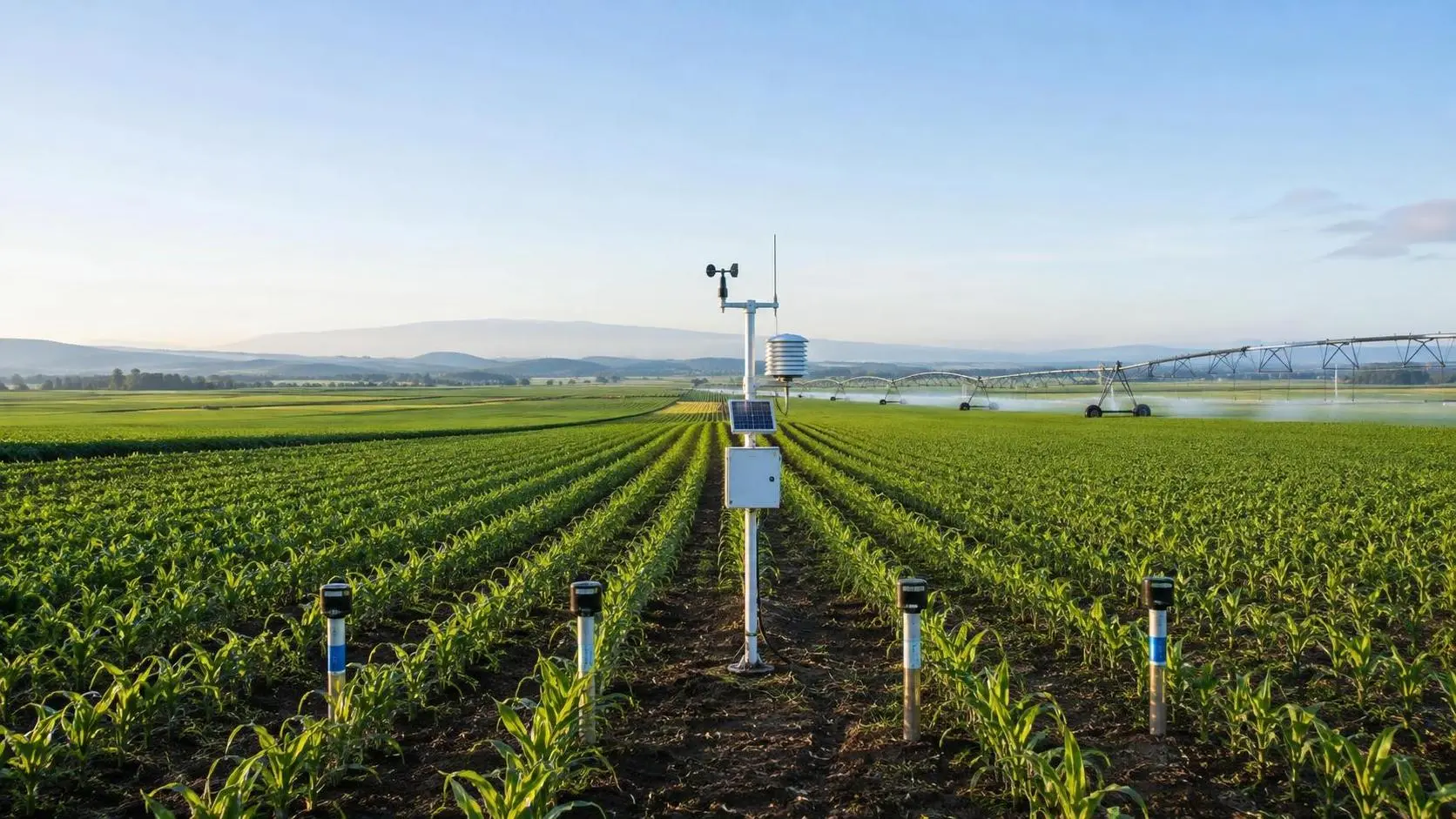
How to Evaluate Crop Monitoring System Manufacturers for Large-Scale Farms
Compare crop monitoring systems manufacturers for large-scale farms. Evaluate data quality, integration, durability, lifecycle costs, support, and pilots for smarter decisions.
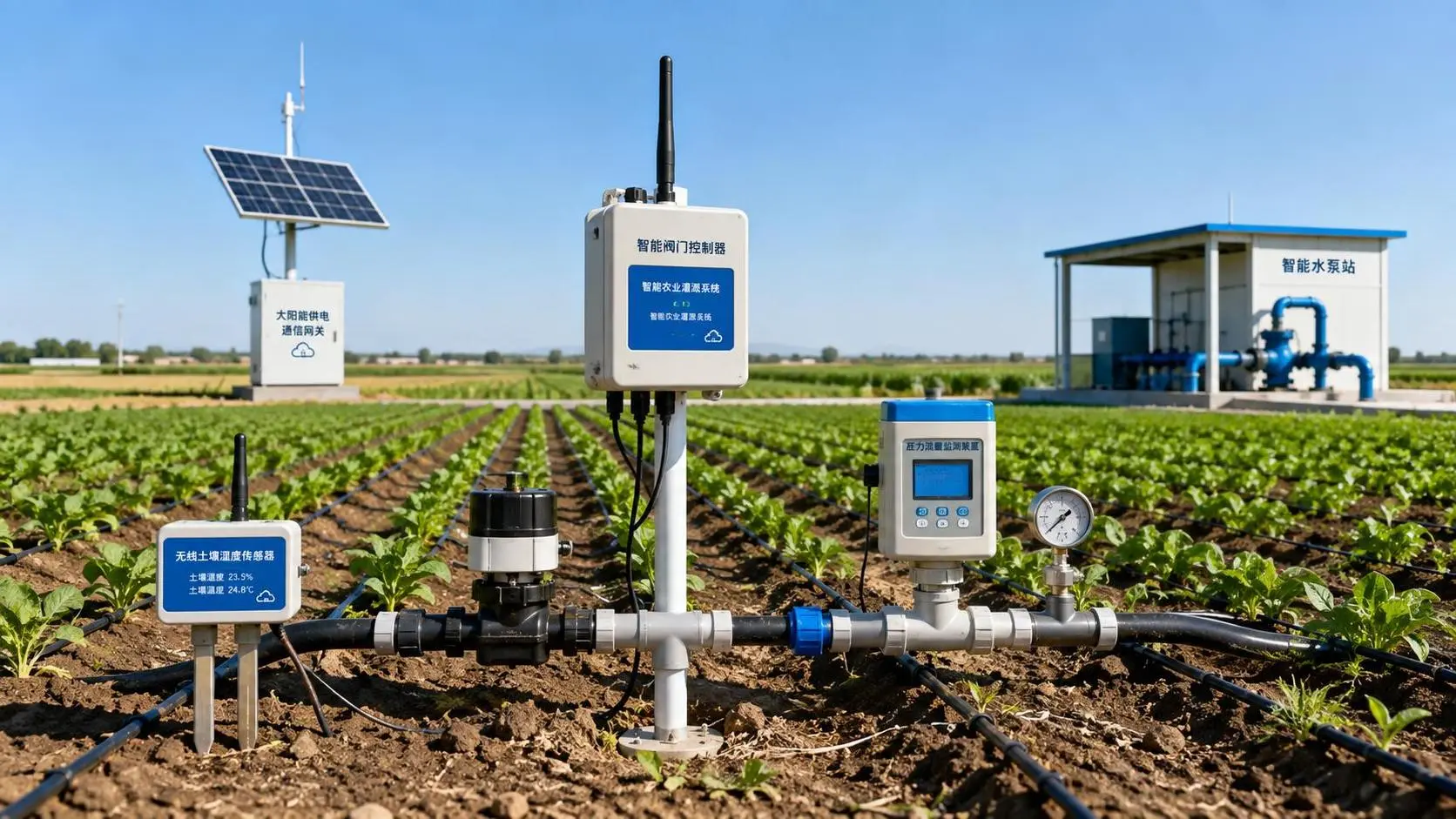
Wireless Agricultural Automation for Remote Irrigation and Field Monitoring
Agricultural automation wireless solutions improve remote irrigation with reliable field data, local control, flow verification, and smarter monitoring. Explore resilient deployment strategies.
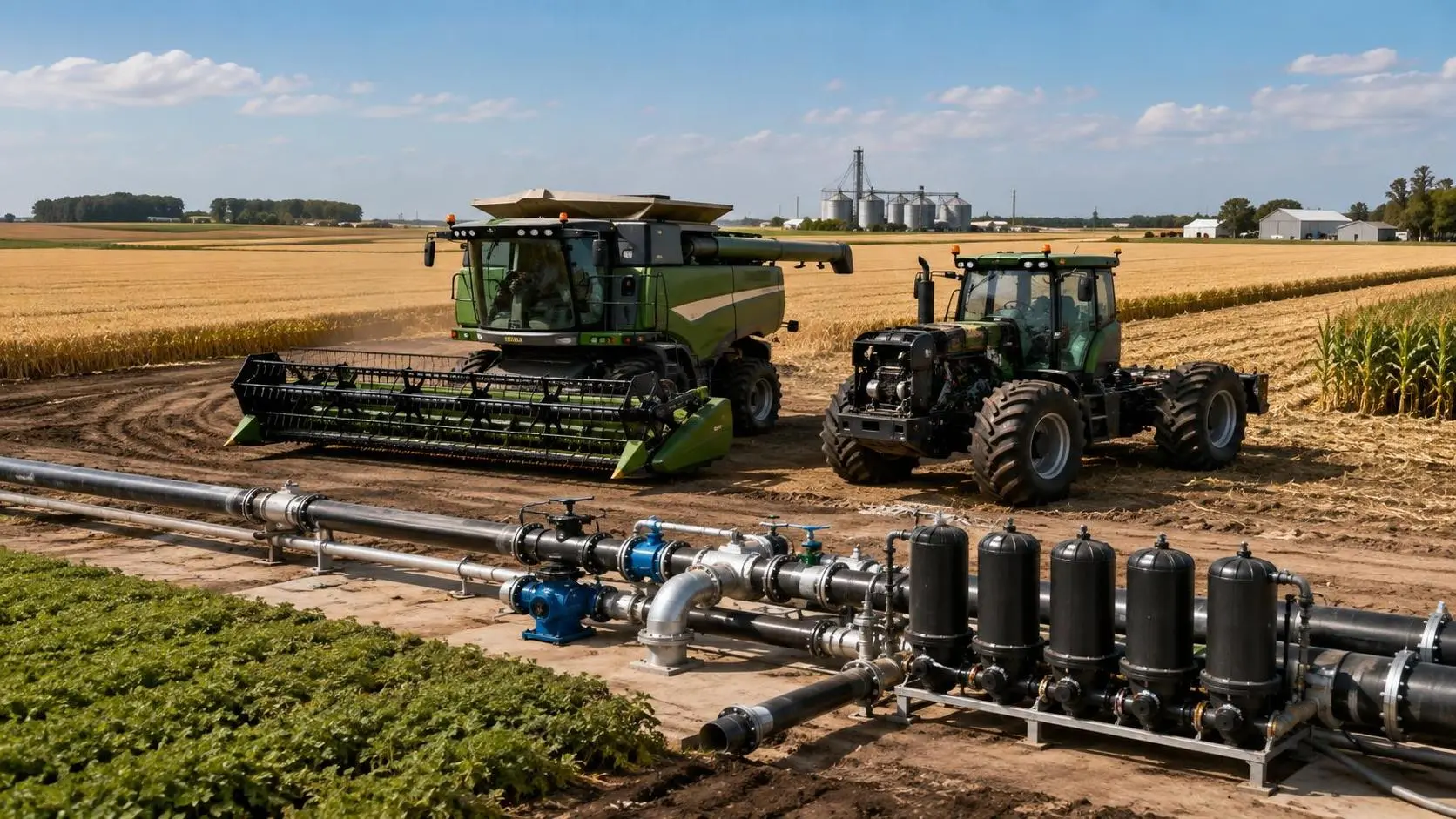
Agricultural Product Information Market Guide: Key Data for Sourcing Decisions
Agricultural product information market guide for smarter sourcing—compare machinery, irrigation, precision tools, lifecycle costs, and supplier risk.
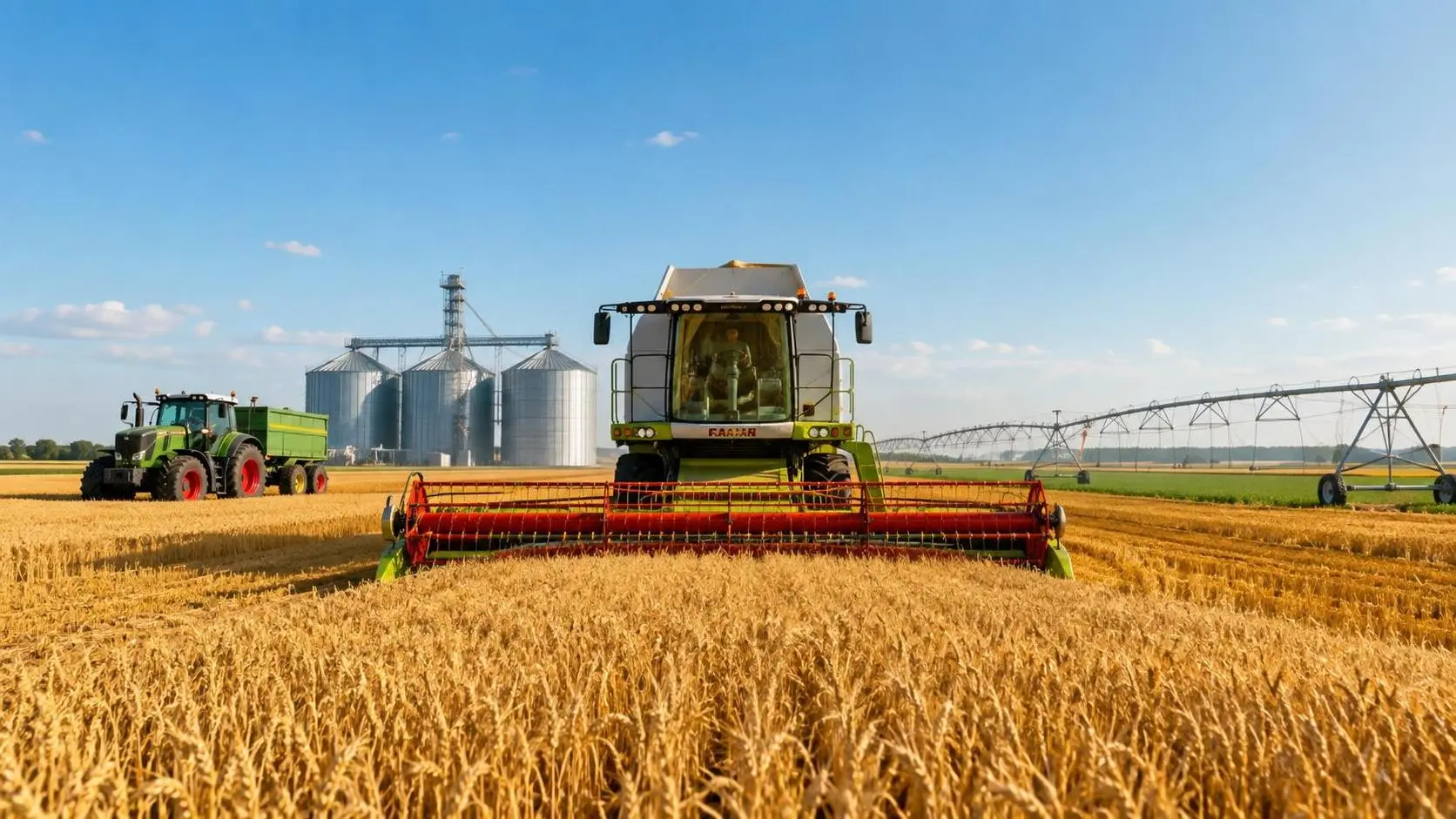
Large-Scale Farm Equipment Cost Comparison: Price, Fuel, and Lifecycle Value
Large-scale farm equipment cost comparison: evaluate price, fuel, maintenance, downtime, and lifecycle value to choose tractors, combines, irrigation, and smart tools with confidence.
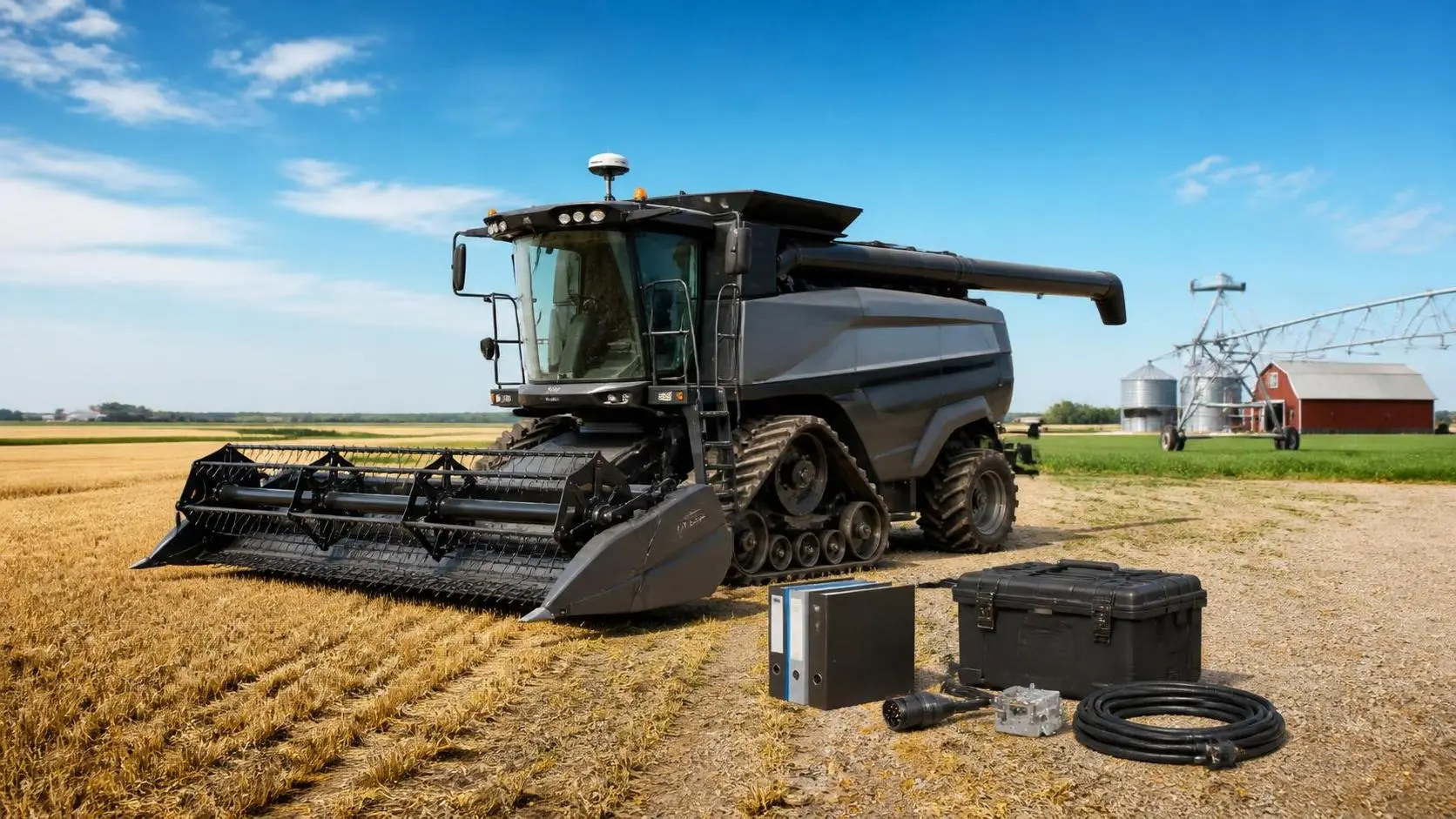
A Procurement Specification Preparation Example for Buying Farm Equipment
Procurement specification preparation example for farm equipment: learn to define requirements, compare suppliers, control lifecycle costs, and buy with confidence.
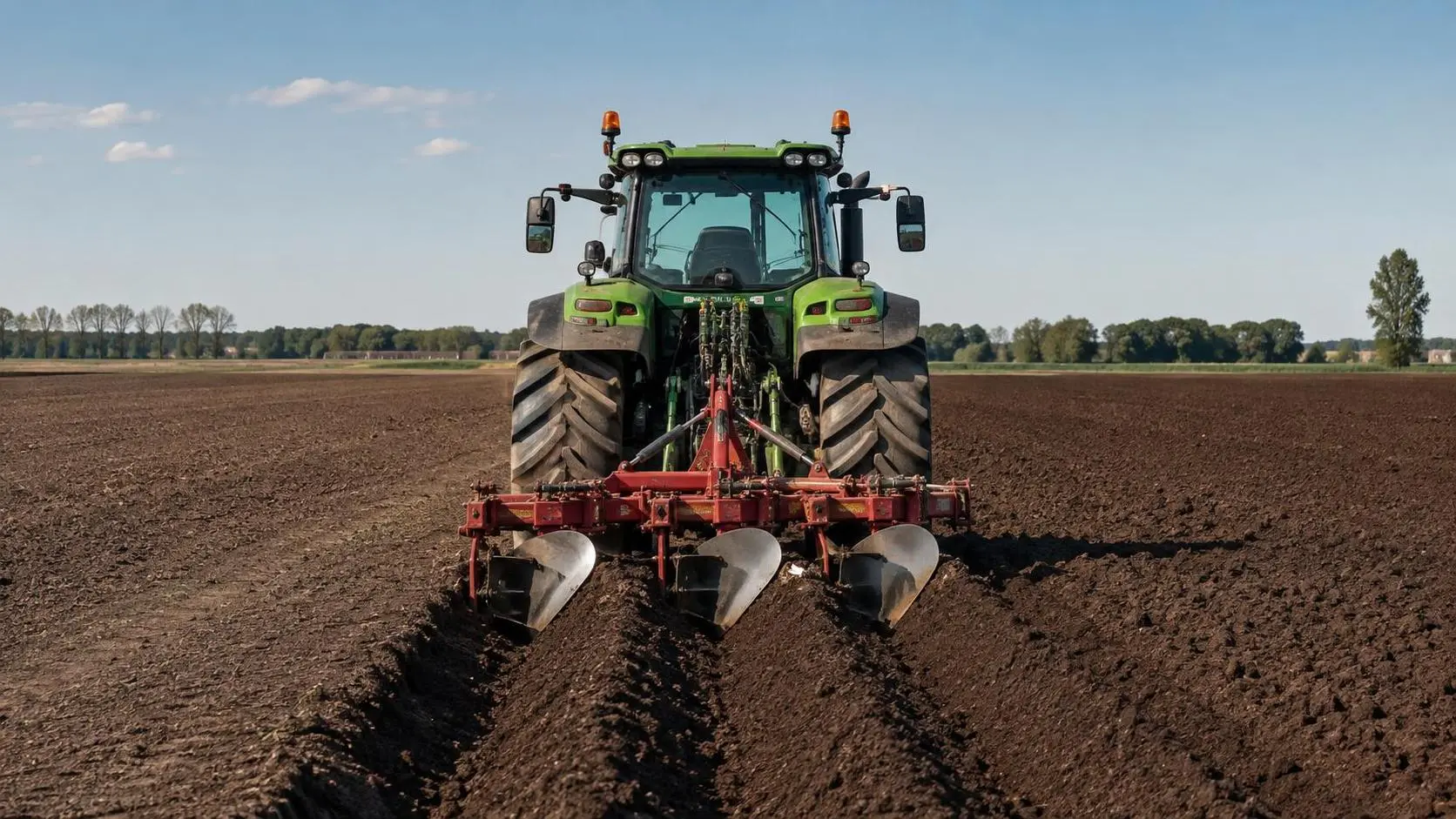
What Tractor Horsepower Is Needed for a Three-Bottom Moldboard Plow?
What tractor horsepower is needed for three-bottom moldboard plow? Compare 60–100 hp needs by soil, depth, traction, and plow width for a confident equipment match.
Related News
- 00
0000-00
How to Match Large-Scale Farm Equipment Working Width to Field Size and Crop Rows - 00
0000-00
Farm Implements for Seeding: How to Match Seeders to Crop Type and Soil Conditions - 00
0000-00
Ningjin Farm Machinery Cluster Strengthens Export Delivery - 00
0000-00
Ningxia Subsidy Plan Sets New Seeder Benchmarks - 00
0000-00
Shuangta’s Japan Showcase Signals Plant Protein Shift
Popular Tags
Agri-Mechanization Fellow
Weekly Insights
Stay ahead with our curated technology reports delivered every Monday.