
USDA Tightens Import Rules for Soil Moisture Sensors
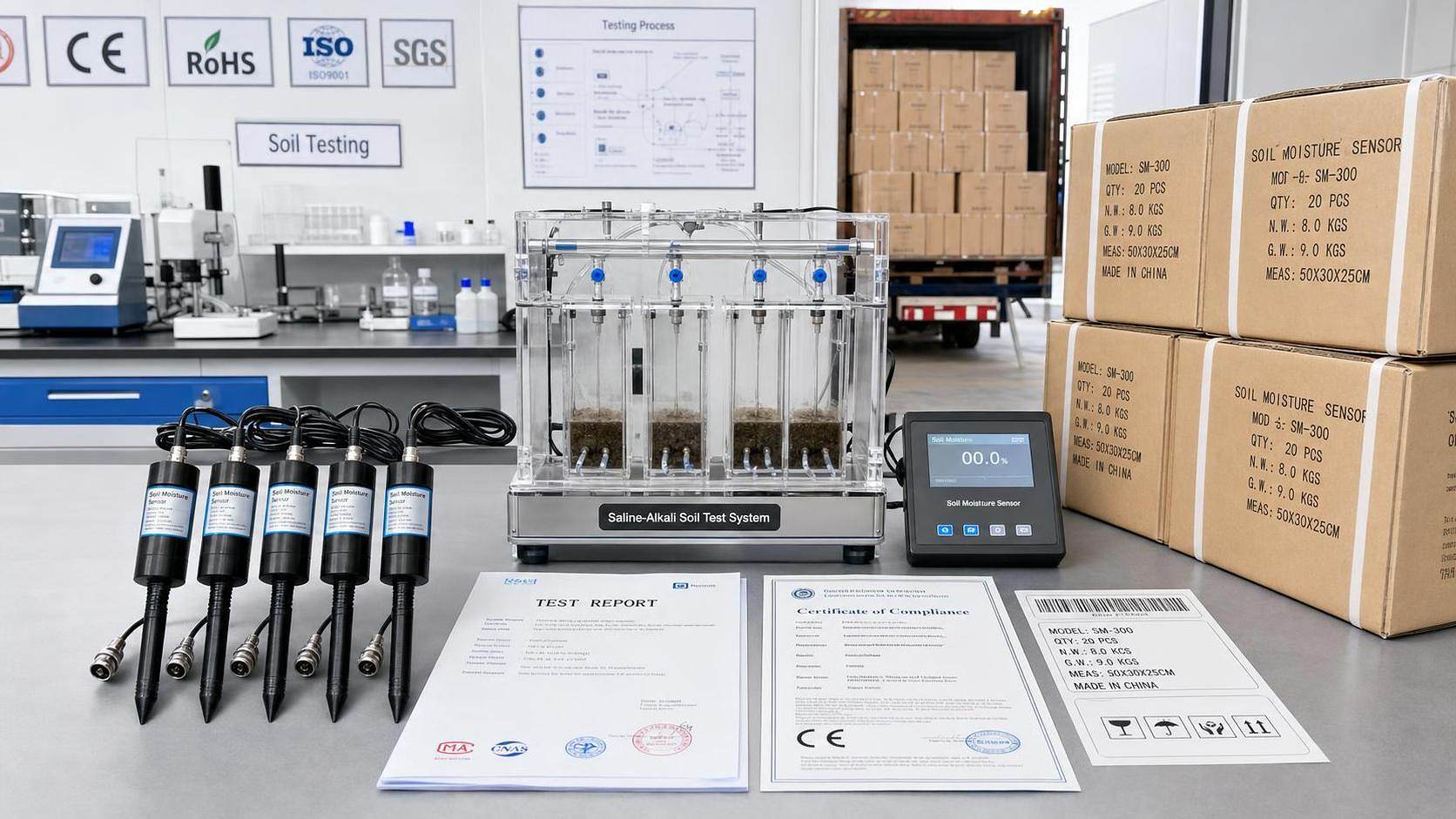




On July 24, 2026, the U.S. Department of Agriculture issued an emergency notice that changes the import compliance baseline for Soil Moisture Sensors entering the U.S. market. From October 1, 2026, imported products in this category must pass the saline-alkali stress dynamic response test required by ISO 11274-3:2026, or they will not clear customs. This is worth close industry attention because it does not only affect testing and certification activity; it also reaches shipment timing, document readiness, supplier coordination, and delivery planning for exporters, irrigation decision system integrators, and OEM suppliers.
What the emergency notice changes
The confirmed facts are limited but clear. According to USDA emergency notice APHIS-2026-0089, released on July 24, 2026, all Soil Moisture Sensors imported into the United States will be subject to a new import requirement from October 1, 2026. The requirement is tied to ISO 11274-3:2026 and specifically to the saline-alkali stress dynamic response test set out in that standard. Products that do not meet this requirement will be refused customs clearance. The information provided also indicates that the change directly affects Chinese exporters in terms of shipment cycles and compliance costs, with particular relevance for irrigation decision system integrators and OEM suppliers.
Where the pressure is likely to appear across the supply chain
Export shipments face a stricter pre-clearance threshold
From an industry perspective, exporters are likely to feel the most immediate impact because the rule is tied directly to customs clearance. That means compliance is no longer a secondary technical issue after production; it becomes a shipment prerequisite. What deserves closer attention is whether export teams have the necessary test evidence, product files, and supporting compliance materials ready before dispatch, since a missing or non-compliant result may now translate into a direct delivery interruption.
System integrators may need to revisit project scheduling
Irrigation decision system integrators are specifically exposed because sensor compliance can affect the readiness of broader system deliveries. Analysis shows that even when the final customer is buying a solution rather than a standalone sensor, the imported sensor still becomes a gating item in the delivery chain. Integrators therefore need to pay closer attention to specification alignment, procurement lead times, and whether project documents or bid materials now need to reference conformity with ISO 11274-3:2026.
OEM suppliers could see added documentation and qualification work
OEM suppliers may be affected at the interface between manufacturing and customer qualification. Observably, once a rule change is linked to import clearance, buyers are more likely to ask upstream suppliers to provide updated certification support, testing records, or technical declarations earlier in the transaction cycle. The practical pressure point is not only the test itself, but also whether supplier qualification files, product documentation packages, and delivery commitments remain consistent with the new requirement.
Testing and compliance support become more central to delivery planning
For businesses involved in certification, testing support, or compliance review, the notice signals a more operational role in trade execution. It is more appropriate to understand this as a shift in how compliance work is positioned: not merely as a market-access formality, but as a direct condition for shipment release. Companies relying on outside testing or document support should therefore pay attention to review timelines and report readiness, even though the detailed execution pathway is not provided in the input information.
What companies should watch before the October deadline
Check whether current product files match the new test requirement
Analysis shows that companies shipping Soil Moisture Sensors to the U.S. should first verify whether their existing compliance materials actually address the saline-alkali stress dynamic response test under ISO 11274-3:2026. Where product files were built around earlier standards or different test frameworks, that gap may become commercially significant once the October 1 deadline takes effect.
Review trade documents and technical submissions together
What deserves closer attention is the connection between customs-facing documents and technical evidence. Export teams, sales teams, and engineering or quality teams may need to align more closely on how test reports, technical descriptions, and shipment documents are prepared. The input does not provide the detailed documentary format that will be accepted in practice, so companies should treat documentation readiness as an area requiring continued verification rather than assuming a settled template already exists.
Reassess lead times in procurement and delivery commitments
Observably, the rule change may affect promised shipment dates and procurement timing because compliance now sits closer to the shipping gate. For integrators and OEM suppliers, this creates a practical need to recheck production planning, outbound scheduling, and supplier readiness for U.S.-bound orders. The issue is not only added compliance cost, which is stated in the input, but also whether delivery promises still hold once new test requirements must be satisfied before clearance.
Follow how the requirement is reflected in commercial documents
From an industry perspective, another point to monitor is how this requirement begins to appear in procurement specifications, tender files, customer qualification requests, and after-sales traceability records. The event summary confirms the rule change and its likely impact on exporters, but it does not provide a detailed enforcement interpretation across commercial channels. For that reason, businesses should watch for downstream document changes rather than treating the current notice as the final word on every execution detail.
Why this reads as an execution signal, not just a technical update
Analysis shows that this development is better understood as an execution-level trade compliance signal than as a narrow standards update. The reason is straightforward: the stated consequence is refusal of customs clearance, which moves the matter from technical preference into import eligibility. At the same time, it would be premature to present every operational consequence as settled fact. Observably, the market still needs to watch how the requirement is interpreted in certification practice, transaction documents, and customer-side procurement language after the notice date and before the October implementation date.
How to read the development at this stage
The most balanced reading is that the USDA notice marks a real and time-bound compliance change for Soil Moisture Sensors imported into the United States, with immediate relevance for exporters and supply-chain participants connected to U.S.-bound orders. It is more appropriate to understand this as a rule that has clear entry into force and a clear clearance consequence, while also recognizing that some practical execution details still require observation. For industry participants, the priority is to treat the requirement as actionable now, but to keep monitoring how testing, documentation, and customer-facing specifications develop in response.
Basis of this article and what still needs verification
This article is based on the user-provided news title, event date, and event summary. For developments of this kind, relevant source types typically include official notices, releases from regulatory authorities, customs or trade-administration updates, industry association communications, standards organization documents, and reporting by authoritative media. A specific official source link was not provided in the input, so the exact source document path still needs continued verification. Further observation is also needed on detailed implementation wording, certification interpretation, changes in tender or procurement documents, market feedback, and how affected companies ultimately execute against the requirement.
Related News
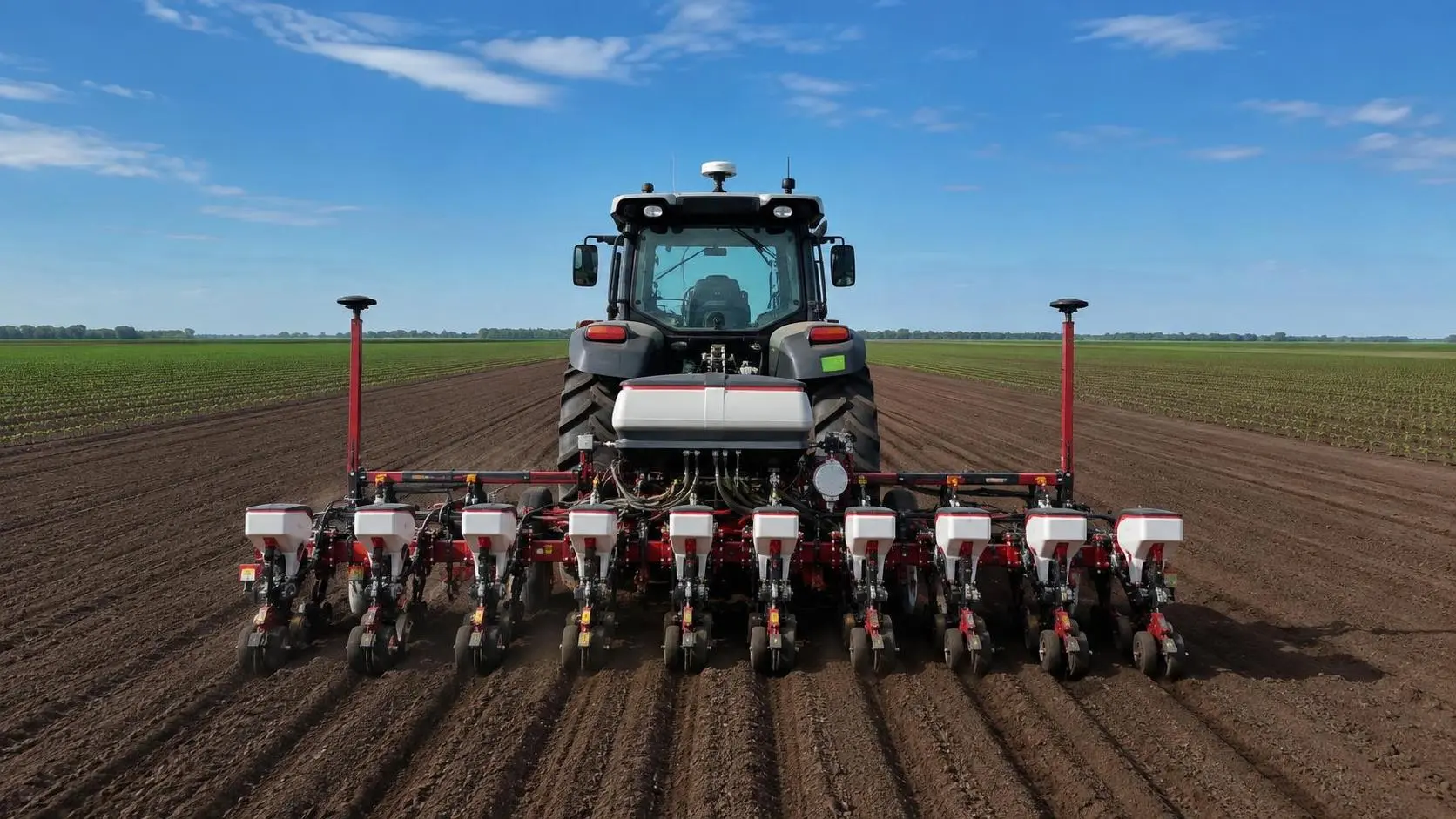
How Tractor Intelligence Systems Improve Field Efficiency and Input Accuracy
Agricultural machinery intelligence for tractors improves field efficiency, input accuracy, data traceability, and implement control. Explore smarter evaluation strategies.
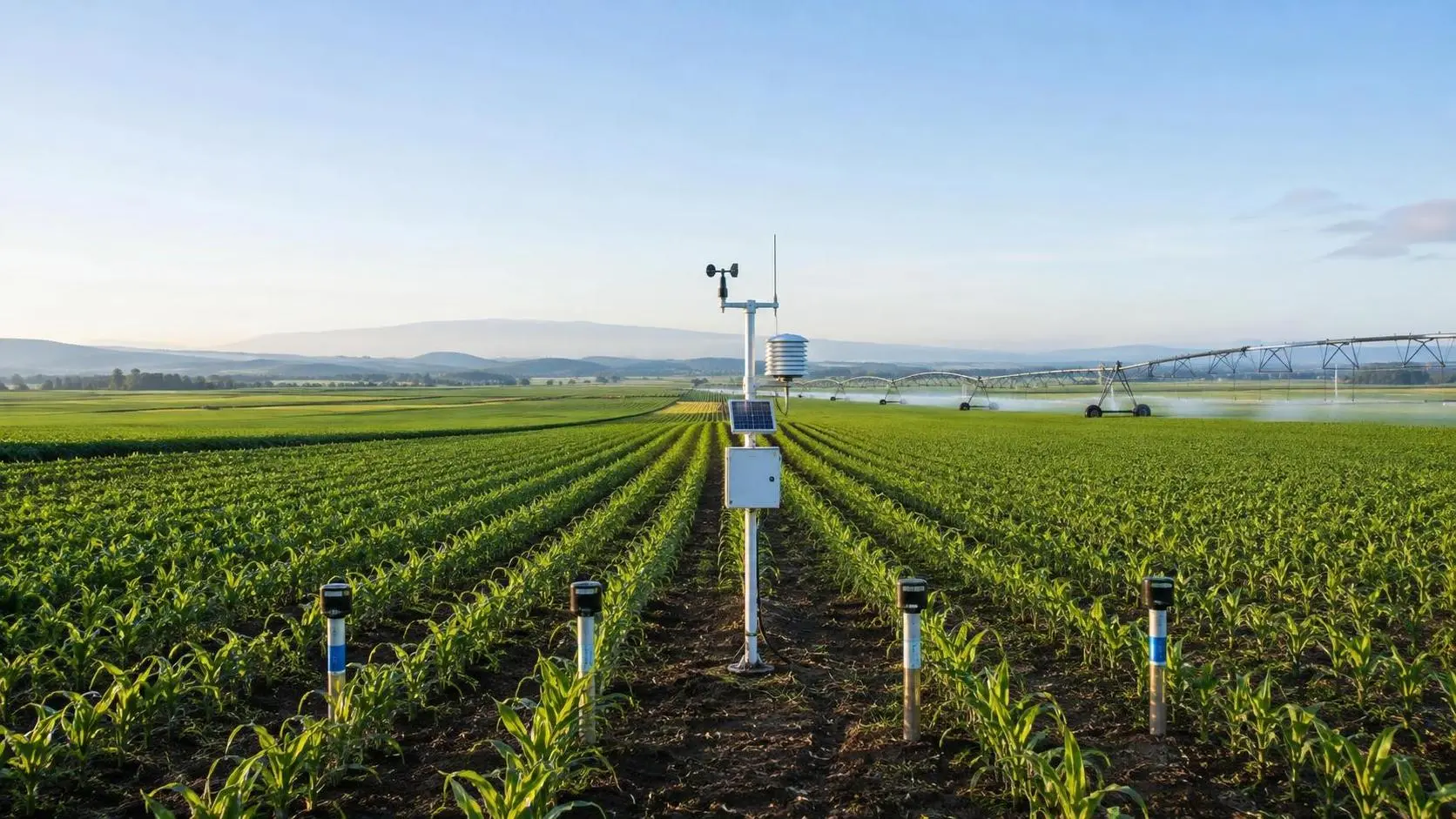
How to Evaluate Crop Monitoring System Manufacturers for Large-Scale Farms
Compare crop monitoring systems manufacturers for large-scale farms. Evaluate data quality, integration, durability, lifecycle costs, support, and pilots for smarter decisions.
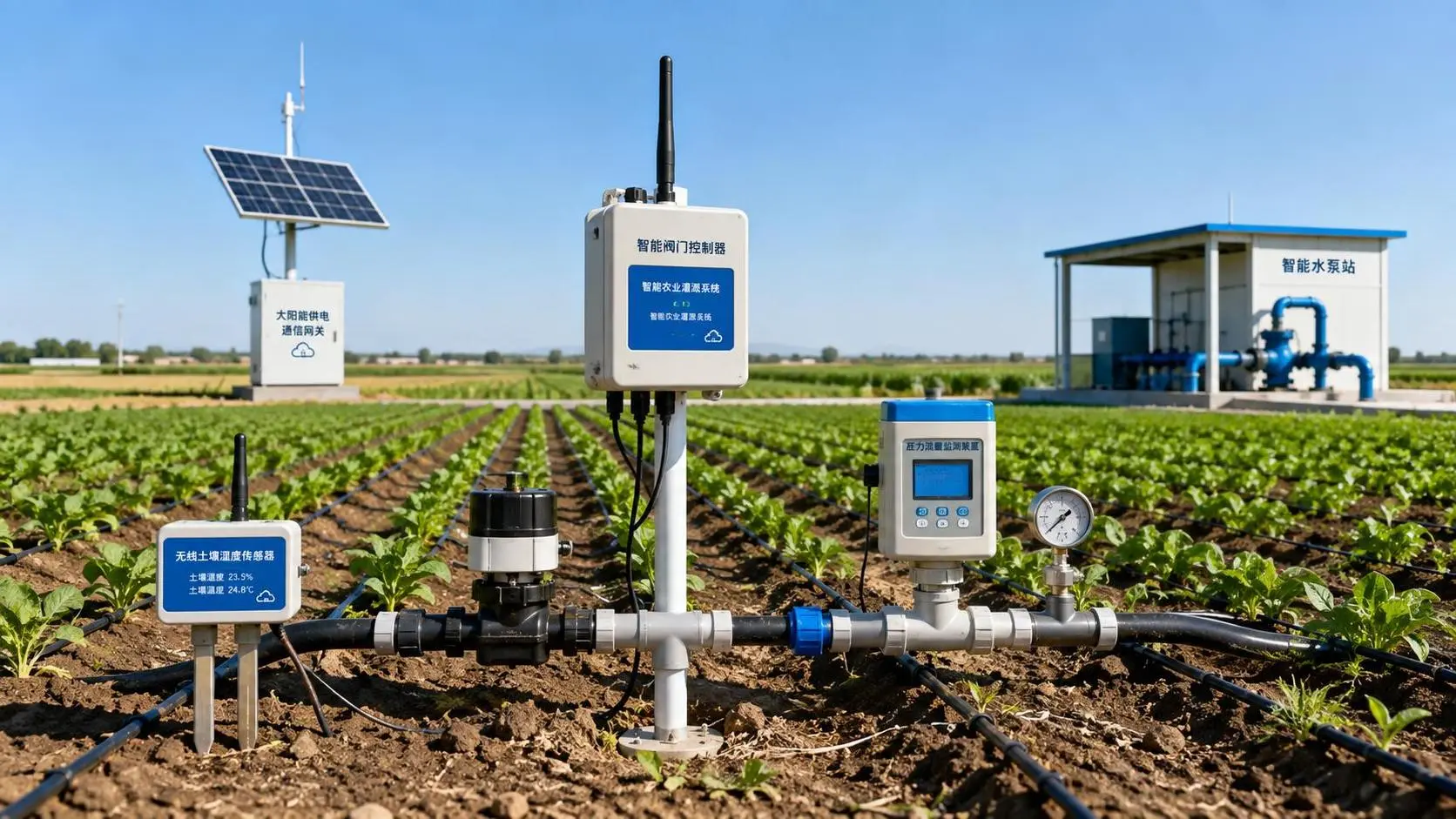
Wireless Agricultural Automation for Remote Irrigation and Field Monitoring
Agricultural automation wireless solutions improve remote irrigation with reliable field data, local control, flow verification, and smarter monitoring. Explore resilient deployment strategies.
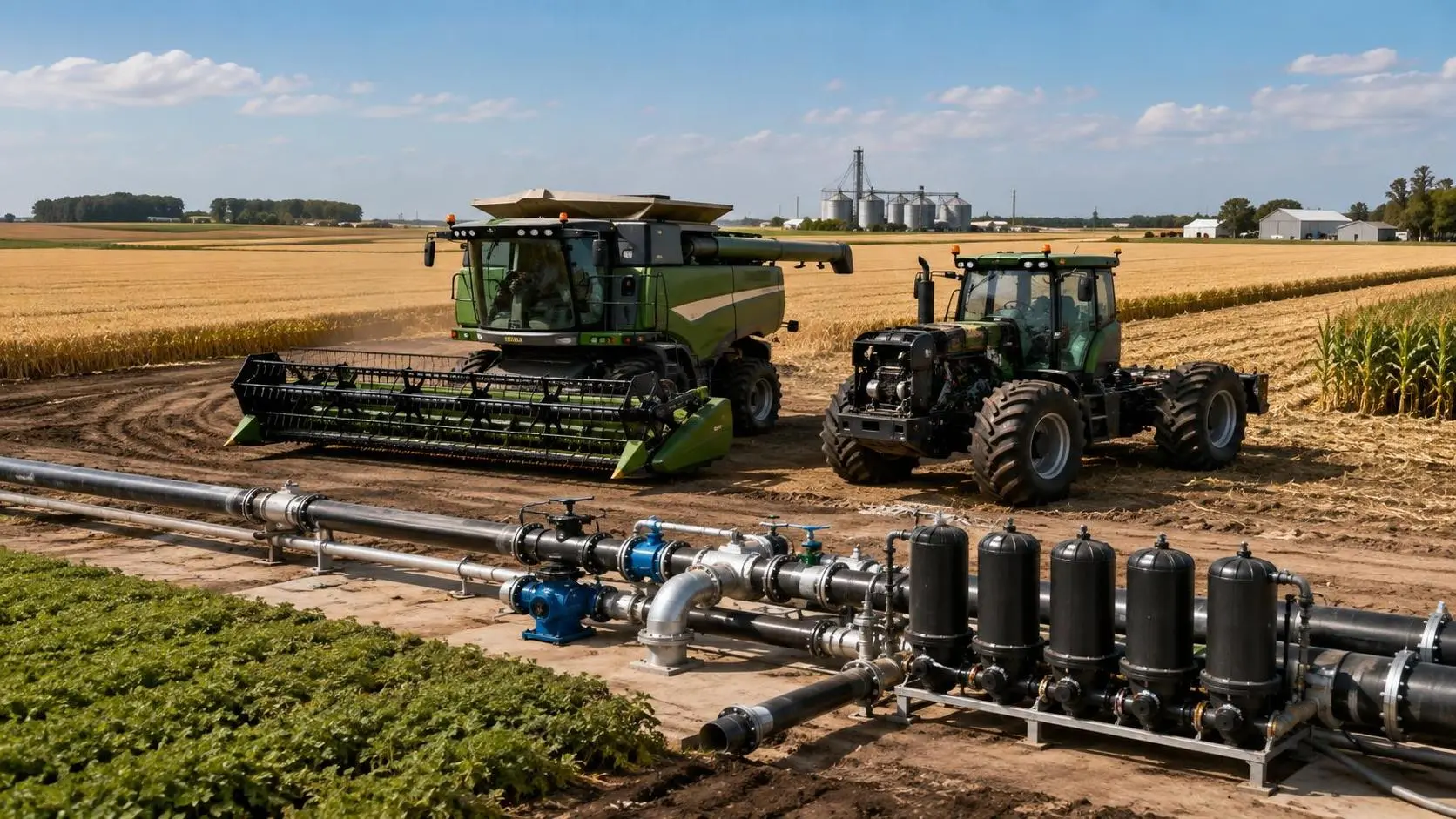
Agricultural Product Information Market Guide: Key Data for Sourcing Decisions
Agricultural product information market guide for smarter sourcing—compare machinery, irrigation, precision tools, lifecycle costs, and supplier risk.
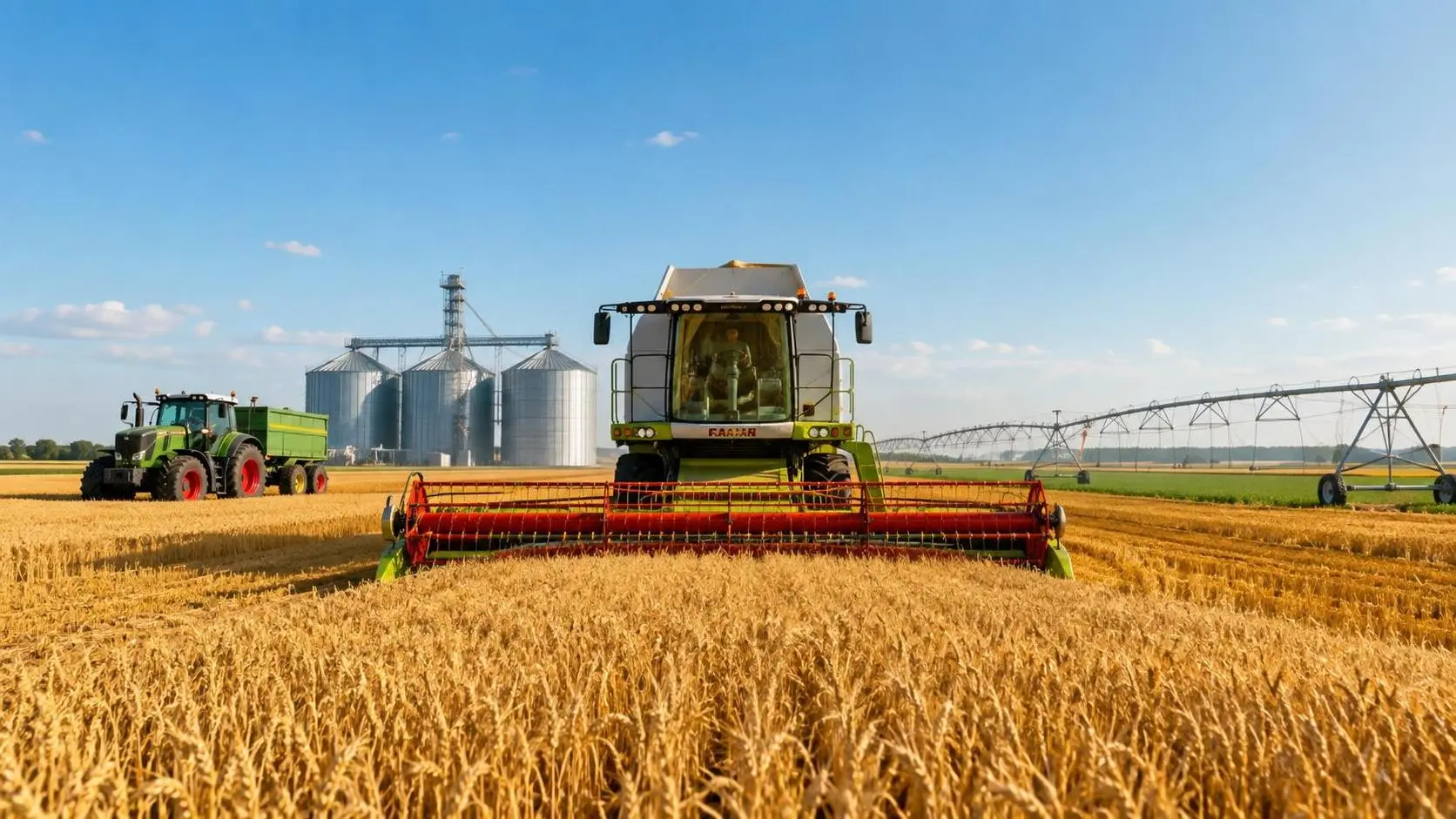
Large-Scale Farm Equipment Cost Comparison: Price, Fuel, and Lifecycle Value
Large-scale farm equipment cost comparison: evaluate price, fuel, maintenance, downtime, and lifecycle value to choose tractors, combines, irrigation, and smart tools with confidence.

A Procurement Specification Preparation Example for Buying Farm Equipment
Procurement specification preparation example for farm equipment: learn to define requirements, compare suppliers, control lifecycle costs, and buy with confidence.

What Tractor Horsepower Is Needed for a Three-Bottom Moldboard Plow?
What tractor horsepower is needed for three-bottom moldboard plow? Compare 60–100 hp needs by soil, depth, traction, and plow width for a confident equipment match.
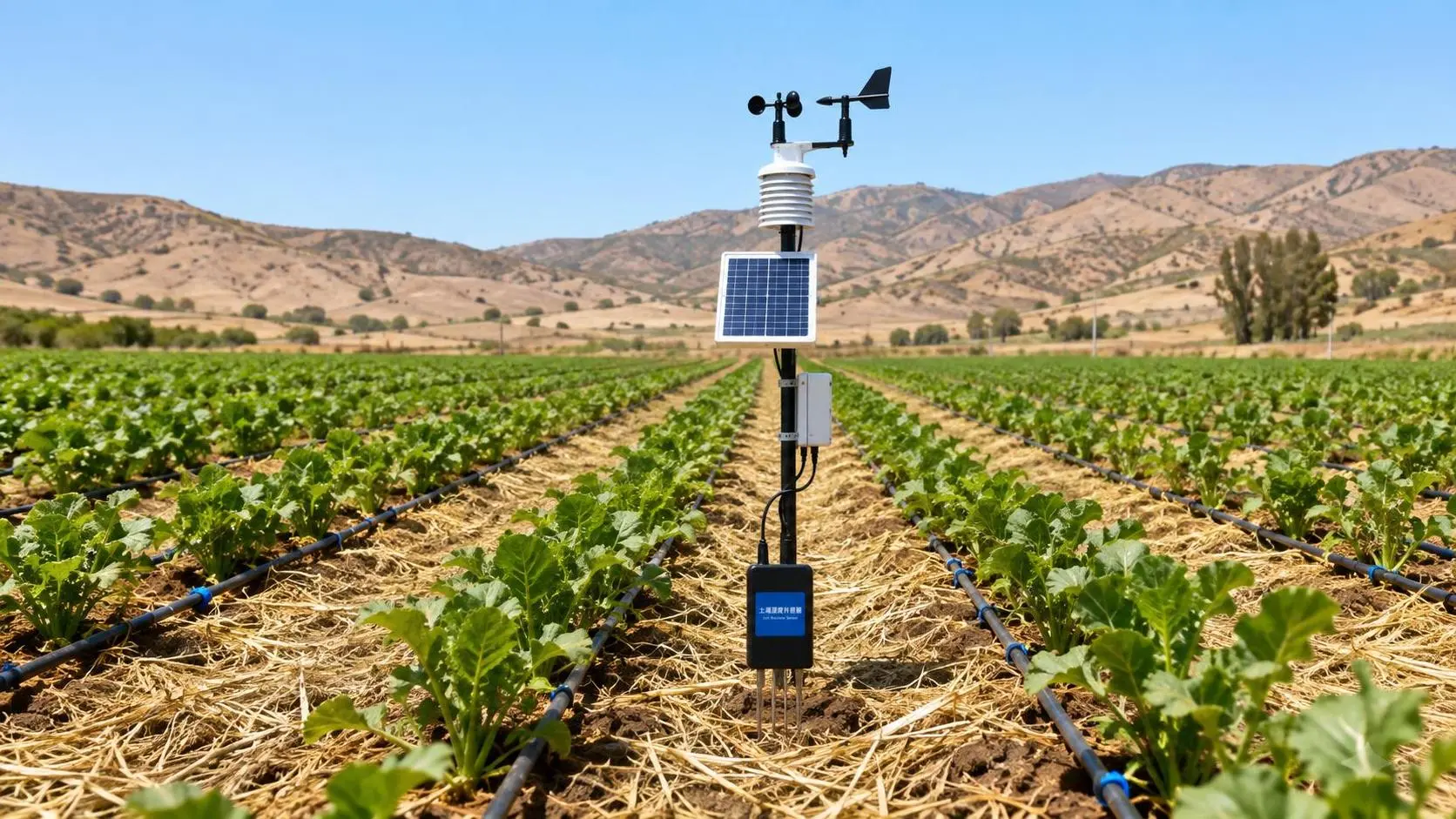
How Does Climate-Smart Farming Reduce Water Use in Semi-Arid Areas?
How does climate-smart farming reduce water use in semi-arid zones? Discover precision irrigation, soil monitoring, and smarter crop planning for resilient yields.
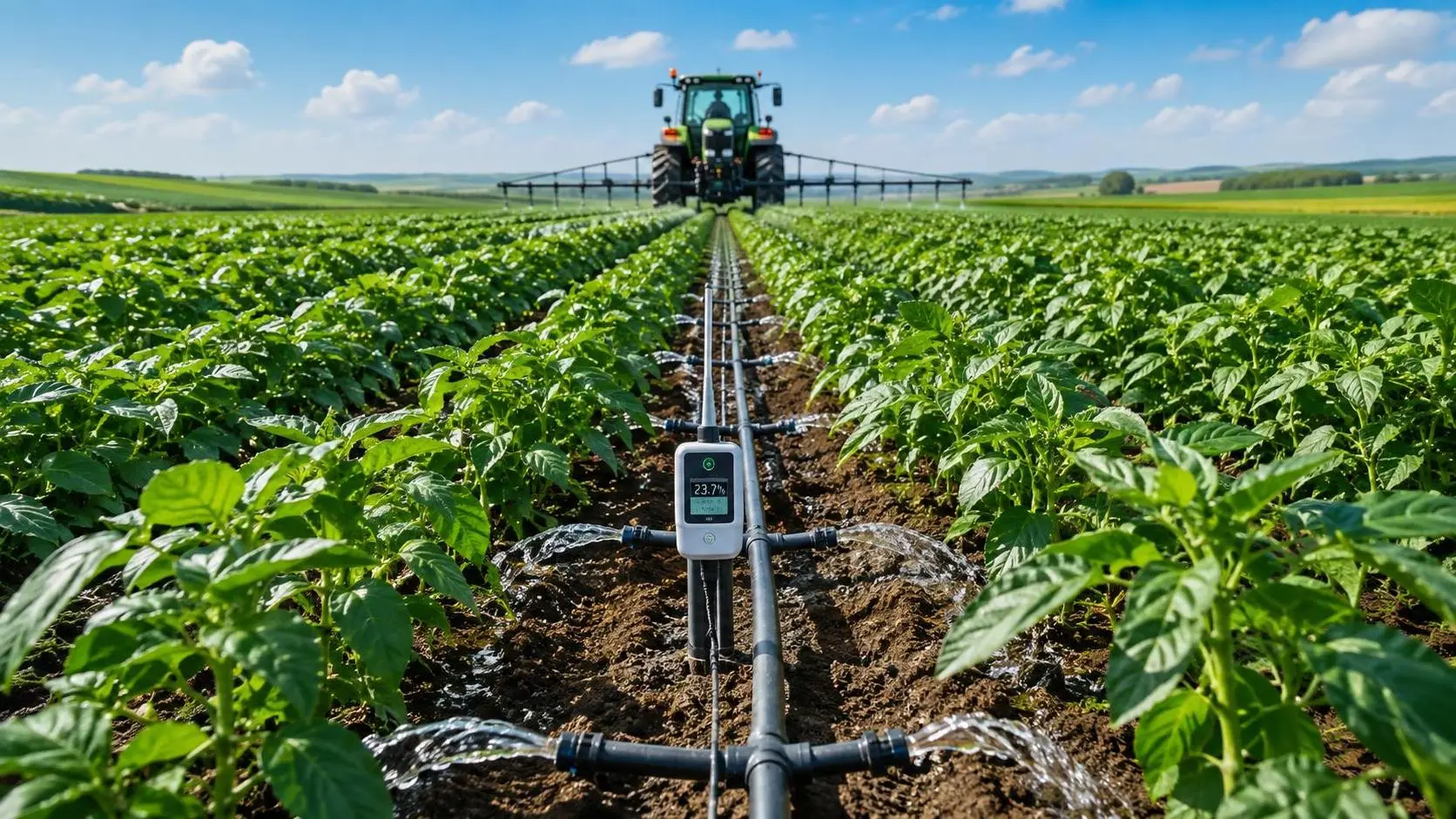
Can Sustainable Farming Be Profitable Without Reducing Yields?
Are sustainable farming practices profitable without yield loss? Discover precision strategies that cut waste, protect yields, and improve farm margins.
Related News
- 00
0000-00
How Does Climate-Smart Farming Reduce Water Use in Semi-Arid Areas? - 00
0000-00
USDA Rule Takes Effect: Dual FCC and NRCS Approval for Soil Moisture Sensors - 00
0000-00
EU Rule Takes Effect: Soil Moisture Sensors Need Revised CE-EMC Certification - 00
0000-00
How to Choose Wireless Smart Irrigation Systems for Better Water Control - 00
0000-00
How to Choose Wireless Soil Moisture Sensors for Irrigation and Field Monitoring
Popular Tags
Hydrological Resource Strategist
Weekly Insights
Stay ahead with our curated technology reports delivered every Monday.