
What Tractor Horsepower Is Needed for a Three-Bottom Moldboard Plow?
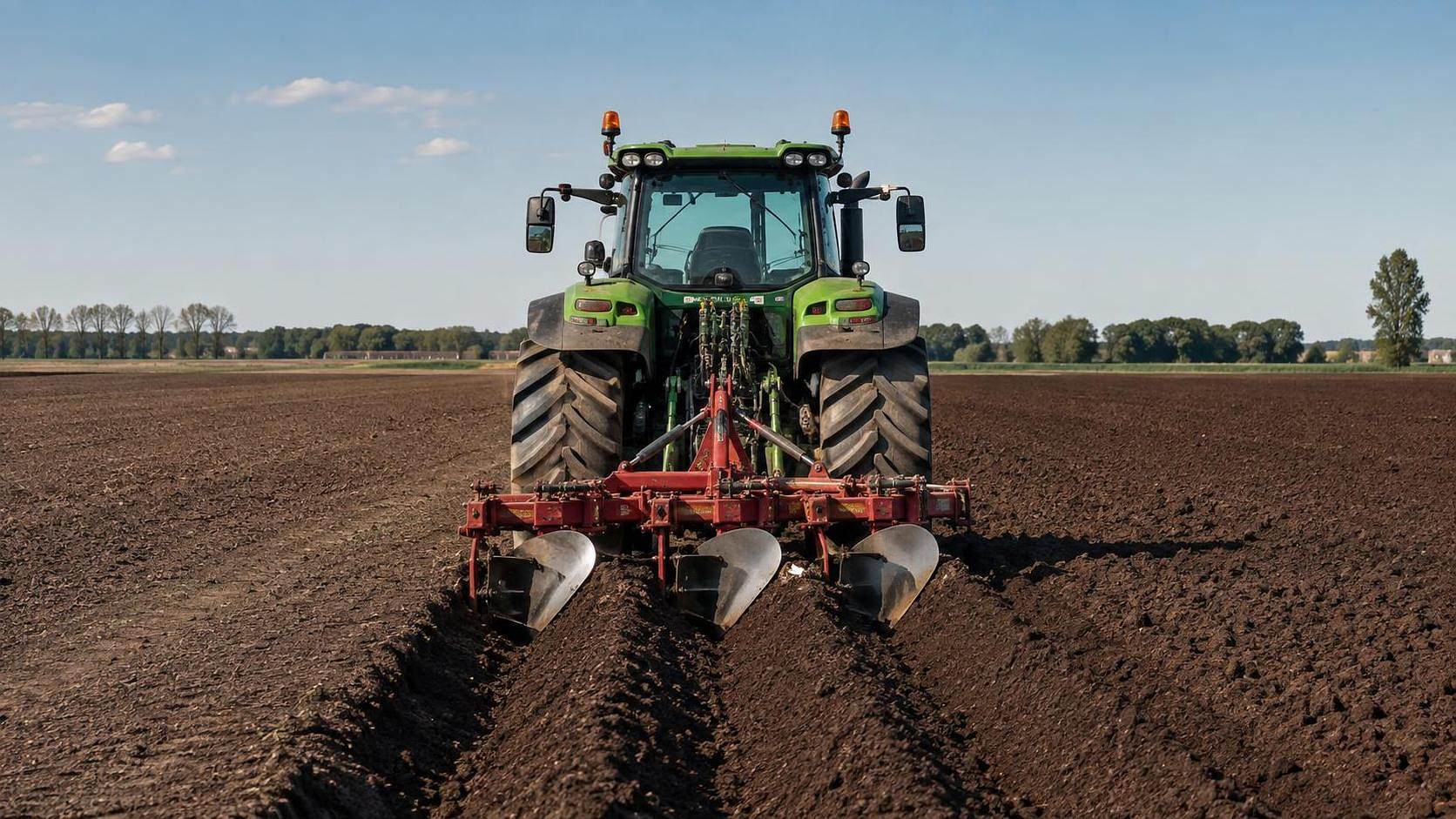




A three-bottom moldboard plow will commonly need a tractor in the 60 to 100 horsepower range, but that range is only a starting point. A lighter, well-adjusted three-bottom plow in dry loam may work acceptably behind a tractor near the lower end. Heavy clay, sticky ground, deeper plowing, hills, or a wider plow can push the practical requirement toward 90 horsepower or more.
The useful answer to “what tractor horsepower is needed for a three-bottom moldboard plow” is therefore not a single number. The tractor must deliver enough drawbar pull to keep the plow at a stable depth and field speed without excessive wheel slip, repeated gear changes, or strain on the engine and drivetrain.
Start With Horsepower per Plow Bottom
A practical planning rule is to allow roughly 20 to 30 engine horsepower per moldboard bottom. For a three-bottom plow, this produces a broad guideline of 60 to 90 horsepower. Conditions that increase draft load can justify additional power and, just as importantly, more tractor weight and traction.
This guide assumes a conventional mounted or semi-mounted moldboard plow. A larger bottom width, a plow with worn shares, or a design intended for deep inversion can require substantially more pull than a narrow, well-maintained plow in loose soil.
Engine Horsepower Is Not the Same as Pulling Ability
Two tractors with similar engine ratings may perform very differently with the same plow. Moldboard plowing is a drawbar job: the tractor must transfer engine output into traction at the ground. A tractor that is light for its power rating may spin before it can use its available horsepower. A properly ballasted tractor with suitable tires may pull the plow more steadily even with a modest engine rating.
For that reason, do not select a tractor on horsepower alone. Check the operating weight, wheelbase, tire condition, tire type, ballast provisions, four-wheel-drive availability, and transmission ratios. A tractor needs a low enough working gear to maintain a steady pace when draft rises. If it has only a gear that is too fast or too slow, it may either bog down or work inefficiently.
Front-wheel assist or four-wheel drive can make a major difference in variable conditions. It improves traction and steering control while reducing the tendency for the rear tires to spin under load. That does not mean every three-bottom plow requires four-wheel drive, but it gives useful reserve capacity in clay, slopes, or fields where conditions change across the property.
Soil Type Often Decides Whether 70 Horsepower Is Enough
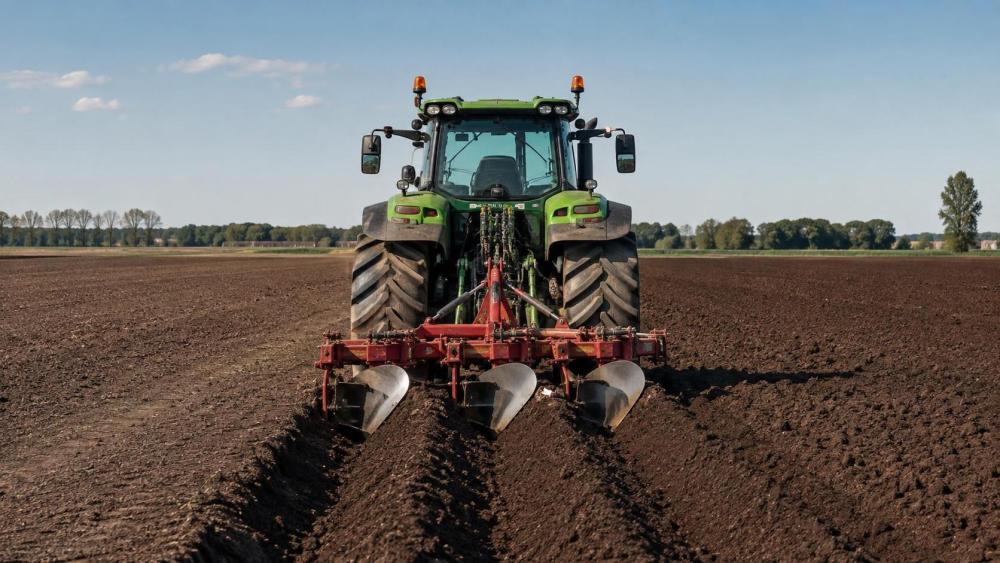
Soil texture and moisture are usually more important than a catalog description of the plow. Dry sandy soil is comparatively easy to pull. Friable loam may be moderate. Heavy clay can demand far more pull, particularly when it is wet enough to stick to the moldboards or dry enough to form hard clods.
Sod and long-term pasture also raise draft requirements. Roots hold the soil together, and the plow has to cut and lift an intact mat before it can invert it. Fields with stones, old compaction layers, irregular headlands, or varying soil zones create a similar problem: the tractor may pull comfortably in one pass and struggle in the next.
Moisture timing matters. Plowing soil that is too wet can smear the furrow wall, build up on the plow, and consume power without producing a good seedbed. Soil that is extremely dry may pull hard and leave large clods. Adding horsepower cannot correct poor soil condition; it only allows the tractor to force the implement through it.
Bottom Width and Working Depth Change the Calculation
“Three-bottom” tells you the number of moldboards, not the full size of the plow. A three-bottom unit may have narrower or wider bottoms. Wider bottoms move more soil on every pass, which increases draft. Working depth has the same effect. A plow set a little deeper can require noticeably more pull because it is cutting a larger cross-section of soil.
Before buying or matching equipment, identify:
- Bottom width and whether it is fixed or adjustable.
- Normal operating depth for the intended crop and soil-management goal.
- Plow type: mounted, semi-mounted, pull-type, standard, or reversible.
- The condition of shares, points, shins, landsides, and moldboards.
- Whether the tractor can lift the implement safely through its three-point hitch.
Lift capacity is separate from drawbar horsepower, but it is essential for a mounted plow. The rear axle must carry the raised implement without making the tractor unstable or leaving too little weight on the front wheels for steering. Front ballast may be needed, particularly with a heavy mounted plow.
Do Not Size the Tractor for Its Best Field
A common mistake is to choose a tractor based on the easiest soil on the farm. The tractor then performs well in favorable ground but runs at its limit in the areas where plowing is most difficult. It may need to slow excessively, leave inconsistent depth, or suffer high wheel slip. That costs time and can make fuel use worse rather than better.
Another mistake is assuming more horsepower automatically solves every problem. An oversized engine paired with insufficient weight, unsuitable tires, or poor plow setup will still lose traction. In severe wheel slip, the tires polish and compact the soil while the tractor wastes energy. The right match combines adequate power, correct ballast, appropriate tire pressure, and a plow adjusted to run straight and level.
Select for the demanding but routine conditions: the soil zone that commonly pulls hard, the expected plowing depth, and the grades that are normally worked. There is little value in buying excess capacity solely for a rare extreme condition, but a tractor should have enough reserve that normal changes in moisture and soil texture do not stop the job.
How to Tell Whether Your Current Tractor Is Undersized
A tractor may be short on usable capacity when it cannot hold the intended depth and a stable operating speed in ordinary field conditions. Watch for frequent downshifting, engine lugging that does not recover after a small load increase, persistent wheel spin, front-end lightness, or a plow that must be raised repeatedly to keep moving.
These symptoms do not always mean the tractor needs replacement. Check plow adjustment first. The plow should run level from side to side and front to rear at operating depth. Its hitch geometry should allow the tractor to pull in line rather than drag sideways. Dull or badly worn shares raise draft, while incorrectly set coulters, gauge wheels, or depth controls can make the implement pull harder than necessary.
Also distinguish between a traction problem and a horsepower problem. If engine speed stays healthy but the tires spin, improve traction through ballast, tire setup, or four-wheel-drive engagement. If the tires hold but the engine cannot sustain the load in an appropriate gear, more power or a smaller plow may be the better answer.
A Better Way to Match Tractor and Plow
Begin with the plow rather than the tractor badge. Confirm the number and width of bottoms, normal depth, and field conditions. Then compare those demands against the tractor’s usable setup: engine power, operating weight, drivetrain, tire configuration, hydraulic lift capacity, and front ballast capability.
For farms that expect soil conditions to vary widely, choosing a tractor around the middle or upper portion of the three-bottom range usually provides a more relaxed operating margin. It can maintain a practical working speed without continuously operating at maximum load. On consistently light, level ground, a smaller tractor may be entirely suitable when it has enough traction and the plow is correctly adjusted.
Equipment intelligence platforms such as AP-Strategy are useful when comparing tractor chassis, transmissions, and field-capacity decisions across different operating systems. For this specific match, however, the field-level questions remain decisive: how much soil is being moved, how hard it pulls, and whether the tractor can put its available power to the ground.
Frequently Asked Questions
Can a 50 hp tractor pull a three-bottom moldboard plow?
It may pull a light, narrow three-bottom plow in favorable soil, but it is likely to have limited reserve capacity. In average or difficult conditions, a 50 hp tractor may need to reduce depth, slow considerably, or pull only two bottoms effectively.
Is a 75 hp tractor enough for a three-bottom plow?
Often, yes. A 75 hp tractor is commonly a sensible match for a standard three-bottom moldboard plow in average soil, provided it has adequate weight, good tires, and suitable gearing. Heavy clay, steep terrain, and deep settings may call for more capacity.
Should I buy more horsepower or use a smaller plow?
If plowing is an occasional task and the tractor otherwise fits the farm, using fewer bottoms can be more economical. If moldboard plowing is regular, time-sensitive work across demanding soil, added tractor power and traction can improve consistency and reduce strain.
How much wheel slip is too much when plowing?
Some slip is normal under heavy draft, but continuous visible spinning or rapid rutting indicates lost traction. At that point, reduce the load, correct ballast and tire setup, or reassess plow depth and adjustment before continuing.
The best tractor for a three-bottom moldboard plow is not simply the one with the highest horsepower rating. It is the one that can pull the plow at the required depth, through the farm’s normal soil conditions, with stable traction and enough operating reserve to finish the field efficiently.
Related News
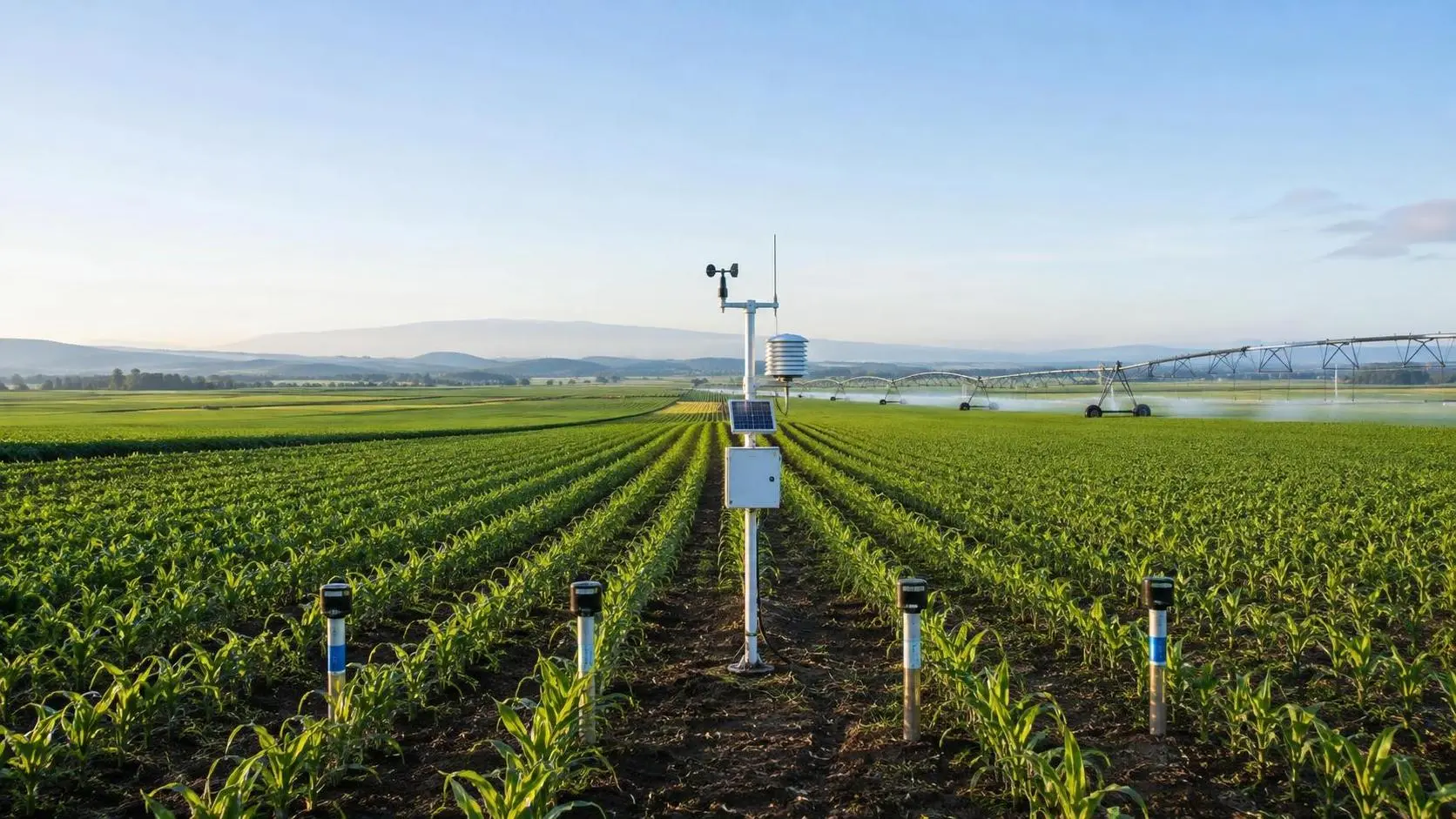
How to Evaluate Crop Monitoring System Manufacturers for Large-Scale Farms
Compare crop monitoring systems manufacturers for large-scale farms. Evaluate data quality, integration, durability, lifecycle costs, support, and pilots for smarter decisions.
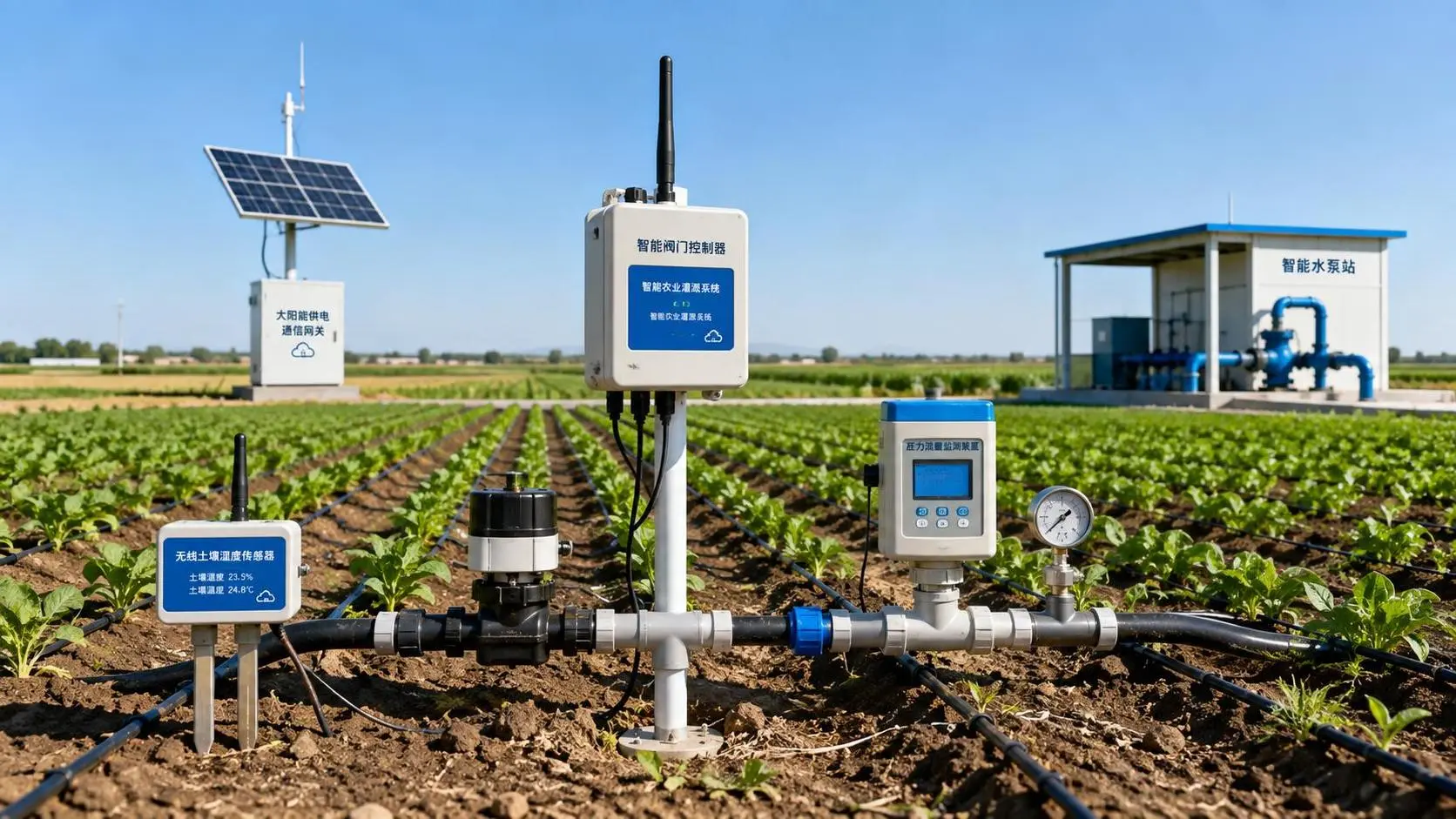
Wireless Agricultural Automation for Remote Irrigation and Field Monitoring
Agricultural automation wireless solutions improve remote irrigation with reliable field data, local control, flow verification, and smarter monitoring. Explore resilient deployment strategies.
Agricultural Product Information Market Guide: Key Data for Sourcing Decisions
Agricultural product information market guide for smarter sourcing—compare machinery, irrigation, precision tools, lifecycle costs, and supplier risk.
Large-Scale Farm Equipment Cost Comparison: Price, Fuel, and Lifecycle Value
Large-scale farm equipment cost comparison: evaluate price, fuel, maintenance, downtime, and lifecycle value to choose tractors, combines, irrigation, and smart tools with confidence.
A Procurement Specification Preparation Example for Buying Farm Equipment
Procurement specification preparation example for farm equipment: learn to define requirements, compare suppliers, control lifecycle costs, and buy with confidence.
How Does Climate-Smart Farming Reduce Water Use in Semi-Arid Areas?
How does climate-smart farming reduce water use in semi-arid zones? Discover precision irrigation, soil monitoring, and smarter crop planning for resilient yields.
Can Sustainable Farming Be Profitable Without Reducing Yields?
Are sustainable farming practices profitable without yield loss? Discover precision strategies that cut waste, protect yields, and improve farm margins.
What Are the Risks of Switching to Climate-Smart Farming Mid-Season?
What are the main risks of switching to climate-smart agriculture mid-season? Explore yield, irrigation, equipment, cost, and labor risks with practical steps for safer adoption.
How to Choose Plant Protection Equipment for Vineyard Pests
How to choose the right plant protection equipment for vineyard pests: compare sprayers, nozzles, precision tools, drift control, and canopy coverage for smarter vineyard protection.
Related News
- 00
0000-00
What Tractor Horsepower Is Needed for a Three-Bottom Moldboard Plow? - 00
0000-00
What Is the Difference Between No-Till and Conventional Tillage? - 00
0000-00
Does No-Till Farming Reduce Erosion on Hilly Farmland? - 00
0000-00
India BIS Tightens Soil Tiller Labeling for Imports - 00
0000-00
Vietnam Requires Vietnamese Warning Labels for Imported Soil Tillers
Popular Tags
Agri-Mechanization Fellow
Weekly Insights
Stay ahead with our curated technology reports delivered every Monday.