Nenjiang Showcases High-Horsepower Smart Farm Machinery for Refinement and Wider Use
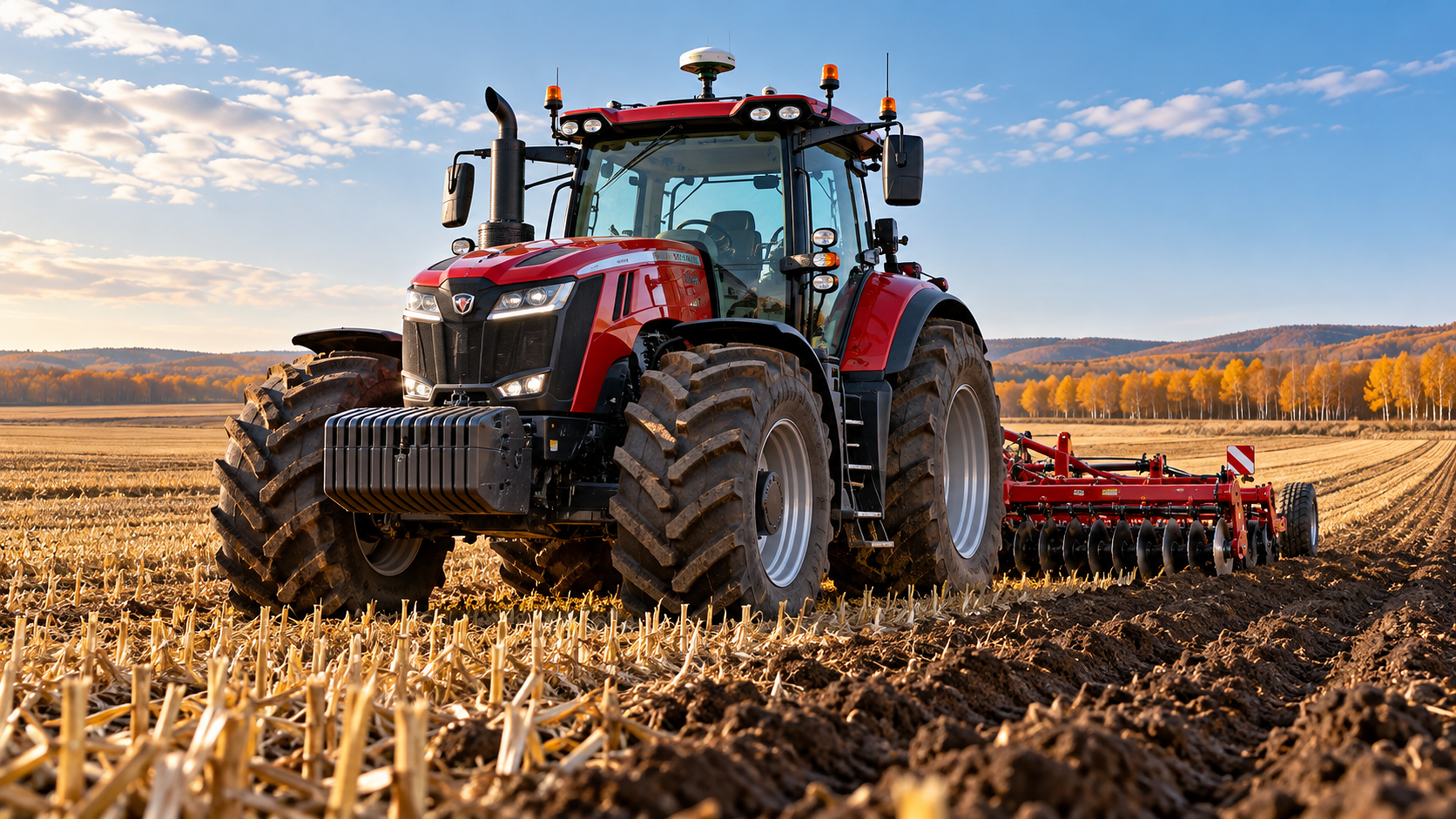




On October 21, 2026, Nenjiang hosted a field demonstration combining standardized autumn harvesting and land preparation with the refinement and promotion of large, high-horsepower, advanced smart agricultural machinery. For manufacturers, equipment suppliers and agricultural buyers, the event draws attention to the relationship between field performance and standardized operations. From an industry perspective, it is best understood as a practical demonstration and technology deployment signal: the supplied information does not establish a new regulation, certification requirement or mandatory procurement standard.
Standardized Autumn Operations Provide the Demonstration Setting
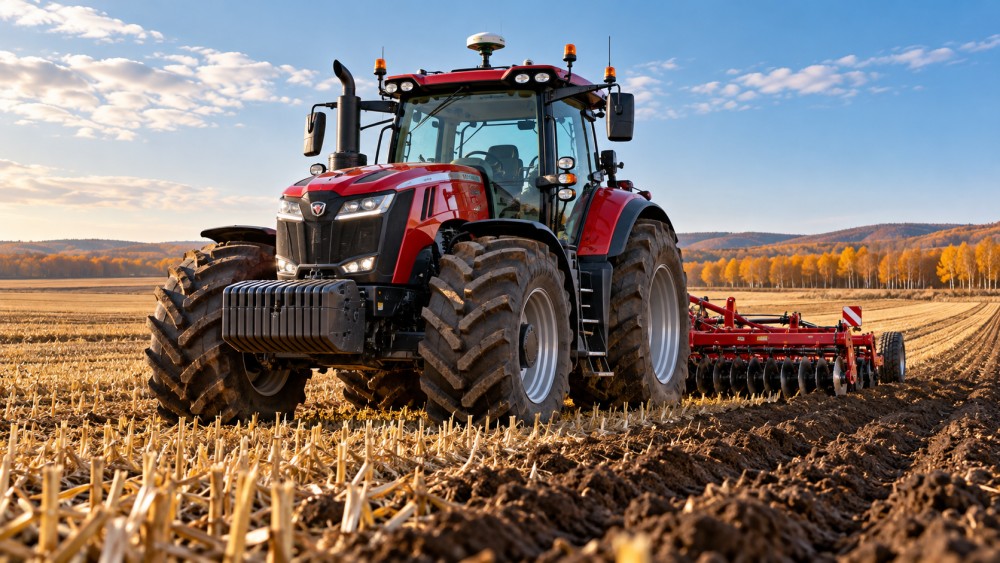
The event showcased results from standardized operations covering autumn harvesting and land preparation. It also provided a platform for field testing and market promotion of large, high-horsepower smart agricultural machinery.
Its stated purpose was to accelerate equipment refinement, finalize designs for practical use and advance industrial deployment. The supplied account connects machinery development with demonstrations under field operating conditions.
Field Evidence Could Become More Relevant to Equipment Selection
Manufacturers may face closer questions about operating suitability
Analysis suggests that combining standardized operations with equipment refinement could encourage closer assessment of how machinery performs within a complete harvesting and land preparation process. For manufacturers and equipment integrators, this may make documented operating conditions, equipment configurations and test observations more useful in technical discussions with customers. The input does not identify a prescribed test method, acceptance threshold or newly required technical document.
Buyers may distinguish demonstration results from purchase acceptance
From a procurement perspective, the event could help buyers identify capabilities to examine before selecting equipment. A field demonstration, however, does not by itself establish the acceptance criteria for an individual purchase. Buyers could consider whether demonstrated tasks match their intended operations and whether any performance expectations should be reflected in technical specifications, delivery terms and acceptance arrangements.
Distribution and service partners may need clearer deployment information
Analysis suggests that wider application of this equipment could place greater emphasis on coordination among manufacturers, distributors and after-sales providers. Potential questions include equipment setup, operator preparation, maintenance support and the handling of faults during seasonal work. These are possible delivery and service considerations; the supplied information does not establish new obligations for these businesses.
Documents and Delivery Assumptions Deserve Early Review
Check what standardized operation means in each transaction
As a practical recommendation, businesses could seek clarification on which operating procedures or technical references apply to a proposed project. The description of standardized demonstration work does not identify a formal standard or establish its legal status. Any procurement document referring to standardization would therefore merit review for its actual scope and acceptance conditions.
Connect performance claims to identifiable field evidence
Manufacturers and prospective buyers could consider documenting the machine configuration, task, operating conditions and assessment method behind relevant performance claims. This would help determine how far a demonstration result can support a particular purchase decision. Such documentation is a suggested commercial practice, rather than a requirement announced in the supplied account.
Verify certification and eligibility separately
For compliance review, companies could check any certification, supplier qualification or purchasing eligibility requirements applicable to their intended transaction. Participation in the demonstration should not be treated as evidence that a machine has received a particular approval. The input provides no certification decision, subsidy eligibility determination or change to trade rules.
Align deployment plans with equipment readiness
Analysis suggests that buyers considering equipment undergoing refinement should clarify the configuration to be delivered, any remaining validation work and the support available during initial use. Suppliers could likewise assess whether delivery commitments correspond to the readiness of the offered equipment. The event's promotion objective alone does not establish that every demonstrated product has completed development or is available for immediate delivery.
A Practical Signal Whose Regulatory Significance Remains Limited
Editorial observation: the clearest signal is the use of standardized field operations as a setting for machinery testing, refinement and promotion. This may bring operating evidence into sharper focus in future technical evaluations and purchasing discussions. It does not demonstrate that a new binding industry rule has taken effect.
Further assessment would depend on whether subsequent materials identify formal technical criteria, published evaluation results or purchasing specifications connected to the demonstration. Those developments could help businesses judge whether the event influences procurement practice or remains primarily a platform for testing and market engagement. None of those subsequent outcomes is confirmed in the supplied information.
Use the Demonstration to Guide Verification and Purchasing Questions
From an industry perspective, the event offers a reason to examine how large, high-horsepower smart machinery performs within standardized autumn operations. Its immediate relevance lies in equipment evaluation, development readiness and potential deployment planning. Businesses can treat it as a prompt to verify technical claims and contractual expectations while reserving judgment on any broader regulatory or market consequences until supporting information becomes available.
Basis of This Account and Details Still to Verify
This article is based solely on the user-provided news title, event date of October 21, 2026, and event summary. No specific official source link was included in the input, and the account remains subject to further verification.
Any subsequent official event notices, technical documents, published standards or procurement materials would need to be examined directly before drawing conclusions about binding requirements. Follow-up observation should focus on any disclosed testing criteria, certification guidance, changes to tender specifications, equipment deployment results and feedback from manufacturers and users. These are matters for verification, rather than confirmed developments reported here.
Related News
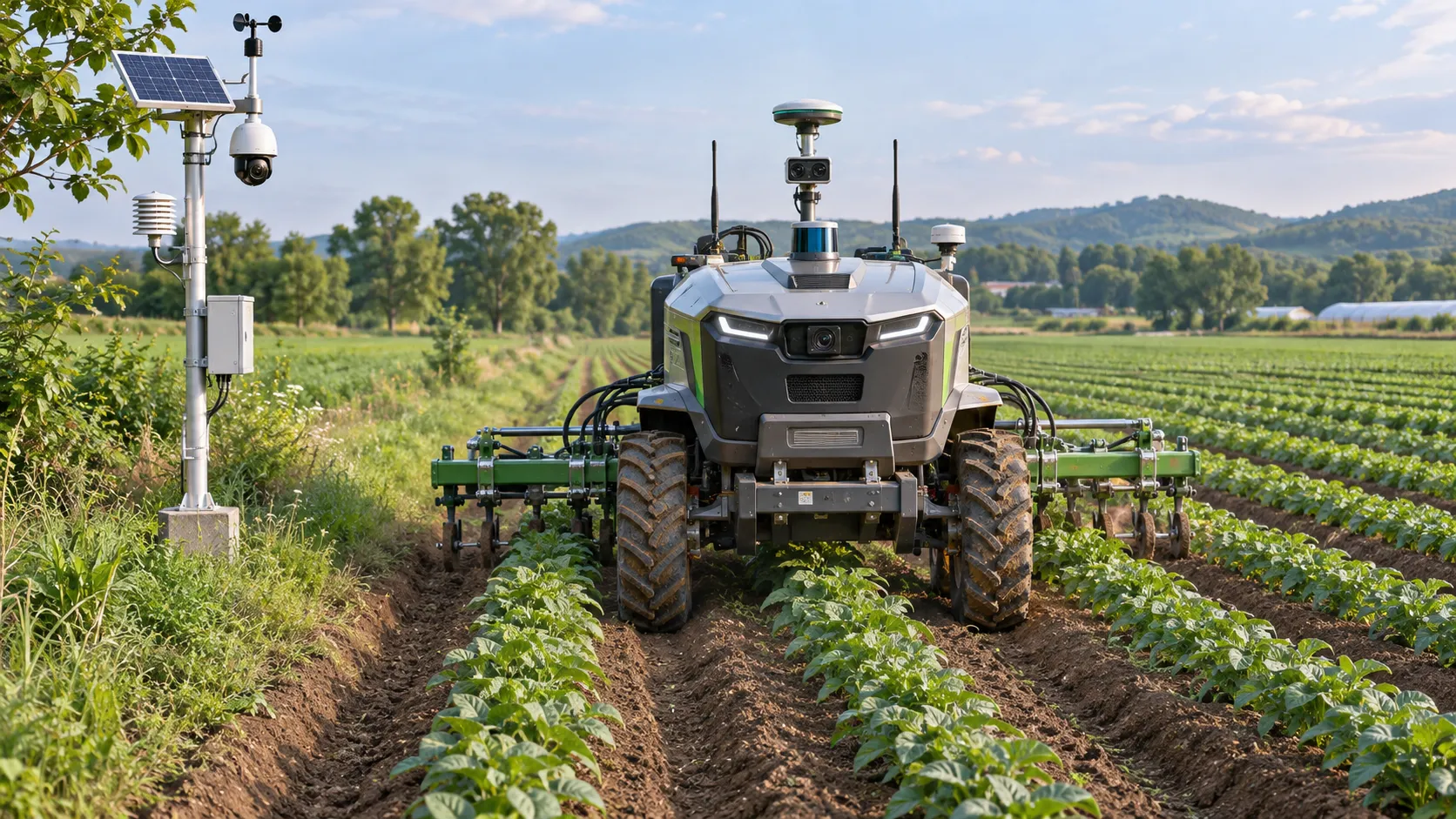
Agricultural Automation Still Needs Human Oversight, Study Finds
Agricultural automation still needs human oversight. Discover how AI and smart equipment are reshaping farm jobs, skills, and decisions.
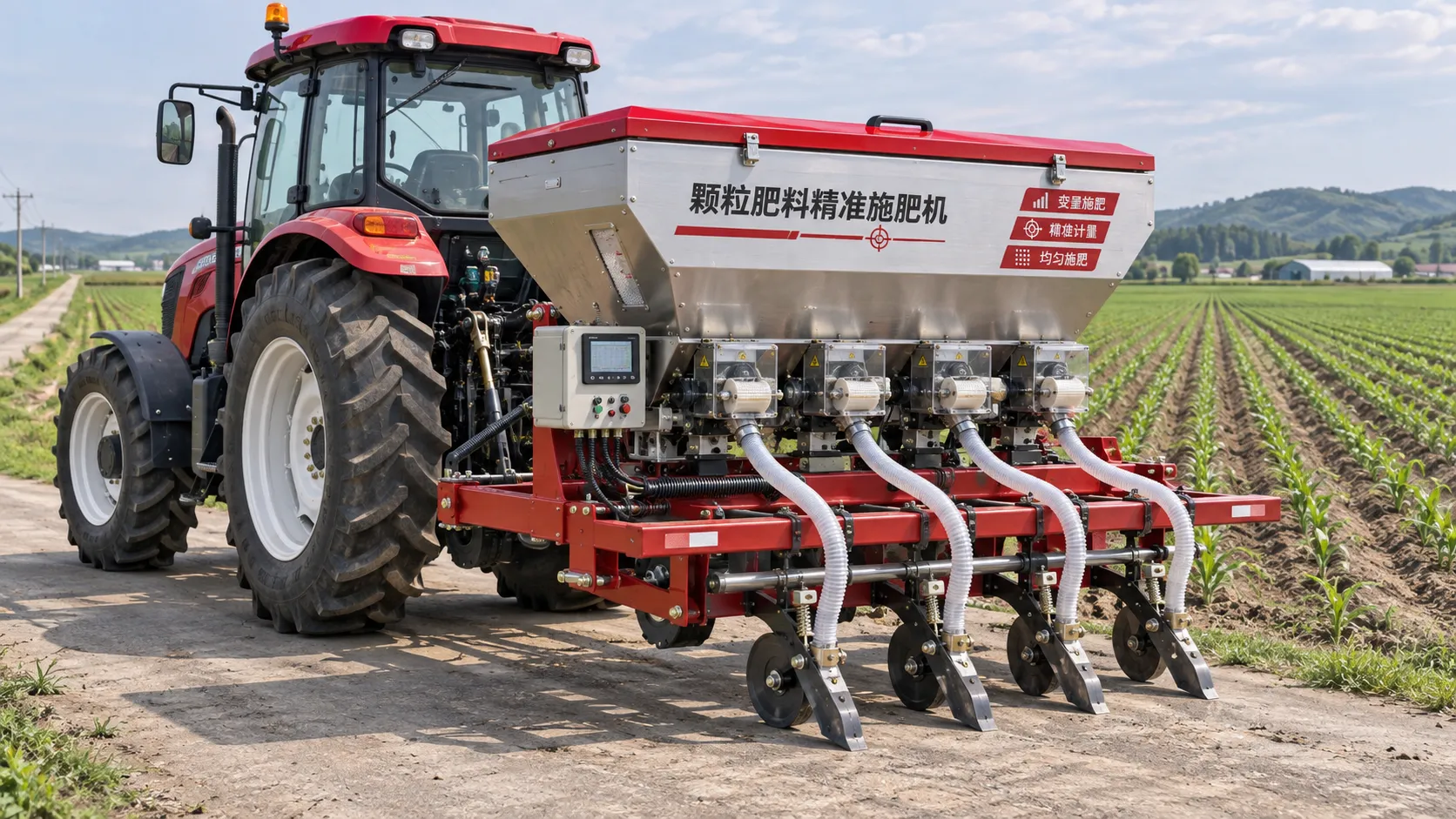
Choosing a Precision Fertilization Equipment Manufacturer: What to Check
Choose a precision fertilization equipment manufacturer with confidence. Compare accuracy, compatibility, service and total ownership costs before you buy.
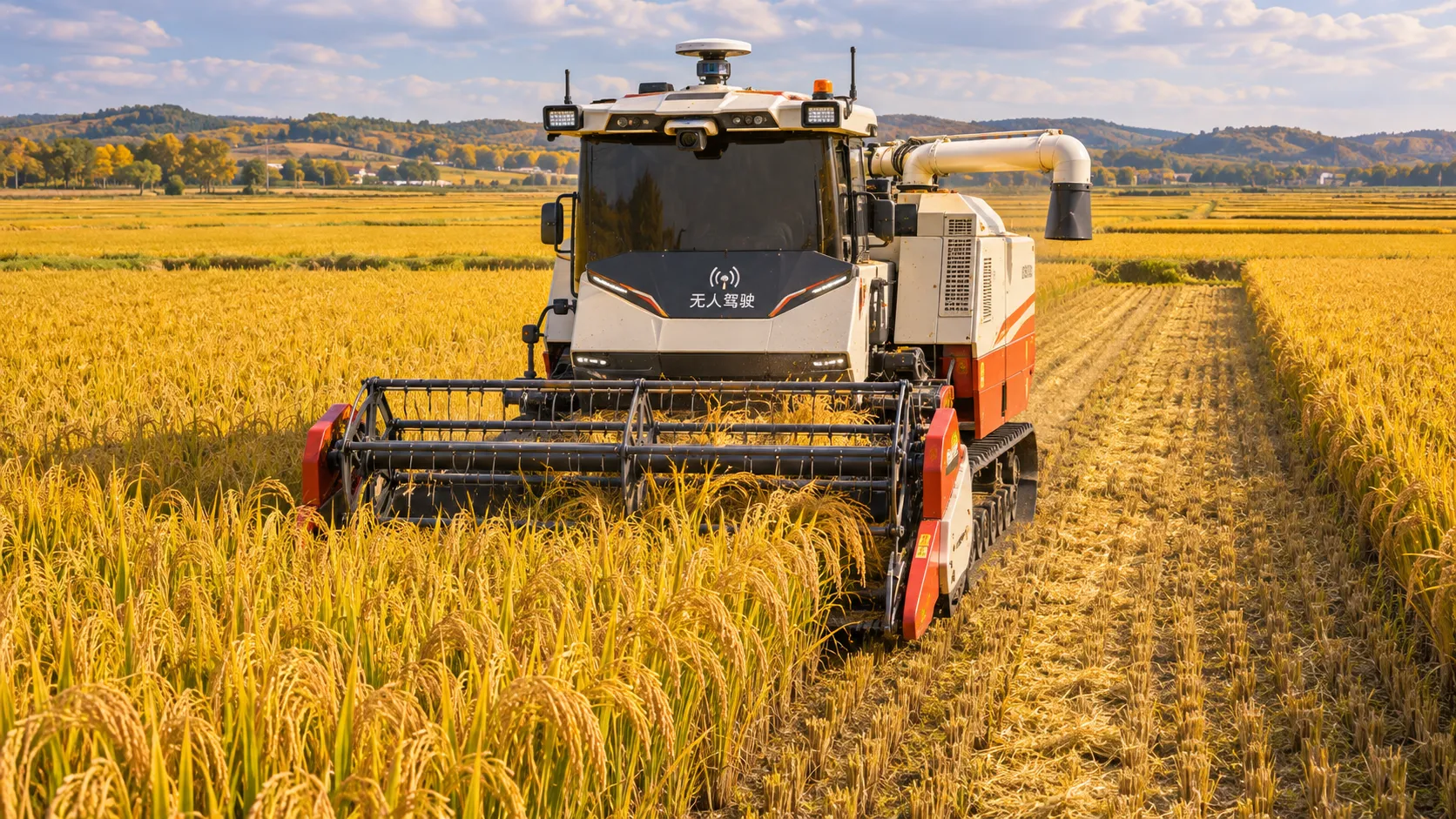
China's Autumn Grain Harvest Highlights Role of Machinery and Precision Farming
China's autumn grain harvest highlights machinery and precision farming. Explore how coordinated practices support harvesting and yield improvement.
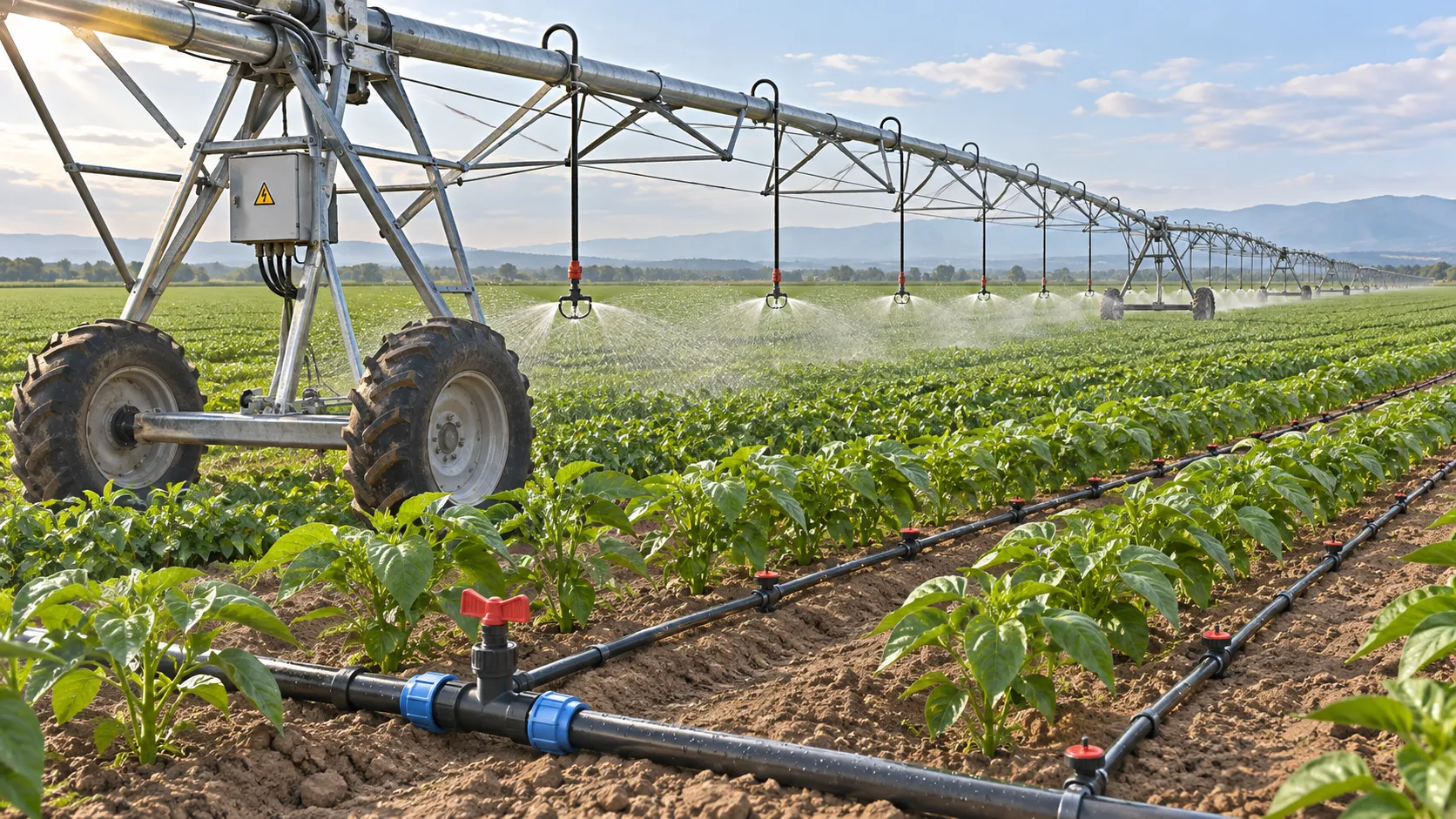
Drip vs. Center Pivot Irrigation: Maintenance Tasks and Costs Compared
Use this irrigation solution comparison by maintenance to weigh drip vs. center pivot tasks, costs and downtime—and choose the best fit for your field.
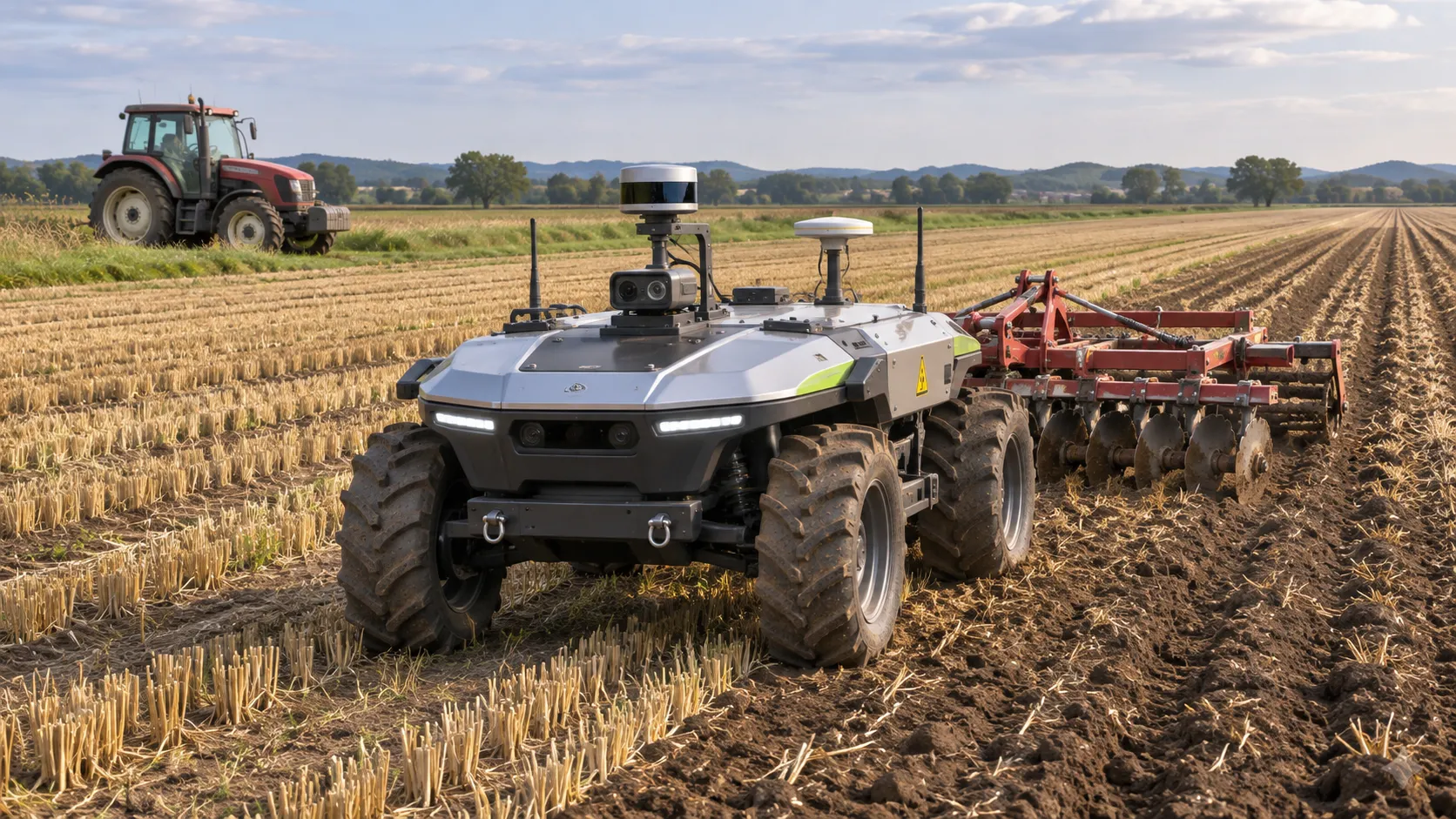
EIMA 2026: Six Tractor of the Year Awards Include Autonomous Robot
Explore the Tractor of the Year awards at EIMA 2026, featuring six winners, including the AgXeed autonomous robot and leading tractor models.
Choosing Irrigation Systems for Government Projects: Water, Cost and Compliance
What factors affect irrigation system selection for government projects? Explore water supply, lifecycle costs and compliance to make a confident, well-informed choice.
Choosing an Agricultural Machinery Platform: Listings, Pricing, and Support
Choosing an agricultural machinery platform? Compare listings, pricing, supplier verification, and support to make a more confident equipment purchase.
Ofwat Launches £8 Million Agri-Water Innovation Challenge
Ofwat’s £8 million Agri-Water Innovation Challenge supports smart irrigation, water reuse and water-saving solutions. Explore the funding and its potential impact.
Choosing a Water-Saving Irrigation Supplier: 5 Key Procurement Criteria
Choose a water-saving irrigation systems supplier with confidence. Explore five procurement criteria to reduce risk and maximize long-term value.
Related News
- 00
0000-00
Nenjiang Showcases High-Horsepower Smart Farm Machinery for Refinement and Wider Use - 00
0000-00
Soil Preparation Machinery Prices: Costs by Equipment Type and Working Width - 00
0000-00
What Tractor Horsepower Is Needed for a Three-Bottom Moldboard Plow? - 00
0000-00
What Is the Difference Between No-Till and Conventional Tillage? - 00
0000-00
Does No-Till Farming Reduce Erosion on Hilly Farmland?
0000-00
Popular Tags
Agri-Mechanization Fellow
Weekly Insights
Stay ahead with our curated technology reports delivered every Monday.