
What Is the Difference Between No-Till and Conventional Tillage?
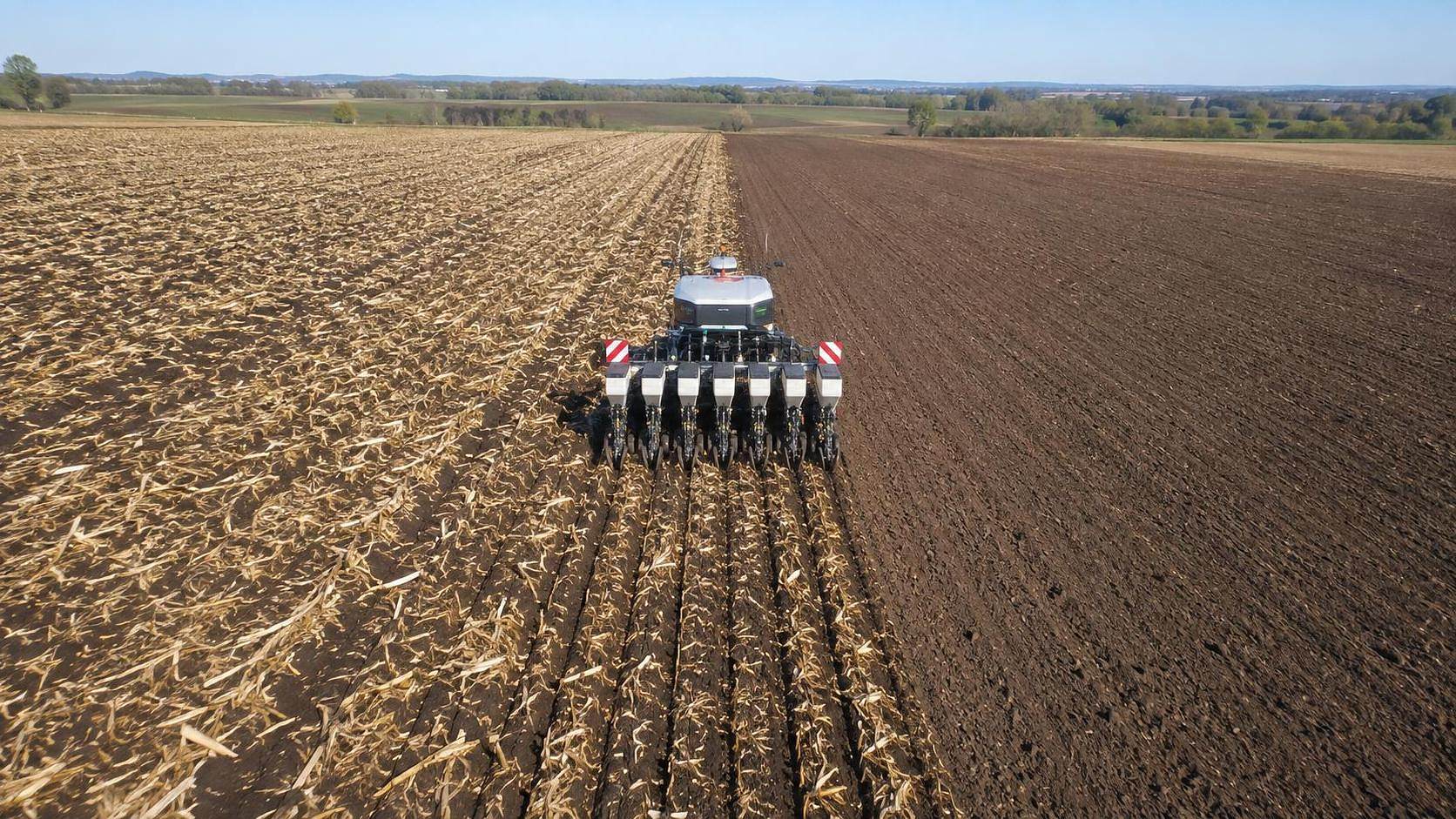




No-till and conventional tillage differ in one practical decision: whether the soil is extensively disturbed before planting. In a no-till system, seed is placed into largely undisturbed soil and the previous crop’s residue remains on the surface. Conventional soil preparation uses one or more passes with equipment such as plows, disks, cultivators, or harrows to loosen, invert, level, and prepare a seedbed.
That distinction affects much more than field appearance. It changes planting timing, residue management, fuel use, weed-control strategy, soil moisture behavior, equipment requirements, and the pace at which soil structure changes. Neither approach is automatically the better choice for every farm. No-till tends to reward disciplined management over several seasons, while conventional tillage can provide immediate control over seedbed condition but may bring higher operating costs and greater exposure to erosion.
The operational difference starts with soil disturbance
Conventional soil preparation is designed to actively reshape the field before planting. Depending on the crop, soil type, residue level, and local practice, the operation may include primary tillage followed by secondary passes. The result is usually a loose, relatively uniform surface with residue incorporated or reduced. Growers often value this because planting equipment can run through a clean seedbed with less risk of residue interference.
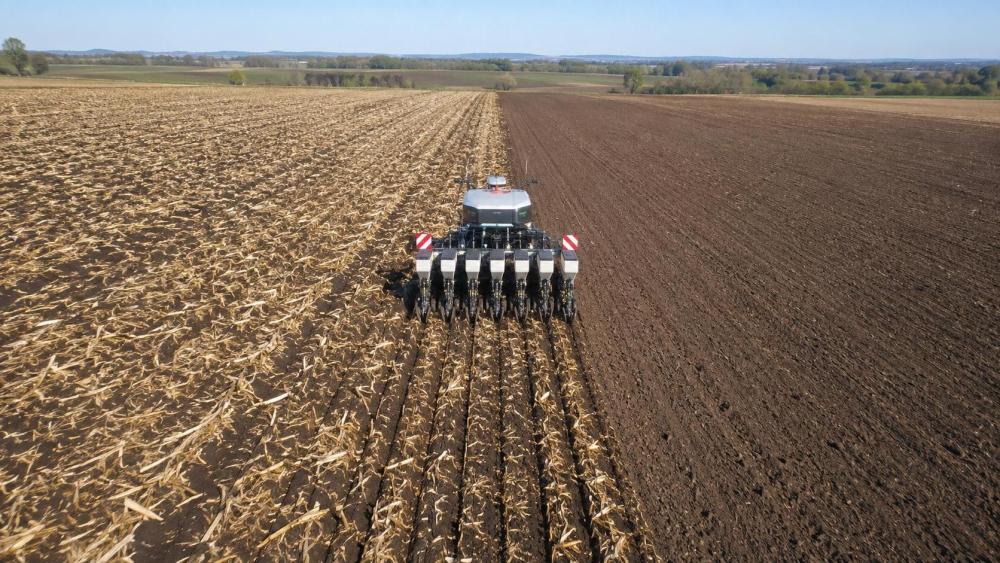
No-till takes the opposite path. The field is not worked across its full width before planting. A no-till planter or drill cuts through surface residue, opens a narrow seed slot, places seed at depth, and closes or firms the row. The soil between rows remains intact. Crop residue functions as a protective layer, rather than material to be mixed into the soil profile.
The answer to “What is the difference between no-till and conventional soil preparation?” is therefore not simply that one method uses machinery and the other does not. Both rely on specialized equipment. The larger difference is whether equipment is used to prepare the whole soil surface or to place seed precisely while preserving the existing soil surface.
Why residue management determines success
Surface residue is one of no-till’s major advantages, but it is also where many transitions become difficult. Residue can reduce the force of raindrops hitting bare soil, moderate surface temperature, and limit evaporation. In areas where rainfall is uncertain or erosion is a recurring concern, this cover can have clear operational value. It may help a field retain workable moisture longer between rainfall events.
At planting, however, residue must be handled accurately. Heavy straw, stalks, or uneven chaff distribution can prevent openers from reaching consistent depth, interfere with seed-to-soil contact, or create hairpinning, where residue is pushed into the seed trench rather than cleanly cut. A field may look well covered yet still establish an uneven crop if the planter cannot clear and close the row properly.
This is why no-till equipment selection cannot be separated from harvest management. Combine settings, residue chopping, spread pattern, and the distribution of material across the header width influence next season’s planting conditions. A high-capacity planter with row cleaners and strong closing systems can help, but it cannot fully compensate for severe residue bunching left at harvest.
Conventional tillage reduces many of these visible residue challenges by incorporating or breaking down material before planting. That can be useful after high-residue crops, in cool spring conditions, or where the farm lacks planting equipment designed for heavy surface cover. Yet incorporation should not be treated as residue elimination. Organic material still has to decompose, and aggressive tillage can leave soil vulnerable when rain or wind arrives before the crop canopy develops.
For large-acreage operations, the management question is often whether residue can be distributed consistently enough to allow a single-pass no-till planting operation. If the answer is no, adding tillage may solve one bottleneck while adding more time, labor, fuel, and machinery traffic.
Soil health benefits are real, but they are not instant
No-till is commonly associated with improved soil structure, better water infiltration, and lower erosion risk. These outcomes are plausible because soil aggregates, biological channels, and residue cover are disturbed less frequently. Over time, less disturbance may support a more stable soil surface and reduce the tendency of soil to seal or crust after intense rain.
Those benefits do not appear evenly across every field or every season. Compacted headlands, poorly drained zones, wheel tracks, and historically damaged soil layers can remain limiting factors under no-till. Stopping tillage does not automatically remove existing compaction. In some situations, a grower may need targeted remediation, controlled traffic practices, drainage work, cover crops with suitable rooting patterns, or carefully timed one-off soil loosening before a long-term no-till program can perform well.
Conventional tillage can temporarily relieve shallow compaction and create a favorable seedbed, particularly where soil has been rutted or compacted after a difficult harvest. The limitation is that repeated disturbance can weaken the structural gains created by roots, organisms, and residue. It can also create a cycle in which soil requires more annual preparation to regain the looseness produced by the previous operation.
Soil temperature is another important qualification. Residue-covered no-till fields may warm more slowly in cool, wet spring environments. For crops with narrow planting windows, delayed soil warming can be a meaningful concern. Conventional tillage may dry and warm the surface more quickly, helping a field become plantable sooner. The benefit depends on weather, soil texture, drainage, and the crop’s tolerance for cool emergence conditions. A dry, sandy field and a cold, poorly drained clay field should not be evaluated by the same rule.
No-till shifts costs and management work rather than removing them
Fewer tillage passes can reduce diesel consumption, labor hours, tractor wear, and the need to cover large areas in a short preparation window. This is especially relevant where labor availability is tight or where spring weather leaves only short planting opportunities. Eliminating field passes can also reduce the number of times heavy equipment crosses the field.
However, no-till is not a low-management system. It often shifts attention toward planter setup, residue control, burndown timing, crop rotation, fertility placement, and field scouting. A no-till planter must maintain depth and closing pressure through residue and variable soil conditions. Operators need to inspect opener wear, gauge-wheel contact, downforce settings, row-cleaner aggressiveness, and closing-wheel performance rather than assuming the field will compensate for a poorly adjusted machine.
Weed management can also become more dependent on timing. Conventional tillage can remove a flush of small weeds before planting and bury some seed near the surface. No-till does not provide that reset across the entire field. The farm’s weed-control program needs to account for emerged vegetation, resistant species, crop rotation, cover-crop termination where used, and the ability to plant into the resulting residue. Tillage alone is not a durable weed strategy, but moving to no-till without a clear weed-management plan can create avoidable pressure.
Fertility practices may need revision as well. Nutrients placed on or near the surface can behave differently from nutrients incorporated through tillage, especially in systems with persistent residue cover. The correct response depends on soil testing, nutrient source, placement method, crop need, and local loss risks. Broad claims that one system always requires more or less fertilizer are not useful. Placement and timing deserve the same attention as application rate.
Equipment choices should follow field constraints
A conventional system typically needs enough tractor power and implement capacity to complete primary and secondary tillage without compressing the planting schedule. The machinery fleet may include plows, disks, vertical-tillage tools, field cultivators, harrows, rollers, and separate planting equipment. Each pass has a purpose, but each also adds maintenance, fuel use, and weather exposure.
No-till reduces the need for broad-acre soil-working implements, yet it places more demand on the planter or drill. Important features may include residue-capable coulters or openers, effective row cleaners, reliable downforce control, robust gauge wheels, seed-depth consistency, and closing systems matched to soil texture and moisture. On large farms, guidance accuracy and section control can improve repeatability, particularly where traffic lanes, variable residue, and irregular field shapes complicate field operations.
There is no universal “no-till planter specification.” More aggressive residue managers can be useful in heavy corn residue but may move too much soil in erosion-prone ground. Higher downforce can preserve depth in firm soil but can also compact the seed zone when settings are excessive. Equipment should be evaluated against the farm’s dominant residue load, soil texture, drainage, crop rotation, planting speed, and seasonal field window.
- Check whether residue is spread evenly at harvest before changing planting equipment.
- Assess soil compaction by location; avoid treating a headland problem as a whole-farm tillage requirement.
- Compare total system passes, not only the purchase price of one implement.
- Run strip trials where soil types or drainage conditions vary substantially across the farm.
- Measure emergence uniformity, stand establishment, moisture conditions, and field trafficability alongside yield.
When conventional tillage may still be the practical choice
Conventional tillage can remain justified where severe compaction, drainage limitations, rutted fields, or dense unmanaged residue make direct planting unreliable. It may also fit operations that require a particularly refined seedbed for certain crops or that work in conditions where cold, wet soils repeatedly delay no-till emergence.
The decision should be specific about what tillage is expected to fix. If the problem is poor drainage, tillage may only mask it temporarily. If the problem is uneven residue, better harvest distribution or a change in planter setup may be more durable. If compaction is confined to traffic zones, targeted intervention can be more sensible than disturbing every acre.
Many farms settle on reduced tillage or strip-till rather than treating the choice as absolute. These systems preserve more surface residue than full-width conventional tillage while creating a managed zone for seed placement and, in some cases, fertilizer placement. They introduce their own timing and equipment demands, but they can provide a workable transition where full no-till is not yet operationally dependable.
Choose a system by measuring the limiting factor
No-till is generally strongest where retaining moisture, reducing erosion, limiting field passes, and building more resilient soil structure matter over the long term. Conventional tillage remains useful when a farm has a defined seedbed, compaction, residue, or temperature problem that cannot yet be managed through planter capability and improved field practices.
The most useful comparison is not “which system produces the highest yield in every field?” It is whether the chosen system delivers consistent emergence, manages residue without planting delays, protects the soil during vulnerable periods, and fits the labor and machinery capacity available. A field-by-field assessment of drainage, residue, compaction, soil temperature, and planting performance will usually produce a better decision than adopting either approach as a fixed rule.
Related News
Agricultural Product Information Market Guide: Key Data for Sourcing Decisions
Agricultural product information market guide for smarter sourcing—compare machinery, irrigation, precision tools, lifecycle costs, and supplier risk.
Large-Scale Farm Equipment Cost Comparison: Price, Fuel, and Lifecycle Value
Large-scale farm equipment cost comparison: evaluate price, fuel, maintenance, downtime, and lifecycle value to choose tractors, combines, irrigation, and smart tools with confidence.
A Procurement Specification Preparation Example for Buying Farm Equipment
Procurement specification preparation example for farm equipment: learn to define requirements, compare suppliers, control lifecycle costs, and buy with confidence.
What Are the Risks of Switching to Climate-Smart Farming Mid-Season?
What are the main risks of switching to climate-smart agriculture mid-season? Explore yield, irrigation, equipment, cost, and labor risks with practical steps for safer adoption.
How to Choose Plant Protection Equipment for Vineyard Pests
How to choose the right plant protection equipment for vineyard pests: compare sprayers, nozzles, precision tools, drift control, and canopy coverage for smarter vineyard protection.
Does No-Till Farming Reduce Erosion on Hilly Farmland?
Does no-till soil preparation reduce erosion on hilly farmland? Discover how residue cover, soil structure, cover crops, and runoff management protect slopes.
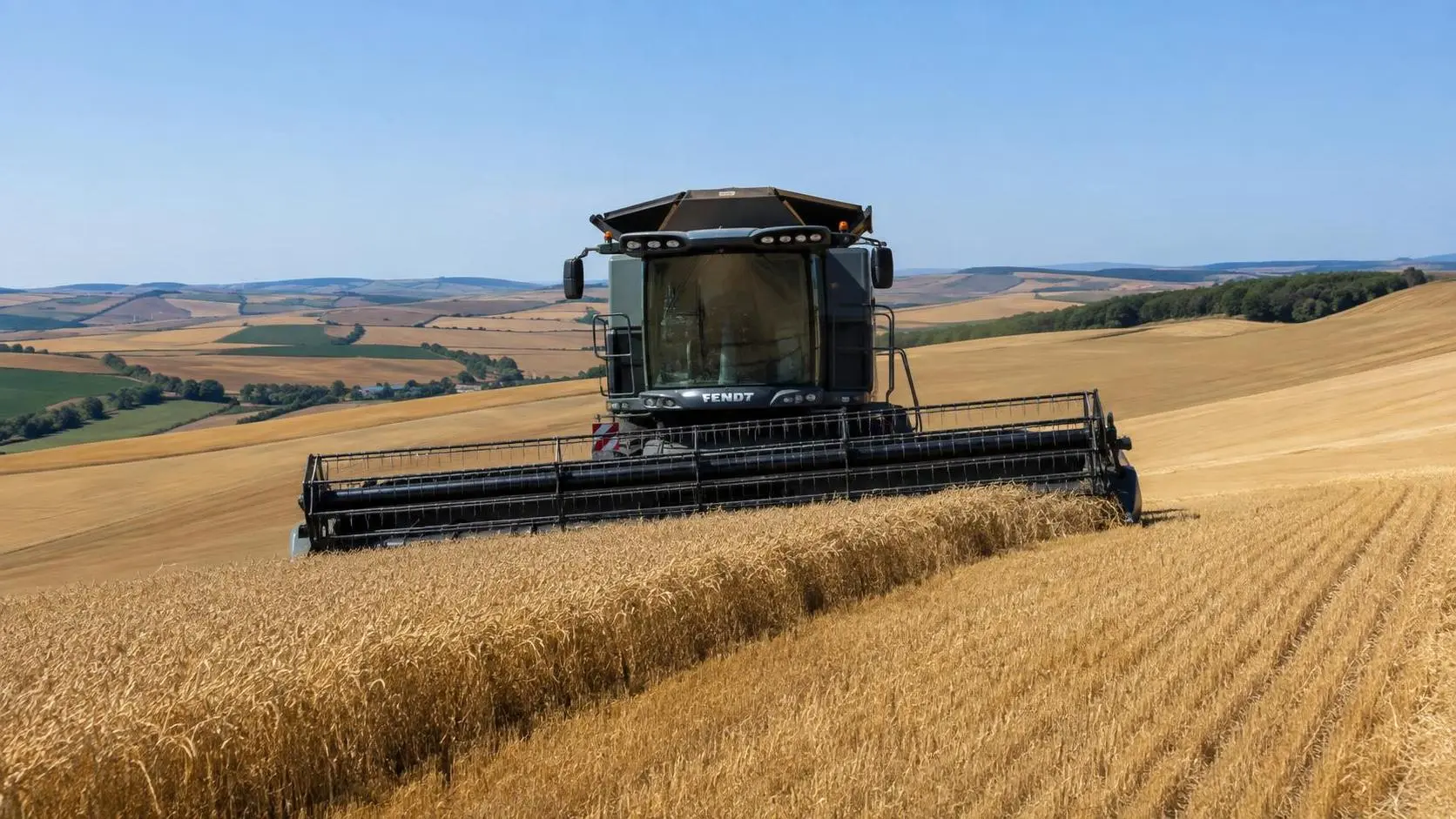
What Harvesting Machinery Works Best for Small Grains on Hills?
What harvesting machinery works best for small grain on hilly terrain? Compare hillside combines, compact models, headers, and traction options for safer, cleaner harvests.
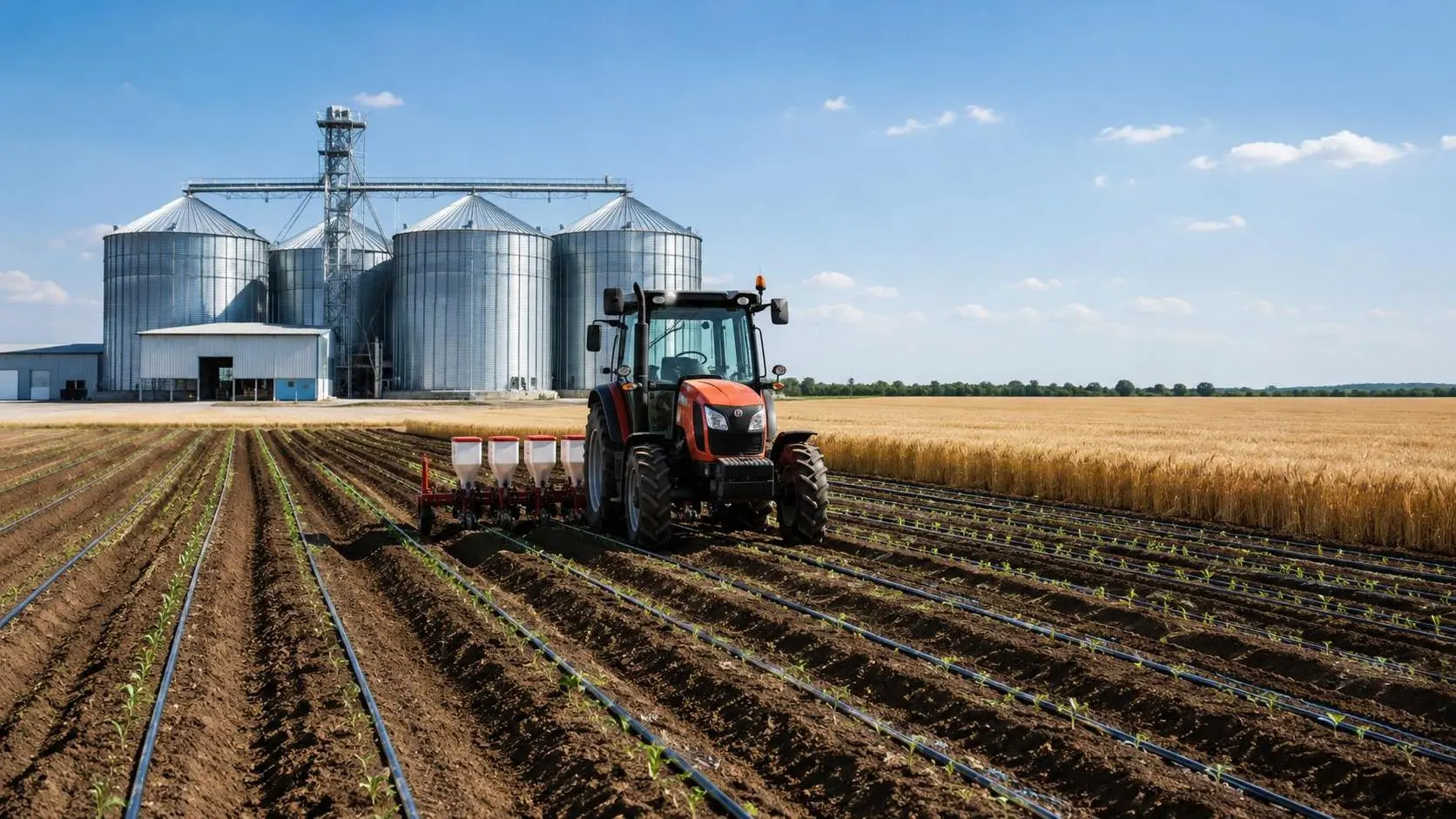
How Does Farm Mechanization Affect Food Security in Developing Regions?
How does farm mechanization impact food security in developing regions? Discover how right-sized equipment, service access, and loss reduction build resilient food systems.
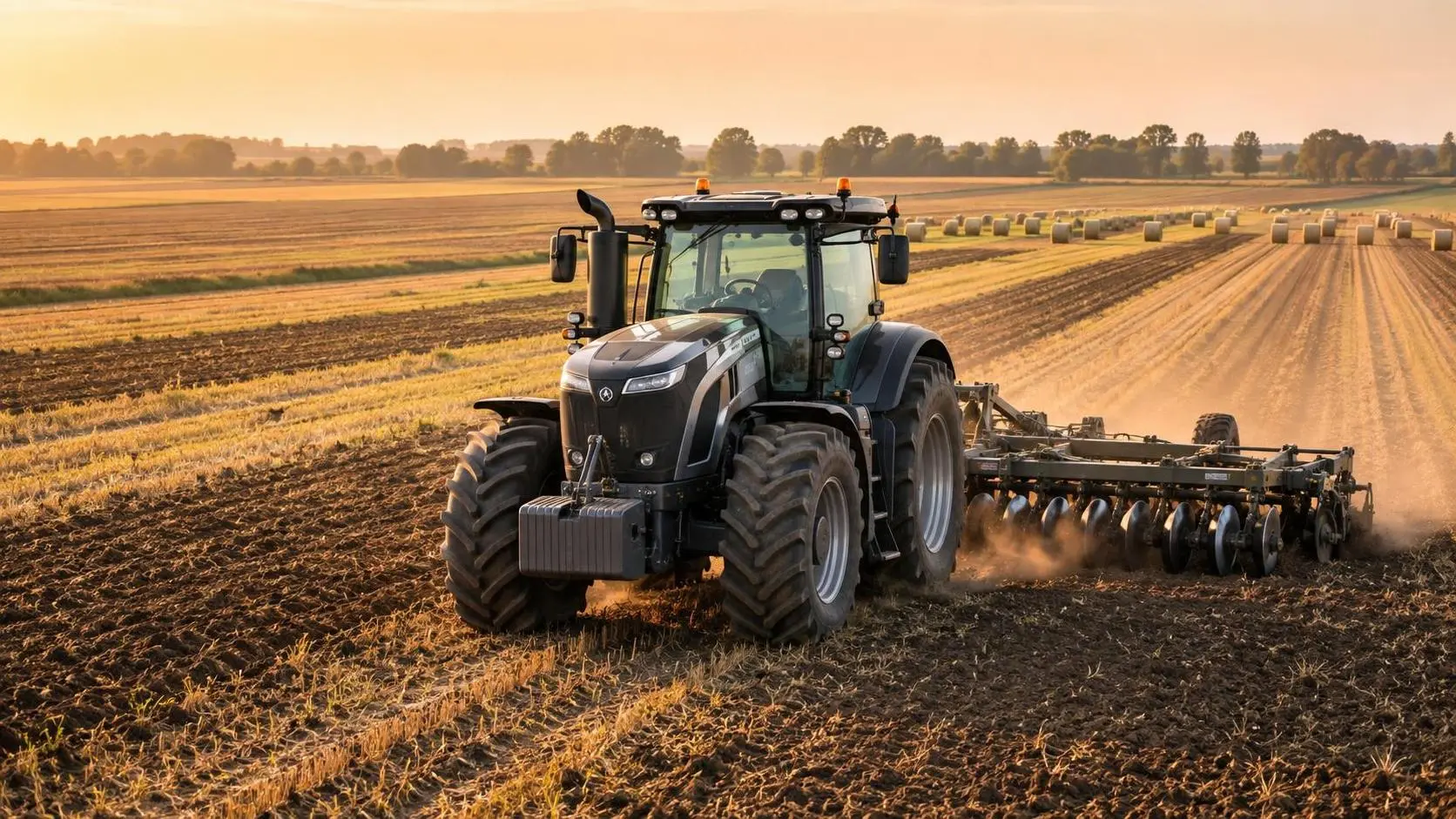
Which Implements Are Compatible With a 200 HP Tractor for Mixed Cropping?
What implements are compatible with a 200HP tractor for mixed cropping? Explore practical matches for tillage, drilling, baling, spraying, and hauling.
Related News
- 00
0000-00
What Is the Difference Between No-Till and Conventional Tillage? - 00
0000-00
Does No-Till Farming Reduce Erosion on Hilly Farmland? - 00
0000-00
India BIS Tightens Soil Tiller Labeling for Imports - 00
0000-00
Vietnam Requires Vietnamese Warning Labels for Imported Soil Tillers - 00
0000-00
India BIS Expands Soil Tiller Energy Labels to Electric Imports
Popular Tags
Agri-Mechanization Fellow
Weekly Insights
Stay ahead with our curated technology reports delivered every Monday.