
Agricultural Product Information Market Guide: Key Data for Sourcing Decisions
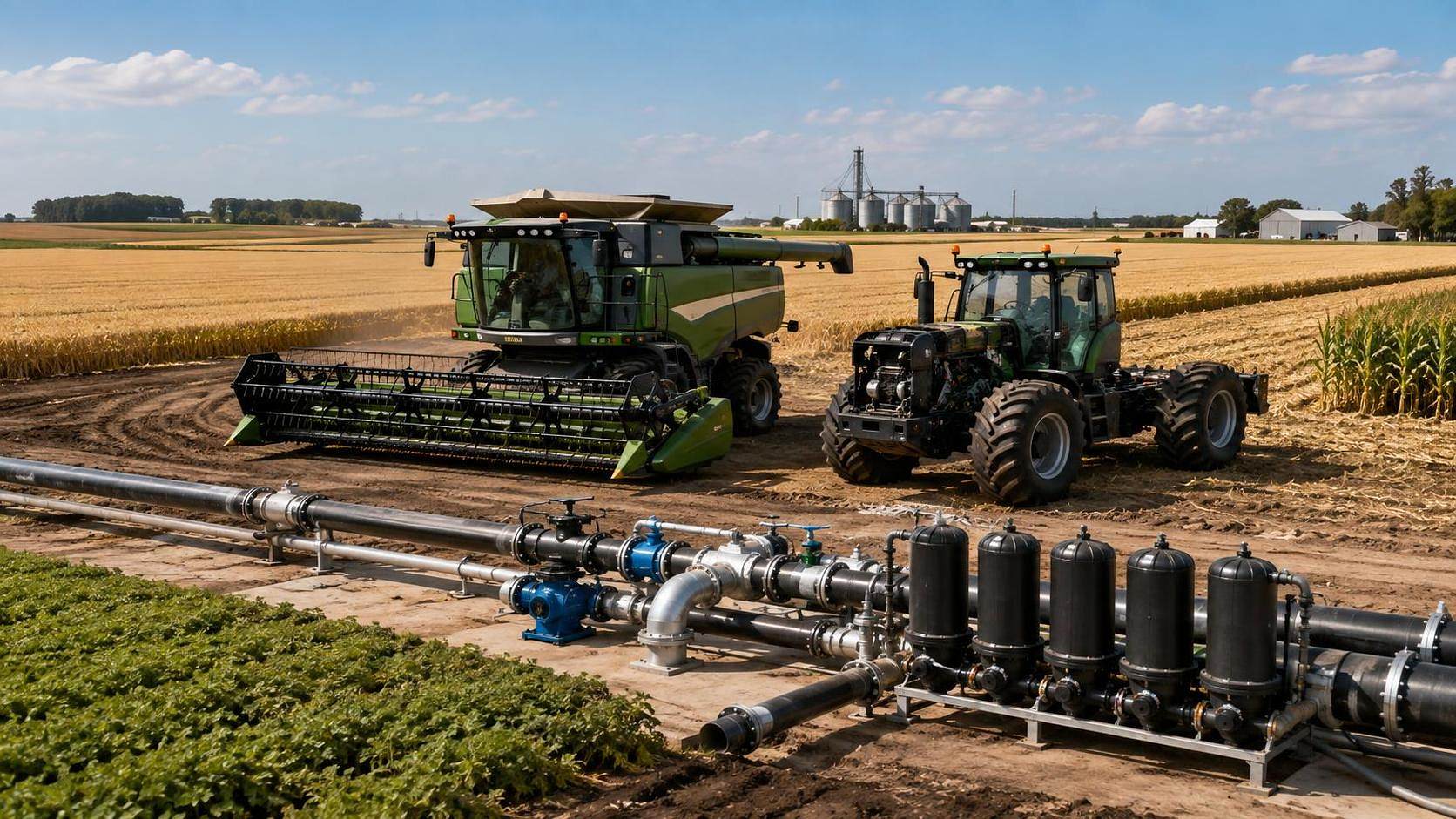




When a procurement team searches for an agricultural product information market guide, the immediate question is rarely “Which machine is best?” The more practical question is: Which investment will still make sense after the first season, the next policy shift, and the next change in labor or water availability?
That question has become harder to answer. A combine harvester is no longer judged only by throughput. A tractor chassis is no longer just an engine-and-transmission purchase. Irrigation systems now sit at the intersection of water rights, energy consumption, filtration quality, farm data, and long-term maintenance. Meanwhile, precision tools introduce another purchasing layer: compatibility with guidance systems, sensors, software platforms, and existing field operations.
For buyers operating across the Agriculture 4.0 value chain, useful market intelligence must connect equipment specifications with real operating conditions. AP-Strategy follows this connection across large-scale machinery, combine harvesting technology, tractor chassis, intelligent farm tools, and water-saving irrigation systems—helping procurement professionals turn scattered product information into a sourcing decision that can be defended commercially and operationally.
Start With the Operating Decision, Not the Product Category
Supplier catalogs often begin with equipment families. Procurement should begin elsewhere: with the work that must be completed, the field conditions that shape performance, and the cost of failing to complete that work on time.
For example, a buyer sourcing a combine harvester may be tempted to compare engine output, grain tank capacity, and list price. Those figures matter, but they do not explain whether the machine can maintain acceptable grain loss in a damp crop, on uneven ground, with variable crop density, and under a narrow harvest window. In the same way, a drip irrigation project cannot be evaluated by emitter price alone if the local water source carries sediment that will raise filtration, flushing, and maintenance demands.
A stronger sourcing brief frames the decision in operational terms:
- What acreage, crop type, soil condition, and seasonal work window must the equipment serve?
- What performance measure matters most: hectares covered, grain loss, fuel use, application accuracy, water uniformity, or downtime reduction?
- Which capabilities must integrate with the current fleet, operators, telematics platform, power source, and service arrangements?
- What happens if a critical component fails during planting, irrigation peaks, or harvest?
- Which regional regulations, sustainability commitments, or buyer requirements could alter the asset’s value over its useful life?
This approach changes supplier conversations. Instead of asking, “What is your newest model?” the buyer can ask, “How does this configuration perform in our operating environment, and what evidence supports that claim?”
What an Agricultural Product Information Market Guide Should Actually Contain
Market guides are useful only when they reduce uncertainty. For procurement teams, that means separating marketing language from decision-grade information. The most valuable intelligence does not merely report that autonomous machinery, electrification, or precision irrigation is growing. It shows where those trends are commercially relevant, where they remain immature, and what they mean for sourcing risk.
A practical agricultural product information market guide should bring together five connected evidence areas.
1. Technical fit and measurable performance
Specifications are the starting point, not the conclusion. Compare capacity, operating speed, hydraulic output, fuel or energy demand, guidance accuracy, application control, cleaning performance, pressure range, and filtration requirements. Then relate those specifications to field reality.
For combine harvesters, buyers should examine crop adaptability, header compatibility, cleaning and separation design, residue handling, terrain response, and the availability of loss-monitoring feedback. For tractor chassis, the key questions extend to transmission behavior under load, hydraulic flow stability, axle capacity, ballast options, implement compatibility, and operator control systems. A seemingly minor mismatch in hydraulic requirements can limit the value of an otherwise capable tractor.
2. Total cost of ownership rather than purchase price
Upfront price is visible; operating friction is not. Procurement teams should estimate the cost profile across fuel, labor, wear parts, preventive service, seasonal repairs, software subscriptions, consumables, water treatment, and expected residual value.
For irrigation, total cost should include pumps, energy demand, filtration, pipe layout, pressure regulation, control hardware, water quality management, and replacement cycles for emitters or valves. For intelligent farm tools, include the cost of data connectivity, license renewals, calibration, training, and technical support. A lower-priced system may become more expensive if it requires frequent manual intervention or lacks local spare-parts coverage.
3. Supplier resilience and service reach
Farm equipment is purchased for the moment it is needed most—not for the moment it is delivered. A supplier’s ability to provide parts during a harvest rush, troubleshoot a control fault remotely, or dispatch a trained technician can matter more than a modest price difference.
Ask suppliers for a clear view of their service model: regional inventory, lead times for critical parts, technician coverage, diagnostic tools, escalation routes, warranty exclusions, and dealer responsibilities. For digitally enabled equipment, establish who owns the operational data, who can access it, and what happens if connectivity is interrupted.
4. Market direction and replacement risk
A sound sourcing decision considers whether a technology is moving toward broad adoption, niche use, or potential obsolescence. Procurement does not need to chase every innovation, but it should recognize structural shifts. Autonomous guidance, precision application, hybrid tractor platforms, sensor-based irrigation control, and water-use reporting are changing the specification baseline in many markets.
AP-Strategy’s intelligence perspective is especially useful here: machinery performance, agronomic algorithms, and sustainability pressures are converging. The buyer who treats them as separate topics may purchase an asset that meets today’s requirement but creates an integration problem tomorrow.
5. Compliance, water, and sustainability exposure
Sustainability is not an abstract corporate theme when it affects access to markets, financing, water allocation, input efficiency, or operational permissions. Equipment procurement should therefore assess fuel consumption, emissions pathways, soil impact, chemical application precision, water efficiency, and reporting capability.
This does not mean selecting technology simply because it carries a “smart” or “green” label. It means identifying whether the equipment provides credible operational controls: variable-rate capability, documented water-use monitoring, reduced overlap, lower compaction potential, or maintenance features that extend asset life.
Reading the Major Equipment Segments Through a Procurement Lens
Each agricultural equipment category carries a different risk profile. Applying one universal scorecard can hide the details that determine field value.
For large-scale machinery, capacity must be measured against the real calendar. A high-capacity unit that cannot be maintained locally, transported efficiently, or operated by available staff may create bottlenecks rather than remove them. Buyers should also check whether fleet standardization can reduce training time, simplify parts inventory, and improve operator familiarity.
Combine harvester sourcing deserves particular discipline because harvest losses are often hidden inside broad performance claims. Request clarity on calibration procedures, sensor feedback, crop-specific settings, and the conditions under which quoted capacity is achieved. If the supplier demonstrates performance only under ideal crop conditions, the buyer has not yet received decision-quality evidence.
Tractor chassis decisions should be treated as platform decisions. The chassis carries the agricultural operation’s power heart: transmission, hydraulics, weight distribution, steering response, and electronic control all influence what implements can do. A buyer looking only at horsepower may miss the difference between nominal power and usable performance at the drawbar, PTO, or hydraulic circuit.
Intelligent tools require an additional layer of scrutiny. Satellite guidance, implement control, sensor feedback, and prescription maps can improve accuracy, but only if data moves reliably across systems. Avoid assuming that two products described as “compatible” will provide seamless functionality. Ask what data formats are supported, whether activation fees apply, how updates are handled, and which features still require manual setup in the field.
Water-saving irrigation systems should be sourced as networks rather than isolated components. Pump sizing, filtration, automation, pressure compensation, soil conditions, crop requirements, and the skill of the maintenance team are interdependent. A system designed around local water constraints can protect both yields and operating budgets; a poorly matched design can create persistent clogging, uneven application, and unnecessary energy use.
How to Compare Suppliers Without Creating a Spreadsheet Illusion
Weighted scorecards are useful, but they can also produce false confidence. A supplier that scores well on price, specification, and warranty may still be the wrong choice if its service coverage is weak in the buyer’s operating region. Conversely, a higher-cost offer may carry lower lifecycle risk because the supplier has accessible parts, trained technicians, and a credible implementation plan.
Use a scorecard, but combine it with an evidence review. For every important claim, identify the proof required. This could include configuration sheets, compatibility documentation, maintenance schedules, sample service-level terms, training plans, reference operating conditions, or a demonstration protocol agreed in advance.
It is helpful to classify requirements into three groups:
- Non-negotiable requirements: field capacity, safety, local compliance, essential implement fit, water-quality suitability, or service access.
- Value differentiators: automation features, operator comfort, remote diagnostics, more flexible control options, or stronger data visibility.
- Future options: capabilities that may become valuable later but should not distort the current business case.
This distinction prevents procurement from paying heavily for features that will remain unused, while also preventing short-term cost pressure from eliminating capabilities that are truly essential.
Questions to Ask Before Issuing the Purchase Order
Late-stage questions often uncover the risks that polished presentations leave unanswered. Before final approval, a procurement team should be able to answer the following clearly:
- What exact configuration is included, and which functions are optional, software-locked, or dependent on third-party services?
- Which consumables, spare parts, filters, wear components, or licenses will be needed in the first operating year?
- Who is responsible for commissioning, calibration, operator training, and post-installation adjustments?
- What are the lead times for critical parts during peak season, not just during normal periods?
- How will performance be verified at acceptance: field capacity, application uniformity, guidance accuracy, grain-loss settings, or another agreed measure?
- What data is generated, where is it stored, and can the buyer retain access if suppliers or platforms change?
- What conditions would invalidate warranty coverage or create unexpected service charges?
The goal is not to make every supplier conversation adversarial. It is to establish shared expectations before the equipment reaches the field, where ambiguity becomes expensive.
Turning Intelligence Into a Sourcing Roadmap
The strongest agricultural purchasing decisions rarely come from a single report or a single quotation. They emerge from a disciplined sequence: define the operation, map the market, shortlist viable configurations, test supplier claims, calculate lifecycle exposure, and negotiate terms that protect uptime.
AP-Strategy supports this process by linking sector news, evolving equipment trends, commercial demand signals, and technical context across the machinery and irrigation landscape. For a distributor, this can inform stock planning and portfolio choices. For a farm enterprise, it can clarify whether to standardize a fleet, invest in precision capability, or prioritize water-saving infrastructure. For a procurement manager, it provides a more grounded basis for comparing offers that may look similar on paper.
In a period shaped by food security concerns, labor pressure, changing climate conditions, and a fast-moving farm technology market, purchasing decisions need more than product brochures. They need a practical view of how mechanical capability, digital control, service support, and resource efficiency work together. That is the real purpose of an agricultural product information market guide: not to choose equipment on behalf of the buyer, but to make the right questions impossible to overlook.
- combine harvesting technology
- Agriculture 4.0
- food security
- tractor chassis
- intelligent farm tools
- water-saving irrigation
- autonomous machinery
- farm equipment
- combine harvesters
- water-saving irrigation systems
- agricultural equipment
- agricultural product information
- large-scale agri-machinery
- combine harvester
- irrigation systems
- agricultural product information market guide
Related News
Large-Scale Farm Equipment Cost Comparison: Price, Fuel, and Lifecycle Value
Large-scale farm equipment cost comparison: evaluate price, fuel, maintenance, downtime, and lifecycle value to choose tractors, combines, irrigation, and smart tools with confidence.
A Procurement Specification Preparation Example for Buying Farm Equipment
Procurement specification preparation example for farm equipment: learn to define requirements, compare suppliers, control lifecycle costs, and buy with confidence.
What Are the Risks of Switching to Climate-Smart Farming Mid-Season?
What are the main risks of switching to climate-smart agriculture mid-season? Explore yield, irrigation, equipment, cost, and labor risks with practical steps for safer adoption.
How to Choose Plant Protection Equipment for Vineyard Pests
How to choose the right plant protection equipment for vineyard pests: compare sprayers, nozzles, precision tools, drift control, and canopy coverage for smarter vineyard protection.
What Is the Difference Between No-Till and Conventional Tillage?
What is the difference between no-till and conventional soil preparation? Compare residue management, costs, erosion control, equipment, and planting performance.
Does No-Till Farming Reduce Erosion on Hilly Farmland?
Does no-till soil preparation reduce erosion on hilly farmland? Discover how residue cover, soil structure, cover crops, and runoff management protect slopes.
What Harvesting Machinery Works Best for Small Grains on Hills?
What harvesting machinery works best for small grain on hilly terrain? Compare hillside combines, compact models, headers, and traction options for safer, cleaner harvests.
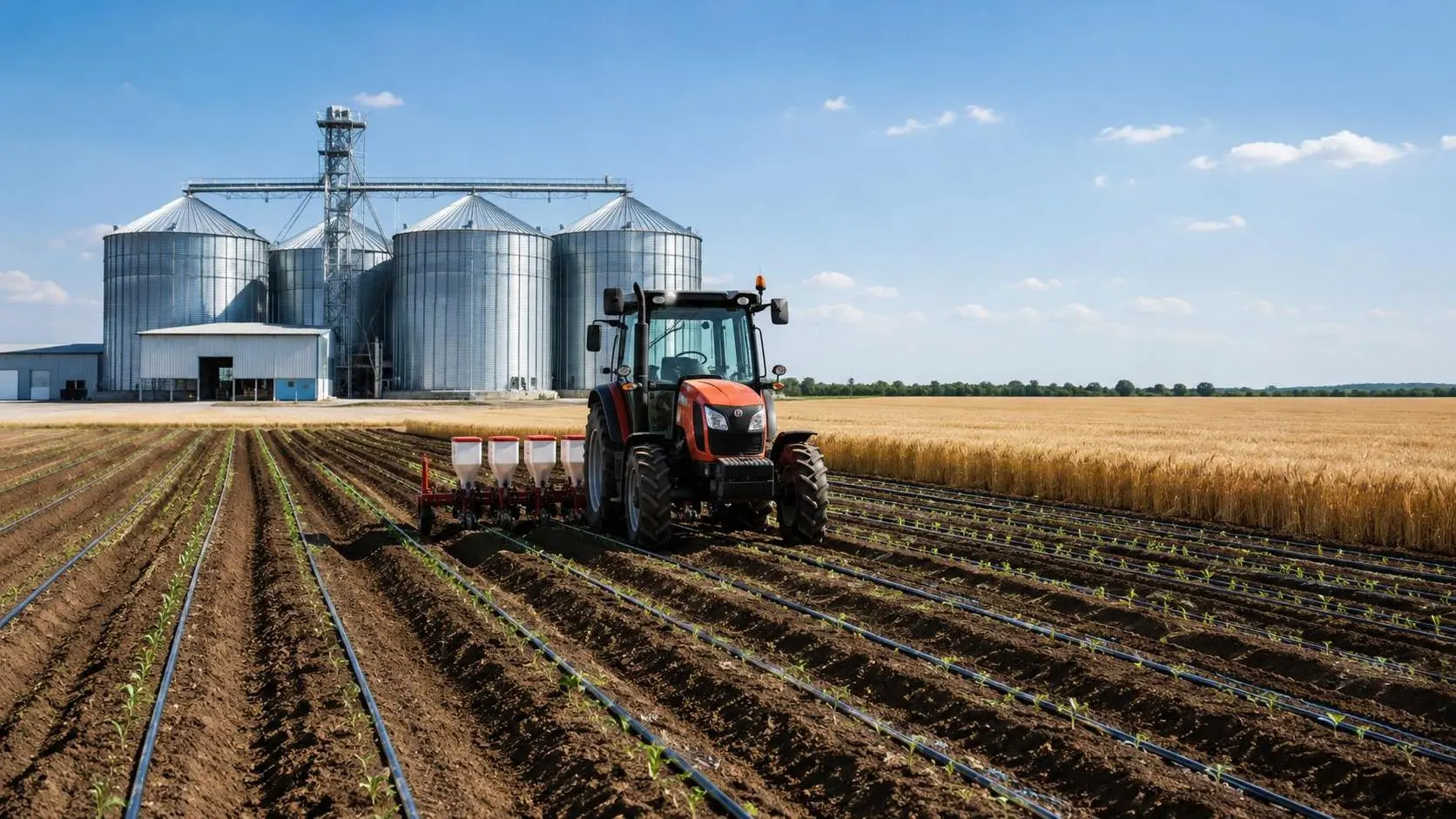
How Does Farm Mechanization Affect Food Security in Developing Regions?
How does farm mechanization impact food security in developing regions? Discover how right-sized equipment, service access, and loss reduction build resilient food systems.
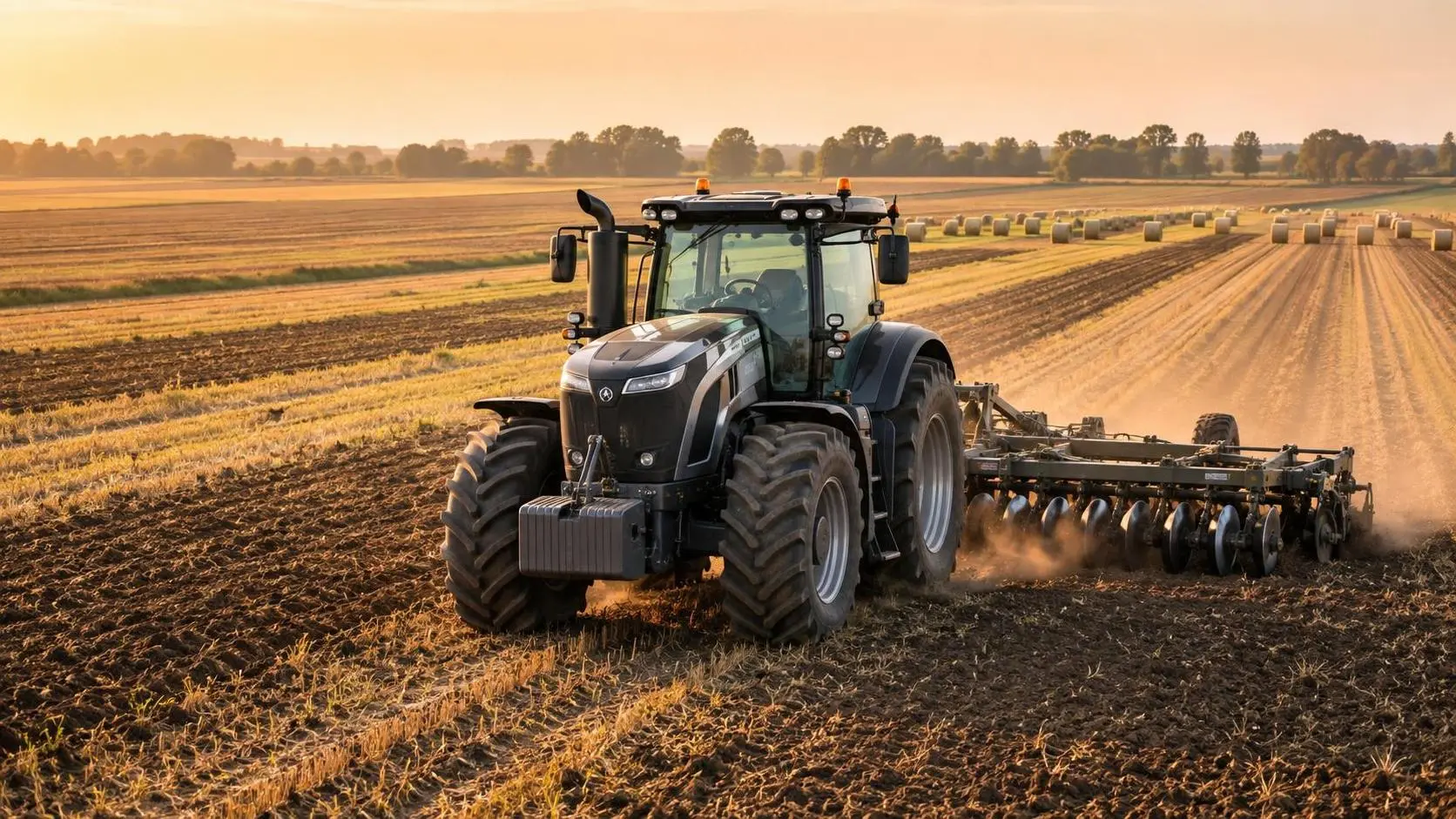
Which Implements Are Compatible With a 200 HP Tractor for Mixed Cropping?
What implements are compatible with a 200HP tractor for mixed cropping? Explore practical matches for tillage, drilling, baling, spraying, and hauling.
Related News
- 00
0000-00
Agricultural Product Information Market Guide: Key Data for Sourcing Decisions - 00
0000-00
Large-Scale Farm Equipment Cost Comparison: Price, Fuel, and Lifecycle Value - 00
0000-00
A Procurement Specification Preparation Example for Buying Farm Equipment - 00
0000-00
What Are the Risks of Switching to Climate-Smart Farming Mid-Season? - 00
0000-00
Agricultural Technology Specifications: A Practical Guide to Evaluating Farm Equipment
Popular Tags
Ms. Elena Rodriguez
Weekly Insights
Stay ahead with our curated technology reports delivered every Monday.