
How to Evaluate Crop Monitoring System Manufacturers for Large-Scale Farms
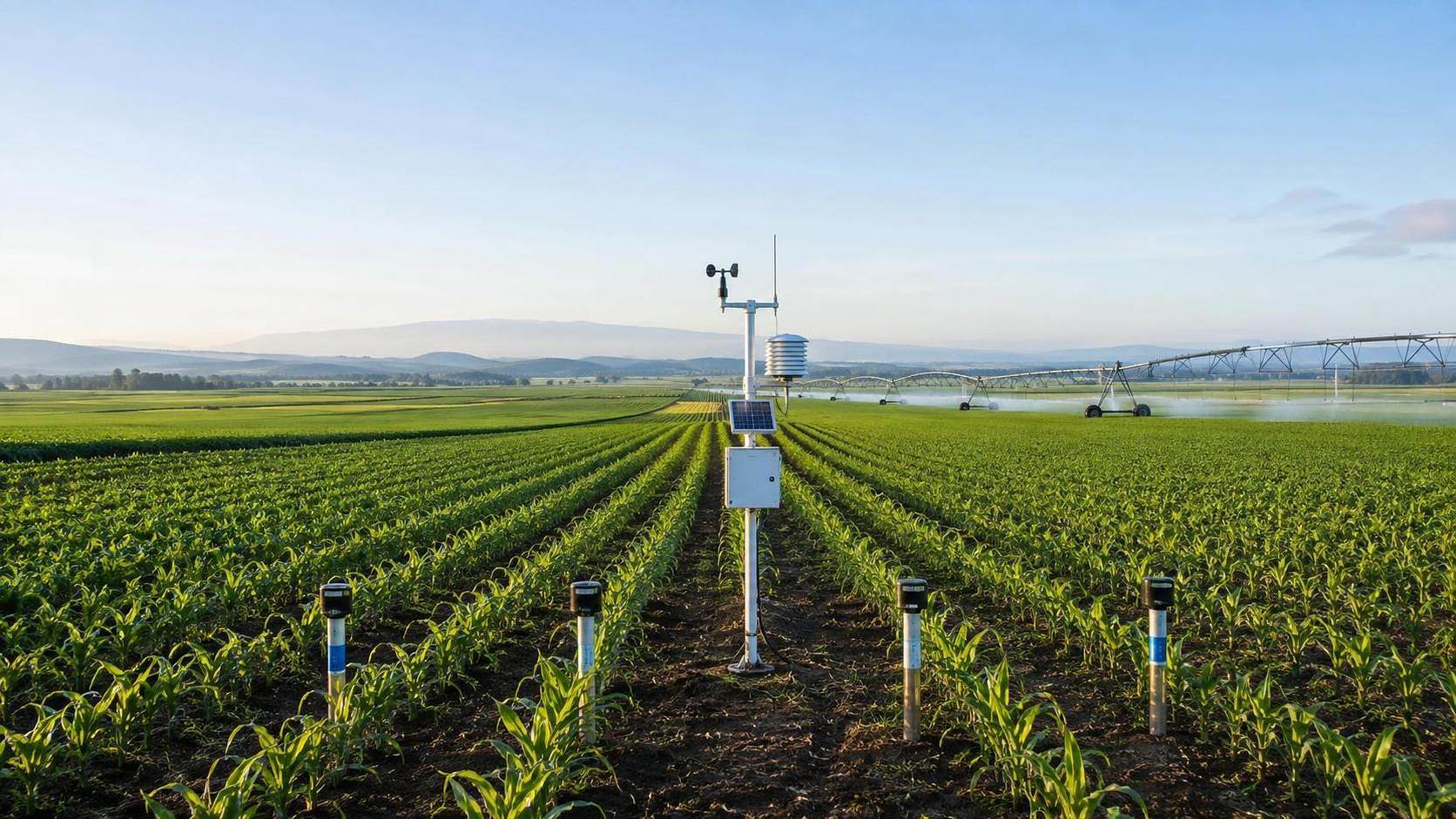




Selecting among crop monitoring systems manufacturers is not mainly a question of which supplier offers the most sensors or the most polished dashboard. On a large-scale farm, the system must turn field observations into timely, usable decisions across many blocks, crews, machines, and crop stages. A lower initial quote can become the more expensive choice if data is inconsistent, devices fail during critical periods, or the platform cannot connect with irrigation, machinery, and agronomy workflows.
The strongest supplier is usually the one that can demonstrate a reliable fit between its sensing method, data platform, field support model, and the farm’s operating decisions. Before comparing proposals, define the decisions the system must improve: irrigation timing, crop stress detection, nutrient application, pest scouting priorities, harvest planning, or field-by-field performance review. Without that baseline, it is easy to buy data that looks useful but does not change daily work.
Start with the operating problem, not the product category
“Crop monitoring” can describe very different solutions. One manufacturer may focus on in-field weather stations, soil-moisture probes, and canopy sensors. Another may specialize in satellite imagery, drone workflows, or analytics software. Some provide an integrated platform; others sell hardware that depends on third-party software or farm advisors.
These approaches are not interchangeable. Satellite imagery can help compare crop vigor across wide areas, but cloud cover, image timing, and resolution can limit its value for immediate irrigation decisions. Soil sensors provide direct readings at selected locations, yet their usefulness depends heavily on placement, maintenance, soil variability, and interpretation. Weather data may support disease-risk models, but only when station location and local microclimates are appropriate for the fields being managed.
Ask each supplier to map its proposed system to a real operating sequence. For example: how does an alert about declining soil moisture become an irrigation instruction, who receives it, how is the action recorded, and how can the result be reviewed later? A manufacturer that can explain this chain clearly is more likely to understand deployment beyond equipment sales.
Compare crop monitoring systems manufacturers on data quality and decision relevance
Data accuracy matters, but accuracy alone is not enough. The more useful question is whether the system produces information at a resolution, frequency, and format that supports the decisions being made.
A large farm with varied soil zones, irrigation blocks, crop varieties, and planting dates needs more than a farm-wide average. It needs data that distinguishes meaningful differences without generating so many alerts that field managers stop trusting the platform. A supplier should be able to explain how its system handles sensor calibration, missing readings, connectivity interruptions, and anomalous values. The answer should be operational, not limited to a technical claim that the device is “high precision.”
During evaluation, request a demonstration using a representative farm layout. Include fields with different terrain, irrigation methods, and communication conditions. The aim is not to force a custom pilot before every purchase, but to see whether the manufacturer can represent zones, devices, maps, thresholds, and user roles in a way that matches actual operations.
Do not separate the platform from the farm’s existing systems
Many monitoring projects underperform because the selected platform operates as an isolated screen. The farm may already use guidance systems, variable-rate application tools, irrigation controllers, farm management software, telematics, or spreadsheets that hold production records. Monitoring data becomes more valuable when it can be compared with irrigation events, crop inputs, machine passes, yield records, and field history.
Integration does not always require a single vendor for every function. In fact, a modular approach can be sensible when the farm already has strong systems in place. What matters is clarity about the connection method and the party responsible for it. Ask whether data can be exported in practical formats, whether interfaces are documented, whether the supplier has established integration partners, and what happens when a platform update changes an interface.
There is also a human integration issue. Agronomists may want detailed trend views, irrigation managers may need clear actionable thresholds, and executives may only need season-level comparisons. A platform that serves only one group can create duplicated reporting and reduce adoption. During demonstrations, have each type of user review the same workflow rather than allowing the supplier to show only a generic dashboard.
Field durability is a commercial issue, not just an engineering detail
Large-scale operations expose monitoring equipment to heat, dust, moisture, vibration, wildlife, machinery traffic, and long distances between sites. A sensor that performs well in a controlled demonstration may still create recurring labor costs when it is difficult to inspect, clean, replace, or reconnect in the field.
Assess the full field architecture: mounting method, power source, enclosure design, communications path, antenna requirements, replacement procedure, and spare-parts availability. Equipment should be evaluated alongside the farm’s maintenance capacity. A dense sensor network may be justified in high-value crops or highly variable irrigated land, but it can be a poor fit where field access is limited and routine service is hard to sustain.
Ask manufacturers to distinguish between routine maintenance, consumable replacement, fault diagnosis, and warranty repair. Those categories carry different labor and downtime implications. Also establish who detects failure: does the platform notify users when a device stops reporting, or is the problem discovered only when someone notices a gap in a report?
Read the commercial proposal as a lifecycle model
The purchase price is only one component of the total cost. Crop monitoring systems commonly combine hardware, installation, connectivity, software access, data services, support, training, replacement parts, and optional analytics. A quote that looks straightforward may leave several of these items outside the initial scope.
Request a cost schedule that separates one-time deployment expenses from recurring charges and conditional charges. It should identify what changes when acreage expands, more users are added, historical data is retained, devices are replaced, or support requirements increase. This makes competing offers comparable even when suppliers package their services differently.
Be cautious with two opposite mistakes. The first is choosing the lowest hardware cost while underestimating recurring subscriptions, installation work, and field maintenance. The second is buying the broadest software package before there is a proven need for every analytics module. A staged deployment often gives a better basis for investment: deploy enough coverage to test decision workflows, establish adoption and maintenance routines, then expand into more fields or more advanced models.
The expected return should be framed through controllable operational outcomes, not a generic promise of higher yields. Useful measures may include fewer unnecessary field visits, earlier identification of irrigation issues, better prioritization of scouting, reduced avoidable water or input use, and improved consistency in records. The relevant measure differs by crop and farm system. A monitoring investment is difficult to defend when no one has agreed on which decision it is supposed to improve.
Service capacity becomes visible after installation
When evaluating manufacturers, support should be tested with specific scenarios. Ask how the supplier handles a failed gateway during an irrigation window, an incorrect sensor reading, an account-access issue during peak season, or a request to adjust reporting thresholds. The quality of the answer reveals more than a broad promise of customer service.
For geographically dispersed farms, local or regional support capacity may matter more than a long feature list. Consider installation supervision, training format, response channels, access to spare units, and the escalation path for software and hardware issues. A supplier that relies entirely on remote support can still be suitable, but only if the farm has capable staff and the system is designed for straightforward field replacement.
Training should include more than platform navigation. Users need to understand sensor limitations, alert interpretation, routine inspection, and the difference between an indicator and a confirmed field condition. Monitoring data should guide verification and action; it should not eliminate agronomic judgment.
Use a pilot to test the commercial assumptions that matter
A pilot is most useful when it tests a defined decision and a realistic operating environment. It should include representative field conditions, the people who will use the system, and a clear review of data continuity, maintenance effort, alert usefulness, and integration requirements. Installing a few devices near an office or in an unusually accessible field may prove little about farm-wide viability.
Set acceptance criteria before the pilot begins. They do not need to be overly technical. The farm should be able to determine whether readings arrive reliably, users can interpret them, alerts reach the right people, routine maintenance is manageable, and the supplier responds effectively when issues occur. This also creates a factual basis for negotiating rollout terms.
A successful pilot does not automatically justify scaling every component. It may show that weather monitoring is highly useful while a dense soil-sensor network is unnecessary, or that imagery provides strong scouting priorities but requires a separate workflow for irrigation decisions. Treat the pilot as a design exercise for the final operating model, not merely a demonstration of product functionality.
Questions that should be answered before contract signature
- Which farm decisions will the system support in the first season, and who owns each decision?
- What hardware, software, connectivity, installation, training, and support services are included in the contracted scope?
- How are data gaps, device faults, calibration needs, and replacement equipment handled?
- Can farm data be exported in usable form, and what access remains if the service relationship ends?
- What existing irrigation, machinery, mapping, or farm-management systems need to exchange data with the platform?
- What changes in cost and operational responsibility when acreage, sensor count, or user count grows?
- What evidence from the pilot or demonstration supports the proposed field coverage and sensor-placement plan?
For farms balancing machinery, irrigation, and precision-agriculture investments, external market intelligence can also help place monitoring proposals in context. Resources such as the Global Agri-Pulse Hub (AP-Strategy), which covers intelligent farm tools, irrigation systems, and large-scale agricultural equipment, can be useful for comparing how monitoring data connects to broader operational investments. The goal is not to buy a system because it fits a technology trend, but to identify where data can improve the use of equipment, water, labor, and inputs already in the farm system.
The final choice should favor a manufacturer that can support dependable field data and a workable operating process over multiple seasons. A system earns its cost when it helps the farm make better-timed, better-documented decisions at scale. Sensors, maps, and analytics are the means; consistent action in the field is the outcome that matters.
Related News
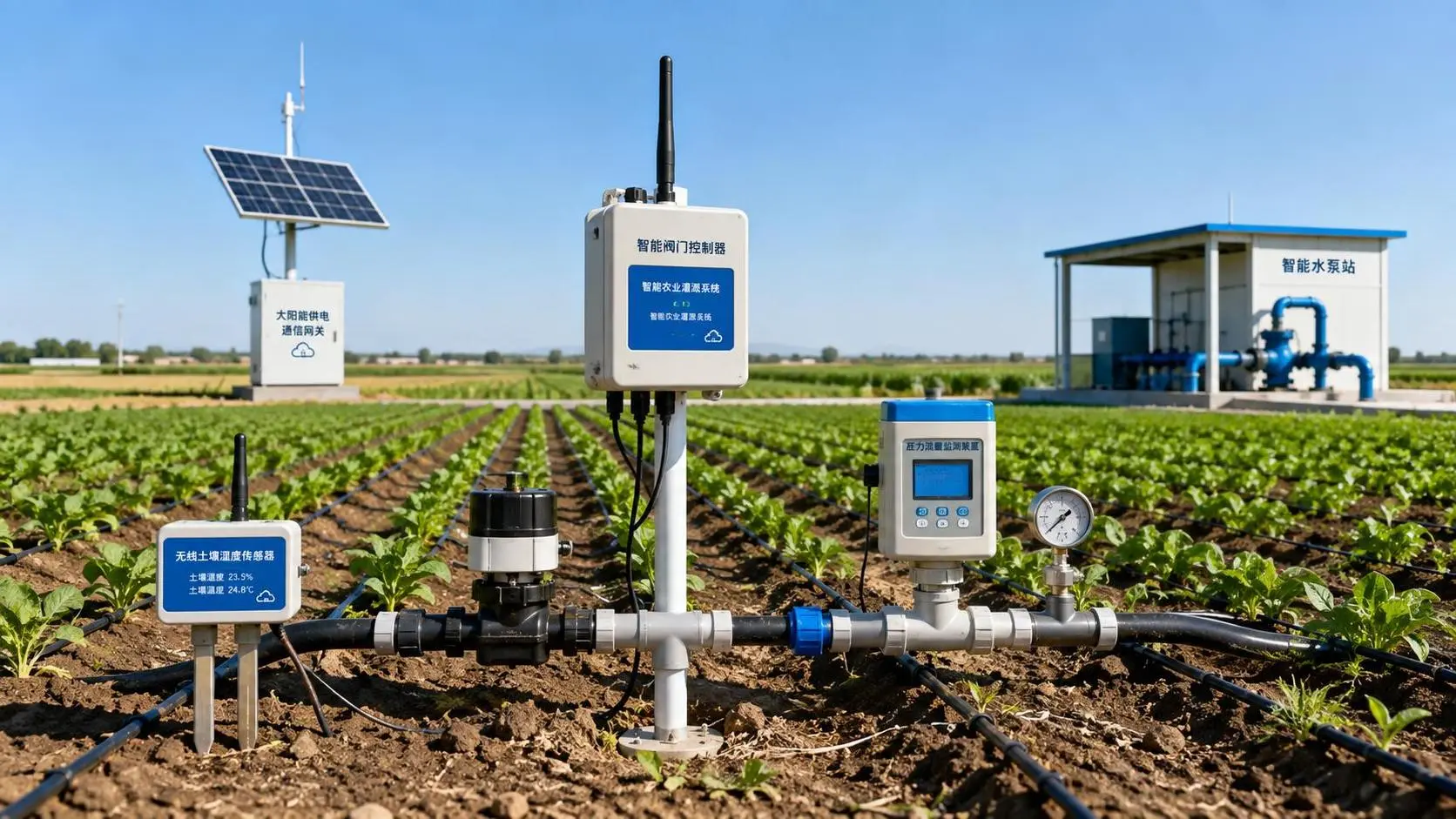
Wireless Agricultural Automation for Remote Irrigation and Field Monitoring
Agricultural automation wireless solutions improve remote irrigation with reliable field data, local control, flow verification, and smarter monitoring. Explore resilient deployment strategies.
Agricultural Product Information Market Guide: Key Data for Sourcing Decisions
Agricultural product information market guide for smarter sourcing—compare machinery, irrigation, precision tools, lifecycle costs, and supplier risk.
Large-Scale Farm Equipment Cost Comparison: Price, Fuel, and Lifecycle Value
Large-scale farm equipment cost comparison: evaluate price, fuel, maintenance, downtime, and lifecycle value to choose tractors, combines, irrigation, and smart tools with confidence.
A Procurement Specification Preparation Example for Buying Farm Equipment
Procurement specification preparation example for farm equipment: learn to define requirements, compare suppliers, control lifecycle costs, and buy with confidence.
What Tractor Horsepower Is Needed for a Three-Bottom Moldboard Plow?
What tractor horsepower is needed for three-bottom moldboard plow? Compare 60–100 hp needs by soil, depth, traction, and plow width for a confident equipment match.
How Does Climate-Smart Farming Reduce Water Use in Semi-Arid Areas?
How does climate-smart farming reduce water use in semi-arid zones? Discover precision irrigation, soil monitoring, and smarter crop planning for resilient yields.
Can Sustainable Farming Be Profitable Without Reducing Yields?
Are sustainable farming practices profitable without yield loss? Discover precision strategies that cut waste, protect yields, and improve farm margins.
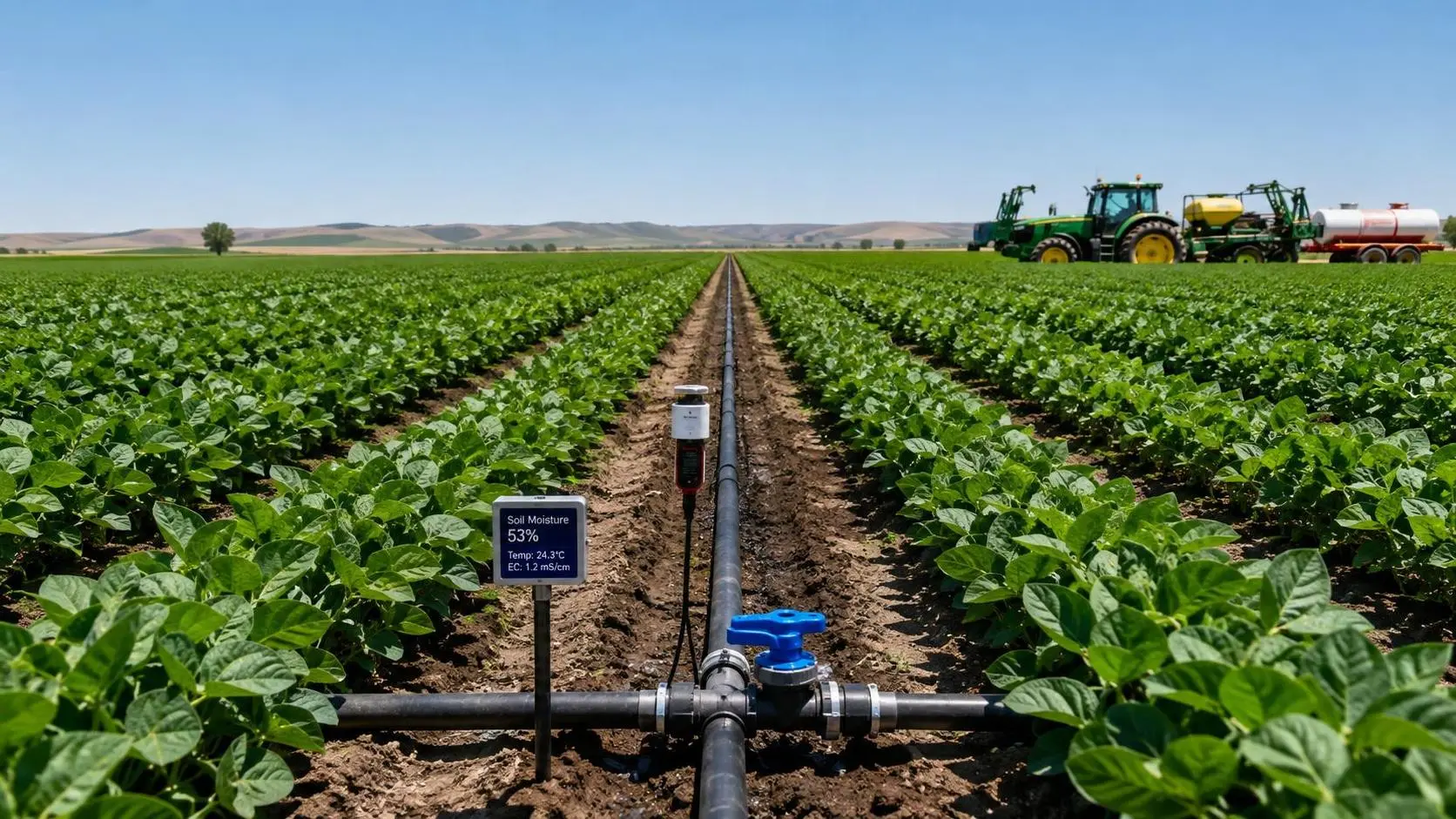
What Are the Risks of Switching to Climate-Smart Farming Mid-Season?
What are the main risks of switching to climate-smart agriculture mid-season? Explore yield, irrigation, equipment, cost, and labor risks with practical steps for safer adoption.
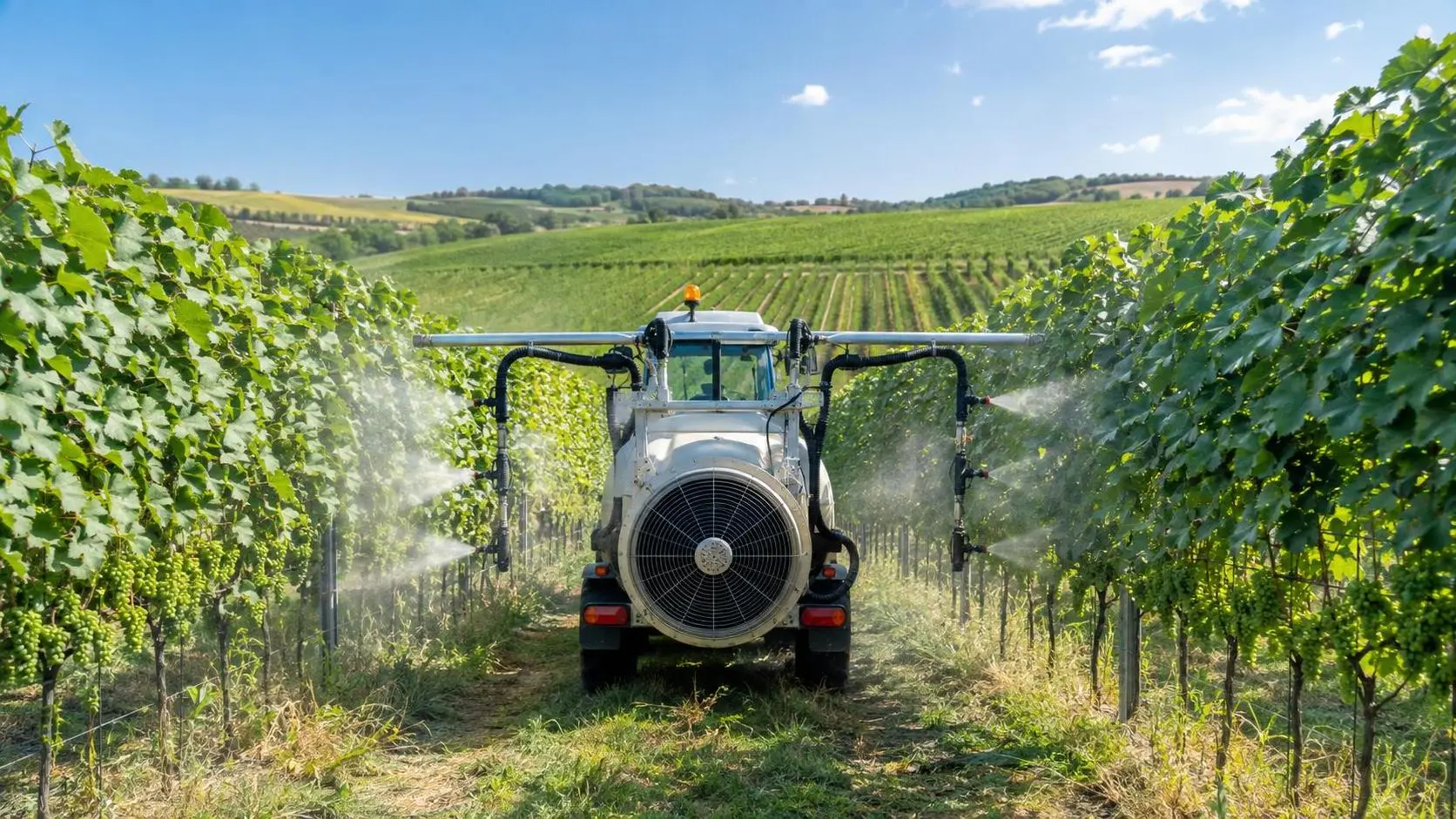
How to Choose Plant Protection Equipment for Vineyard Pests
How to choose the right plant protection equipment for vineyard pests: compare sprayers, nozzles, precision tools, drift control, and canopy coverage for smarter vineyard protection.
Related News
- 00
0000-00
How to Evaluate Crop Monitoring System Manufacturers for Large-Scale Farms - 00
0000-00
Agricultural Product Information Market Guide: Key Data for Sourcing Decisions - 00
0000-00
Large-Scale Farm Equipment Cost Comparison: Price, Fuel, and Lifecycle Value - 00
0000-00
A Procurement Specification Preparation Example for Buying Farm Equipment - 00
0000-00
Can Sustainable Farming Be Profitable Without Reducing Yields?
Popular Tags
Ms. Elena Rodriguez
Weekly Insights
Stay ahead with our curated technology reports delivered every Monday.