
Wireless Agricultural Automation for Remote Irrigation and Field Monitoring
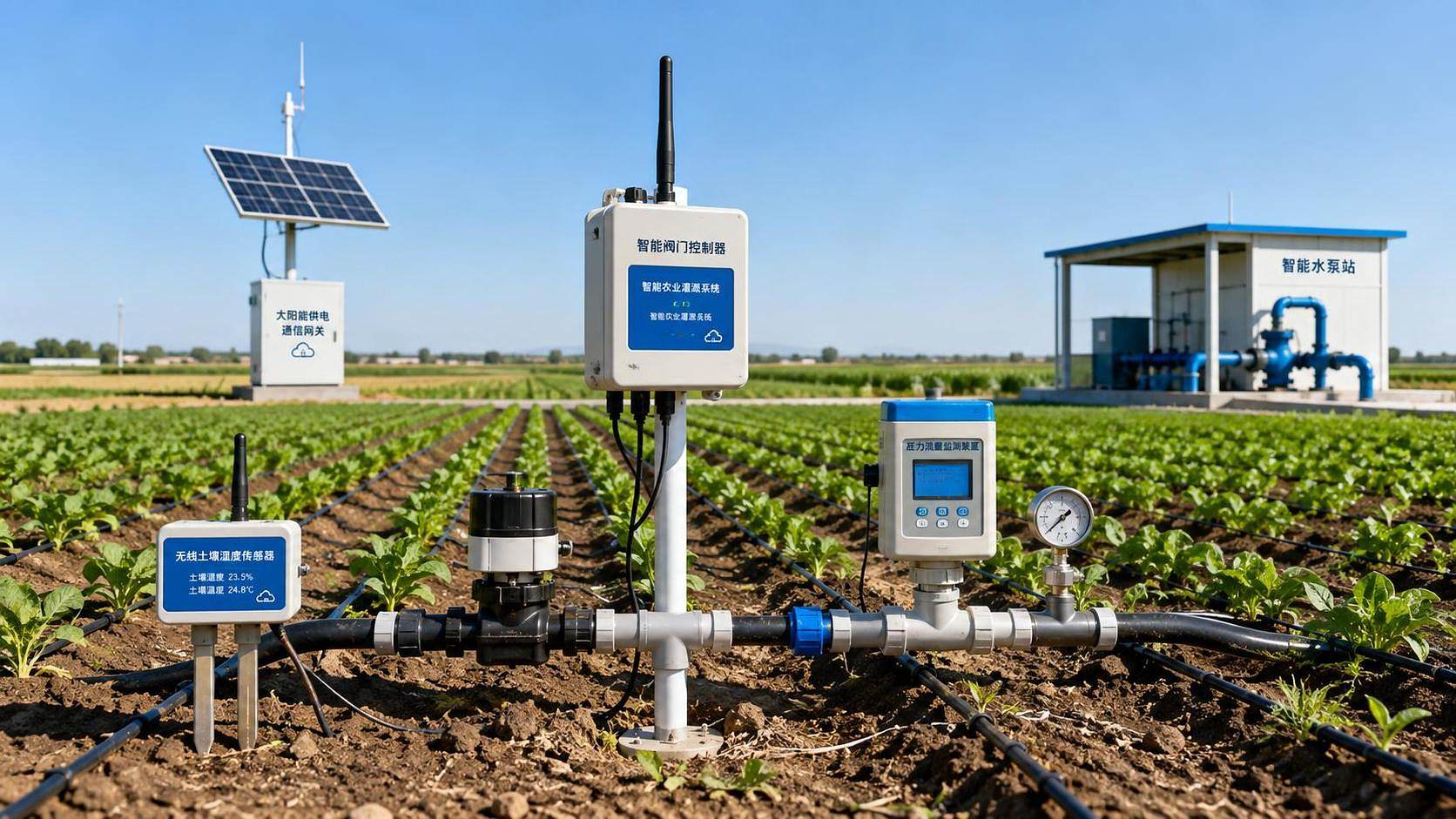




Wireless agricultural automation succeeds when it is designed as an operating system for water, equipment, and field decisions—not as a collection of sensors connected to an app. For remote irrigation and field monitoring, the critical question is whether the system can convert reliable field data into safe, timely control actions under real constraints: uneven radio coverage, variable water pressure, power limitations, changing crop conditions, and intermittent connectivity.
A well-designed deployment can reduce the need for routine manual inspection, shorten response time to irrigation faults, and make water applications more consistent with measured field conditions. A poorly designed one can create a new layer of operational risk: sensors reporting from the wrong location, controllers losing communication, pumps cycling unnecessarily, or operators receiving alarms without enough context to act. The difference is usually determined before hardware is purchased—during field zoning, communications planning, control design, and commissioning.
Start with the operating decision, not the device list
Remote irrigation projects often begin with a request for soil-moisture probes, weather stations, valve controllers, cameras, or dashboard software. Those components matter, but they are not the starting point. The starting point is the decision that each part of the system is expected to support.
For irrigation, common decisions include whether a block should be irrigated, how long a valve should remain open, whether a pump station can supply the required flow, whether a filter needs attention, and whether an irrigation event actually occurred. For field monitoring, the useful decisions may concern frost response, rainfall verification, disease-risk conditions, tank levels, livestock water availability, or equipment status.
Each decision has a different tolerance for delay and failure. A daily soil-water review can often tolerate periodic data transmission. A pump dry-run alarm, a pressure-loss event, or a freeze-protection command may require faster reporting and a local action that does not depend on a cloud connection. Treating all signals as equivalent leads to unnecessary cost in some areas and unacceptable operational exposure in others.
A practical design separates the system into three layers:
- Field sensing: measurements such as soil moisture, soil temperature, pressure, flow, water level, rainfall, wind, electrical conductivity, and valve position.
- Local control: pump interlocks, valve actuation, pressure protection, filtration logic, and safety shutdowns that must continue even when wide-area communications fail.
- Supervisory management: remote dashboards, schedules, alerts, historical records, analytics, and user permissions.
This distinction is central to resilient agricultural automation wireless architecture. A remote platform should supervise and optimize the field system; it should not be the only mechanism preventing a pump from running without water or a line from operating beyond safe pressure.
Field zoning determines whether automation reflects crop reality
A radio network can be technically excellent and still produce poor irrigation decisions if the farm is divided into inappropriate management zones. Automation should follow hydraulic and agronomic variation rather than administrative field boundaries alone.
An irrigation zone is rarely uniform simply because it is served by one valve. Soil texture may change across a block. Elevation can affect pressure and drainage. Crop variety, planting date, rooting depth, canopy development, and irrigation hardware condition can alter water demand and infiltration. A single sensor placed near an access road or a convenient power source may describe only a small and unrepresentative part of the zone.
The project design should identify where measurements will genuinely change an operational decision. In many cases, this means combining several sources rather than relying on one probe:
- soil-moisture measurements at depths aligned with the active root zone;
- flow and pressure readings to confirm that water was delivered as intended;
- local rainfall and weather data to interpret water demand and irrigation timing;
- valve or pump status signals to distinguish a scheduled event from an executed event;
- manual agronomic observations used to validate that sensor interpretation remains appropriate through the season.
Flow and pressure sensing deserve particular emphasis. Soil data may indicate that irrigation is needed, but it does not prove that an irrigation command delivered the planned volume. A valve may fail to open, a filter may become restricted, a pipe may leak, or a pump may operate outside its expected duty point. The combination of command status, flow confirmation, and pressure behavior gives the operator a more reliable picture of what happened in the field.
Choose connectivity by terrain, power, and control criticality
There is no universal wireless technology for agricultural automation. The correct option depends on the farm’s physical layout, available infrastructure, sensor density, data volume, expected response time, and ability to maintain network equipment.
Low-power wide-area technologies are often suitable for battery-operated sensors that transmit small packets over long distances. Cellular connectivity can simplify deployment where coverage is dependable and recurring service costs are acceptable. Private radio or mesh-based networks can be appropriate where local control, site ownership, or coverage constraints justify the additional network responsibility. Satellite connectivity can support isolated locations, but latency, power consumption, message limits, and operating cost need to match the use case rather than merely solve a coverage gap.
Radio range claims should never be treated as field performance commitments. Tree lines, crop canopy, irrigation infrastructure, terrain folds, metal buildings, pump houses, and seasonal vegetation can change signal propagation. A network survey should test likely installation heights and actual equipment locations, not only open-ground line-of-sight conditions. Seasonal crop growth is especially relevant: a link that works during installation may degrade when the canopy develops.
Communications design also needs a defined failure mode. If a gateway loses its backhaul connection, local controllers should retain approved schedules and protection logic. If a sensor stops reporting, the platform should flag data quality rather than silently using an outdated value. If a command cannot be confirmed, the system should show it as unverified instead of presenting a successful status based only on message transmission.
Remote control must respect hydraulic and electrical realities
Irrigation automation is not simply an information-technology deployment. It operates valves, pumps, filters, fertigation equipment, and electrical assets whose behavior is constrained by hydraulic capacity and safety requirements.
Before enabling unattended operation, the control logic should account for minimum and maximum pressure, pump start and stop sequences, flow limits, filter backwash cycles, water-source availability, valve opening order, and the effect of simultaneous demand across zones. Opening too many zones at once can lower pressure below the design requirement. Starting a pump against a closed discharge condition can create a different risk. Repeated short cycles may increase wear on motors, contactors, drives, and mechanical components.
Control systems should use interlocks rather than assume that a command alone guarantees safe operation. Examples include preventing pump start when a low-level source alarm is active, stopping operation when line pressure exceeds a set safety threshold, or blocking incompatible valve combinations. The exact interlocks depend on the irrigation design and equipment arrangement, but the governing principle is consistent: protection should remain local, explicit, and testable.
Manual override is equally important. Field personnel must be able to isolate a valve, place a pump under local control, or suspend an automatic program during maintenance. Remote systems that obscure manual actions create confusion during fault diagnosis. The control platform should indicate when an asset is in automatic, manual, disabled, fault, or communication-loss state, with clear priority rules between local and remote commands.
Build data quality into the installation phase
Sensor procurement often receives more attention than sensor installation, yet installation determines whether a measurement can be trusted. A soil probe installed in disturbed backfill, an incorrectly placed rain gauge, a pressure transducer without appropriate protection, or a flow meter installed in unsuitable pipe conditions can produce data that appears plausible while misleading irrigation decisions.
Each measurement point needs a documented purpose, location, installation method, calibration or verification procedure, expected operating range, reporting interval, and maintenance responsibility. This does not require an excessively complex documentation system. It does require enough traceability that a later operator can understand what a reading represents and whether it is suitable for control use.
For soil sensing, depth selection should reflect crop rooting behavior and the decision being supported. A shallow measurement can indicate surface drying without showing whether deeper root-zone water remains adequate. A deep measurement may reveal drainage or water movement below the intended root zone but may not be responsive enough for short-term scheduling. The interpretation should be based on site-specific baselines and observed response to irrigation events, not a universal moisture threshold copied from another soil type.
Data validation rules can prevent weak inputs from triggering strong actions. Useful checks include impossible-value detection, rate-of-change limits, comparison with nearby measurements where appropriate, low-battery status, and stale-data alarms. A missing signal should be treated differently from a measured zero. That distinction is basic, but it is frequently lost when field devices, gateways, and dashboards are integrated from different suppliers.
Commission the system as an operational process
Commissioning should prove more than connectivity. It should demonstrate that every critical operational path works from field input to action confirmation and alarm response. Testing only whether a dashboard displays sensor data leaves the most consequential failure modes unexamined.
A useful acceptance process tests normal operation, degraded operation, and restoration. Normal-operation tests confirm sensor reporting, valve sequencing, pump control, flow verification, alarm delivery, and historical data recording. Degraded-operation tests simulate common faults: a disconnected sensor, failed gateway, lost cellular backhaul, power interruption, abnormal pressure, missing flow, and a controller placed in local manual mode. Restoration tests confirm that the system returns to a known state after power or communications recover, without unexpectedly restarting equipment.
Alarm design requires discipline. An alert that merely states “irrigation fault” forces unnecessary investigation. An actionable alert should identify the affected asset, the observed condition, the expected condition, the time of occurrence, the current control state, and whether automatic protective action has been taken. Alarm escalation should match consequence. A low sensor battery can enter a maintenance queue; a pressure event that threatens infrastructure requires a different response path.
Seasonal operating procedures should also be established before handover. They may cover sensor inspection, battery replacement, enclosure checks, firmware management, winterization or shutdown routines, irrigation-season schedule review, and validation after major hydraulic changes. Wireless equipment does not eliminate field work; it changes field work from routine travel toward targeted inspection and maintenance.
Integration risk is often greater than hardware risk
Large farms and irrigation districts may already operate pump controls, weather services, telemetry units, variable-rate equipment, farm management software, or utility meters. A new automation layer should be assessed for integration boundaries early. The question is not simply whether systems can exchange data, but whether the exchanged data has defined ownership, timing, quality, and control authority.
Open interfaces can reduce dependence on a single supplier, but only when the project specifies what must remain accessible: raw sensor readings, alarm history, device configuration, control logs, user records, and exportable operational data. Proprietary platforms are not automatically unsuitable; the risk arises when the operator cannot retrieve essential information or maintain the system if a service arrangement changes.
Cybersecurity should be treated as an operational requirement because connected irrigation systems can affect physical assets. Basic controls include unique device credentials, role-based user access, encrypted communications where supported, secure remote access, firmware update procedures, network segmentation, audit logs, and prompt removal of inactive accounts. Default passwords, shared administrator accounts, and unmanaged remote access tools create avoidable exposure. Cybersecurity measures should be proportionate to the system, but they should not be deferred until after remote control is active.
Measure value through avoided uncertainty, not only labor reduction
The most visible benefit of wireless monitoring is fewer routine trips to remote blocks. That can be meaningful, especially where fields are dispersed. Yet project value should not be assessed only by labor hours removed from inspection. The more substantial effect may be better control over uncertainty: knowing whether water reached the intended zone, detecting deviations earlier, recording actual operating conditions, and making scheduling decisions with evidence rather than assumption.
Evaluation should therefore link technical performance to operating outcomes. Relevant measures may include communication availability, completeness of sensor records, percentage of irrigation events with confirmed flow, time from abnormal condition to acknowledgment, frequency of unplanned manual intervention, pump runtime patterns, pressure stability, and the number of unresolved device faults. Water-use outcomes should be interpreted alongside crop stage, rainfall, source constraints, and field uniformity rather than attributed automatically to the automation system.
A phased rollout is often more defensible than immediate farm-wide replication. Begin with blocks that expose the project’s real constraints: long communication paths, variable terrain, critical water supply, demanding hydraulic conditions, or high travel burden. The objective is not to create a showcase installation. It is to establish whether the sensing, communications, controls, maintenance routines, and operator workflows remain reliable under normal farm conditions.
Wireless agricultural automation becomes durable when it makes the physical irrigation system easier to understand and safer to operate. The strongest deployments preserve local control, verify water delivery rather than assuming it, treat communications failure as a design condition, and maintain clear accountability for every sensor, alarm, and control action. That is the foundation for remote irrigation and field monitoring that can scale without losing operational control.
Related News
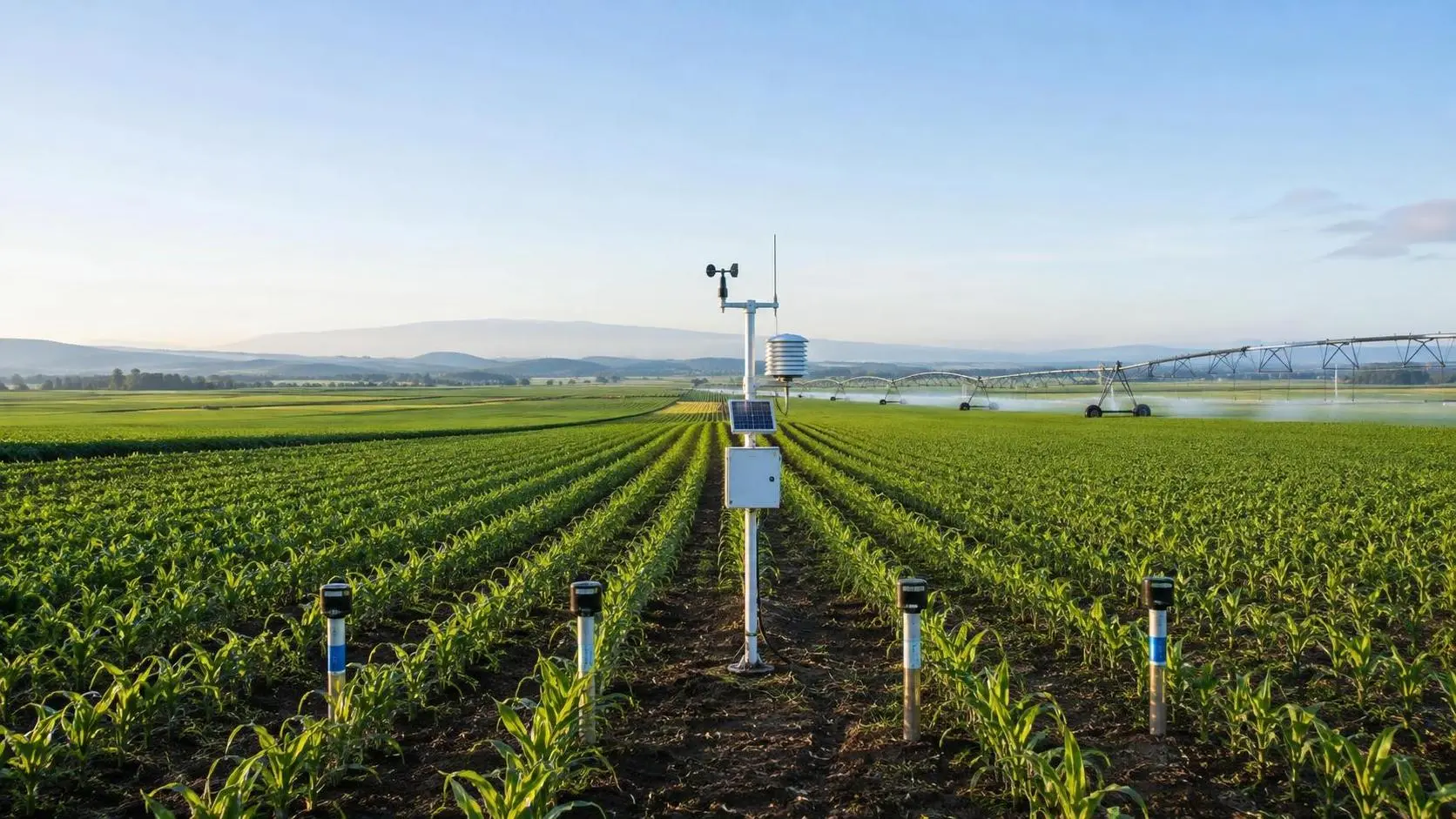
How to Evaluate Crop Monitoring System Manufacturers for Large-Scale Farms
Compare crop monitoring systems manufacturers for large-scale farms. Evaluate data quality, integration, durability, lifecycle costs, support, and pilots for smarter decisions.
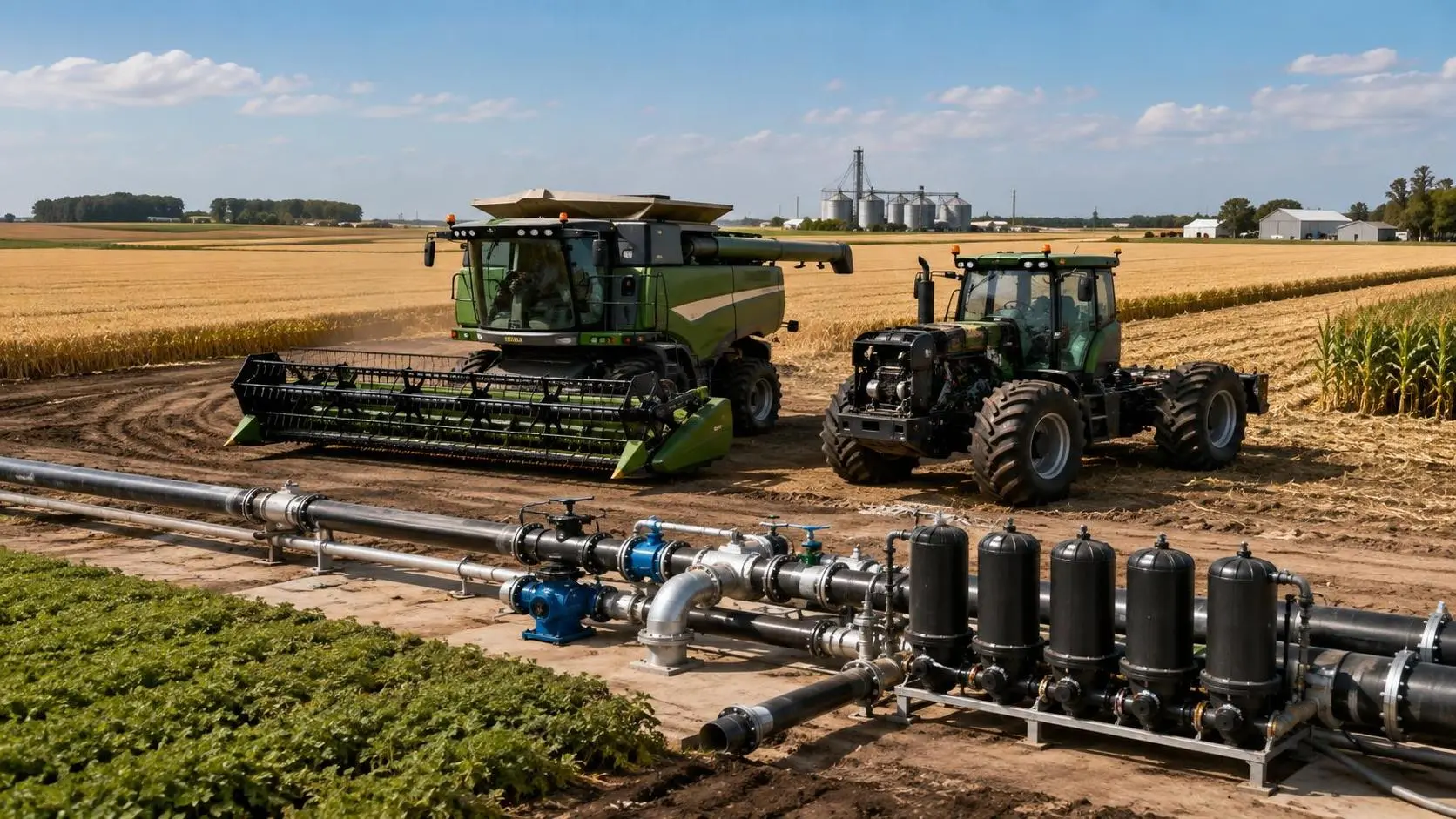
Agricultural Product Information Market Guide: Key Data for Sourcing Decisions
Agricultural product information market guide for smarter sourcing—compare machinery, irrigation, precision tools, lifecycle costs, and supplier risk.
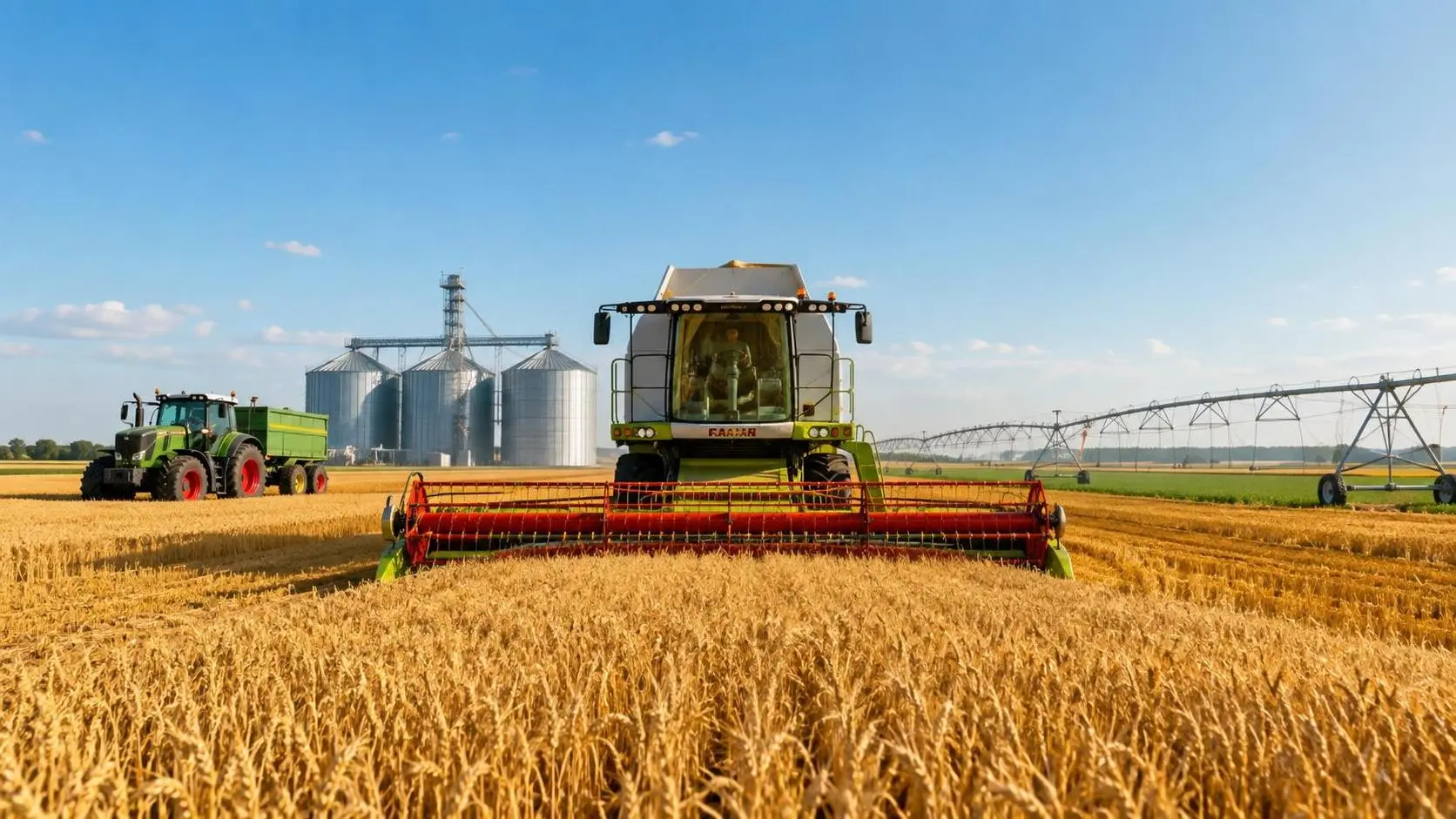
Large-Scale Farm Equipment Cost Comparison: Price, Fuel, and Lifecycle Value
Large-scale farm equipment cost comparison: evaluate price, fuel, maintenance, downtime, and lifecycle value to choose tractors, combines, irrigation, and smart tools with confidence.
A Procurement Specification Preparation Example for Buying Farm Equipment
Procurement specification preparation example for farm equipment: learn to define requirements, compare suppliers, control lifecycle costs, and buy with confidence.
What Tractor Horsepower Is Needed for a Three-Bottom Moldboard Plow?
What tractor horsepower is needed for three-bottom moldboard plow? Compare 60–100 hp needs by soil, depth, traction, and plow width for a confident equipment match.
How Does Climate-Smart Farming Reduce Water Use in Semi-Arid Areas?
How does climate-smart farming reduce water use in semi-arid zones? Discover precision irrigation, soil monitoring, and smarter crop planning for resilient yields.
Can Sustainable Farming Be Profitable Without Reducing Yields?
Are sustainable farming practices profitable without yield loss? Discover precision strategies that cut waste, protect yields, and improve farm margins.
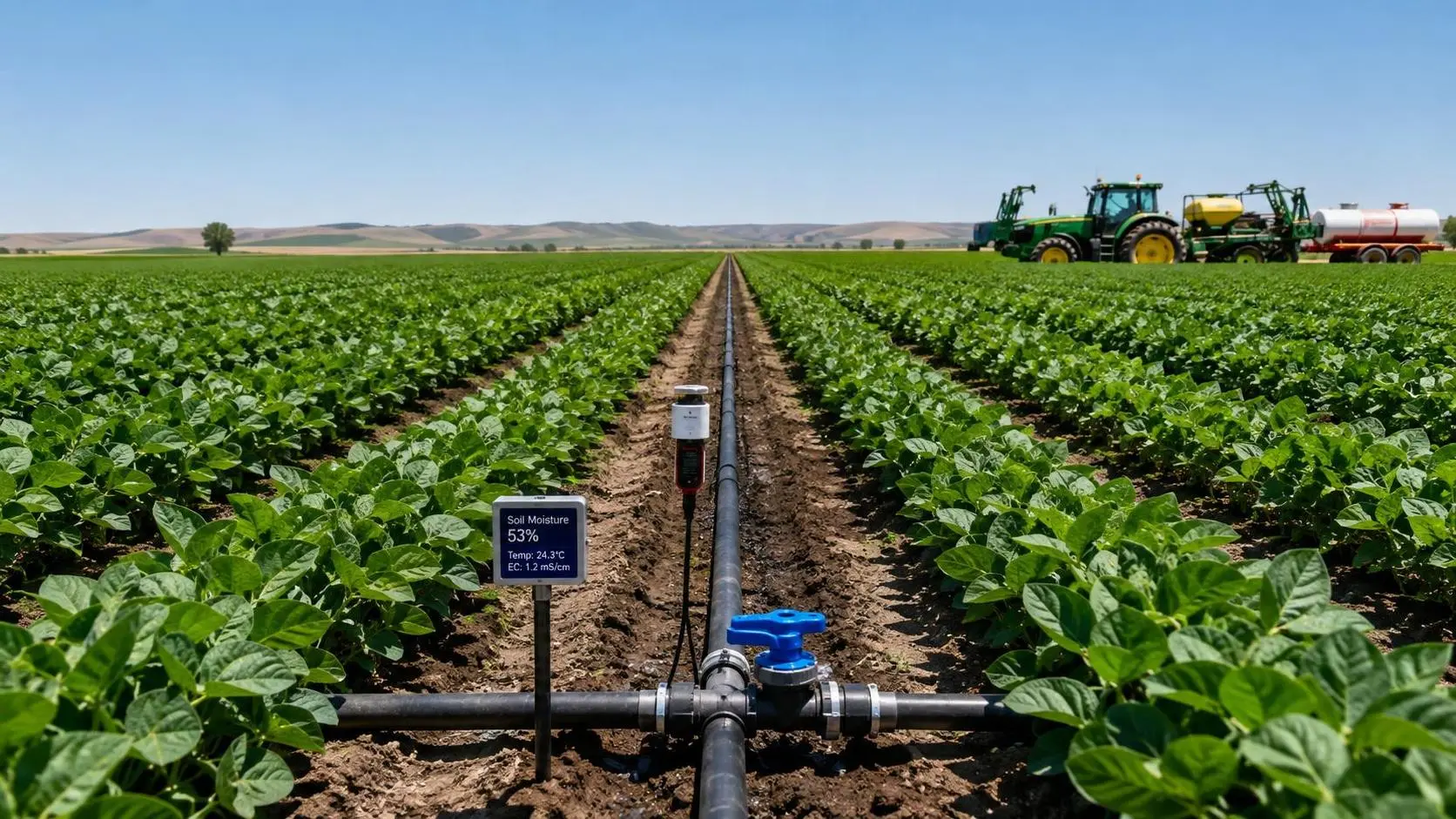
What Are the Risks of Switching to Climate-Smart Farming Mid-Season?
What are the main risks of switching to climate-smart agriculture mid-season? Explore yield, irrigation, equipment, cost, and labor risks with practical steps for safer adoption.
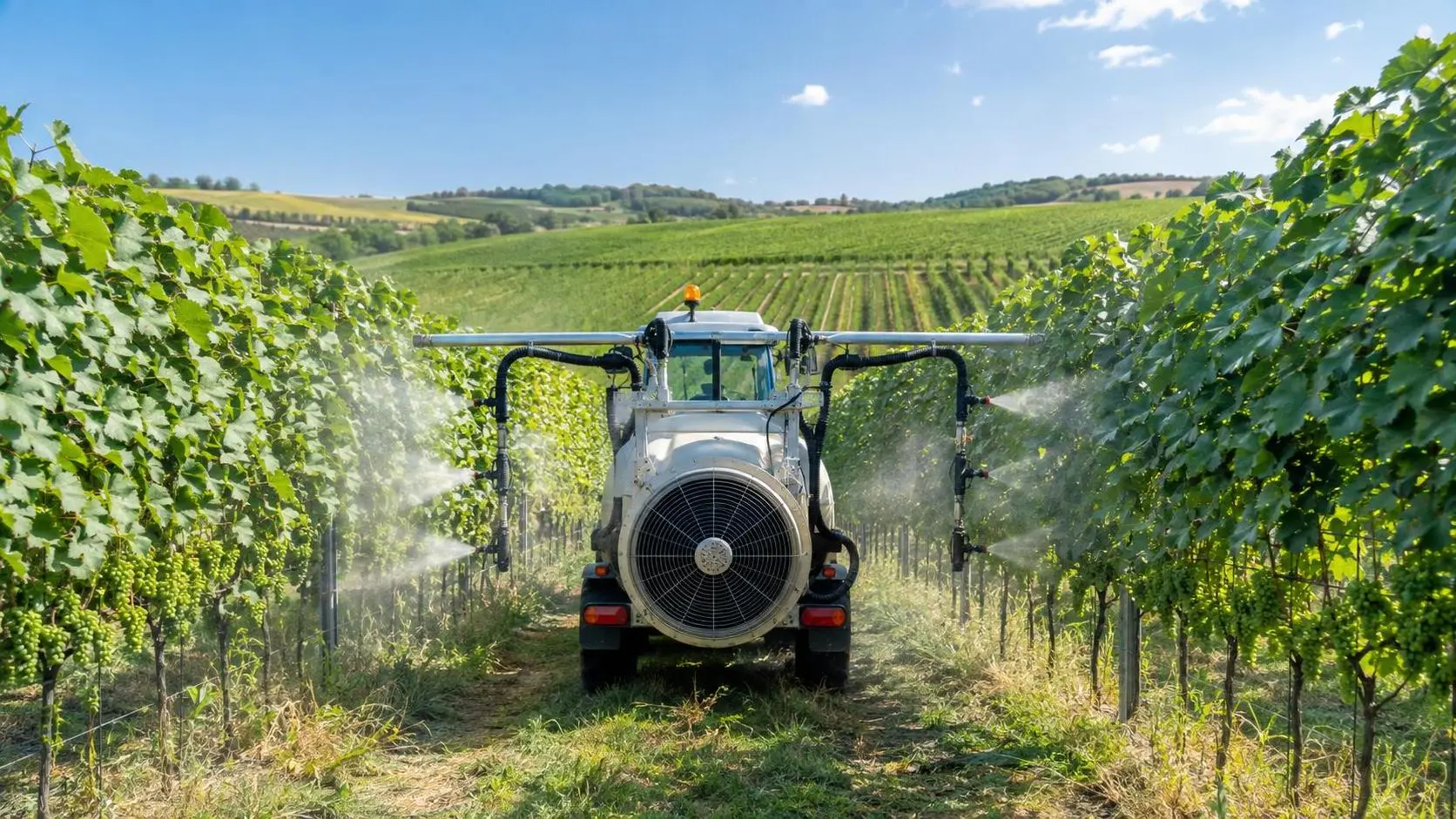
How to Choose Plant Protection Equipment for Vineyard Pests
How to choose the right plant protection equipment for vineyard pests: compare sprayers, nozzles, precision tools, drift control, and canopy coverage for smarter vineyard protection.
Related News
- 00
0000-00
Wireless Agricultural Automation for Remote Irrigation and Field Monitoring - 00
0000-00
Designing Water-Saving Drip Irrigation Systems for High-Value Orchards - 00
0000-00
How to Choose Irrigation Solutions for Arid Regions Based on Water Source and Crop Needs - 00
0000-00
How IoT Smart Irrigation Networks Help Farms Cut Water Use and Improve Yield - 00
0000-00
USDA Rule Takes Effect for Drip Irrigation Imports
Popular Tags
Hydrological Resource Strategist
Weekly Insights
Stay ahead with our curated technology reports delivered every Monday.