
Designing Water-Saving Drip Irrigation Systems for High-Value Orchards
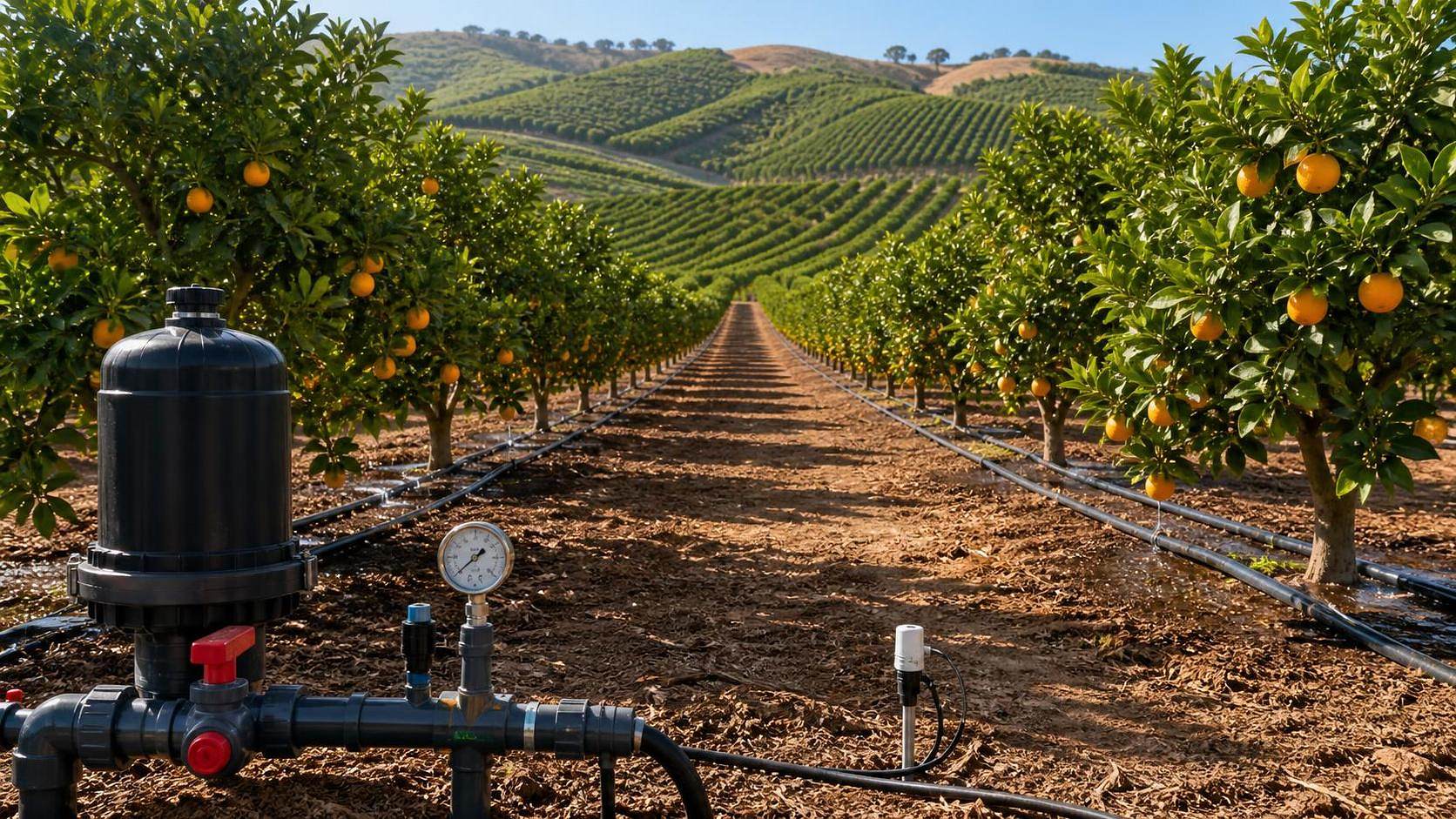




Designing Water-Saving Drip Irrigation Systems for High-Value Orchards
Designing water saving irrigation for orchards requires more than selecting a dripline and calculating pump capacity. In a high-value orchard, irrigation affects fruit size, pack-out consistency, tree health, fertilizer efficiency, labor planning, and the useful life of the water source itself. A system that appears economical at installation can become expensive if pressure variation, sediment loading, uneven blocks, or poor automation force operators to compensate with excessive run times.
For project managers, the central question is not simply how to apply less water. It is how to place the right amount of water in the active root zone, at the right time, across land that rarely behaves as uniformly as the original site plan suggests. Mature citrus, apple, almond, olive, avocado, grape, and stone-fruit orchards all have different canopy structures and rooting patterns. Even within one orchard, soil texture, slope, row length, wind exposure, and tree age can change the practical irrigation requirement.
That is why a strong drip design starts with field diagnosis rather than a catalogue of components. The most reliable projects connect agronomy, hydraulics, filtration, control logic, and maintenance access before equipment is ordered.
Start with the orchard, not the pipe layout
An orchard irrigation drawing often begins with row spacing and block boundaries. Those are necessary inputs, but they do not reveal where the water needs to go. The first working layer should combine soil maps, elevation, tree age, planting density, root-zone observations, water-source quality, and the farm’s operating calendar. If any of these inputs are unknown, they should be treated as a design risk rather than filled with a convenient assumption.
For example, a young orchard may need a small wetted area close to the trunk, while a mature orchard generally benefits from a broader wetting pattern that supports a larger active root zone. In coarse soil, water can move downward quickly and may require shorter, more frequent irrigation events. In heavier soil, long events can create waterlogging near emitters or push water beyond the active roots. The same emitter spacing will not automatically work across both conditions.
This is where many water-saving claims become misleading. Reducing total irrigation hours without checking soil moisture distribution may save pumping energy while causing water stress in part of the block. Conversely, increasing frequency is not inherently efficient if each pulse is too short to reach the effective root zone. The practical target is controlled, repeatable wetting—not merely lower meter readings.
Define irrigation zones around hydraulic and agronomic reality
A zone should be more than a convenient section of pipe. It should represent an area where trees can receive a similar irrigation prescription under similar pressure conditions. Large uniform-looking blocks often hide meaningful differences: a rise in elevation at one end, sandy lenses in the middle rows, older trees near the windbreak, or a lower area with slower drainage.
Splitting every variation into a separate zone is not always sensible. More valves, control wiring, and manifold complexity increase capital cost and maintenance exposure. The project team has to decide which variation is material enough to manage. A minor soil change may be handled through monitoring and seasonal adjustment; a substantial elevation difference or an obviously different tree age class may justify a separate zone.
Pressure-compensating emitters are often worth considering where row lengths are significant or terrain is uneven. They can help keep discharge more consistent within their specified operating range. They are not a substitute for proper hydraulic design. If pressure at the remote end falls outside the emitter’s effective range, or if the inlet pressure is excessive, compensation cannot rescue the system. Mainline sizing, submain routing, pressure regulation, and valve placement still determine whether the design behaves as expected.
Treat water quality and filtration as core infrastructure
Drip irrigation is precise partly because emitter passages are small. That also makes filtration one of the least negotiable parts of the project. Source water should be assessed for suspended solids, organic matter, algae risk, and, where relevant, dissolved minerals that may contribute to precipitation or clogging. A pond, canal, borehole, recycled-water source, and mixed supply may require very different filtration and treatment approaches.
A common project mistake is selecting filters only by peak flow rate. Filtration must also be evaluated by contaminant type, cleaning method, allowable pressure loss, operating pressure, labor availability, and the consequences of a cleaning cycle during irrigation. Screen, disc, media, and multi-stage arrangements each have a place. The correct choice depends on the water, not on which system is most familiar to the installer.
Designers should provide pressure gauges or sensors before and after filters, with a clear threshold for cleaning or backflushing. Without differential-pressure observation, crews may discover a filtration problem only after poor uniformity appears in the orchard. At that point, flushing laterals may remove symptoms but not the cause.
Flush points also need to be accessible. A line-end valve that is technically present but difficult to reach during a busy irrigation season is unlikely to be used consistently. In commercial orchards, maintenance design is operational design.
Match emitter placement to root development and field work
The number of drip lines per row, emitter spacing, and emitter flow should be selected as a package. A single line may be appropriate for some young orchards or narrow root-zone conditions. Wider mature canopies, sandy soils, or blocks requiring a larger wetted volume may justify two lines or another arrangement. The decision should be based on wetting-front observation and crop management goals, not on the assumption that more lines always mean better irrigation.
Placement has to survive real orchard operations. Lines laid too close to trunks may not support expanding roots. Lines placed where pruning crews, mowers, harvest aids, or mechanical weed-control equipment repeatedly contact them will generate repair work. In areas with rodent pressure, sun exposure, or seasonal machinery traffic, the installation method and protection strategy deserve specific review.
For new plantings, it is tempting to build only for the first two years because the immediate water requirement is modest. That can create an awkward retrofit later, when trees need a larger wetted pattern and the orchard is already productive. A phased design is usually stronger: install infrastructure sized for the anticipated mature block where justified, while operating early years with a manageable irrigation schedule and expansion plan.
Build scheduling around plant response, weather, and verification
Automation changes irrigation from a manual routine into a controlled process, but only if the schedule is based on useful signals. Weather data and evapotranspiration estimates can guide seasonal demand, while soil-moisture monitoring helps confirm whether water is reaching the intended depth. Flow meters reveal whether the system is delivering the volume expected. Pressure readings show whether the hydraulic condition remains stable.
No single sensor should be treated as the entire truth. A soil sensor placed near one emitter can show local conditions but may not represent a variable block. A weather-based model can estimate demand but cannot see a blocked filter or a broken lateral. Field inspections remain necessary, especially after startup, fertilizer injection, maintenance work, power interruptions, or major weather events.
For water saving irrigation for orchards, the most useful control strategy often combines a seasonal baseline schedule with defined adjustment rules. The system may shorten or lengthen events according to monitored soil conditions, forecast heat, crop stage, or verified flow anomalies. The rules should be understandable by the farm team. An advanced controller with opaque settings can become a liability when the person who programmed it is unavailable during a critical irrigation window.
Fertigation needs hydraulic discipline
Drip systems can distribute nutrients close to active roots, but fertigation adds another layer of operational risk. Injection equipment, backflow protection, chemical compatibility, mixing procedures, and line flushing all need to be addressed at the design stage. Local requirements for backflow prevention, chemical storage, and water-source protection should be checked rather than assumed.
The irrigation cycle should provide enough time before injection to stabilize pressure and enough clean-water time afterward to move nutrients out of the distribution network. Injecting immediately before shutdown may leave fertilizer solution in laterals, increasing the risk of deposits or uneven delivery. Some fertilizers can also react with source-water chemistry or other products in the tank. Compatibility should be confirmed against actual water analysis and supplier guidance.
From a project-management perspective, fertigation is not just an add-on pump. It affects filtration selection, control sequencing, staff training, safety procedures, and the maintenance plan.
Commissioning is where the design meets the field
A drip project should not be considered complete when the pipe is buried and the controller powers on. Commissioning should confirm operating pressure at representative points, filter performance, valve response, flow readings by zone, and the ability to flush mains and laterals. The team should inspect for leaks, air issues, poor drainage around valves, and lines damaged during installation.
It is also worth documenting baseline readings. When a future flow increase indicates a leak, or pressure decline suggests clogging, a baseline gives operators something meaningful to compare against. This is particularly valuable for large estates where several crews rotate through irrigation responsibilities.
The handover package should include an as-built layout, zone flow expectations, valve and filter maintenance instructions, controller logic, flushing procedures, spare-parts recommendations, and a clear escalation route for faults. These documents are often treated as paperwork. In reality, they are part of the system’s usable life.
Avoid designs that optimize only the installation budget
The lowest initial-cost design may use undersized pipes, minimal instrumentation, difficult-to-service filters, or zones that are too large to manage accurately. Those decisions can move cost into labor, crop variability, pumping energy, repairs, and water loss. The more appropriate comparison is lifecycle cost: installation, operating pressure, energy demand, cleaning time, spare parts, supervision, and expected adaptation as trees mature.
This systems view is increasingly relevant across Agriculture 4.0 planning. AP-Strategy’s work on intelligent irrigation, precision farming feedback, and broader agri-equipment intelligence reflects a practical reality in the field: machinery, water systems, data, and farm operations cannot be managed as isolated investments. A controller is useful only when its recommendations can be applied through a sound hydraulic network. A high-performing emitter is useful only when water quality and pressure are controlled.
Before approving a final design, project leaders should ask a few direct questions: Can the system maintain intended pressure at the farthest and highest points? Can operators identify clogging, leakage, or valve failure quickly? Does the layout accommodate mature tree demand and normal machinery movement? Can the team service it during peak season without turning maintenance into a major operation?
A well-designed orchard drip system does not promise effortless water savings. It provides the control needed to make better decisions as weather, crop load, water availability, and orchard conditions change. That is the difference between installing drip irrigation and building a water-management asset that remains dependable after the first season.
Related News
How Large-Scale Farm Telematics Cuts Downtime Across Mixed Fleets
Large-scale farm equipment telematics cuts mixed-fleet downtime with real-time alerts, smarter maintenance, and stronger operational control. Learn how to protect critical farm workflows.
How to Size Low-Pressure Water-Saving Irrigation Systems for Uneven Fields
Low pressure water-saving irrigation systems for uneven fields: learn zoning, pressure mapping, pipe sizing, and pump selection to improve uniformity and reduce water waste.
Farm Machinery Sourcing: How to Vet Suppliers, Specs, and Lifecycle Costs
Farm machinery information for sourcing: learn to vet suppliers, compare specifications, control lifecycle costs, and secure reliable uptime for smarter equipment purchases.
Which costs matter most when calculating precision agriculture ROI?
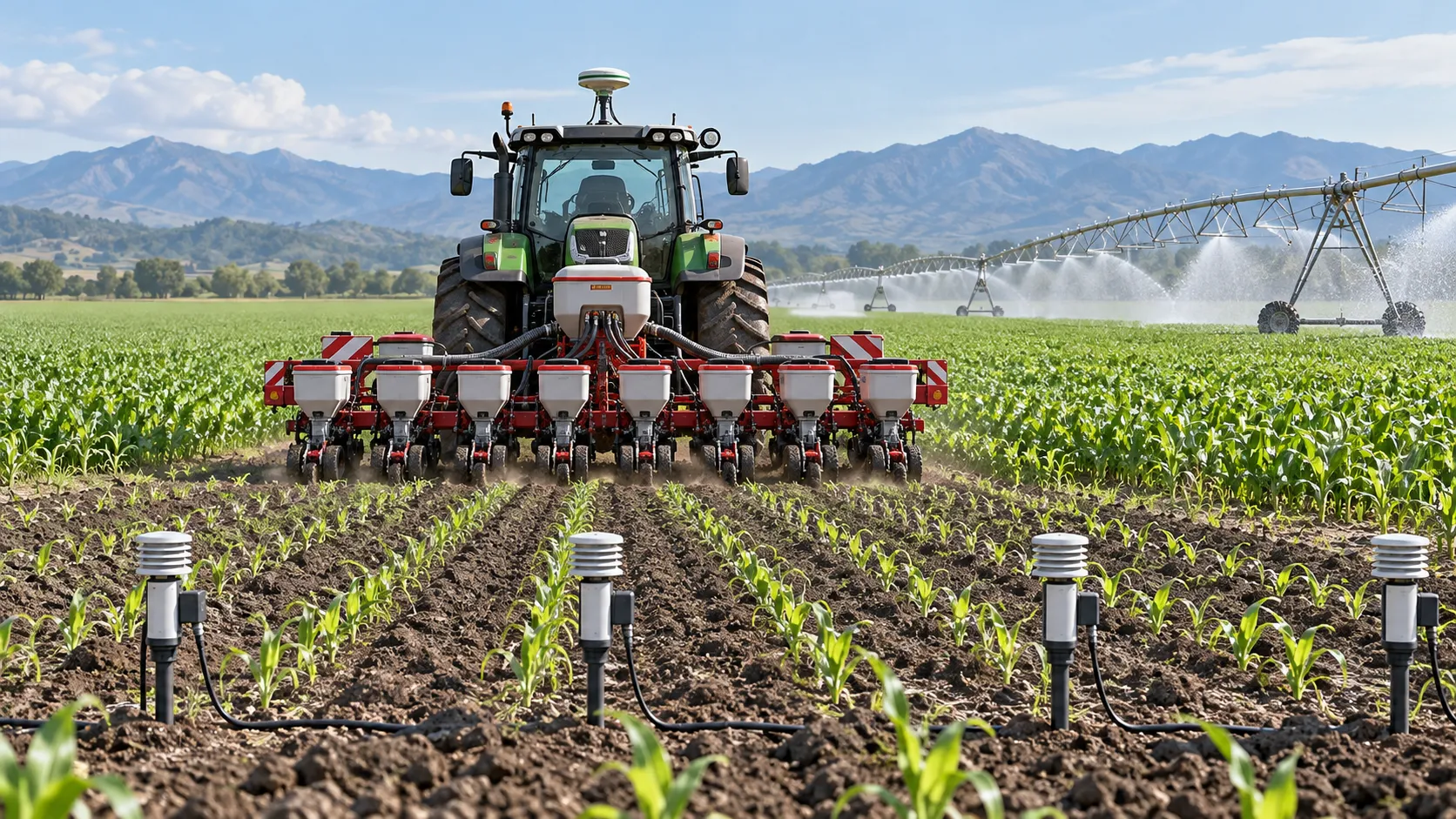
Calculating ROI on precision agriculture equipment? Discover the costs that shape returns, from installation and subscriptions to downtime, labor, and data integration.
How to calculate ROI on precision agriculture equipment before buying
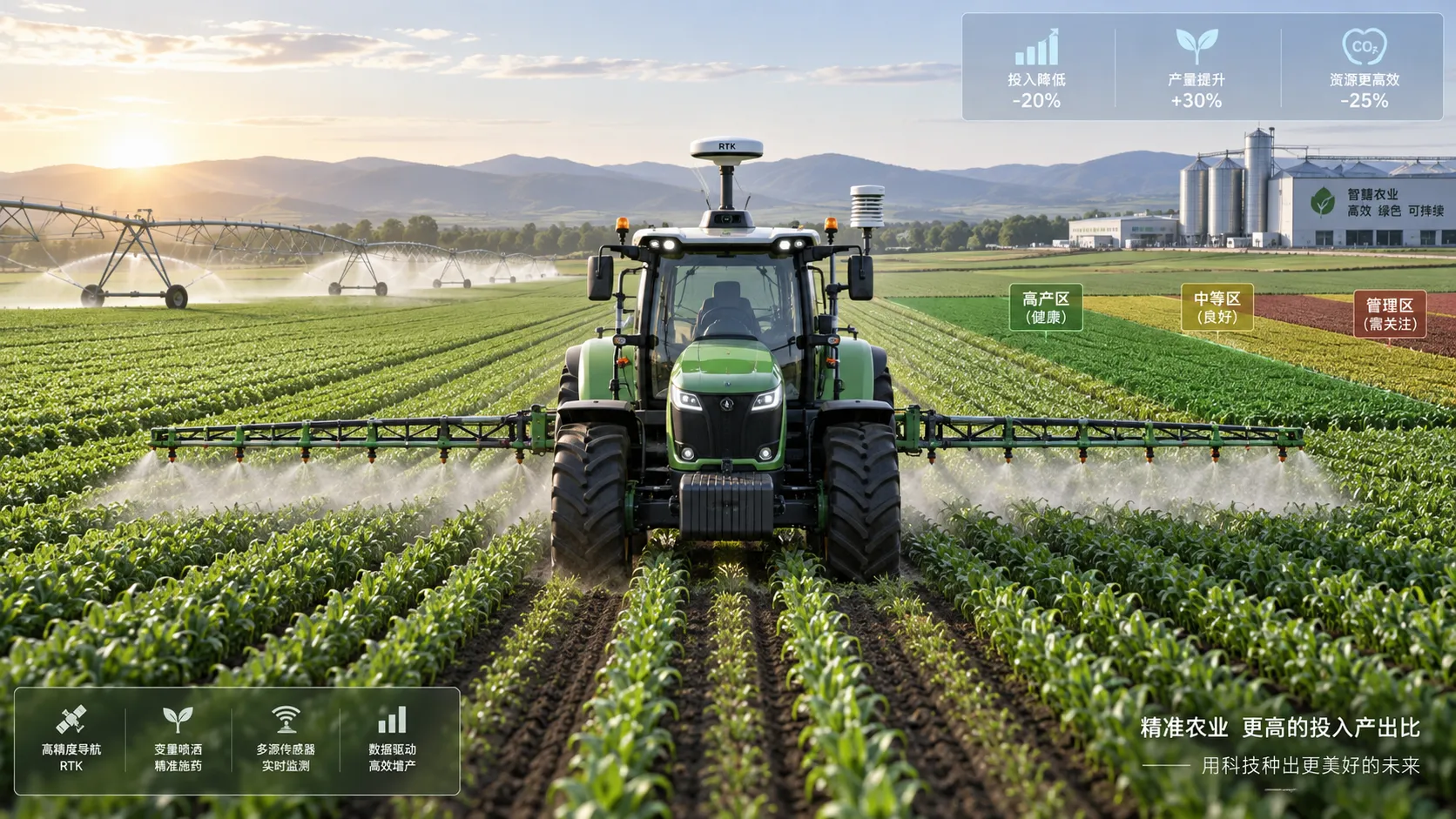
Calculating ROI on precision agriculture equipment: learn to assess total ownership costs, savings, payback, NPV, risks, and farm-scale value before you buy.
Planning Nipple Drinker Installation for Different Chicken House Layouts
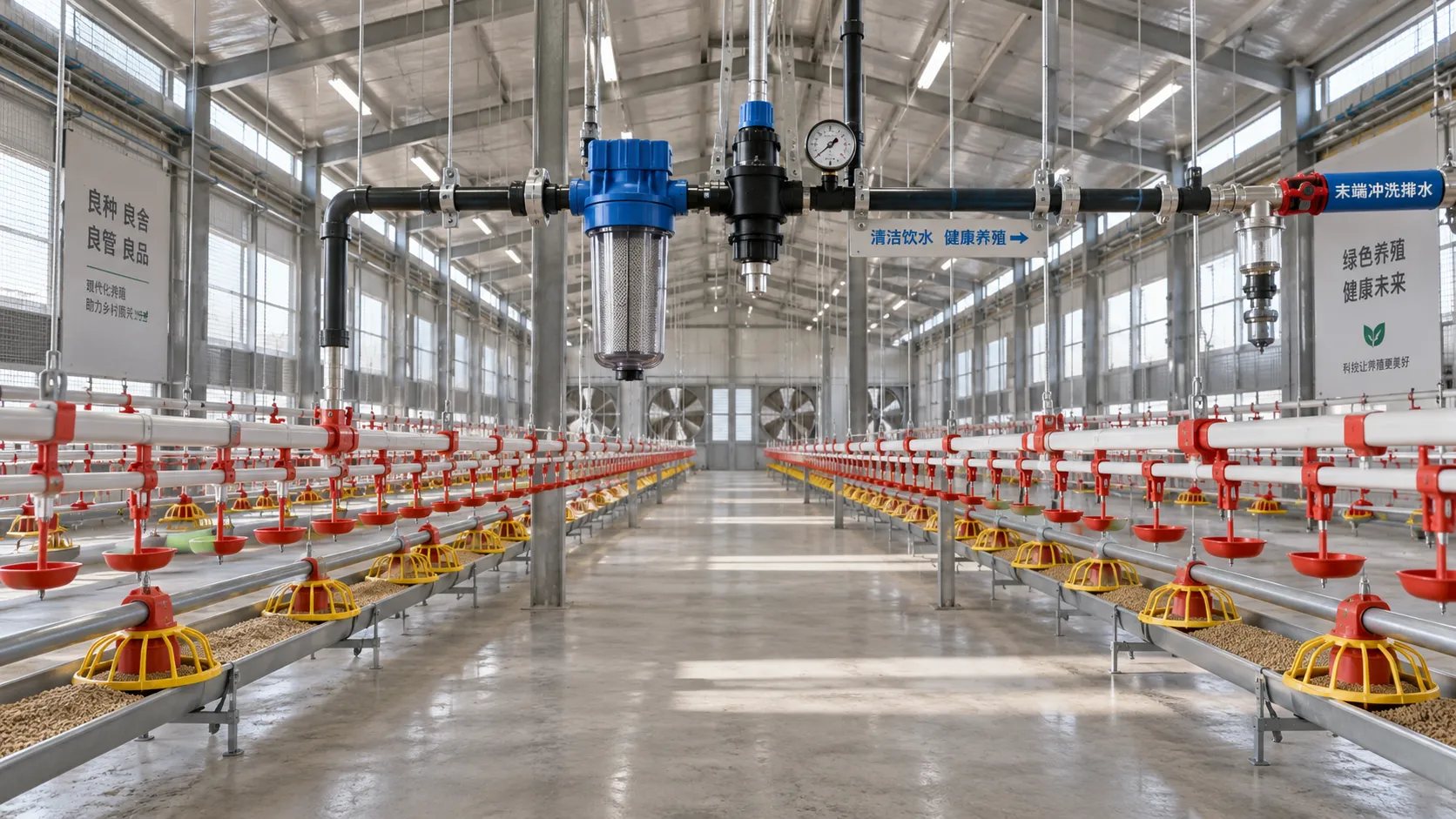
How to install nipple drinker for chicken houses: plan line layouts, pressure control, flushing access, and maintenance for reliable water delivery.
Tractor Specification Sheets: Matching PTO, Hydraulics, and Weight to Farm Tasks
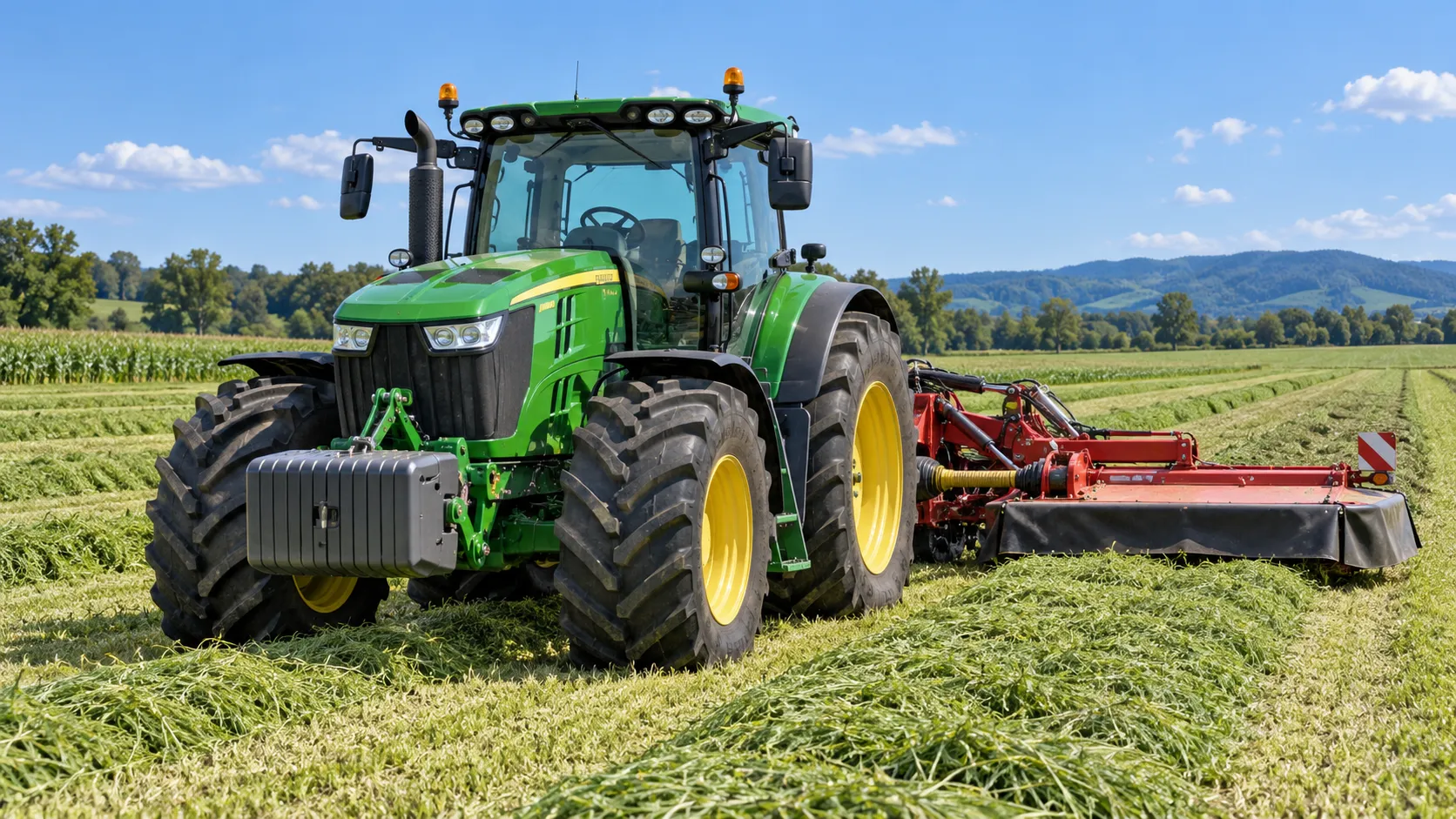
Specification-oriented articles for tractors: match PTO, hydraulics, lift capacity, ballast, and weight to real farm tasks for safer, more efficient equipment choices.
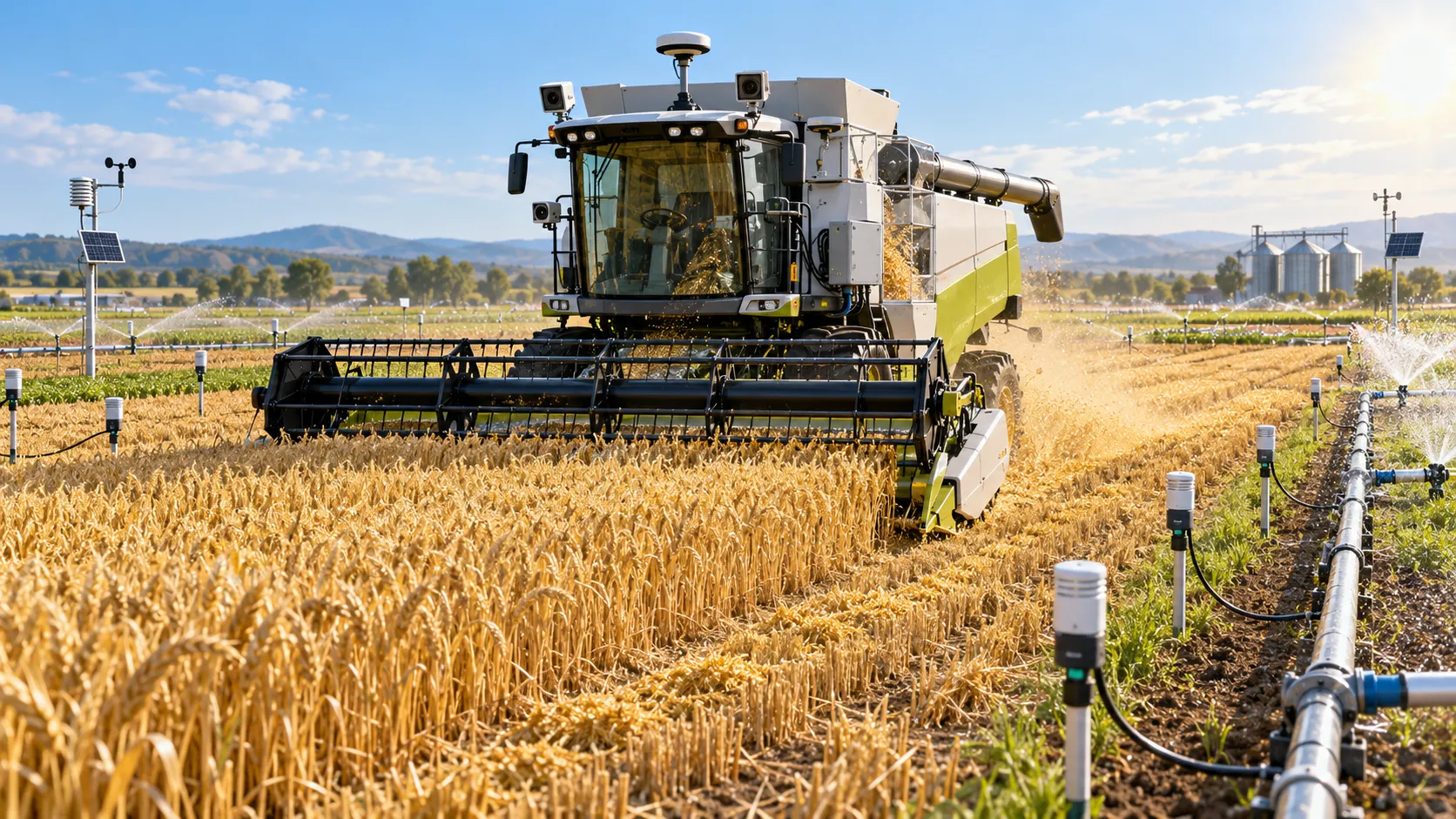
How to Evaluate Dynamic Feedback Algorithm Suppliers for Precision Farming Systems
Dynamic feedback algorithms supplier evaluation guide for precision farming—compare validation, integration, safety, and pilots to choose with confidence.
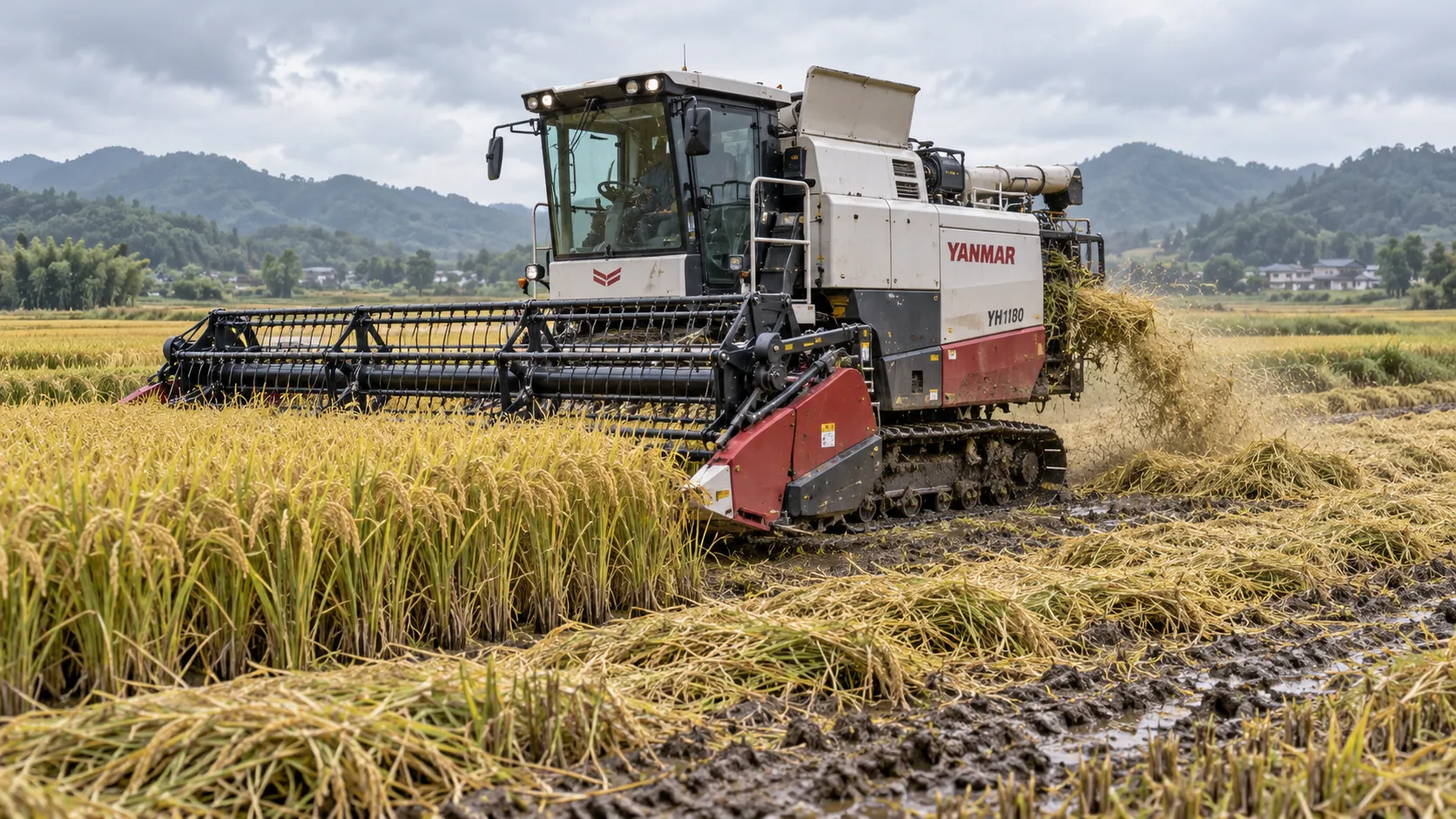
How to Specify Combine Harvester Systems for High-Moisture Grain and Variable Field Conditions
Combine harvester systems for high-moisture grain: learn how to specify threshing, cleaning, headers, traction, and automation for reliable harvests in variable fields.
Related News
- 00
0000-00
How to Size Low-Pressure Water-Saving Irrigation Systems for Uneven Fields - 00
0000-00
Drip vs. Micro-Sprinkler Irrigation: Which System Fits Your Orchard? - 00
0000-00
How to Select Smart Irrigation Valves for Multi-Zone Water Management? - 00
0000-00
Automated Water-Saving Irrigation: How to Cut Water Use Without Reducing Crop Yields - 00
0000-00
How to Evaluate Drip Irrigation System Manufacturers for Large Farm Projects
Popular Tags
Hydrological Resource Strategist
Weekly Insights
Stay ahead with our curated technology reports delivered every Monday.